- Understanding balanced nutrition
- Essential components of a lunch box
- Meal prep tips for busy professionals
- Healthy recipe ideas for variety
- Packing and storing your lunch safely
- Maintaining balance throughout the week
When embarking on your grocery shopping journey, it’s vital to arm yourself with knowledge about what constitutes a balanced lunch box. Start by making a list that includes all the food groups you need: fruits, vegetables, whole grains, protein, and healthy fats. This ensures that your work lunches are not just convenient, but also nutrient-dense.
Healthy foods can often be found in the produce section. Look for seasonal fruits and vegetables, as they are likely fresher and more flavorful. For example, if it’s summer, stock up on berries, cucumbers, and tomatoes. In winter, consider hearty options like squash and root vegetables. Not only do these provide essential vitamins and minerals, but they also support local farmers when you purchase from local markets.
When considering organic foods, prioritize buying organic versions of the “Dirty Dozen” fruits and vegetables, which tend to have higher pesticide residues. Some examples include strawberries, spinach, and potatoes. You can often find these at your local grocery store or farmers market.
If you’re on a budget, look for sales on frozen fruits and vegetables, which retain their nutrients and are often less expensive while still supporting a healthy diet. These can easily be mixed into stir-fries, smoothies, or grain bowls, making them versatile for various meals throughout the week.
For those focused on fitness, consider adding protein-rich options such as lentils, beans, or chickpeas to your grocery list. These plant-based choices are not only great for vegans, but they also offer substantial benefits in terms of energy and recovery post-workout. For quick meal prep, canned versions are excellent—just rinse them before adding to your lunches to reduce sodium levels.
When shopping online, remember to check the safety of the websites you use. Buy from reputable retailers, read customer reviews, and be cautious of deals that seem too good to be true, particularly for products such as supplements. Always check the expiration date on items when they arrive to avoid any surprises.
Consider creating a rotation system for your grocery purchases to keep lunches interesting. For instance, pick two to three different grains—like quinoa, brown rice, or farro—each week to incorporate into your meals. This adds variety to your balanced lunch box without overcomplicating your shopping list.
Lastly, always read ingredient labels, particularly on packaged foods. Aim for items with fewer ingredients and avoid those with added sugars and unhealthy fats. By following these grocery shopping tips, you will enhance your ability to prepare nutritious and satisfying work lunches that support a balanced lifestyle.
Essential components of a lunch box
In creating a balanced lunch box, it’s essential to ensure that various food groups are represented to maximize nutritional intake. A well-structured lunch box should ideally contain components from the following categories:
1. Protein: This is pivotal for muscle repair and growth, as well as providing sustained energy throughout the day. Incorporating a variety of protein sources can help keep meals interesting. Options include:
– Grilled chicken or turkey
– Hard-boiled eggs
– Tofu or tempeh for plant-based protein
– Greek yogurt
– Legumes such as lentils or chickpeas
2. Whole Grains: These are critical for providing fiber, which aids in digestion and helps you feel full longer. Including whole grains in your lunch box can be as simple as:
– Brown rice
– Quinoa
– Oats or whole grain bread
– Barley
3. Fruits and Vegetables: A colorful assortment of fruits and vegetables not only adds visual appeal but also delivers essential vitamins, minerals, and antioxidants. Aim for a range of colors to ensure a diverse nutrient profile. Consider:
– Leafy greens like spinach or kale
– Colorful bell peppers, carrots, or cucumbers
– Seasonal fruits, such as berries, apples, or citrus fruits
4. Healthy Fats: Fats are crucial for absorbing certain vitamins and providing prolonged energy. Opt for healthier fat sources to incorporate in your lunch box, such as:
– Avocado
– Nuts and seeds (almonds, walnuts, chia seeds)
– Olive oil or nut butter
To better understand how to balance these components in your lunch boxes, consider the following table that illustrates a variety of possible combinations for your work lunches:
| Lunch Option | Main Protein | Whole Grain | Fruits/Veggies | Healthy Fat |
|---|---|---|---|---|
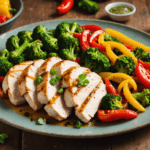
| Grilled Chicken Bowl | Grilled Chicken | Quinoa | Steamed Broccoli & Cherry Tomatoes | Olive Oil Drizzle |
| Chickpea Salad | Chickpeas | Farro | Spinach & Bell Peppers | Avocado |
| Turkey Wrap | Turkey Slices | Whole Wheat Tortilla | Lettuce, Tomato, & Carrot Sticks | Almonds |
| Tofu Stir-fry | Tofu | Brown Rice | Mixed Vegetables (Zucchini, Bell Peppers) | Sesame Seeds |
By ensuring your lunch box includes these essential components, you can create balanced meals that not only meet your nutritional needs but also provide variety and satisfaction. Each element plays a specific role in promoting health, energy, and well-being, thereby enhancing your productivity at work. Aim for balance by rotating different proteins, grains, and vegetables throughout the week to avoid monotony, ensuring each meal in your balanced lunch box is both nourishing and enjoyable.
Meal prep tips for busy professionals
When it comes to meal prep for busy professionals, the key to success lies in effective grocery shopping strategies. Start by creating a meal plan for the week that outlines what you’ll need for your balanced lunch box. Jot down meals that include healthy options from all food groups so that you’re not left scrambling at the last minute.
Make a comprehensive shopping list based on your meal plan. By organizing your list according to the layout of your grocery store—produce, grains, proteins, and so forth—you’ll save time and minimize temptation by staying focused on your healthy meals. Checking your pantry and fridge beforehand also helps avoid duplicate purchases and ensures you use up ingredients before they spoil.
While grocery shopping, don’t overlook the importance of local and seasonal produce. Visiting farmers’ markets not only supports local agriculture but often provides fresher options at competitive prices. For instance, a weekend trip to your local market can yield a colorful array of tomatoes, basil, and zucchinis perfect for salads or stir-fries.
If you’re following a vegan lifestyle, be sure to stock up on plant-based proteins. Foods like tempeh, edamame, and lentils are not just nutritious but also budget-friendly. A great way to incorporate these ingredients is by preparing a large batch of bean chili or lentil soup that can serve as the base for multiple work lunches throughout the week.
For those conscious of health and budget, considering frozen fruits and vegetables can provide a cost-effective solution without sacrificing nutrition. Frozen berries, for example, are excellent for smoothies or as yogurt toppings, while frozen vegetables can be quickly tossed into stir-fries or steamed as a side dish.
Shopping for organic foods can be beneficial, but it’s important to know when it’s worth the investment. The Environmental Working Group’s “Clean Fifteen” list highlights produce with the least pesticide residues, such as avocados and sweet corn, making them excellent budget-conscious organic choices. This can help you prioritize your spending while maintaining a focus on health.
When navigating online shopping, a few precautions can enhance your experience. Opt for reputable websites, check for secure payment options, and read product reviews before purchasing. Also, consider subscribing to recurring deliveries for pantry staples or meal kits that align with your dietary preferences; these can save you both time and money while keeping your meals exciting and varied.
Additionally, keep in mind that it’s helpful to keep versatile staples on hand, such as brown rice, quinoa, and whole grain pasta. These can serve as the base for many healthy meals. This strategy not only aids in quick meal assembly but also ensures that you’re always prepared for assembling your balanced lunch box.
When picking packaged items, make it a habit to read ingredient labels. Focus on products with a short ingredient list, avoiding those laden with preservatives, added sugars, or unhealthy fats. This practice empowers you to make informed choices, enhancing the nutritional value of your work lunches and aligning with your health goals.
Healthy recipe ideas for variety
Incorporating a variety of healthy recipe ideas into your meal prep can keep your lunches exciting and your taste buds satisfied throughout the week. The key is to explore different ingredients, flavors, and cooking methods to create a vibrant assortment of meals. Here are some engaging and nutritious recipe ideas that you can easily prepare for your balanced lunch box.
Start with salads as they are incredibly versatile and can be tailored to suit your tastes. Consider a Mediterranean quinoa salad packed with diced cucumbers, cherry tomatoes, red onion, and Kalamata olives. Tossed with a simple olive oil and lemon dressing, this salad not only provides a healthy grain base but also bursts with flavor and freshness.
Another easy and delightful option is a grain bowl. Combine brown rice or farro with roasted seasonal vegetables such as sweet potatoes, bell peppers, and broccoli. Top it off with a protein of your choice—grilled chicken, roasted chickpeas, or tofu—and drizzle a tahini dressing for an extra layer of richness and nutrients.
Wraps can also be an excellent choice for work lunches. Try a spinach tortilla filled with hummus, turkey slices, shredded carrots, and lettuce. Roll it up and slice it into pinwheels for a fun and easy-to-eat lunch. You can prepare a few wraps at once and store them in the fridge, making them a quick grab-and-go option during busy days.
Don’t forget about soups, which can be made in large batches and frozen for future meals. A hearty lentil soup cooked with carrots, celery, and tomatoes can be both filling and nutritious. Simply reheat and pair with whole-grain bread for a wholesome lunch that warms you up.
For those who love comfort food, consider prepping a veggie stir-fry. Use a mix of colorful vegetables like zucchini, snow peas, and bell peppers, sautéed with garlic and ginger, and serve it over brown rice or quinoa. Top it with a splash of soy sauce or a sprinkle of sesame seeds for added flavor.
“Eating nutritious, colorful foods is more about nourishing your body than it is about restricting yourself. Give yourself permission to enjoy all the flavors food has to offer.”
Incorporate healthy snacks to alternate with your meals. Sliced apples with almond butter, Greek yogurt with honey, or a small serving of mixed nuts can satisfy mid-afternoon cravings while adding to your overall nutritional intake.
By mixing and matching these recipes, you can keep your work lunches varied and enjoyable, promoting a balanced diet without the monotony. Meal prep doesn’t have to be tedious; with a little creativity and planning, making healthy meals can be a fun and rewarding process.
Packing and storing your lunch safely
Packing lunches for work goes beyond simply tossing food into containers; it requires foresight and an understanding of how to maintain freshness and safety throughout the day. Begin by selecting appropriate containers that are not only leak-proof but also insulated if you’re packing temperature-sensitive items. Investing in high-quality, BPA-free containers ensures that your meal stays fresh while keeping harmful chemicals at bay.
Use smaller compartmentalized containers for foods that can easily mix or lose their texture. For instance, salads can be packed separately from dressings, and delicate items like avocados can benefit from being stored separately until mealtime. This not only maintains the integrity of each ingredient but also enhances your meal’s visual appeal when you finally sit down to enjoy it.
Temperature control is another crucial aspect of proper packing. If your lunch includes perishable items such as yogurt, cheese, or meat, use ice packs to keep these foods chilled until lunchtime. A small insulated lunch bag can keep everything at a safer temperature, preventing any unwanted bacterial growth that can lead to foodborne illnesses.
It’s important to consider the sequence in which you assemble your lunch. Place heavier items at the bottom of your container to avoid crushing lighter foods. For instance, layer grains or proteins first, followed by veggies and finally any lighter ingredients such as nuts or seeds. This ensures that your balanced lunch box arrives at your desk looking appetizing and ready to eat.
Furthermore, when packing fruits, choose varieties that travel well, such as whole apples, bananas, or oranges. If you want to pack cut fruit, coat it with a little lemon juice to help prevent browning and spoilage.
Storing your packed lunch properly in the refrigerator at work is equally important. Find a space dedicated to lunch bags, ideally in a cooler zone, to ensure your meals remain at safe temperatures until you’re ready to eat.
Every step from grocery shopping to meal preparation and packing plays a role in the quality and nutritional value of your work lunches. By taking these measures, you can not only enhance the flavors and textures of your meals but also ensure that your body receives the wholesome nutrition it needs to power through your day effectively.
- What are some good containers for packing lunches?
- Opt for BPA-free, leak-proof containers with good insulation properties. Compartmentalized containers are ideal for separating different food items.
- How can I keep my lunch fresh until it’s time to eat?
- Use ice packs to keep perishable foods cool and store your packed lunch in a refrigerated area at work, if possible.
- Is it safe to pack leftovers for lunch?
- Yes, as long as leftovers are stored properly and consumed within a couple of days after cooking. Ensure they are reheated to a safe temperature before eating.
- Can I pack salads for work?
- Absolutely! To keep salads fresh, pack dressings separately and layer ingredients strategically to avoid sogginess.
- What types of fruits are best for lunch boxes?
- Whole fruits like apples, oranges, or bananas are great choices. For cut fruits, consider adding a bit of lemon juice to prevent browning.
- How can I pack a balanced lunch box efficiently?
- Layer heavier items on the bottom and lighter ones on top. Consider preparing meals in bulk over the weekend for easy assembly during the week.
- What should I do if I forget my lunch at home?
- If possible, keep a stash of non-perishable snacks at work, like nuts or protein bars, or consider ordering a healthy meal from local cafes nearby.
Maintaining balance throughout the week
Maintaining a balanced and nutritious diet throughout the week requires thoughtful planning and preparation when it comes to grocery shopping and meal assembly. Start by surveying your pantry and fridge to ensure that you’re managing your ingredients effectively and utilizing what you already have. This helps prevent waste while keeping your meals varied and interesting.
Consider dedicating a specific day each week to grocery shopping. This creates a routine, making it easier to anticipate what you will need for your balanced lunch box. When making your shopping list, categorize items based on sections of the store—produce, proteins, grains, and healthy fats. This not only saves time but also helps you stay focused on your nutritional goals.
As you navigate the produce section, look for seasonal and local fruits and vegetables. Fruits like berries and stone fruits in the summer or root vegetables and citrus in the winter provide essential nutrients and can brighten up your work lunches. Explore local farmers’ markets for fresh options and unexpected varieties that can add flavor and nutrition to your meals.
If you’re pursuing a vegan lifestyle or simply aiming to incorporate more plant-based meals, be strategic about including legumes, grains, and nuts in your grocery list. Items like chickpeas, lentils, quinoa, and a variety of nuts can deliver the protein you need while remaining budget-friendly. Try preparing a large batch of beans or lentils at the start of the week, which can be easily added to different dishes.
In addition to purchasing fresh ingredients, consider how frozen foods can be a valuable asset to your meal prep. Frozen fruits and veggies can retain their nutritional benefits while offering more affordable price points. These can be easily added to smoothies or cooked into stir-fries with little effort, helping to create diverse work lunches throughout the week.
When shopping online, prioritize reputable retailers, and ensure that your payment methods are secure. Be cautious of overly cheap prices for organic products, as they may not always guarantee quality. Subscribing to regular grocery deliveries for everyday staples can streamline your meal prep process and keep your focused on making healthy meals. Always check the expiration dates and condition of packaged goods upon arrival to ensure they’re suitable for consumption.
To maintain variety, try to incorporate a “theme” for each day of the week. For instance, focus on Mediterranean-inspired lunches on Mondays, plant-based meals on Wednesdays, and grain bowls on Fridays. This approach makes it easier to shop for your ingredients, as it narrows down what you need while ensuring you’re enjoying a range of flavors.
Lastly, read the ingredient labels carefully, especially when selecting packaged foods. Choose items with fewer additives and avoid those high in sugars and unhealthy fats. By becoming a savvy shopper, you can assemble balanced lunch boxes that not only meet your dietary needs but also keep your taste buds delighted and engaged.
New Customers Offer!
Free Gift for the new customer
$24 Value, When You Subscrib Visit Thrive Market