- Nutritional Benefits of Organic Vegetarian Meals
- Seasonal Ingredients to Enhance Flavor
- Quick and Easy Dinner Recipes
- Meal Prep Tips for Busy Weekdays
- Creative Side Dishes for a Balanced Plate
- Dessert Ideas to Complete Your Dinner
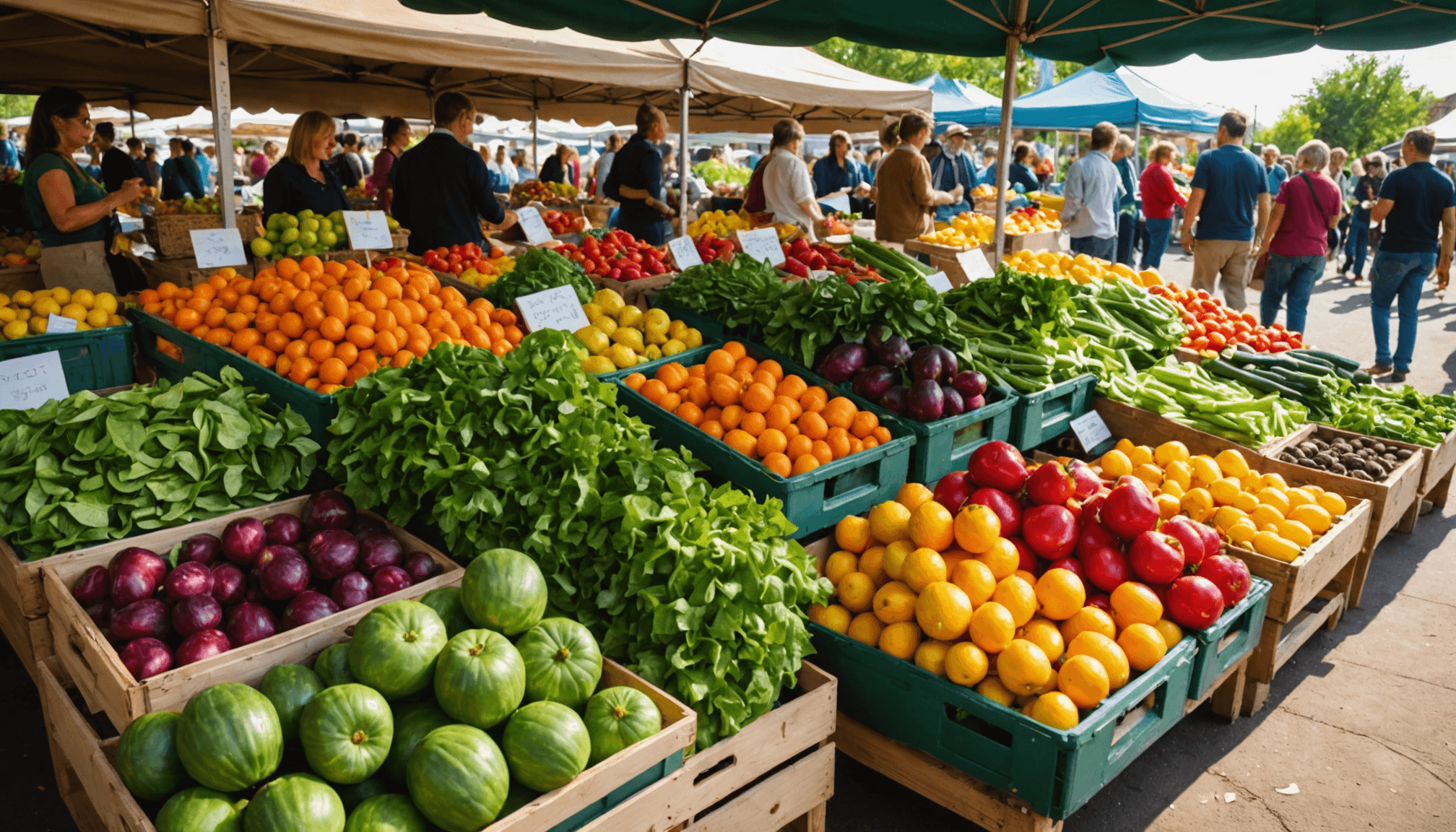
When planning your meals, understanding where to shop and what to buy can significantly contribute to a healthier lifestyle. Start by prioritizing organic food; this not only supports sustainable farming but also enhances your nutrient intake. Look for certified organic labels in both your local grocery store and online shops. Many cities have farmers’ markets that feature local foods which are often fresher and taste better than their mass-produced counterparts. This can be a perfect opportunity to pick up seasonal vegetables that make for fantastic vegetarian recipes.
When shopping, focus on the perimeter of the grocery store where fresh produce, dairy, and meats are typically located. Avoid the central aisles filled with processed foods. When you do venture into those aisles, seek out items with minimal ingredients and those free from chemical preservatives. Incorporating a variety of colors onto your plate can ensure you’re getting all the necessary vitamins and minerals—think red tomatoes, green spinach, and orange carrots.
For budget-friendly foods, consider dry goods like beans, lentils, and whole grains. These staples are high in protein and fiber, which are essential for maintaining energy levels during workouts. Additionally, they have a long shelf life, making them a smart choice for meal prep. Buying in bulk or choosing store brands can also help reduce your grocery bills.
When it comes to online shopping, utilize platforms that specialize in organic or local produce. Make sure to check out user reviews or ratings to gauge the freshness of the items. Be mindful of shipping times as fresh produce can spoil quickly. Look for vendors who disclose their sourcing practices; this can ensure that you know where your food is coming from, supporting transparency and safety.
Another essential aspect is ingredient safety. When choosing products, particularly packaged foods, read labels carefully. Ingredients like high fructose corn syrup and artificial colors should be avoided as they’re not only unhealthy but often come with hidden chemicals. Always wash your fruits and vegetables thoroughly to remove any pesticides, even if they are labeled organic.
Finally, planning your grocery list ahead of time can reduce impulse buys. Create a system where you can rotate through recipes using the same core ingredients to avoid waste. Many healthy dinners can be made from a few simple ingredients, so invest in versatile items that can be used across multiple meals.
Seasonal Ingredients to Enhance Flavor
Seasonality plays a crucial role in elevating the flavors of any dish, especially in organic vegetarian meals. By utilizing ingredients that are in season, you not only enhance the taste of your meals but also ensure the freshness and nutritional content of your ingredients. Seasonal produce is typically harvested at its peak, which means they are more flavorful, vibrant, and packed with nutrients compared to out-of-season produce that may have traveled long distances.
Fruits and vegetables that are in season can vary significantly by region and month, so it’s useful to familiarize yourself with what’s available locally throughout the year. Below is a table that outlines some common seasonal ingredients along with their peak months in the United States:
| Season | Fruits | Vegetables |
|---|---|---|
| Spring | Strawberries, Cherries | Asparagus, Spinach, Radishes |
| Summer | Peaches, Plums, Tomatoes | Cucumbers, Zucchini, Bell Peppers |
| Fall | Apples, Pears, Grapes | Broccoli, Brussels Sprouts, Squash |
| Winter | Citrus Fruits (Oranges, Lemons) | Kale, Root Vegetables (Carrots, Beets) |
Incorporating these seasonal ingredients into your meals can significantly boost the flavor of your vegetarian recipes. For example, during the summer months when tomatoes are ripe, consider making a fresh Caprese salad with organic tomatoes, basil, and mozzarella. This simple dish becomes a celebration of summer flavors and is not only delicious but also quick to prepare.
Furthermore, pairing seasonal vegetables with grains and legumes can lead to satisfying and wholesome meals. For instance, a hearty fall dish might include roasted Brussels sprouts, sweet potatoes, and quinoa, drizzled with a balsamic glaze for an added zing. This not only offers a beautiful array of colors on your plate but also a comprehensive mix of flavors and textures.
Seasonal ingredients can also inspire creativity in your meal planning. Instead of sticking to tried-and-true recipes, use the availability of fresh produce to explore new culinary avenues and healthy dinners that highlight the flavors of the season. You might invent a stir-fry that incorporates spring vegetables like snap peas and carrots or create a hearty soup featuring winter squash and kale. These dishes can be effortlessly tailored to your cravings while supporting your health and the environment.
Overall, leveraging seasonal ingredients is an easy and effective way to enhance the taste and nutritional value of your organic vegetarian meals. By following the seasons and allowing them to dictate your menu, not only do you enjoy more flavorful food, but you also contribute to sustainable eating practices by reducing the carbon footprint associated with long-distance transportation of out-of-season produce.
Quick and Easy Dinner Recipes

When it comes to putting together quick and easy dinner recipes, the grocery shopping experience can significantly influence your success in the kitchen. Before you even step foot in the store or click through online options, it’s crucial to have a solid plan. Create a grocery list that focuses on versatile ingredients which can be used across multiple meals. This strategy not only reduces waste but also ensures you’ll always have the basics on hand for those busy weeknights.
When shopping offline, aim for peak hours during the week to avoid crowds, allowing you the time to carefully choose your ingredients. Stick to the outer aisles of the grocery store where fresh fruits, vegetables, and natural foods are found. For quick meal preparation, opt for pre-washed salad greens, canned beans, or frozen vegetables. These items can be real lifesavers when you need to whip up a healthy dinner in no time.
Consider the following shopping tips to enhance your grocery experience:
- Choose Bulk Bins: When buying items like grains or legumes, consider bulk bins. They often offer lower prices and allow you to purchase exactly the amount you need. Quinoa, lentils, and rice from bulk sections are ideal for hearty vegetarian recipes.
- Farmers’ Markets: Frequenting farmers’ markets can be an enjoyable way to shop while supporting local agriculture. Fresh seasonal produce can inspire you to try new dinner recipes that highlight these ingredients.
- Check for Sales: Always look for sales or discounts on organic food. Many stores have deals on healthy items, and many organic brands run frequent promotions.
If you’re opting for online grocery shopping, ensure that you choose platforms known for their fresh produce. Before finalizing your order, review user feedback and shipping options carefully. Knowing delivery times is essential, especially for perishable items. Select a reliable vendor with solid customer service for any potential issues with your order.
Additionally, ingredient safety should remain a top priority. Make it a habit to read labels for important information such as expiration dates and ingredient lists. Even when shopping for organic products, confirm that your choices are free from additives and preservatives that can compromise health. For packaged goods, try to stick to recognizable ingredients that you can pronounce, promoting a cleaner diet.
Moreover, purchasing organic can be beneficial for both your health and the environment. Look for local organic brands or co-ops which often feature items that are both nutritious and budget-friendly. For instance, selecting local organic produce not only helps you avoid chemical pesticides but also supports sustainability in your community.
When contemplating meal prep for healthy dinners, consider purchasing a few significant staples that can be repurposed in various recipes. Items like chickpeas can be turned into hummus or tossed into salads, while sweet potatoes can be mashed, roasted, or added into stews. This versatility allows you to create diverse meals quickly while keeping things interesting.
Shopping mindfully, with a focus on both nutrition and budget, can greatly enhance your experience in meal preparation. By aligning your grocery list with your weekly dinner plans, you streamline the cooking process, making it easier to maintain a healthy vegetarian lifestyle amidst your busy schedule. Whether you’re gathering fresh ingredients from local markets or stocking up via online orders, taking these actionable steps will help you create delightful, nutritious, and quick meals that fit perfectly into your active life.
Meal Prep Tips for Busy Weekdays
When it comes to staying on top of your weekly meals, establishing an effective meal prep routine can make all the difference, especially for busy weekdays. Start by dedicating a specific day, typically Sunday, to plan and prepare your meals for the week ahead. This allows you to block off time to create nutritious vegetarian recipes that can be easily reheated or assembled on busy nights.
Begin by selecting a handful of core ingredients to serve as the foundation for your meals. For instance, choose a couple of base grains like brown rice, quinoa, or whole grain pasta, and a variety of proteins such as chickpeas, lentils, or tofu. These components can be combined with seasonal vegetables you’ve sourced from local markets, adding flavor and nutrition. Consider making a big batch of roasted veggies to easily incorporate into different meals throughout the week, whether it’s adding them to salads, grain bowls, or wraps.
Next, simplify your cooking process by chopping vegetables and portioning out snacks in advance. Wash and cut leafy greens, carrots, bell peppers, or any other favorites to have them ready for salads or stir-fries. Storing them in separate airtight containers will keep them fresh and accessible. You might also pre-cook large portions of beans or lentils, which can be stored in the refrigerator or frozen for later use, saving time without sacrificing nutrition.
In terms of organizing your meals, try to create different flavor profiles to keep things interesting. For example, you can make a Mediterranean grain bowl one night with quinoa, roasted eggplant, cherry tomatoes, olives, and a tahini dressing. The following night, transform the same base ingredients into a Mexican-inspired dish by adding black beans, corn, avocado, and salsa. This approach not only minimizes waste but also provides a variety of healthy dinners that will satisfy your palate throughout the week.
Storage plays a critical role in maintaining the quality of your prepped meals. Invest in a set of glass containers with secure lids that are microwave and dishwasher safe for easy reheating. Label each container with the meal name and the date prepared to keep track of freshness. Another tip is to use freezer bags for portioning out cooked grains, beans, and proteins, making it easy to throw together a quick meal when time is tight.
Don’t overlook breakfast and snacks, which can also benefit from the meal prep strategy. Overnight oats, chia pudding, or pre-portioned smoothie bags can help ensure that you start your day with healthy options. Snack packs with cut veggies, whole grain crackers, and hummus are simple to prepare and prevent impulse choices that veer off from your dietary goals.
Implementing these meal prep tips will not only streamline your dinner routine but also inspire creativity in your vegetarian recipes. By preparing wholesome meals and snacks in advance, you can maintain a healthy lifestyle, even on the busiest of weekdays. With practice, meal prep can turn from a daunting task into a simple, enjoyable part of your weekly routine, allowing you to savor the benefits of nutritious organic food every day.
“By failing to prepare, you are preparing to fail.” – Benjamin Franklin
Creative Side Dishes for a Balanced Plate
 Creative side dishes can elevate your organic vegetarian dinners from ordinary to extraordinary, providing both flavor and visual appeal to your meals. Incorporating a variety of textures and flavors into your side dishes not only balances the plate but also ensures you are meeting nutritional needs for a well-rounded meal. When thinking about side dishes, consider seasonal vegetables that can be transformed into vibrant, healthy accompaniments that enhance the main course.
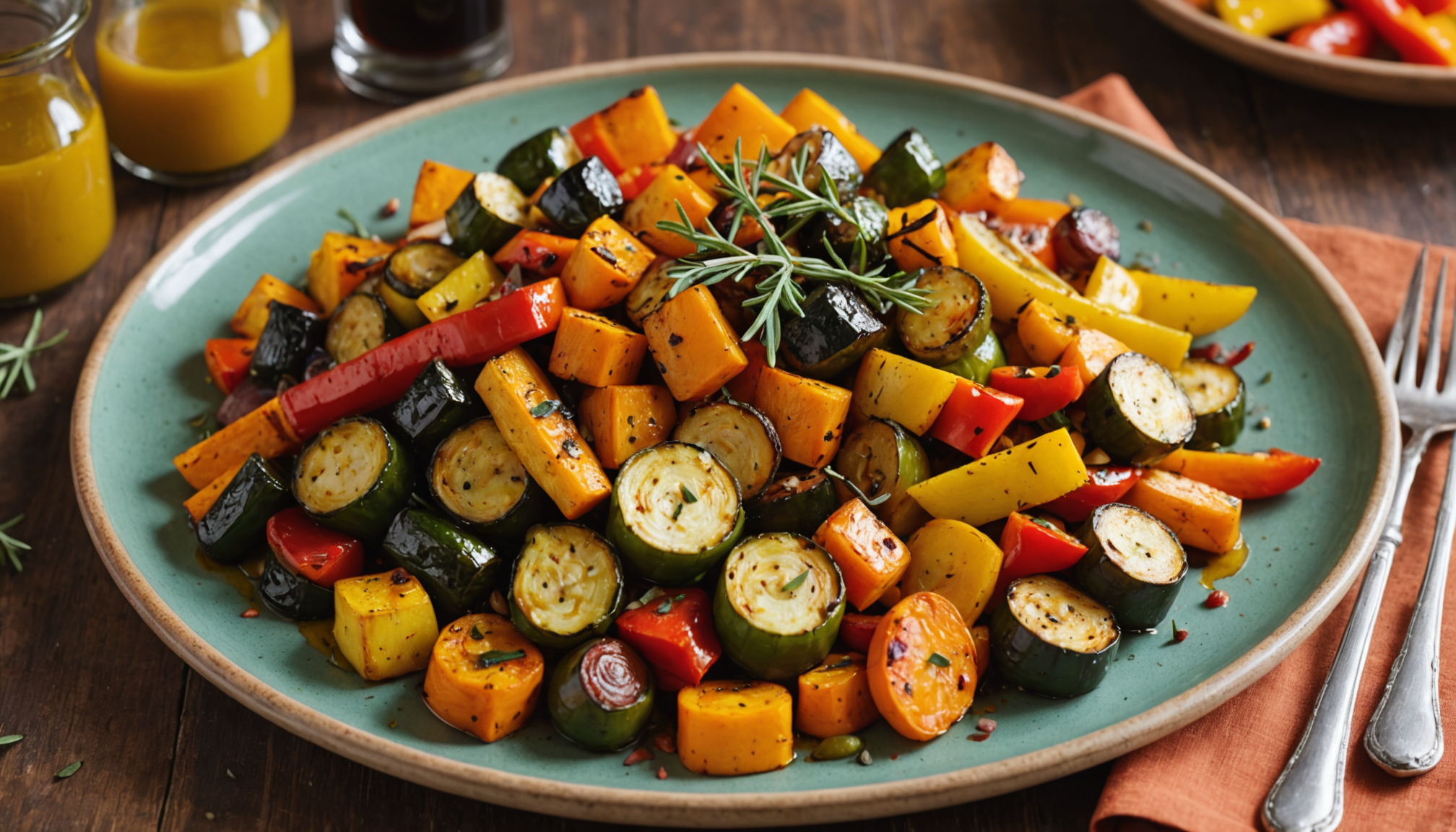
One delightful option is a roasted vegetable medley, combining seasonal produce such as zucchini, bell peppers, and sweet potatoes. Toss these cut vegetables in olive oil, salt, pepper, and your favorite herbs like rosemary or thyme, then roast them until they are caramelized and tender. Roasting brings out the natural sweetness of the vegetables, adding depth of flavor to your meal. Serve this alongside a grain like quinoa or farro, creating a satisfying and colorful plate.
Another fantastic side is a mixed greens salad featuring peppery arugula or kale as a base, topped with seasonal additions like sliced pears, nuts, and a tangy vinaigrette dressing. This combination provides essential nutrients, healthy fats, and fiber while the sweet and salty elements work harmoniously together, making your meal far more exciting. Consider adding chickpeas for an extra protein boost, easily transforming a simple salad into a nutrient-dense dish.
If you’re looking for something hearty, consider whipping up a creamy cauliflower mash. By steaming cauliflower and blending it with a touch of garlic, olive oil, and a splash of plant-based milk, you can create a delicious mashed potato alternative that is lower in carbs and rich in vitamins. This dish works beautifully as a side for mushroom-stuffed bell peppers or lentil shepherd’s pie, offering a creamy contrast to the heartiness of the main dish.
Don’t forget about grain-based salads, which can offer great flavor and nutrition. A tabbouleh salad, for instance, features bulgur wheat, fresh parsley, mint, diced tomatoes, and a zesty lemon dressing, making it a refreshing side that complements any main course. This light and flavorful side can transport your taste buds to Mediterranean shores while providing essential nutrients and fiber.
To amp up the creativity even further, try incorporating global flavors into your sides. For example, you can make roasted chickpeas seasoned with smoked paprika and garlic, adding a crunchy texture and protein-rich boost to accompany roasted vegetables or grain bowls. Similarly, a side of sautéed greens with garlic and a squeeze of lemon provides a simple yet robust option bursting with nutrients.
The combinations are endless, and your creativity is the limit. Use these concepts to inspire you to craft side dishes that not only support a healthy vegetarian lifestyle but also delight the taste buds and nourish the body. As you explore the textures, colors, and flavors available in organic ingredients, think about how these side dishes can take your healthy dinners to the next level, inviting exploration and experimentation into your kitchen.
- What are the benefits of organic vegetarian meals?
- Organic vegetarian meals are generally higher in nutrients and free from synthetic pesticides and fertilizers. These meals promote biodiversity and sustainable farming practices while offering fresh, seasonal produce that enhances flavor and health benefits.
- How do I choose seasonal ingredients for my meals?
- To choose seasonal ingredients, research what fruits and vegetables are in season in your area at any given time. Local farmers’ markets or grocery store signs often indicate seasonal availability, helping to ensure you’re using the freshest produce.
- Can you provide examples of easy vegetarian side dishes?
- Yes, some easy vegetarian side dishes include roasted vegetables, mixed greens salad, creamy cauliflower mash, or grain-based salads like tabbouleh. These dishes are quick to prepare and pair well with a variety of main courses.
- What are some ideas for healthy vegetarian snacks?
- Healthy vegetarian snacks can include fresh cut veggies with hummus, fruit with nut butter, or yogurt with granola. These options are not only delicious but also provide essential nutrients to keep you energized throughout the day.
- How can I ensure my meal prep is successful?
- To ensure successful meal prep, plan your meals in advance, choose versatile ingredients, and allocate time each week to prep and portion your meals. Organizing storage containers and labeling them can also help in maintaining freshness.
- What kind of herbs and spices should I use to enhance my dishes?
- Herbs like basil, thyme, and rosemary, as well as spices like cumin, paprika, and turmeric, can greatly enhance the flavor of your vegetarian dishes. Fresh herbs can add brightness, while spices can contribute warmth and depth.
- How can I make my vegetarian dinners more filling?
- To make vegetarian dinners more filling, incorporate protein-rich ingredients such as beans, lentils, or quinoa alongside healthy fats like avocado or nuts. Adding whole grains and plenty of colorful vegetables will also add volume and nutrients to your meals.
Dessert Ideas to Complete Your Dinner
Desserts can be a delightful way to round out an organic vegetarian dinner, providing a sweet finish that complements the wholesome flavors of the main course. When selecting dessert options, consider ingredients that are both tasty and beneficial for health, so you can indulge without the guilt. Utilizing fruits, nuts, and whole grains will ensure your desserts are satisfying yet nutritious.
Start with fresh seasonal fruits that can be transformed into various desserts. For example, a berry crisp made with organic oats and coconut sugar can be an excellent healthy option. Simply mix together a variety of organic berries, such as blueberries and raspberries, with a sprinkle of cinnamon and a bit of cornstarch to thicken. Top this with a mixture of oats, almond flour, and coconut oil before baking until golden. This dessert is not only quick and easy to prepare, but it’s also packed with vitamins and antioxidants.
Another stellar dessert idea is a chocolate avocado mousse. This creamy treat uses ripe avocados blended with cocoa powder, maple syrup, and a splash of plant-based milk for a rich, decadent flavor. Avocados provide healthy fats and fiber, making this dessert both indulgent and wholesome. Serve it in small jars topped with fresh berries or shredded coconut for a visually appealing finish.
If you’re a fan of baked goods, consider making banana oat muffins. Mash ripe bananas and mix them with rolled oats, walnuts, and a dash of cinnamon. These muffins can be enjoyed fresh out of the oven or as a grab-and-go snack during the week. The bananas add natural sweetness, negating the need for added sugar while providing potassium and fiber.
For those who appreciate frozen treats, a simple nice cream can be a game changer. Freeze ripe bananas and then blend them until creamy for a quick, dairy-free ice cream alternative. Mix in organic peanut butter or a splash of vanilla extract for added flavor. This dessert is not only satisfying but also supports a healthier diet by using whole, unprocessed ingredients.
When it comes to shopping for dessert ingredients, focus on organic food to ensure that you’re avoiding harmful pesticides and chemicals. Visit local farmers’ markets to find organic fruits and nuts, which often provides the freshest options and supports your community’s economy. For pantry staples like cocoa powder and flour, choose certified organic brands available in bulk sections to save money without compromising quality.
Online shopping can also be a convenient way to source unique organic ingredients. However, it’s essential to buy from reputable sellers who prioritize freshness and quality. Always read customer reviews and check ratings for products before purchasing. Pay attention to shipping times, particularly for perishables, to ensure that your ingredients arrive in optimal condition.
As you embark on the adventure of creating delicious desserts to complete your meals, remember that moderation is key. Portioning desserts into smaller servings can be very helpful, allowing you to savor each bite while keeping your overall intake balanced. By incorporating these healthier dessert ideas into your dining routine, you will satisfy your sweet tooth without straying from your commitment to nourishing, organic vegetarian recipes.
New Customers Offer!
Free Gift for the new customer
$24 Value, When You Subscrib Visit Thrive Market