- Affordable Ingredients for Vegetarian Cooking
- Easy Recipes for Delicious Dinners
- Meal Prep Strategies to Save Time
- Seasonal Vegetables for Maximum Flavor
- Budget-Friendly Substitutes for Meat
- Tips for Enhancing Nutritional Value
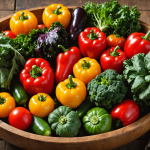
Shopping smart for vegetarian cooking can make a significant difference in both your wallet and your health. Start by exploring your local farmer’s market; not only will you find affordable organic food, but you’ll also support local farmers and enjoy the freshest seasonal produce. Seasonal vegetables tend to be cheaper and tastier, so ask vendors what’s at its peak. Think about staples like kale, bell peppers, and sweet potatoes, which are often plentiful and budget-friendly.
When shopping online, utilize local delivery services or subscription boxes that focus on organic produce; this can often be a cost-effective way to ensure you’re getting quality ingredients. Be sure to compare prices and check reviews to avoid overpriced items or services that may not meet your freshness expectations.
For those looking to maintain a vegetarian diet without overspending, keep an eye out for store sales and discounts—especially on pantry essentials like lentils, chickpeas, and quinoa. These items are not only nutritious but come together well in a variety of easy vegetarian recipes. Stocking up on bulk grains and legumes can save you money in the long run, as these have a lengthy shelf life.
Don’t shy away from frozen fruits and vegetables. They retain their nutritional value, are often more affordable than fresh produce, and offer great convenience. This is crucial for busy professionals and families looking for quick meal options without sacrificing quality. When choosing frozen products, make sure to check the ingredient list for any added sugars or preservatives.
Another tip—invest in a few essential herbs and spices. Fresh herbs add tremendous flavor to any dish; consider cilantro, basil, or parsley. They can often be found at reasonable prices at grocery stores or farmer’s markets. Additionally, dried herbs like oregano and thyme can elevate your vegetarian meals significantly and have a long shelf life.
When looking at the safety of ingredients, prioritize quality over quantity. Look for certified organic options when possible, as these are free from harmful pesticides and additives, aligning with a holistic approach to health and well-being. Always check labels when purchasing packaged vegetarian foods, as some may contain unexpected non-vegan ingredients.
Lastly, for online shopping, be wary of where you purchase your groceries. Stick to reputable sites or brands, ensuring they have secure payment options and clear return policies. This vigilance will help you avoid potential scams and unhygienic products, ultimately safeguarding your healthy eating journey. Adopting these practical tips will not only streamline your grocery shopping but also enrich your vegetarian cooking experience!
Easy Recipes for Delicious Dinners
For a vegetarian dinner that is both delicious and easy to prepare, consider a selection of hearty and satisfying recipes that highlight the use of affordable ingredients while maximizing flavor. These meals can be ready in under 30 minutes and require minimal prep time, making them ideal for busy weeknights.
One such recipe is the Chickpea Stir-Fry, which embodies the spirit of quick, nutritious vegetarian cooking. Start with a can of chickpeas, drained and rinsed, and sauté them with garlic, onion, and a medley of bell peppers, adding soy sauce and a splash of lime juice for brightness. Serve this savory blend over brown rice or quinoa, which are excellent sources of protein. This dish not only boasts wholesome ingredients but also supports budget meals, as canned chickpeas and frozen veggies are typically low-cost.
Another favorite is Vegetable Pasta Primavera. Use whole wheat pasta for added nutritional value and toss in a vibrant mix of seasonal vegetables such as zucchini, asparagus, and cherry tomatoes. Prepare a simple sauce with olive oil, garlic, and a sprinkle of parmesan cheese (or nutritional yeast for a vegan option). This recipe exemplifies how you can elevate a classic dish using fresh organic produce, appealing to both vegetarians and non-vegetarians alike.
For a hearty option, consider Lentil and Sweet Potato Stew. Begin by cooking lentils in vegetable broth until tender, then add diced sweet potatoes, carrots, and spices such as cumin and coriander. Let the stew simmer together to allow the flavors to meld. This dish is not only filling but also an excellent source of fiber and nutrients, making it a perfect candidate for satisfying vegetarian dinners.
For those who love tacos, Black Bean and Avocado Tacos provide a tasty twist. Mash ripe avocados with lime juice and cilantro, then fill corn tortillas with a mixture of seasoned black beans, diced tomatoes, and slaw. Top them off with a dollop of Greek yogurt or dairy-free alternative for a creamy finish. This meal can be made in less than 20 minutes and showcases ingredients that are often available at a low cost.
To put these recipes into perspective, here’s a comparison table of common ingredients across these meals, highlighting their affordability and benefits:
| Ingredient | Approximate Cost (per serving) | Nutritional Benefits |
|---|---|---|
| Chickpeas | $0.50 | Rich in protein, fiber, and iron |
| Brown Rice | $0.20 | Whole grain, high in fiber and minerals |
| Whole Wheat Pasta | $0.30 | Provides sustained energy and fiber |
| Sweet Potatoes | $0.60 | High in vitamins A and C, and fiber |
| Avocados | $0.75 | Rich in healthy fats, fiber, and potassium |
By incorporating these easy recipes into your weekly meal plan, you can enjoy a variety of flavorful and satisfying dishes that adhere to a vegetarian lifestyle without straining your budget. Each meal takes advantage of affordable ingredients, ensuring that you can maintain both your health and your wallet.
Meal Prep Strategies to Save Time

Effective meal prep can be a game changer for busy families and professionals, turning chaos into culinary success. The key to time-saving meal preparation lies in planning ahead and organizing your shopping routine. Start by setting aside a few minutes each week to create a meal plan that focuses on simple, nutritious vegetarian recipes. This will not only streamline your grocery list but help eliminate food waste and impulsive purchases.
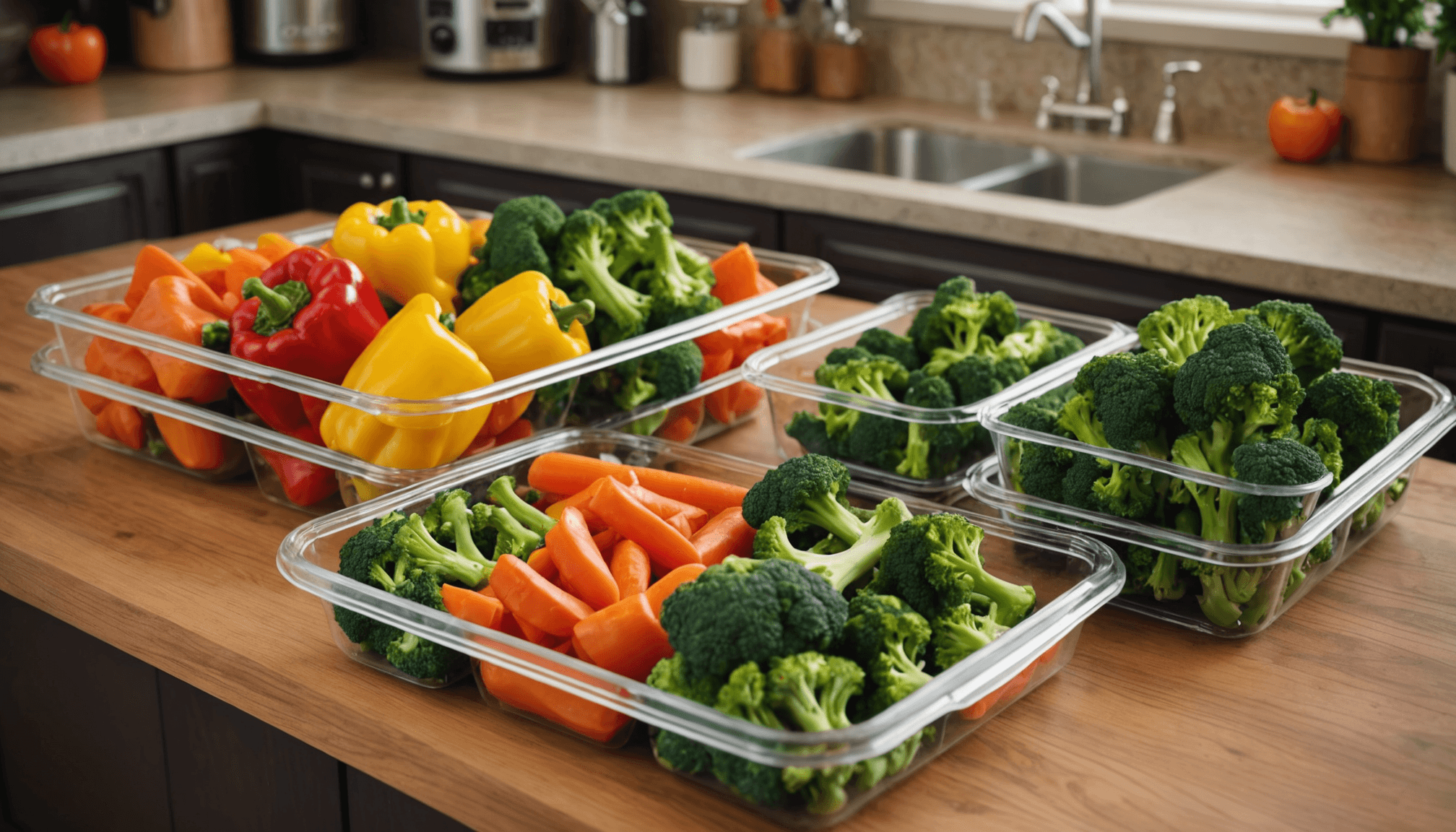
When crafting your meal plan, embrace batch cooking. Choose a day of the week when you can dedicate a couple of hours to preparing meals in advance. This process can involve cooking large portions of grains such as quinoa or brown rice, roasting seasonal vegetables, or preparing your favorite sauces and dressings. For example, if you plan to make a stir-fry later in the week, chop your vegetables ahead of time and store them in airtight containers, making it easy to simply toss them in the pan when it’s time to cook.
Next, prioritize versatile ingredients that can be used across multiple meals to maximize their value. Ingredients like lentils, beans, and chickpeas not only serve as protein powerhouses but work beautifully in a variety of recipes. You can prepare a batch of lentils to use in everything from salads to stews. By doing this, you’re not only saving time but also ensuring you have healthy options available on those busy weeknights.
Utilizing clear containers for storing prepped food items is another practical tip. Label your containers with the meal or ingredient name, along with the date it was prepared. This organization not only keeps your fridge tidy but also reduces the chance of letting ingredients go bad. Additionally, consider investing in freezer-safe bags or containers to preserve cooked meals or bulk-prepped grains for longer periods. Freezing single portions makes for easy defrosting and quick dinners.
Shopping smart during your grocery runs can further simplify your meal prep process. If you’re buying fresh organic food, stick to the perimeter of the store where fresh produce, grains, and legumes are typically located. Avoid the processed aisles and focus on whole foods. Look for seasonal offerings, which are often less expensive and boast better flavor. On that note, while local farmer’s markets often provide the freshest ingredients, don’t overlook online shopping for organic produce or bulk pantry items, as many reputable websites offer great deals and delivery options.
When it comes to online grocery shopping, always pay close attention to packaging dates and quality ratings to ensure you receive fresh products. Understand any delivery policies and read reviews to choose a reliable grocery service. This vigilance can save you time and disappointment. Also, consider subscribing to a meal kit service that offers vegetarian options if you want a little extra help planning meals; these kits are often tailored for convenience and can introduce you to new, budget-friendly vegetarian recipes.
Lastly, don’t forget to bring along your reusable shopping bags, and always make a list before heading out. Sticking to your list will help avoid impulse buys, ensuring you stay within budget. Meal prep is all about simplifying your cooking and taking the stress out of weeknight dinners—by utilizing these strategies, you can create delicious, nutritious vegetarian meals that keep both your taste buds and your budget happy!
Seasonal Vegetables for Maximum Flavor
Seasonal vegetables not only enhance the flavor profile of vegetarian recipes but also contribute significantly to budget meals. When you choose vegetables that are in season, you benefit from their peak taste and nutritional content while also taking advantage of their lower prices. Seasonal produce can vary by region, but typically, crops are harvested when they are at their ripest, resulting in vegetables that are bursting with flavor. For instance, summer brings a bounty of fresh zucchini, tomatoes, and bell peppers, while fall is an excellent time for root vegetables like carrots, beets, and pumpkin.
Incorporating seasonal vegetables into your meals can transform a simple dish into a culinary delight. For example, a summer ratatouille made with fresh eggplant, zucchini, and tomatoes can serve as a vibrant side or main dish, allowing the natural sweetness and depth of flavor from fresh produce to shine. This dish can be prepared in bulk, making it an ideal choice for meal prepping and enjoying throughout the week.
Choosing vegetables that align with the seasons not only allows for cost savings but also supports sustainable agriculture. When you buy locally sourced produce, you often find fresher ingredients that haven’t traveled long distances, preserving their vitamins and minerals. As such, it’s essential to explore local farmer’s markets or community-supported agriculture (CSA) programs. Engaging with these resources can expose you to unique varieties of vegetables that might not be available in standard grocery stores.
In addition to enhancing flavor, seasonal vegetables can also be creatively incorporated into a variety of dishes, showcasing their versatility. Consider making a vibrant salad using roasted seasonal beets, mixed greens, and a tangy vinaigrette for a refreshing side. Or whip up a hearty vegetable soup featuring whatever root vegetables and greens are available to you. Not only are these meals satisfying and nutritious, but they also keep your grocery bills in check.
Utilizing seasonal vegetables can also inspire you to adopt a more adventurous cooking style. Trying new methods of preparation, such as grilling or spiralizing, can make the dining experience more exciting and enjoyable. This experimentation allows you to discover new flavor combinations and textures while featuring the ingredients at their best, thus enriching your overall culinary repertoire.
To assist in selecting seasonal vegetables, keep a guide or chart handy that showcases what’s currently in season based on your region. This simple tool can be a game changer when you’re planning meals and shopping for ingredients. By embracing seasonal cooking, you not only support your local economy and reduce your environmental footprint but also elevate the quality and enjoyment of your vegetarian meals.
“Eating seasonally connects us to the cycles of nature and offers a vibrant variety of fresh, flavorful foods.” – Unknown
Budget-Friendly Substitutes for Meat
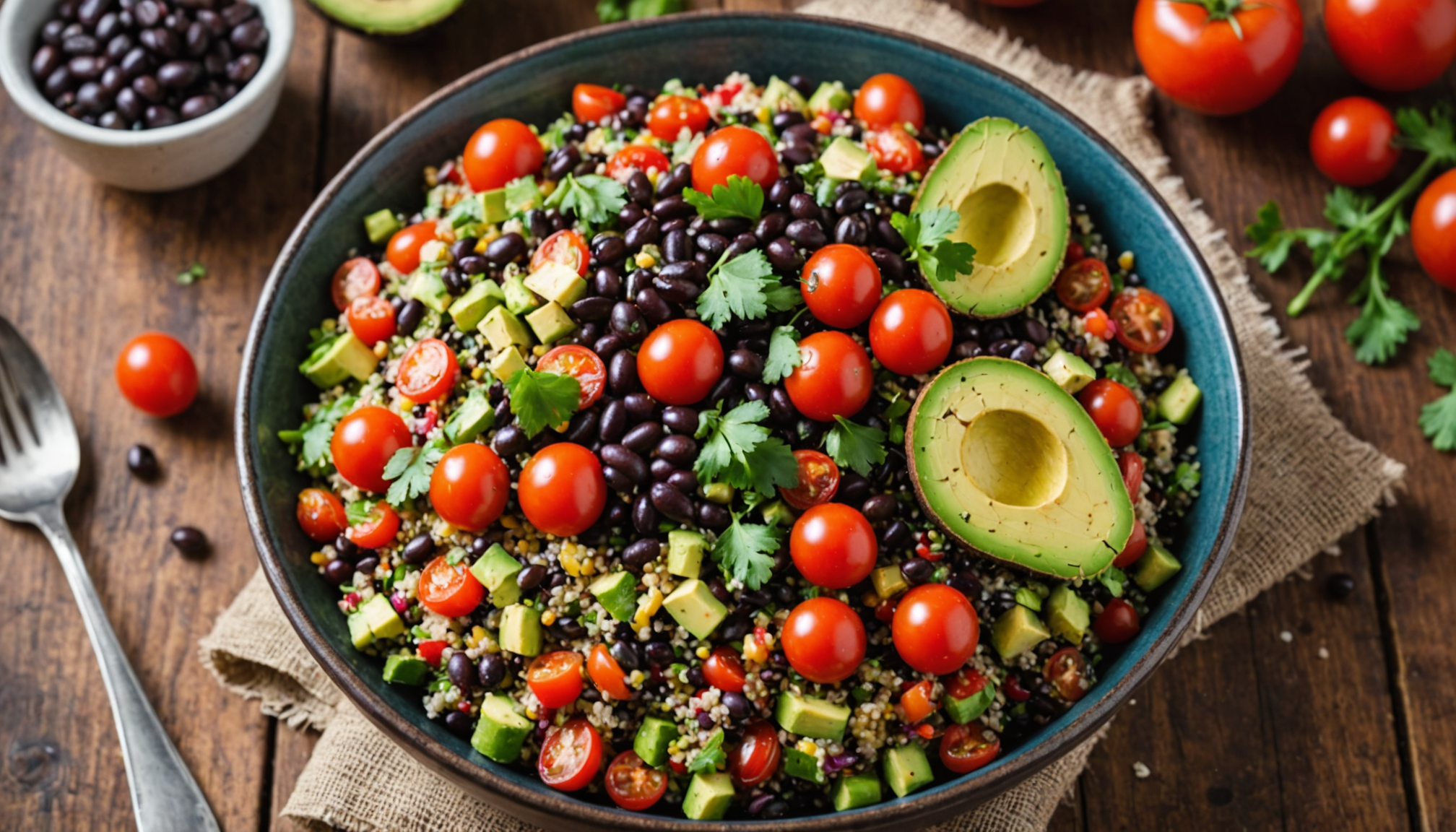 Substituting meat in vegetarian recipes is an innovative way to maintain the hearty satisfaction typically associated with protein-rich dishes while embracing a budget-friendly lifestyle. Whether you’re a lifelong vegetarian or just starting to explore meatless cooking, there are a plethora of affordable alternatives that can enrich your meals. One of the most beloved substitutes is legumes; beans, lentils, and chickpeas not only provide essential protein but also add texture and depth to a variety of dishes. For instance, black beans can serve as a delicious filler for tacos or burritos, while lentils work excellently in stews and salads, supporting your nutritional needs without breaking the bank.
Another fantastic substitute is tofu, a versatile ingredient that absorbs flavors beautifully when marinated or cooked properly. Available in various forms from firm to silken, tofu can take center stage in stir-fries, curries, or even smoothies. Alternatively, consider tempeh, which is richer in protein and has a nuttier taste compared to tofu, making it a compelling choice for sandwiches or salads. Both tofu and tempeh are cost-effective sources that can elevate your meals while keeping your grocery budget intact.
For those who enjoy heartiness in their dishes, mushrooms are an excellent option. Varieties such as portobello and shiitake have meaty flavors and a unique texture, often replacing ground meat in burgers or casseroles. Additionally, cauliflower has gained popularity as a meat substitute, especially in recipes like cauliflower buffalo wings or cauliflower rice, providing a light yet satisfying base.
Don’t overlook grains! Quinoa, farro, and barley are not only nutritious but can mimic the feeling of hearty grains often seen in traditional meals. They combine well with roasted vegetables, herbs, and spices to create filling and budget-friendly dishes that ripple with flavor.
As you navigate through these powerful alternatives, think about the impact that substituting even some of the meat in your meals can have on your health, the environment, and your wallet. It’s an invitation to embrace creativity in the kitchen while making choices that resonate with a more sustainable lifestyle.
- What are some good meat substitutes in vegetarian recipes?
- Common meat substitutes include legumes like beans and lentils, tofu and tempeh, mushrooms, and grains such as quinoa. These ingredients are not only nutritious and satisfying but also budget-friendly.
- How can I incorporate more legumes into my diet?
- Start by adding canned beans to salads, using lentils for soups or stews, and mixing chickpeas into grain bowls. These options are quick to prepare and add a significant protein boost to your meals.
- Is tofu healthy, and how do I cook it?
- Tofu is a great source of protein, calcium, and other nutrients. For cooking, you can sauté, grill, or bake it after marinating to infuse flavor, making it a delicious addition to numerous dishes.
- Can I use frozen vegetables as a substitute for fresh ones in cooking?
- Yes, frozen vegetables often retain their nutritional value and can be just as flavorful as fresh ones, making them a convenient and cost-effective option for budget meals.
- What are some creative ways to use mushrooms in vegetarian meals?
- Mushrooms can be used in stir-fries, as meat alternatives in burgers, or added to pasta dishes. Their umami flavor enhances many meals, making them a versatile ingredient.
- How can I make my vegetarian meals more filling?
- Incorporate protein-rich foods such as beans, lentils, and whole grains, along with healthy fats from sources like avocados or nuts. This combination will make your meals more satisfying.
- What should I look for when buying organic food substitutes?
- Always check for freshness, read labels for additives, and choose certified organic products when possible to ensure you’re getting high-quality, pesticide-free ingredients for your vegetarian cooking.
Tips for Enhancing Nutritional Value
Enhancing the nutritional value of your meals starts at the grocery store. When shopping for ingredients, it’s essential to aim for a vibrant color palette. Often, colorful fruits and vegetables are rich in vitamins, minerals, and antioxidants. Make a point to include a variety of hues—like deep greens, bright reds, and cheers of orange—into your cart to ensure a well-rounded intake of essential nutrients.
Think about incorporating whole grains into your diet. Quinoa, brown rice, oats, and barley are not only budget-friendly staples but also provide a multitude of health benefits. Whole grains are an excellent source of fiber and can help maintain digestive health, keep blood sugar levels steady, and contribute to overall heart health. When shopping for these grains, consider buying in bulk or choosing generic brands, as they tend to be cheaper but still offer quality nutrition.
A great way to boost the nutritional value of your meals is by choosing legumes. Beans, lentils, and peas are not only rich in protein and fiber but are also incredibly affordable. Keep canned beans in your pantry for quick access; rinse them well to reduce sodium and mix them into soups, salads, or use them as a meat substitute in your favorite dishes. Dried beans are another budget-friendly option; soaking and cooking them in bulk can yield several meals throughout the week.
Don’t hesitate to explore the realm of fermented foods, as they offer wonderful health benefits, particularly for gut health. Foods like sauerkraut, kimchi, and yogurt are excellent choices. They can improve digestion and provide beneficial probiotics. Look for these in the refrigerated section to ensure you’re selecting fresh options. Moreover, make sure to read labels carefully; avoid brands with added sugars and preservatives to maximize health benefits.
Incorporating healthy fats into your diet is also vital. Avocados, nuts, seeds, and olive oil provide not only flavor but also vital nutrients that support brain and heart health. Purchase these items in bulk or during sales to save costs. When selecting oils, opt for cold-pressed or extra virgin varieties to retain the maximum health benefits.
For safety and quality, always look for organic options when possible, as these are less likely to contain harmful pesticides and chemicals. In terms of ingredient safety, read labels diligently to check for any potentially allergenic ingredients or preservatives, especially in processed vegetarian items.
Online shopping can simplify the process of seeking out quality ingredients. Look for reputable grocery delivery services that specialize in organic and healthy foods. It’s wise to read customer reviews and check their return policies before making a purchase to avoid any lower-quality items. Additionally, consider signing up for a subscription to meal kit services that focus on vegetarian recipes, as they often provide pre-measured ingredients and introduce you to new meals while ensuring you have access to high-quality ingredients.
Lastly, consider developing a habit of planning your meals ahead of time. This tactic not only helps manage food costs but gives you the chance to focus your shopping on fresh, seasonal ingredients that are big on flavor and nutrients, leading to delicious and healthy dinners without straining your budget.
New Customers Offer!
Free Gift for the new customer
$24 Value, When You Subscrib Visit Thrive Market