- One-pot wonders: The benefits of cooking healthy meals
- Essential ingredients: Stocking your kitchen with organic staples
- Quick and easy recipes: Healthy one-pot dinners for busy nights
- Meal prep tips: Streamlining your cooking process
- Flavor enhancements: Herbs and spices for your one-pot meals
- Nutritional balances: Ensuring a well-rounded dinner plate
Grocery shopping can be an adventure, especially when aiming to create healthy, organic meals in a convenient manner. For families, fitness enthusiasts, and busy professionals alike, making informed choices during your grocery trips—whether online or offline—can lead to significant improvements in both health and satisfaction.
When it comes to shopping for organic food, always check for certification labels. Products labeled “100% organic” must contain only organic ingredients, while “organic” indicates that at least 95% of the ingredients meet organic standards. Local farmers’ markets are excellent resources for finding fresh, organic produce, and you often have the opportunity to speak with the growers directly, ensuring the quality and safety of your food. Look for in-season fruits and vegetables, as they are usually more affordable and fresher.
For those following a vegan lifestyle or seeking plant-based options, consider stocking up on staples like lentils, beans, whole grains, and nuts. Not only are these foods budget-friendly, but they are also packed with protein and are essential for creating hearty one-pot recipes. Try quinoa and brown rice, which are great bases for a variety of dishes, mixed with vegetables and spices for flavor.
If you’re shopping online, ensure that the website is secure—look for “https://” in the URL. Reading reviews and checking product ratings can also help ensure that you’re choosing high-quality goods. It’s advisable to purchase perishable items from local grocery services that guarantee freshness, as this will enhance the overall quality of your meals.
As you plan your meals, remember that convenience shouldn’t compromise nutrition. Stock up on items that require minimal preparation, such as canned tomatoes, frozen vegetables, and pre-cooked grains. These can save time while ensuring you can still whip up healthy, easy meals on short notice.
To make the most of your budget, use a grocery list based on your meal planning. This practice minimizes impulse buys, helping you stick to necessary items. Also, consider buying in bulk for ingredients you use regularly, such as oats, rice, or spices. This not only saves you money but also reduces packaging waste.
Lastly, always check the expiration dates and inspect packages for any damage or unusual signs beforehand—especially with canned and packaged goods. Following these tips will not only elevate your cooking game but will also ensure that you enjoy nutritious one-pot meals made easy without compromising on health or flavor.
Essential ingredients: Stocking your kitchen with organic staples
When building your pantry for effective one-pot recipes, it’s essential to prioritize organic food that can serve as the backbone of your meals. Begin with a selection of whole grains; choices such as quinoa, brown rice, and barley are not only nutritious but also versatile, blending seamlessly with various vegetables, proteins, and spices. These grains provide a hearty base for countless easy meals, ensuring you can enjoy filling dishes without resorting to processed foods.
In addition to grains, a selection of canned and frozen organic items can enhance your one-pot cooking experience. Canned beans, such as black beans or chickpeas, are rich in protein and fiber, making them a staple for vegetarian and vegan meals. They are also incredibly convenient, requiring little more than a rinse before integrating them into recipes. Frozen vegetables, on the other hand, retain their nutrients and are available year-round, ensuring that you can always add a burst of color and flavor to your meals without the worry of spoilage.
Next, consider the importance of fresh produce. Stock your kitchen with organic seasonal fruits and vegetables, as they not only taste better but are often more affordable when in season. Think about versatile options such as bell peppers, spinach, zucchini, and tomatoes. These ingredients can be easily sautéed, roasted, or added raw to your one-pot creations, providing vital vitamins and minerals.
A well-rounded spice cabinet is crucial for bringing your one-pot dishes to life. Staples to have on hand include cumin, paprika, garlic powder, and dried herbs like oregano and thyme. Fresh herbs such as basil and cilantro can also elevate a meal’s flavor when used as garnishes. Incorporating spices and herbs enhances the nutritional profile of your dishes while allowing for greater creativity in your cooking.
To help organize your pantry and streamline your cooking process, consider this comparison table of essential organic staples:
| Category | Examples | Benefits |
|---|---|---|
| Whole Grains | Quinoa, Brown Rice, Barley | High in fiber, provides energy, versatile base for meals |
| Beans and Legumes | Canned Chickpeas, Lentils | Rich in protein, adds texture, easy to use |
| Frozen Vegetables | Mixed Vegetables, Spinach | Nutrient retention, convenient, no spoilage |
| Fresh Produce | Bell Peppers, Zucchini, Tomatoes | Vitamins and minerals, flavor boosters |
| Herbs and Spices | Garlic Powder, Cumin, Dried Oregano | Enhances flavor, nutritious, low-calorie seasoning |
By thoughtfully curating your kitchen with these organic staples and ingredients, you can effortlessly create a variety of hearty and healthy one-pot recipes that suit any lifestyle. This approach not only saves time in meal preparation but also contributes to a sustained focus on health and nutrition in your daily eating habits.
Quick and easy recipes: Healthy one-pot dinners for busy nights
In the hustle of busy nights, crafting delicious and healthy one-pot meals can feel daunting, but with a few tried-and-true recipes, it doesn’t have to be. Embracing a variety of ingredients can pave the way for nutritious dinners that come together in a single pot, ensuring minimal cleanup—perfect for families and fitness enthusiasts alike.
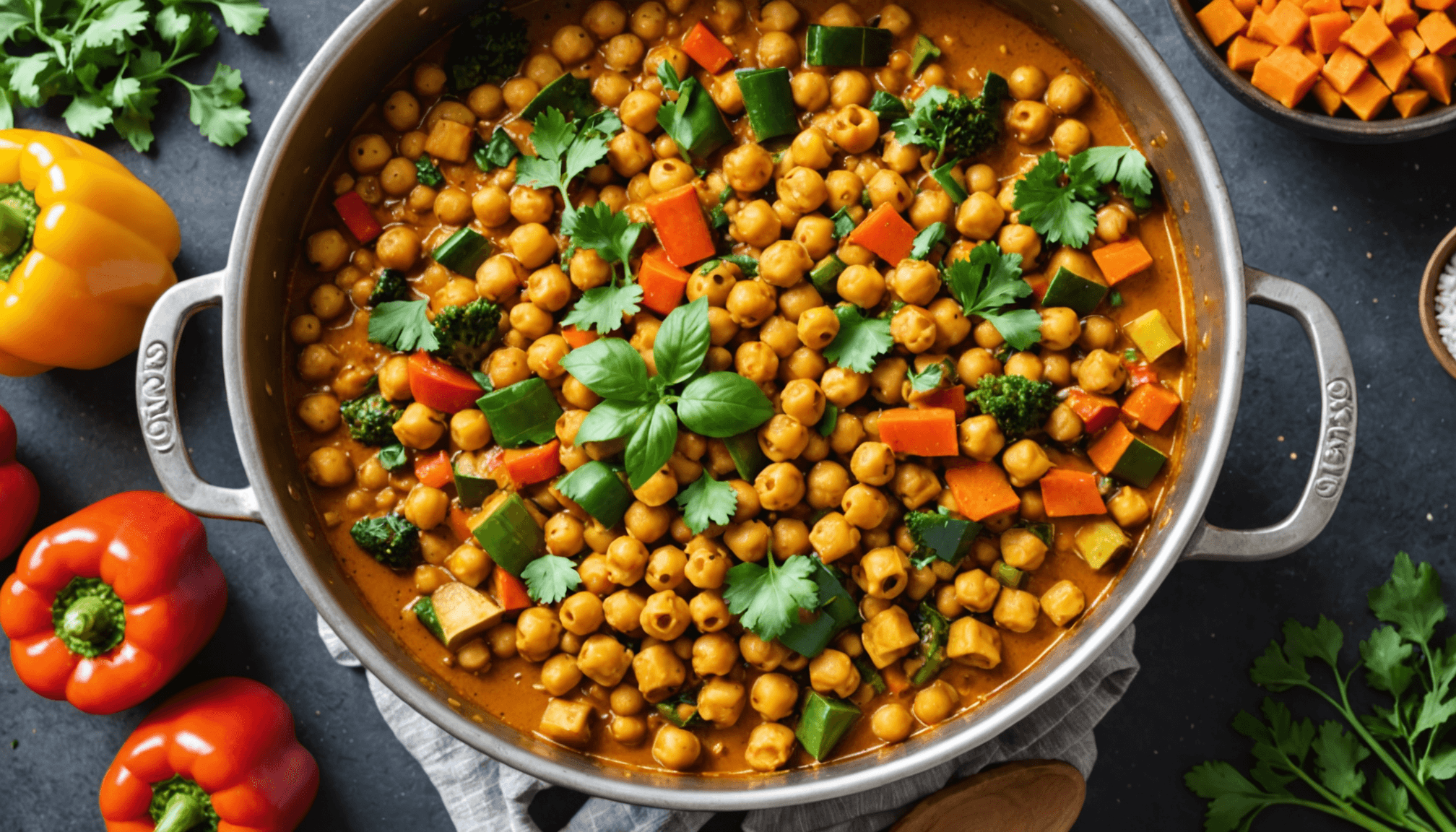
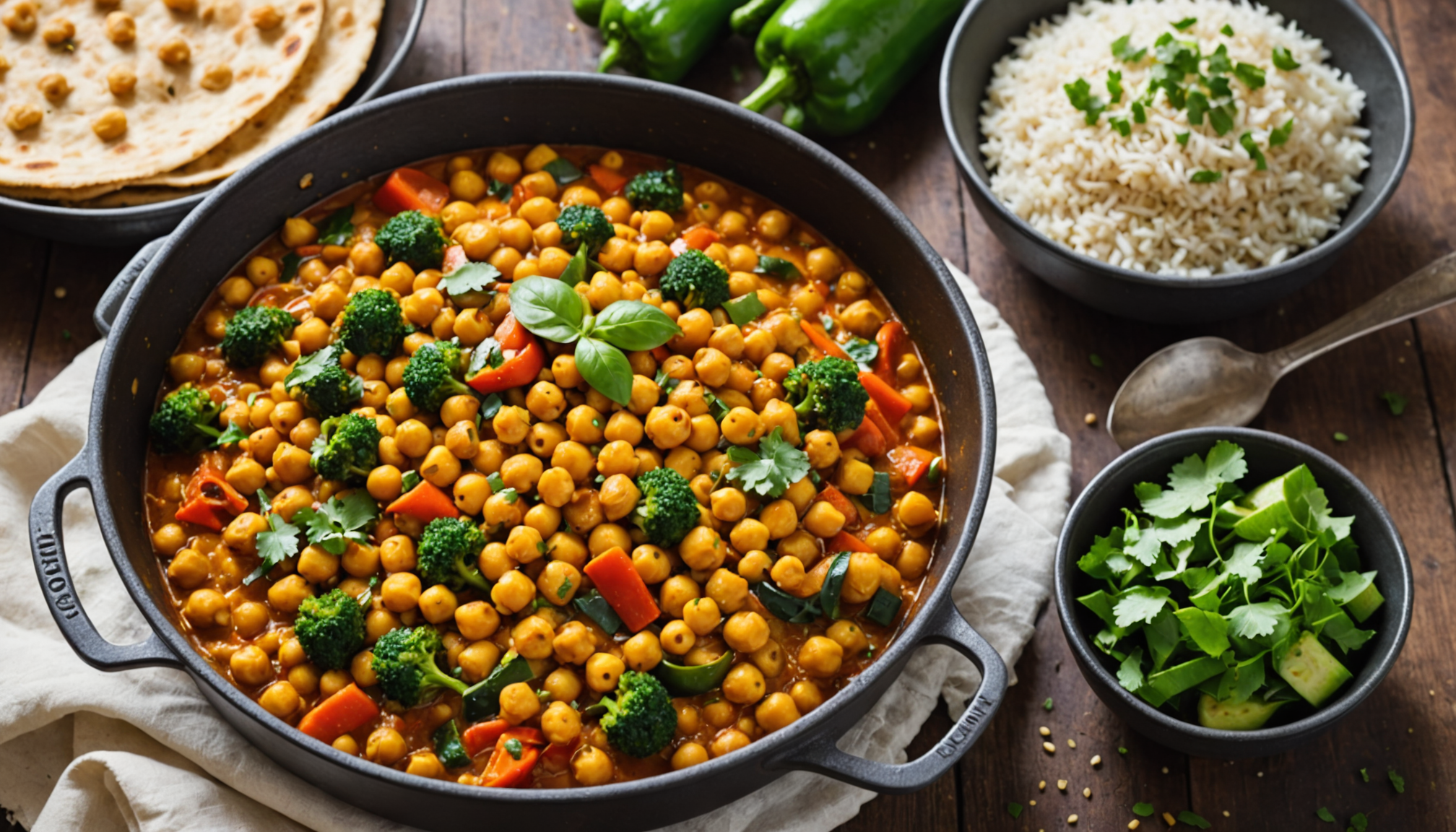
For a simple yet satisfying dish, consider a chickpea and vegetable curry. Start by sautéing onions and garlic in a large pot, adding in diced bell peppers, carrots, and zucchini. Sprinkle in your favorite spices—cumin, turmeric, and coriander work beautifully. Then, toss in a couple of cans of rinsed chickpeas and a can of coconut milk. Let everything simmer until the vegetables are tender, and serve over brown rice or quinoa for an exquisite meal that’s as hearty as it is quick!
If you’re looking for something a bit lighter, try a one-pot lemon garlic pasta. Begin by cooking whole grain pasta directly in your pot with vegetable broth for maximum flavor. Once the pasta is nearly done, add baby spinach and halved cherry tomatoes. Finish off with a squeeze of fresh lemon juice and a sprinkle of nutritional yeast for a cheesy, vegan-friendly finish. This dish is not only fast; it’s also packed with nutrients and full of vibrant flavors!
For those nights when you crave something comforting, a black bean and quinoa chili is sure to please. In a large pot, combine cooked black beans, cooked quinoa, diced tomatoes, and bell peppers. Season with chili powder, cumin, and salt. Allow it to simmer for about 20 minutes, and you’ll have a filling one-pot meal that’s perfect for chilly evenings. Serve with a dollop of avocado or a sprinkle of cilantro to elevate this charming dish!
When experimenting with these easy meals, keep a few tips in mind to enhance your cooking experience:
- Always have a variety of canned beans and legumes on hand. They provide protein and variety while being quick to incorporate.
- Frozen vegetables can be a lifesaver; they are prepped and ready to go, keeping meal prep efficient while also locking in nutrition.
- Don’t shy away from spices! They can transform simple dishes. A basic spice mix can elevate a standard vegetable medley into a gourmet one-pot delight.
Consider investing in a good quality pot that suits your cooking style. A heavy-duty dutch oven is ideal for stovetop to oven transitions, while a good non-stick pot can make clean-up a breeze. Whichever you choose, having the right tools can make all the difference in your cooking journey.
Meal prep tips: Streamlining your cooking process
Preparing healthy meals can become a seamless part of your routine with effective meal prep strategies. Begin by designating a specific day of the week for meal planning and preparation. Taking the time to plan out your meals not only saves you from last-minute scrambling, but also ensures that you are utilizing seasonal organic food effectively.
When prepping, batch cooking is your best friend. Cook larger portions of grains, such as brown rice or quinoa, and store them in the fridge. You will be able to quickly combine them with various proteins and vegetables throughout the week, making for easy meals that are wholesome and satisfying. Consider dividing up portions into containers so that you can grab a healthy meal on the go, or reheat them for lunch or dinner without delay.
Prepping vegetables is another essential step. Wash, chop, and store a variety of vegetables in clear containers in the fridge. This practice not only keeps them fresh but allows for quick access, inspiring you to add more produce to your one-pot recipes. You can also roast a mix of vegetables ahead of time—they can be tossed into your one-pot meals for added flavor and nutrition during the week.
Incorporating protein is crucial for a balanced meal, so prep options like chickpeas, lentils, or grilled chicken. These elements can be made in larger quantities and stored appropriately. By focusing on protein-rich ingredients, you can create hearty one-pot dinners that fuel your body and mind without excessive effort.
“Proper meal prep allows you to enjoy the cooking process without the stress of daily decision-making.” – Culinary Institute
Investing in quality storage containers is also key. Choose containers that are freezer-friendly and microwave-safe, which makes it easy to store meals without worrying about leakage. Label each container with the contents and date prepared, ensuring you consume items while they are still at their freshest.
Lastly, make the most of your spice cupboard. Prioritize basic spices and blends to quickly elevate your meals without extra effort. For example, having a premixed curry powder or a taco seasoning on hand can turn simple vegetables and grains into delicious dishes in mere minutes.
Embracing these meal prep tips will help you streamline your cooking process, allowing you to enjoy convenient, nutritious, and flavorful one-pot dinners without the hassle. With a little organization and foresight, you can maintain a routine that delivers healthy, organic meals even on the busiest of nights.
Flavor enhancements: Herbs and spices for your one-pot meals
 When it comes to enhancing the flavor of your one-pot meals, the right combination of herbs and spices can awaken the palate and transform a simple dish into a culinary delight. Not only do these additions elevate the taste, but they also offer various health benefits, making your meals not just delicious but nutritious as well. The key is to understand how to balance these flavors properly, ensuring that each ingredient complements the others, thus creating a harmonious dish.
Dried herbs such as oregano, thyme, and rosemary are excellent choices for building depth in your one-pot recipes. These herbs carry strong flavors that can be intensified through the cooking process. For instance, adding dried thyme to a vegetable stew can provide an earthy undertone that binds the entire dish together. Fresh herbs, like basil and cilantro, are best added towards the end of cooking or used as a garnish, allowing their bright, vibrant flavors to shine without being dulled by extended heat.
Spices can take your meals to the next level. Cumin, paprika, and turmeric not only add warmth and complexity but are also packed with health benefits. For example, turmeric is renowned for its anti-inflammatory properties, while cumin supports digestion. A simple sprinkle of a spice blend can transform a basic pot of grains into a fragrant dish that excites the senses. Experimentation is encouraged; don’t hesitate to mix spices and herbs to discover unique combinations that suit your taste preferences.
Moreover, consider creating your own spice blends tailored to your cooking style. It’s easy to blend dried herbs and spices in bulk to save time while cooking efficiently. For instance, a custom Italian seasoning blend incorporating dried basil, oregano, and garlic powder can be handy for various one-pot dishes, bringing together those robust flavors with just one sprinkle.
Don’t overlook the power of aromatics. Onions, garlic, and ginger add an excellent base flavor. Sautéing these before you add the main ingredients allows their natural sweetness and depth to develop beautifully, setting the stage for a richly flavored meal. Whether you’re crafting a hearty chili or a comforting rice dish, starting with a solid aromatic foundation makes all the difference in the final result.
Incorporating these flavor enhancements encourages you to explore the world of cooking beyond the basics. How many different combinations can you create? What new flavors can be uncovered in your kitchen? This journey through spices and herbs not only challenges your culinary skills but also enriches your understanding of how food interacts with our bodies and lifestyles, especially when using organic food to fuel your creativity.
- What are some essential herbs for one-pot meals?
- Essential herbs include dried oregano, thyme, basil, and cilantro. Fresh herbs can add a burst of flavor when sprinkled just before serving, while dried herbs are best added earlier in the cooking process.
- How can I enhance the flavor of my one-pot recipes?
- Utilizing a mixture of spices and herbs is key. Start by sautéing aromatics like onions and garlic, then add spices such as cumin or paprika to create depth before adding your main ingredients.
- Are there any health benefits to using herbs and spices?
- Yes, many herbs and spices carry health benefits. For example, turmeric has anti-inflammatory properties, and cumin aids digestion. They can enhance both flavor and nutrition in your meals.
- Can I make my own spice blends?
- Absolutely! Creating your own spice blends allows you to customize flavors to your liking and can streamline your cooking process. Store them in airtight containers for quick use.
- How important are fresh herbs compared to dried ones?
- Fresh herbs provide vibrant, bright flavors and are typically added at the end of cooking, while dried herbs offer stronger, more concentrated flavors and are best incorporated earlier.
- What is the best way to store fresh herbs?
- Fresh herbs can be stored in the refrigerator wrapped in a damp paper towel to retain moisture. Alternatively, you can place them in a glass of water like cut flowers, covered loosely with a plastic bag.
- How do I know which spices to combine?
- Start by understanding the flavors of your main ingredients and explore commonly paired spices. Experimenting is part of the fun—don’t hesitate to try new combinations to find what you enjoy!
Nutritional balances: Ensuring a well-rounded dinner plate
Creating a nutritionally balanced and satisfying dinner plate is essential for promoting overall health, especially when preparing one-pot recipes that are both convenient and wholesome. As families, fitness enthusiasts, and busy professionals seek quick yet nourishing meals, focusing on a variety of ingredients ensures each dish is well-rounded and packed with essential nutrients.
To start, aim for a good balance of macronutrients: carbohydrates, proteins, and fats. Whole grains serve as an excellent base and provide energy. Brown rice, quinoa, and farro are prime examples of healthy grains that can fill your one-pot meals with wholesome goodness. Pairing grains with proteins, whether from animal sources like chicken, fish, or tofu, or plant-based options such as beans and lentils, is crucial for muscle repair and growth. For instance, consider a meal combining quinoa with black beans, which not only complements the flavor but also offers a complete protein profile.
A variety of colorful vegetables should fill half your plate, as they are rich in vitamins, minerals, and antioxidants. Incorporate all colors of the rainbow to maximize nutrient intake—think green spinach, vibrant carrots, and red bell peppers. Frozen mixed vegetables are a practical choice for ease of use and long shelf life, making it easier to ensure you always have healthy options on hand for your one-pot recipes.
Don’t forget healthy fats! Ingredients such as avocados, nuts, and seeds can elevate your meals while providing essential fatty acids that support heart health. They also contribute to satiety, helping you feel full longer. Adding a sprinkle of pumpkin seeds on top of a vegetable stew, for instance, can add both texture and nutritional value.
- Carbohydrates: Quinoa, brown rice, whole grain pasta. Aim for high-fiber options for sustained energy.
- Proteins: Chickpeas, lentils, grilled chicken, or firm tofu provide necessary building blocks for muscle and cellular health.
- Vegetables: Mix different colored vegetables like spinach (green for vitamins), carrots (orange for beta-carotene), and bell peppers (red for antioxidants).
- Healthy Fats: Avocados, nuts, and seeds contribute flavor and help in the absorption of fat-soluble vitamins.
One practical approach to ensuring a well-rounded meal is to use a simple visual guideline known as the “plate method.” Divide your plate into sections: half for vegetables, a quarter for grains, and a quarter for protein. This method can help you easily visualize portion sizes and ensure nutritional balance, particularly beneficial when utilizing your one-pot recipes.
Consider the appeal of meal prep strategies, which reinforce healthy eating habits. Dedicating a day to prepare ingredients in advance not only streamlines your cooking process but also allows you to assemble nutritionally balanced meals with ease throughout the week. Par-cook some grains or roast a selection of vegetables; store them in portions, so they’re ready to add into your one-pot dishes without delay.
Lastly, don’t hesitate to explore different cuisines and flavor profiles—this can lead to diverse and interesting meals packed with nutrition and tastes. Incorporate elements from Mediterranean, Asian, or Latin American cooking styles into your one-pot meals. The incorporation of spices and herbs from various regions can keep your dinner table exciting while maintaining the nutritional integrity of your dishes.
New Customers Offer!
Free Gift for the new customer
$24 Value, When You Subscrib Visit Thrive Market