- Nutritional Benefits of Protein in Salads
- Choosing Organic Ingredients
- Top Protein Sources for Salad Additions
- Meal Prep Tips for Convenient Salads
- Creative Dressing Ideas for Flavor Boosts
- Inspiring Salad Recipes to Try
When you’re grocery shopping with a focus on boosting the protein content in your salads, it’s essential to adopt a strategic approach. Here are practical tips to help you navigate both local markets and online platforms, ensuring you make informed and health-conscious choices.
Start with a List: Create a grocery list based on the proteins you plan to incorporate into your salads. This helps you stay focused and reduces impulse buying.
Local and Seasonal Produce: Visiting local farmers’ markets can be a treasure trove for fresh, organic ingredients. Look for greens and veggies that are in season, as they are usually fresher, tastier, and more economical. Ingredients like kale, spinach, and arugula are often featured in *organic recipes* and complement high-protein additions exceptionally well.
Choosing a Variety of Protein Sources: When selecting protein sources, mix it up. If you’re shopping for plant-based options, consider:
- Quinoa: A complete protein that makes salads hearty.
- Chickpeas and other legumes: Perfect for adding texture and nutrition.
- Nuts and seeds: Almonds, sunflower seeds, and pumpkin seeds not only provide protein but also healthy fats.
- Tofu or tempeh: Great for vegans, these ingredients can absorb flavors and enhance the dish.
If you’re a fan of meat or dairy, opt for options like grilled chicken, tuna, or boiled eggs. Remember, the cleanliness and quality of protein sources are crucial to your health, so don’t hesitate to ask about the origin of these products.
Safety First: When shopping for groceries, especially online, it’s important to prioritize food safety. Always check expiration dates and inspect packaging for any damages. Look for reputable online retailers with clear return policies and customer reviews.
Budget-Friendly Choices: Protein-packed foods can sometimes be pricey. Buy in bulk when possible, especially for nuts, seeds, and legumes. Canned or frozen varieties are also great alternatives, often priced lower without sacrificing nutritional value. Don’t forget to shop the clearance sections for organic foods nearing their expiration—they can save you money when used quickly.
Organic Labels: Familiarize yourself with organic certification labels. The USDA Organic seal ensures that the food was produced without synthetic fertilizers and pesticides, which is especially important for leafy greens and vegetables that are often heavily treated.
By employing these grocery shopping strategies, you can create delicious and nutritious protein meals in your salads, ensuring that your culinary efforts are both satisfying and health-promoting. Whether you opt for local markets or online platforms, the right choices will lead you to a successful salad-making experience!
Choosing Organic Ingredients
Choosing organic ingredients not only supports sustainable farming practices but also contributes to the nutritional integrity and flavor of your salads. Organic produce is grown without synthetic pesticides, herbicides, and fertilizers, making it a healthier option. By opting for organic ingredients, you can enjoy salads that are not only vibrant and flavorful but also free from potentially harmful chemicals.
When it comes to selecting organic ingredients, prioritize the “Dirty Dozen,” a list published by the EWG (Environmental Working Group) that identifies fruits and vegetables with the highest pesticide residues. Incorporating these organic items into your salads ensures you minimize your exposure to these chemicals. Items on this list often include strawberries, spinach, kale, and apples—perfect additions to protein-packed salads.
To better illustrate the importance of choosing organic produce, here is a comparative table that outlines examples of common salad ingredients in both organic and conventional forms:
| Ingredient | Organic (Benefits) | Conventional (Risks) |
|---|---|---|
| Spinach | Higher nutrient density, free from synthetic pesticides | May contain pesticide residues, lower nutritional value |
| Tomatoes | Richer flavor, potential higher antioxidant levels | Potential for higher levels of harmful chemicals |
| Bell Peppers | More vibrant color and taste, reduced chemical exposure | Can carry pesticide residues, impacting health |
| Carrots | Sweet, rich flavor and higher beta-carotene content | Less flavor and potential contaminants |
| Avocados | Higher healthy fat content, better for heart health | Possible exposure to herbicides and pesticides |
In addition to picking organic produce, consider the benefits of organic protein sources. Many options, such as organic chicken, grass-fed beef, or wild-caught fish, are cultivated without antibiotics or growth hormones, ensuring you get the cleanest protein meals for your salads. Furthermore, organic dairy products, like Greek yogurt or feta cheese, provide essential nutrients without the additives found in many conventional dairy options.
Shopping for organic ingredients may require some planning, especially if you’re aiming to keep your budget in check. Frequently visiting local farmers’ markets is crucial; they often have organic options at competitive prices. Additionally, many farms offer subscription services for boxes of fresh organic produce. These services can be tailored to your dietary needs, ensuring you get an array of ingredients for versatile salad creations.
Always be mindful of the storage and handling practices of organic ingredients. Since they tend to have shorter shelf lives compared to conventional produce, it’s advisable to use them promptly after purchase. Proper washing and storing can help maintain their freshness and maximize their flavor.
In summary, choosing organic ingredients for your protein-packed dinner salads not only contributes to personal health but also fosters a respect for the environment and sustainable agricultural practices. By incorporating a diverse range of organic produce and protein sources, you can create delicious salads that are nutritious and make a positive impact on your overall well-being.
Top Protein Sources for Salad Additions
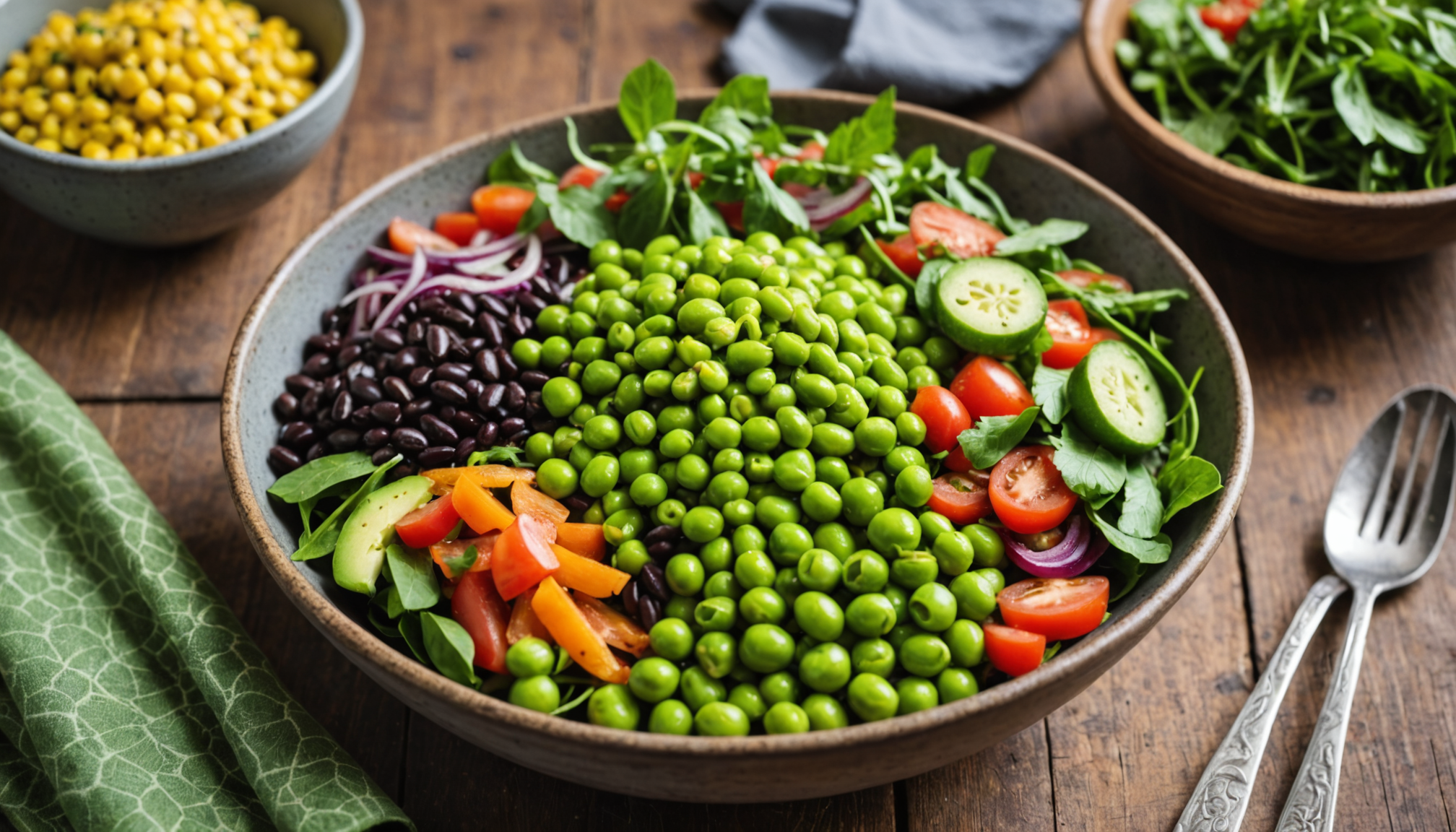
When it comes to enriching your salads with protein, grocery shopping can become an exciting quest. Understanding where to shop and what to look for empowers you to create not just tasty but also healthy protein meals that are good for you and the planet.
Exploring Diverse Protein Options: Whether you’re shopping at a local grocery store or opting for online delivery, ensure you’re seeking out a variety of protein sources. For plant-based enthusiasts, consider:
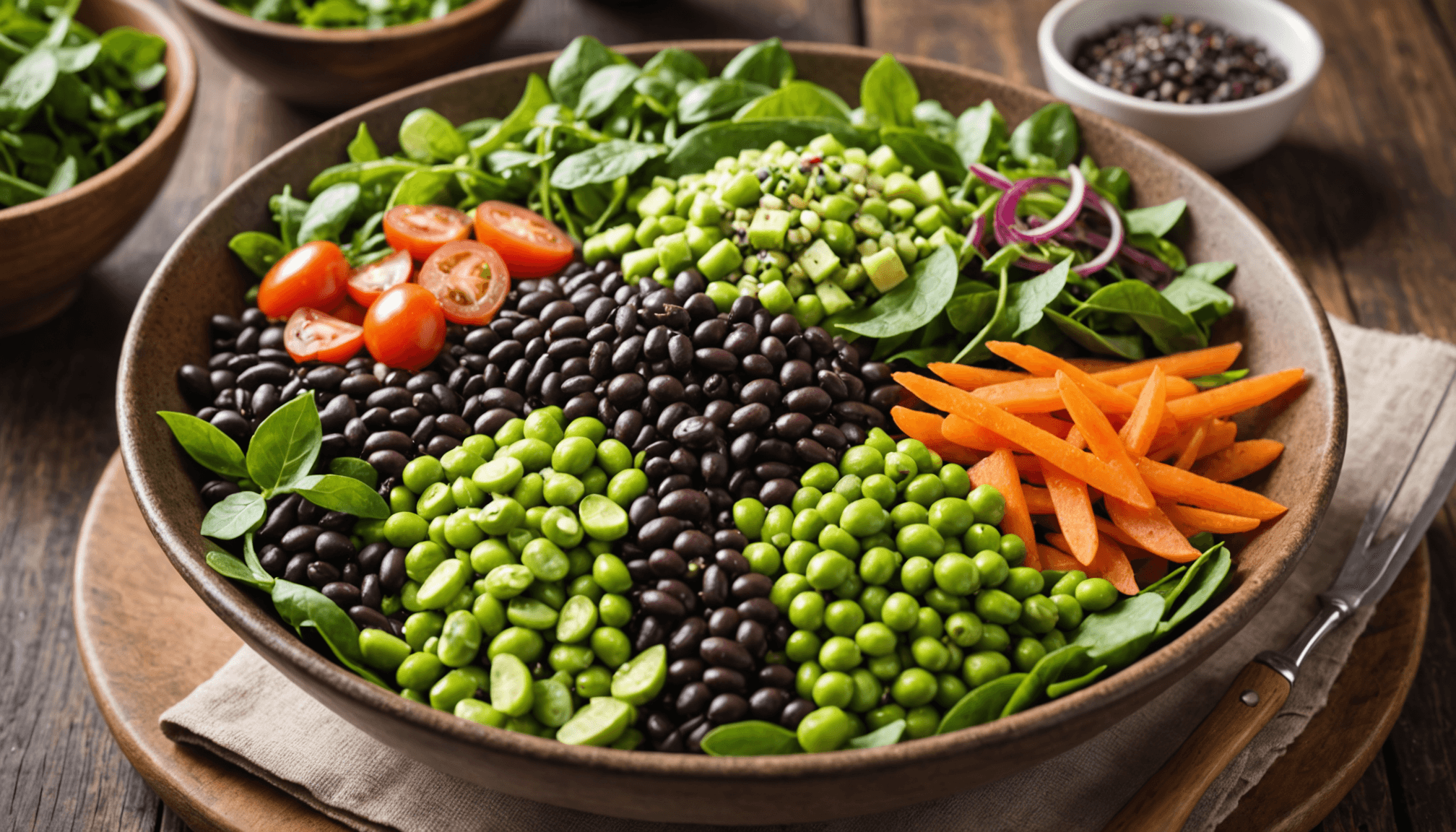
- Edamame: These young soybeans pack a protein punch and add a delightful crunch to your salads.
- Black beans: Rich in fiber and protein, they make a hearty addition to any salad.
- Hemp seeds: A nutrition powerhouse, they are rich in omega-3 fatty acids and can easily be sprinkled on top of any dish.
- Seitan: This wheat-based meat alternative is perfect for those looking to incorporate a chewy, meat-like texture into their salads.
For those who enjoy animal products, consider sustainably sourced proteins such as:
- Organic chicken: Opt for free-range or pasture-raised for the best quality.
- Canned tuna or salmon: These are not only convenient but are often packed with omega-3 fatty acids.
- Hard-boiled eggs: A great source of protein and incredibly versatile in salads.
Healthy Fats: Don’t forget to add sources of healthy fats to complement your proteins, like avocado slices or a drizzle of olive oil. These additions can enhance the absorption of nutrients, making your salads even more nutritious.
Keep it Local: Prioritize local farms when shopping. Not only do they often provide fresher produce, but purchasing from these vendors typically supports sustainable agricultural practices. Ask vendors about their farming practices to ensure that you are following a health-conscious approach to your meals.
Online Shopping Safety: If you’re shopping online, choose reputable grocery delivery services. Look for those that specialize in organic and sustainable products. Always check user reviews before making purchases, and ensure that any protein items you receive are packed with ice or temperature-controlled to maintain their freshness.
Budget-Conscious Shopping: Protein-rich foods do not have to break the bank. Explore bulk bins for nuts, seeds, and legumes; buying in bulk can significantly reduce costs. Canned or frozen options of beans or legumes can also provide budget-friendly and time-saving solutions without sacrificing nutrition. And remember, just because something is labeled as organic doesn’t automatically mean it’s expensive—browse circulars and sale aisles for organic deals.
Label-watch: When seeking out protein sources, pay attention to labels. Look for USDA Organic certification, which ensures your protein sources are raised without harmful chemicals. Be cautious of misleading terms; terms like “natural” or “farm-raised” may not meet the same standards as organic labeling.
By employing these shopping tips, you’re not just filling your cart with food, but rather curating a meal experience. Enhanced protein in your salads doesn’t have to be complicated—just focus on variety, quality, and safety in your culinary choices to see your health goals flourish.
Meal Prep Tips for Convenient Salads
Preparation is key when it comes to enjoying convenient and nutritious salads throughout the week. By dedicating a little time to meal prep, you can ensure that delicious, protein-packed dishes are always within reach. Here are some practical strategies to streamline the process and enhance the enjoyment of your organic recipes.
Begin by selecting a designated day for meal prep, often referred to as “prep day.” This can be a Sunday or any day that fits into your routine. Having a specific time set aside not only ensures consistency but also makes the whole process more manageable. Gather your organic ingredients and protein sources before you start to establish a seamless workflow.
Start with the base of your salads—fresh greens. Wash and dry a variety of leafy greens, such as kale, arugula, and spinach. Once cleaned, store them in airtight containers lined with paper towels to absorb moisture, keeping them crisp and fresh throughout the week. Prepping greens in advance eliminates daily rinse time and dubious freshness.
Next, prepare your protein sources. Whether you’re using grilled chicken, chickpeas, or boiled eggs, batch-cooking proteins can save time. For instance, cooking a large batch of quinoa or brown rice not only provides a solid foundation for your salads but also allows you to vary your toppings each day. Store portions in separate containers in the fridge, ensuring you have a variety of proteins ready to go.
Incorporate some pre-chopped vegetables for crunch and flavor. Bell peppers, cucumbers, and carrots can all be diced ahead of time. Not only do they add a satisfying texture, but their vibrant colors also keep your meals visually appealing. Store them in separate containers to maintain freshness and prevent browning.
To enhance the nutritional value of your salads, consider adding nuts, seeds, or dried fruits. These can be portioned into small containers or bags for easy access. They not only provide protein and healthy fats but also contribute to the overall taste experience of your meals.
When it comes to dressings, consider making a large batch of your favorite vinaigrette or creamy dressing during your prep day. Store it in a glass jar, preferably with a pour spout, for easy usage. Homemade dressings can be crafted from organic oils, vinegars, and seasonings, allowing you to tailor flavors precisely to your liking. Keeping dressings separate until you are ready to eat will prevent your salads from becoming soggy.
“Preparing meals in advance means that you are more likely to stick to your health goals and fuel your body right.”
Create an assembly line for combining your prepped ingredients. Each day, grab your base of greens, layer on proteins and veggies, sprinkle your nuts or seeds, and finish with a drizzle of dressing. This approach not only makes healthy eating easier but also turns meal prep into a fun and creative outlet.
Utilizing meal containers with dividers can further simplify this process. Look for containers that are microwave-safe if you plan on warming any components and ensure that they have tight-fitting lids to keep everything secure. A well-organized fridge with your ingredients pre-portioned means that assembling salads becomes as effortless as reaching for a snack.
Alternatively, consider prepping entire salads in jars for easy grab-and-go options. Layering ingredients from the heaviest at the bottom to the lightest at the top helps maintain freshness and avoid sogginess. When you’re ready to eat, simply shake the jar, and you’ve got a ready-to-eat, protein-packed meal.
By adopting these meal prep strategies, you are not only saving time during busy weekdays but also enhancing your chances of reaching your dietary goals. With a little planning, your organic salads will be delicious, nutritious, and just a few minutes away.
Creative Dressing Ideas for Flavor Boosts
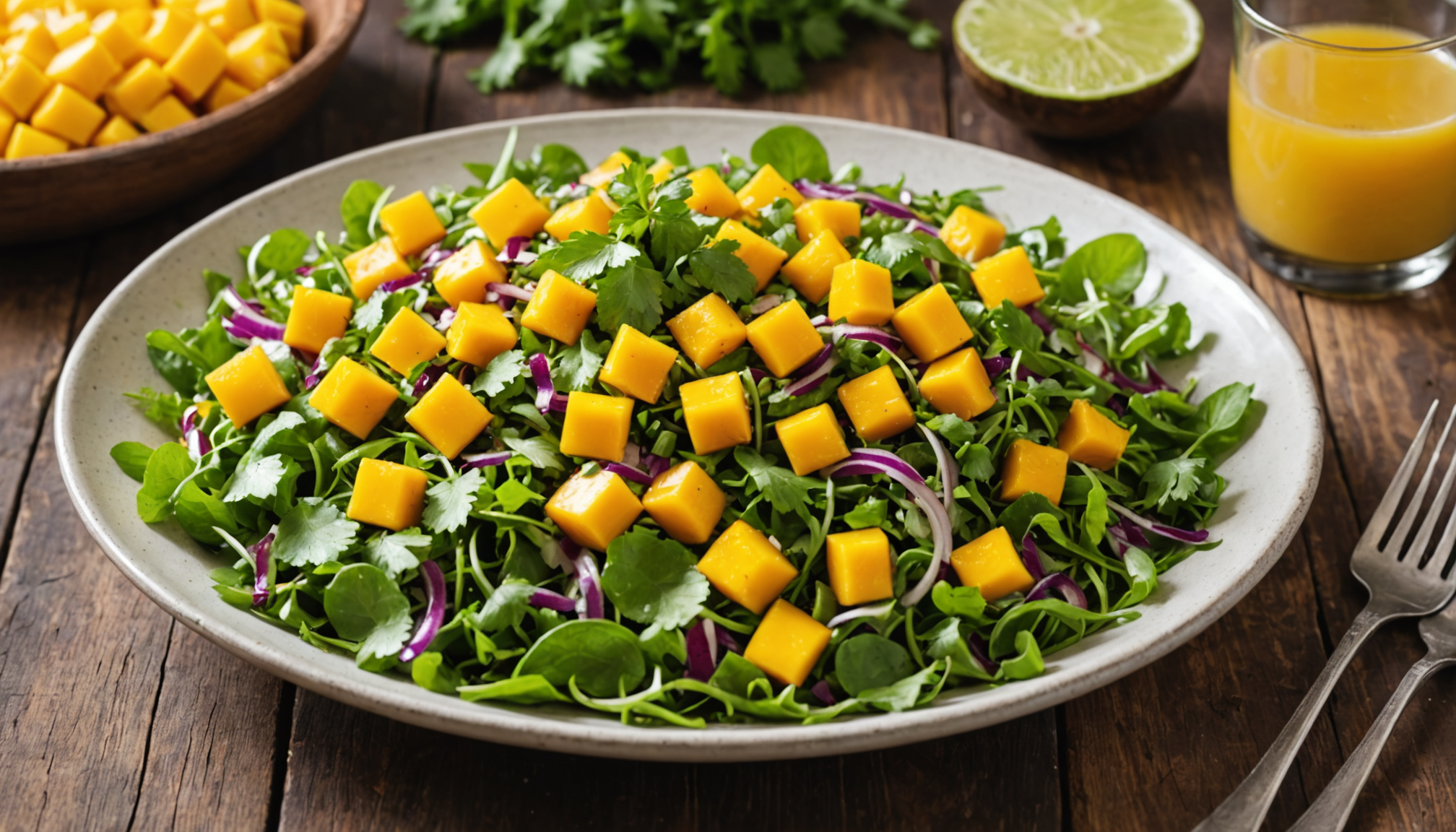 Creating a delightful salad involves not just the freshness of ingredients but also the flavor that comes from creative dressings. An excellent dressing can elevate a simple mix of greens and proteins into an extraordinary dish that bursts with flavor. The beauty of preparing your own dressings is that you control the ingredients, ensuring they align with your nutritional goals and personal taste preferences.
Start with the basics: a good vinaigrette. Classic combinations typically find their roots in a simple ratio of 3:1 oil to vinegar. However, the type of oil and vinegar you choose can dramatically alter the profile. Extra virgin olive oil is a favorite for its heart-healthy properties, while balsamic vinegar adds a sweet depth. For a twist, consider using citrus juices like lemon or lime for a zesty kick. Blend these with a bit of mustard and honey for a sweet and tangy flavor that pairs beautifully with mixed greens and grilled chicken.
For creamier dressings, Greek yogurt can be a fantastic base. It adds protein to your meals while keeping calories in check. Mix in fresh herbs, garlic, or even a touch of avocado for a smooth consistency. Create a ranch dressing or a zesty green goddess; the possibilities are endless! Blending in a tablespoon of tahini or peanut butter can further add protein while introducing a rich, nutty flavor that complements many salad types.
Don’t overlook the power of spices and herbs. Fresh herbs like basil, cilantro, or dill can transform your dressings with their aromatic flavors, contributing not only taste but also beneficial phytonutrients. Alternatively, experimenting with spices such as smoked paprika, cumin, or chili flakes can add an exciting depth of flavor that surprises the palate and keeps you coming back for more.
Another innovative approach involves using fruits. Think mango, avocado, or even berries blended into dressings for natural sweetness and creamy texture. Incorporating fruits can not only enhance the dressing’s flavor but also pack additional nutrients into your salads. A mango-lime vinaigrette over a spinach and quinoa salad can be refreshing and delightful.
Consider batch processing your dressings; making larger portions means you’ll always have a quick and ready condiment on hand for your organic salads. Store these dressings in airtight containers in the fridge, and don’t be afraid to get creative—ingredients like spices and flavors might evolve over time as you discover your personal favorites.
Embracing these ideas will encourage you to think outside the box when creating your protein-packed meals. Homemade dressings not only enhance the taste of your salads but enrich your mealtime experience, inviting creativity into every dish you prepare.
- What is a basic vinaigrette recipe for salads?
- A classic vinaigrette consists of a ratio of 3 parts oil to 1 part vinegar. You can customize it with mustard, honey, or herbs for added flavor.
- How can I make my salad dressings healthier?
- Opt for Greek yogurt or avocado as a creamy base, which adds protein and healthy fats while reducing calories compared to traditional creamy dressings.
- How long do homemade dressings last in the fridge?
- Most homemade dressings can be stored in the refrigerator for about a week. Be sure to check for any signs of spoilage before using.
- Can I use fruits in my salad dressings?
- Yes! Fruits like mango, berries, or citrus can be blended into dressings to add a natural sweetness and vibrant flavor.
- What herbs pair well with salad dressings?
- Fresh herbs such as basil, cilantro, and dill are excellent choices that can infuse your dressings with bright flavors.
- How can I prevent my salads from becoming soggy?
- Hold off on adding dressings until you’re ready to eat. Store your dressing separately to keep salads fresh and crisp.
- Are there vegan options for creamy salad dressings?
- Absolutely! You can use blended avocado, tahini, or coconut milk as bases for creamy vegan dressings, making them both delicious and nutritious.
Inspiring Salad Recipes to Try
When it comes to creating inspiring salad recipes, the possibilities are endless, especially when you integrate exciting ingredients that offer a punch of protein and flavor. Whether you’re looking for quick and easy weeknight meals or vibrant dishes for entertaining, these protein-packed salad ideas can be adapted to fit your taste and dietary needs.
Chickpea Spinach Salad: This vibrant salad combines the earthiness of chickpeas with the fresh crunch of spinach. Start with a generous bed of fresh spinach, and add cooked chickpeas. Toss in chopped cucumbers, cherry tomatoes, red onion, and a handful of avocado for creaminess. Drizzle with a lemon-tahini dressing for a zesty finish that elevates the salad’s deliciousness.
Quinoa Power Bowl: Quinoa is the superstar protein in this bowl. Begin with a base of quinoa, and layer on your choice of roasted vegetables like sweet potatoes, bell peppers, and zucchini. Top with black beans for added fiber, fresh cilantro, and a squeeze of lime juice. You can finish with a handful of sunflower seeds for a delightful crunch.
Grilled Chicken Caesar Salad: Opt for organic, free-range chicken for a wholesome spin on the classic Caesar. Grill chicken breast and slice it over a bed of romaine lettuce. Add homemade croutons, freshly grated Parmesan cheese, and drizzle with a light caesar dressing made from Greek yogurt for a protein boost. This hearty salad is perfect for a filling lunch or dinner.
Tofu and Kale Salad: This salad is ideal for vegans or anyone looking to enjoy a meat-free meal. Start with chopped kale, massaged with a bit of olive oil and lemon juice to soften. Add cubed, pan-fried tofu, shredded carrots, and sliced almonds for texture. For an extra flavor kick, toss on a peanut dressing, blending simple ingredients like peanut butter, soy sauce, and garlic.
Easy Lentil Salad: Packed with protein and fiber, lentils are a fantastic addition. Cook green or brown lentils until tender, and mix them with diced bell peppers, green onions, and parsley. A dash of olive oil and red wine vinegar ties the ingredients together beautifully. This salad can be served warm or chilled, making it versatile for any season.
Greek Salad with a Twist: Combine diced cucumbers, ripe tomatoes, and red onions with feta cheese and Kalamata olives for a classic Greek salad. Add roasted chickpeas for an extra protein kick, and dress with a blend of olive oil, lemon juice, and oregano. This salad works wonderfully as a side dish or as a main course.
Feel free to get creative with dressings that match your favorites or even try experimenting with different types of grains and legumes. Make your protein meals exciting by adding unexpected ingredients—after all, salads shouldn’t be boring!
Remember, the beauty of these recipes lies in their adaptability. Use whatever fresh, organic ingredients you have on hand, and don’t hesitate to swap out protein sources based on what’s available or in season. This flexibility not only keeps your meals interesting but also allows you to savor the bounty of local produce, promoting a healthier lifestyle for you and your family.
New Customers Offer!
Free Gift for the new customer
$24 Value, When You Subscrib Visit Thrive Market