- Healthy Seafood Nutrition Benefits
- Choosing The Right Organic Seafood
- Building Your Perfect Bowl
- Flavorful Accompaniments And Toppings
- Easy And Delicious Recipes
- Sourcing And Sustainability Considerations
When you’re gearing up for grocery shopping, especially with the intention of creating delicious and healthy seafood bowls, having a plan can make all the difference. Start by crafting a list based on your nutritional needs and preferences. Healthy dinners can be made easier if you focus on incorporating a variety of nutrient-dense options. Here’s how to maximize your grocery shopping experience:
- Prioritize Freshness: Choose seafood that appears fresh, with a mild ocean smell. Eyes should be clear, and flesh should be firm to the touch.
- Look for Organic Labels: If you’re aiming for organic recipes, seek out seafood with USDA Organic certification. Many local markets offer them, ensuring that you support sustainable practices.
- Explore Local Markets: Farmer’s markets can be treasure troves for local seafood. Not only are you likely to find fresher options, but you’re also supporting local fishermen and reducing your carbon footprint.
- Frozen Options: Don’t overlook the frozen seafood aisle. Frozen seafood can be equally nutritious and, on occasion, more wallet-friendly. Just ensure it is labeled as sustainably sourced.
- Vegan Alternatives: For those in the family who prefer plant-based meals, consider tofu-based seafood alternatives. Brands now offer fantastic vegan seafood options that satisfy those craving a seafood bowl experience without the fish.
- Budget-Friendly Picks: If you’re on a budget, choose smaller fish like sardines or mackerel, which are often more affordable and packed with nutrients. Canned fish can be great for quick meals too!
- Ingredient Safety: Always check expiration dates and avoid seafood that appears discolored or has an unusual texture. This applies to both fresh and frozen products.
- Online Shopping Safety: If you’re purchasing seafood online, select reputable sources that guarantee freshness and proper handling. Look for customer reviews and ensure they have clear return policies.
- Seasonal Selections: Research what’s in season in your region. Seasonal seafood is often more sustainable and may even save you money!
With these tips, you’re well on your way to filling your cart with essential ingredients for delectable and nutritious seafood bowls that your family will love. Remember, a little planning goes a long way, and being mindful of your choices can enhance both your health and your culinary adventures.
Choosing The Right Organic Seafood
When selecting organic seafood for your dishes, it’s essential to consider various factors that contribute to not only flavor but also nutrition and sustainability. Organic seafood refers to fish and shellfish that come from certified farms adhering to strict environmental standards. These standards often focus on responsible fishing techniques, the health of the aquatic ecosystem, and sustainable farming practices. Here’s a deeper dive into how to choose the right organic seafood for your healthy dinners and seafood bowls.
One of the key aspects to examine is the source of your seafood. Understanding where it comes from can help you choose sustainable options while supporting local fisheries. Here’s a comparative table of common types of seafood found in organic markets, highlighting their qualities in terms of nutritional benefits, sustainability, and suitability for seafood bowls:
| Type of Seafood | Nutritional Benefits | Sustainability Rating | Best Uses in Seafood Bowls |
|---|---|---|---|
| Salmon | High in omega-3 fatty acids and protein | Good (look for wild-caught or certified farmed) | Grilled or poached, paired with grains |
| Sardines | Rich in vitamin B12 and calcium | Excellent (most sustainably caught) | Canned or fresh, great for salads |
| Cod | Low in fat, a good source of protein | Variable (choose responsibly farmed) | Baked or sautéed, a versatile option |
| Shellfish (Shrimp, Mussels) | High in protein, low-calorie | Good (check for certifications) | Steamed or grilled, adds texture to bowls |
| Tilapia | Good source of protein | Fair (often farmed, check practices) | Pan-fried or baked, ideal for various flavorings |
When shopping for organic seafood, consider checking for certifications that ensure ethical sourcing and quality. Look for labels like the Marine Stewardship Council (MSC) for wild-caught fish, or the Aquaculture Stewardship Council (ASC) for farmed varieties. These certifications can help you easily identify seafood that meets stringent safety and environmental standards.
Another critical consideration is the seasonality of the species. Seasonal seafood not only tends to be fresher but is often more sustainable due to the lower demand during specific periods. For example, certain fish may only be harvested during particular times of the year, ensuring populations are not overfished. Research local seasonal seafood to incorporate the freshest ingredients into your bowls.
To enhance your selection process, make sure to engage with your fishmonger or the staff at your local seafood market. They can provide insights into the best products available, suggest seasonal catches, and recommend sustainable practices. It also doesn’t hurt to inquire about their supply chain, tracing back to how the seafood was harvested or farmed.
By choosing the right organic seafood, you not only prioritize your health through nutrient-dense options but also support the well-being of our oceans through sustainable practices, all while creating delicious seafood bowls that are simple yet packed with flavor. With mindful selections, you’ll be able to craft healthy dinners that are both satisfying and environmentally friendly.
Building Your Perfect Bowl

Building your perfect seafood bowl is not just about selecting the right fish or shellfish; it’s an art that involves layering flavors, colors, and textures to create a truly delightful meal. Here’s how you can approach this culinary endeavor effectively and healthily:
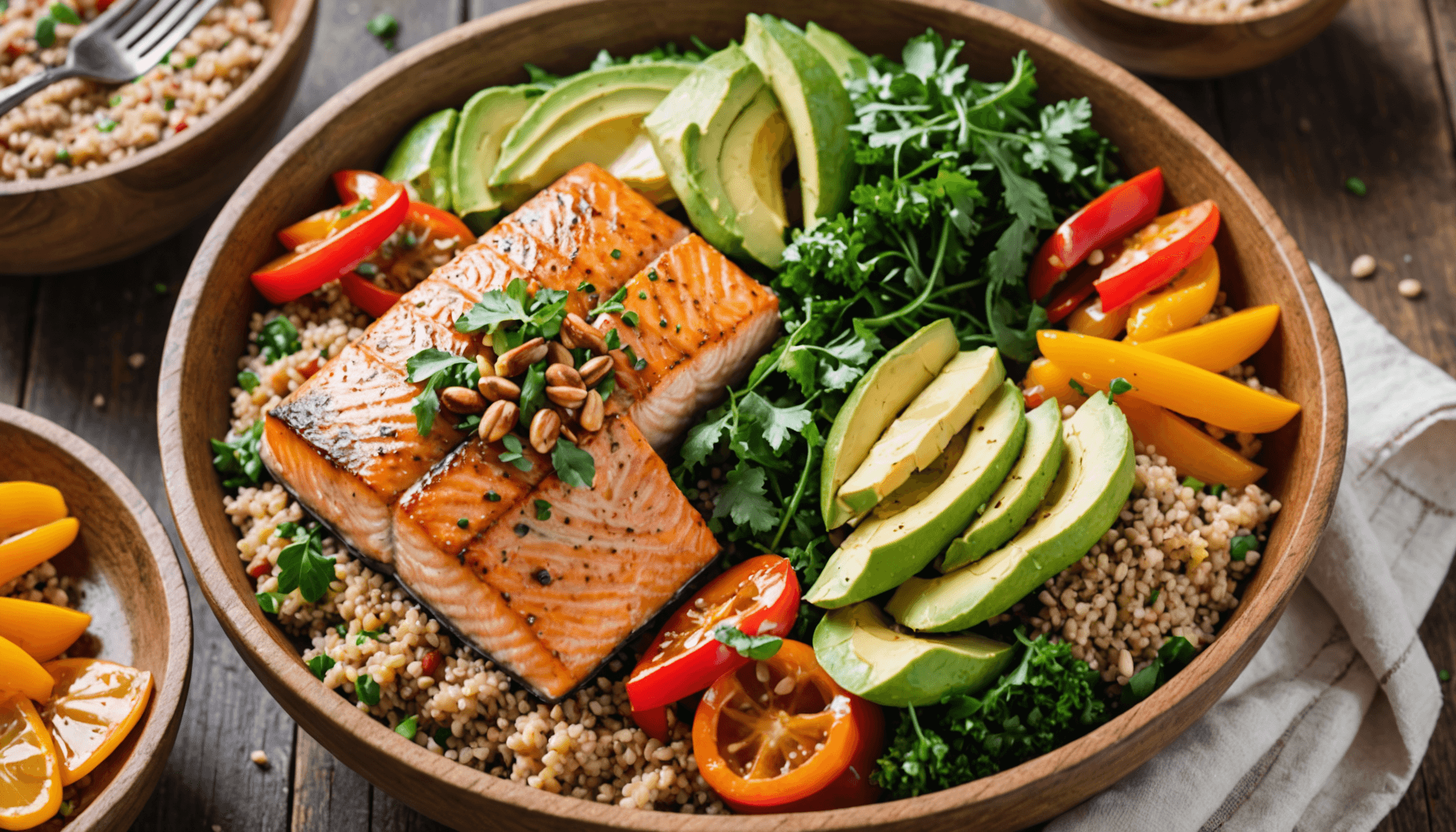
- Start with a Base: Begin with a solid foundation, such as brown rice, quinoa, or a bed of leafy greens. These choices provide complex carbohydrates, ensuring you and your family feel full and satisfied while offering dietary fiber. Quinoa is particularly packed with protein and gluten-free, making it a great pick for any dietary needs.
- Add Your Protein: Select high-quality, organic seafood or plant-based alternatives. Grilled salmon, shrimp, or tofu marinated in herbs and spices can elevate your bowl. If you opt for seafood, remember the factors of freshness and sustainability discussed earlier—this ensures that you’re not just eating healthy dinners, but also supporting eco-friendly practices.
- Incorporate a Variety of Vegetables: Fresh vegetables enhance both nutrition and aesthetics. Chop up colorful bell peppers, carrots, and cucumbers, or toss in roasted veggies like asparagus or sweet potatoes. Aim for a rainbow on your plate to maximize nutrient intake and visual appeal.
- Flavor it Up: Use sauces and dressings to add a pop of flavor. A drizzle of tahini, a sprinkle of sesame seeds, or a homemade vinaigrette can be perfect to round off the dish. For a tangy kick, consider using a splash of citrus juice or a dollop of avocado cream.
- Finish with Toppings: Top your bowl with crunch and additional nutrition. Ideas for toppings include sliced avocado, fresh herbs like cilantro or basil, and nuts such as almonds or walnuts. These will provide healthy fats and a satisfying crunch that make each bite more tantalizing.
Online grocery shopping can make building your perfect bowl even easier. Websites often allow you to filter for organic ingredients, local offerings, and nutritional information. When shopping online, keep these tips in mind:
- Check Freshness Guarantees: Choose retailers that guarantee fresh delivery, especially for perishable items like seafood. This way, you’re assured that your ingredients are in top condition when they arrive at your door.
- Read User Reviews: Before committing to a product, check reviews from other shoppers. This can give you insights into quality and customer service.
- Be Aware of Shipping Costs: Some online retailers might charge higher shipping fees for perishable goods. Look for options that either provide free shipping or reduce costs depending on quantity.
- Use Trusted Sources: Opt for well-known grocery delivery services or local farm cooperatives that prioritize transparency in sourcing and handling. These practices reassure you of the quality of the food you’re purchasing.
By thoughtfully selecting each component of your seafood bowl and utilizing smart shopping strategies—both in-store and online—you create a meal that is not only healthy but also delicious and enjoyable for the whole family. Dive into this creative cooking adventure, knowing that every choice you make contributes to your health and the environment.
Flavorful Accompaniments And Toppings
Flavorful accompaniments and toppings are what truly elevate your organic seafood bowls, enhancing both taste and visual appeal. The right ingredients can transform a simple meal into a culinary experience, bursting with variety and zest. Here are some exciting options to consider when building your ideal seafood bowl.
Start with sauces and dressings, which serve as the unifying element in your dish. A flavorful sauce can brighten the overall taste and enhance the natural flavors of your seafood. Consider a zesty citrus dressing made with fresh lemon or lime juice, olive oil, and a hint of honey or mustard for sweetness. Alternatively, a creamy garlic aioli or a spicy sriracha mayonnaise can add a kick that complements grilled fish beautifully.
“Seasoning is the key to elevating any dish; it transforms good food into great food.”
Next, think about crunch and texture. Toasted seeds and nuts, like sesame seeds or slivered almonds, add a satisfying crunch that’s sure to please. Plus, they come with their own set of nutritional benefits, delivering healthy fats and proteins. Fresh herbs like cilantro, basil, or dill can also introduce refreshing elements while providing vibrant color to your bowl. These herbs not only enhance flavor but can also boost the nutritional profile of your meal.
Don’t forget the importance of pickled items and fermented foods. Toppings such as pickled ginger or sauerkraut pack a tangy punch that contrasts beautifully with the richness of seafood. They also deliver probiotics, promoting gut health while providing an interesting flavor dimension to your bowl.
Adding fruits can be another delightful surprise in your seafood bowls; consider slices of mango, avocado, or even pomegranate seeds. These elements introduce a natural sweetness that can balance the savory notes of your dish, creating a well-rounded flavor profile.
Lastly, incorporate hearty toppings such as roasted chickpeas or edamame, which not only add more protein but also improve the overall satiation of your meal, making it perfect for healthy dinners. When you layer various toppings, aim for a balance of flavors—sweet, savory, creamy, and crunchy—to create a complex yet harmonious dish.
By thoughtfully selecting and combining these flavorful accompaniments and toppings, you can transform your seafood bowls into a feast for the senses, ensuring that each bite is enjoyable and satisfying. The key to crafting memorable meals lies in experimenting with different combinations, allowing your culinary creativity to shine through every delicious layer.
Easy And Delicious Recipes
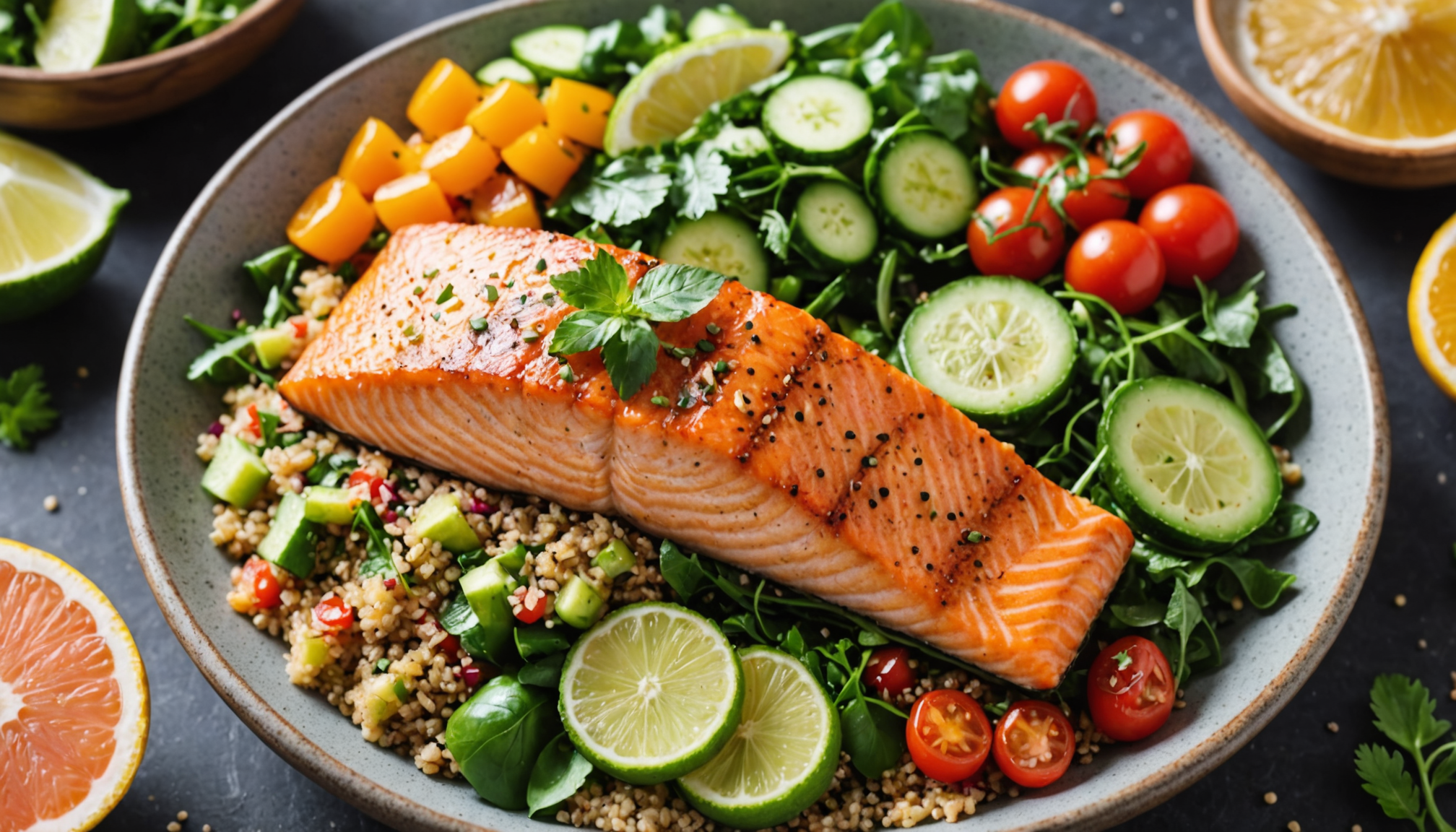
Creating easy and delicious recipes for your seafood bowls can be a fun and rewarding experience. Whether you’re cooking for yourself or preparing a meal for family and friends, the beauty of these bowls lies in their versatility and the ability to incorporate a variety of flavors and ingredients. Here are some simple recipes that pack a nutritional punch while keeping your dining experience vibrant and enjoyable.
One popular option is the Spicy Salmon Quinoa Bowl. To make this dish, start by cooking quinoa according to package instructions. In a pan, lightly sear pieces of fresh organic salmon, seasoned with salt, pepper, and a sprinkle of cayenne or paprika. Once the salmon is cooked to your liking, assemble your bowl with a base of quinoa, topped with the salmon, diced cucumbers, cherry tomatoes, and a handful of leafy greens. Drizzle with a homemade lime and sesame vinaigrette for an extra kick.
Another delightful recipe is the Shrimp and Avocado Citrus Bowl. Cook shrimp in a skillet with garlic and olive oil until they turn pink and opaque. Prepare a base of mixed greens or spinach, then layer the cooked shrimp on top with sliced avocado, segments of orange or grapefruit, and thinly sliced radishes. Finish the bowl with a sprinkle of toasted pumpkin seeds for added crunch and a light citrus dressing made from lemon juice, olive oil, and honey.
A vegetarian alternative could be the Tofu Teriyaki Bowl. Cube firm tofu and marinate it in a mix of organic soy sauce, ginger, and garlic. Pan-fry the tofu until golden, and serve it over a bed of steamed brown rice. Garnish with steamed broccoli, colorful bell pepper strips, and a sprinkle of sesame seeds. For added flavor, drizzle some homemade teriyaki sauce over the top.
If you’re looking for something to satisfy your sweet tooth while still being healthy, try a Mango Coconut Poke Bowl. Use a base of coconut rice, made by cooking jasmine rice with coconut milk. Top with fresh diced mango, shredded coconut, and your choice of diced fish, like tuna or yellowtail, marinated in a light soy sauce. Garnish with sliced green onions and a squeeze of lime for a refreshing finish.
These recipes not only emphasize the use of organic seafood and fresh produce but they also embody the principles of building healthy dinners that are nourishing and satisfying. The key is to experiment with flavors and ingredients that appeal to you, as this will inspire your culinary creativity and lead to meals that you and your loved ones will enjoy. Dive into these recipes and encourage a passion for creating wholesome, delicious seafood bowls that are sure to impress!
- What is the nutritional value of seafood bowls?
- Seafood bowls are typically high in protein and omega-3 fatty acids, which are known to support heart health. They can also provide essential vitamins and minerals, especially if you incorporate a variety of vegetables and whole grains.
- How do I know if seafood is fresh?
- Fresh seafood should have a mild ocean smell, firm texture, and clear eyes if it’s fish. If purchasing from a market, ask the fishmonger about the catch date for the best quality.
- Can I make seafood bowls ahead of time?
- Yes, many elements of seafood bowls can be prepared ahead of time, such as cooking grains, marinating proteins, and chopping vegetables. Just add the seafood and any dressings right before serving to maintain freshness.
- What are some alternatives to fish in seafood bowls?
- For those who prefer plant-based options, you can use tofu, tempeh, or seitan. There are also excellent vegan seafood alternatives available that mimic the texture and taste of fish.
- How can I ensure sustainability when purchasing seafood?
- Look for seafood certified by organizations like the Marine Stewardship Council (MSC) or the Aquaculture Stewardship Council (ASC). These certifications indicate that the seafood is sourced responsibly and sustainably.
- Are seafood bowls suitable for meal prep?
- Absolutely! Seafood bowls are great for meal prep. You can cook the components in batches and assemble them quickly at mealtime.
- What are some popular toppings for seafood bowls?
- Common toppings include avocado, sesame seeds, fresh herbs, pickled vegetables, nuts, and a variety of dressings. These add flavor and texture to enhance your seafood bowl experience.
Sourcing And Sustainability Considerations
Choosing the right sourcing and ensuring sustainability are crucial elements of your grocery shopping journey, particularly when you’re looking to create delicious seafood bowls that not only taste good but also honor the planet. To make informed decisions, you should consider the following advice:
- Research Your Sources: Be aware of where your seafood comes from. Local fish markets often offer fresher options, and by buying local, you support community fishermen who practice sustainable fishing techniques. Don’t hesitate to ask the staff about their sourcing practices; this can give you valuable insight into the quality and sustainability of their seafood.
- Choose Certified Products: Look for seafood labeled with sustainability certifications. Organizations like the Marine Stewardship Council (MSC) or the Aquaculture Stewardship Council (ASC) provide assurance that the seafood is sourced responsibly. These labels ensure that the fish is not overfished and that the ecosystems are being respected.
- Seasonal Availability: When looking for seafood, always consider what is in season in your area. Seasonal products are usually fresher, often more affordable, and result in less environmental impact. Local fishmongers can provide guidance on what’s currently abundant and sustainable.
- Understand Overfishing Issues: Being informed about which fish species are under threat of overfishing will help you make better choices. Resources like Seafood Watch provide guidelines on sustainable seafood choices based on the latest scientific data.
- Frozen Seafood as an Option: If fresh seafood isn’t available, frozen options can be just as nutritious, sometimes more so, as they are flash-frozen right after being caught. Ensure that they come from sustainable sources, indicated on the packaging. This can be a budget-friendly option while also reducing waste.
- Online Shopping Cautions: If you’re purchasing seafood online, stick to reputable retailers that specialize in fresh foods. Always read reviews and check the return policy—most places will guarantee freshness upon delivery. Pay attention to the packaging and shipping methods used to ensure that your seafood arrives cold and safe to eat.
- Community Supported Fisheries (CSF): Look into joining a Community Supported Fishery in your area. These programs work similarly to organic farms, providing members with regular deliveries of seasonal, sustainable catch directly from local fishermen.
- Integrate Plant-Based Options: Consider incorporating vegan seafood alternatives into your meals. There are many products available that offer sustainable plant-based protein, catering to diverse dietary preferences while still allowing for creativity in your seafood bowls.
By adhering to these sourcing strategies and sustainability practices, not only will you create fabulous seafood bowls with fresh, nutritious ingredients, but you’ll also contribute to the preservation of our marine ecosystems. This conscientious approach to shopping makes your meal prep endeavors more meaningful and aligned with a healthy lifestyle.
New Customers Offer!
Free Gift for the new customer
$24 Value, When You Subscrib Visit Thrive Market