- Benefits of Organic Ingredients
- Quick and Easy Dinner Recipes
- Meal Prep Tips for Busy Weeknights
- Seasonal Produce Guide
- Balancing Nutrients in Your Meals
- Staying Motivated for a Healthy Lifestyle
When navigating the grocery aisles, it’s essential to make savvy choices that align with your healthy living goals. Start by creating a well-thought-out shopping list based on your meal plans for the week. This not only streamlines your shopping experience but also helps you steer clear of impulse buys that deviate from your nutritional objectives.
Local farmer’s markets are a treasure trove for fresh, seasonal produce. Here, you can often find organic fruits and vegetables that are not only nutrient-dense but also support local agriculture. Opt for staples like kale, spinach, and seasonal fruits such as berries or apples. These items are perfect for incorporating into your simple recipes, whether in smoothies, salads, or stir-fries.
For those with a keen eye on their budget, buying in bulk can significantly reduce costs. Grains such as quinoa, brown rice, or farro are excellent sources of complex carbohydrates, and purchasing these in large quantities can save you money over time. Pair them with protein sources like lentils, beans, or organic tofu for well-rounded meals. Keep an eye out for store sales on organic products, which can also help you stick to your budget while prioritizing health.
Online grocery shopping has become increasingly popular, offering convenience and often better prices. However, it’s crucial to keep safety in mind. Ensure you’re purchasing from reputable retailers that offer clear labeling for organic items. Look for certifications such as the USDA Organic seal when ordering packaged foods online. Additionally, be sure to check expiration dates on perishable items before finalizing your order.
When shopping for organic products, don’t hesitate to ask questions at your local supermarket or co-op. Knowledgeable staff will often provide insights into where their produce comes from and whether it’s organic or locally sourced. Remember, purchasing organic is not limited to just fruits and vegetables; consider organic grains, dairy, and canned goods as well to keep your pantry stocked with wholesome options.
Lastly, if you’re pressed for time, search for grocery delivery services that specialize in organic and health-focused foods. These services not only save you time but also allow you to explore new healthy ingredients that can inspire creativity in your meals. Always check their reviews and service policies to ensure a safe and reliable shopping experience.
Quick and Easy Dinner Recipes
For busy weeknights, quick and easy dinners are a lifesaver, particularly when focusing on organic food and simple recipes that emphasize healthy living. The key to maintaining a nutritious diet while avoiding time-consuming meal preparations lies in choosing recipes that are both delicious and efficient. Below are some simple and quick dinner ideas that rely on readily available organic ingredients, ensuring that you can whip them up in no time.
One-Pan Lemon Garlic Chicken and Vegetables
This dish is not only a time-saver but also requires minimal cleanup. The combination of chicken and seasonal vegetables, all seasoned with zesty lemon and aromatic garlic, delivers a burst of flavors that feels gourmet.
Ingredients:
– 2 organic chicken breasts
– 1 cup organic broccoli florets
– 1 cup organic cherry tomatoes
– 1 cup organic carrots, sliced
– 4 cloves garlic, minced
– Juice of 1 lemon
– 2 tablespoons olive oil
– Salt and pepper to taste
Instructions:
1. Preheat the oven to 400°F (200°C).
2. In a large bowl, combine all ingredients and toss well.
3. Spread the mixture on a baking sheet and roast for 25-30 minutes, or until the chicken is cooked through.
4. Serve warm, drizzling extra lemon juice on top for enhanced flavor.
Quinoa Salad with Black Beans and Avocado
A refreshing salad that serves as a complete meal, this quinoa salad is loaded with protein and healthy fats, making it perfect for dinner.
Ingredients:
– 1 cup organic quinoa
– 1 can organic black beans, rinsed and drained
– 1 organic avocado, diced
– 1 cup organic bell peppers, chopped
– 1/4 cup fresh cilantro, chopped
– Juice of 2 limes
– Salt and pepper to taste
Instructions:
1. Cook quinoa according to package instructions.
2. In a large bowl, combine cooked quinoa, black beans, avocado, bell peppers, and cilantro.
3. Drizzle lime juice over the top and season with salt and pepper. Toss to combine and serve chilled or at room temperature.
Stir-Fried Tofu and Vegetables
This vegetarian dish is incredibly versatile, using whatever organic vegetables are in season or on hand. Tofu is a fantastic source of protein, and when paired with vibrant vegetables, it’s both a healthier and satisfying dinner option.
Ingredients:
– 1 block organic firm tofu, cubed
– 2 cups organic mixed vegetables (e.g., snap peas, bell peppers, carrots)
– 2 tablespoons soy sauce
– 1 tablespoon sesame oil
– 1 tablespoon fresh ginger, minced
– Cooked brown rice or quinoa to serve
Instructions:
1. In a skillet, heat sesame oil over medium heat. Add tofu and cook until golden on all sides.
2. Add minced ginger and mixed vegetables, stir-frying until the vegetables are tender-crisp.
3. Pour in soy sauce and toss everything together for a minute before serving with brown rice or quinoa.
Dinner Comparison Table
| Recipe | Prep Time | Cook Time | Main Ingredients |
|---|---|---|---|
| Lemon Garlic Chicken and Vegetables | 10 minutes | 30 minutes | Chicken, broccoli, tomatoes |
| Quinoa Salad with Black Beans and Avocado | 10 minutes | 15 minutes (for quinoa) | Quinoa, black beans, avocado |
| Stir-Fried Tofu and Vegetables | 15 minutes | 10 minutes | Tofu, mixed vegetables |
These simple recipes illustrate that dinner can be both quick and nourishing without sacrificing quality. Emphasizing organic ingredients not only enhances the flavor of each dish but also aligns with a commitment to healthy living, providing peace of mind that your meal is wholesome and beneficial. With just a little planning and preparation, dinner can transform into a delightful and nutritious end to your day.
Meal Prep Tips for Busy Weeknights
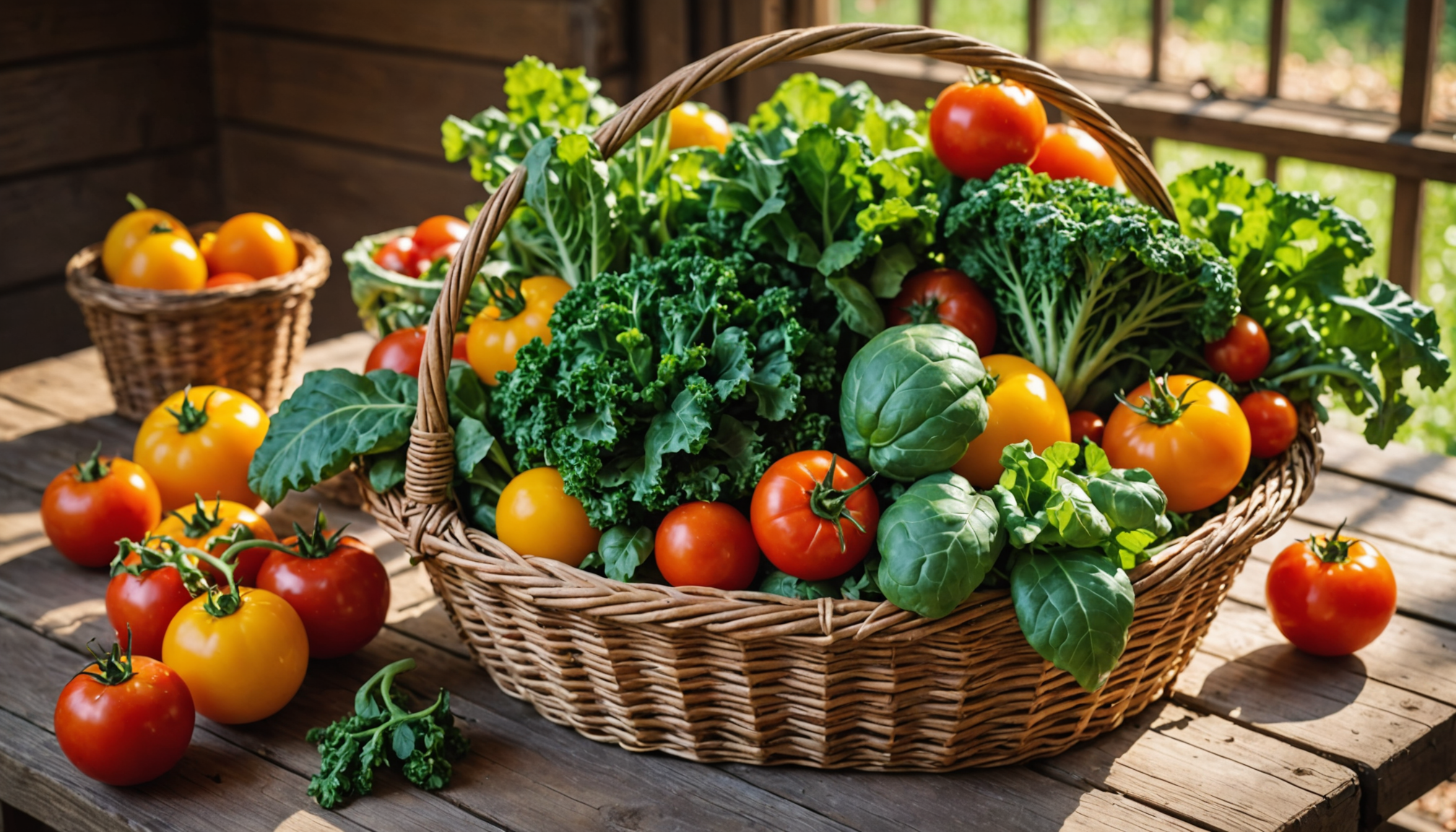
As you prepare for your busy weeknights, the grocery store can feel like both a blessing and a challenge. An effective grocery shopping strategy can streamline your meal prep and make healthy living a breeze. Start by creating a detailed shopping list tailored to the meals you’ve planned. This simple step helps you stay focused and avoids temptations to stray from your health goals.
When exploring your local grocery store or farmer’s market, prioritize fresh, seasonal produce. Not only do local fruits and vegetables often taste better, but they are also packed with nutrients. Look for organic options whenever possible, especially with the “Dirty Dozen” items, which are known to have higher pesticide residues. Common organic staples include:
- Kale
- Spinach
- Apples
- Berries
- Carrots
- Tomatoes
If you’re shopping on a budget, consider bulk purchases of healthy grains and legumes. Items like quinoa, brown rice, lentils, and chickpeas are not only affordable but also great for meal prepping as they provide a solid base for numerous simple recipes. Look for whole grains to boost your fiber intake and help keep you full longer, supporting your fitness goals.
For individuals following a vegan diet, be on the lookout for plant-based protein sources such as:
- Tofu and tempeh
- Edamame
- Quinoa
- Chickpeas
- Black beans
These ingredients make it easy to craft filling meals that align with your dietary preferences while keeping the focus on organic food.
Online grocery shopping offers the convenience of having your items delivered straight to your door. However, it’s crucial to choose reputable websites and vendors. Always check for clear labeling, especially when it comes to organic certifications like the USDA Organic seal. Be cautious about perishable goods—check their expiration dates and shipment methods to ensure the freshness of your products. Additionally, take your time reading reviews and assessing the delivery service’s policies before making an order.
When shopping in-store, don’t hesitate to engage with supermarket staff. They often have valuable insights about where produce comes from, how to choose the freshest options, and can recommend local alternatives if you’re looking for unique ingredients. Organic food doesn’t just stop at fruits and vegetables; consider stocking up on organic grains, snacks, and dairy alternatives to create a well-rounded pantry.
Consider trying local grocery delivery services that specialize in health-focused or organic foods. These services can provide access to new ingredients and exciting recipes that keep your meal prep fresh and fun. Always check their safety standards and reliability ratings to ensure a smooth shopping experience.
Seasonal Produce Guide
Seasonal produce plays a crucial role in achieving a healthy diet, as it often boasts enhanced flavors and nutritional value. By focusing on what is available during each season, you can enjoy fruits and vegetables at their peak freshness and support sustainable farming practices. Not only does eating with the seasons benefit your health, but it also aligns with a commitment to organic food choices that emphasize local and environmental stewardship.
In the spring, look for vibrant greens such as asparagus, artichokes, and peas. These vegetables can easily enhance simple recipes, whether roasted, steamed, or tossed in salads. Adding fresh herbs like dill and mint can elevate the dish, creating a light and refreshing taste that embodies the essence of the season.
Summer brings an array of colorful produce, including tomatoes, zucchini, bell peppers, and summer squash. This season is perfect for creating vibrant salads and grilled dishes. Heirloom tomatoes, fresh basil, and mozzarella can make a delightful Caprese salad, while zucchini can be spiralized to create a healthy and gluten-free pasta alternative.
As autumn arrives, root vegetables like beets, carrots, and sweet potatoes come into play. These vegetables are not only hearty but also packed with nutrients that sustain you through cooler temperatures. Roasting them with a drizzle of olive oil and spices can bring out their natural sweetness, making for a comforting side dish or a nourishing addition to grain bowls.
Finally, winter offers hearty vegetables such as Brussels sprouts, kale, and winter squash. These sturdy options can be incorporated into soups, stews, or simply roasted with garlic and herbs for a warming side. Don’t forget about citrus fruits, which peak during the winter months and can add brightness and zest to your meals.
“Eating in harmony with the seasons is the best way to enjoy the freshest produce and support local agriculture.” — Unknown
To make the most of seasonal produce, consider visiting local farmers’ markets where you can discover the best offerings in your area. Not only will you find fresh ingredients, but you also support local farmers who practice organic farming methods. Planning your meals around seasonal ingredients not only enhances their flavor but also encourages variety in your diet.
Keep in mind that seasonal cooking requires flexibility; adjust your recipes to incorporate what is available. This approach helps diversify your meals and prevents mealtime boredom while highlighting the beauty and bounty of nature’s produce throughout the year. Embracing a seasonal diet can be an integral part of your healthy living journey, allowing you to enjoy fresh, organic ingredients while also supporting sustainability.
Balancing Nutrients in Your Meals
 Balancing the nutrients in your meals is essential for not just maintaining a healthy lifestyle but also for ensuring that you feel satisfied and energized throughout the day. When you focus on incorporating a variety of food groups, you create meals that are not only delicious but also nutritionally complete. The cornerstone of balanced nutrition lies in proportioning carbohydrates, proteins, and healthy fats.
Start your meal planning by thinking about these essential macronutrients. Whole grains are fantastic sources of complex carbohydrates, providing energy while stabilizing blood sugar levels. Quinoa, brown rice, and whole-grain pasta are great staples that can act as the base of your meals. Pairing these grains with healthy proteins—such as lentils, chicken, or fish—offers a source of necessary amino acids that support muscle repair and growth.
Don’t forget the role of healthy fats, found in foods like avocados, nuts, and olive oil. These fats are not only satisfying but also support brain health and nutrient absorption. An easy way to incorporate healthy fats is by drizzling a generous amount of olive oil on roasted vegetables or adding a handful of walnuts to a salad.
Incorporating a rainbow of fruits and vegetables into your meals ensures that you receive a broad spectrum of vitamins and minerals. Seasonal produce is often the most nutrient-dense as it’s picked at its peak ripeness. Consider starting your meals with a vibrant salad or vegetable stir-fry; the more color on your plate, the more likely you are to replenish your body with essential nutrients.
Special attention should also be paid to portion sizes. While it may seem intuitive to eat until you’re full, understanding appropriate serving sizes can help control calorie intake and prevent overeating. Using smaller plates can trick your brain into feeling satisfied with less food, allowing you to enjoy all the flavors of your meal while also promoting healthier eating habits.
To experiment with your meals, try themed nights—such as Meatless Mondays or Taco Tuesdays—encouraging creativity while ensuring nutrient balance. Exploring various cuisines and their flavor profiles can keep your meals exciting and inspire new favorites.
By mindfully creating balanced meals that celebrate organic food, you’ll not only support your health but also foster a deeper understanding of nutrition and how it impacts your overall well-being. This journey into nutritional balance and creativity will encourage you to continuously seek out new ingredients and ideas to transform your dining experience.
- What are macronutrients and why are they important?
- Macronutrients include carbohydrates, proteins, and fats. They are crucial because they provide the energy necessary for daily activities and bodily functions, supporting overall health when consumed in balanced proportions.
- How can I ensure I’m getting enough fiber in my meals?
- Incorporate a variety of whole grains, legumes, fruits, and vegetables into your diet. Foods like chia seeds, lentils, oats, and vegetables such as broccoli and carrots are excellent sources of dietary fiber that promote digestive health.
- Can I balance nutrients without meal prepping?
- Yes, you can balance nutrients without meal prepping by making mindful food choices at each meal. Focus on including a source of protein, healthy fats, and a variety of fruits and vegetables to each meal, even on the fly.
- How can I incorporate more seasonal produce into my meals?
- Visit local farmers’ markets or seasonal grocery sections to find fresh produce. Plan your meals around the seasonal ingredients available to not only support local agriculture but also enjoy fruits and vegetables at their peak flavor and nutrition.
- What are some simple recipes for balancing meals?
- Try recipes like quinoa salads paired with various beans, vegetable stir-fries, or whole grain wraps filled with fresh proteins and greens. These not only keep your meals balanced but can also be very quick to prepare.
- How does eating organic food contribute to a healthier lifestyle?
- Organic food often contains fewer pesticides and chemicals, making it a healthier choice. Additionally, organic farming practices tend to be more sustainable, benefiting the environment, which aligns with long-term health goals.
- Can I achieve balanced nutrition on a budget?
- Absolutely! Focus on buying whole grains, seasonal produce, and legumes in bulk. These are often more affordable while providing essential nutrients. Planning meals based on weekly sales can also maximize your budget.
Staying Motivated for a Healthy Lifestyle
Staying motivated on your healthy living journey can often hinge on how you approach grocery shopping. A well-planned shopping trip, whether online or in-store, can be a game-changer, making it easier to stick to your health goals and maintain your commitment to organic food. Here are some practical tips to keep you motivated and excited about filling your cart with wholesome ingredients.
Start by creating a shopping list that not only reflects your meal plans but also includes a variety of nutrient-dense foods. This list can serve as a visual reminder of your goals, helping you stay focused on healthy living while navigating through tempting aisles. Consider using apps that can help track your pantry items and suggest healthy recipes based on what you have at home. Many apps also provide shopping lists that can be adjusted according to seasonal produce availability, ensuring you maximize freshness.
When shopping, particularly at local farmers’ markets or health food stores, embrace the colorful array of fruits and vegetables available. Seasonal produce not only tastes better but also offers the highest nutritional value. Challenge yourself to select at least three types of produce that you don’t usually buy. Experimenting with new vegetables or fruits can inspire creative cooking and transform simple recipes into unique meals. Some popular seasonal options include:
- Spring: Asparagus, strawberries, and radishes
- Summer: Tomatoes, zucchini, and peaches
- Fall: Butternut squash, apples, and Brussels sprouts
- Winter: Kale, citrus fruits, and root vegetables
For those on a tight budget or looking for sustainable food sources, buying in bulk can significantly reduce costs. Look for grains, beans, and legumes at bulk bins; these items are essential for filling your pantry with healthy staples. When considering organic options, focus on the “Dirty Dozen” list to prioritize which items to buy organic due to high pesticide residue levels, such as:
- Strawberries
- Spinach
- Kale
- Apples
Online grocery shopping can be a double-edged sword; while it offers convenience, it’s essential to navigate it wisely. Stick to reputable websites that specialize in organic food and use secure payment methods. Always check product labels and certifications to ensure you’re getting what you pay for. Be cautious with fresh produce and read reviews on the quality of items before placing an order. If possible, opt for deliveries that provide tracking options so you can anticipate when your groceries will arrive, ensuring you plan accordingly.
Engaging with your local grocery store staff can open doors to discovering new products and receiving tips on preserving food freshness. They can recommend local organic vendors or other health-focused products that fit your dietary preferences. Don’t hesitate to ask about promotions or loyalty programs that save you money while supporting your healthy lifestyle.
Lastly, if you find yourself losing motivation, consider setting small, achievable goals. This can be as simple as trying one new recipe each week or continuously incorporating more plant-based meals into your diet. Keeping the process enjoyable will cultivate a positive relationship with food and inspire a lifelong commitment to healthy living.
New Customers Offer!
Free Gift for the new customer
$24 Value, When You Subscrib Visit Thrive Market