- Nutritional Benefits of Quinoa
- Choosing the Right Vegetables
- Preparing the Quinoa Base
- Elevating Flavors with Dressings
- Creative Bowl Combinations
- Tips for Meal Prep and Storage
When grocery shopping, particularly for wholesome quinoa recipes, it’s essential to arm yourself with a few smart strategies to ensure you’re selecting the best ingredients for your family’s health and wellness. Here’s your guide to navigating both online and offline grocery stores effectively.
First, when shopping for quinoa, look for the *organic* label. This not only ensures you’re getting a product free of pesticides and harmful chemicals but also supports sustainable farming practices. Local health food stores often carry certified organic options that could be fresher than mass-produced varieties found in larger supermarkets. If you’re shopping online, stick to reputable brands with clear sourcing information to guarantee the quality of your grain.
- Explore Bulk Sections: Buying quinoa in bulk can save money and decrease packaging waste. Check out local co-ops or health food stores where you can find organic quinoa without the hefty price tag.
- Check for Certifications: In addition to organic, look for products that are Non-GMO and labeled gluten-free if dietary restrictions apply. These options are becoming more common in grocery stores, especially in urban areas.
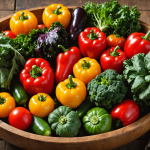
Once you have your quinoa, the next focus is on healthy meals with abundant vegetables. Browse the produce section or local farmer’s market for seasonal vegetables that are vibrant and fresh. Not only does shopping seasonally ensure the best flavor and nutritional content, but it also tends to be more budget-friendly. Here are some great vegetable options to pair with your quinoa:
- Leafy greens like kale or spinach, which are nutrient-dense and create a bright base for your bowls.
- Colorful bell peppers and carrots, which add crunch and essential vitamins.
- Root vegetables like sweet potatoes and beets not only provide a lovely sweetness but also are rich in antioxidants.
When considering where to shop, maintain a balance between choosing local and larger grocery chains. Local farms often offer CSA (Community Supported Agriculture) programs where you can receive a variety of fresh, seasonal produce directly from the source.
If you prefer online shopping, be cautious. Ensure that the grocery service you choose has a good reputation for freshness, and don’t hesitate to look for customer reviews. Opt for services that allow you to filter by organic produce to ensure quality. Have a backup plan in case the produce you chose is out of stock; many online retailers have suggestions on complementary items based on your initial selections.
As you fill your cart, keep an eye on the nutritional labels and ingredient lists. Aim for items that have minimal processing, are low in added sugars, and high in proteins and fibers, particularly when you’re picking dressings or sauces to accompany your bowls. Learning to navigate these selections confidently will not only serve your meal prep aspirations but also enhance your family’s overall health and dining experience.
Choosing the Right Vegetables
Incorporating the right vegetables into your quinoa bowls is crucial for both flavor and nutrition, as they contribute a range of vitamins, minerals, and textures to the meal. A diverse selection not only creates a vibrant presentation but also enhances the health benefits of your quinoa recipes.
When choosing vegetables, consider their respective nutrient profiles and how they complement the quinoa base. For example, cruciferous vegetables like broccoli and cauliflower offer a hefty dose of fiber and antioxidants, while starchy vegetables such as sweet potatoes provide sustained energy and essential nutrients. It’s also beneficial to include a variety of colors, as this often signals a broader range of nutrients.
Here’s a comparison table of some common vegetables that pair well with quinoa and their nutritional benefits:
| Vegetable | Nutritional Benefits | Flavor Profile |
|---|---|---|
| Spinach | Rich in iron, vitamins A and C, and folate | Earthy and slightly bitter |
| Bell Peppers | High in vitamins A and C, fiber, and antioxidants | Sweet and crunchy |
| Broccoli | Good source of vitamins K and C, fiber, and folate | Slightly bitter with a crunchy texture |
| Sweet Potatoes | High in vitamins A and C, potassium, and fiber | Sweet and creamy when cooked |
| Cucumbers | Low in calories, high in water content, and vitamin K | Refreshing and crunchy |
| Carrots | Rich in beta-carotene, fiber, and antioxidants | Sweet and earthy |
In addition to these vegetables, consider seasonal options that might change throughout the year. This practice not only supports local agriculture but also provides peak freshness and flavor. For winter months, root vegetables like parsnips or squash are excellent choices, while summer may feature an abundance of zucchini and tomatoes.
Moreover, think about how you prepare these vegetables. Roasting or sautéing enhances their natural sweetness and adds depth of flavor, making them more appealing in your healthy meals. Steaming vegetables like broccoli preserves their nutrients and provides a tender yet crisp texture.
Experimenting with various combinations will also keep your quinoa bowls exciting and nourishing. For instance, a mix of roasted sweet potatoes, steamed broccoli, and fresh spinach topped with a zesty dressing can be both filling and delightful. By carefully choosing and preparing your vegetables, you can elevate your quinoa recipes to create satisfying and nutritious meals that cater to diverse dietary preferences.
Preparing the Quinoa Base
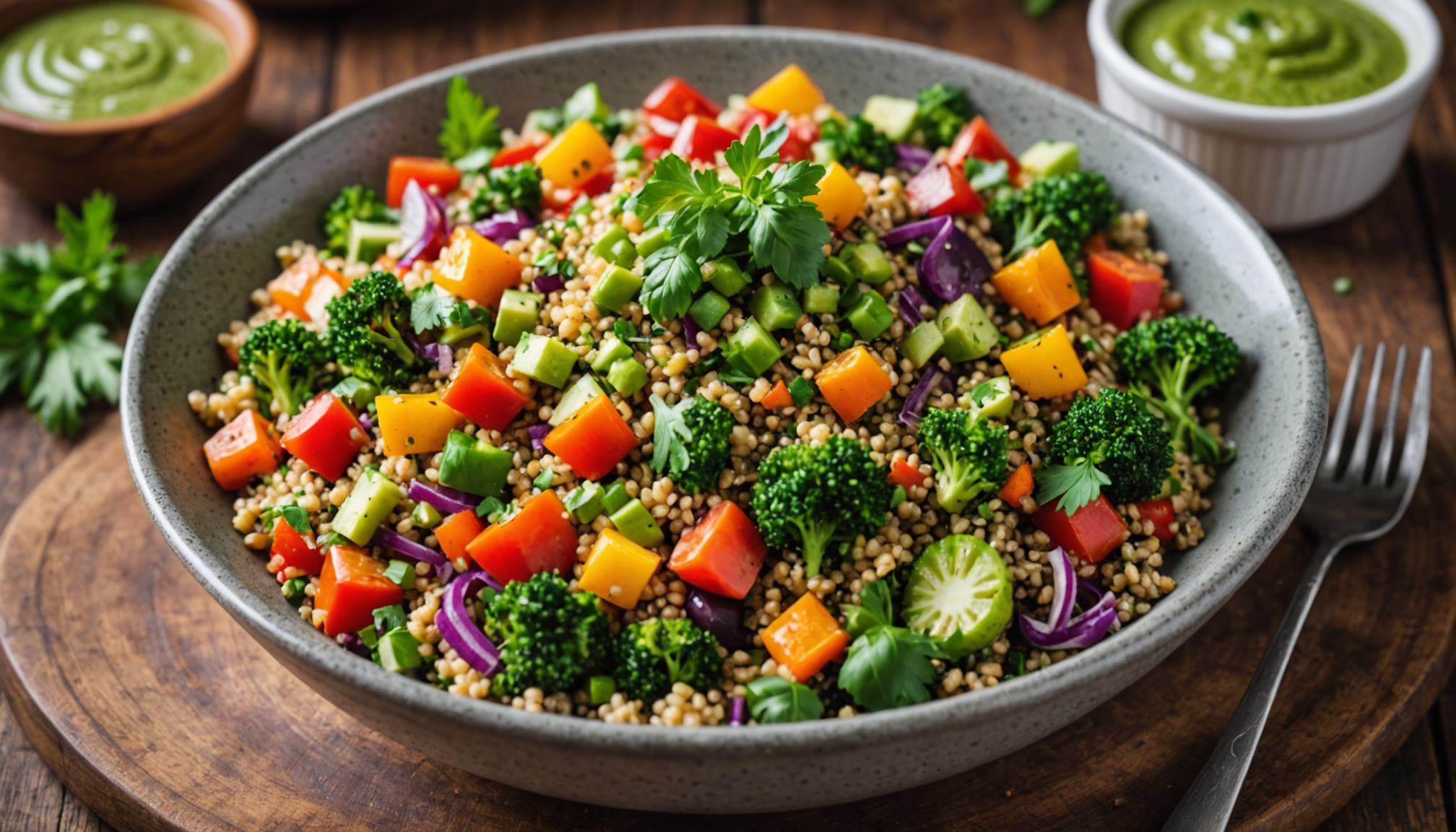
To prepare the perfect quinoa base, it’s essential to start with high-quality quinoa and ensure you’re following the right cooking methods to enhance its flavor and texture. Here’s how to ace your quinoa preparation.
First and foremost, rinse your quinoa thoroughly under cold water. This step is critical as it removes the natural coating called saponin, which can impart a bitter taste. Use a fine-mesh sieve for effective rinsing. If you’re pressed for time, many brands offer pre-rinsed quinoa, which can save you valuable minutes in the kitchen.
Once rinsed, it’s time to cook your quinoa. The standard ratio is 2 parts water to 1 part quinoa. For added flavor, consider using vegetable broth instead of water. A quick tip is to toast the quinoa in a dry skillet for a few minutes before cooking; this brings out a nutty flavor that can elevate your base further.
Bring your chosen liquid to a boil, add the quinoa, and then reduce to a simmer. Cover and cook for about 15 minutes or until the quinoa becomes translucent and a little tail appears. One of the best ways to check if it’s done is to taste it: it should be fluffy, not mushy. After it’s cooked, let it sit covered for another 5 minutes before fluffing it with a fork—this helps achieve that perfect texture.
For those seeking budget-friendly options, quinoa can often be found at competitive prices in bulk bins at health food stores or larger grocery chains. This not only saves money but allows you to buy only the amount you need, minimizing waste. When purchasing quinoa, check for certifications like organic or Non-GMO for healthier choices that align with your dietary goals.
If you prefer the convenience of online shopping, ensure the quinoa you select comes from reputable sources. Look for reviews that focus on freshness and flavor. Some brands even provide a sustainability rating, which can guide you toward environmentally friendly options.
Once your quinoa is cooked, think about preparing it for storage as you build your healthy meal plan. Quinoa can be stored in the refrigerator for up to five days, making it a perfect option for meal prep. Consider batch cooking on a Sunday to simplify weeknight cooking. You can add a variety of vegetables or dressings throughout the week to keep your meals interesting and filled with nutrients.
Lastly, keep an eye on food safety. If buying pre-packaged or bulk quinoa, always check the expiry date, and make sure any packaging is sealed properly to avoid contamination. Cooked quinoa can also be frozen for longer storage; just make sure it’s cooled completely and stored in airtight containers or freezer bags.
Elevating Flavors with Dressings
The right dressing can transform your quinoa and veggie dinner bowls into an extraordinary culinary experience. With a myriad of options available, it’s essential to choose dressings that not only enhance the natural flavors of your ingredients but also contribute to your overall health. Fresh, homemade dressings often pack more nutrients and flavor than their store-bought counterparts, making them a worthwhile addition to your meal prep.
Start with the basics of a simple vinaigrette. Typically, a 3:1 ratio of oil to vinegar serves as the foundation, allowing you to customize based on your taste preferences and dietary needs. Extra virgin olive oil, rich in healthy fats, blends beautifully with tangy vinegar varieties like balsamic or apple cider. To this base, incorporate a touch of Dijon mustard, honey, or maple syrup to balance acidity with sweetness, and don’t forget to season with salt and freshly cracked pepper.
“The best flavors are born from simplicity; fresh ingredients paired thoughtfully elevate any dish.”
For a creamier dressing, consider a yogurt-based option, which offers probiotics along with a rich texture. Mixing plain Greek yogurt with lemon juice, garlic, and your favorite herbs creates a refreshing option that pairs wonderfully with roasted vegetables. Alternatively, a tahini dressing, made with ground sesame seeds, lemon juice, and a hint of garlic, not only enhances flavor but adds a nutty depth that complements quinoa beautifully.
Herbs and spices are your allies when elevating flavors. Incorporating fresh herbs such as parsley, cilantro, or basil can uplift your bowl. Spices like cumin or smoked paprika can add warmth and complexity. Don’t shy away from zesting citrus fruits like lemons or limes—this can brighten your dressings and enhance the overall flavor profile of your healthy meals.
When creating unique combinations, think outside the traditional boundaries. A spicy peanut dressing, blending peanut butter, soy sauce, and a splash of lime juice, can introduce an exciting Asian-inspired twist to your quinoa bowl. Or try a chimichurri sauce featuring parsley, garlic, and red wine vinegar for a robust South American flair.
Balancing flavors can also be achieved by incorporating sweet elements. Dried fruits like cranberries or apricots can enrich your bowls, while roasted nuts or seeds provide crunch and protein. As you explore various dressings and toppings, ensure that the flavors complement your chosen vegetables, enhancing them rather than overpowering their distinct tastes.
Experiment with your dressings by preparing small batches until you find the blends that resonate with your palate. Keep them stored in airtight containers in the fridge for easy access; some dressings may even improve in flavor as they meld over time. Elevating your quinoa recipes with delightful dressings will not only make your meals more enjoyable but will also inspire creativity in your cooking routine.
Creative Bowl Combinations
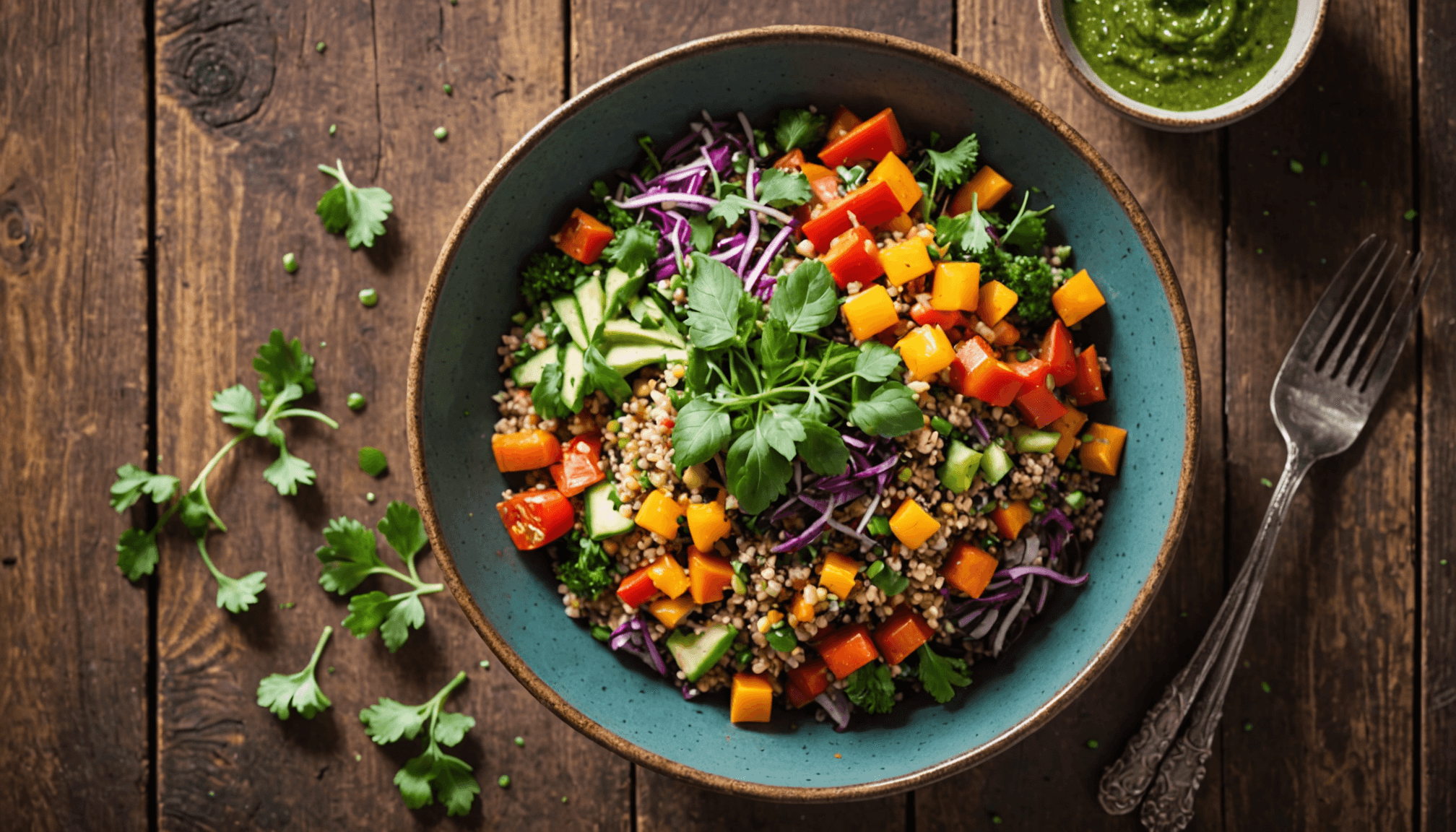
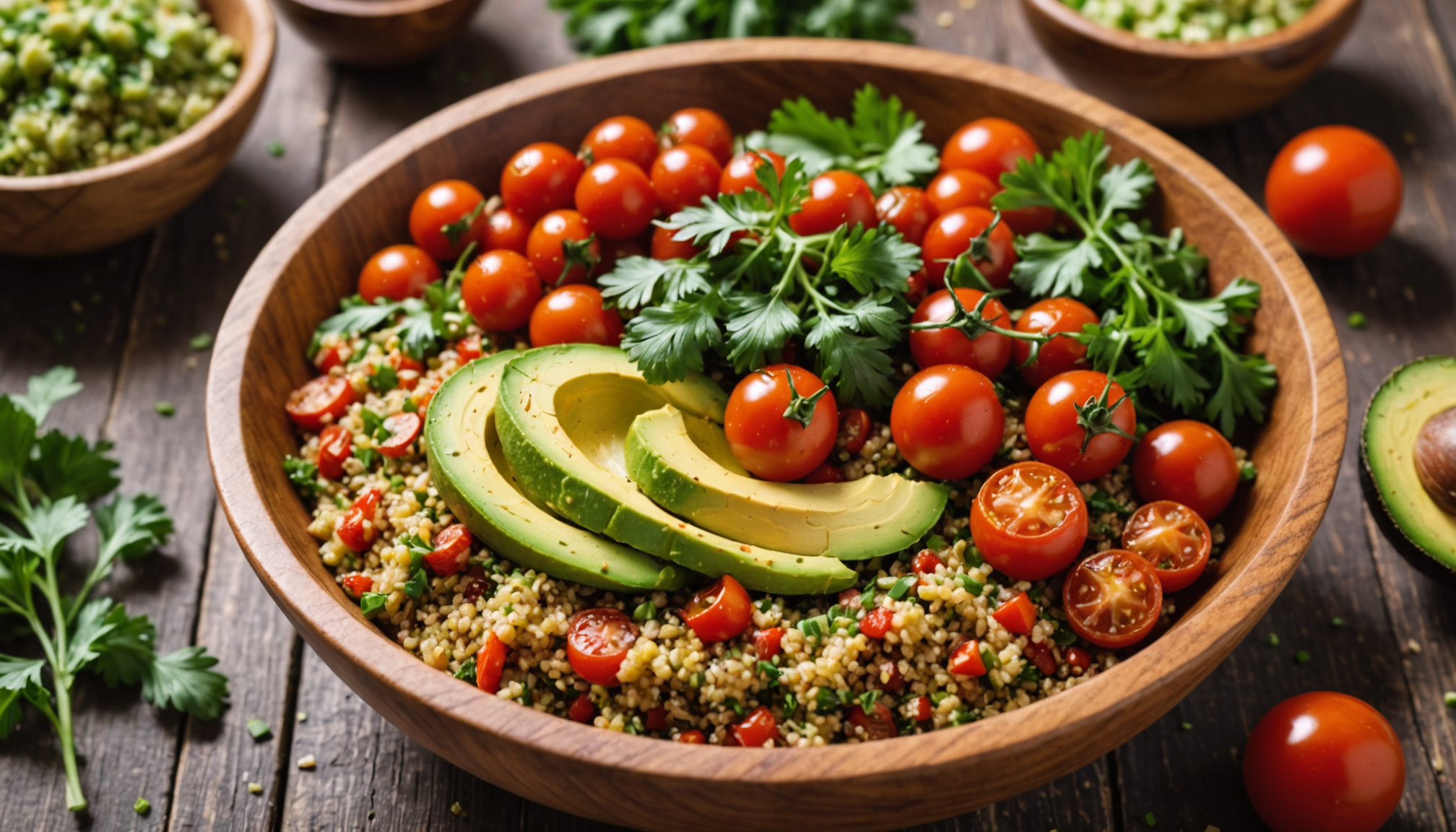 Creatively combining your choice of ingredients can transform a simple quinoa dish into an extraordinary meal bursting with flavor, nutrition, and visual appeal. Think about the textures and colors you want to achieve in your quinoa bowls. A satisfying bowl can be built with a base of fluffy quinoa topped with vibrant, roasted vegetables, fresh greens, and a drizzle of zesty dressing.
Consider using contrasting textures to keep each bite interesting; crunchy toppings like nuts or seeds can add a satisfying crunch, while creamy elements such as avocado or feta cheese can provide richness. This way, you’re not just eating a meal, but experiencing a symphony of tastes and sensations.
As for flavors, explore different world cuisines by infusing global spices and ingredients. For an Italian-inspired bowl, combine quinoa with roasted cherry tomatoes, artichokes, olives, and a sprinkle of Parmesan, then dress with a homemade basil pesto. Alternatively, create a Mediterranean vibe with chickpeas, cucumber, and a lemon-tahini dressing, topped with fresh dill.
The beauty of these bowls lies in their versatility; they can be tailored to reflect what’s in season or to accommodate personal dietary needs. For example, if you’re looking to keep things lighter, adding raw, shredded vegetables like carrots or zucchini can give your meal a fresh crunch. Conversely, if you’re in need of warmth on a chilly evening, consider incorporating hearty roasted root vegetables, which lend a comforting sweetness.
Another creative route is to theme your bowls according to cuisines. A Mexican-inspired bowl could feature quinoa topped with black beans, corn, diced tomatoes, avocado, and a spicy chipotle dressing. For an Asian twist, think quinoa topped with stir-fried bok choy, carrots, edamame, and a ginger-soy sauce.
Don’t shy away from trying bold flavor combinations. Mixing sweet and savory can yield surprisingly delicious results—imagine a bowl with quinoa, roasted butternut squash, and a sprinkling of pomegranate seeds, drizzled with tahini dressing.
The quest to develop innovative and nutritious bowl combinations can be an exhilarating journey through flavors, textures, and fresh ingredients. Each meal can become an opportunity for exploration and creativity, allowing for reflection on what ingredients resonate most with your tastes and dietary preferences.
- What are the health benefits of quinoa?
- Quinoa is a complete protein, meaning it contains all nine essential amino acids, making it an excellent choice for vegetarians and vegans. Additionally, it’s rich in fiber, B vitamins, and minerals such as magnesium and potassium, contributing to overall health and wellness.
- How do I choose the right vegetables for my quinoa bowls?
- Look for a variety of colors and textures to not only enhance the visual appeal of your dish but also to maximize nutritional benefits. Leafy greens, cruciferous vegetables, and seasonal produce can provide diverse vitamins and minerals while complementing the flavor of quinoa.
- Can I combine different types of vegetables in a quinoa bowl?
- Absolutely! Mixing different types of vegetables can create complex flavors and appealing textures. Combining raw and cooked vegetables, such as sautéed bell peppers with fresh greens, can enhance your meal significantly.
- What are some tasty dressing options for quinoa bowls?
- From lemon-tahini dressings to zesty vinaigrettes, there are numerous dressing options to elevate your quinoa dishes. Experimenting with herbs, spices, and different oils can lead to unique flavors that enhance the natural ingredients in your bowl.
- How can I make meal prep easier for quinoa bowls?
- Batch-cook quinoa and chop vegetables in advance, storing them in airtight containers in the refrigerator. This allows you to assemble your quinoa bowls quickly throughout the week, saving time while ensuring healthy meals are always on hand.
- Are there any creative toppings I should consider?
- Consider adding nuts, seeds, dried fruits, or crumbled cheese for added texture and flavor. Fresh herbs can also brighten your dish, while spices can introduce a whole new dimension to your meals.
- How do I store leftover quinoa bowls?
- Store any leftover quinoa bowls in airtight containers in the refrigerator for up to five days. For longer storage, you can freeze plain cooked quinoa in portions, allowing you to easily add it to future meals.
Tips for Meal Prep and Storage
When it comes to meal prep and storage for your delightful quinoa bowls, strategizing ahead can make all the difference in enjoying healthy meals throughout the week. Proper planning ensures you have vibrant veggies and nutritious grains at the ready, making it easier to assemble bowls quickly, even on the busiest days.
Start with a solid meal prep foundation by dedicating some time to cook your quinoa in bulk. As mentioned earlier, cooking a large batch of quinoa can yield versatile bases for numerous bowls. Once cooked, store quinoa in airtight containers in the refrigerator, where it can remain fresh for about five days. This will not only save you cooking time each day but also help maintain a handy supply of this nutrient-rich grain for your quinoa recipes.
Next, approach your vegetable selection with a clear plan. Opt for a variety of colors, shapes, and textures, as this not only makes meals visually appealing but also maximizes nutritional benefits. Prioritize seasonal vegetables available at your local farmers’ market to ensure freshness and flavor, while keeping costs down. Consider pre-chopping hardier vegetables like carrots, bell peppers, or sweet potatoes on your meal prep day and storing them in the fridge. Leafy greens, such as spinach or kale, can be washed and prepped ahead of time, but it’s best to add them fresh when you’re ready to serve for optimal crunch and nutrients.
For vegetables that require cooking, think about roasting or steaming them in batches. Roasting brings out the inherent sweetness of veggies like Brussels sprouts or cauliflower, while steaming could preserve their vibrant colors and nutrients. Allow cooked veggies to cool completely before transferring them to airtight containers for storage. Pairing your grains and vegetables together in the fridge can also save time when assembling your bowls later.
In terms of toppings and dressings, having a selection ready can elevate your meals. Whip up a couple of simple dressings, such as a lemon-tahini sauce or a citrus vinaigrette, and store them in jars in the fridge. Portion out nuts, seeds, or dried fruits in small containers to grab on the go, adding texture and flavor to your meals with ease. This way, you can mix and match ingredients according to your preferences, ensuring variety in your healthy meals.
To maintain freshness and minimize waste while using your prepped ingredients, consider labeling your containers with dates. It helps track what should be consumed first, ensuring nothing goes to waste. Also, keep in mind that fully cooked quinoa can be frozen in meal-sized portions for up to three months. Just make sure to cool it before transferring to freezer bags—this will give you easy access to flavorful grains for future meals.
Lastly, whether you are shopping online or in-store, always check for any safety guidelines related to food storage and handling. Look for ingredients that are stored and packaged properly, especially perishables. If online, ensure your delivery service maintains proper temperature controls. With a well-planned approach to meal prep and storage, you’ll be poised to create healthy and exciting quinoa dishes that cater perfectly to your family’s tastes and dietary needs.
New Customers Offer!
Free Gift for the new customer
$24 Value, When You Subscrib Visit Thrive Market