- Healthy Organic Grain Bowls: A Nutrient-Packed Dinner Option
- Choosing the Right Grains
- Fresh and Vibrant Vegetables
- Protein Boosters for Your Bowl
- Flavorful Dressings and Toppings
- Customization Tips for Your Grain Bowl
When it comes to shopping for ingredients to create wholesome grain bowls, preparation is key to maximizing both health and budget. Start by making a grocery list to ensure you don’t stray into temptation and impulse purchases. Begin with the essentials, focusing on the healthy components that will make your grain bowls not just delicious but also nutritionally balanced.
For grains, consider options like quinoa, brown rice, or farro. These can often be found in bulk bins at your local grocery store or health food store, making them budget-friendly choices. Not only do they pack a satisfying texture, but they also provide essential nutrients such as fiber and protein. Plus, buying in bulk can help reduce food waste and save you money, especially if you plan your meals ahead.
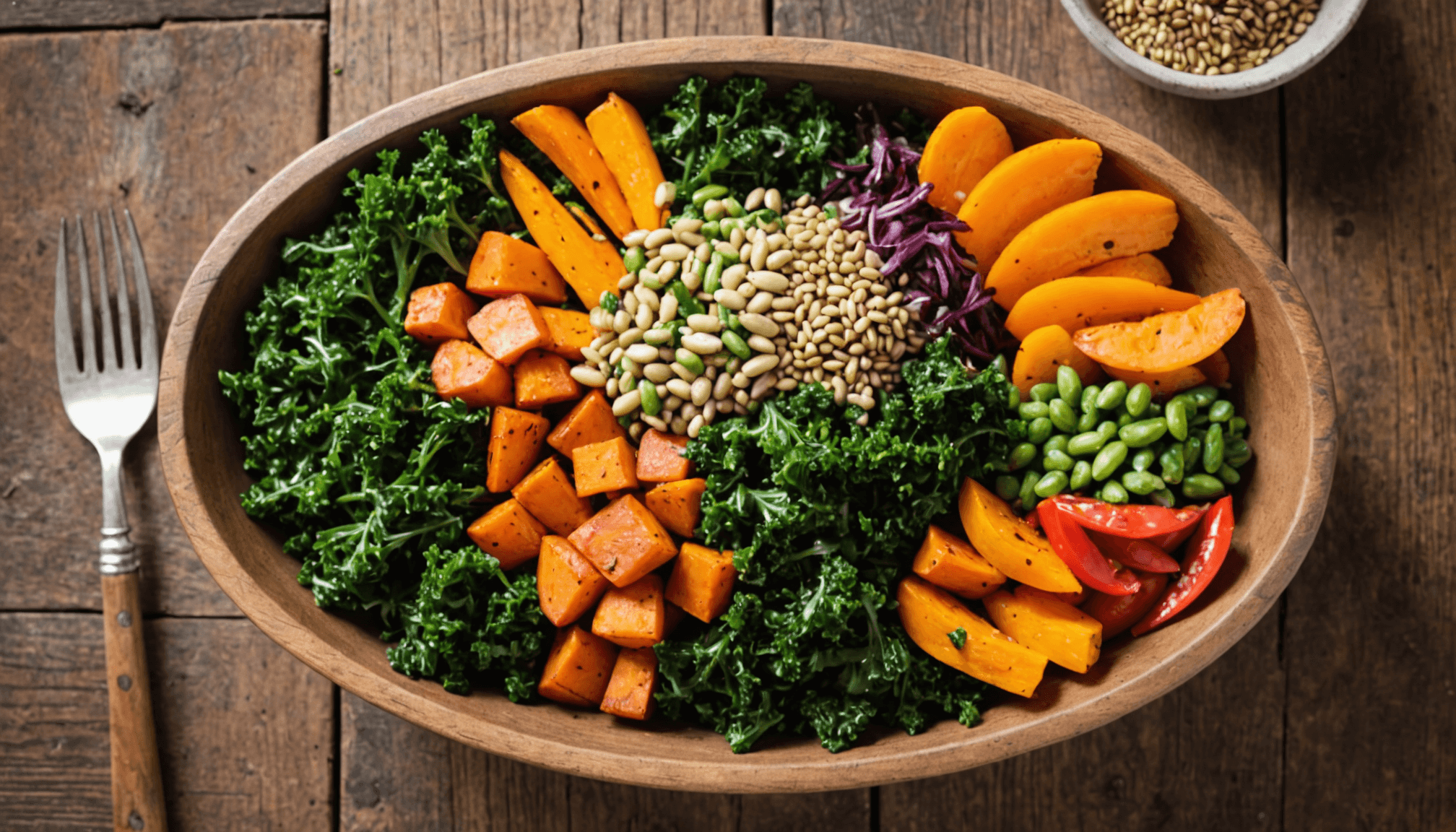
Fresh produce is a must for vibrant and nutrient-dense bowls. Seek out seasonal vegetables at your local farmers’ market, where you’ll not only support local agriculture but also find the freshest options. Look for a variety of colors in your vegetables—think spinach, bell peppers, carrots, and sweet potatoes. These colorful choices typically indicate a diverse range of vitamins and minerals, which are vital for maintaining a healthy diet.
When shopping for protein boosters, consider not only classic sources like chicken or beef but also plant-based options like chickpeas, lentils, or edamame. These are excellent choices for vegans and can be found frozen or canned for convenience. Check that canned versions are low in sodium and free from preservatives. Additionally, consider incorporating nuts and seeds like almonds or pumpkin seeds for a satisfying crunch that also provides healthy fats.
If you’re opting for online shopping, ensure the vendors are reputable. Check reviews and familiarize yourself with return policies, especially for perishables. When your groceries arrive, inspect each item closely to ensure freshness and safety.
While preparing for your grocery run, it’s also wise to look for organic labels on packaged goods. Organic products typically come without pesticides or artificial additives, making them a healthier choice for your family. In many cases, organic grains and legumes are available at competitive prices in stores like Whole Foods or Trader Joe’s. If you’re on a tight budget, focus on the Environmental Working Group’s Dirty Dozen list, which lists produce you should buy organic due to high pesticide residue.
Don’t overlook the importance of convenient meal prep options. Prewashed greens or pre-chopped vegetables can cut down prep time significantly, ensuring you can whip up a healthy grain bowl in minutes, particularly on busy days. However, always read labels to avoid added sugars or unhealthy preservatives.
By following these simple yet effective shopping tips, you can enhance your cooking experience for creating wholesome grain bowls that are not only easy to prepare but also contribute to your overall health and wellness journey.
Choosing the Right Grains
When it comes to selecting the right grains for your bowls, understanding the nutritional profile and culinary characteristics of different grains can significantly enhance your meal. Different grains not only offer a range of flavors and textures but also contribute various health benefits. Here’s a closer look at some of the most popular options:
| Grain | Nutritional Benefits | Cooking Time | Flavor Profile |
|---|---|---|---|
| Quinoa | High in protein, contains all nine essential amino acids, rich in fiber, B vitamins, and antioxidants. | 15-20 minutes | Nutty and slightly crunchy; excellent at absorbing flavors. |
| Brown Rice | Good source of magnesium, phosphorus, selenium, and B vitamins; high in fiber. | 40-50 minutes | Earthy flavor and chewy texture that pairs well with various cuisines. |
| Farro | Rich in fiber, protein, vitamins, and antioxidants; promotes heart health. | 25-30 minutes | Nutty and robust flavor, offers a chewy texture. |
| Couscous | Low in fat; contains some protein and is quick to prepare. | 5-10 minutes | Light and fluffy; absorbs flavors well. |
| Barley | Excellent source of fiber and vitamin B, promotes digestive health. | 30-40 minutes | Nutty flavor with a chewy texture, great for hearty dishes. |
Quinoa is especially notable for its complete protein profile, making it a perfect choice for vegetarians and those looking to add higher protein content to their meals. The grains cook quickly and can be used as a base along with a variety of vegetables and proteins, making it versatile for all kinds of grain bowls.
Brown rice is more filling and offers a substantial source of energy and fiber, aiding in digestion and helping maintain blood sugar levels. While it takes longer to cook than quinoa, preparing in bulk can facilitate quick meal prep during the week.
Farro presents a more unique texture and flavor. Its substantial chewiness not only adds interest to bowls but also creates a satisfying eating experience. It is particularly well-suited for Mediterranean organic recipes, where its nutty backdrop complements roasted vegetables and vibrant dressings.
Couscous, while technically a pasta, also finds its way into grain bowl creations. Its quick preparation makes it a practical choice for busy individuals seeking to enhance their healthy eating habits on short notice.
Lastly, barley is often overlooked but offers exceptional health benefits. Barley is particularly high in beta-glucans, which are known to lower cholesterol levels and support heart health. Its rich and chewy nature can serve as a base for rustic bowls that feature earthy and robust ingredients.
Choosing the right grain involves not only examining nutritional profiles but also considering personal taste preferences and meal preparation time. By experimenting with these options, you can tailor your grain bowls to suit your dietary needs while ensuring a delightful culinary experience that remains wholly nourishing.
Fresh and Vibrant Vegetables
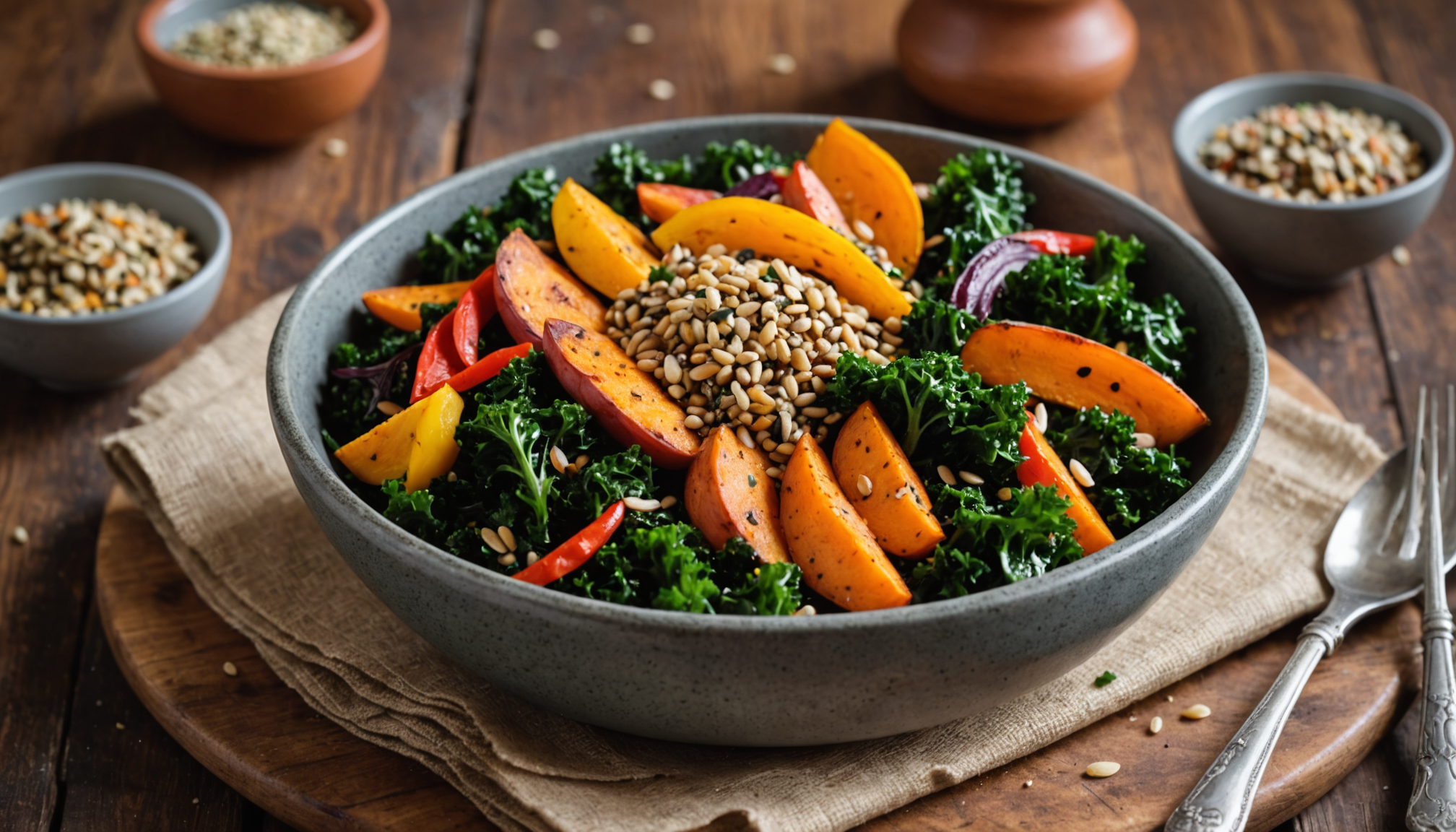
When it comes to filling your grain bowls with fresh, vibrant vegetables, the path to a delightful meal begins at the grocery store. Keep in mind that the key to maximizing flavor and nutrition is selecting a variety of colorful, seasonal produce. This not only enhances your bowl aesthetically but also ensures a broad spectrum of vitamins and minerals, vital for maintaining optimal health.
Start by visiting your local farmers’ market whenever possible. Not only will you find the freshest options, but you’ll also be supporting local agriculture. Pay attention to what’s in season—this can vary by region but generally includes options like zucchini, squash, kale, carrots, and bell peppers in the summer months, and root vegetables like sweet potatoes and turnips in the fall and winter. Seasonal vegetables often taste better and are likely to be more affordable than out-of-season produce.
In your supermarket, look for organic certifications on vegetables. Producing in organic farming systems helps avoid harmful pesticides and fertilizers, prioritizing your health and the environment. If full organic options are out of budget, focus on purchasing organic versions of the Dirty Dozen, a list compiled by the Environmental Working Group that highlights fruits and vegetables with the highest pesticide residues.
For a satisfying crunch and added nutrition in your grain bowls, don’t forget about leafy greens! Options such as spinach, arugula, and mixed salad greens can provide essential vitamins A, C, and K, making them superb companions for grains. These greens can be easily incorporated raw or lightly sautéed for added flavor.
Don’t hesitate to experiment with less common vegetables too. Items like beets, radishes, or Brussels sprouts can bring unique flavors to your bowls, and they often boast impressive health benefits. For example, beets are high in nitrates, which can improve blood flow and lower blood pressure, while Brussels sprouts are rich in antioxidants and vitamins that may contribute to cancer prevention.
When shopping, consider picking up frozen vegetables as well. These can be a budget-friendly alternative and are often flash-frozen at their peak ripeness, retaining most of their nutrients. Products like frozen peas, corn, or mixed vegetable blends can be easily added to warm grain bowls without sacrificing freshness.
While freshness is important, choose vegetables that will hold their shelf life well during the week. Carrots, bell peppers, and sweet potatoes tend to have a longer lifespan than delicate greens, making them easier to plan into your meals throughout the week.
If you choose to shop online, ensure you’re purchasing from reputable retailers and check their delivery policies, especially for fresh produce. When your order arrives, inspect your vegetables closely for freshness and any signs of spoilage. Consider having a plan for your veggies to ensure they are consumed before they expire. This not only minimizes waste but also guarantees you enjoy the most health benefits.
By focusing on vibrant vegetables, you bring life to your grain bowls while enhancing the nutritional profile of your meals. This approach to shopping not only supports healthy eating habits but also allows you to engage in culinary creativity that nourishes the body and delights the palate.
Protein Boosters for Your Bowl
Incorporating protein into your grain bowls is essential for creating a satisfying and balanced meal. Protein serves as the building block for muscle and tissue repair, and it plays a critical role in sustaining energy levels throughout the day. Luckily, there are a plethora of protein options to consider, ranging from animal-based sources to delicious plant-based alternatives that cater to various dietary preferences.
One of the most versatile options for protein is chicken. Grilled, roasted, or shredded, chicken can add not only flavor but also a substantial protein punch. Opt for lean cuts like breast meat to keep your dish healthy and light. Cooking in bulk and storing portions in the fridge can make it easy to incorporate throughout the week, ensuring that you always have a nutritious protein source on hand.
For those inclined towards fish, options such as salmon, tuna, or shrimp can elevate your grain bowls with rich flavors and omega-3 fatty acids, which are known to support heart health. Baked or grilled fish can be seasoned simply with lemon and herbs, enhancing the flavor profile without overwhelming your dish.
Legumes such as chickpeas, black beans, and lentils are fantastic plant-based protein sources that fit perfectly in grain bowls. Not only are they rich in protein and fiber, but they also add a delightful texture. Canned beans offer convenience, while dried legumes can be cooked in batches for meal prepping. Roasting chickpeas with spices transforms them into a crunchy topping that provides both flavor and nutritional benefits.
Another excellent option is tofu or tempeh, which can easily absorb the flavors of marinades or sauces, making them an adaptable choice for grain bowls. Tofu, available in various types ranging from silken to extra firm, can be grilled, sautéed, or baked, while tempeh boasts a nuttier flavor that pairs well with bold ingredients.
Don’t forget about nuts and seeds, which can add not only protein but also healthy fats and a satisfying crunch. Almonds, walnuts, sunflower seeds, or pumpkin seeds can be sprinkled on top of your bowls for added texture and a nutrient boost. Nut butters can also be integrated into sauces or as drizzles over the top for extra creaminess and flavor.
Finally, consider the convenience of eggs. Whether you prefer them poached, hard-boiled, or sunny-side up, eggs can bring richness and protein to your bowls, making for a hearty meal option. They pair excellently with numerous grains and vegetables, adding color and flair.
“Eating healthy doesn’t have to be a chore; with the right ingredients, it can be a celebration on your plate.” – Unknown
When planning your grain bowls, aim to combine different protein sources to create a varied and delightful meal. Mixing plant-based options with animal proteins can lead to exciting flavors and textures that keep your healthy eating experience fresh and enjoyable. Additionally, don’t shy away from exploring global cuisines for inspiration—think of Mediterranean chickpea bowls, Asian-inspired tofu and quinoa mixes, or classic Tex-Mex black bean rice bowls. Embrace the flexibility of protein options, and indulge in the creativity that comes with assembling your perfect grain bowl.
Flavorful Dressings and Toppings
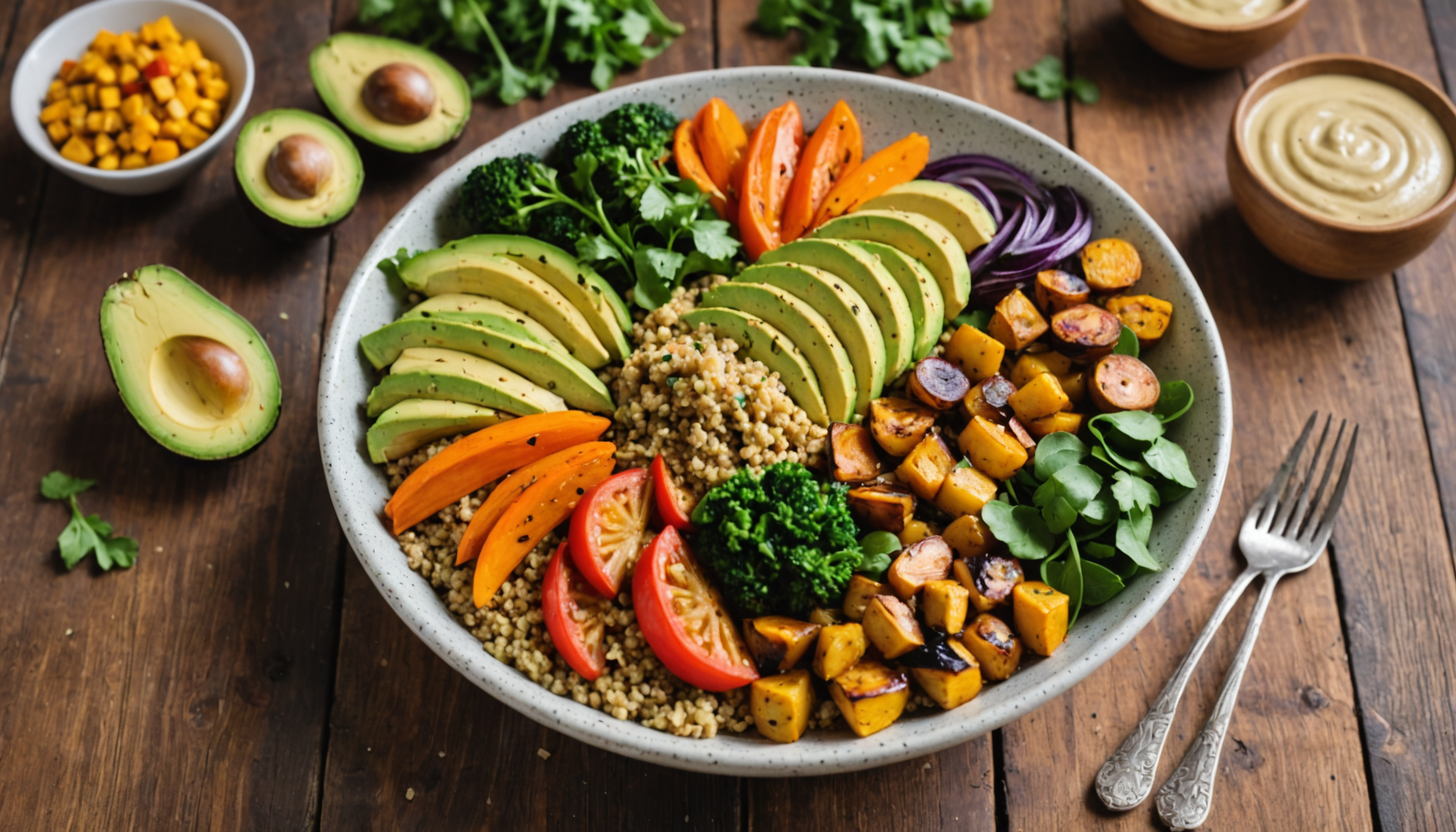 When it comes to elevating your grain bowls, flavorful dressings and toppings play a pivotal role in tying all the components together. Not only do these additions enhance the taste, but they can also boost the nutritional value of your meals. Understanding the balance of flavors—savory, sweet, tangy, and spicy—can transform a simple combination of grains, vegetables, and proteins into a gourmet experience right at home.
Start with the cornerstone of your dressing: oil and acid. A classic vinaigrette, made with high-quality extra virgin olive oil and a splash of vinegar—such as balsamic, apple cider, or rice vinegar—can unify your grain bowl and provide essential fatty acids. The oil adds richness while the acid brings brightness, helping to elevate the other ingredients. For a creamier option, consider tahini, which not only offers healthy fats from sesame seeds but also lends a nutty flavor that’s particularly delicious drizzled over roasted vegetables and grains.
Herbs and spices are your best friends when it comes to infusing more flavor into your dishes. Fresh herbs like parsley, cilantro, or basil can be chopped and tossed in or blended into dressings for a fresh, zesty kick. Spices like cumin, smoked paprika, or even a pinch of cayenne pepper can bring warmth and complexity to the table. You might even explore global flavors by adding curry powder or za’atar, both of which incorporate various spices and herbs to create fragrant undertones that awaken your palate.
For a hint of sweetness, think about incorporating natural sweeteners into your dressings or toppings. Maple syrup or honey can balance acidity in dressings, while roasted vegetables, like sweet potatoes or carrots, lend their natural sugars to elevate the overall taste of your grain bowls. You can also experiment with fresh fruit additions, such as diced apples, pomegranate seeds, or citrus segments, adding a burst of freshness that’s particularly refreshing on hot days.
Texture is another important consideration. Crunchy toppings like toasted nuts, seeds, or crispy chickpeas can add satisfying contrasts against the creaminess of avocado or the softness of grains and vegetables. Consider experimenting with homemade croutons or spicing up your nuts with herbs or spices to create exciting flavor combinations. On the other hand, adding velvety elements like avocado or a poached egg can enhance creaminess and richness, contributing to a well-rounded meal.
Customization is key—make your dressings and toppings adaptable to your preferences and dietary needs. Opt for homemade dressings whenever possible to control the quality of ingredients, and reduce preservatives that store-bought versions may contain. Cultivating these recipes can even become a creative hobby, inviting you to explore an array of flavors that resonate with your tastes and lifestyle. Remember, there’s no right or wrong way; experimentation is encouraged!
Finally, think about your overall nutritional goals as you build your dressing and topping strategy. Incorporating superfoods like chia seeds, hemp hearts, or nutritional yeast can transform your bowl from nourishing to powerhouse status. Nutritional yeast, in particular, adds a cheesy flavor without dairy while providing an additional protein boost—perfect for plant-based grain bowls.
By focusing on the impact of dressings and toppings in your grain bowl creations, you elevate not only the flavor but also the overall experience of healthy eating, turning every meal into a celebration of diverse ingredients and rich tastes.
- What are some easy dressing ideas for grain bowls?
- Simple vinaigrettes using olive oil and vinegar are a quick option. You can also blend tahini, lemon juice, and garlic for a creamy dressing, or use yogurt combined with herbs for a refreshing option.
- How can I make my grain bowls more flavorful?
- Incorporate a variety of herbs and spices to enhance flavors. Ingredients like roasted vegetables, fresh fruits, and crunchy toppings can also add depth and texture to your bowls.
- Are there any healthy topping ideas for grain bowls?
- Try adding roasted nuts or seeds for crunch, avocado for creaminess, or even pickled vegetables for a tangy kick. These can enhance both flavor and nutrition.
- Can I make dressings in advance?
- Yes! Most dressings can be made in bulk and stored in the refrigerator for up to a week. Just give them a good shake or stir before using to incorporate any separation that may occur.
- What types of oils are best for grain bowl dressings?
- Extra virgin olive oil is a popular choice for its flavor and health benefits. Other options include avocado oil and sesame oil, which bring different flavor profiles suitable for various cuisines.
- How can I incorporate more seasonal ingredients into my bowls?
- Visit local farmers’ markets to find the freshest options based on the season. This not only supports local growers but also ensures you’re using the best ingredients for your grain bowls.
- Are store-bought dressings healthy?
- Store-bought dressings can vary greatly in ingredients. Look for those with natural ingredients and minimal preservatives, or opt to make your own at home for the healthiest option.
Customization Tips for Your Grain Bowl
Customizing your grain bowls is where the fun truly begins, allowing you to create meals that fit your taste and nutritional needs. Embrace the freedom of experimenting with various ingredients, particularly when it comes to dressings and toppings, as these can elevate the overall experience and flavor profile of your dish.
Start by focusing on the basics of your dressings. A simple vinaigrette can work wonders—combine extra virgin olive oil with your choice of vinegar (like balsamic or apple cider), and season with salt and pepper to taste. This base can be enhanced by adding chopped herbs, garlic, or even a touch of mustard for depth. For those seeking creaminess, think of using yogurt or tahini mixed with lemon juice and seasoning. These creamy options not only add a luxurious texture but also introduce additional nutrients into your grain bowls.
Another tip is to introduce flavors from different cuisines. Consider a Thai-inspired dressing with peanut butter, lime juice, and a dash of soy sauce, giving your bowls a unique twist. Similarly, a Mediterranean dressing made with tahini, lemon, and herbs can offer a delightful contrast to earthy grains and vegetables.
When it comes to toppings, the sky’s the limit! Think about adding toasted nuts like almonds, walnuts, or cashews for satisfying crunch and healthy fats. Seed toppings like pumpkin or sunflower seeds can also provide an excellent nutrient boost. You might also consider avocados, which add creaminess and are rich in heart-healthy fats, or even a hard-boiled egg for a protein punch.
If you’re looking for some excitement, experiment with roasted vegetables drizzled with balsamic glaze or a sprinkle of feta cheese, adding both taste and vibrancy to your grain bowls. Don’t forget the joy of fresh garnishes as well; a handful of fresh herbs like cilantro, parsley, or basil can bring your meals to life. Even a sprinkle of pomegranate seeds not only adds a burst of color but also a sweet-tart flavor that contrasts beautifully with hearty grains and proteins.
While it can be easy to reach for packaged toppings or pre-made dressings, don’t discount the benefits of homemade alternatives. Making your dressings at home means you can control the ingredient quality, ensuring they are free from preservatives or excessive sugars often found in store-bought varieties.
Additionally, consider meal prepping your dressings and toppings. Prepare several jars of different dressings at the start of the week and store them in the fridge for quick access on busy nights. This tactic not only saves time but also ensures that you have the means to customize your grain bowls in a flash without sacrificing quality or taste.
For those who are mindful of budgets and health, check local farmers’ markets or natural grocery stores for seasonal produce that can serve as both fresh toppings and integral components for your dressings. Seasonal ingredients tend to be more affordable and flavorful, enhancing your overall healthy eating experience.
By playing around with various dressings and toppings, you can easily create endless combinations of healthy grain bowls that satisfy your taste buds while staying on track with your nutritional goals. Embrace the diversity of flavors and textures, and get creative with each meal! Your grain bowl experiences can truly be a testament to personal culinary expressions, all while adhering to the principles of healthy eating.
New Customers Offer!
Free Gift for the new customer
$24 Value, When You Subscrib Visit Thrive Market