- Healthy benefits of organic beef and turkey
- Choosing high-quality organic meats
- Nutritious ingredients for balanced dinners
- Delicious recipe ideas for organic meals
- Sourcing sustainable and ethical meat
- Tips for cooking organic beef and turkey
When it comes to grocery shopping, making informed choices can greatly enhance the health benefits you gain from your meals. Focusing on organic food options like beef and turkey can provide a wealth of nutrients while minimizing exposure to harmful chemicals and additives. Here are some savvy shopping tips to help you fill your pantry and refrigerator with wholesome, healthful options.
For those looking for healthy foods, consider prioritizing local farmers’ markets. These venues often feature fresh, organic meats and seasonal produce that are both nutritious and budget-friendly. You can also engage directly with farmers about their practices, ensuring that you’re sourcing meat from reputable sources.
- Organic Meats: When purchasing organic beef and turkey, look for labels that state “USDA Organic” to guarantee that the meats have met federal standards. This signifies that the animals have been raised without antibiotics or growth hormones.
- Vegan Alternatives: For families exploring plant-based diets, consider stocking up on lentils, beans, quinoa, and a variety of seasonal vegetables. These ingredients not only provide essential nutrients but are also incredibly versatile for a range of meals.
- Budget-Friendly Options: Keep an eye out for sales on bulk purchases of organic meats. Freezing smaller portions can help manage costs while ensuring you always have healthy options on hand.
- Fitness Foods: High-protein organic meats, like turkey, are fantastic for muscle recovery post-workout. Pairing them with whole grains or leafy greens can enhance nutrient absorption and sustain energy levels.
- Ingredient Safety: Always examine packaging for any signs of damage, and check expiration or sell-by dates before purchasing. If shopping online, verify that the retailer has a solid reputation and check reviews to ensure safe and reliable delivery practices.
In addition to these tips, consider meal planning to optimize your shopping trips. By planning your turkey meals or beef recipes for the week, you can create a comprehensive shopping list that minimizes impulse buys and maximizes healthy choices. Whether shopping online or offline, being prepared will lead to a more successful trip, allowing for creative and nutritious meal preparation at home.
Choosing high-quality organic meats
When searching for high-quality organic beef and turkey, understanding how to discern the best options available can significantly impact your meals’ health benefits and overall flavor. Start by familiarizing yourself with the various certifications and labels that meat can carry. The USDA Organic label is one of the key indicators, assuring consumers that the meat comes from animals that were not given antibiotics or growth hormones and were raised on organic feed. Additionally, look for certifications that indicate humane treatment, such as Animal Welfare Approved or Certified Humane. These labels indicate a commitment to ethical and sustainable farming practices, which not only benefit the environment but also the health of consumers.
Price can be a major factor when considering organic meats; however, understanding the cost can help justify the investment. High-quality organic beef and turkey are typically more expensive than conventional options due to stringent farming practices and higher feed costs. Nevertheless, buying from local farmers or cooperatives can often reduce costs while providing fresher options directly from the source. Engaging with local producers at farmers’ markets also allows you to establish a relationship with those who raise your food, giving you insight into their practices and philosophies regarding animal welfare.
A constructive comparison of conventional versus organic meats can illuminate key differences to help with your decision-making process:
| Aspect | Conventional Meat | Organic Meat |
|---|---|---|
| Raised Without Antibiotics | No | Yes |
| Growth Hormones | May be used | No |
| Feed | Conventional feed | 100% Organic Feed |
| Animal Welfare Standards | Varies widely | Strict guidelines |
| Flavor | Often less rich | Typically more robust |
When shopping, consider the cut of meat as well. Both organic beef and turkey offer a range of options, from ground meat to premium cuts like sirloin or turkey breast. Opt for leaner cuts if you’re monitoring fat intake. Additionally, ground organic turkey or beef can be used in a multitude of delicious beef recipes and turkey meals that adhere to healthy eating patterns while maintaining great taste.
Finally, familiarize yourself with various cooking methods that can enhance the natural flavors of organic meats. Grilling, roasting, or braising can bring out rich tastes and textures, making the meal more enjoyable while ensuring minimal nutrient loss. By being deliberate in your choices, you can make informed decisions that contribute to not only your health but also a more sustainable food environment.
Nutritious ingredients for balanced dinners
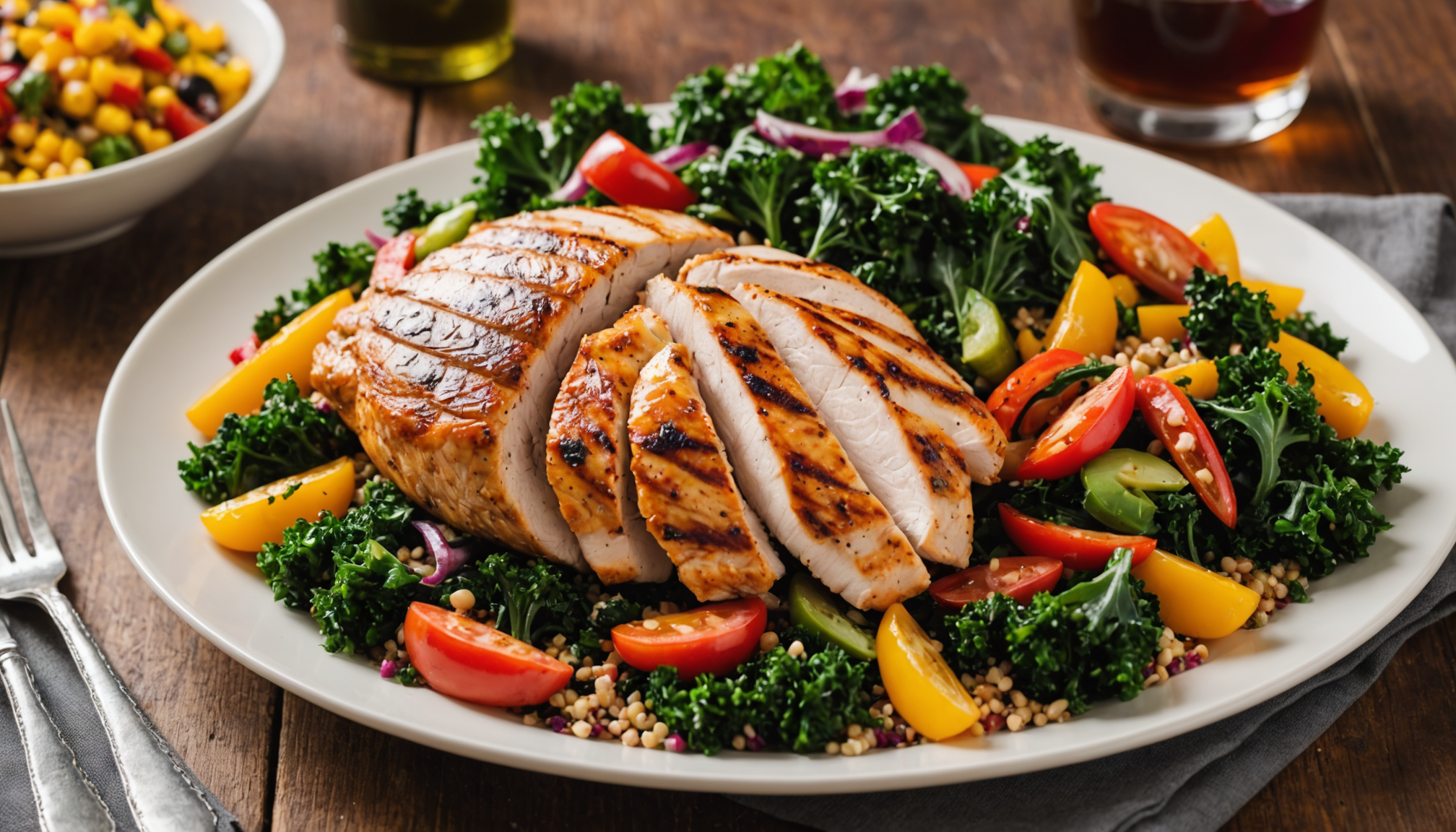
When assembling nutritious dinners, it’s essential to consider a variety of ingredients that complement organic beef and turkey. Incorporating vibrant vegetables, whole grains, and healthy fats not only enhances the flavor of your meals but also ensures a well-rounded nutritional profile.
Start by adding a colorful assortment of vegetables. Think beyond the standard options: zucchini, bell peppers, kale, and sweet potatoes can all infuse your dinners with vitamins and minerals. A simple stir-fry with organic turkey, broccoli, and carrots can be a quick, nutritious meal that bursts with flavor. For more ideas:
- Leafy Greens: Spinach and Swiss chard are excellent bases for salads or can be added to smoothies for extra nutrients.
- Seasonal Vegetables: Check local grocery stores for seasonal produce; asparagus in spring and butternut squash in fall bring freshness and variety.
- Root Vegetables: Incorporate carrots, beets, or turnips for added fiber and antioxidants, making them wonderful side dishes.
Next, don’t overlook the benefits of whole grains. Quinoa, brown rice, and farro add a hearty texture to your meals and are excellent sources of complex carbohydrates. Pairing organic turkey meatballs with whole grain pasta and a homemade tomato sauce can be a favorite family dinner that is both satisfying and healthy. Some additional suggestions include:
- Brown Rice: A versatile side that can be flavored with herbs or spices to create a scrumptious base for your organic beef stir-fry.
- Quinoa: Known for its protein content, it goes well in salads or as a side dish with roasted vegetables.
- Barley: Great for soups or stews, adding a chewy texture that complements organic meats beautifully.
Healthy fats should also be a priority. Incorporating sources like olive oil, avocado, and nuts can provide essential fatty acids that support overall health. Here are effective ways to include them in your meals:
- Olive Oil: Use it for cooking or as a salad dressing with lemon for a fresh, zesty flavor.
- Avocado: Spread on whole grain toast with a touch of salt, or dice into salads for creaminess and healthy fats.
- Nuts and Seeds: Almonds, walnuts, or pumpkin seeds can add a crunchy element to your dishes and pack a nutrient punch.
When planning meals, aim for balance by incorporating a good mix of protein, fiber, and healthy fats. For instance, a plate featuring a grilled organic turkey breast, quinoa salad with mixed vegetables, and a drizzle of olive oil can create a dish that is satisfying, nutritious, and easy to prepare. This approach not only helps maintain energy levels throughout the day but also promotes a healthier lifestyle overall.
Delicious recipe ideas for organic meals
Consider exploring a variety of mouthwatering recipes that leverage the unique flavors of organic beef and turkey, allowing you to create fulfilling and nutritious meals for you and your family. Here are some delightful ideas that are both healthy and satisfying.
Start with a classic favorite: Organic Beef Tacos. Use lean ground organic beef, seasoned with cumin, chili powder, and garlic. Serve in whole-grain tortillas and top with fresh salsa, avocado, and shredded lettuce. This dish is not only quick to prepare but also allows everyone to customize their tacos with their favorite toppings.
For a warm, hearty option, try Turkey Meatloaf. Mix ground organic turkey with diced onions, breadcrumbs, eggs, and your choice of seasonings. Bake until golden and serve with a side of roasted seasonal vegetables, like carrots and zucchini. This comforting dish provides protein and essential nutrients and makes excellent leftovers for lunch the next day.
Stuffed Peppers are another fantastic choice. Hollow out bell peppers and fill them with a mixture of cooked organic beef, quinoa, black beans, corn, and spices. Bake until the peppers are tender, allowing the flavors to meld beautifully. This recipe offers a colorful presentation and is packed with nutrients, making it a perfect family meal.
For those chilly nights, create a Turkey and Vegetable Chili. Sauté onions and bell peppers, then add ground organic turkey, beans, diced tomatoes, and your choice of spices. Let it simmer, allowing the flavors to deepen. Serve the chili with a sprinkle of fresh cilantro or a dollop of Greek yogurt for added creaminess. It’s a warming dish full of fiber and protein.
Another exciting dish is Maple Mustard Glazed Salmon with Roasted Turkey. Coat turkey cutlets with a glaze made from pure maple syrup and Dijon mustard, then roast them with asparagus for a delightful combination of flavors. Pair this with a quinoa side salad featuring cucumbers, cherry tomatoes, and a light lemon vinaigrette for a refreshing balance.
For a show-stopper at dinner parties, consider Beef Wellington using Organic Beef. This dish consists of a beef tenderloin coated with mushroom duxelles and wrapped in puff pastry. Serve with a side of garlic mashed potatoes and steamed green beans for an elegant and indulgent meal that highlights the quality of the organic beef.
Finally, never underestimate the power of a hearty Turkey Stir-Fry. Quick and versatile, sauté strips of organic turkey with a colorful mix of vegetables like bell peppers, snap peas, and broccoli in a hot skillet. Serve this over brown rice or whole-grain noodles for a quick weeknight dinner that’s packed with vitamins and minerals.
“The kitchen is the heart of the home.” – Unknown
These recipe ideas illustrate just a few ways to incorporate organic beef and turkey into your meals, transforming simple ingredients into flavorful dishes that your family will love. By focusing on quality ingredients, you’ll not only enhance the taste but also boost the nutritional value of your dinners.
Sourcing sustainable and ethical meat
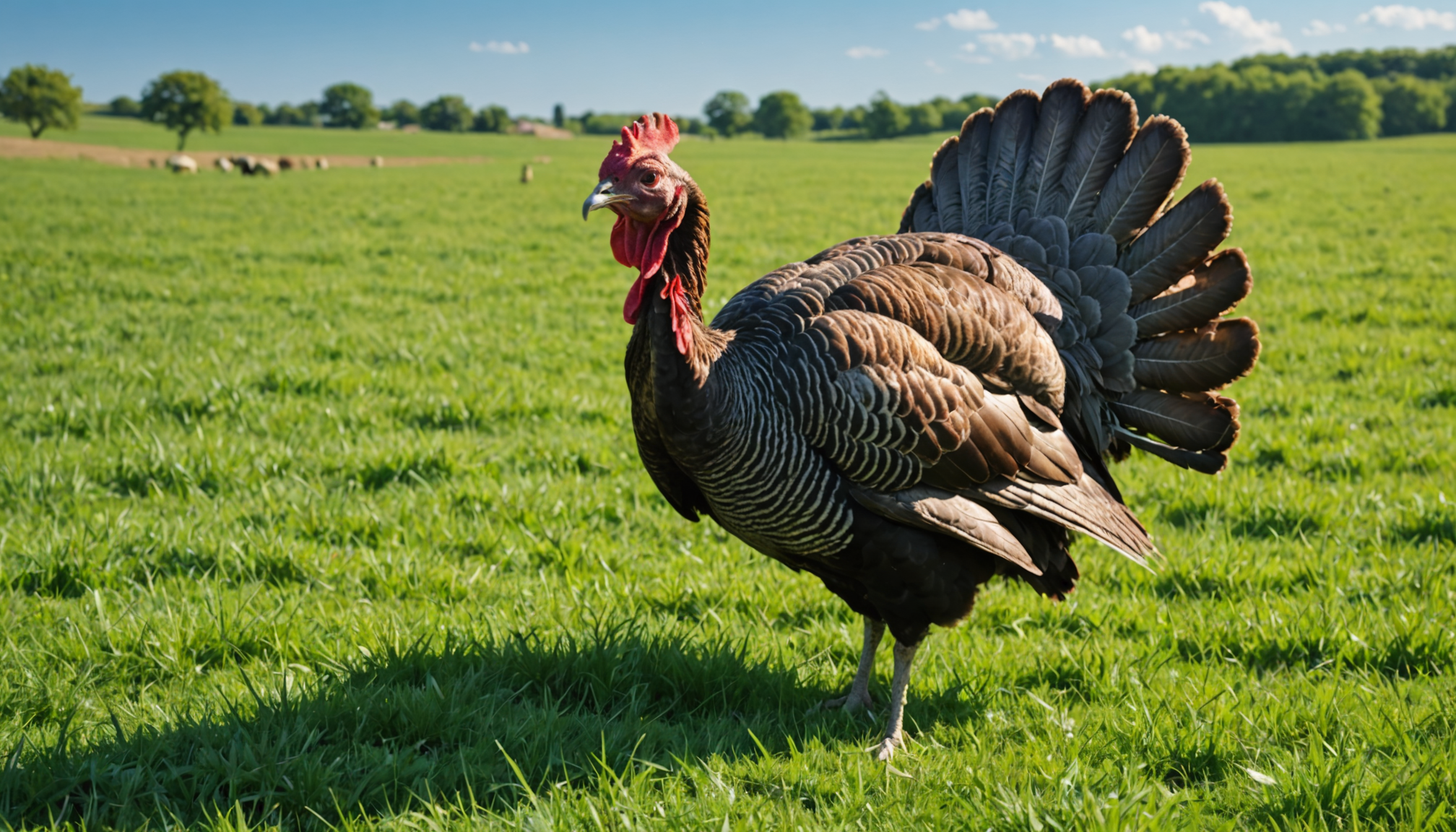 Sourcing meat that is both sustainable and ethical is a crucial step in ensuring the health of not only your family but the planet as well. When choosing organic beef and turkey, look for farmers and producers who prioritize regenerative agricultural practices. This type of farming not only raises animals in humane conditions but also focuses on restoring soil health, reducing carbon footprints, and enhancing biodiversity. Seek out brands that embrace pasture-raised practices, which allow animals to graze naturally, resulting in healthier meat with a richer flavor profile.
Connect with local farmers and cooperatives where you can trace the origin of your meats. Many farms offer transparency about their practices, detailing how the animals are raised, what they are fed, and the steps taken to ensure their welfare. Participation in community-supported agriculture (CSA) can also provide access to a rotating selection of organic meats directly from producers, ensuring freshness while supporting local economies.
Consider the environmental impacts of your meat choices. Organic farming often uses fewer synthetic pesticides and fertilizers, which can be detrimental to waterways and ecosystems. If possible, choose grass-fed options for beef, as this not only leads to healthier nutrient profiles for the meat but also has positive effects on soil conservation and carbon sequestration. For turkey, look for organic options raised without antibiotics and access to outdoor spaces.
As you shop, you might see terms like “humanely raised” or “certified humane.” These labels can offer guidance on ethical farming practices, but always consider researching the certification bodies to understand their standards. Engaging with brands that tell a story about their practices can deepen your connection to the food you purchase, transforming the act of grocery shopping into a thoughtful process with meaningful choices.
Exploring your options is an inspiring journey. As you educate yourself about sustainable meat sourcing, you cultivate a deeper appreciation for the food you consume, fostering a connection between your meals and the environment. This awareness can also lead to a more enriching dining experience, knowing the values and efforts supporting your organic beef recipes and turkey meals.
- What does organic beef mean?
- Organic beef comes from cattle that are raised according to specific USDA standards, including being fed organic feed, having no antibiotics or growth hormones, and being raised in a way that allows for their natural behaviors.
- How can I identify sustainable turkey?
- Sustainable turkey is typically sourced from farms that prioritize humane treatment, have access to outdoor spaces, and use organic feed. Look for certifications such as Certified Humane or Animal Welfare Approved for reassurance.
- Is organic meat more nutritious than conventional meat?
- Many studies suggest that organic meat can have higher levels of omega-3 fatty acids and other nutrients, thanks to the animals’ natural diets and living conditions. However, the nutritional differences vary depending on multiple factors such as the farming methods.
- What are the benefits of pasture-raised meats?
- Pasture-raised meats are often more flavorful and nutrient-dense due to animals grazing on grass and accessing a natural diet. This practice can also promote better animal welfare and contribute to healthier ecosystems.
- Can I find organic beef and turkey in regular grocery stores?
- Yes, many grocery stores now carry organic beef and turkey options. Look for the USDA Organic stamp on the packaging, and consult with store staff if you’re unsure about where to find them.
- What should I ask my local farmer?
- When purchasing from local farmers, inquire about their animal husbandry practices, feed sources, whether they use antibiotics or growth hormones, and how the animals are treated throughout their lives.
- How does sourcing ethical meat impact the environment?
- Sourcing ethical meat from sustainable farms can lead to improved soil health, reduced greenhouse gas emissions, and better local biodiversity. These farming practices help mitigate environmental issues associated with conventional meat production.
Tips for cooking organic beef and turkey
Cooking organic beef and turkey not only emphasizes flavor, but also aligns with a healthier lifestyle. To start, ensure that your kitchen tools are ready for the task. A sharp knife, a reliable cutting board, and precise measuring spoons can make all the difference in preparing your meals. More importantly, double-check that any tools used are clean and free from contaminants to maintain food safety.
When it comes to cooking organic beef and turkey, temperature control is essential. Invest in a good meat thermometer to guarantee that your meat reaches the proper internal temperature for safety and optimal flavor. For ground turkey, the safe cooking temperature is 165°F, while whole turkey should reach 165°F as well. Organic beef typically tastes best when cooked to a medium-rare or medium temperature of around 130-140°F for flavorful, juicy results.
Marinating your organic meat is another fantastic technique. Marinades can enhance flavor and tenderize the meat, allowing for a succulent final result. Consider using ingredients like olive oil, fresh herbs, garlic, and citrus juices. For hearty turkey meals, a marinade featuring rosemary and lemon can complement the meat’s mild flavor beautifully. Just make sure to marinate in the refrigerator to minimize any risk of spoilage, and always, discard leftover marinade that has come into contact with raw meat.
When cooking, whether you choose to bake, grill, or sauté, remember to keep the flavor profiles in mind. Pair organic turkey with herbs like thyme or sage for festive dishes, while bold spices such as cumin or paprika can uplift organic beef recipes. If you’re short on time, stir-frying is a quick method that allows you to sauté organic turkey strips with an array of fresh vegetables, from bell peppers to snap peas, within minutes.
For families or fitness enthusiasts, preparing larger batches can be both time-efficient and economical. Cook up a pot of organic turkey chili or a flavorful beef stew on the weekend, portion it out, and store it in the fridge or freezer. This way, you’ll have nutritious meals ready to go on busy weeknights. Don’t forget to label your containers with the date to keep track of freshness.
When it comes to sides, consider creative ways to complement your organic meats. Roasting vegetables like Brussels sprouts or carrots with a drizzle of olive oil not only brings out their natural sweetness but also enhances the nutritional value of your meal. Spiralizing zucchini or sweet potatoes offers a healthy noodle alternative that pairs well with organic beef or turkey pasta dishes.
Take the opportunity to experiment with international flavors. Incorporate spices and techniques from various cuisines to reinvigorate your meals. For instance, using ground organic turkey in a Moroccan-inspired tagine with apricots and almonds can introduce new flavor dimensions to your dining experience, making healthy eating exciting!
New Customers Offer!
Free Gift for the new customer
$24 Value, When You Subscrib Visit Thrive Market