- Quick Meal Planning Strategies
- Essential Organic Ingredients
- Simple Recipes for Busy Weeknights
- Creative Salad Ideas
- One-Pan Meal Solutions
- Meal Prep Tips for Success
When it comes to grocery shopping for quick meal planning, preparation is key. The way you navigate the aisles—be it in-store or online—can significantly influence the quality of your family’s meals. To ensure you gather the right ingredients, begin by crafting a weekly menu that highlights your favorite fast dinners. This practice not only saves time but also minimizes impulse purchases.
Start with a well-thought-out list based on the meals you plan to cook. For instance, if you’re aiming for healthy, organic cooking, focus on whole foods such as:
- Fresh fruits like apples, bananas, and berries
- Vegetables like spinach, kale, and bell peppers
- Whole grains such as quinoa, brown rice, and oats
- Protein sources including legumes, tofu, and organic chicken
Next, make an effort to shop local whenever possible. Visiting farmers’ markets not only supports your community but also offers a bounty of seasonal and organic produce. This can often be a better choice than store-bought, which may have been shipped long distances. Ask questions about the farming practices to ensure you’re getting the best quality.
For those who lean towards vegan options or have dietary restrictions, keep an eye out for plant-based alternatives that offer similar nutrients to meat. Items such as lentils, tofu, and chickpeas are both budget-friendly and nutritious. Incorporating these into your fast dinners can provide flexibility and variety throughout the week.
When considering online grocery shopping, safety is paramount. Always stick to reputable sites and pay attention to reviews—especially for perishables. Check the return policy for spoiled items, and look for customer service responsiveness. If you’re purchasing organic products, ensure they have the USDA Organic seal to guarantee their quality.
Furthermore, planning your meals around what’s on sale can significantly stretch your budget. Many stores have weekly specials on various items, so adjust your menu accordingly. This strategy not only cuts costs but encourages you to try new recipes and ingredients, enhancing your overall cooking experience.
Lastly, remember to stock your pantry with essential staples. Good pantry items include:
- Canned tomatoes and beans
- Whole grain pastas
- Nut butters
- Herbs and spices for flavor
This carefully curated list will make it easier to whip up quick meals and ensure you maintain a healthy, balanced lifestyle, even with a busy schedule. With these practical tips, grocery shopping can become a smooth and enjoyable process.
Essential Organic Ingredients
To create meals that are not only quick but also healthy and flavorful, incorporating essential organic ingredients into your pantry is vital. By selecting high-quality organic products, you can enhance the nutritional value of your dishes while supporting sustainable farming practices. Below are some key organic ingredients to consider:
– Fruits and Vegetables: Choosing organic fruits and vegetables minimizes your exposure to synthetic pesticides and herbicides. Opt for seasonal produce whenever possible to ensure peak flavor and freshness. Staples like apples, berries, and leafy greens should always be on your shopping list for nutritious, healthy food options. The following table illustrates the benefits of common organic produce:
| Produce | Nutritional Benefits | Flavor Profile |
|---|---|---|
| Spinach | Rich in iron, calcium, and vitamins A, C, K | Earthy and mild |
| Berries (Strawberries, Blueberries) | High in antioxidants, vitamins C and K, and fiber | Sweet and tangy |
| Bell Peppers | Excellent source of vitamin C, beta carotene, and fiber | Sweet, crunchy, and sometimes spicy |
| Carrots | High in beta carotene, fiber, and vitamin K1 | Sweet and crunchy |
– Whole Grains: Integrating whole grains into your diet is crucial for sustained energy and digestion. Look for organic varieties of quinoa, brown rice, and whole grain bread. These grains serve as an excellent base for many fast dinners and can be prepared in bulk to save time during the week.
– Healthy Proteins: High-quality protein sources, such as organic chicken, grass-fed beef, tofu, and legumes, should be staples in your cooking repertoire. Plant-based proteins like chickpeas, lentils, and black beans not only provide essential amino acids but also contribute to healthier meals. By preparing dishes that incorporate these ingredients, you ensure that your family receives the protein they need without compromising on taste.
– Healthy Fats: Do not shy away from fats; instead, focus on healthy options like extra virgin olive oil, avocado, and nuts. These ingredients can elevate the taste of your meals while providing necessary nutrients. For instance, drizzling olive oil on a salad not only enhances the flavor but also aids in the absorption of vitamins from the vegetables.
– Herbs and Spices: Flavor is essential in maintaining interest in healthy food. Fresh herbs like basil, cilantro, and parsley, along with dried spices such as cumin, paprika, and turmeric, can drastically elevate a meal’s profile without using excessive salt or unhealthy additives.
– Dairy or Alternates: When it comes to dairy, consider organic yogurt or milk. For those who prefer plant-based alternatives, look for fortified almond, soy, or oat milk. These can be used in smoothies, cereals, and cooking to maintain a healthy balance of calcium and vitamin D.
By keeping these essential organic ingredients on hand, you can look forward to a myriad of quick and nutritious meals. Whether you’re embarking on organic cooking for the first time or are a seasoned pro, having these items readily available will simplify the process of preparing healthy dishes after a long day at work.
Simple Recipes for Busy Weeknights
When you’re juggling a busy schedule, creating simple recipes for quick and nutritious dinners doesn’t have to be a daunting task. The key lies in having readily available ingredients and utilizing straightforward cooking techniques that allow you to whip up meals in no time. Here are some effective and delightful ideas that cater to families, fitness enthusiasts, and busy professionals alike.
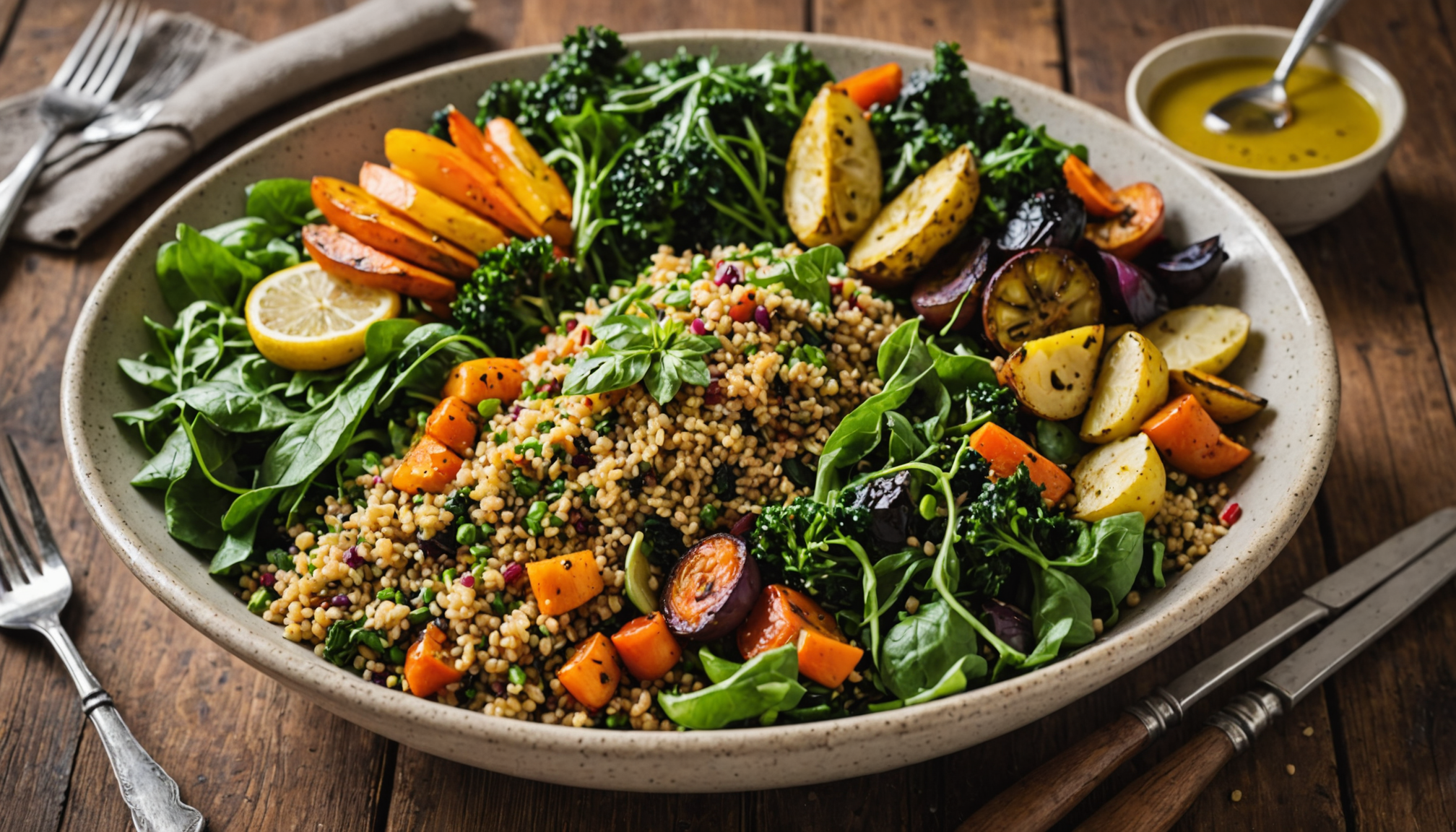
One fantastic option for fast dinners is the grain bowl, a versatile dish that can be adapted to fit any dietary preference. Start with a base of cooked quinoa or brown rice, and then top it with your favorite organic ingredients such as:
- Leafy Greens: Spinach or kale offers essential vitamins and can be used raw or lightly sautéed.
- Roasted Vegetables: Seasonal organic veggies like bell peppers, zucchini, or sweet potatoes can be quickly roasted in the oven, bringing out their natural sweetness.
- Protein: Add chickpeas for a plant-based protein or grilled organic chicken for a heartier option.
- Dressings: A simple olive oil and lemon juice dressing can enhance the flavors without overpowering the dish.
Another easy recipe you can master is a stir-fry. This method not only keeps the meal healthy but allows for plenty of creativity. Select a couple of your favorite organic vegetables—such as broccoli, carrots, and snap peas—and stir-fry them in a hot pan with garlic and ginger. For added protein, toss in tofu or tempeh. Serve this over brown rice or whole wheat noodles, and a splash of low-sodium soy sauce or tamari can tie everything together beautifully.
Soup is also a fabulous quick meal option, especially when you prepare one in large batches. Create a nourishing vegetable soup using a base of low-sodium vegetable broth, then add in seasonal organic vegetables and beans. Lentils or quinoa can be excellent additions for protein and bulk. Simmer everything together for around 20 minutes and enjoy a warm bowl of goodness that can last several days.
For those who crave something fresh, consider crafting a vibrant salad. Start with a base of mixed greens or spinach, then layer in your choice of vegetables, nuts, seeds, and a protein source such as grilled chicken or chickpeas. To boost the flavor, sprinkle fresh herbs like cilantro or parsley and use a homemade vinaigrette made with organic olive oil, balsamic vinegar, and a hint of mustard.
Utilizing the principles of meal prep can significantly streamline your weeknight cooking. Dedicate a couple of hours on the weekend to chop vegetables, cook grains, and prepare proteins. Store these in separate containers in your fridge, making assembly a breeze on those busy weeknights. You can mix and match components for different meals, ensuring both variety and ease.
Another secret to keeping it simple is to embrace the one-pan meal philosophy. Toss your preferred proteins and vegetables onto a baking sheet, season with your favorite herbs and spices, and roast. This method saves time on cooking and cleaning, allowing you to focus on other evening activities while enjoying a delicious, healthy meal.
With these strategies, you can take the stress out of dinner preparation and still serve your family nutritious, flavorful meals. Be creative, stay organized, and embrace the joy of cooking fast dinners that satisfy both palate and health.
Creative Salad Ideas
Salads can be an exciting and versatile way to incorporate a variety of nutrients into your meals, especially when time is of the essence. You can transform simple greens into vibrant, satisfying dishes that your family will love. Start with a base of organic mixed greens or baby spinach, which are not only nutrient-dense but also add a fresh, crisp texture.
To build a creative salad, consider layering in colorful vegetables, adding both nutrition and visual appeal. Shredded carrots and colorful bell peppers lend a sweet crunch, while cherry tomatoes add juiciness and a burst of flavor. Avocado, with its creamy texture and healthy fats, can also enhance the richness of your salad and help with the absorption of fat-soluble vitamins.
For protein, look no further than organic chickpeas or black beans. These legumes provide essential nutrients, including fiber, which is key to healthy digestion. You can also add some lean protein, such as grilled organic chicken or smoked salmon, which not only boosts the protein content but elevates the taste profile of your salad.
Don’t forget about the crunch! Toss in nuts or seeds such as sunflower seeds, walnuts, or sliced almonds for added texture and healthy fats. These elements not only enhance the flavor but also make the salad more filling, perfect for a nutritious meal after a busy day.
To tie everything together, create a homemade dressing that aligns with your taste preferences. A simple vinaigrette made from organic olive oil, balsamic vinegar, and a splash of Dijon mustard can add a delightful tang without compromising health. Aim for a dressing that incorporates fresh herbs, such as basil or parsley, to amplify the flavor profile even further.
“Let food be thy medicine, and medicine be thy food.” — Hippocrates
Another ingenious way to infuse creativity into your salads is by experimenting with fruits. Ingredients like mandarin oranges, apples, or pomegranate seeds can add sweetness and a unique twist to your dish, making each bite an adventure. This approach not only makes your salads more enjoyable but also provides a range of vitamins and antioxidants.
If you’re short on time, consider preparing mason jar salads, which allow for easy storage and quick assembly. Layer your ingredients with sturdy items like chickpeas and vegetables at the bottom, followed by grains, and top with greens. When you’re ready to eat, simply shake and enjoy a fresh, flavorful salad that feels gourmet but takes minimal effort to prepare.
Incorporating salads into your meal repertoire not only promotes healthy eating but also gives you the opportunity to experiment with various organic ingredients. Use your favorite toppings and dressings to create a salad that suits your taste, all while maintaining a commitment to wholesome, nutritious meals.
One-Pan Meal Solutions
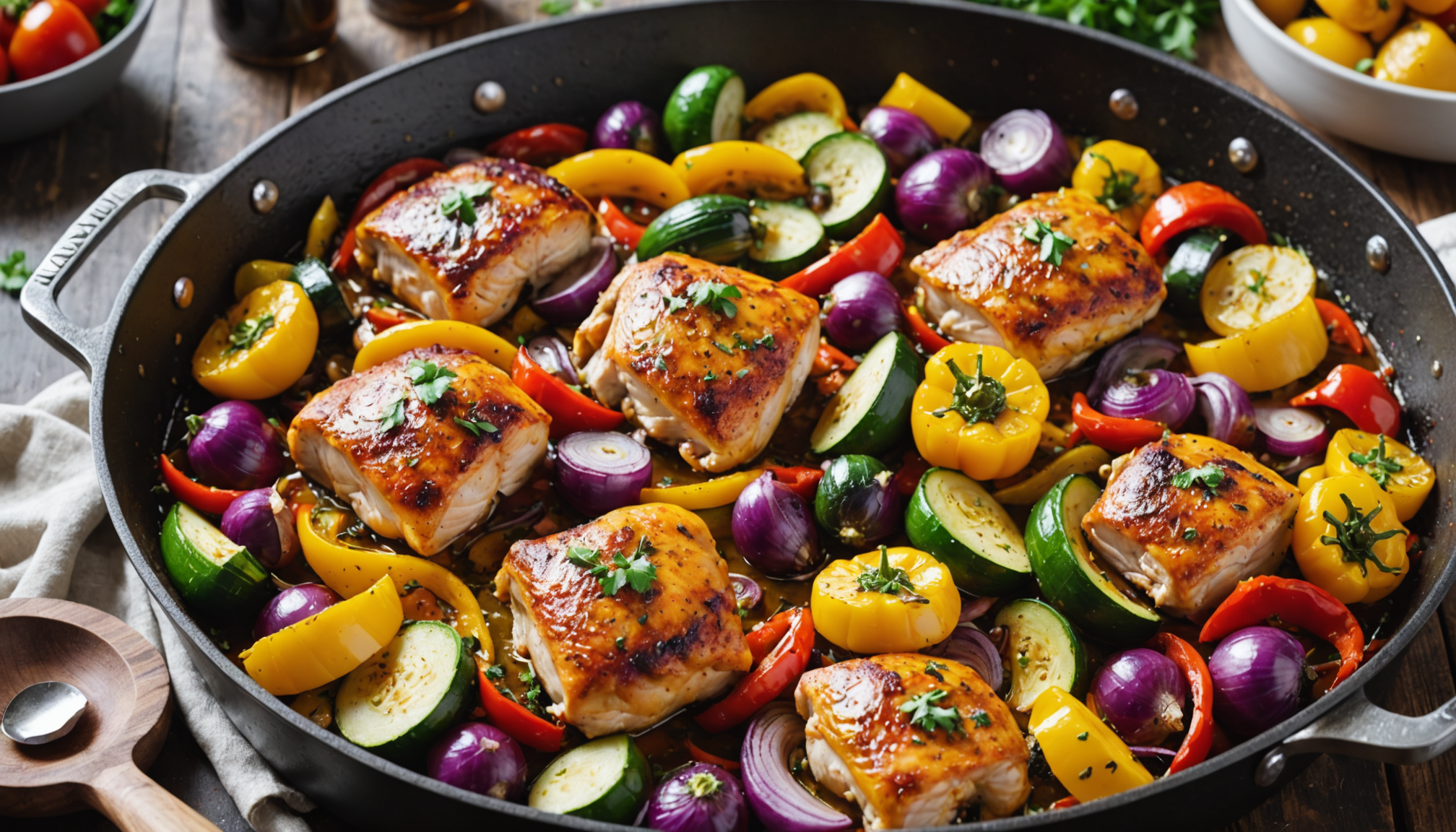 Tossing together a nourishing meal doesn’t have to be a cumbersome task; one-pan meals offer a brilliant solution for busy evenings while ensuring you enjoy healthy food packed full of flavors and nutrients. Imagine all your ingredients coming together in one dish, harmonizing not only in taste but also in the ease of preparation and cleanup. The beauty of one-pan cooking transcends mere convenience—it encourages a creative approach to whatever ingredients you have on hand.
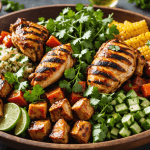
Begin by selecting a high-quality protein as the centerpiece of your dish. Organic chicken thighs, for instance, remain juicy and flavorful when roasted, making them an excellent choice for a one-pan meal. Pair these with a colorful assortment of organic vegetables like bell peppers, zucchini, and red onions, which can all roast beautifully together. Toss everything with olive oil, your favorite herbs, and spices such as rosemary, thyme, or oregano for an aromatic infusion that elevates your dish. Spread them evenly on a baking sheet, and let the oven do the work—20 to 30 minutes is all you need to achieve tender meat and perfectly caramelized vegetables.
Another fantastic option is to prepare a quinoa or rice base right in the pan. Start by sautéing aromatics such as garlic and onion in a little olive oil, then add your grains and cook them in vegetable or chicken broth for added flavor. Finally, pile on some seasonal vegetables and cook until everything is tender yet still vibrant. This method not only makes for a hearty meal but also brings a satisfying, nutty flavor that complements your chosen protein.
For an Asian-inspired twist, consider a one-pan stir-fry. Utilize a cast-iron skillet or wok and quickly sauté your favorite organic veggies—broccoli, snap peas, and bell peppers—with protein sources like shrimp or tofu. A splash of low-sodium soy sauce and a sprinkle of sesame seeds at the end comes together to create an enticing flavor profile, while brown rice or quinoa serves as a fulfilling base.
Embracing the one-pan philosophy allows for creativity and experimentation in the kitchen. The world of flavors becomes your oyster—you can go with Mediterranean-inspired ingredients on one night and Asian flavors the next, all without excessive preparation time. And as a bonus, doing everything in one pan significantly cuts down on cleanup, allowing you to enjoy your evenings without the tedious chore of washing multiple pots and pans.
As you dive deeper into one-pan cooking, consider batch cooking larger portions. This not only provides convenient meals for the busy days ahead but also inspires you to get creative. Leftovers can be transformed into several meals—toss the roasted veggies into a morning omelet or blend them into a nutrient-rich smoothie later. By embracing this approach to meal prep and dinner planning, you’ll find that quick, healthy, and organic cooking can fit seamlessly into your life, offering your family a wealth of nutritious possibilities.
- What are the benefits of one-pan meals?
- One-pan meals simplify cooking and cleanup, allowing you to prepare a healthy dinner in less time. They also encourage creativity, as you can mix and match various ingredients while ensuring a harmonious flavor profile.
- Can I use frozen vegetables in one-pan meals?
- Yes, frozen vegetables can be an excellent time-saver as they are pre-chopped and convenient. To achieve the best texture, it’s often recommended to add them midway through cooking to prevent overcooking.
- What types of proteins work best for one-pan meals?
- Organic chicken, shrimp, tofu, and chickpeas all work wonderfully in one-pan meals. They can be cooked quickly and pair well with a variety of vegetables and grains.
- How can I make one-pan meals more flavorful?
- Incorporate fresh herbs, spices, and flavorful liquids like broth or marinades. Cooking with varying oils and vinegars can also enhance the overall taste of your dish.
- What are some easy one-pan meal ideas?
- Try roasted chicken and vegetables, quinoa stir-fry, or a sheet pan salmon with asparagus. Each offers a balance of nutrients and can be tailored to your taste preferences.
- Is one-pan cooking suitable for meal prep?
- Absolutely! One-pan meals can be made in larger batches and stored for later, making them a great option for easy reheating throughout the week.
- Can I create one-pan meals in an Instant Pot or slow cooker?
- Yes! Both Instant Pots and slow cookers can facilitate one-pan meals by combining all ingredients in one pot for thorough cooking, enhancing the meal’s depth of flavor.
Meal Prep Tips for Success
When it comes to meal prep, having the right approach can turn grocery shopping into an efficient and enjoyable task. Start by ensuring your pantry is stocked with versatile ingredients that lend themselves well to quick meal solutions. Think of essentials like quinoa, brown rice, and whole grain pasta that can serve as fantastic bases for your fast dinners. Additionally, don’t forget to include protein sources such as canned beans, lentils, or even organic chicken, which can be effortlessly cooked or added to various dishes.
Next, consider utilizing a meal planning app or a simple spreadsheet to map out your weekly meals. This method helps maintain organization and maximizes the use of ingredients, decreasing food waste. Make a habit of reviewing your pantry and fridge before drafting your shopping list to ensure you’re not buying duplicates of items you already have. This practice is not only budget-friendly but also encourages creative cooking with the ingredients on hand.
In your online or local grocery shopping, prioritize seasonal and local organic produce. Supporting local farms means you’re often getting the freshest options, which are not only healthier but typically tastier as well. When shopping online, look for options labeled ‘organic’ and check for certifications like the USDA Organic seal to ensure quality.
For safety during online shopping, especially with perishable goods, always verify the delivery service’s reliability. Many consumers have faced issues with spoiled items, so it’s essential to read reviews or check ratings on platforms you haven’t used before. Make sure the delivery service has a solid return policy in place for such instances.
Pricing is another factor to keep in mind. Organic items often come with a premium, so it may be wise to scout for sales or consider joining a local co-op to reduce costs. Many stores have promotions on certain organic products, so having your meals planned around what’s on sale can help significantly stretch your budget while still providing healthy food options.
Don’t overlook the power of using a shopping list that categorizes items by aisle. This not only saves time while you’re in-store but also prevents the temptation to wander and buy unnecessary items. Additionally, this method can be adapted for online shopping by searching for items in a structured way, allowing you to gather everything you need without getting sidetracked.
Finally, consider your storage habits when you get home. Clear, labeled containers help keep ingredients fresh and make it easy to see what you have on hand, minimizing waste. For example, store pre-chopped veggies in clear containers for quick access when preparing meals. Having these items ready to go streamlines the cooking process, making healthy eating more attainable for your busy lifestyle.
By keeping these practical meal prep tips in mind, grocery shopping can become an efficient and systematic part of your routine, setting the stage for successful organic cooking that fits perfectly into a fast-paced life.
New Customers Offer!
Free Gift for the new customer
$24 Value, When You Subscrib Visit Thrive Market