- Understanding Organic Meat and Veggie Bowls
- Health Benefits of Organic Ingredients
- Choosing the Right Meat for Your Bowl
- Selecting Fresh Vegetables and Grains
- Flavor Enhancements and Seasoning Tips
- Creative Bowl Combinations and Recipes
When it comes to grocery shopping for your organic meat and veggie bowls, the experience can be both exciting and overwhelming. With a bit of savvy, you can transform your shopping trips into a fun adventure that supports your health goals and fits your busy lifestyle.
Start with a Plan: Before you venture out or log onto your favorite grocery delivery service, make a list based on the recipes you have in mind. Consider what you need for healthy dinners that please both picky eaters and health enthusiasts alike. Search for organic recipes that you want to try this week and make every ingredient count.
Choosing the Right Stores: Whether you shop locally or online, prioritize stores that focus on organic and sustainable ingredients. Farmers’ markets, co-ops, and specialty health food stores often provide access to fresh, local produce and organic meats. Online options like Thrive Market or Instacart can also offer convenience without sacrificing quality.
Fresh and Local: Whenever possible, opt for locally grown vegetables and grains. Not only do they often taste better, but they are also fresher and carry a lower carbon footprint. Look for seasonal produce to save money and support local farmers.
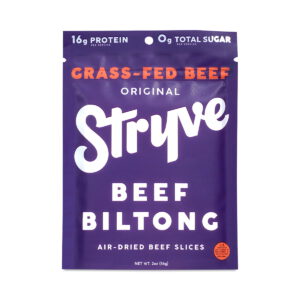
Smart Meat Choices: If you include meat in your bowls, aim for organic and grass-fed options. These are generally healthier, and better for the environment. Check labels carefully: look for certifications such as USDA Organic to ensure you’re making choices that align with your health goals.
Vegan and Plant-Based Options: For those who prefer a plant-powered diet, consider incorporating legumes, quinoa, and tofu into your recipes. They provide excellent protein sources and can elevate your meat bowls without sacrificing flavor. Be sure to check for labels stating that they are non-GMO and organic.
Budget-Friendly Tips: Eating healthy doesn’t have to break the bank. Always look for discounts on organic produce that’s nearly past its prime but still perfectly usable—these often get marked down significantly. Consider bulk buying grains and legumes as they tend to be more cost-effective and can easily be stored for later use.
Ingredient Safety: When purchasing meats, ensure there’s no cross-contamination, especially if you’re cooking for a mix of dietary preferences, such as vegans and meat-eaters. Keep raw and cooked ingredients separate in your cart to prevent any foodborne illnesses. Also, when shopping online, purchase from reputable retailers and verify their food safety standards before placing an order.
By applying these tips, you’ll not only enjoy the grocery shopping experience but also ensure that your organic meat and veggie bowls are packed with nutrition and flavor. Happy shopping!
Health Benefits of Organic Ingredients
Organic ingredients have gained recognition for their numerous health benefits, particularly when it comes to building nutrient-rich meals like meat bowls. Research indicates that choosing organic foods can lead to a reduced risk of various health issues, making them a preferred choice for health-conscious consumers. Here are some key aspects that highlight the advantages of incorporating organic ingredients into your diet.
One of the primary benefits of organic ingredients is their superior nutritional content. Studies have shown that organic produce typically contains higher levels of vitamins, antioxidants, and beneficial phytochemicals compared to their conventionally grown counterparts. These nutrients play a pivotal role in boosting the immune system and protecting against chronic diseases.
Furthermore, organic meat is often derived from animals raised without the use of antibiotics and growth hormones, which are commonly used in conventional farming. This practice not only contributes to healthier animal welfare but also results in meat that is free from harmful residues. A recent analysis highlighted the differences in nutrient profiles as follows:
| Ingredient Type | Nutritional Benefits | Potential Risks in Conventional Options |
|---|---|---|
| Organic Vegetables | Higher in vitamins, antioxidants, and minerals | Exposure to pesticides and chemicals |
| Organic Meat | Fewer chemicals, antibiotics, and hormones | Residues from hormones and antibiotics |
| Organic Grains | Good source of fiber and essential minerals | Higher pesticide levels in non-organic grains |
Organic ingredients also contribute significantly to gut health. Many organic foods are rich in fiber, which supports healthy digestion. This is particularly important for those incorporating whole grains into their meat bowls. Fiber promotes regular bowel movements and helps maintain a healthy gut microbiome.
In addition to physical health benefits, consuming organic ingredients can positively impact mental well-being. Studies suggest that diets high in fresh, organic fruits and vegetables can improve mood and cognitive function. The avoidance of synthetic additives and preservatives, commonly found in processed foods, has also been linked to improved mental health outcomes.
Sustainability is another critical factor when selecting organic ingredients. Organic farming practices focus on conserving water, reducing soil erosion, and promoting biodiversity. This not only contributes to a healthier planet but also ensures that future generations can enjoy safe and nutritious food. By choosing organic, you’re supporting farming methods that maintain soil health and reduce pollution.
As you create healthy dinners like organic meat bowls, consider how each ingredient benefits your overall health. Prioritize fresh, organic options to maximize nutrient intake and contribute positively to both your body and the environment. Making informed choices can transform your meals into more than just food; they become steps towards a healthier lifestyle.
Choosing the Right Meat for Your Bowl
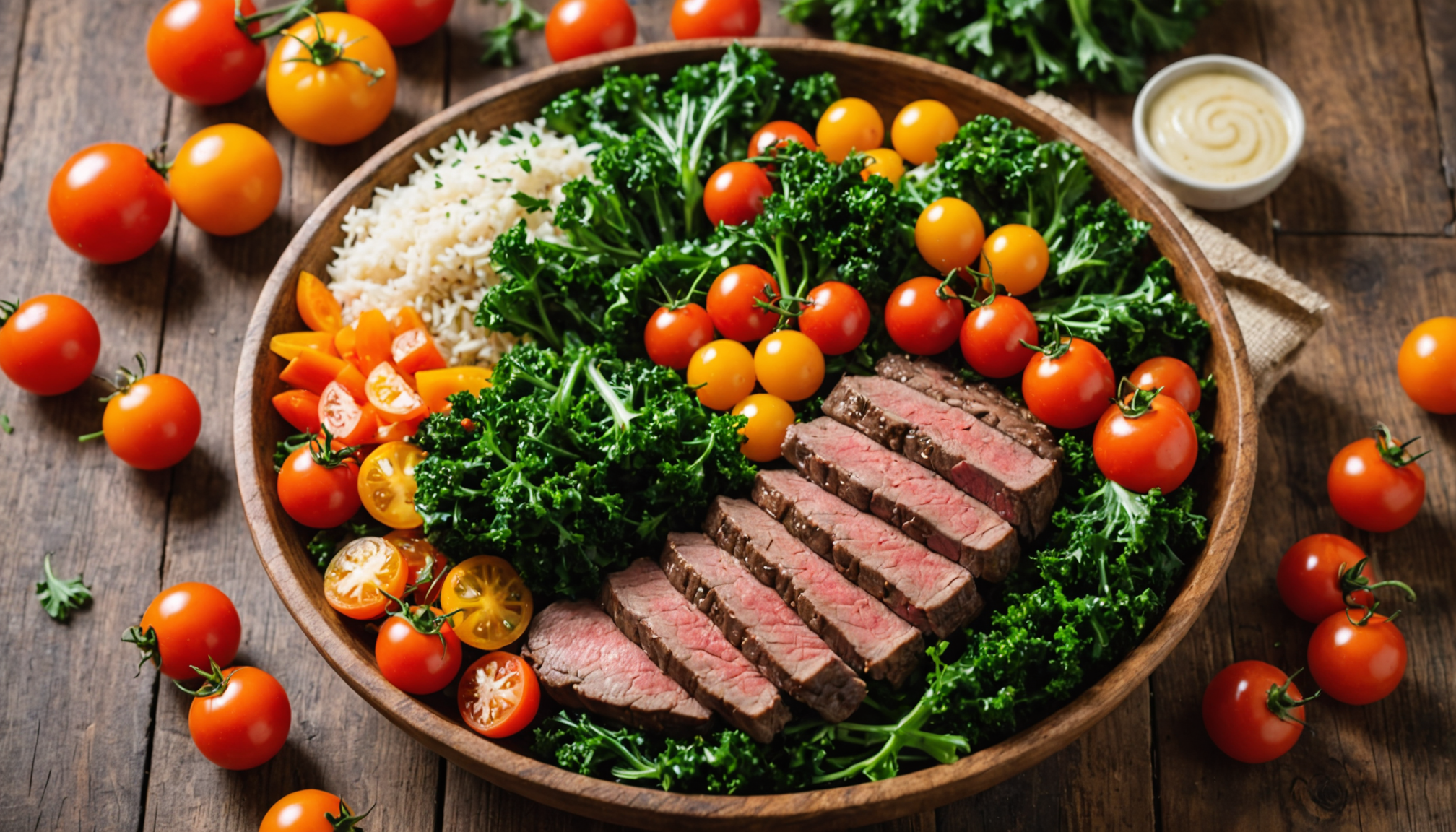
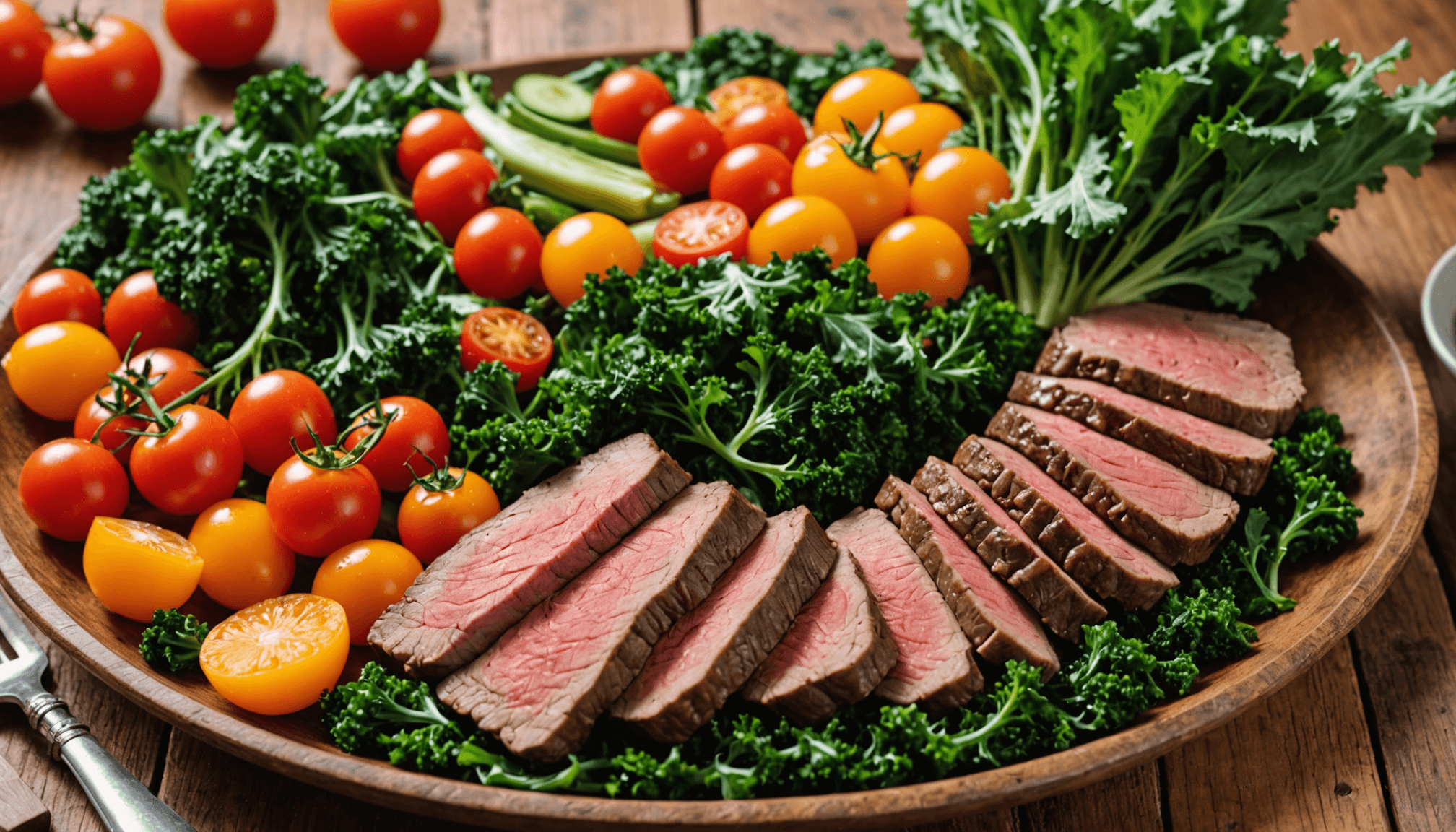
When embarking on the journey of grocery shopping for your meat bowls, the key is to be strategic and informed about your choices. First and foremost, ascertain the type of meat you wish to include; choices such as chicken, beef, or fish each come with different sourcing needs and nutritional profiles. For example, if you’re a fan of red meat, look for grass-fed beef as it generally has a better fatty acid profile, being rich in omega-3s. For those preferring poultry, organic chicken raised without antibiotics is an excellent option, ensuring cleaner protein sources.
Don’t overlook lesser-known proteins like bison or venison; they offer unique flavors and often contain less fat than conventional meats. These can add some variety to your healthy dinners while providing essential nutrients. If you’re feeling adventurous, explore options such as plant-based meat alternatives. They have come a long way and can be a part of your variety-packed meat bowls without sacrificing flavor.
When selecting meat, consider the following tips:
- Check for Certifications: Always seek out meats that are labeled USDA Organic or Certified Humane. These labels indicate responsible farming practices.
- Look for Local Sources: Research local farms or butcher shops that prioritize humane and organic practices. Not only do you support local businesses, but you also often get fresher products.
- Understand Cuts of Meat: Knowing which cuts are ideal for specific cooking methods can help you select options that will work best in your bowls. For instance, thighs are great for slow cooking, while breasts can be grilled quickly.
- Buy in Bulk: If you find a good deal on organic meat, consider buying in bulk and freezing portions. This can be a budget-friendly way to always have high-quality protein on hand for your healthy dinners.
Don’t forget about safety, especially if purchasing online. Always buy from reputable retailers that specialize in organic meats. Check reviews and food safety practices before ordering. Look for companies that provide clear information regarding how their meat is sourced and handled. Adhering to strict safety measures during delivery can also enhance your peace of mind.
By thoughtfully choosing the right meats for your bowls, you’ll not only amp up the flavor but also ensure that you are maintaining a healthy and enjoyable diet. Remember that the quality of ingredients significantly influences both the taste and nutritional value of your meals.
Selecting Fresh Vegetables and Grains
When selecting fresh vegetables and grains for your bowls, prioritize quality and seasonal availability to maximize flavor and nutrition. Fresh vegetables not only enhance the visual appeal of your meal but also contribute essential vitamins, minerals, and fiber. Look for a vibrant variety of colors and textures, as this not only creates a visually stunning dish but also ensures a diverse range of nutrients.
Consider visiting local farmers’ markets where seasonal produce often shines. You’ll find seasonal favorites like asparagus in the spring, tomatoes and zucchinis in the summer, and root vegetables during the fall and winter months. Freshly harvested vegetables typically contain higher levels of essential nutrients than those that have been transported over long distances. Pay close attention to the quality: firm, crisp vegetables are indicators of freshness, while dull or wilted produce is a sign of age.
In addition to fresh vegetables, grains provide a hearty base for meat bowls. Whole grains like quinoa, brown rice, and farro not only add substance but also contribute valuable fiber and protein. These grains can also act as natural sponges, absorbing delicious flavors from your choice of seasoning and dressing. When choosing grains, opt for whole grains whenever possible, as they retain more nutrients compared to their refined counterparts.
Exploring less common grains can add exciting variety to your dishes. Try incorporating millet, barley, or bulgur wheat into your recipes. These grains not only bring unique flavors and textures but also offer distinctive health benefits, such as improved heart health and better digestion.
When selecting vegetables and grains for your meals, keep the following tips in mind:
– Prioritize Organic: Look for organic certifications on your vegetables and grains to ensure they are free from harmful pesticides and synthetic herbicides. Organic varieties often provide better flavor and nutritional quality.
– Choose Combinations Wisely: Mix crunchy vegetables like bell peppers or cucumbers with softer ones like sautéed mushrooms or roasted sweet potatoes to create a contrast of textures. Use grains as a foundation to anchor your meal and provide a satisfying element to each bite.
– Experiment with Preparation: Fresh vegetables can be enjoyed raw, roasted, or sautéed. Each cooking method will impart different flavors and textures, so feel free to get creative. Roasting veggies such as Brussels sprouts or carrots can enhance their natural sweetness, while steaming reflective greens like spinach and kale preserves their vibrant color and nutrition.
– Incorporate Herbs and Greens: Don’t forget to add fresh herbs and leafy greens to elevate the flavor profile of your bowls. Add a handful of spinach or arugula for a nutritious boost, or sprinkle chopped cilantro, parsley, or basil to enhance the dish.
“Fresh ingredients can transform a simple meal into something extraordinary.” – Culinary Expertise
By thoughtfully selecting fresh vegetables and whole grains, you’ll cultivate flavorful, nutritious meals that can serve as the perfect foundation for your meat bowls. Embrace the diversity available in each season to keep your healthy dinners exciting and packed with wholesome goodness.
Flavor Enhancements and Seasoning Tips
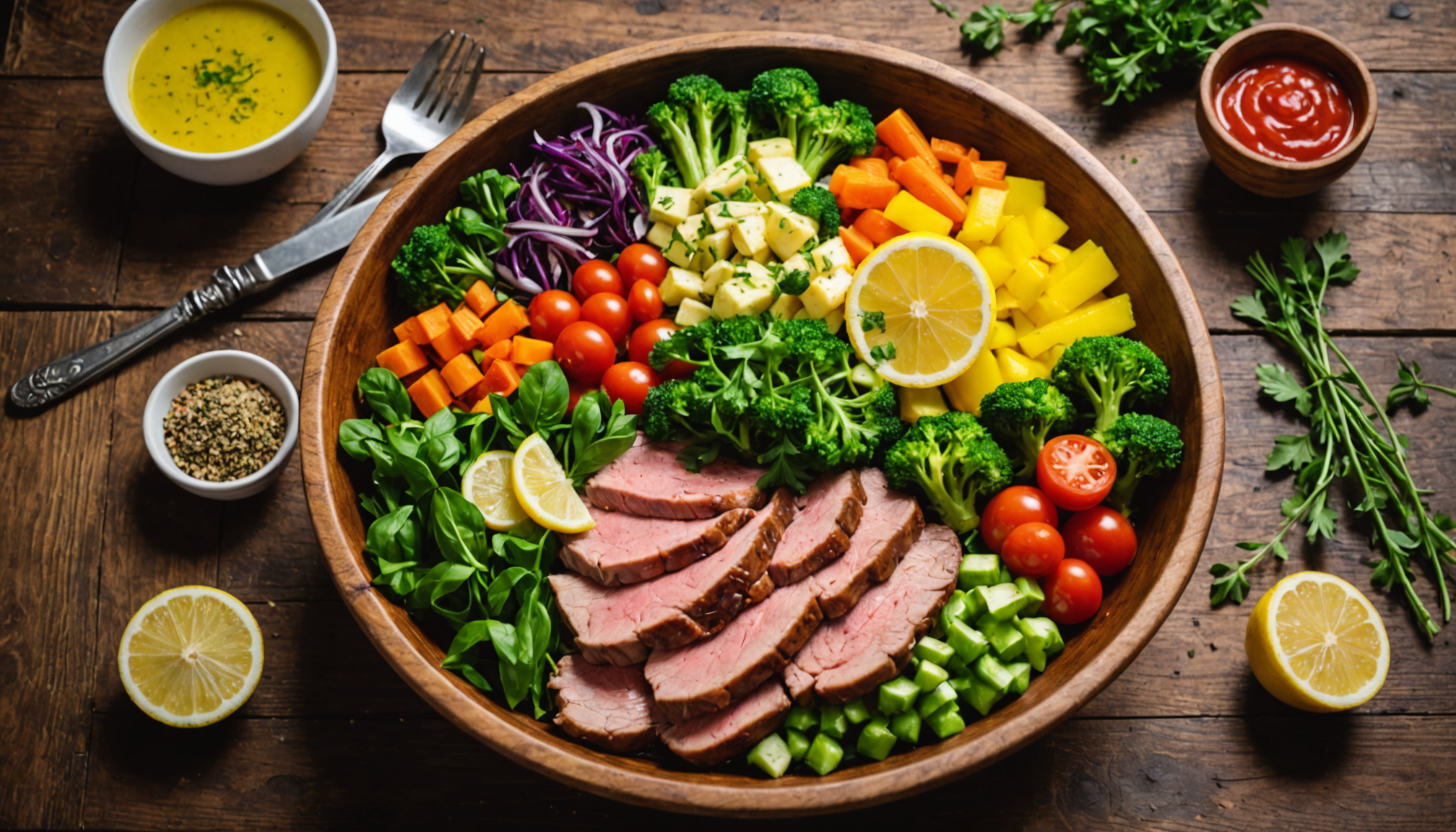 Flavor is the heart of any dish, and organic meat and veggie bowls are no exception. The great news is that enhancing these bowls with a variety of flavors and seasonings is a straightforward yet creative endeavor. To elevate your meals, consider a mix of spices, herbs, and sauces that not only complement your organic ingredients but also contribute to a satisfying culinary experience.
Start with the foundation of seasonings. Fresh herbs such as basil, cilantro, and parsley can add brightness and depth to any bowl. Using whole herbs rather than dried ones can significantly uplift the dish, delivering a more vibrant flavor profile. For instance, finely chopping fresh herbs and tossing them in at the end of the cooking process can breathe life into your meat bowls.
Spices are equally essential for flavor enhancement. Think about how spices like cumin, paprika, or turmeric can add warmth and complexity. Experimenting with spice mixes from different cuisines can also transport your taste buds around the world; try Moroccan ras el hanout, Indian garam masala, or even a classic Italian herb blend. Each of these can take your healthy dinners from ordinary to extraordinary.
Another essential element is the use of acids. Ingredients like lime juice, lemon zest, or apple cider vinegar can brighten the flavors in your bowls, cutting through the richness of the meat and balancing out the earthiness of the vegetables. A simple vinaigrette made of olive oil, vinegar, and your favorite spices can create an easy yet delicious dressing that ties together all the elements of your meal.
Consider umami-rich options, such as soy sauce, miso paste, or nutritional yeast. These can offer a savory depth that enhances the overall flavor. If you’re a fan of heat, don’t shy away from chili flakes or sriracha; a touch of spice can excite the palate and make the meal more memorable.
Moreover, texture plays a huge role in flavor experience. Toppings like toasted nuts, seeds, or crispy onions can add crunch and contrast. Incorporating a range of textures—from creamy avocado to crunchy radishes—will not only make your bowls visually appealing but also provide a multi-dimensional eating experience.
As you embark on flavor experimentation, note which combinations resonate with you and your family. Each bowl can become a canvas for culinary creativity, encouraging mindfulness in choosing ingredients. Remember, the more diverse the flavors, the more satisfying your meals will be.
- What are some key seasonings for organic meat bowls?
- Fresh herbs, spices like cumin and paprika, and acidic elements such as lemon juice are great starters. They enhance flavor without relying on unhealthy additives.
- Can I use frozen vegetables in my bowls?
- Yes, frozen vegetables can be a great option for convenience. They are often flash-frozen at peak freshness, retaining most of their nutrients and flavor. Just make sure to cook them properly to bring out their best.
- How can I make my bowls more filling?
- Incorporating whole grains like quinoa or brown rice, alongside protein-rich sources such as beans or chicken, will help make your bowls more substantial and satisfying.
- Are there budget-friendly ways to shop for organic ingredients?
- Yes, consider buying in bulk, choosing seasonal produce, and looking for discounts on organic items nearing their sell-by date. These strategies can help you save while maintaining quality.
- What are the benefits of using fresh herbs over dried herbs?
- Fresh herbs offer a brighter and more complex flavor compared to dried ones. They also bring a vibrant color and aroma, enhancing both the taste and visual appeal of your dishes.
- Can I use plant-based meat alternatives in my bowls?
- Absolutely! Plant-based meat alternatives can be a great way to add variety and cater to different dietary preferences while still providing protein and flavor.
- How can I prevent my bowls from being bland?
- Balancing flavors with a mix of spices, acids, and textures prevents blandness. Experiment with different combinations and taste as you go to find your perfect blend!
Creative Bowl Combinations and Recipes
When it comes to crafting your organic meat and veggie bowls, creativity is key. There’s no limit to the delightful combinations you can create, especially when you think outside the traditional components. Start by mixing and matching various flavor profiles to discover winning combinations for your family dinners.
Global Inspirations: Explore diverse cultural influences to keep your meals exciting. For instance, consider a Mediterranean-inspired bowl with grilled chicken, hummus, quinoa, cherry tomatoes, cucumbers, and a sprinkle of feta cheese. Drizzle with a lemon-tahini dressing to elevate the flavors. Alternatively, try an Asian-inspired bowl featuring stir-fried tofu or shrimp, brown rice, snow peas, and bell peppers, topped off with a soy-ginger sauce and sesame seeds.
Seasonal Stars: Allow the seasonality of vegetables to guide your recipes. In the fall, embrace sweet potatoes and Brussels sprouts; pair them with roasted organic turkey or beans for a hearty meal. Come summer, feel free to experiment with light, refreshing ingredients like zucchini noodles, fresh corn, and ripe avocados, all drizzled with a zesty lime vinaigrette to complement grilled chicken or shrimp.
Creative Combinations: Don’t forget the power of mixing textures and tastes. Consider a Tex-Mex fusion bowl with black beans, grilled corn, organic ground turkey or lentils, diced tomatoes, and avocado, topped with crunchy tortilla strips and a hint of lime. This satisfyingly diverse bowl offers both nutrients and an explosion of flavors, ensuring that your healthy dinners are never dull.
Protein-Rich Variations: Switch up your protein sources to cater to different tastes and dietary preferences. A chickpea-based bowl can easily replace meat while providing ample protein and fiber. Pair it with earthy roasted carrots, a dollop of tahini, and a sprinkle of sumac for an aromatic touch. Conversely, if you’re a meat lover, try incorporating cuts of grilled organic steak alongside a robust mix of roasted vegetables and a side of whole-grain farro.
Dressings and Toppings: Flavorful sauces and toppings can elevate your bowls to a new level. Experiment with vibrant dressings such as balsamic vinaigrette, yogurt-based sauces, or spicy harissa for a flavor kick. Add garnishes like toasted seeds, fresh herbs, or even a sprinkle of crushed nuts to provide that extra crunch and depth of flavor.
Utilize these creative inspirations and combinations to transform your organic meat and veggie bowls into show-stoppers. The goal is to make cooking a pleasurable and rewarding experience while providing nutritious, delicious meals that cater to the tastes and preferences of every family member.
New Customers Offer!
Free Gift for the new customer
$24 Value, When You Subscrib Visit Thrive Market