- Healthy organic dinner salads
- Nutritional benefits of organic ingredients
- Choosing the right greens
- Creative salad combinations
- Dressings that enhance flavors
- Meal-prepping your salads
- Tips for seasonal organic produce
When you’re gearing up for grocery shopping to create delicious healthy meals, approaching the task with a plan can save you time and money, particularly when focusing on organic food. Whether you prefer shopping in-store or online, implementing a few strategic tips can elevate your experience and ensure you choose the best ingredients for your dinner salads.
Start with a clear list. Before heading out or logging online, make a list of the specific items you need. This helps to prevent impulse buys while ensuring you don’t forget any essential ingredients for your salad recipes. For example, consider noting down things like a variety of greens—such as spinach, arugula, and kale—as well as colorful vegetables like bell peppers, cherry tomatoes, and cucumbers. Don’t forget seeds and nuts for added texture and nutrients.
Local and seasonal produce is often fresher and more nutrient-dense. Look for farmers’ markets or local co-ops, and consider visiting websites that list seasonal fruits and veggies in your area. Buying in-season produce also tends to be cheaper, making your healthy meals budget-friendly. Think about items like zucchini, peas, or berries in the summer, and sweet potatoes or kale in the winter.
When exploring online grocery shopping, always purchase from reputable sources. Check reviews and ratings, and look for certifications, especially when it comes to organic products. Ensure that the website is secure—look for HTTPS in the URL—and be vigilant for any signs of potential scams.
For those following a vegan lifestyle, focus on plant-based proteins to complement your salads. Items such as chickpeas, lentils, and edamame can boost the protein content of your meals while keeping them hearty and satisfying. Always choose organic brands where possible, which tend to be free from artificial ingredients and GMOs.
Ingredient safety is paramount. Inspect fresh produce for any signs of spoilage or bruising, and for packaged goods, check the expiration dates and ingredient lists. Avoid items with excessive additives or preservatives. It’s a good practice to familiarize yourself with the best and worst ingredients for your dietary choices, such as keeping an eye out for organic certifications.
- Plan meals ahead: Shop with a meal plan in mind to ensure you have everything on hand for quick and healthy meals throughout the week.
- Buy in bulk: For non-perishable items, consider buying in bulk to reduce waste and save money.
- Visit local farms: If you’re able, visiting organic farms not only supports local businesses but can also give you an opportunity to learn more about your food sources.
Incorporating these easy-to-follow tips during your grocery shopping trips—whether in-person or online—can help you confidently craft flavorful and nutritious salad recipes, keeping your family happy and healthy. Enjoy the journey of selecting quality ingredients that contribute to your overall wellness!
Nutritional benefits of organic ingredients
The distinction between organic and conventional ingredients plays a significant role in the overall nutritional benefits of the meals we prepare. Organic foods are cultivated without synthetic fertilizers, pesticides, or genetically modified organisms, which can lead to a higher nutrient content in the fruits and vegetables consumed. Research has shown that organic produce often contains higher levels of antioxidants, vitamins, and trace minerals, all essential for optimal health.
Increased antioxidant levels are particularly noteworthy. Antioxidants like flavonoids and phenolic compounds, found abundantly in organic fruits and vegetables, support the body’s ability to combat oxidative stress, reducing the risk of chronic diseases. A comparative study highlighted in the following table illustrates the nutritional differences between organic and conventional produce:
| Nutrient | Organic Produce (Average per 100g) | Conventional Produce (Average per 100g) |
|---|---|---|
| Vitamin C | 60 mg | 50 mg |
| Antioxidants (Total) | 1000 µmol TE | 800 µmol TE |
| Iron | 1.2 mg | 0.8 mg |
| Magnesium | 30 mg | 20 mg |
The table indicates a marked difference in key nutrients, reinforcing the value of incorporating organic ingredients into your healthy meals and salad recipes. Higher levels of vitamins and minerals can enhance immunity, energy levels, and overall physical wellbeing.
Another notable benefit of organic ingredients is their potential positive impact on mental health. Some studies suggest that organic diets are associated with a lower incidence of mood disorders, partly attributed to the absence of chemical residues that can affect brain functions and psychological health.
Additionally, organic farming practices promote healthier soil biodiversity, which can lead to healthier plants. This ecological aspect not only benefits human health but also fosters environmental sustainability, ensuring that future generations can enjoy fresh, nutrient-rich food sources.
Ultimately, the choice of organic ingredients for dinner salads is not solely based on health; it is a commitment to supporting agricultural practices that prioritize biodiversity and sustainability. By selecting organic food, you not only nourish your body but also contribute to a healthier planet.
Choosing the right greens

When it comes to selecting the right greens, the variety and freshness of your choices can significantly influence the flavor and nutritional profile of your salad. Greens are the foundation of any delicious salad, and knowing how to choose them wisely can elevate your healthy meals.
First, always opt for organic greens whenever possible. They are free from harmful pesticides and chemicals, which not only benefits your health but also supports sustainable farming practices. During your shopping trips, whether online or in-store, look for labels that certify your greens as organic. If shopping locally, inquire if the farm follows organic practices.
Consider the following popular salad greens and their benefits:
- Spinach: Packed with iron and vitamins A, C, and K, spinach provides a good hit of nutrients and pairs well with a variety of toppings.
- Kale: A nutrient-dense option rich in antioxidants, fiber, and vitamins. Kale can be massaged with dressing to soften its texture for a more enjoyable bite.
- Romaine: Crisp and refreshing, romaine is an excellent source of folate and vitamin C, making it a staple for many salads.
- Arugula: Known for its peppery flavor, arugula adds a unique zest to your salad and is rich in calcium and potassium.
- Mixed greens: A combination of various greens like baby lettuces or field greens can provide a delightful mix of flavors and textures.
Seasonal selection should guide your decision as well. When certain greens are in-season, they are often fresher, more flavorful, and less expensive. For example, spring brings tender greens like baby spinach and pea shoots, while winter may present robust greens like Swiss chard and collards. Always check local farmers’ markets for seasonal availability which promotes not only freshness but community connections and often, better pricing.
For those venturing to shop online, pay close attention to the quality of greens you’re purchasing. It’s wise to read reviews and check delivery policies to ensure your greens arrive fresh. Opt for retailers that offer a freshness guarantee. Once you receive your greens, immediately inspect them for wilting or spoilage, as this can affect the flavor and nutrition of your salads.
To maximize the shelf life of your greens, store them correctly after your shopping. Keep them in a breathable container in the fridge, preferably with a damp paper towel to maintain humidity without fostering rot. Be sure to wash them thoroughly before use to remove any lingering residues. Remember that fresher greens yield healthier meals and enhance the overall enjoyment of your salad recipes.
Creative salad combinations
In crafting creative salad combinations, the possibilities are endless, limited only by your imagination and the seasonal bounty available to you. Start by considering a base of greens, but remember that these can be complemented with a wide variety of ingredients that add flavor, texture, and nutritional value to your salad.
Begin with grains or legumes for heartiness. Quinoa, farro, or brown rice not only bring a delightful chewiness but also increase the protein content of the dish. A salad featuring quinoa, spinach, cucumbers, and a hint of lemon zest creates a refreshing yet filling meal. Alternatively, consider a chickpea salad with kale, red onions, and roasted peppers for an earthy and savory flavor profile.
Veer from the standard vegetable additions by introducing unexpected elements that stimulate both the palate and the eye. Consider fruits such as grapefruit, mango, or pomegranate. Their natural sweetness and acidity can brighten up bitter greens, creating a balance that is satisfying and invigorating. For example, a salad with arugula, sliced strawberries, toasted almonds, and goat cheese creates a harmonious blend of textures and tastes, topped off with a light vinaigrette.
Incorporating various textures adds depth to your dish. Toss in nuts or seeds for crunch—think walnuts, sunflower seeds, or pumpkin seeds. They not only enhance the taste but also contribute healthy fats and essential nutrients. A delightful combination might include mixed greens with roasted sweet potatoes, caramelized walnuts, and a tangy balsamic reduction.
Herbs often go overlooked but can elevate your salads tremendously. Fresh herbs like basil, cilantro, or dill can introduce a burst of freshness. A Mediterranean-inspired salad with tomatoes, cucumber, red onion, feta, parsley, and a drizzle of olive oil can transport you to sun-soaked shores with each bite.
Don’t shy away from cheeses, as they can add creaminess and richness to your meal. Crumbled feta, shaved Parmesan, or even a dollop of ricotta can make your salad feel more luxurious and complete. Pair these with a mix of colorful vegetables such as roasted beets, bell peppers, or radishes, and you’re sure to create a visual feast.
When assembling your salad, consider the interplay of flavors and how they complement one another. A spicy element such as sliced jalapeños or a sprinkle of chili flakes can add intrigue. For a soothing contrast, a dollop of avocado or a creamy dressing can help to balance the heat.
“The best salads are those that provide a sensory experience—where flavors, colors, and textures come together in a delightful dance.”
Finally, embrace the beauty of seasonal produce in your combinations. Utilizing what is currently grown can enhance not only the freshness of your dish but also your connection to nature and how it influences your meals. Experimenting with seasonal fruits and vegetables throughout the year will ensure that your salad recipes are never boring and always varied.
By mixing different ingredients and playing with your favorites, your dinner salads won’t just be a side dish—they’ll be the main attraction, turning healthy meals into exciting culinary adventures.
Dressings that enhance flavors
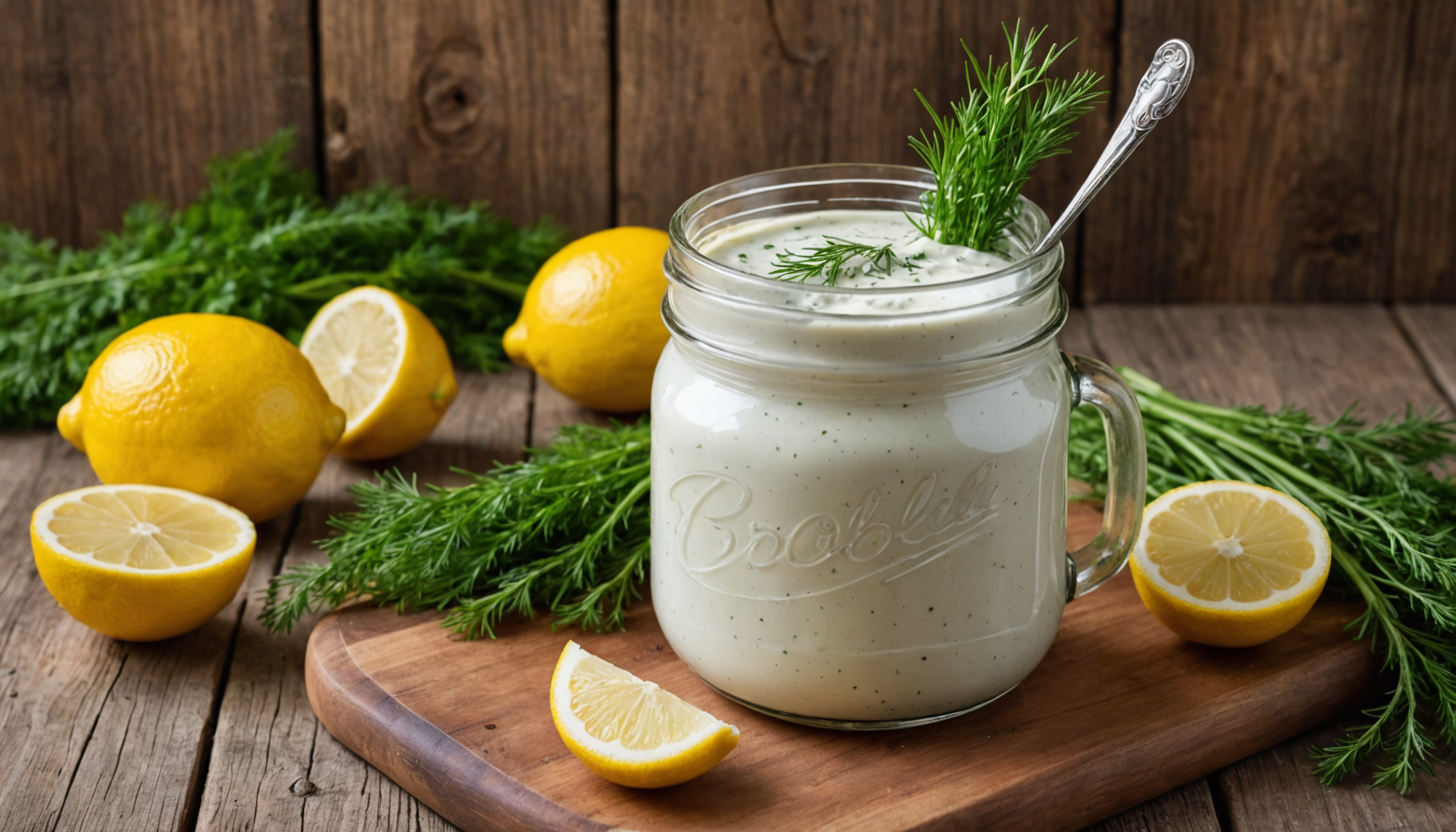 Crafting the perfect dressing is a fundamental aspect of enhancing your healthy organic dinner salads. A well-made dressing not only adds a burst of flavor but also serves to tie the various elements of your salad together, making each bite a harmonious experience. The art of dressing your salad can be approached with creativity and a few fundamental principles in mind.
One of the keys to an excellent dressing lies in the balance of flavors—acidity, sweetness, saltiness, and richness all play a crucial role. Start with a base of oil and vinegar or citrus juice. Extra virgin olive oil is a popular choice for its heart-healthy fats and deep flavor profile. Acidity can come from a variety of sources such as balsamic vinegar, apple cider vinegar, or fresh lemon juice, each bringing its unique character. For instance, a lemon vinaigrette can brighten a kale or spinach salad beautifully.
Incorporating a sweet element can enhance the overall taste, especially when working with bitter greens. A touch of honey or maple syrup can create a delightful contrast. For instance, a honey-mustard dressing provides a sweet and tangy balance that pairs wonderfully with mixed greens and roasted vegetables.
Adding herbs and spices can elevate your dressing from ordinary to extraordinary. Fresh herbs like basil, mint, or dill can provide freshness and complexity, while spices like cumin or paprika can lend warmth and depth. Consider mixing in a tablespoon of Dijon mustard for an extra kick or some minced garlic for a punch of flavor.
Don’t forget about texture! Incorporating a creamy element, such as Greek yogurt or tahini, can transform a vinaigrette into a rich dressing that clings beautifully to your salad components. A yogurt-based dressing can add probiotics to your meal, providing additional health benefits. A simple recipe might include Greek yogurt, lemon juice, garlic, and a bit of dill for a refreshing cucumber salad.
When preparing your dressing, it’s crucial to taste along the way, adjusting ingredients as necessary for balance. Using a mason jar for shaking up your dressings is a convenient way to combine all ingredients thoroughly. Allow the finished dressing to sit for a few minutes after mixing; this can help the flavors meld and develop further, resulting in a more cohesive taste.
Lastly, consider making your dressings in larger batches and store them in the fridge in an airtight container. Homemade dressings generally keep well for about a week. This allows for quick access and makes meal prep easier, ensuring that every salad you create is dressed to the nines with fresh flavor.
- What are some easy homemade salad dressing recipes?
- A simple vinaigrette can be made with 3 parts olive oil to 1 part vinegar, seasoned with salt and pepper. For a creamy dressing, combine Greek yogurt, lemon juice, and herbs for a zesty touch.
- How do I store salad dressings?
- Homemade salad dressings can be stored in the refrigerator in an airtight container. Most dressings will keep for about a week, but be sure to check for any changes in smell or appearance before using.
- Can I use store-bought dressings for my organic salads?
- While store-bought dressings can be convenient, many contain additives and preservatives. Look for organic options with minimal ingredients or consider making your own to control the quality and flavor.
- How much dressing should I use on my salad?
- Generally, start with about 2 tablespoons of dressing per serving and adjust based on your taste preference. It’s better to start with less; you can always add more if needed.
- Are salad dressings high in calories?
- Many dressings can be calorie-dense, especially creamy ones. Opting for lighter vinaigrettes or making your own can help you control the calories while still enjoying flavor.
- Can I make dressing ahead of time?
- Yes, preparing your dressing ahead of time is a great idea! Some dressings even taste better after sitting for a while. Just be sure to shake or stir before using.
- What ingredients are commonly found in store-bought dressings?
- Store-bought dressings often contain oils, vinegars, seasonings, and preservatives. Many also include added sugars and artificial ingredients, which can be avoided by making your own at home.
Meal-prepping your salads
When it comes to meal-prepping your salads, the key is to create a system that makes assembling healthy meals effortless. Preparation not only saves time during the week but also ensures that you have a variety of nutritious ingredients readily available, helping you stay committed to your health goals.
Start by designating a specific day for your meal prep. For many, this might be Sunday or a weekday evening when there’s a bit more spare time. Gather all your ingredients—fresh greens, colorful vegetables, proteins, grains, and dressings—and set up a stations for easy efficiency. A clean kitchen space can make the process enjoyable and less daunting.
Begin with the foundation of your salads: the greens. Wash and dry your greens thoroughly, as excess moisture can lead to wilting. Consider investing in a salad spinner to make this task quicker. After drying, you can store your greens in airtight containers lined with paper towels to absorb any remaining moisture. This method can help them last longer through the week.
Next, chop your vegetables. Choose a variety that adds color and nutrients to your salad, such as bell peppers, cucumbers, carrots, or red onions. To keep things fresh, you can store chopped veggies in separate containers. This not only maintains their crunch but allows you to mix and match according to your preferences from day to day.
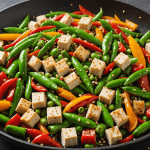
For added protein, consider pre-cooking beans, quinoa, or whole grains. These can easily be mixed into salads for a more filling option, especially on busy nights when you need something hearty. Store these in sealed containers, and don’t forget to portion them out for easy assembly during the week. For those following a vegan lifestyle, make sure to include plant-based proteins such as chickpeas or tofu to complement your salads.
When it comes to dressings, prepare a couple of batches in advance and store them in the fridge. Opt for simple dressings using ingredients like olive oil, vinegar, herbs, and seasonings. Keep them in small jars for convenience. A tip: dressing can often be mixed right before serving to keep your greens crisp. If you’re concerned about sogginess, consider adding the dressing to your meal only when you’re ready to eat.
Using glass containers is not only environmentally friendly but also allows you to see what you have on hand without opening every lid. Ensure they are BPA-free if you’re opting for plastic options. Make labels if necessary to keep track of the contents and use-by dates to maintain ingredient freshness.
Another practical idea is to create mason jar salads. Layer your ingredients starting with the dressing at the bottom—followed by heavier vegetables (such as carrots or cucumbers), then proteins or grains, and finish with greens on top. When it’s time to eat, just shake the jar, and you have a ready-made meal full of healthy components!
If you prefer online shopping, plan your grocery list with your meal-prepping strategy in mind. When selecting ingredients, ensure to choose organic options where possible, especially for staples like greens and vegetables to maximize nutrient content. Searching for bulk buying options online can also save you money and reduce waste.
By organizing your meal prep effectively, you’ll create a seamless routine that integrates well with your busy lifestyle while ensuring you have tasty, healthy salads ready to go. This approach helps foster a commitment to healthy eating, ultimately benefiting both your physical wellness and overall satisfaction with your meals.
Tips for seasonal organic produce
When selecting seasonal organic produce, understanding the cycle of nature and what’s available in your region is crucial for crafting vibrant, flavorful salads that are not only healthy but budget-friendly as well. Begin by familiarizing yourself with local harvest calendars that outline what fruits and vegetables are in season at different times of the year. This knowledge can make a significant difference in both the freshness and cost of your ingredients.
For example, in the spring, you might find an abundance of tender greens like baby spinach and arugula, sweet peas, and radishes, while summer brings an array of vibrant tomatoes, cucumbers, and peppers. Autumn is the time for hearty vegetables like squash, sweet potatoes, and kale, while winter might offer root vegetables and hardy greens that can withstand the chill. Shopping for these seasonal items not only supports local farmers but ensures that you’re eating produce at its peak flavor and nutritional value.
Farmers’ markets are excellent venues to discover the freshest seasonal produce while connecting with local growers. Not only can you ask questions about their farming practices, but you can also often taste samples before you buy. Look for produce that is deep in color and free from blemishes, as these characteristics often indicate ripeness and flavor. If farmers’ markets aren’t accessible, grocery stores that prioritize local sourcing are also a good alternative.
When shopping online, seek out community-supported agriculture (CSA) programs or local food delivery services that specialize in organic food. Many CSAs allow you to subscribe for weekly boxes filled with seasonal produce, offering you a convenient way to ensure you receive a diverse range of vegetables throughout the year. Always check the credentials of the vendors to make sure you’re purchasing from reputable sources who adhere to organic farming practices.
Aside from freshness and taste, consider the economic benefits of buying seasonal. Seasonal produce typically has a lower price point compared to out-of-season items that have traveled longer distances. By planning your meals around what’s in season, you can stretch your budget further. For example, trying out new salad recipes featuring in-season items can make your meals exciting and varied, all while keeping costs down.
Moreover, seasonal produce often lasts longer when stored correctly. For example, brassicas like broccoli and cauliflower can be kept in the fridge for a longer period, whereas berries may need to be consumed quickly. Learning how best to handle and store each type of produce can help minimize waste while maximizing freshness.
Engaging with your food sources builds a connection that enhances your appreciation for the meals you prepare. Exploring seasonal organic produce not only fuels healthier meals but encourages habits that contribute to sustainability. By embracing this approach, you’ll infuse your dinner salads with the best flavors of the season while supporting local agriculture and staying committed to your health and wellness journey.
New Customers Offer!
Free Gift for the new customer
$24 Value, When You Subscrib Visit Thrive Market