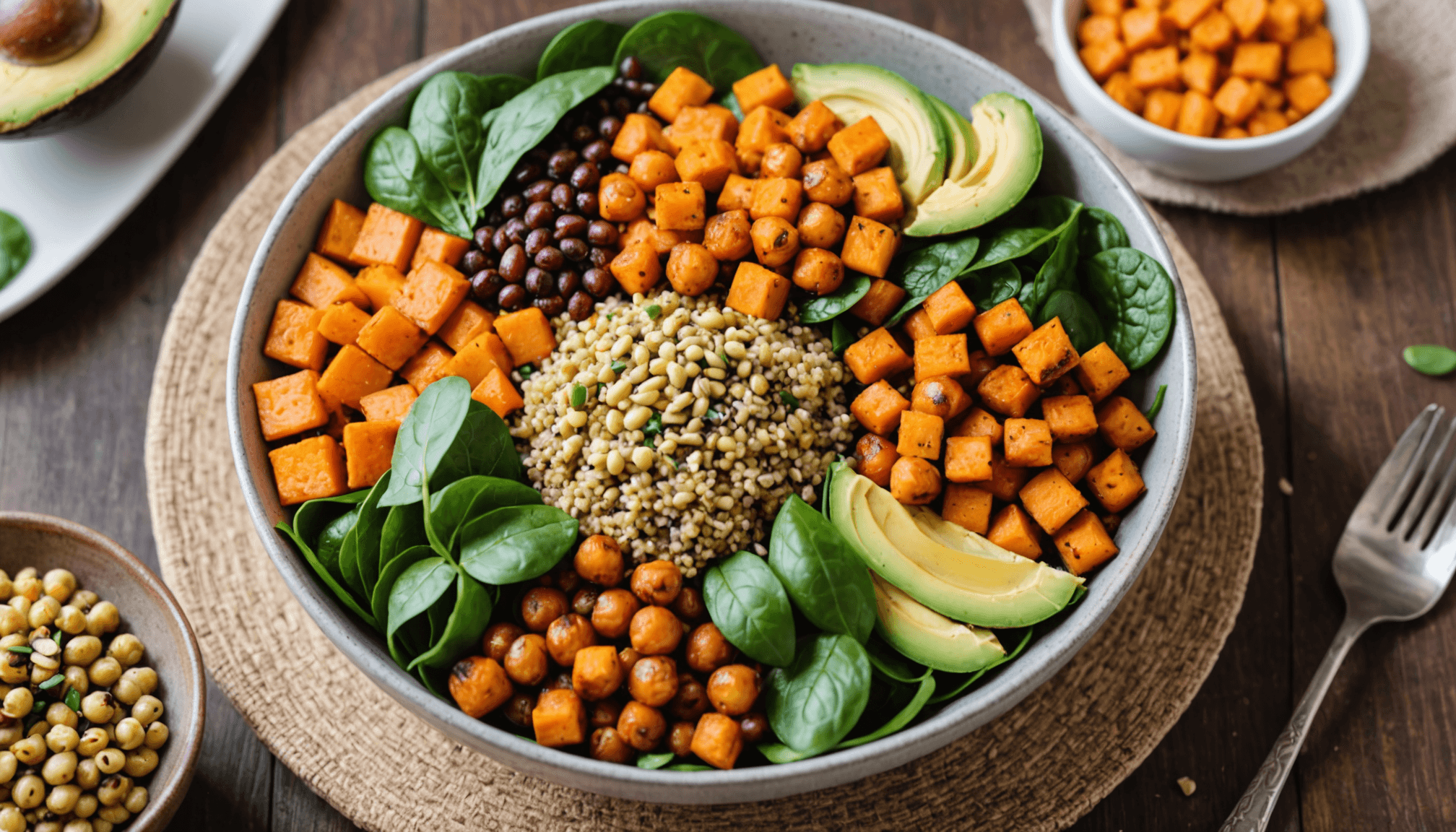
- Nutritional Benefits of Buddha Bowls
- Key Ingredients for a Flavorful Bowl
- Step-by-Step Recipe for a Base Buddha Bowl
- Creative Toppings to Elevate Your Dish
- Dressing Options for Added Flavor
- Tips for Meal Prep and Customization
When setting out on your grocery shopping adventure, keep in mind the importance of selecting high-quality ingredients that align with your health goals and values. Opt for a variety of colorful vegetables to create visually appealing and delicious Buddha bowls. Fresh, organic produce not only boosts flavor but also ensures you’re avoiding harmful pesticides and chemicals. Visit your local farmers’ market to support local farmers and find seasonal produce that is both fresh and budget-friendly. Don’t hesitate to ask questions about their growing practices and sourcing; most vendors appreciate informed customers.
For families and fitness enthusiasts, packing your cart with nutrient-dense options is essential. Choose whole grains like quinoa or brown rice as your base – they provide the necessary carbohydrates and proteins to fuel your day. Legumes such as chickpeas and lentils are excellent sources of plant-based protein that keep you satiated, making them staples in your plant-based meals. When shopping for grains and legumes, consider purchasing in bulk. This not only saves money but also reduces packaging waste.
Going vegan doesn’t mean skimping on flavors. Look for unique ingredients like nutritional yeast, which adds a cheesy element without dairy, or smoked paprika for an additional layer of taste. These items are often available at health food stores and online. When ordering online, ensure you’re buying from reputable sources; check user reviews, verify that the website has clear return policies, and confirm that it adheres to food safety standards.
Don’t forget to include healthy fats to balance your meals – avocados, nuts, and seeds are great additions. Look for organic and raw options for maximum health benefits. While you’re at the store, check the label to ensure that your nut butters don’t contain added sugars or preservatives. This attention to detail in ingredient selection is crucial in preparing wholesome, nourishing dishes.
Additionally, look for items on sale or with discounts, as this can help keep your grocery budget in check. Store brands often offer the same quality at a lower price, so don’t shy away from trying them. Explore the freezer aisle for pre-chopped vegetables and fruits; they can save you considerable prep time while retaining most of their nutrients. Just ensure that there are no added sauces or sugars in the frozen options you choose.
In terms of safety, be cautious when purchasing any packaged or processed items. Always read ingredient lists carefully to avoid hidden sugars, sodium, and unhealthy fats. Opt for brands that emphasize whole-food ingredients and transparency about their sourcing practices. Your health is worth the extra effort!
Lastly, approach online grocery shopping with caution. Use trusted websites and always check for SSL certifications to ensure your payment information is secure. Prepare a checklist of items you need for your Buddha bowl to avoid impulse buys and unnecessary spending.
Key Ingredients for a Flavorful Bowl
Building a flavorful Buddha bowl starts with selecting the right ingredients that not only complement each other but also create a balance of colors, textures, and nutritional benefits. Each component contributes to the overall experience and can transform a simple meal into a powerful source of sustenance.
Begin with the foundation of your bowl, which typically includes a base of whole grains and legumes. Quinoa is an excellent choice due to its high protein content and gluten-free nature, making it a perfect fit for plant-based meals. Brown rice, farro, or barley can also serve as a hearty base, offering various flavors and textures. These grains not only add substance but also provide essential nutrients like fiber and B vitamins.
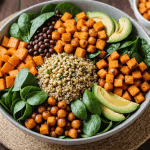
Next, focus on incorporating a variety of vegetables. Leafy greens such as spinach, kale, or arugula can contribute vitamins A, C, and K, alongside important minerals. Roasted or steamed vegetables, like sweet potatoes, bell peppers, and broccoli, bring in an array of colors and flavors, enhancing the aesthetic appeal of the Buddha bowl. For a fresh crunch, consider adding raw vegetables such as cucumbers, shredded carrots, or radishes.
Legumes are another vital ingredient, adding not only protein but also fiber to keep you feeling full. Chickpeas and lentils are versatile options that can be seasoned in countless ways—toss them with spices or roast them for added flavor. Tofu, tempeh, or edamame can also be added for those looking for a soy option, providing both protein and healthy fats.
Healthy fats are essential in any balanced meal. A few slices of avocado or a sprinkle of nuts and seeds—like pumpkin seeds or walnuts—can elevate the richness of your dish, while also boosting its nutritional profile. These additions are not only flavorful but help to keep you satiated.
To illustrate the variety of ingredients that can enhance your Buddha bowl, here’s a comparison of commonly used bases, proteins, and toppings:
| Category | Options | Nutritional Highlights |
|---|---|---|
| Base | Quinoa, Brown Rice, Barley | High in fiber and complex carbohydrates |
| Protein | Chickpeas, Tofu, Edamame | Rich in plant-based protein and essential amino acids |
| Vegetables | Kale, Sweet Potatoes, Bell Peppers | High in vitamins, antioxidants, and minerals |
| Healthy Fats | Avocado, Almonds, Chia Seeds | Supports heart health and improves satiety |
Incorporating a wide range of colors and textures will not only make your Buddha bowl visually appealing but will also ensure that you are getting a broad spectrum of nutrients into your diet. Each ingredient plays a vital role and brings its unique benefits, allowing for flexibility and creativity in preparing meals. Mixing and matching ingredients based on seasonal availability or personal preferences will also help to keep your plant-based meals exciting and nourishing.
Step-by-Step Recipe for a Base Buddha Bowl
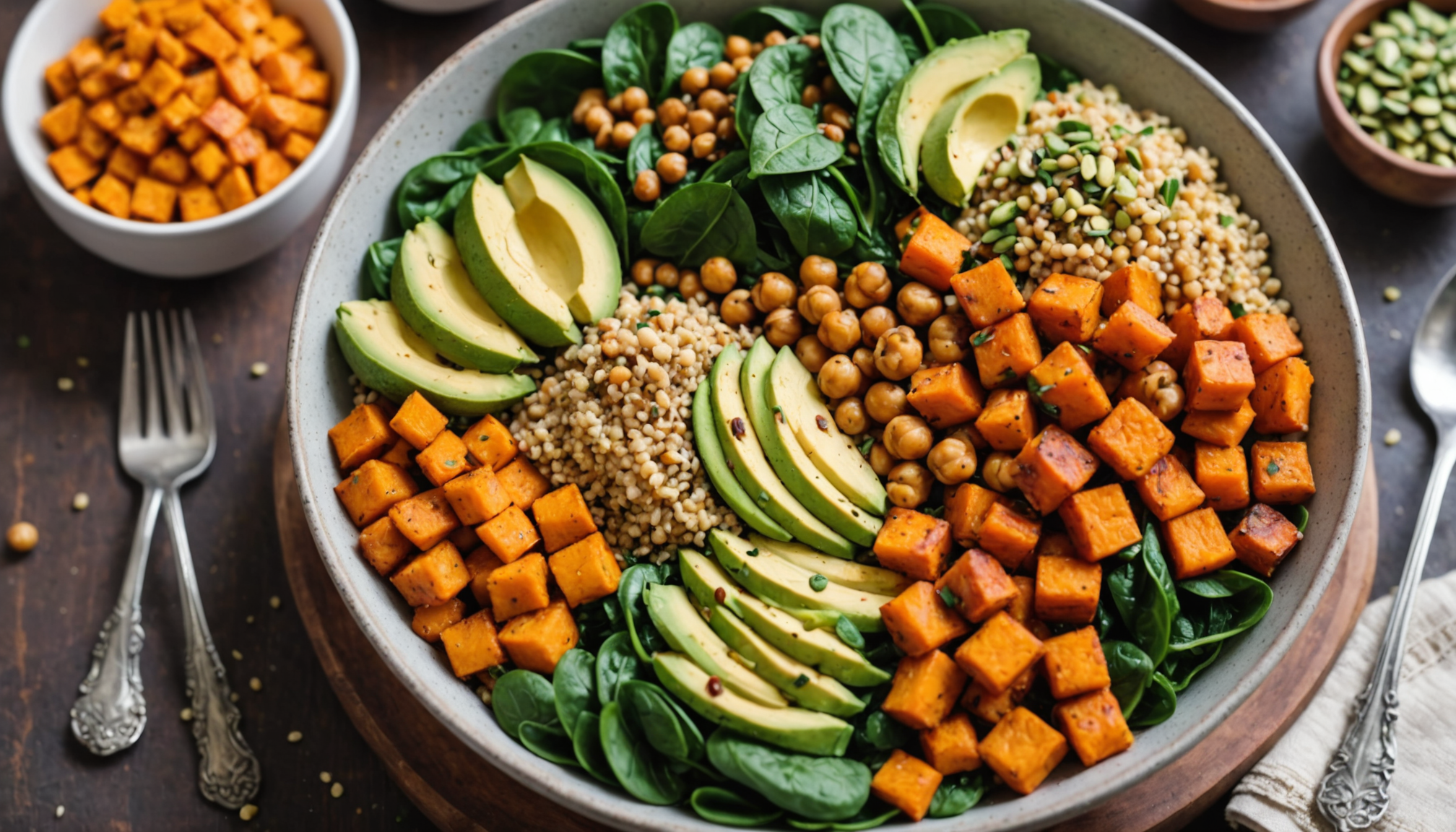
When preparing your base Buddha bowl, the first step is to assemble the key elements that make it memorable and nourishing. Start with a solid foundation by choosing your preferred whole grains. Quinoa is a fantastic option due to its complete protein profile and fluffy texture, while brown rice provides a heartier base with a nutty flavor. Don’t forget about options like farro or barley, which can introduce a unique twist to your bowl.
Next, let’s talk about legumes. These powerhouses are essential for building a balanced meal. Options like chickpeas and black beans not only increase the protein content but also bring fiber to the mix, keeping you full for hours. For added flavor, consider rinsing and seasoning them with spices like cumin or paprika before roasting them to crispy perfection.
Incorporating a variety of vibrant vegetables is key. Select leafy greens—such as spinach or kale—which pack a punch of vitamins and minerals. For a splash of color and sweetness, add roasted sweet potatoes or vibrant bell peppers. Keep it fresh by including raw veggies like shredded carrots or cherry tomatoes for that satisfying crunch.
Don’t overlook the importance of healthy fats; they round out the meal and add richness. A few slices of creamy avocado can provide the perfect texture, while nuts and seeds sprinkle in not only flavor but also essential fatty acids. Think about using almonds, walnuts, or even pumpkin seeds for that extra crunch.
As you prepare your ingredients, remember the power of seasoning. A simple drizzle of olive oil combined with a squeeze of lemon can uplift the flavors of your base. Toss your grains, legumes, and veggies together and taste for seasoning, adjusting as necessary to ensure a delicious interplay of all elements.
For those of you looking for convenience, consider meal prepping your base Buddha bowl components in advance. This approach saves time during busy weekdays, allowing you to quickly assemble a healthy and satisfying meal. Store grains and legumes in airtight containers in the fridge, and pre-chop vegetables so they’re ready to go when hunger strikes.
Creative Toppings to Elevate Your Dish
Adding creative toppings to your Buddha bowl can significantly enhance its flavor, texture, and overall appeal. The right toppings not only elevate your dish but also contribute additional nutrition, making your meal feel complete and satisfying.
Begin by exploring different types of nuts and seeds. Almonds, walnuts, sunflower seeds, and hemp seeds can introduce crunch and a rich, nutty flavor to your bowl. Toast your nuts to intensify their flavor, or use them raw for a fresher taste. A sprinkle of seeds, especially chia or flaxseeds, can provide extra omega-3 fatty acids, essential for heart and brain health.
Consider adding a variety of pickled or fermented items such as kimchi, sauerkraut, or pickled red onions. These not only add a delicious tang but also beneficial probiotics, supporting gut health. Their bold flavors contrast beautifully with the more subtle flavors of your grains and vegetables.
Another excellent topping option is fresh herbs. Chopped cilantro, basil, or parsley can bring a burst of freshness to each bite, enhancing the aromatic experience of your meal. For an added punch, try microgreens or sprouts. They are nutrient-dense and can be grown easily at home, making them a wonderful option for brightening your Buddha bowl.
Fruits can add unexpected sweetness and a refreshing contrast to savory ingredients. Slices of mango, diced apple, or pomegranate seeds not only add color but also pack your bowl with vitamins and antioxidants. The natural sugars from fruit provide a delightful balance to the savory components of your plant-based meal.
For those who enjoy a bit of heat, consider drizzling your bowl with spicy toppings like sriracha, harissa, or chili oil. These can add a compelling kick and stimulate your taste buds, transforming your bowl into a more dynamic dish. Alternatively, adding a spicy nut butter can create a creamy, flavorful sauce that pulls everything together.
“Let food be thy medicine, and medicine be thy food.” – Hippocrates
Don’t overlook the power of a well-thought-out crunch. Roasted chickpeas or spiced lentils can be blended into your toppings for extra protein and texture, making each bite more satisfying. Remember that presentation is key; layer toppings artfully on top of your base for a visually stunning dish that makes you excited to dig in.
Customizing your Buddha bowl with these creative toppings not only enhances the dining experience but also ensures each meal satisfies your cravings while delivering essential nutrients. With endless combinations to explore, you can keep your plant-based meals varied, exciting, and nourishing every time.
Dressing Options for Added Flavor
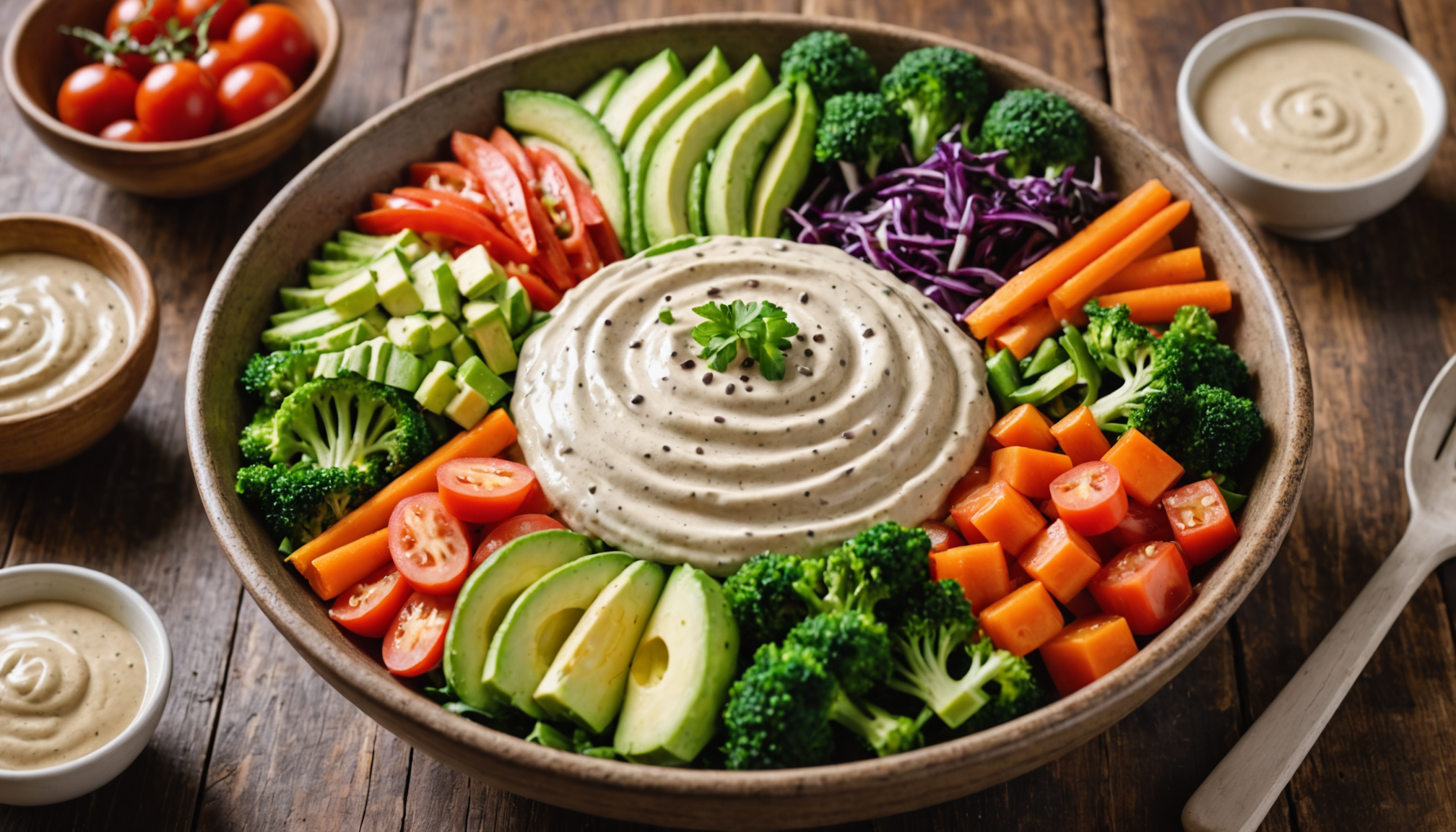
When it comes to dressing your Buddha bowl, the right flavor combinations can elevate your meal from simple to extraordinary. Dressings not only enhance taste but also bring together the diverse components of your bowl, ensuring that every bite delivers a harmonious blend of flavors. A well-crafted dressing can infuse your plant-based meals with zest and personality, turning an ordinary dish into a culinary delight.
One popular option is a classic tahini dressing, which combines tahini (ground sesame seeds) with lemon juice, garlic, and a dash of maple syrup or honey for sweetness. This creamy dressing brings a nutty richness that complements the freshness of vegetables while providing essential nutrients. You can adjust the thickness by adding water, creating a drizzle that seamlessly coats your Buddha bowl ingredients.
Another delicious choice is a zesty avocado lime dressing. Simply blend ripe avocado with lime juice, cilantro, and a splash of olive oil for a luscious, green sauce that adds depth to your dish. Avocado is packed with healthy fats and vitamins, making this dressing a nutritious option that contributes to the overall well-being of your meal.
For a different twist, consider a ginger miso dressing. Combining miso paste, fresh grated ginger, apple cider vinegar, and a sweetener of your choice, this dressing adds a tangy, umami flavor to your bowl. Miso is fermented, which means it can provide probiotics beneficial for gut health, enhancing the nutritional value of your meal further.
If you’re looking for something spicy, a sriracha or chili garlic vinaigrette can awaken your taste buds. Mix vinegar, olive oil, sriracha, and a bit of maple syrup for balance. The heat from the chili paired with the sweetness creates a thrilling contrast, and you can easily tailor the spiciness level according to your palate.
Don’t shy away from experimenting with herbs and spices in your dressings. Fresh herbs like dill, basil, or parsley can add brightness, while spices such as cumin or smoked paprika can impart an exotic flair. Consider making batch dressings that you can store in the refrigerator, reducing the hassle on busy weekdays and adding convenience to your meal prep.
Layer your sauces thoughtfully, starting with the grains and legumes, applying dressing sparingly at first to ensure even coating without overwhelming your Buddha bowl. You can always add more as needed. Remember, your dressing should complement the diverse ingredients in your bowl without overshadowing them. With the right dressings, your plant-based meals can be nothing short of a masterpiece.
- What are some popular dressings for Buddha bowls?
- Some popular options include tahini dressing, avocado lime dressing, ginger miso dressing, and spicy sriracha vinaigrette. Each dressing brings unique flavors and nutrients to enhance your meal.
- Can I make dressings in advance?
- Yes, most dressings can be made ahead of time and stored in the refrigerator for up to a week. Just give them a good shake or stir before using, as ingredients may separate over time.
- How can I make my dressing healthier?
- Opt for ingredients like yogurt instead of cream, substitute sweeteners with natural options like honey or maple syrup, and use olive oil or avocado oil for healthful fats. You can also add herbs and spices for flavor without added calories.
- What are some vegan dressing options?
- Vegan dressings can include tahini, avocado, cashew cream, and tahini-based sauces. Use plant-based sweeteners and milks to create creamy, flavorful dressings without dairy.
- How do I choose the right dressing for my Buddha bowl?
- Consider the flavors and textures of your bowl’s components. A tangy dressing pairs well with hearty grains, while creamy dressings complement fresh vegetables. Aim for a balance that enhances the overall meal experience.
- Can I use store-bought dressings?
- Absolutely! Just be sure to read labels to avoid added sugars and preservatives. Look for dressings made with whole food ingredients for a healthier option.
- How can I adjust the thickness of my dressing?
- You can adjust the thickness by adding water, lemon juice, or additional oil, depending on your desired consistency. Start with small increments to find the right balance for your preference.
Tips for Meal Prep and Customization
When planning your meal prep for flavorful Buddha bowls, consider the efficiency of your grocery shopping strategy. Whether you’re shopping online or at a local market, organizing your list is key to a successful and budget-friendly haul. Start by categorizing items by type—fresh produce, grains, proteins, and dressings—to avoid backtracking in the store or scrolling endlessly when online.
Look for seasonal and local produce to elevate your bowls. Not only are these options often fresher and tastier, but they tend to be more affordable, as local farmers often sell them at markets or CSA programs (Community Supported Agriculture). This supports your community and reduces the carbon footprint associated with transportation.
For protein sources, focus on versatile ingredients that can be prepared in bulk and incorporated into various dishes. Chickpeas, known for their hearty texture and ability to absorb flavors, can be roasted for crunch or puréed for spreads. Consider buying dried legumes in bulk; they’re often cheaper and have a longer shelf life compared to canned options. If you prefer ease, check for organic canned legumes with no added sodium or preservatives.
Whole grains such as quinoa, brown rice, or farro serve as fantastic bases for your bowls. Buying in bulk not only reduces costs but can also provide a sustainable, eco-friendly option. When purchasing grains, ensure they’re labeled as whole to ensure maximum nutrients. Similarly, look for certified organic varieties, as these are less likely to contain harmful chemicals.
Incorporating frozen vegetables can greatly enhance meal prep efficiency. They are often picked at peak ripeness and flash-frozen to lock in nutrients, making them a practical and nutritious choice. Just remember to read labels to avoid options with added sauces or sugars.
When it comes to dressings, consider making your own to avoid hidden sugars and preservatives found in many store-bought versions. However, if you opt for convenience, look for products that emphasize whole-food ingredients and minimal processing. Always prioritize brands that are transparent about their sourcing and production methods.
Prioritize food safety in your grocery shopping. For organic products, ensure they are certified by a trusted organization; look for seals such as the USDA Organic label. If shopping online, choose reputable retailers with good customer reviews and clear return policies. Always review their shipping practices to confirm that perishable items are properly handled and shipped in insulated packaging if necessary.
Lastly, be mindful of portion sizes guided by your family’s needs to avoid food waste. If a product comes in larger quantities, consider splitting it with friends or family members. This idea not only saves you money but also fosters community. The aim is to cultivate a sustainable approach to your plant-based meal preparation while enjoying the process of creating nourishing, vibrant Buddha bowls.
New Customers Offer!
Free Gift for the new customer
$24 Value, When You Subscrib Visit Thrive Market