- Ingredients for Organic Lemon Herb Chicken
- Preparation Steps for Marinating
- Cooking Techniques for Optimal Flavor
- Serving Suggestions and Pairings
- Nutritional Benefits of the Ingredients
- Tips for Leftover Storage and Reheating
When it comes to grocery shopping for your organic lemon herb chicken, it’s essential to be strategic, whether you’re visiting your local supermarket or shopping online. Start by creating a list that emphasizes freshness and quality. Seek out ingredients that are certified organic whenever possible, as this ensures that you’re avoiding harmful pesticides and supporting sustainable farming practices.
For those looking to eat healthily and maybe even fuel a fitness routine, focus on sourcing your chicken from reputable vendors that provide organic products. Look for brands that are pasture-raised, as these chickens have a better diet and are often less stressed, which can contribute to better flavor and texture in your meals.
When selecting herbs and spices, consider hitting up local farmers’ markets. Not only do you support local agriculture, but you can also find fresh, vibrant herbs that can elevate your chicken recipes to new heights. Basil, thyme, and rosemary are great green additions that not only enhance flavor but pack a nutritional punch.
For a budget-friendly approach, keep in mind that seasonal produce is often less expensive and fresher. Check what’s in season in your area and incorporate those vegetables into your meal; think zucchini, peppers, or even a citrus salad that can complement your chicken dish beautifully. Buying in bulk, especially items like rice or quinoa, can also help manage your grocery budget effectively.
If you’re leaning towards a vegan lifestyle or are cooking for someone who is, there are fantastic alternatives to chicken that provide similar flavors and satisfaction. Tempeh or tofu can be marinated in your lemon herb mixture, offering flexibility for those who prefer plant-based meals without sacrificing taste.
While shopping online, it’s crucial to be cautious. Always check the seller’s reviews, and ensure they have a good reputation for delivering fresh ingredients. Opt for services that offer easy returns and have a clear policy for perishables. When opening a package, inspect the contents to ensure everything is in good condition and within its expiration date.
Finally, keep in mind that it’s not just about what you add to your cart; it’s about the healthy meals you create. Take time to explore new ingredients and flavor combinations. Each grocery trip is an opportunity to stock your kitchen with healthy, nourishing foods that will inspire delicious, wholesome dinners with family or friends.
Preparation Steps for Marinating
To prepare the chicken for marinating, start by selecting high-quality organic chicken pieces, which can include breasts, thighs, or even a whole chicken, depending on your preference. Rinse the chicken under cold water and pat it dry with paper towels. This step is crucial as it helps the marinade adhere better to the surface of the chicken, ensuring a more flavorful result.
Next, prepare the marinade by combining freshly squeezed lemon juice, organic olive oil, minced garlic, and a selection of finely chopped herbs such as rosemary, thyme, and parsley. The acidity of the lemon juice not only adds a bright flavor but also helps to tenderize the chicken, infusing it with moisture and enhancing its texture.
A well-balanced marinade consists of acidity, fat, herbs, and spices, which create a harmonious flavor profile. Here’s a simple breakdown of the components involved in marinating:
| Component | Function | Examples |
|---|---|---|
| Acid | Tenderizes and flavors the chicken | Lemon juice, vinegar, yogurt |
| Fat | Moisturizes and carries flavors | Olive oil, sesame oil |
| Herbs/Spices | Adds fragrant notes and complexity | Thyme, rosemary, garlic, pepper |
Once the marinade is mixed, place the chicken in a resealable plastic bag or a shallow dish, then pour the marinade over it. Ensure that each piece of chicken is coated thoroughly to maximize flavor absorption. Seal the bag or cover the dish with plastic wrap, and refrigerate for a minimum of 30 minutes – up to 24 hours for deeper flavoring. The longer the chicken marinates, the more pronounced the flavor will become, which is especially beneficial for transforming simple chicken recipes into flavorful dishes.
While the chicken is marinating, it’s a good opportunity to prepare any sides or accompaniments you’ll be serving. Consider creating a fresh salad with seasonal vegetables or a grain like quinoa or brown rice, which can complement the lemon herb chicken beautifully. The acidity of the lemon pairs well with grains, enhancing the overall meal experience while contributing to healthy meals.
Remember to bring the marinated chicken out of the fridge about 20 to 30 minutes before you plan to cook it. This helps the chicken to come to room temperature, which ensures even cooking and a moist final product.
Cooking Techniques for Optimal Flavor

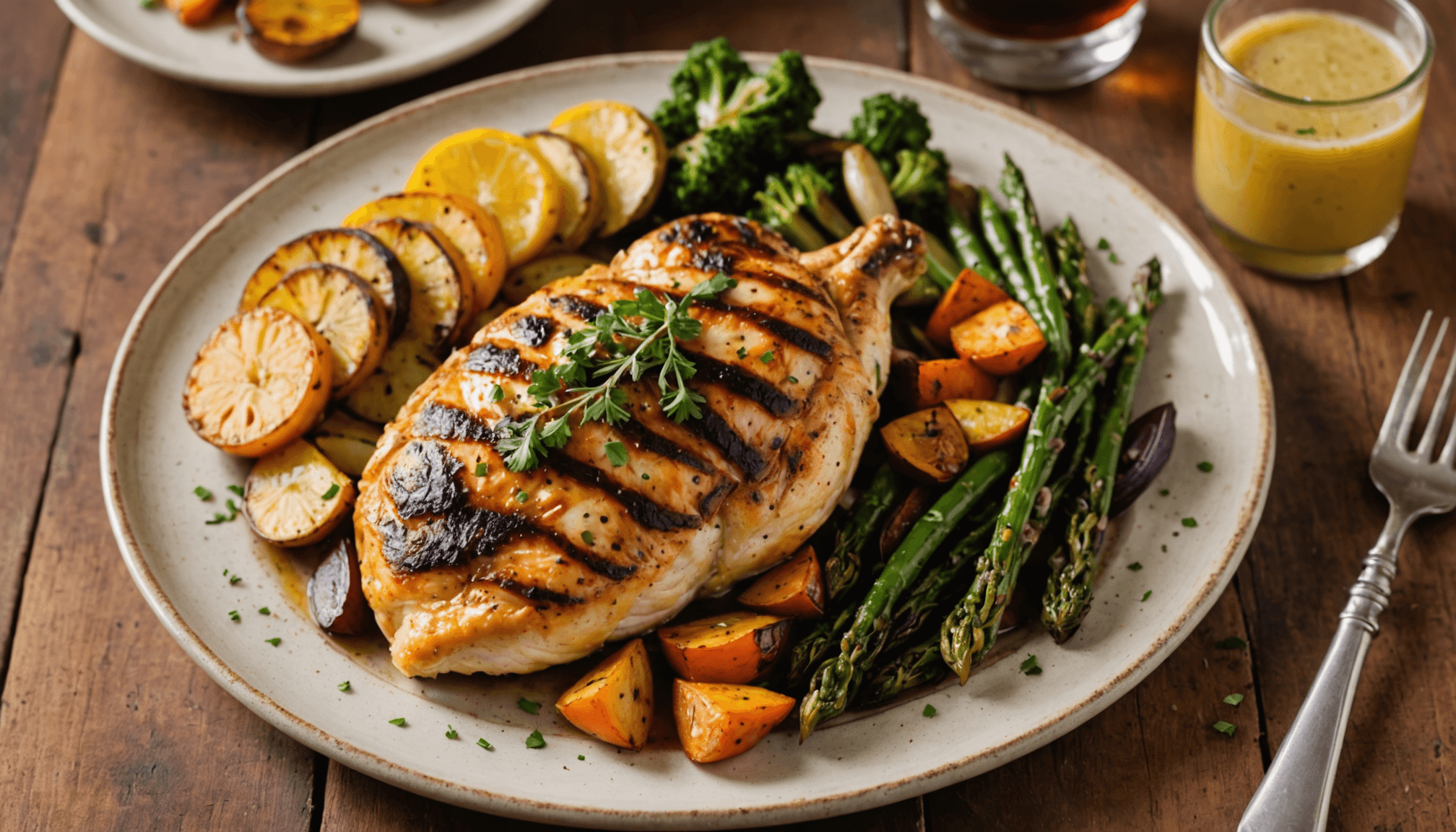
To unlock the full potential of your organic lemon herb chicken, mastering cooking techniques is crucial. One of the best methods for optimal flavor is to use high-heat cooking such as grilling or roasting. These techniques not only help in developing deep, caramelized flavors but also keep the chicken juicy. If you’re grilling, preheat your grill to medium-high and ensure that the grates are clean and lightly oiled to prevent sticking.
For roasting, choose a baking dish that allows enough space for the chicken pieces to be spread out in a single layer. This ensures that they cook evenly, allowing heat to circulate freely. A good rule of thumb is to roast at 425°F (220°C). The high temperature will generate a crispy skin while keeping the insides moist. Additionally, consider using a meat thermometer to check for doneness; chicken should reach an internal temperature of 165°F (75°C) to ensure safety.
Brining is another technique that can enhance flavor and moisture. This involves soaking the chicken in a saltwater solution before marinating. The extra salt helps the chicken retain moisture during cooking—an excellent approach for lean cuts that can dry out easily. Just dissolve a few tablespoons of salt in water, and let the chicken soak for 1-2 hours before your marinade.
Don’t overlook the importance of resting your chicken after cooking. Once you remove it from the heat source, let it rest for about 10 minutes before slicing. This allows the juices to redistribute throughout the meat, resulting in a more flavorful and juicy experience with every bite.
Consider experimenting with herb-infused butters or oils during cooking. A simple mixture of butter with finely chopped fresh herbs can be brushed onto the chicken in the last few minutes of cooking, providing an aromatic layer of flavor that complements the citrus notes beautifully.
Finally, if you’re a fan of one-pan meals, consider cooking vegetables alongside your chicken. Root vegetables like carrots, potatoes, and onions soak up the delicious juices as they roast, creating a meal that’s not only tasty but also minimizes clean-up time—perfect for families and busy professionals alike. Keep an eye on your produce to ensure they don’t overcook; they should be tender yet still vibrant.
Serving Suggestions and Pairings
When serving your organic lemon herb chicken, think about creating a vibrant and colorful plate that enhances both presentation and flavor. Pair the chicken with seasonal vegetables, such as roasted asparagus or sautéed green beans, which complement the brightness of the lemon. The lively colors of fresh produce not only look appealing but also contribute essential nutrients, making your meal a feast for the eyes and the body.
A light, zesty salad can also be an excellent accompaniment. Consider a mixed greens salad drizzled with a lemon vinaigrette; the tangy dressing harmonizes with the chicken and elevates the meal. Incorporating slices of avocado or nuts can add creaminess and crunch, respectively, making each bite exciting and textured.
For something heartier, serve the chicken alongside quinoa or brown rice. These grains can be flavored with herbs and spices, providing a fulfilling base that soaks up the delicious juices from the chicken. You could even prepare a lemon-infused rice; the subtle citrus notes will echo the flavors of the chicken, tying the meal together beautifully.
If you’re seeking a side that’s both nutritious and delicious, consider roasted sweet potatoes. Their natural sweetness balances the acidity of the lemon, and their nutrient density makes them a perfect addition to your healthy meals.
In terms of drinks, a crisp white wine, such as Sauvignon Blanc or a chilled lemonade, would pair wonderfully, enhancing the zesty flavor profile of your dish. Alternatively, for a non-alcoholic option, sparkling water infused with lemon slices and fresh mint can provide a refreshing contrast.
For garnish, a sprinkle of freshly chopped herbs like parsley or cilantro can visually elevate your dish while also adding another layer of flavor. A zesting of lemon rind prior to serving can brighten the entire plate, highlighting the fresh quality of the ingredients and leaving a delightful aroma that invites everyone to the table.
“Food should be celebrated and shared, and it nourishes our bodies as well as our souls.” – Unknown
Incorporating these serving suggestions makes your organic lemon herb chicken an inviting centerpiece for gatherings, meal prep for families, or simply a delightful dinner for yourself, showing that healthy meals can also be diverse and delicious.
Nutritional Benefits of the Ingredients
 Nutritional benefits play a vital role in the appeal of any dish, especially one like organic lemon herb chicken. The primary ingredient, organic chicken, is an excellent source of high-quality protein essential for muscle maintenance and overall health. Beyond its protein content, it is rich in nutrients like B vitamins, which are crucial for energy metabolism, and vital minerals like phosphorus and selenium, which support bone health and immune function.
The herbs and spices incorporated into this recipe contribute significantly to its health benefits. Fresh rosemary, thyme, and parsley not only provide aromatic flavor but are also packed with antioxidants that help protect the body from oxidative stress. Lemon juice, primarily known for its zest and acidity, boasts high levels of vitamin C that can boost the immune system and improve skin health. This combination of ingredients creates a dish that is not only tasty but also nourishing.
When paired with healthy sides, such as colorful vegetables or whole grains like quinoa or brown rice, this meal becomes even more nutritionally balanced. Vegetables contribute vital nutrients such as fiber, vitamins, and minerals that can enhance digestion and overall wellness. The fiber content helps to keep you feeling full longer while promoting gut health.
As you indulge in this hearty dish, consider the broader implications of choosing organic and fresh ingredients. Are you aware of where your food comes from? With the rise of organic cooking, there’s an increasing awareness of sustainable farming practices and their impact on the environment. The choices you make can either support these practices or contribute to less sustainable methods. Are you ready to become more conscious of your food choices and explore how they affect your health and the environment?
- What are the benefits of using organic chicken?
- Organic chicken is raised without antibiotics or synthetic hormones and is fed organic feed. This results in healthier meat that is often tastier and better for your health.
- How long should I marinate the chicken for maximum flavor?
- For optimal flavor, marinating the chicken for at least 30 minutes is recommended, but extending it to 24 hours enhances the taste even further.
- Can I substitute the chicken for a plant-based protein?
- Absolutely! Tempeh and tofu can be excellent alternatives that absorb marinades well and provide great flavor, making them suitable for those following a vegan diet.
- What cooking methods are best for lemon herb chicken?
- Grilling or roasting the chicken at high heat helps develop rich flavors while keeping it juicy. A meat thermometer can ensure perfect doneness.
- How can I store leftovers properly?
- Store leftover lemon herb chicken in an airtight container in the fridge for up to four days. For longer storage, consider freezing it, which can preserve its flavor and texture for future meals.
- What side dishes pair well with this chicken recipe?
- Seasonal vegetables, quinoa, brown rice, or a fresh salad make excellent pairings. These options not only complement the chicken’s flavor but also enrich the meal’s nutritional profile.
- What are some health benefits of the herbs used in the recipe?
- Fresh herbs like rosemary and thyme contain antioxidants and may have anti-inflammatory properties. They contribute to overall health while adding robust flavors to your dishes.
Tips for Leftover Storage and Reheating
To ensure your organic lemon herb chicken remains delicious after it’s cooked, proper storage and reheating techniques are essential. Begin by allowing the leftover chicken to cool to room temperature before putting it into the fridge. Place the chicken in an airtight container, which helps retain moisture and prevent absorption of any unwanted odors from your refrigerator. Leftover chicken can be safely stored this way for up to four days.
If you plan on keeping the chicken for a longer period, consider freezing it. Freezing can preserve both flavor and texture effectively. Slice the chicken into portions for easier thawing. Wrap each piece tightly in plastic wrap before placing them in a freezer-safe bag, squeezing out as much air as possible. This will help avoid freezer burn, which can affect quality. Properly frozen chicken can last for several months.
When it comes to reheating, you want to ensure that the chicken retains its juiciness. The oven is an excellent choice for reheating leftovers as it evenly warms the chicken without drying it out. Preheat your oven to 350°F (175°C) and place the chicken in a baking dish. Adding a splash of broth or a drizzle of olive oil can help keep it moist. Cover the dish with foil to retain heat and moisture, and warm it for about 20-25 minutes, or until it reaches an internal temperature of 165°F (75°C).
Alternatively, if you’re short on time, the microwave can be used, but caution is needed to prevent the chicken from becoming rubbery. Place the chicken on a microwave-safe plate, add a sprinkle of water or broth, and cover it with a damp paper towel. Heat on medium power for one to two minutes, checking and stirring occasionally until thoroughly heated. Avoid overheating, as this can lead to dry chicken.
For a unique twist, consider transforming your leftovers into a new dish. Chopped pieces of the lemon herb chicken can be added to salads, stir-fries, or even made into chicken tacos, giving second life to your meals and keeping your weekly menu varied and exciting. This approach not only reduces waste but also keeps your family excited about healthy meals!
As you navigate your grocery story and meal prep, remember safe food-handling practices. When shopping, choose chicken that has been stored at safe temperatures and check expiration dates, avoiding any items that look past their prime. Maintaining a safe cooking environment at home is just as critical as your ingredient selection. Make it a habit to wash hands, utensils, and surfaces after handling raw chicken, reducing the risk of foodborne illnesses.
New Customers Offer!
Free Gift for the new customer
$24 Value, When You Subscrib Visit Thrive Market