- Refreshing Organic Salad Dinners for Summer
- Seasonal Ingredients to Brighten Your Salad
- Flavorful Dressings to Enhance Your Greens
- Creative Combinations for Nutrient-Packed Meals
- Grilled Additions for a Smoky Flavor
- Quick and Easy Recipes for Busy Weeknights
- Tips for Growing Your Own Salad Ingredients
When it comes to enjoying refreshing organic salad dinners this summer, your grocery shopping strategy plays a pivotal role in curating vibrant, nutrient-dense meals. First, consider branching out to local farmers’ markets for your produce. Not only do these venues often have a delightful selection of in-season fruits and vegetables, but the prices are generally better than those at traditional grocery stores while supporting local agriculture. Look for stalls that offer organic options to ensure you’re getting the best quality possible.
When shopping online or in-store, prioritize organic food for your salad bases—think mixed greens, kale, or arugula. These greens are known for their nutrient profile, which includes vitamins A, C, and K. Additionally, incorporate a variety of colors in your salad to maximize antioxidants; this means selecting seasonal ingredients like heirloom tomatoes, bell peppers, and cucumbers.
For families and fitness enthusiasts, adding whole grains or legumes to your salads can provide those much-needed proteins and fibers. Items like quinoa, chickpeas, and black beans not only complement your greens but also create more filling summer meals. Don’t forget to check for certified organic labels to avoid harmful pesticides.
As for safety, whether you’re buying online or in-store, keep a few essentials in mind: always read labels carefully, check expiration dates, and ensure you’re purchasing from reputable sources. Pay attention to any food recalls, as they can happen frequently, especially with produce. Online shoppers should make sure they use secure websites and, where possible, stick to brands that you trust.
Lastly, don’t shy away from frozen options. Frozen organic fruits and vegetables retain their nutritional value and can be a convenient, budget-friendly choice for quick salads. Just remember to check the ingredient lists; they should be simple, ideally just the mentioned fruits or vegetables without added sauces or sugar.
With these tips, you can make informed choices that enhance your summer salad recipes while keeping your meals both delicious and healthy.
Seasonal Ingredients to Brighten Your Salad
Seasonal ingredients not only enhance the flavor of your salads, but they also contribute significantly to the nutritional value of your summer meals. Embracing the vibrant produce of the season can elevate your salad recipes, making them a colorful canvas for both visual appeal and taste. As summer unfolds, a plethora of organic food options becomes available, allowing for creative and health-conscious choices.
Incorporating seasonal vegetables and fruits into your salads can be a game-changer. Here are some key ingredients to consider:
| Ingredient | Flavor Profile | Nutritional Benefits |
| Heirloom Tomatoes | Sweet and tangy | Rich in antioxidants, especially lycopene |
| Cucumbers | Crisp and refreshing | High in water content, helps with hydration |
| Bell Peppers | Sweet and slightly spicy | Excellent source of vitamins A and C |
| Radishes | Pungent and peppery | Good source of vitamin C and antioxidants |
| Zucchini | Mild and slightly sweet | Low in calories, supports heart health |
| Fresh Herbs (Basil, Mint, Cilantro) | Aromatic and refreshing | Rich in vitamins and enhance digestion |
Heirloom tomatoes, bursting with flavor and color, can serve as a fundamental base for many summer salad recipes. Their variety offers an array of taste experiences from sweet to tangy, making them perfect for adding depth to your dishes. Cucumbers provide a refreshing crunch and are ideal for balancing richer ingredients, perfect for those hot summer nights.
Moreover, bell peppers not only add sweetness but also deliver a serious vitamin boost, making them a staple in organic salads. Their vivid colors contribute to the overall aesthetics, making your meals not just healthy, but also visually appealing. Radishes provide a peppery kick and are incredibly versatile, whether thinly sliced or roasted.
Zucchini can be transformed into ribbons or thinly sliced rounds, introducing a delightful texture that complements the crispness of greens. When paired with fresh herbs like basil, mint, or cilantro, the flavor profile of your salad can be elevated dramatically, infusing it with freshness. These herbs offer not just taste benefits but also additional vitamins and antioxidants.
Utilizing local farmers’ markets to source these seasonal ingredients not only ensures freshness but also supports community agriculture. By purchasing organic food directly from producers, you can often find varieties of vegetables and fruits that aren’t available in grocery stores, fostering creativity in your summer meals.
Finally, consider incorporating seasonal fruits such as strawberries, blueberries, and peaches into your salads. Their natural sweetness can replace more traditional salad dressings and sugars, while providing essential vitamins and minerals. Adding nuts or seeds can also enhance both texture and nutrition, giving your dish a satisfying crunch packed with healthy fats.
Exploring these seasonal ingredients allows for an enjoyable, nutritious salad experience, making each meal an opportunity for health and flavor during the summer months.
Flavorful Dressings to Enhance Your Greens
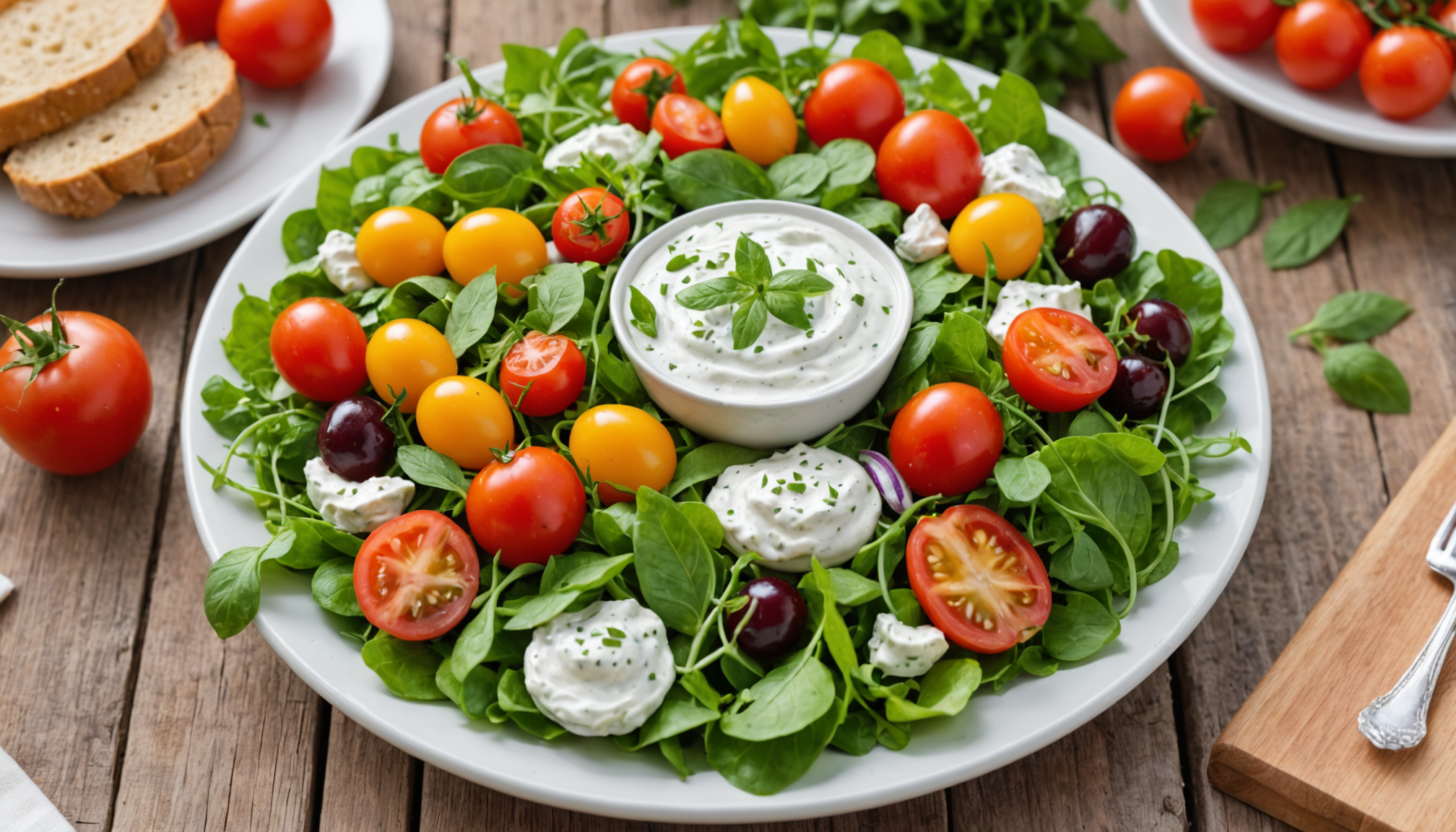
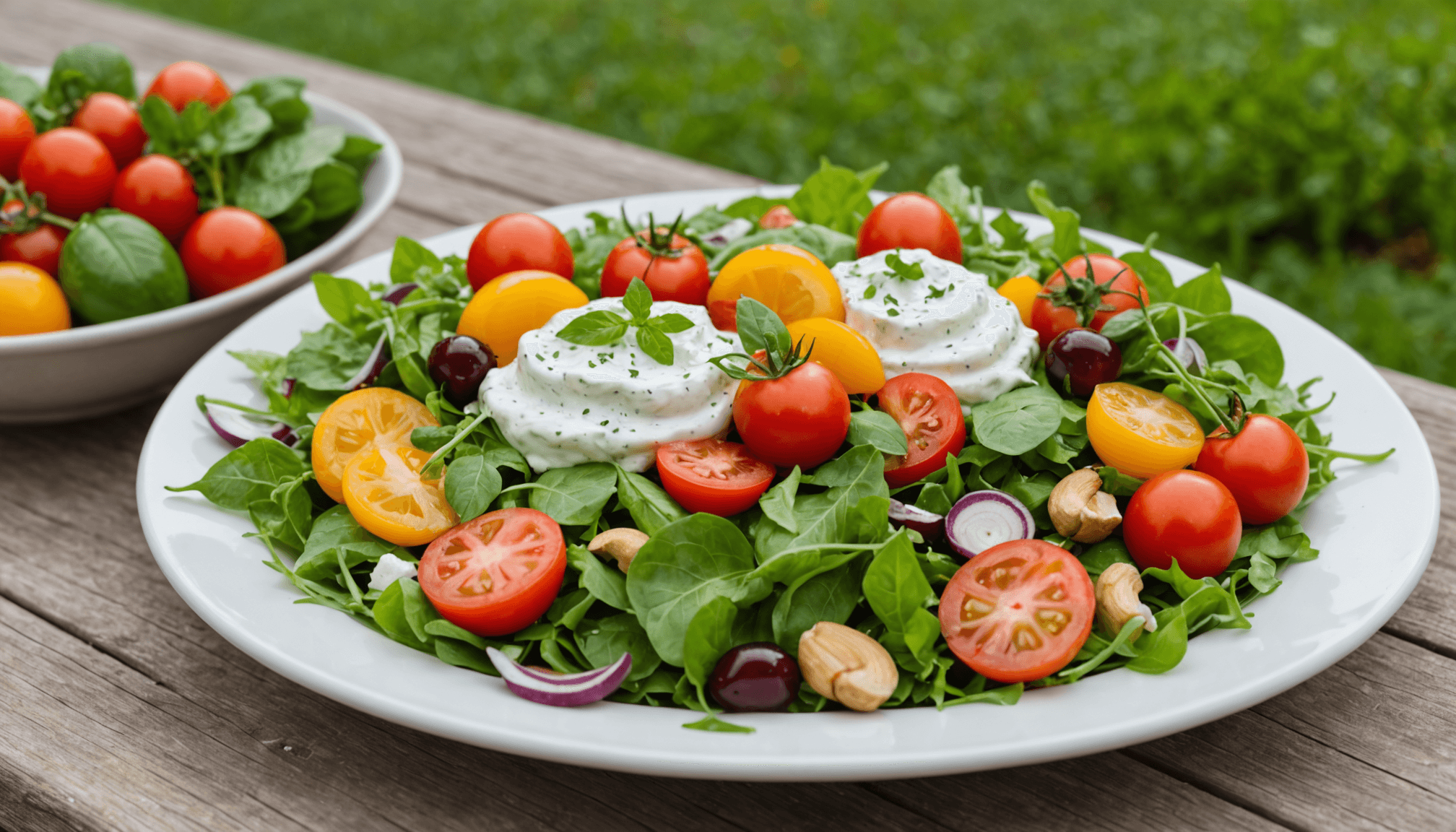
Enhancing your salads with flavorful dressings can transform simple greens into a delightful culinary experience. The right dressing not only elevates the taste but also adds nutritional benefits. Here are some delicious and healthy options to consider when crafting your summer meals.
For a creamy yet dairy-free option, try making a cashew-based ranch dressing. Soak raw cashews in water for a few hours, then blend them with garlic, lemon juice, dill, and a dash of nutritional yeast for a rich, savory flavor. This dressing is not only vegan but also packed with healthy fats, making it a great choice for fitness enthusiasts.
A lemon-tahini dressing is another fantastic and versatile option. Whisk together tahini, fresh lemon juice, garlic, and a touch of water to create a creamy consistency. Add in some maple syrup for a hint of sweetness and you’ll have a perfect dressing that complements both greens and grains. This dressing is not only simple to make but also vegan and loaded with essential minerals.
For those who love a little kick, a spicy avocado dressing can be a game-changer. Blend ripe avocado with fresh lime juice, a splash of water, cilantro, and jalapeño to add a zesty flair to your green salads. Avocados provide a creamy texture and are full of healthy monounsaturated fats, making them perfect for maintaining energy levels throughout the day.
If you’re looking for a light and fresh option, a balsamic vinaigrette can add depth without overwhelming the flavors of your greens. Combine balsamic vinegar, olive oil, Dijon mustard, and a sprinkle of honey for a classic dressing that suits virtually any salad recipe. Use high-quality, organic balsamic vinegar to ensure you are getting the best flavors and minimal additives.
For all of these dressings, it’s essential to use organic ingredients whenever possible to avoid synthetic pesticides and chemicals. Particularly with greens and herbs, opting for organic varieties will enhance both the flavor and quality of your salads.
When shopping online, ensure that you select brands that are transparent about their ingredients. Check for certifications like USDA Organic to guarantee the product’s safety and quality. Additionally, always review customer ratings to assess the reliability of the brands, especially when it comes to new or lesser-known products.
As for in-store shopping, don’t hesitate to explore the aisles for fresh herbs, which can provide your homemade dressings with an amazing burst of flavor. Ingredients like fresh basil, mint, and cilantro can be found at local farmers’ markets or grocery stores, often at better prices than pre-packaged options. Furthermore, opting for local produce not only supports your community but ensures fresher and more flavorful ingredients.
Incorporating these nutritious dressings into your meals can significantly enhance the enjoyment of your salads, providing opportunities to explore fresh combinations and flavors. By sticking to healthy, organic choices, you’re ensuring that your summer meals are as nourishing as they are delicious.
Creative Combinations for Nutrient-Packed Meals
Creative combinations of ingredients can elevate your summer meals to new heights, transforming a simple salad into a culinary adventure. By thoughtfully pairing components, you can create not only vibrant and enticing dishes but also boost their nutritional profiles. Exploring diverse textures and flavors is essential in making your salads not just a side dish, but the star of your meal.
Consider the base of your salad. Starting with hearty greens like kale or baby spinach provides a firm foundation full of vitamins and minerals. To this, add a variety of fresh vegetables for color and crunch. Combining cucumbers, carrots, and bell peppers not only enhances the visual appeal but also introduces a mix of nutrients—from hydration to essential vitamins.
Incorporate fruits to add a touch of sweetness and complexity. Fresh berries such as strawberries or blueberries harmonize beautifully with mixed greens and introduce antioxidants that benefit overall health. For a seasonal twist, peaches or nectarines can provide sweetness and juiciness, especially when grilled lightly to amplify their flavor.
Protein-rich ingredients are another fantastic way to create nutrient-packed meals. Adding roasted chickpeas or grilled chicken can provide a satisfying heartiness. Consider mixing in nuts or seeds like sunflower seeds or slivered almonds for an extra crunch, which will also contribute healthy fats to your dish. These crunchy additions elevate the texture and provide long-lasting energy, making your salads both filling and enjoyable.
Experiment with unexpected flavors by pairing savory and sweet. Try adding crumbled feta or goat cheese to a salad topped with watermelon cubes; the creaminess of the cheese balances the juicy, refreshing fruit perfectly. You might also consider spicy elements, such as slices of jalapeño or a sprinkle of red pepper flakes, to give your salad a kick that contrasts with the sweetness of fruits.
Herbs can play a pivotal role in tying everything together. Fresh basil can enhance a Mediterranean-inspired salad with cucumbers, tomatoes, and olives, while cilantro elevates a Mexican-style grain salad with black beans and corn. These herbs not only amplify flavors but also bring in additional nutrients, providing the perfect finishing touch.
As you explore creative combinations, keep in mind the importance of variety. Rotating your ingredients ensures that you are getting a wide range of nutrients, which is key to a balanced diet. This approach also keeps your meals exciting, allowing for the incorporation of seasonal organic food options that are often fresher and more flavorful.
When it comes to dressing your salads, remember that a simple olive oil and vinegar can enhance these combinations beautifully. Consider a zesty citrus vinaigrette that complements the sweetness of fruits while cutting through the richness of creamy cheeses or fatty proteins.
By harnessing the power of creative combinations, you can transform your summer meals into wholesome, nutrient-packed dishes that are both satisfying and delicious. Each salad becomes an opportunity for exploration, allowing you to discover new flavor profiles while ensuring that you enjoy the myriad health benefits of fresh, organic ingredients.
“Salads are a way of passing all the pleasures of the garden—the sweetness, the aromas, the warmth—into the kitchen.” – Alice Waters
Grilled Additions for a Smoky Flavor
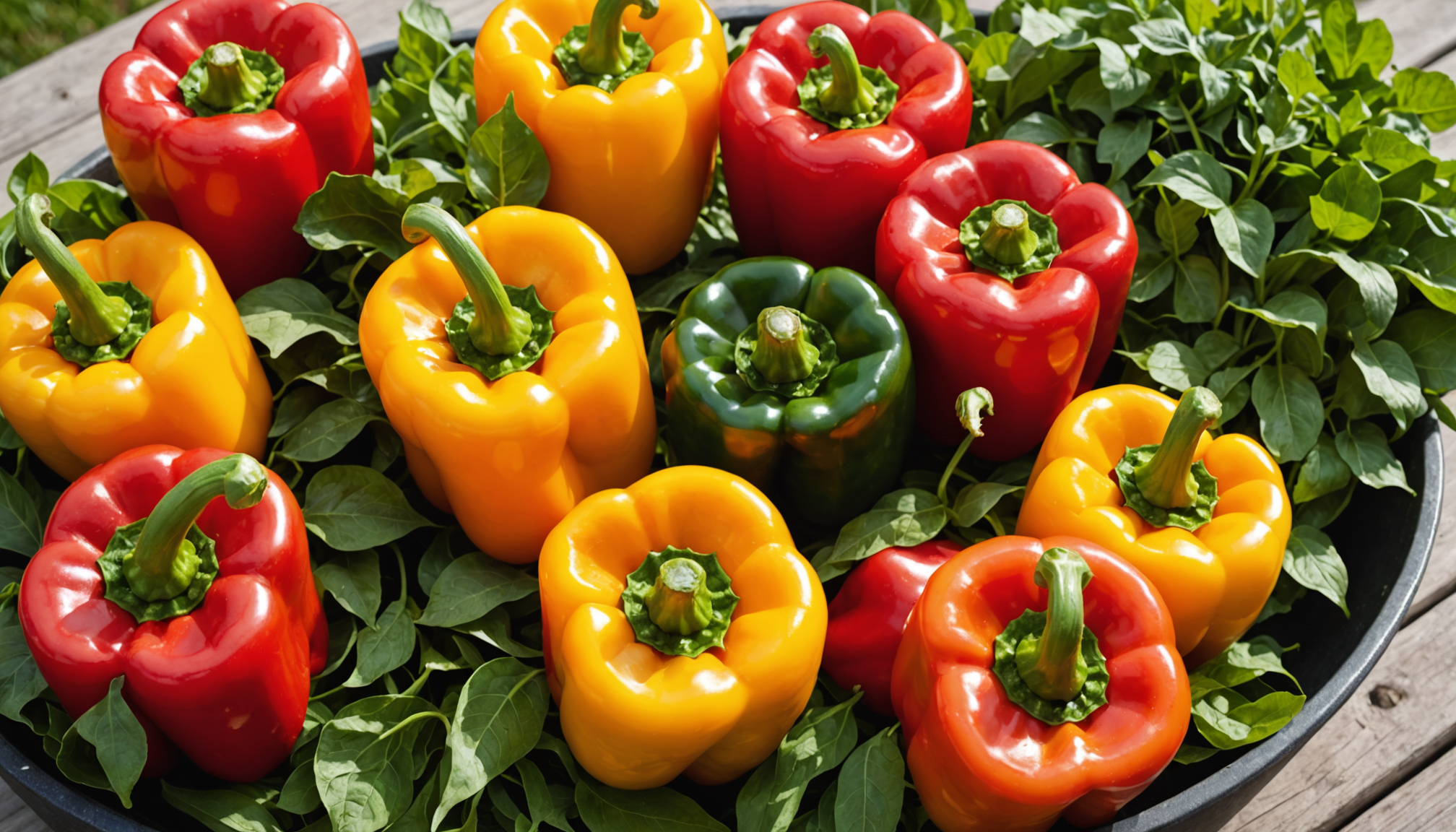 Grilling offers a delightful way to infuse smoky flavors into your salads, enhancing the taste while adding a unique twist. The charred, caramelized notes from grilled ingredients can elevate fresh greens, transforming your ordinary salad into a gourmet experience. Embracing the grilling trend is especially appealing during the warmer months when gathering outside for meals becomes the norm.
Start by considering vegetables that grill well. Peppers, zucchini, asparagus, and corn are wonderful selections for a smoky addition to your summer meals. When grilled, these vegetables develop a depth of flavor that complements the bright and crisp greens in your salad. For instance, sliced bell peppers caramelize beautifully over the grill, while zucchini can be cut into ribbons to add a tender texture that absorbs smoky notes.
Corn on the cob, when grilled to perfection, offers juicy, sweet kernels that can be sliced off and tossed into your salads. The sweetness contrasts brilliantly with savory elements and provides a burst of hydration and crunch, perfect for summertime. Additionally, grilled onions can add a sweet and slightly tangy flavor to your dish and are easily made by slicing into thin rings and placing them on the grill until they are tender and browned.
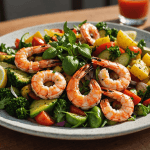
For protein-rich options, consider grilling chicken breast or shrimp. Marinate your proteins in a blend of organic seasonings or a light dressing before placing them on the grill. This not only enhances their flavor but also keeps them moist and delicious. Grilled chicken can be diced into salads, while grilled shrimp can be left whole, adding visual appeal and making for a filling meal.
Don’t overlook fruits, either! Grilling fruits like peaches, pineapple, or watermelon can add incredible sweetness and a unique twist. Cut them into thick slices, grill until they have nice char marks, and toss them into your salads to create a contrast with the crunchy veggies. The heat brings out their natural sugars, making them a fantastic complement to other salad ingredients.
When preparing grilled additions for your salads, remember to experiment with spices and marinades to create layers of flavor. Simple blends of olive oil, garlic, and herbs can be effective, or you can create bold marinades using balsamic vinegar or even citrus juices for a bright impact. These flavors not only enhance your ingredients but also contribute to the overall harmony of your summer salads.
As you embark on this grilling journey, consider the joy of gathering with friends and family, sharing recipe ideas, and experimenting with various combinations. Grilling not only promotes healthier cooking methods but also encourages creativity in the kitchen when it comes to summer meals. By incorporating grilled additions, you not only enhance the taste and texture of your salads but also create meals that invite conversation and connection.
- What ingredients are best for grilling to add to salads?
- Vegetables like bell peppers, zucchini, asparagus, and corn are excellent for grilling. Fruits like peaches and pineapple also add unique flavors and sweetness when grilled.
- How do I prevent my proteins from sticking to the grill?
- To prevent sticking, preheat your grill and oil the grates lightly before placing your proteins on. Additionally, using marinades can create a barrier that helps keep moisture in and prevents sticking.
- Can I grill salad greens?
- While it’s not common to grill leafy greens like lettuce, heartier greens such as romaine can be cut in half and lightly grilled for a smoky flavor. This method is becoming increasingly popular in culinary creations.
- Is it safe to eat grilled vegetables that are charred?
- Light charring adds flavor; however, it’s important to avoid excessive charring, as it may produce harmful compounds. Grill your vegetables until they are tender but still vibrant in color.
- What marinades work well for grilled proteins in salads?
- A marinade made of olive oil, garlic, citrus juice, and herbs enhances the flavor of chicken or shrimp beautifully. You can also try balsamic vinegar or honey and mustard combinations for added complexity.
- How can I store leftover grilled items for my salads?
- Allow grilled items to cool, then store them in an airtight container in the refrigerator. They can be kept for up to 3-4 days, perfect for quick summer salads.
- Is grilling a healthy cooking method for summer meals?
- Yes, grilling is a healthy cooking method as it requires little to no added fats and helps retain the natural flavors of the ingredients. It can also reduce fat content in meats, making it a great choice for health-conscious meals.
Quick and Easy Recipes for Busy Weeknights
For busy weeknights when time is of the essence, having quick and easy salad recipes in your repertoire can be a game-changer. Grocery shopping plays a critical role in ensuring you have all the necessary ingredients on hand to whip up delicious, nutritious meals for your family, fitness enthusiasts, or even yourself, without the fuss.
Start by stocking your pantry with essentials that can easily elevate your salads. Items like canned beans (chickpeas, black beans, or kidney beans), whole grains (quinoa, farro, or brown rice), and a variety of dressings can serve as a base for your salads, saving you time on preparation. Look for organic options when shopping to avoid additives and pesticides. These pantry staples can be paired with fresh ingredients for vibrant summer meals.
Next, plan your grocery trips around seasonal produce. Visit your local farmers’ market or select organic fruits and vegetables at the supermarket. Choose items like cherry tomatoes, cucumbers, and leafy greens that require minimal preparation and are full of flavor. For a quick side dish, simply chop these fresh ingredients and toss them with a simple dressing of olive oil, lemon juice, and your favorite herbs for an instant salad.
- Opt for pre-washed salad greens: This saves significant time and can be a great base for larger salads. Look for mixed greens, spinach, or kale.
- Invest in frozen vegetables: These can be a lifesaver for a last-minute addition to salads, as they can be quickly thawed without losing their nutritional value.
- Customize with proteins: Pre-cooked or rotisserie chicken, canned tuna, or even grilled tofu can be added to your salads for a complete meal without lengthy cooking times.
Another way to elevate your summer meals is to incorporate interesting toppings. Nuts, seeds, and fruits (like sliced strawberries or apples) add texture and nutrients. Purchase these in bulk where possible to save money, and make sure to check for organic options that maximize the health benefits of your meals.
When shopping online, prioritize using reputable grocery delivery services that specialize in organic food. Be cautious of product descriptions and reviews, and always check expiration dates on perishables. Additionally, look for special deals or bulk options online, which can be cost-effective and save you a trip to the store.
Remember to keep your kitchen stocked with versatile dressing ingredients such as olive oil, vinegars (balsamic, apple cider), and seasonings like garlic powder or herbs de Provence. These can be quickly whipped into dressings that flavor your salads beautifully, allowing you to enjoy fresh, exciting meals throughout the week.
By streamlining your grocery shopping and having the right ingredients on hand, you can easily create quick and easy salads that cater to your family’s needs while keeping your meals exciting and nutritious this summer. Take advantage of the variety of organic food available, and let your creativity shine through during those busy weeknights.
Tips for Growing Your Own Salad Ingredients
Growing your own salad ingredients can be a rewarding and healthful way to enhance your summer meals. Not only do homegrown vegetables taste better, but they also ensure you have fresh, organic food at your fingertips right in your backyard or on your balcony. Here are some practical tips to get started on this fun and fulfilling gardening adventure.
First, consider the space you have available for planting. If you have a backyard, that’s ideal, but don’t worry if you only have a small patio or balcony. Many salad greens can be successfully grown in containers, making gardening accessible for everyone. Look for pots that have adequate drainage and ensure you use quality potting soil enriched with organic matter.
When selecting seeds or seedlings, focus on leafy greens that thrive in the summer months. Varieties like romaine lettuce, spinach, arugula, and Swiss chard are all excellent choices as they grow quickly and can provide constant harvests throughout the season. You can plant these greens directly in the ground or in containers, and they often do well with a bit of sunlight and regular watering.
Don’t forget about herbs, either! Fresh herbs such as basil, cilantro, and parsley can elevate your salad recipes with flavor and nutrition. Start with small pots of herbs that can be placed on your kitchen windowsill for easy access when you prepare your meals. Herbs prefer warmer temperatures and will thrive under the right sun exposure.
Keep in mind the importance of crop rotation and companion planting. This means you should avoid planting the same type of vegetable in the same spot year after year to prevent soil depletion and increase nutrient absorption. Additionally, consider planting companion plants, like marigolds, which can naturally deter pests that might otherwise attack your greens.
Regular maintenance is key to a successful garden. Water the plants in the early morning or late afternoon to minimize evaporation and encourage robust growth. As you begin to notice greens ready for harvest, cut a few leaves at a time rather than pulling the entire plant, which promotes sustainability and continued growth.
If you find yourself short on time, consider using a gardening service or subscribing to a local organic farm’s community-supported agriculture (CSA) program. These programs will deliver fresh, organic produce, ensuring you still have a variety of salad ingredients while minimizing the labor of gardening.
Lastly, online resources and gardening forums can provide valuable tips and support as you venture into growing your own food. Joining local gardening communities, either online or in person, can open up opportunities for sharing seeds, ideas, and even produce, fostering a spirit of cooperation and sustainability.
Growing your own salad ingredients is not only a way to enjoy fresh flavors and organic food but also an opportunity to connect with nature and appreciate the value of homegrown produce. Enjoy the process, get your hands dirty, and watch as your garden flourishes, bringing endless salad possibilities to your summer meals!
New Customers Offer!
Free Gift for the new customer
$24 Value, When You Subscrib Visit Thrive Market