- Affordable Organic Dinner Ideas
- Budget-Friendly Organic Ingredients
- Meal Planning for Families
- Quick and Easy Organic Recipes
- Tips for Shopping Organic on a Budget
- Involving Kids in Meal Preparation
When it comes to grocery shopping for affordable organic dinners, being strategic can make all the difference. Start by checking your local farmers’ markets for fresh, in-season produce. Not only can you find affordable food there, but you’ll also support local farmers and reduce your carbon footprint. Produce that’s in season is often less expensive and tastes better, so keep an eye on what’s freshly harvested in your area.
Next, consider joining a community-supported agriculture (CSA) program. CSAs allow you to buy a share of a farm’s produce, which can lead to significant savings while ensuring you have access to organic fruits and vegetables. Plus, it’s a fun way to introduce variety into your family meals!
When shopping, whether in-store or online, always prioritize the organic recipes that utilize pantry staples. Consider bulk items such as rice, quinoa, or dried beans; these are versatile, healthy, and can form the base of many meals. When buying canned goods, make sure to select products that are labeled as organic and check the sodium content to avoid excessive salt.
Applying the “First In, First Out” (FIFO) method can help keep your pantry organized and save money. Place newer items behind older ones to ensure you use up what you already have. This reduces food waste and encourages you to be creative in using up ingredients before they spoil.
When it comes to proteins, look for budget-friendly organic options such as eggs, beans, and lentils. These items are not only affordable but also packed with nutrients. Consider meatless meals a couple of times a week to stretch your budget while exploring healthy, plant-based options.
While shopping online, ensure you are purchasing from reputable websites that follow strict safety guidelines for organic certifications. Check for seals such as the USDA Organic label, as this provides assurance about the quality and integrity of the goods you’re buying.
Lastly, always review your grocery list before checking out to avoid impulse purchases that can throw off your budget. Plan multiple family meals based on what’s on sale or in-season, and don’t be shy about experimenting! Having fun with your family’s dinners can lead to discovering new favorites that everyone looks forward to! Remember, grocery shopping doesn’t have to break the bank; with a bit of planning and creativity, you can enjoy delicious, healthy, affordable food.
Budget-Friendly Organic Ingredients
When selecting organic ingredients on a budget, it’s essential to know which items offer the best value while still providing the health benefits that organic produce is known for. Many organic foods can fit into a family budget if you focus on a few cost-effective categories. Fresh fruits and vegetables typically have the highest price fluctuations, so choosing seasonal options allows families to save significantly. Here are some affordable choices:
| Category | Organic Options | Typical Price Range | Notes |
|---|---|---|---|
| Fruits | Apples, Bananas, Oranges, Berries (when in season) | $1 – $4 per pound | Buy in bulk or when on sale. Frozen options can also be economical. |
| Vegetables | Carrots, Broccoli, Spinach, Kale | $1 – $3 per pound | Opt for larger bunches which can be more economical than smaller packaging. |
| Grains | Brown Rice, Quinoa, Oats | $2 – $5 per pound | Consider buying in bulk to reduce costs. |
| Proteins | Legumes (Lentils, Chickpeas), Eggs | $1.50 – $4 per pound | Plant-based proteins are usually cheaper than meat options. |
| Dairy | Milk, Yogurt, Cheese (look for sales) | $3 – $6 per item | Check for store brands which often offer lower prices. |
Organic dry goods like beans and lentils are not only affordable but also versatile, making them ideal for family meals. Can be cooked in large batches and used throughout the week in various recipes, saving both time and money. Additionally, when shopping for oils, buy organic olive oil or coconut oil in larger containers, as they tend to be more economical in the long run.
When it comes to snacks, opt for organic popcorn, nuts, and dried fruit. These items, while more expensive than conventional snacks, offer more nutrition and can be bought in larger quantities to help alleviate costs. Buying these snacks in bulk can lead to significant savings over time, while also promoting healthier eating habits within the family.
Moreover, consider the impact of shopping local on your shopping list. Many local farmers’ markets offer organic products at lower prices than large chain retailers. Establishing a relationship with local producers can also lead to better pricing and fresher produce options.
Choosing organic does not have to mean sacrificing your budget. By focusing on seasonal, local, and bulk options, families can create nutritious meals without overspending. Always remember to plan your meals around what is available at a good price to maximize savings while still enjoying delicious, wonderful organic recipes.
Meal Planning for Families
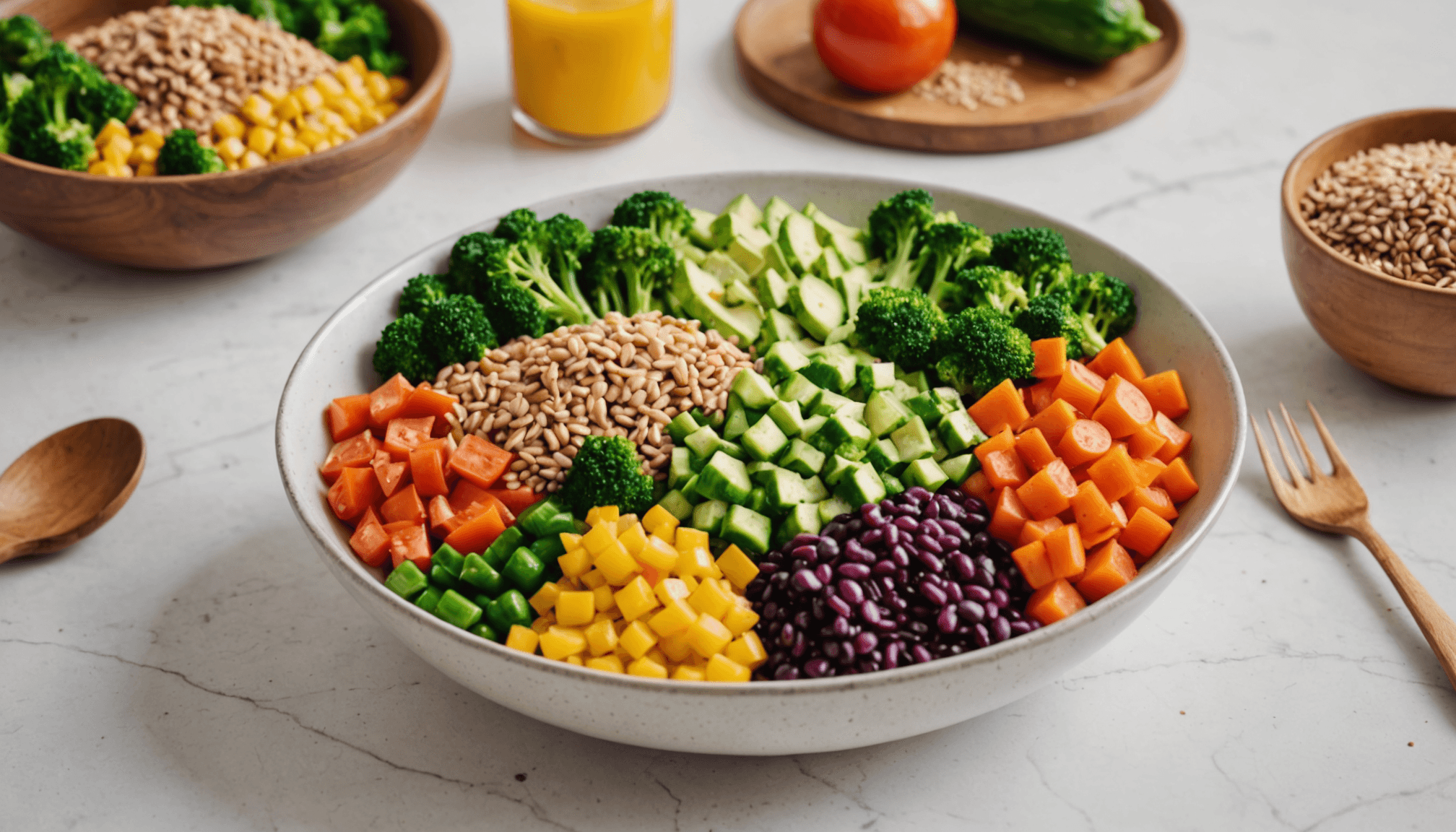
Meal planning is a game changer for families striving to maintain healthy eating habits while keeping costs down. To kick your planning into high gear, start by assessing what you already have in your pantry and fridge. This not only helps minimize waste but also allows you to brainstorm recipes based on ingredients you need to use up. Create a weekly menu that features a mix of your family’s favorites and new recipes to keep things exciting.
One effective strategy is to designate a specific day to prep meals for the week. For example, pick a Sunday afternoon to chop vegetables, marinate proteins, or cook grains in bulk. Store them in clear containers in the refrigerator, making it easy to whip together meals during the week, even on the busiest nights.
Integrate theme nights into your weekly plan to streamline choices and generate enthusiasm. For instance, consider “Meatless Monday,” “Taco Tuesday,” or “Family Pasta Night.” Not only does this simplify decision-making for dinner but it also creates a sense of routine that children can look forward to. Engaging your kids in the planning process can empower them and pique their interest in trying different foods.
When drafting your meal plan, make sure to include a variety of food groups for complete nutrition. Aim for protein sources (like legumes, tofu, or chicken), whole grains (such as brown rice or quinoa), and plenty of vegetables. To maximize your budget, rely on in-season produce, and take advantage of sales and discounts. Planning meals around what’s on sale allows for savings while ensuring your family enjoys a wide range of nutritious foods.
Furthermore, integrating leftovers into your plan can stretch your dollar further. For instance, roasted vegetables from dinner can be repurposed into a hearty soup or salad for lunch the next day. This not only provides value but also contributes to less food waste, which is beneficial for both your wallet and the environment.
Don’t forget to leverage seasonal and local options when shopping. Visit farmers’ markets or local co-ops to find organic produce at reduced prices. Developing a relationship with local farmers might also yield further discounts and fresher options that are hard to find in supermarkets.
Online grocery shopping offers an excellent way to save both time and money. Create a comprehensive shopping list based on your meal plan and stick to it to avoid enticing impulse buys. Many grocery websites allow you to sort items by category, helping you quickly find what you need without wandering through the aisles. Also, consider subscribing to grocery delivery services that specialize in organic products—these platforms often provide discounts for first-time customers or regular users.
As you plan, maintain awareness of your budget by keeping track of what items you spend the most on and adjust your shopping habits accordingly. If organic options seem consistently high-priced in your area, consider buying dried beans instead of canned ones; they are often cheaper and last much longer in your pantry. For fitness-focused families, stock up on nutrient-dense snacks such as nuts or protein bars to keep energy levels up between meals.
By implementing these steps into your meal planning routine, you can not only save money but also enhance your family’s overall eating experience. Planning meals together brings the whole family into the loop, creating shared responsibility and ensuring that everyone has a say in what’s served at the dinner table. With creativity and smart shopping strategies, you can serve affordable, delicious, and nutritious organic meals that the entire family will appreciate.
Quick and Easy Organic Recipes
Quick and easy organic recipes are essential for families looking to maintain a healthy diet without spending excessive time in the kitchen. Creating delicious meals can be simple when you have a few go-to recipes that make the most of wholesome ingredients while fitting into a busy lifestyle. Here are several organic recipes that are not only quick to prepare but also budget-friendly and satisfying for the whole family.
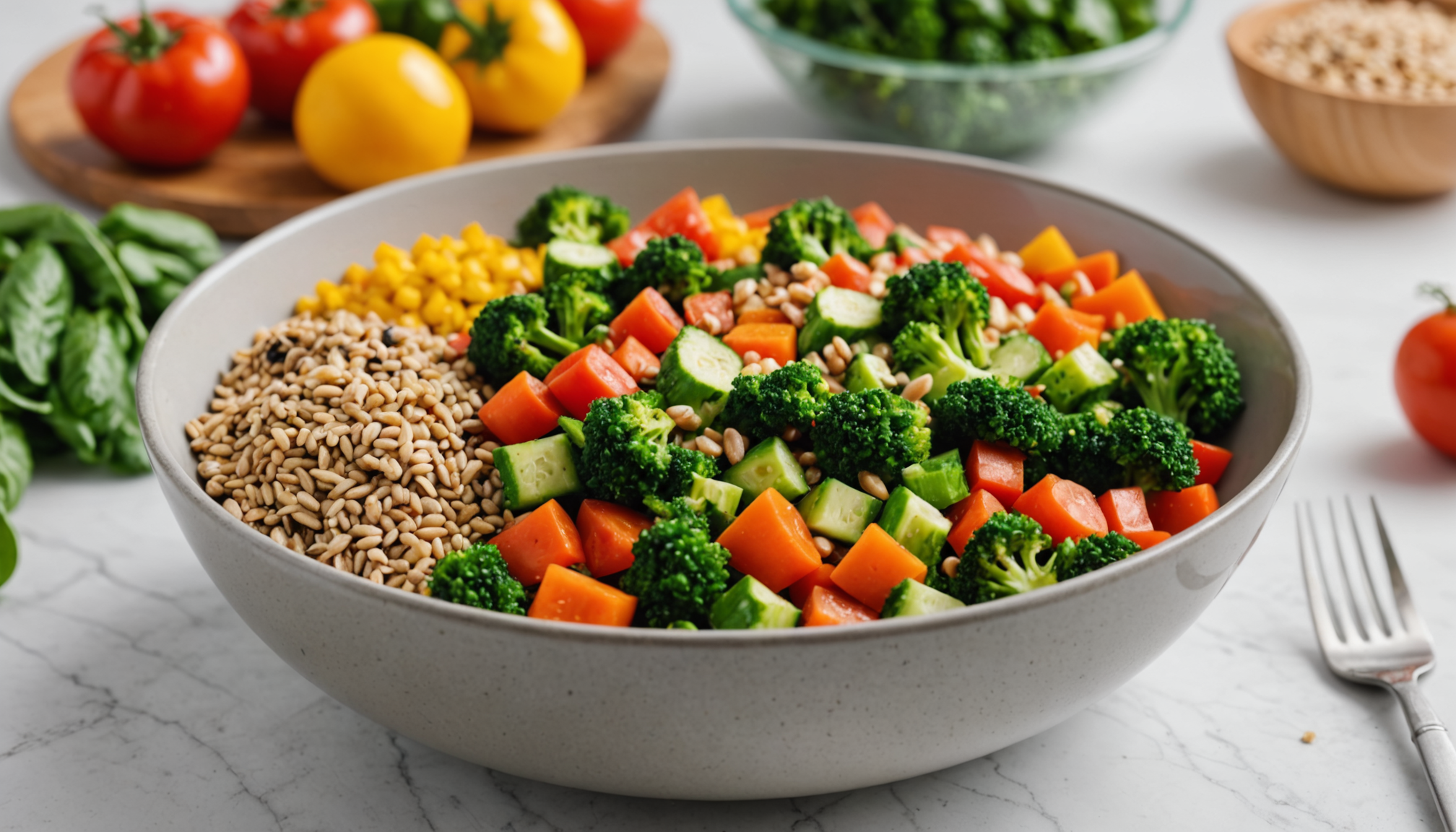
One standout dish is a Vegetable Stir-Fry. Begin by heating a tablespoon of organic olive oil in a large skillet. Add a variety of chopped seasonal vegetables such as bell peppers, broccoli, and snap peas. Stir-fry for about 5-7 minutes until they are tender yet crisp. For added protein, toss in a can of drained chickpeas or some pre-cooked tofu. Season with low-sodium soy sauce and serve over a quick-cooking grain like quinoa or brown rice for a complete meal. This dish can be ready in under 20 minutes, making it perfect for busy weeknights.
Another easy option is One-Pan Roasted Chicken and Vegetables. Simply preheat your oven to 400°F (200°C). In a large roasting pan, combine bone-in, skin-on organic chicken thighs with chopped carrots, sweet potatoes, and onions. Drizzle everything with olive oil, sprinkle with your favorite herbs (like rosemary or thyme), and roast for about 35-40 minutes until the chicken is cooked through and the vegetables are tender. This recipe requires minimal cleanup and packs a hearty punch for family meals.
For a plant-based alternative, consider Lentil Tacos. Cook one cup of organic green or brown lentils with water until tender (about 20-25 minutes). Meanwhile, prepare taco toppings like diced tomatoes, shredded lettuce, and avocado. Once the lentils are cooked, season them with taco seasoning (homemade or store-bought), and serve in organic corn tortillas with all the fixings. This nutritious meal is not only budget-friendly but also a great way to involve children in meal preparation as they can help choose their favorite toppings.
To keep things fresh, a Chickpea Salad can be thrown together in just a few minutes. Combine a can of rinsed organic chickpeas with diced cucumber, tomatoes, red onion, and parsley. Dress it simply with lemon juice, olive oil, salt, and pepper. This salad works as a fantastic side or the main dish, especially during warmer months when families enjoy lighter meals. It’s a great way to incorporate organic ingredients into your diet while being quick and enjoyable.
“The secret of getting ahead is getting started.” – Mark Twain
Lastly, try making Banana Oatmeal Pancakes for a quick breakfast or dinner option. Blend two ripe organic bananas with one cup of rolled oats, a cup of almond milk, and a teaspoon of baking powder until smooth. Cook the pancakes on a griddle until golden on both sides. These pancakes are not only easy and quick to prepare, but they also provide a wholesome start to the day or a sweet ending to a family dinner.
These recipes highlight the ease of cooking with organic ingredients, emphasizing that preparing healthy, affordable food at home can be both fun and fulfilling. By having a repertoire of quick and easy organic recipes, families can enjoy nutritious meals that satisfy everyone’s taste buds while staying within budget.
Tips for Shopping Organic on a Budget
 When it comes to navigating the organic grocery store aisles, being armed with the right strategies can significantly reduce your costs while still ensuring that your family enjoys nutritious meals. One of the first steps is to always plan your shopping trips around sales and discounts. By doing so, you can take advantage of lower prices for organic items. Make it a habit to check your local store’s weekly sales flyer or online offers to see what organic products are available at a bargain.
Next, loyal shopper programs in local grocery stores can yield rewards over time. Sign up for loyalty cards and reward programs that specifically cater to organic products; not only do they often offer exclusive discounts, but they may also provide access to special promotions or coupons that can further lower your grocery bill. Additionally, consider establishing a flexible shopping routine. Shopping mid-week or early in the morning can often lead to fresher selections and less crowded aisles, which makes for a quicker and more efficient shopping experience.
When it comes to bulk purchases, they can greatly influence your overall grocery expenditure. Focus on items that have a long shelf life, such as grains, beans, and canned goods. Not only do these products generally come cheaper in larger quantities, but they also allow you to prepare various family meals throughout the week without repeatedly needing to visit the store. By planning meals around these bulk items, you can effectively stretch your organic food budget.
Utilizing apps and websites designed to compare prices across local stores can also lead to substantial savings. Many of these platforms instantly showcase deals, promotions, and discounts tailored specifically to organic foods. This allows you to make informed decisions on where to shop and ensures that your family gets the best possible value without compromising on quality.
Finally, don’t overlook the idea of experimenting with freezer-friendly meals. Preparing larger batches of organic recipes and freezing portions for later use not only saves you time during busy weeks but also decreases the likelihood of resorting to higher-priced convenience foods when life gets hectic. Keeping a well-stocked freezer of wholesome meals can be a game-changer for families wishing to eat healthily while operating on a budget.
- Are organic foods worth the extra cost?
- Organic foods often have higher nutritional values and lower pesticide residues. Many families find that the health benefits, alongside a commitment to sustainable farming practices, make organic foods worth the investment.
- How can I identify which organic products to buy?
- Focus on the “Dirty Dozen,” which is a list of fruits and vegetables that typically carry higher pesticide residues. Prioritizing organic versions of these items maximizes your health benefits while reducing exposure to harmful chemicals.
- Can I find affordable organic options in non-specialty stores?
- Yes, many mainstream grocery chains now offer organic foods at competitive prices. Be sure to check the store’s private label options, which often feature organic products at lower prices.
- Are frozen organic foods as nutritious as fresh?
- Frozen organic fruits and vegetables are often picked and frozen at peak ripeness, retaining their nutrients. In many cases, they can be as nutritious as fresh options, making them a great budget-friendly choice.
- How often should I visit the grocery store to save the most money on organic foods?
- Visiting once a week is often ideal for fresh produce. However, consider making quick stops for bulk items or sales at various stores to maximize savings and ensure you have everything you need.
- Is it possible to grow my own organic produce?
- Yes! Growing your own organic vegetables and herbs can be incredibly rewarding and cost-effective. Even small spaces can yield successful results with container gardening, making it accessible for many families.
- What are the best meal prep tips for families wanting to eat organic?
- Create a well-planned menu that incorporates in-season organic produce. This includes prepping in bulk to save time, strategically utilizing leftovers, and involving the entire family in the planning and cooking process to promote healthy eating habits.
Involving Kids in Meal Preparation
Involving kids in meal preparation not only makes cooking a family affair but also equips them with essential culinary skills and a sense of responsibility towards their food choices. By allowing your children to participate, you foster a positive attitude towards healthy eating while creating lasting memories together.
Start by giving your kids age-appropriate tasks. Younger children can wash vegetables, stir ingredients, or set the table, while older kids can help with chopping, measuring, and even following simple recipes. This gradual introduction to kitchen skills can build their confidence and inspire them to try new foods. To keep the experience fun and engaging, consider hosting “family cooking nights” where everyone pitches in to create a dish together. This not only enhances teamwork but also encourages creativity.
Another fantastic way to involve kids is by letting them choose a recipe from a healthy cookbook or an online resource. You might dedicate one night each week where they take the lead by selecting and preparing a meal. This could be an opportunity to explore different types of organic recipes or even experiment with vegan dishes, perhaps by challenging them to create a nutritious plant-based dinner. Not only does this increase their engagement in the cooking process, but it provides a platform for discussing the benefits of healthy eating.
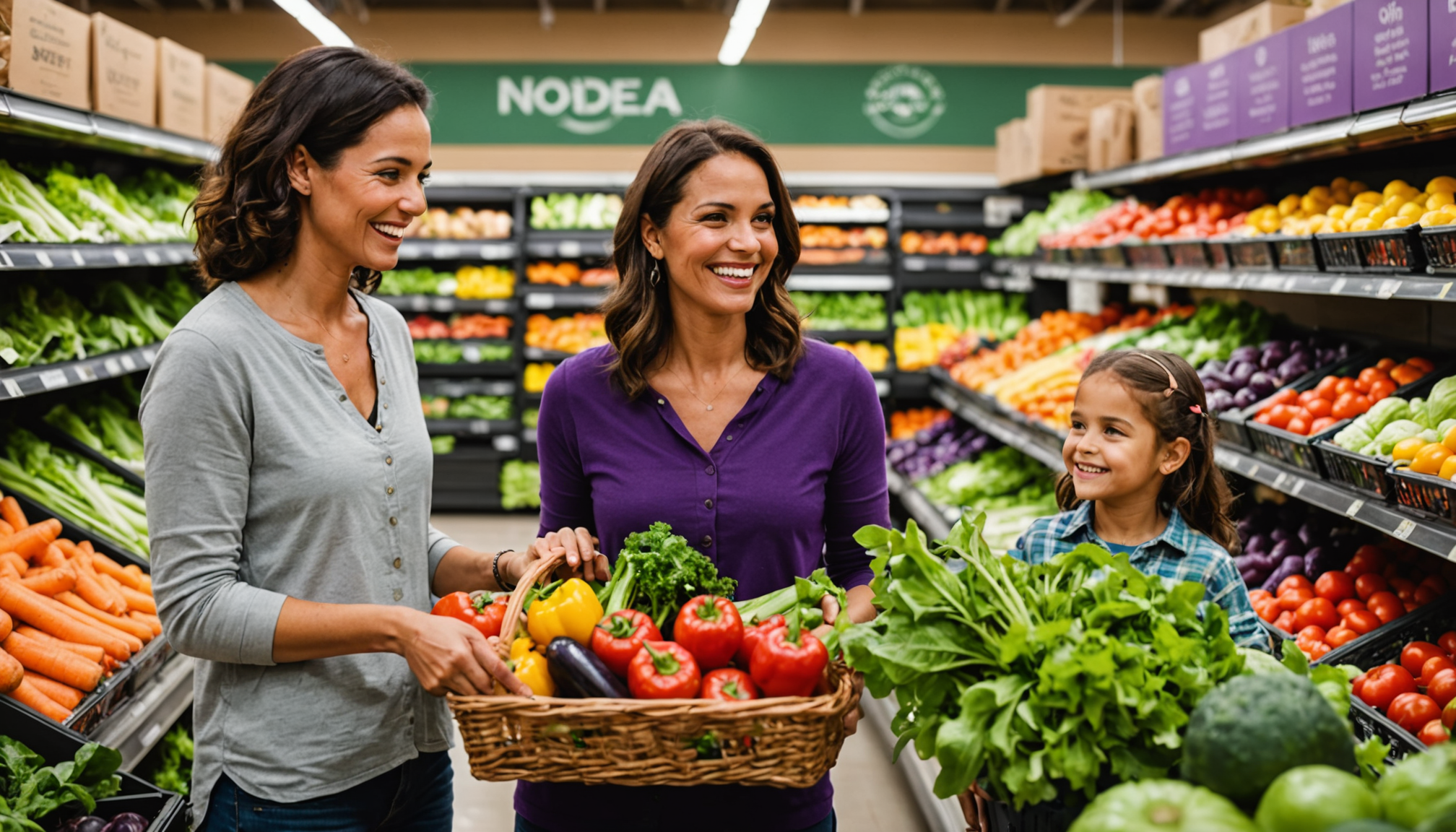
When grocery shopping, bring kids along and turn it into an educational outing. Allow them to pick out fresh fruits and vegetables, emphasizing seasonal and local options. They can learn about different foods and their health benefits firsthand. Creating a scavenger hunt list of ingredients can make the shopping trip stimulating; for instance, “Find three different colors of bell peppers” can turn a mundane chore into an exciting game. This encourages recognition of colorful, nutrient-rich foods and the understanding that eating a variety of food groups is vital for a healthy lifestyle.
Moreover, teaching kids about food safety at a young age is crucial. Discuss proper handwashing techniques before cooking and explain why it’s essential to wash fruits and vegetables. If you’re pre-packing lunches or bringing items home, involve them in checking expiration dates and proper storage methods to avoid potential food waste. This education is instrumental for fostering lifelong habits that prioritize health and safety.
Lastly, one of the best incentives to get kids excited about cooking is to let them taste-test their creations. Encourage them to add their own flair—maybe a special spice or garnish. A fun family meal can turn into a “Great Family Cook-Off” where everyone gets to sample and vote for their favorites. This adds an element of friendly competition, motivating them to take pride in their dishes while maintaining a focus on nutritious ingredients.
Incorporating kids into meal preparation helps them develop important life skills and an appreciation for affordable food. This involvement can positively impact their dietary choices and encourage a passion for cooking that may continue into adulthood. The result? A family that not only enjoys healthy, delicious meals together but also bonds over the shared experience of creating them.
New Customers Offer!
Free Gift for the new customer
$24 Value, When You Subscrib Visit Thrive Market