- Healthy Dinner Ideas
- Essential Ingredients for Organic Cooking
- Time-Saving Cooking Techniques
- Nutrient-Packed Side Dishes
- Delicious Dessert Options
- Storage and Meal Prep Tips
Grocery shopping is not just about filling your cart; it’s an opportunity to nourish your body and your family’s health while saving time and money. When browsing the aisles or scrolling through online stores, keep an eye out for fresh, seasonal produce, which is often available at local farmers’ markets. Not only does this support your community, but it also ensures that you are selecting organic food varieties that have been freshly harvested. Look for vibrant veggies like kale, bell peppers, and zucchini, which can star in a multitude of easy recipes.
When aiming for a budget-friendly shopping experience, focus on buying staple ingredients in bulk. Staples such as quinoa, brown rice, lentils, and chickpeas not only keep your pantry stocked but also serve as excellent bases for countless healthy cooking options. Dried beans are often cheaper than canned versions, plus they can be prepared in large batches for future meals.
For individuals following a vegan lifestyle, consider incorporating protein-rich plant foods such as tempeh and tofu into your grocery list. These ingredients can easily transform a simple stir-fry or salad into a filling dinner that your family will adore. Don’t forget to explore the frozen section where you can find frozen fruit and veggies that are just as nutritious and can be added to smoothies or cooked meals, extending the lifespan of your groceries while providing essential nutrients.
For safety, always check the integrity of the packaging when shopping. Look for any signs of damage or spoilage, particularly with organic foods that may have less preservatives. If you’re shopping online, ensure that you buy from trusted retailers that offer cold-chain delivery for perishables, preventing spoilage during transit. This includes options for organic produce, meats, and dairy alternatives. Compare prices and select items that are on sale or have promotions to make the most of your budget.
Lastly, always carry reusable bags when shopping. Not only is this an environmentally friendly choice, but many stores offer discounts for bringing your own bags. Cultivating simple habits like these during your grocery outings helps create a more sustainable shopping experience while benefiting your health and wellness through healthy cooking.
Essential Ingredients for Organic Cooking
To engage in organic cooking effectively, selecting high-quality ingredients is essential. Organic foods are cultivated without synthetic pesticides or fertilizers, ensuring that they are free from harmful chemicals that could impact health. Below is a detailed overview of essential ingredients that should be staples in an organic kitchen, each contributing unique flavors, textures, and nutritional benefits to your meals.
| Ingredient | Nutritional Highlight | Uses |
|---|---|---|
| Quinoa | Complete protein source | Salads, bowls, or as a side dish |
| Chickpeas | High in fiber and protein | Hummus, soups, or roasting |
| Kale | Rich in vitamins A, C, and K | Salads, smoothies, or sautéed |
| Tomatoes | High in lycopene | Soups, sauces, or fresh salads |
| Avocado | Healthy fats and potassium | Spread, salads, or as a topping |
| Almonds | High in healthy fats and vitamin E | Snacking or as a salad topping |
| Spinach | Rich in iron and antioxidants | Salads, smoothies, or as a cooked side |
Quinoa is a versatile grain that not only serves as a fantastic base for easy recipes but also packs a complete protein punch. It can easily substitute for rice or pasta in many dishes, allowing you to create hearty meals that are nutritious and satisfying.
Chickpeas provide substantial fiber and protein, making them an ideal choice for plant-based meals. They can be blended into creamy hummus, tossed into salads, or roasted for a crunchy snack, enhancing both flavor and texture.
Kale and spinach are nutrient-dense leafy greens that can be used interchangeably in recipes. Their robust flavors lend themselves beautifully to salads or can be blended into smoothies, ensuring you start your meals with a nutrient boost.
Tomatoes bring a burst of flavor and contain lycopene, an antioxidant that supports heart health. They can be used fresh in salads, cooked down for sauces, or blended into soups for a comforting dish. Pairing tomatoes with a drizzle of olive oil can enhance their nutritional absorption.
Avocado is revered for its healthy fats and creamy texture, making it a favorite for spreads and salads. Adding avocado can elevate the taste and nutritional profile of any dish, serving as a perfect complement to grains and proteins.
Lastly, almonds add a delightful crunch and are packed with vitamin E. They can be enjoyed as a snack or incorporated into meals to provide a satisfying texture and nutritional boost.
Having these organic ingredients on hand empowers you to create a plethora of easy recipes that cater to various dietary preferences. The commitment to using organic food not only enhances the flavor of your dishes but also supports sustainable agricultural practices, contributing to a healthier lifestyle for you and the planet. As you incorporate these essentials into your cooking routine, you’ll find that healthy cooking becomes both enjoyable and fulfilling.
Time-Saving Cooking Techniques
Grocery shopping can become a fun and fulfilling experience rather than a chore, especially when you’re armed with practical tips and tricks to make the most out of your time and budget. To maximize efficiency during your grocery runs, consider preparing a shopping list based on your meal plan for the week. This approach not only helps you stay focused but also ensures you’re purchasing only what you need, curbing impulse buys that can disrupt your budget.
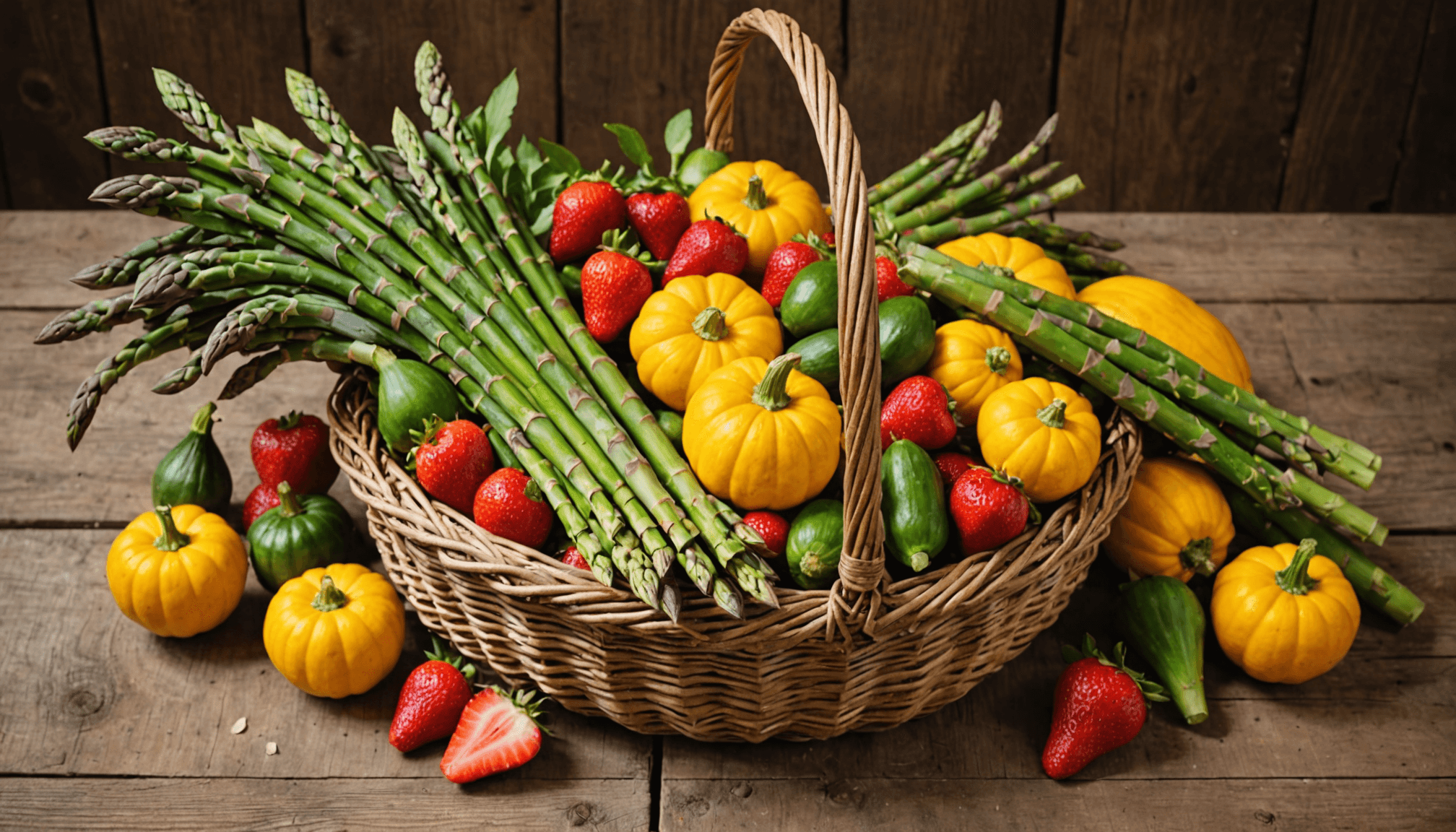
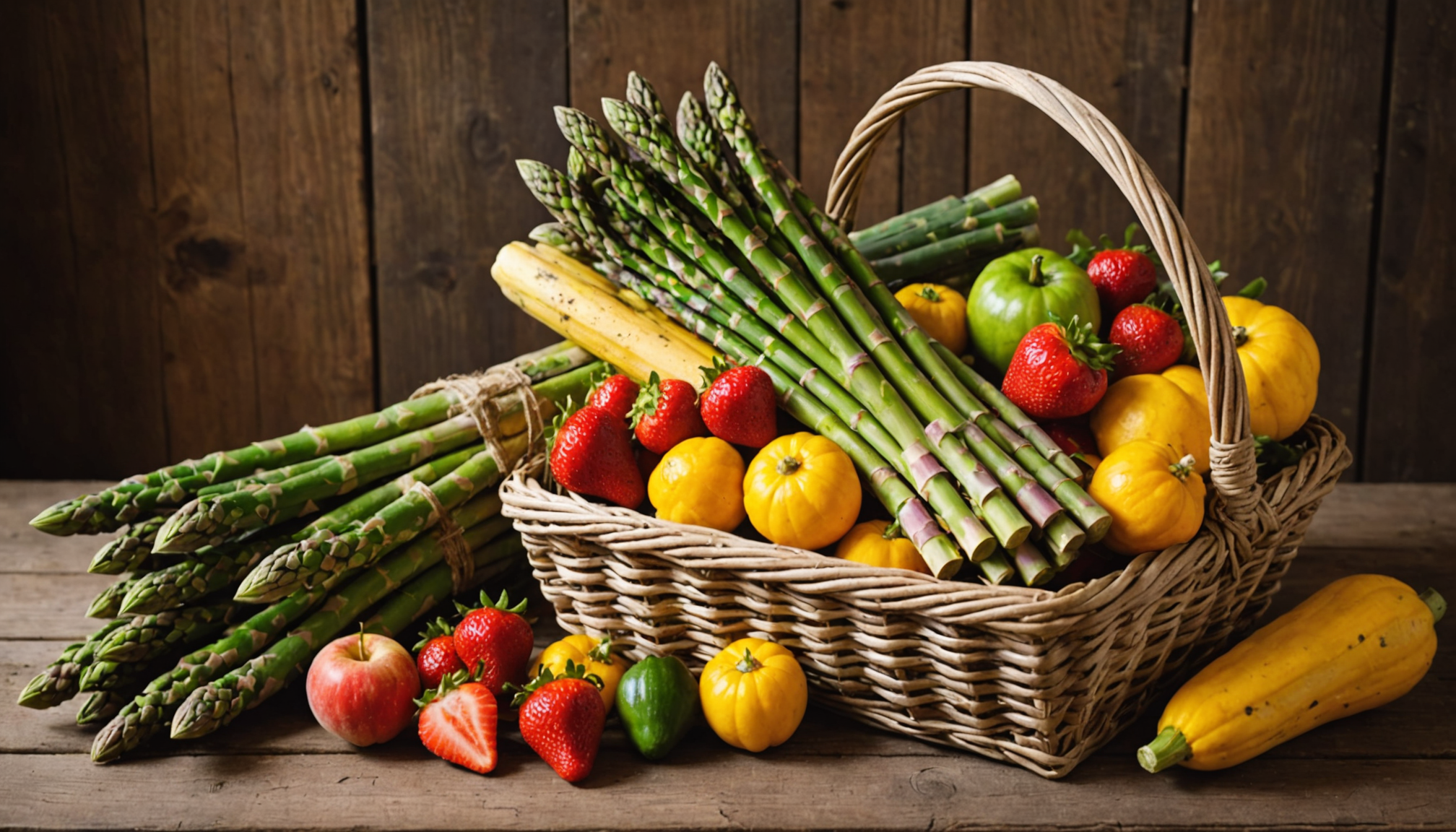
When you’re shopping for healthy foods, prioritize items that are in season. Seasonal produce is typically fresher, tastier, and more affordable, making meals both delicious and budget-friendly. For example, spring brings vibrant asparagus and strawberries, while fall offers a bounty of squash and apples. These ingredients often shine in easy recipes where their natural flavors can take center stage. Plus, purchasing local foods from farmers’ markets can foster community and support sustainable agriculture.
- Choose Whole Foods: Focus on whole foods such as fruits, vegetables, whole grains, and legumes to ensure your meals are packed with nutrients. These items are often more affordable compared to processed foods, which can be laden with unhealthy additives.
- Plan Ahead: If you’re following a vegan lifestyle or specific dietary needs, make sure to research and plan your meals around essential ingredients. This preparation will allow you to buy in bulk effectively, especially for ingredients like beans, lentils, and grains, which are staples in plant-based diets.
- Explore Online Options: For convenience, online grocery shopping can save you substantial time. Make sure to select reputable retailers and check options for organic food that provides clear labeling regarding ingredient sourcing and certifications. Look for deals and discounts that online platforms often provide.
- Prioritize Food Safety: No matter where you shop, always check expiration dates and comply with proper storage recommendations. When buying perishables, ensure they are properly refrigerated or frozen. If shopping online, ensure your perishable items are sent with expedited shipping and consider retailers that offer guarantees on freshness.
- Be Environmentally Conscious: Utilize reusable bags and containers to minimize plastic use, which many stores encourage with discounts. Embracing sustainability in your shopping habits aligns perfectly with the ethos of organic produce and mindful eating.
For fitness enthusiasts or anyone focused on maintaining a healthy lifestyle, consider packing high-energy snacks such as nuts, seeds, and dried fruits in your shopping cart. These items make great additions to meals or quick snacks on-the-go. Remember, having nutritious options readily available prevents the temptation of processed snacks when hunger strikes.
Lastly, always engage with your grocery staff. They can often provide insights into where to find the freshest produce or upcoming sales. Building rapport can lead to discovering exclusive promotions or unique local products, enriching your shopping experience.
Nutrient-Packed Side Dishes
Nutrient-dense side dishes play a significant role in creating balanced meals that not only provide essential vitamins and minerals but also enhance the overall flavor and appeal of your dinner. An integrated approach to these sides can elevate your main course while ensuring you’re maximizing nutritional benefits.
Roasted vegetables are a prime example of a nutrient-packed side that can be easily prepared. By tossing seasonal veggies such as carrots, Brussels sprouts, and sweet potatoes in olive oil, herbs, and spices, you not only highlight their natural sweetness but also make them irresistibly delicious. Roasting at high temperatures caramelizes the sugars and softens the texture, making them a delightful accompaniment to any protein source.
Another excellent option is a hearty grain salad loaded with ingredients like quinoa, farro, or barley. These grains serve as a fantastic base and can be mixed with a colorful array of chopped vegetables, such as cucumbers, bell peppers, and cherry tomatoes. Adding a light dressing made from lemon juice, olive oil, and fresh herbs ties all the flavors together, resulting in a refreshing, nutrient-dense side that is not only good for you but also very satisfying.
Don’t overlook the power of legumes, which offer protein, fiber, and an array of micronutrients. A simple side of lemon-herb lentils or black bean salad can complement many main dishes, from grilled chicken to veggie burgers. Preparing legumes in advance and keeping them in your fridge can save time during meal prep, allowing you to whip up healthy dishes with ease.
For a creamy side that still aligns with healthy cooking, consider pureed cauliflower or sweet potatoes. When blended with a bit of garlic and olive oil, these dishes can provide a smooth, luxurious texture that mimics mashed potatoes while offering far more nutritional benefits. You can also incorporate leafier greens, either steamed or sautéed, such as spinach or Swiss chard, which can be seasoned lightly with garlic and olive oil for a quick, vibrant side that brings in essential vitamins.
“Food is the most abused artificial deficit ever known to man.” – Mark Twain
Lastly, don’t forget about the power of fresh salads. A simple arugula salad topped with sliced almonds and a homemade vinaigrette can add a crunchy, refreshing element to your dinner plate while providing a myriad of nutrients, including healthy fats and antioxidants. Mix in seasonal fruits like strawberries or oranges for a sweet twist that complements the savory elements of your meal.
By integrating these nutrient-packed sides into your routine, you can create a diverse, flexible, and satisfying meal experience. Each side not only nourishes but also contributes to making your nightly dinners quick, easy, and deliciously organic.
Delicious Dessert Options
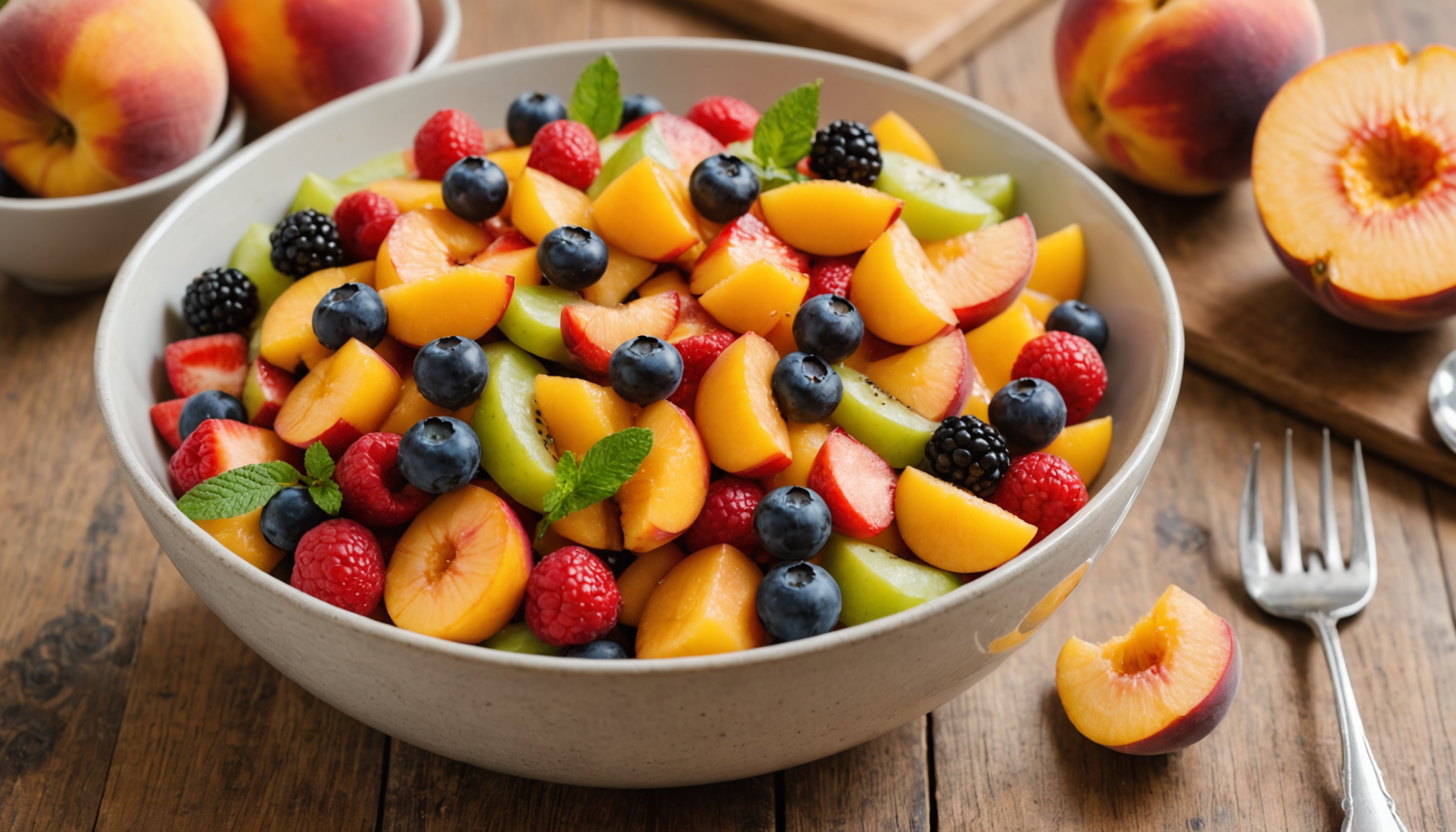 Desserts can be an indulgent way to wrap up a healthy organic dinner, and embracing wholesome ingredients makes it easy to enjoy sweet treats without feeling guilty. One delightful option is to prepare a fruit salad bursting with seasonal organic fruits like peaches, berries, and melons. Add a drizzle of honey or a sprinkle of cinnamon to elevate the natural sweetness of the fruits. This dish is refreshing, light, and packed with vitamins—perfect for any occasion.
If you’re in the mood for a comforting dessert, consider creating a healthier version of a classic favorite by making chocolate avocado mousse. The creamy texture of ripe avocados combined with cocoa powder and a natural sweetener like maple syrup results in a rich, decadent dessert that is surprisingly nutritious. The healthy fats from the avocado not only contribute to a smooth consistency but also provide essential nutrients, aligning seamlessly with the principles of healthy cooking.
Another fantastic dessert idea is to whip up no-bake energy bites using oats, nut butter, honey, and dark chocolate chips. These bites are quick to prepare and can be customized with various add-ins such as seeds or dried fruits, making them a perfect quick treat that keeps you energized. Store them in the fridge for a grab-and-go option that satisfies your sweet tooth without resorting to processed sugar-laden snacks.
For a more traditional dessert, an organic berry crumble can be made with a simple topping of oats, almond flour, and coconut oil. Bake it until golden brown and serve it warm with a scoop of dairy-free ice cream or yogurt on top. This dessert not only showcases the vibrant flavors of fresh berries but also provides fiber and antioxidants, making it both delicious and nutritious.
Embracing healthier dessert options encourages you to experiment in the kitchen and discover innovative ways to satisfy your cravings while maintaining a focus on the ingredients you use. As you explore the world of organic desserts, think about how incorporating these wholesome treats can complement your overall dietary habits, leaving you feeling satisfied and inspired.
- What are some easy organic dessert options?
- Some easy organic dessert options include fruit salads, chocolate avocado mousse, and no-bake energy bites. These desserts are not only delicious but also quick to prepare using wholesome ingredients.
- Can I use non-dairy substitutes in desserts?
- Yes! Many recipes can be adapted to use non-dairy substitutes such as almond milk, coconut cream, or dairy-free yogurt. These alternatives can enhance the flavor while keeping the dessert vegan-friendly.
- How can I make desserts healthier without sacrificing flavor?
- To make desserts healthier, use natural sweeteners like honey or maple syrup instead of refined sugar, incorporate fruits for natural sweetness, and add healthy fats like avocado or nuts to improve texture and flavor.
- What are some tips for baking with organic ingredients?
- When baking with organic ingredients, ensure you use high-quality flours, natural sweeteners, and fresh organic fruits. Adjust cooking times as necessary, as organic ingredients may behave differently than conventional ones.
- Are there any quick dessert recipes for last-minute guests?
- Absolutely! Try making a quick fruit salad, chocolate-covered strawberries, or no-bake energy bites. These can be prepared in just a few minutes and are sure to impress your guests.
- Can I freeze organic desserts?
- Yes, many organic desserts can be frozen, including energy bites, fruit crumbles, and muffins. Just make sure to store them in airtight containers to maintain freshness.
- What are some nutritious toppings for desserts?
- Nutritious toppings include fresh fruit, nuts, coconut flakes, Greek yogurt, or a drizzle of natural nut butter. These add delicious flavors and additional nutrients to your desserts.
Storage and Meal Prep Tips
Maximizing your grocery shopping experience is crucial to ensuring that you always have healthy meals at your fingertips. Start by organizing your shopping trips around proper storage techniques and meal prep, allowing you to save time during the week. First, consider the layout of your grocery store or your online grocery platform. If you’re shopping offline, navigate through the store by sections—starting at produce, moving through meats or plant-based proteins, then finishing with grains and pantry staples. This method helps streamline your trip, minimizing backtracking and making it easier to get in and out efficiently.
When you select fresh produce, pay attention to storage needs. For instance, leafy greens should be refrigerated immediately, wrapped in a damp paper towel inside a produce bag to maintain freshness. On the other hand, some fruits such as bananas should be stored at room temperature until they ripen before being moved to the fridge. This not only prolongs the lifespan of your purchased items but also ensures you’re always prepared for easy recipes that maximize flavor and nutrition.
For meal prep, consider a Sunday ritual in which you set aside time to wash, chop, and portion your produce. Store ingredients in clear containers so you can quickly grab what you need for a meal, reducing the temptation to reach for less healthy options. You can also batch-cook grains, legumes, or even proteins, separating them into meal-sized portions that make it easy to assemble quick, nutrient-dense dinners throughout the week.
- Containers: Invest in high-quality glass or BPA-free plastic containers with airtight lids to maintain freshness. This moves you towards environmentally friendly practices while reducing plastic waste.
- Labels: Label your containers with the packing date or contents to keep track of what needs to be used first and help avoid food waste.
- Freezing: Consider freezing extras, particularly soups or sauces, because they can quickly transform into future meals with minimal effort. Using ice cube trays to freeze herbs in oil is another way to have ready flavor enhancers for cooking.
For those following a vegan or organic food lifestyle, be mindful of ingredients that require special attention. Organic fruits and vegetables might be more delicate; ensure they’re not subjected to excessive moisture during washing, which can speed up spoilage. Items like avocados can be stored in the fridge if they are ripe to prevent over-ripening. When purchasing canned or packaged goods, always check expiration dates and opt for brands known for sustainable practices and high-quality ingredients.
If you prefer online shopping, leverage features such as ‘shopping lists’ or ‘favorites’ on trusted grocery platforms. This not only saves time but helps you make thoughtful choices before finalizing your order. Look out for online reviews of products; they can provide insights into quality and freshness, guiding you toward better selections. Upon receiving your delivery, inspect all items, especially perishables, for quality assurance.
Remember, a well-organized kitchen with easy access to prepared ingredients supports healthier cooking habits. Having everything ready to go means you’re less likely to opt for less nutritious choices on busy nights. Streamline your grocery shopping, and you’ll find healthy cooking can be sustainable, enjoyable, and accessible even with a packed schedule.
New Customers Offer!
Free Gift for the new customer
$24 Value, When You Subscrib Visit Thrive Market