- Healthy Dinner Recipes
- Essential Ingredients for Organic Cooking
- Meal Preparation Tips for Busy Schedules
- Nutritional Benefits of Eating Organic
- Seasonal Produce: Keeping It Fresh
- Creating Balanced Meals on a Budget
When it comes to grocery shopping for healthy dinners, making informed choices can transform your meals and, ultimately, your lifestyle. Start by prioritizing organic food to ensure you’re consuming fruits and vegetables free from harmful pesticides and chemicals. Farmers’ markets are a cherished resource for local organic produce, allowing you to support local growers while selecting fresher ingredients. Whenever possible, choose produce that is in-season to maximize flavor and nutritional value.
When shopping for proteins, consider versatile options like tofu or tempeh as excellent sources for vegans and even meat-eaters looking to cut back on animal products. These ingredients are not only rich in protein but also embody the principles of healthy cooking. If choosing meat, opt for organic chicken or grass-fed beef which are healthier and more sustainable alternatives. Always take a moment to read labels and look for certifications that guarantee the quality of the meat you’re purchasing.
Don’t overlook the pantry essentials. Stock your kitchen with staples like quinoa, brown rice, and lentils. These are not only budget-friendly but also packed with nutrients to fuel your body. Adding canned beans or legumes to your grocery list provides a quick way to increase your fiber intake for healthy digestion. Spices, herbs, and healthy oils such as olive or avocado oil can elevate your dishes without adding unnecessary calories.
When it comes to online shopping, be mindful of where you order your groceries from. Always stick to reputable vendors and take note of customer reviews. Consider subscribing to a meal kit service that focuses on healthy, organic ingredients for easy recipes that fit your dietary needs. Look for discounts or special promotions, and don’t hesitate to use cashback apps for additional savings.
- Always check for organic labels, especially on produce and dairy.
- Plan your meals around what’s in-season to save money and eat healthier.
- Consider bulk buying non-perishable items and frozen fruits/veggies for easy access to healthy foods.
- Be cautious about the expiration dates when buying online, especially for refrigerated items.
- Make sure to choose retailers that offer flexible return policies in case something isn’t up to standard.
Staying organized and thoughtful during your grocery trips, whether in-person or online, will greatly assist in maintaining a balanced and healthy eating routine that aligns with your busy lifestyle.
Essential Ingredients for Organic Cooking
To create a successful foundation for organic cooking, it’s essential to focus on a selection of high-quality ingredients that not only enhance the flavors of your dishes but also offer significant health benefits. When shopping for organic food, prioritize ingredients that you use regularly, ensuring that your meals remain both delicious and nutritious without overwhelming yourself.
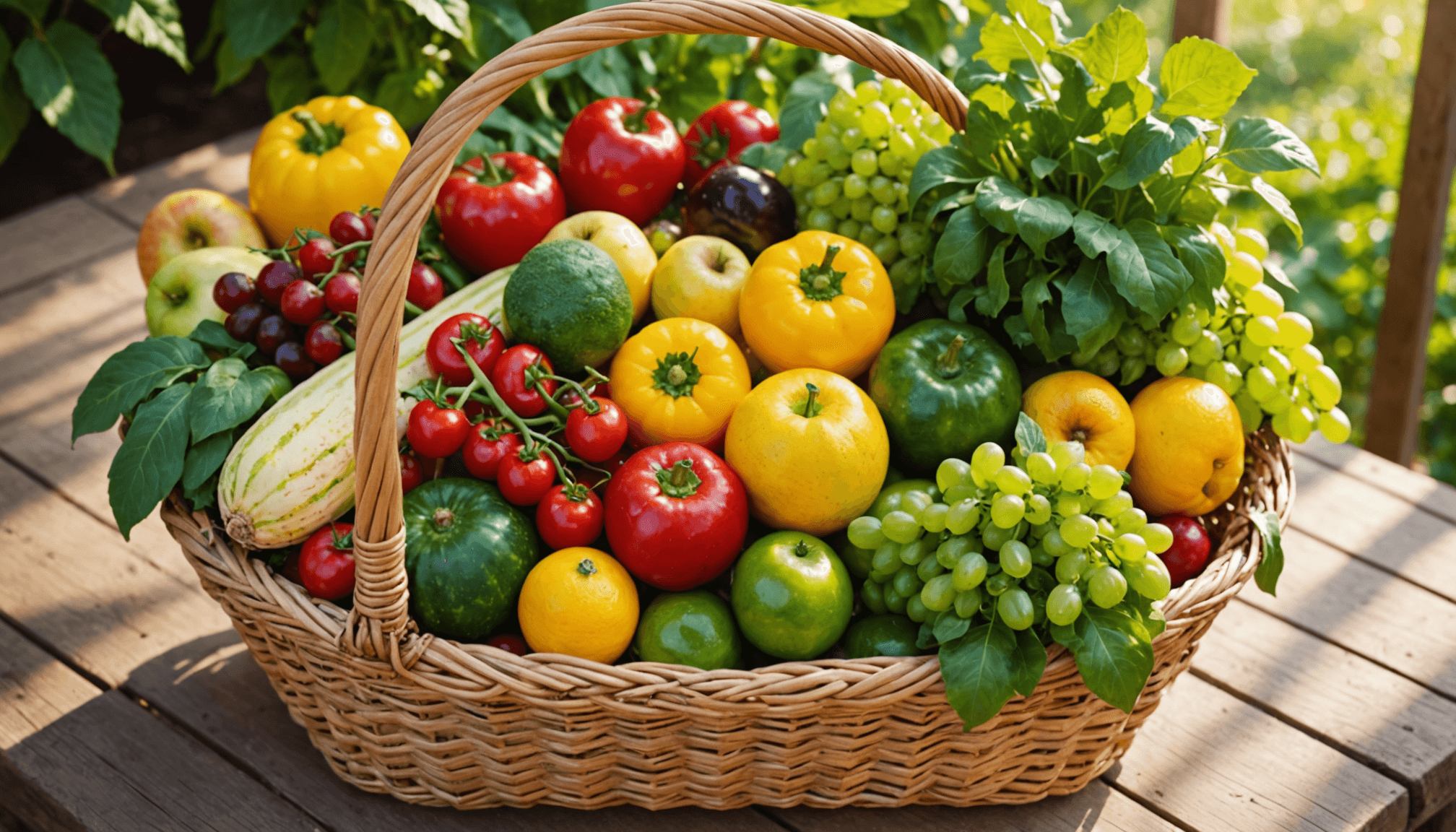
Incorporating a variety of fresh produce is crucial. Aim to fill your cart with colors of the rainbow, which signifies a diverse array of phytochemicals and antioxidants. Leafy greens such as spinach, kale, and Swiss chard are rich in vitamins and minerals, while vibrant vegetables like bell peppers, carrots, and tomatoes add not only nutrition but also flavor and visual appeal to your dishes.
Another key component of organic cooking is the use of whole grains. Instead of processed options, opt for whole grains like brown rice, quinoa, and whole wheat pasta. These grains contain more fiber and nutrients, which support heart health and digestion. To help you understand their benefits, consider the following comparison table:
| Ingredient | Calories (per serving) | Fiber (grams) | Protein (grams) | Nutritional Benefits |
|---|---|---|---|---|
| Brown Rice | 215 | 3.5 | 5 | Rich in selenium, manganese, and magnesium; great for energy |
| Quinoa | 222 | 5 | 8 | Complete protein; high in antioxidants |
| Whole Wheat Pasta | 174 | 6.3 | 7.5 | Supports heart health; helps maintain healthy weight |
Proteins, both animal and plant-based, form another vital part of your organic ingredient lineup. For non-meat options, consider incorporating legumes like chickpeas, lentils, and black beans. These are excellent sources of protein and pack a fiber punch that helps keep you fuller for longer, making them perfect for easy recipes. If you prefer animal proteins, seek out organic chicken, grass-fed beef, and wild-caught fish, which provide healthier fats and contribute to an overall balanced diet.
Healthy fats are also important in organic cooking. Incorporating sources of omega-3 fatty acids, such as chia seeds, walnuts, and flaxseeds, can support brain health and reduce inflammation. Utilize cold-pressed oils like extra virgin olive oil and avocado oil not just for cooking, but as dressings or finishes on your dishes to enhance flavor without sacrificing health.
Lastly, spices and herbs are essential in elevating the taste profile of your meals. Organic herbs like basil, cilantro, and parsley add freshness, while spices such as cumin, turmeric, and cinnamon can bring warmth and depth. These ingredients also come with their own set of health benefits, from anti-inflammatory properties to improved digestion.
By creating a well-stocked pantry and utilizing the organic ingredients listed, you will be well-equipped to prepare healthy meals quickly and easily. Making informed choices about the quality of your ingredients not only enriches your cooking experience but also promotes a sustainable and health-conscious lifestyle.
Meal Preparation Tips for Busy Schedules
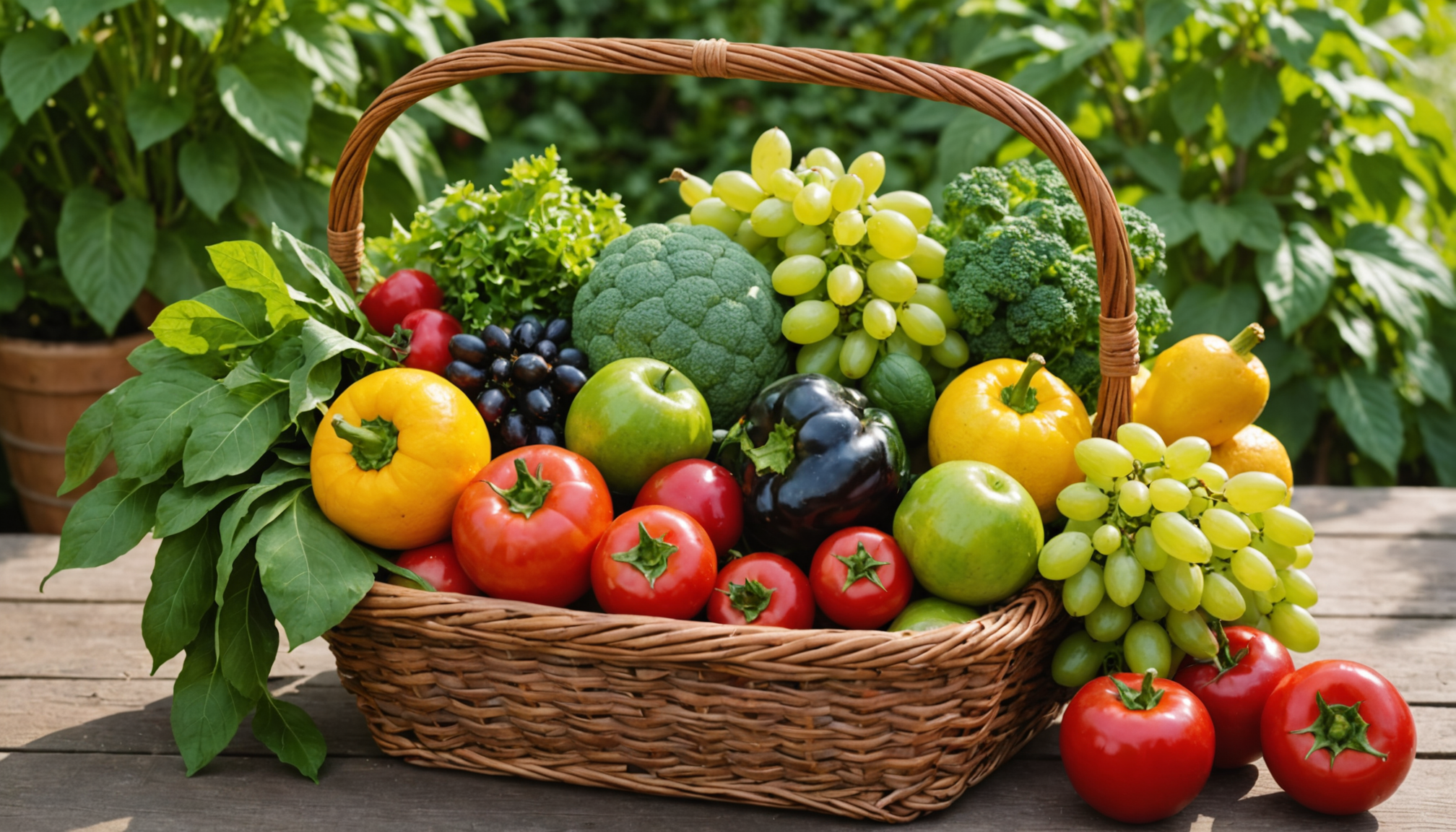
Grocery shopping can feel overwhelming, especially when trying to balance a busy schedule and the desire to eat healthy. However, with a little planning and knowledge, you can navigate both physical stores and online platforms with ease, making the experience enjoyable rather than stressful.
Before you head out or click away on your online grocery store, make a detailed shopping list based on your meal plans for the week. This step not only streamlines your shopping process but also helps you avoid impulse buys that often lead to unhealthy choices. Consider utilizing apps that allow you to digitally organize your shopping list by categories, making it easier to shop efficiently.
When selecting fresh produce, prioritize organic options whenever possible. Look for seasonal fruits and vegetables as they tend to be fresher, tastier, and budget-friendly. If you’re unsure what’s in season, consult a seasonal produce guide or download an app that provides this information. Don’t forget to inspect items for quality; choose produce that is vibrant and free from blemishes.
If health is your primary concern, consider stocking up on frozen fruits and vegetables. They are often frozen at peak ripeness, preserving their nutrient content, and can be a quicker option for meal preparation. When shopping online, check that you are purchasing from a reputable vendor who clearly indicates how products are handled, especially perishable items.
- Incorporate plant-based proteins like lentils, quinoa, and chickpeas into your meals. They are nutritious, budget-friendly, and can be made into easy recipes that even your family will love.
- For meat lovers, choose organic options such as grass-fed beef, organic chicken, and wild-caught fish. These options not only contribute to better health, but they also support sustainable farming practices.
- Spice things up with bulk herbs and spices. These add flavor without unnecessary calories and can be used in a variety of dishes. Consider searching online for deals on organic spices to save money.
- When ordering online, be mindful of food safety. Always choose a platform that guarantees freshness and offers temperature-controlled shipping for perishables.
- Check the expiration dates on products while shopping, especially for items with a shorter shelf life, such as dairy and meats.
Taking the time to know where your food comes from and how to shop effectively is crucial for both health and budget. Whether it’s a quick trip to the local farmer’s market or an online grocery haul, being informed will empower you to make choices that align with your lifestyle, enabling you to enjoy healthy cooking without stress.
Nutritional Benefits of Eating Organic
Eating organic has numerous nutritional benefits that extend beyond simply choosing non-GMO or pesticide-free alternatives. One of the primary advantages lies in the higher nutrient density typically found in organic foods. Research suggests that organic produce often contains higher levels of antioxidants, vitamins, and minerals compared to their conventionally grown counterparts. These nutrients are vital for maintaining overall health and can play a significant role in disease prevention.
In organic farming practices, natural compost and sustainable methods are emphasized, leading to soil that is healthier and richer in essential minerals. As a result, fruits and vegetables grown organically are believed to absorb more nutrients from the soil, which directly benefits those who consume them. For instance, organic tomatoes have shown a higher concentration of vitamin C and other beneficial compounds when compared to non-organic variants.
Additionally, organic foods tend to be free from synthetic additives and preservatives, making them a better choice for those who are sensitive to such ingredients. Many people report that they feel better when they consume organic products, experiencing fewer digestive issues or allergic reactions. This is important for maintaining gut health, which is increasingly recognized as a critical aspect of overall wellness.
Furthermore, consuming organic foods supports sustainability and ethical farming practices. When you choose organic, you’re often supporting smaller farms that prioritize animal welfare, biodiversity, and environmental health. This not only contributes to the wellbeing of the planet but also encourages local economies, which can further enhance community health.
Incorporating more organic foods into your diet can be straightforward and rewarding. Easy recipes using fresh, organic ingredients can boost your energy and well-being while providing delicious and nutritious meals for you and your family. The act of cooking with organic ingredients not only promotes healthy cooking practices but also fosters a deeper connection to the food you eat and the land it comes from.
“Let food be thy medicine and medicine be thy food.” – Hippocrates
This quote underscores the profound impact that the quality of our food can have on our health. By choosing organic, you are making a positive investment in your health and wellbeing, while also championing sustainable practices that can benefit future generations.
Seasonal Produce: Keeping It Fresh
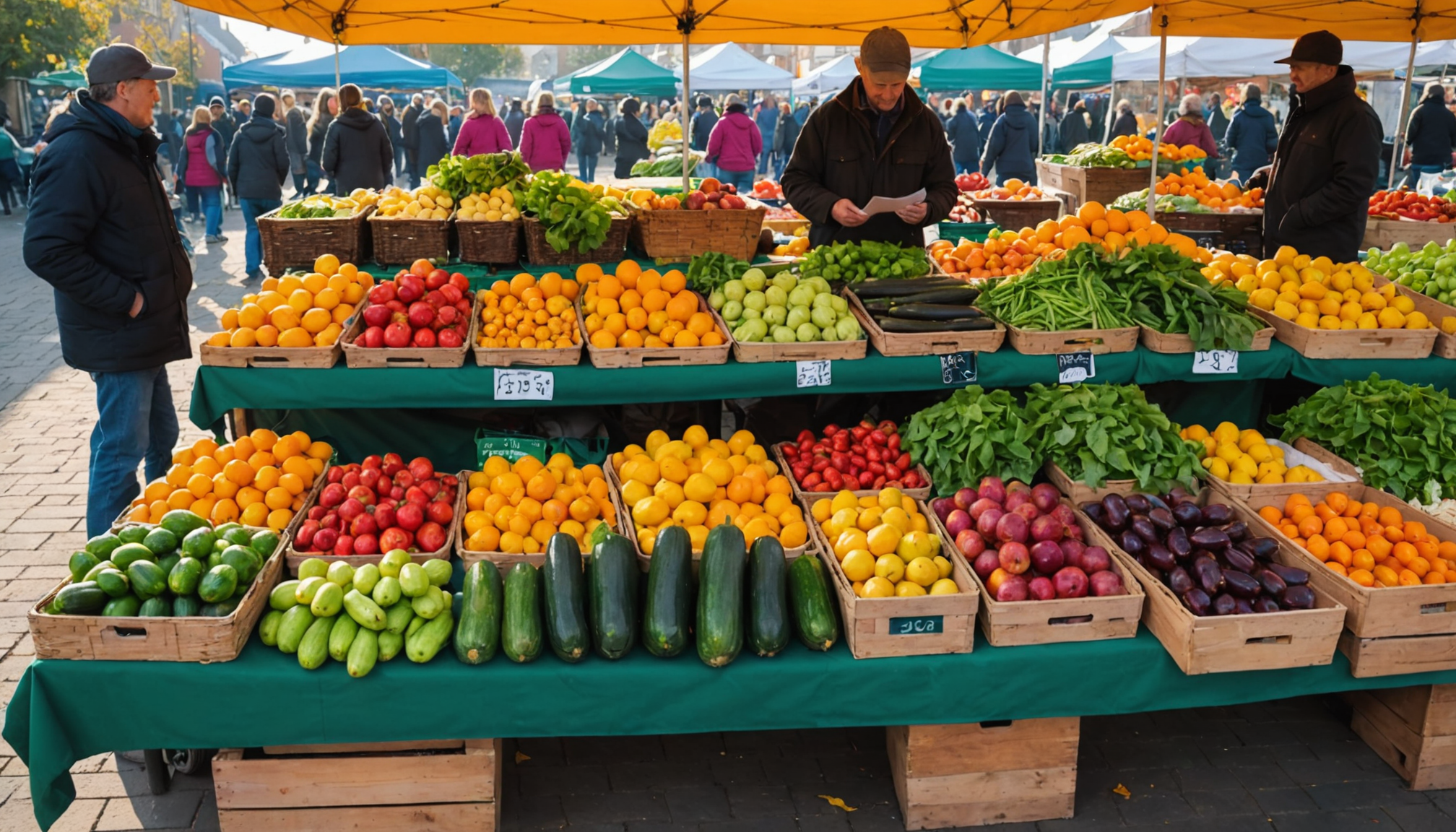 When it comes to enjoying the freshest flavors and nutrients, understanding the importance of seasonal produce is vital. Sourcing fruits and vegetables that are in season not only ensures that you are eating them at their peak ripeness, but it also supports sustainable farming practices and local economies. As produce comes into season, it tends to have intensified flavors and an enhanced nutrient profile, creating a more satisfying culinary experience.
To truly appreciate seasonal produce, consider visiting your local farmer’s market or joining a community-supported agriculture (CSA) program. These avenues provide access to freshly harvested, organic fruits and vegetables, often harvested just hours before they reach your table. This not only helps reduce the carbon footprint associated with long-distance food transport but also fosters a sense of community and connection to the land.
Moreover, eating seasonally can lead to cost savings. When a specific fruit or vegetable is abundant, its price typically drops, making it a budget-friendly choice. This allows you to explore a variety of ingredients, encouraging more creativity in your cooking. Imagine whipping up easy recipes featuring vine-ripened tomatoes in the summer or heartwarming soups with root vegetables in the winter. Each season offers a unique palette of tastes, making the act of cooking not just a necessity but a delightful adventure.
Incorporating seasonal produce into your meals can also inspire healthier eating habits. With an abundance of colorful fruits and veggies available throughout the year, it’s easier to fill your plate with nutrients. Seasonal eating encourages you to experiment with new recipes, utilizing crops you’ve never tried before, and discovering different ways to flavor your meals. Be mindful of what’s in season in your area, and this knowledge will allow you to enjoy the best nature has to offer, enhancing both your meals and your well-being.
Additionally, preserving seasonal produce is another great way to maintain freshness. Techniques like freezing, canning, or making pickles can help you enjoy seasonal flavors long after they are out of season. This not only promotes sustainability by reducing waste but also enriches your meals with the taste of sunshine even in the coldest months.
By prioritizing seasonal produce, you’re not only nourishing your body but also cultivating a deeper relationship with your food and enhancing the sustainability of your dietary choices. Consider how easy it can be to shift your cooking practices and how such changes can positively impact your health and support your local community.
- Why should I eat seasonal produce?
- Eating seasonal produce ensures that you’re consuming fruits and vegetables at their peak ripeness, leading to better flavor and nutrients. It also supports local farmers and is generally more cost-effective.
- How can I find out what produce is in season?
- Consult local seasonal produce guides available online or through community resources. Many apps also provide this information based on your location.
- What are some benefits of shopping at farmers’ markets?
- Farmers’ markets allow you to buy fresh, organic produce directly from local growers, fostering community support. You can also often find seasonal items that may not be available in supermarkets.
- How can I incorporate more seasonal produce into my meals?
- Plan your meals around seasonal ingredients, trying new recipes that focus on the flavors of the season. You can also batch cook and freeze seasonal foods for later use.
- Is frozen seasonal produce as nutritious as fresh?
- Frozen produce is often flash-frozen at peak ripeness, preserving its nutritional value. It can be a convenient and healthy option when fresh produce isn’t available.
- Can seasonal eating help reduce my grocery bill?
- Yes, buying in-season produce that is abundant can lower prices, allowing you to save money on groceries while enjoying fresh flavors.
- How do I know if my produce is organic?
- Look for labels stating the produce is certified organic, or purchase from trusted sources like farmers’ markets where you can ask the growers about their practices.
Creating Balanced Meals on a Budget
When it comes to balancing nutrition and budget, grocery shopping can seem like a daunting task. However, with a bit of strategic planning and smart choices, you can create delicious and healthy meals without breaking the bank. Start by tackling the most crucial element of grocery shopping: making a well-organized shopping list based on your meal plan for the week. This will not only help you stay focused, but it can also reduce impulse buys that add unnecessary costs and unhealthy ingredients to your cart.
To keep your expenses down, focus on seasonal produce. Not only are these items fresher and more flavorful, but they’re also usually cheaper when they are in abundance. For example, during the summer, tomatoes, zucchini, and bell peppers are plentiful. These can easily be used in easy recipes like ratatouille or fresh salads, providing vibrant, nutrient-rich options that support your wellness goals. You can find out what’s in season by consulting regional guides or apps that provide timely information.
For proteins, think about incorporating plant-based options such as beans, lentils, and quinoa. These staples are not only budget-friendly but also packed with nutrients and great for healthy cooking. A simple pot of lentils can be transformed into a hearty soup or a filling salad, ensuring that you stay satisfied without the expense of more costly animal protein. If you do choose to include meat, look for organic versions, such as free-range chicken or grass-fed beef; they may carry a higher upfront cost but can lead to savings in health benefits in the long run.
Moreover, consider buying in bulk for non-perishable items. Grains, legumes, and frozen fruits and vegetables often come at a lower price when purchased in larger quantities. Frozen produce, in particular, retains much of its nutritional value and is convenient for quick meal preparation. This can help you whip up healthy dishes with minimal prep time, allowing for more flexibility in your busy schedule.
When shopping online, it’s vital to ensure you are buying from trusted retailers. Check for customer reviews and look for sellers that specify their shipping methods, particularly for perishable goods. Always confirm that the site uses secure payment methods to protect your information. Additionally, make sure you understand their return policy in case any items don’t meet your expectations.
- Explore local farmers’ markets for seasonal and organic options. They often have lower prices compared to supermarkets and provide a chance to support local farmers.
- Plan meals using pantry staples and seasonal items to create easy recipes that won’t stress your wallet.
- Utilize coupons and apps that offer cash back for grocery purchases to maximize your savings.
- When ordering online, always verify expiration dates, especially for perishables, and opt for retailers that dispatch items with cold chain logistics.
- Don’t hesitate to buy store-brand organic products; they often provide the same quality at a lower price compared to name brands.
Taking these steps not only helps you stay within your budget but also encourages a more health-conscious approach to cooking and meal planning. With a little bit of thoughtfulness during your grocery trips, you can fill your cart with wholesome, organic food that will nourish both your body and your family.
New Customers Offer!
Free Gift for the new customer
$24 Value, When You Subscrib Visit Thrive Market