- Light & Healthy Organic Seafood Bowls
- Nutritional Benefits of Seafood
- Choosing the Right Organic Seafood
- Creative Bowl Combinations
- Flavorful Dressings and Sauces
- Cooking Methods for Healthy Bowls
- Serving and Presentation Tips
Grocery shopping can be an adventurous endeavor, especially when you’re on the lookout for ingredients to create delicious and nutritious seafood bowls. Whether you prefer shopping online or at your local grocery, here are some valuable tips to help you navigate your shopping trips efficiently.
Start by making a detailed shopping list. This helps you stay focused and avoid impulse buys, particularly of unhealthy snacks. Identify the items you need for your organic recipes, including fresh seafood, vegetables, grains, and herbs.
When it comes to seafood, prioritize purchasing from reputable sources. Look for labels that indicate organic certification or sustainable sourcing, such as the Marine Stewardship Council (MSC) logo. This ensures that you’re getting high-quality fish that is not only better for you but also for the environment.
For local foods, consider visiting farmer’s markets or local co-ops. These venues often feature fresh produce and sometimes even locally sourced seafood. Engaging with your community by supporting local agriculture can enhance your meals with seasonal flavors while also reducing your carbon footprint.
For those on a budget, buying frozen fish can be a cost-effective option. Frozen seafood tends to be flash-frozen at peak freshness, retaining its nutritional value. Plus, it’s easy to incorporate into your weekly meal planning. Pair it with budget-friendly staples like brown rice, quinoa, or legumes to round out your bowls without breaking the bank.
If you’re focused on fitness, consider adding nutrient-dense ingredients to your seafood bowls. Opt for leafy greens, colorful vegetables, and healthy fats such as avocados or nuts. These not only elevate the taste but also provide essential vitamins and minerals that contribute to your fitness goals.
When shopping online, ensure you purchase from trusted websites that prioritize food safety. Look for websites that provide clear information about the sourcing and handling of their seafood products. Consider ordering from retailers that offer next-day delivery or guaranteed freshness to ensure that your seafood arrives in optimal condition. Always check reviews and ratings of the supplier to avoid any unpleasant experiences.
Also, familiarize yourself with proper food handling practices. Monitor the temperature during transit—seafood should be transported at a cool temperature to prevent spoilage. If you opt for pickup, inspect the products to ensure they’re still fresh and safe to consume.
Effective grocery shopping for your culinary creations can be streamlined through informed choices and planning. By understanding where to buy, what to look for, and how to handle your purchases, you’ll be well-equipped to create healthy dinners filled with vibrant seafood bowls that your family will love!
Nutritional Benefits of Seafood
Seafood is widely recognized as a cornerstone of a balanced diet, packed with essential nutrients that play a vital role in maintaining overall health. Rich in protein, low in fat, and loaded with a variety of vitamins and minerals, seafood contributes significantly to numerous health benefits, making it an excellent choice for light and healthy organic seafood bowls.
A major component of seafood is its high-quality protein content, which is crucial for muscle building and repair. Unlike red meats, seafood is generally lower in saturated fat, making it a heart-healthy option. Consuming lean protein sources can help maintain muscle mass, especially in older adults or those engaged in regular physical activity. Furthermore, seafood is an important source of omega-3 fatty acids, which are essential for brain health, reducing inflammation, and lowering the risk of chronic diseases.
In addition to omega-3s, various species of fish and shellfish provide a wealth of vitamins and minerals. For example, many seafood varieties are excellent sources of vitamin D, which aids calcium absorption for bone health, and vitamin B12, crucial for maintaining nerve function and producing DNA. Seafood also contains selenium, a mineral that plays an important role in metabolism and supports thyroid function.
To illustrate the nutritional content of different types of seafood, the following table compares several popular options, highlighting their protein and omega-3 content:
| Type of Seafood | Protein (grams per 100g) | Omega-3 Fatty Acids (grams per 100g) | Calories (kcal per 100g) |
|---|---|---|---|
| Salmon | 25 | 2.3 | 206 |
| Sardines | 25 | 2.2 | 208 |
| Tuna | 30 | 2.5 | 132 |
| Cod | 20 | 0.2 | 105 |
| Shrimp | 24 | 0.3 | 99 |
With such rich nutritional profiles, incorporating various types of seafood into your diet can lead to better health outcomes. The American Heart Association recommends consuming fish (particularly fatty fish) at least twice a week to reap the full benefits of omega-3 fatty acids.
Moreover, seafood is versatile and can be effortlessly integrated into a variety of organic recipes. Whether grilled, baked, or included in hearty broths, seafood can adapt to a range of cuisines and flavors, lending itself beautifully to creative bowl combinations that keep meals exciting and satisfying.
By prioritizing seafood in your meals, especially in healthy dinners such as vibrant seafood bowls, you can enhance your diet with flavors that nourish both body and mind. Ocean-fresh seafood not only supports physical health but also encourages culinary creativity, leading to meals that are as delicious as they are beneficial.
Choosing the Right Organic Seafood
Choosing the right organic seafood is a crucial step to ensure that your meals are both nutritious and environmentally responsible. As you embark on this flavorful journey, there are several strategies to consider to make informed decisions.
First and foremost, when selecting seafood, always look for labels indicating organic certification or sustainability credentials. For example, the Marine Stewardship Council (MSC) certification guarantees that the seafood is sourced from fisheries that follow strict sustainability practices. This helps protect the ocean’s ecosystems while ensuring that you’re serving your family not only delicious but also health-conscious meals.
To explore the variety of available options, you might consider fish such as wild-caught salmon, mackerel, and sardines, which are not only delicious but are also rich in omega-3 fatty acids essential for heart health. On the other hand, avoid seafood labeled as farm-raised, unless specifically marked as sustainable, since these options can sometimes have a higher content of pollutants and lower omega-3 levels.
If you’re aiming for a vegan approach, make sure to explore plant-based seafood alternatives that replicate the flavors and nutrients found in real seafood. Brands providing products like seaweed snacks or vegan fish fillets can be great additions to your bowls, offering an ocean-inspired taste without compromising your dietary preferences.
When it comes to budgeting, consider purchasing seafood that is in season or buy frozen varieties that are still nutrient-dense and more affordable. For example, frozen sashimi-grade fish maintains quality and flavor while being budget-friendly. Pair these with staples like quinoa, brown rice, or seasonal vegetables, and you have the makings of wholesome and budget-friendly meals.
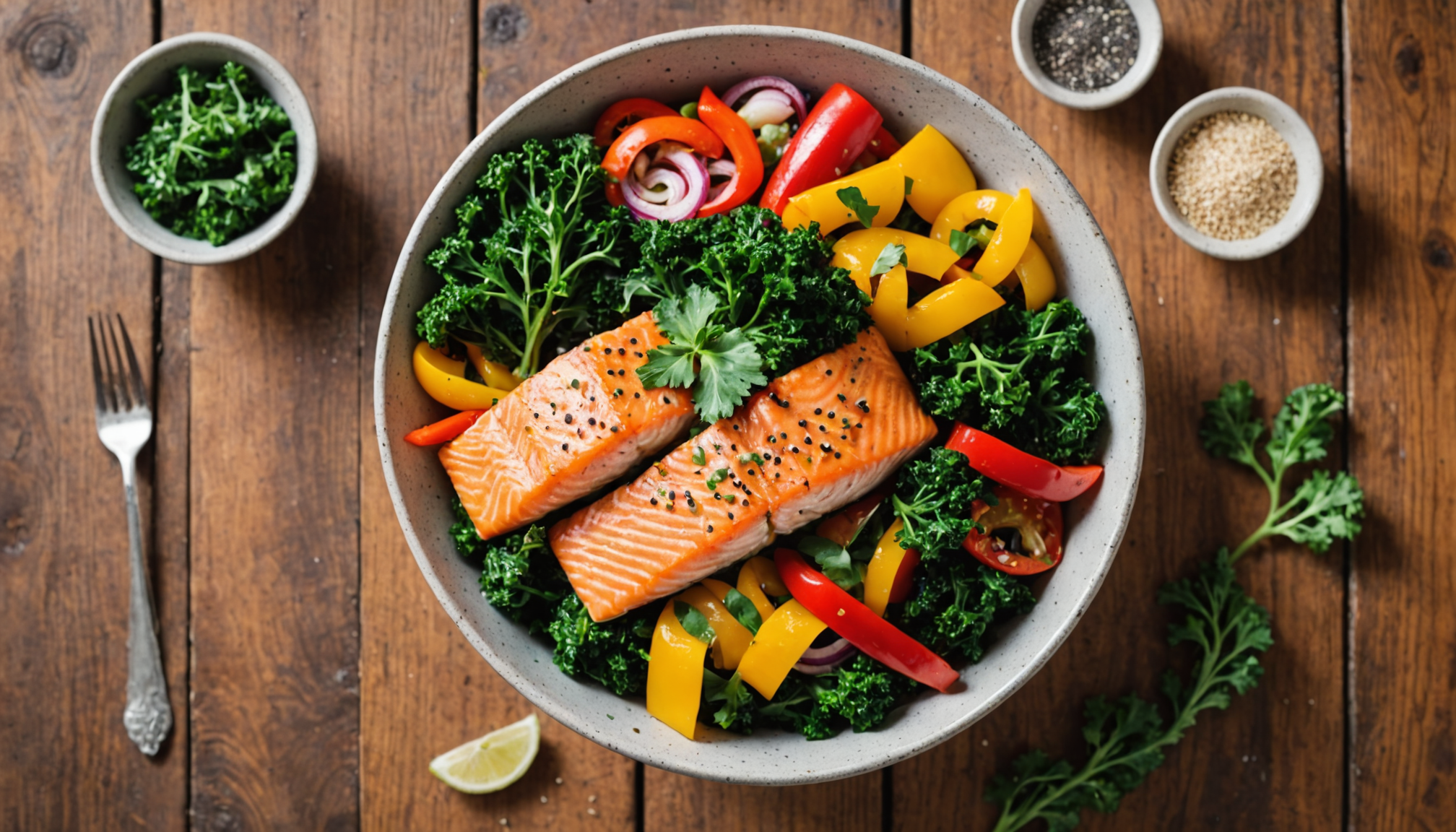
For health-conscious families, it’s essential to incorporate a diverse range of colorful vegetables alongside your seafood. Ingredients like kale, bell peppers, and carrots not only brighten up your bowls but also provide a wealth of vitamins and minerals that are vital to your family’s overall well-being.
Shopping online for seafood can be a convenient option, especially for busy professionals. However, it’s critical to choose distributors that offer transparency about their sourcing and safety practices. Look for retailers that provide details about their shipping methods, temperature controls, and delivery timelines to ensure the seafood arrives fresh and safe for consumption. Read customer reviews to gauge the reliability of the seller, as this can significantly affect your shopping experience.
Handle seafood with care: Upon receiving your seafood order, inspect the packaging. Make sure it’s intact, and check the temperature—seafood should feel cold to the touch. Promptly store it in the fridge or freezer to maintain its freshness. To ensure you’re fully equipped for healthy food handling after purchase, familiarize yourself with food safety guidelines, especially concerning defrosting and cooking times for your meals.
Whether you’re whipping up a simple weeknight dinner or an extravagant meal for guests, the effort put into choosing the right organic seafood can significantly elevate your culinary creations, like hearty seafood bowls. By following these practical shopping tips, you’re setting the stage for healthy and delightful dining experiences that your family will love.
Creative Bowl Combinations
Creating exciting and delicious seafood bowls is all about combining flavors, textures, and colors that complement each other beautifully. A successful bowl can be constructed with a base, a variety of seafood, and an array of fresh toppings. Start with a base such as brown rice, quinoa, or even spiralized vegetables to provide a hearty foundation. These staples not only add fiber and nutrients but also set the stage for the vibrant additions that follow.
For an Asian-inspired bowl, consider using sushi rice as the base and topping it with marinated sashimi-grade tuna or salmon. Add in avocado slices, thinly sliced cucumber, shredded carrots, and edamame for texture. Drizzle it with a light soy sauce or a sesame-ginger dressing to enhance the flavors. Don’t forget to sprinkle sesame seeds or seaweed salad for an extra crunch and umami notes that tie the entire bowl together.
If you’re in the mood for a Mediterranean twist, use a base of quinoa or bulgur and pile on grilled shrimp or roasted octopus. Accompany it with cherry tomatoes, cucumber, Kalamata olives, and a handful of arugula. A simple lemon-olive oil dressing will brighten the dish beautifully. You can further elevate this bowl with crumbled feta cheese or a dollop of tzatziki for a creamy touch.
For a heartier option, consider a comforting bowl filled with baked cod or haddock. Pair the fish with roasted sweet potatoes, sautéed spinach, and a sprinkle of toasted pine nuts. A tahini sauce mixed with lemon juice and garlic drizzled over the top not only adds creaminess but also rounds up the flavor profile, making for a satisfying and filling meal.
Don’t shy away from experimenting with the toppings as well. Fresh herbs like cilantro, parsley, or basil can provide an aromatic kick. Pickled vegetables, such as radishes or carrots, add a nice crunch and tangy flavor that can brighten up the bowl. You can also incorporate nuts and seeds for additional texture and nourishment.
When brainstorming creative combinations, think globally. Elements from different cuisines can coexist harmoniously in one bowl, allowing you to explore various culinary traditions while keeping your meals exciting and wholesome. A Mexican-inspired seafood bowl could feature grilled fish, black beans, corn, avocado, and a zesty lime dressing, creating a fiesta of flavors that is both satisfying and nourishing.
Overall, the beauty of seafood bowls lies in their versatility. By playing with various ingredients, you can keep your meals fresh and engaging, making healthy dinners something to look forward to each evening.
“The secret to a successful bowl lies in the harmony of flavors and the artful balance of colors on your plate.” – Culinary Wisdom
Flavorful Dressings and Sauces
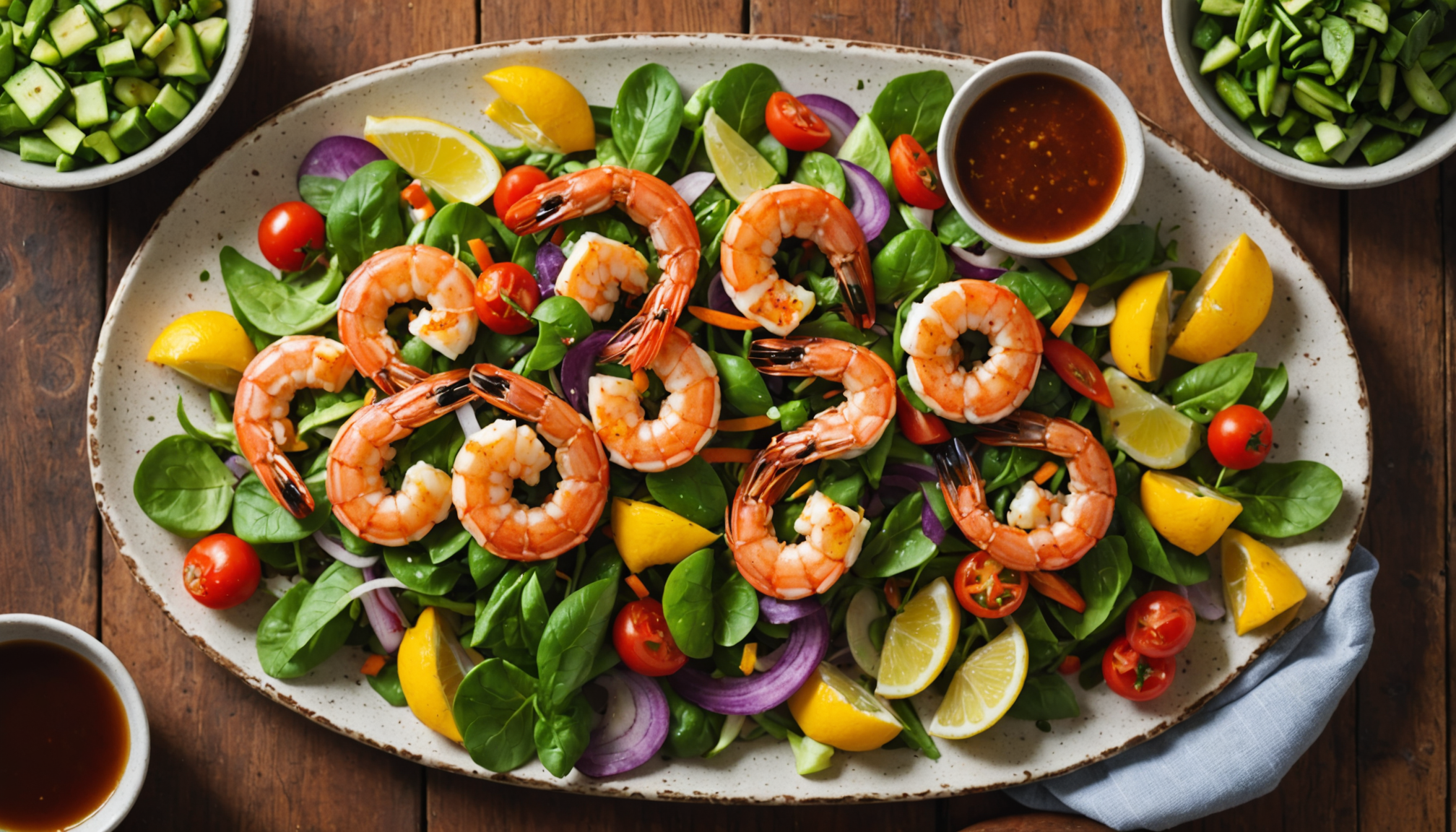 Flavorful dressings and sauces play a crucial role in enhancing the taste and appeal of your seafood bowls. When trying to understand how to elevate your meal’s profile, consider the interplay between your seafood selection and the accompanying flavors. A well-crafted sauce can not only add depth and complexity but also introduce new dimensions to the freshness of the seafood and the textures in your bowl.
Start with simple bases such as olive oil, citrus juice, or yogurt, which can be transformed into flavorful dressings by adding herbs, spices, and seasonings. For instance, a classic vinaigrette is always a winner. Combine extra virgin olive oil with freshly squeezed lemon or lime juice, whisk in minced garlic, and season it with salt and pepper. Not only does this dressing enhance the natural taste of the seafood, but the acidity also brightens the flavors of the other ingredients in your bowl. You might experiment by adding chopped fresh herbs like dill or parsley for an extra burst of freshness.
For those looking to indulge in creamier alternatives, consider a tahini-based dressing. Blend tahini with lemon juice, minced garlic, and a pinch of salt. Adjust the consistency to your liking by adding water until you achieve a smooth, dippable sauce. This nutty dressing pairs beautifully with grilled shrimp and roasted vegetables, creating a harmonious balance between richness and freshness.
Asian-inspired sauces also bring unique flavors to seafood bowls. A ginger-soy sauce made from soy sauce, freshly grated ginger, and a hint of sesame oil can make for a stunning complement to grilled fish or seafood. Mixing in a little honey or agave syrup can balance the saltiness of the soy, resulting in a delightful umami experience. Toss this sauce over a bowl filled with sushi rice, avocado, and sesame seeds for a wholesome treat.
You may also consider creating zesty salsa with a blend of diced tomatoes, red onion, cilantro, and jalapeño for a refreshing finish. This vibrant topping works exceptionally well on baked fish and can invite a fiesta of tastes and colors to your plate. Even a simple mango salsa can uplift a meal with its sweet and tangy notes, offering a delightful contrast to savory ingredients.
As you explore the vast world of dressings, don’t hesitate to customize them according to your palate. Substituting ingredients, trying different herbs, or even experimenting with heat levels can yield personalized results that tantalize your taste buds.
Incorporating these flavorful dressings and sauces not only enhances your seafood bowls but also encourages creativity in your kitchen. It invites the opportunity to explore various culinary traditions and expand your repertoire of organic recipes, helping you achieve healthy dinners that satisfy your cravings while maintaining your focus on wholesome eating.
- What are some healthy dressing options for seafood bowls?
- Healthy dressing options include vinaigrettes made with olive oil and vinegar, tahini-based sauces, and citrus-based dressings. You can also explore yogurt sauces or salsas that incorporate fresh herbs and vegetables.
- Can I make dressings ahead of time?
- Yes, many dressings can be made ahead of time and stored in the refrigerator for a few days. Just make sure to shake or stir well before using, as the ingredients may separate over time.
- Are there vegan dressing options for seafood bowls?
- Absolutely! Vegan options such as tahini dressings, avocado-based sauces, or tomato salsas can elevate your seafood bowls without using animal products. Just ensure your seafood is replaced with a vegan alternative.
- How do I balance flavors in a seafood bowl?
- Start by considering the flavor profiles of your seafood and toppings. Combine acidity from dressings, sweetness from fruits, and umami from sauces to achieve a well-rounded taste. Experimenting with herbs and spices can also add depth.
- What is a good way to enhance the nutritional value of dressings?
- You can enhance the nutritional value by adding ingredients such as ground flaxseeds, chia seeds, or nutritional yeast. These ingredients can provide added fiber, omega-3 fatty acids, and essential vitamins.
- How can I make my dressings healthier?
- To make your dressings healthier, reduce the amount of added sugars and use whole ingredients like fresh herbs, citrus, and natural oils. Opt for homemade dressings to control the ingredients and their quality.
- Can I use leftover dressing for other meals?
- Absolutely! Leftover dressings can be used on salads, grain bowls, or as marinades for other dishes. They add flavor to various meals and help reduce food waste.
Cooking Methods for Healthy Bowls
When preparing light and healthy organic seafood bowls, choosing the right cooking methods can significantly enhance the flavors and nutritional value of your meal. Whether you’re pressed for time or looking to impress guests, there are several straightforward methods to elevate your seafood while keeping it healthy.
Grilling is an excellent cooking technique that imparts a delicious smoky flavor to various seafood. It works particularly well with fish like salmon, shrimp, and scallops. Simply marinate your seafood in a blend of olive oil, lemon juice, and herbs for about 30 minutes before grilling on medium heat. Grill each side for just a few minutes, ensuring the seafood is cooked through but still moist. Pair grilled seafood with fresh vegetables for a satisfying bowl that bursts with flavor.
Baking is another healthy method that requires minimal effort—perfect for busy families and professionals. Preheat your oven to 400°F (200°C), season your seafood with your favorite herbs and spices, and place it on a baking sheet lined with parchment paper. A drizzle of olive oil and a splash of lemon juice can enhance the taste while letting the seafood’s natural flavors shine. Bake until the seafood is opaque and flakes easily with a fork, usually 12 to 15 minutes for fillets. This method allows you to prepare a side of roasted veggies simultaneously, making for a fully cooked meal in one go.
Steaming is perhaps one of the healthiest options, as it preserves more nutrients than other cooking methods. You can steam fish fillets using a bamboo steamer or an electric steamer. Adding herbs, citrus slices, or even ginger to the steaming process infuses additional flavors without extra calories. Serve your steamed seafood over a bed of whole grains like brown rice or quinoa for a nutritious bowl.
Sautéing is a quick method that can lock in flavor and moisture. Use a non-stick skillet with a small amount of oil, then add chopped vegetables like bell peppers, spinach, or asparagus before adding your seafood. Cook on medium-high heat, stirring frequently until your seafood is perfectly cooked—this usually takes only about 5 to 7 minutes. This method is fantastic for creating a warm seafood bowl packed with healthy ingredients.
For those seeking a unique flavor experience, try poaching your seafood. This gentle cooking method involves simmering your fish in a flavorful liquid such as broth, white wine, or even vegetable juice. Poaching is gentle, keeping the seafood tender and moist, making it an ideal choice for delicate fish like cod or sole. After cooking, flake the fish into your bowl and combine with an array of colorful toppings for texture and taste.
Finally, don’t hesitate to experiment with different flavors and seasonings. Adding different herbs like cilantro, dill, or basil towards the end of cooking can enhance the freshness and appeal of your dish. For a hint of heat, consider incorporating spices like paprika or chili flakes.
Using these techniques, you can create a variety of healthy dinners that center around delicious seafood, ensuring each bowl is a delightful culinary experience. Remember, the key is to keep cooking straightforward and incorporate a rainbow of ingredients to build appealing and nutritious meals.
Serving and Presentation Tips
Serving your seafood bowls effectively can transform not only the look of your meal but also the overall dining experience for you and your family. Paying attention to presentation details enhances both the appeal and enjoyment of your dishes, making healthy dinners even more enticing. Here are some practical tips for serving and presenting your organic seafood bowls beautifully.
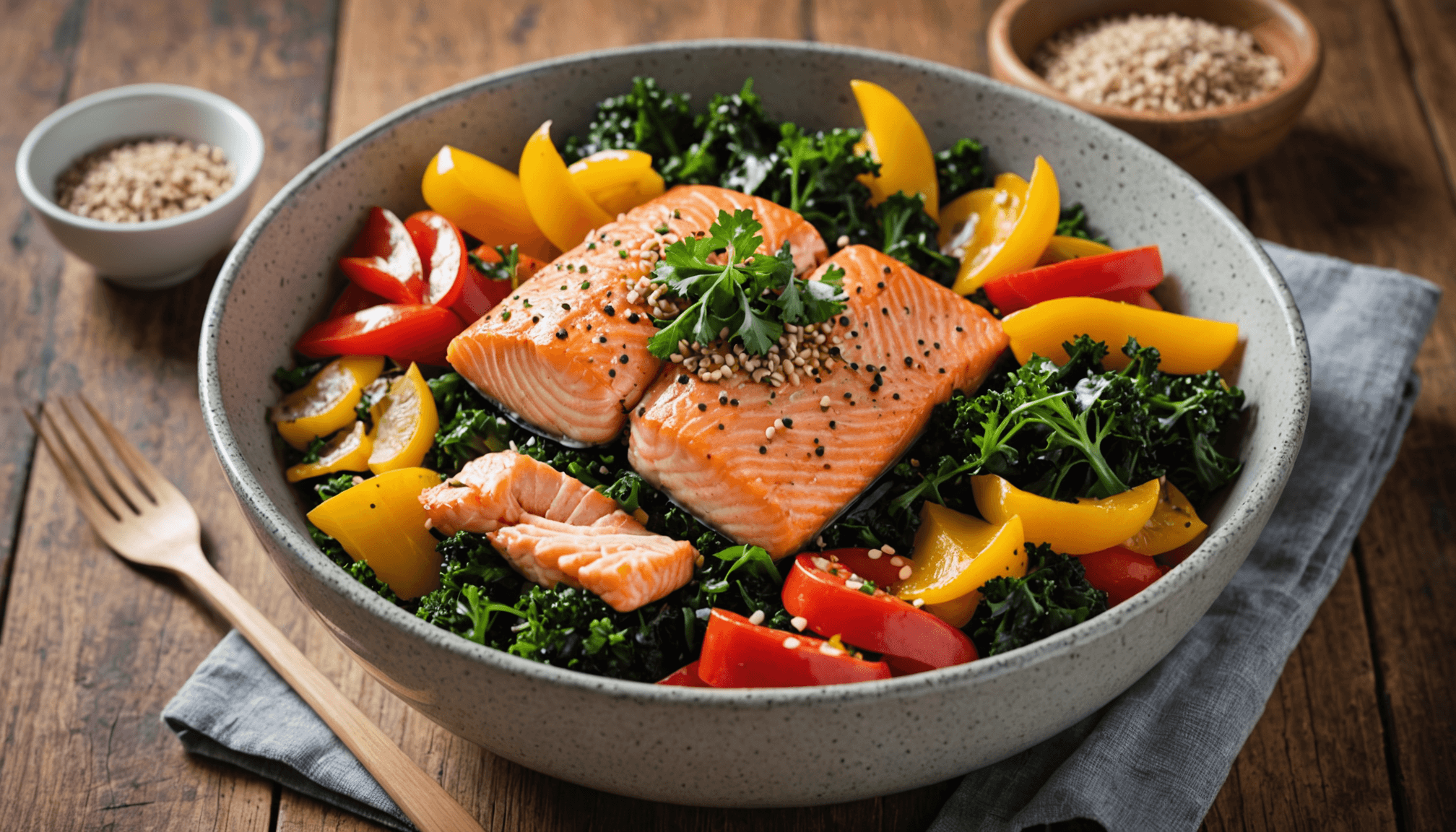
Begin with the bowl itself; opt for vibrant, colorful dishes that complement the fresh ingredients within. A contrasting bowl color can highlight the vividness of your seafood and vegetables. For example, a white bowl can serve as the perfect canvas for a colorful assortment of ingredients like bright green spinach, orange carrots, and deep pink salmon. You want your bowls to look inviting and appetizing, enticing everyone to dig in.
When assembling your seafood bowls, think about layering ingredients. Start with the base, such as quinoa, brown rice, or leafy greens, and then artfully arrange your seafood on top. Next, add vegetables and toppings in a way that showcases their colors and textures. For instance, diced avocado can create a creamy contrast, while crunchy radishes or nuts add a delightful textural element. Consider the balance of colors—the more colorful your bowl, the more appealing it becomes!
Garnishing is another critical step. Fresh herbs, like cilantro or parsley, sprinkled on top can enhance both the flavor and aesthetic of your bowls. A drizzle of a flavorful dressing or sauce can add an extra visual touch and help tie the flavors together. For instance, a zesty citrus vinaigrette can add a pop of color while elevating the dish’s freshness. Consider also adding edible flowers for a touch of elegance—these can be found at many farmer’s markets and elevate your presentation to a new level.
Don’t forget about the serving style. If you’re presenting a meal for guests, consider family-style serving, where all the components are laid out separately, allowing everyone to customize their bowls to their liking. This creates a fun and interactive dining experience, encouraging conversation and creativity—plus, it accommodates various dietary preferences easily.
For special occasions, serve your seafood bowls on wooden platters or slate boards for a rustic touch that enhances the dining atmosphere. Serving utensils should be visually appealing as well; using attractive, functional tools can further enhance the presentation. Matching utensils with your dish style also helps maintain a cohesive theme.
Lastly, remember that the dining environment plays a significant role in how your meal is perceived. Set the table with care by adding elements that create a welcoming atmosphere, such as cloth napkins, candles, or even a beautiful centerpiece with seasonal fruits or flowers. This adds an invitation for family members to savor their meals more mindfully.
With these tips, your seafood bowls will not only be delicious but also visually stunning, enhancing healthful eating experiences for everyone at the table. The effort in presentation will undoubtedly make your healthy dinners something special that your family looks forward to!
New Customers Offer!
Free Gift for the new customer
$24 Value, When You Subscrib Visit Thrive Market