- Wholesome Ingredients for Flavorful Dinners
- Quick and Easy Organic Recipes
- Nutrient-Packed Grain Bowls
- Delicious Plant-Based Proteins
- Satisfying Seasonal Vegetables
- Tips for Elevating Your Meals
When you embark on your grocery shopping journey, the right mindset can transform this weekly task into an enjoyable adventure. To ensure you’re bringing home the best ingredients for your wholesome meals, consider the following tips:
- Make a List – Before stepping into the store or browsing online, take a moment to jot down what you need. A shopping list not only helps you stay organized but also prevents impulse buys of unhealthy snacks. Start with the essentials like vegetables, fruits, grains, and proteins, then add any organic dinner ideas that catch your eye.
- Prioritize Fresh and Local – Whenever possible, choose local produce. Visiting farmers’ markets or local co-ops can yield the freshest ingredients, often at a better price than conventional stores. Look for seasonal fruits and vegetables which not only taste better but are also packed with nutrients. Items like heirloom tomatoes, bell peppers, and leafy greens thrive when in season and are often more affordable.
- Explore Vegan Options – As you shop, keep an eye out for plant-based alternatives. Many stores now offer a range of vegan products, from lentils and chickpeas to meat substitutes like tempeh and tofu. These items are excellent for crafting healthy recipes that fit a variety of dietary needs while enriching your wholesome meals with protein.
- Bulk Up – Consider purchasing grains, nuts, and legumes in bulk. Not only is this often more cost-effective, but it allows you to stock your pantry with wholesome staples that serve as the backbone of many delicious dinners. Quinoa, brown rice, and dried beans are fantastic choices that can be used in a myriad of dishes.
- Read Labels Carefully – Whether shopping in-store or online, it’s crucial to understand what you’re buying. Look for products that are free from artificial additives, preservatives, and high levels of sodium. Organic certifications can also give you peace of mind about ingredient sourcing and cultivation practices.
- Safety First – When shopping online, ensure you’re using reputable sites and secure payment methods. Look for customer reviews and always verify that the products meet safety standards. Opt for stores that provide clear information about their shipping practices and ingredient sourcing.
- Plan Your Meals – Before you finalize your shopping list, think about your dinner plans for the week. Preparing and cooking ahead can help you use fresh ingredients before they spoil, and it’s an excellent way to try out new recipes. Check out various online platforms for quick and easy organic recipes that your family will love.
By adopting these strategies, you’ll not only improve your grocery shopping experience but also enhance the quality of your meals. The combination of wholesome ingredients and thoughtful purchasing decisions lays the groundwork for nutritious and flavorful dinners that everyone can enjoy.
Quick and Easy Organic Recipes
When looking for quick and easy organic recipes, it’s essential to focus on solutions that not only save time but also emphasize flavor and nutrition. Using wholesome ingredients, you can whip up delightful meals in under 30 minutes, allowing for healthy eating without sacrificing your busy schedule. Here are a few simple organic recipes that utilize readily available ingredients, ensuring that you can enjoy delicious dinners without the hassle.
One classic recipe is a chickpea salad. This dish combines protein-packed chickpeas with vibrant vegetables, providing a refreshing and filling option. Begin by rinsing and draining one can of organic chickpeas. In a large bowl, mix them with diced cucumbers, halved cherry tomatoes, finely chopped red onion, and fresh parsley. For the dressing, whisk together olive oil, lemon juice, salt, and pepper. Toss the salad to combine, and serve chilled or at room temperature. This salad is not only quick but also a perfect complement to a range of dishes, such as grilled salmon or roasted vegetables.
Another quick option is stir-fried quinoa with seasonal vegetables. Start by cooking 1 cup of organic quinoa according to package instructions. In a pan, heat a tablespoon of olive oil over medium heat. Add in 2 cups of seasonal vegetables like zucchini, bell peppers, and carrots, diced into bite-sized pieces. Stir-fry until softened, approximately 5-7 minutes. Once the vegetables are tender, mix in the cooked quinoa along with a splash of soy sauce and a sprinkle of sesame seeds for added flavor. This hearty dish can be made in about 20 minutes, making it ideal for a weeknight meal.
For a heartier option, consider creating a one-pot vegetable curry. In a large pot, heat 2 tablespoons of coconut oil, then sauté diced onion and garlic until fragrant. Add in a tablespoon of curry powder, followed by diced sweet potatoes and cauliflower florets. Stir for a couple of minutes, then pour in a can of organic coconut milk and 1 cup of vegetable broth. Let this simmer until the vegetables are tender, about 15 minutes. Serve with brown rice or crusty whole-grain bread, and you’ve got a satisfying meal that features rich flavors and nourishing ingredients.
Here’s a comparison table summarizing these quick organic dinner ideas:
| Recipe | Preparation Time | Main Ingredients | Serving Suggestions |
|---|---|---|---|
| Chickpea Salad | 10 minutes | Chickpeas, cucumbers, tomatoes, onion, parsley | Serve with grilled salmon or roasted vegetables |
| Stir-Fried Quinoa | 20 minutes | Quinoa, seasonal vegetables, soy sauce | Pair with grilled tofu or chicken |
| One-Pot Vegetable Curry | 25 minutes | Sweet potatoes, cauliflower, coconut milk, curry powder | Serve with brown rice or whole-grain bread |
These recipes are not just quick; they also embody the essence of wholesome meals that are both nutritious and delicious. By incorporating organic ingredients, you ensure that your family is receiving the health benefits associated with a plant-forward diet while still enjoying satisfying flavors. Take advantage of the time-saving nature of these recipes to explore new culinary adventures in your kitchen, fostering a love for healthy recipes that can easily become family favorites.
Nutrient-Packed Grain Bowls
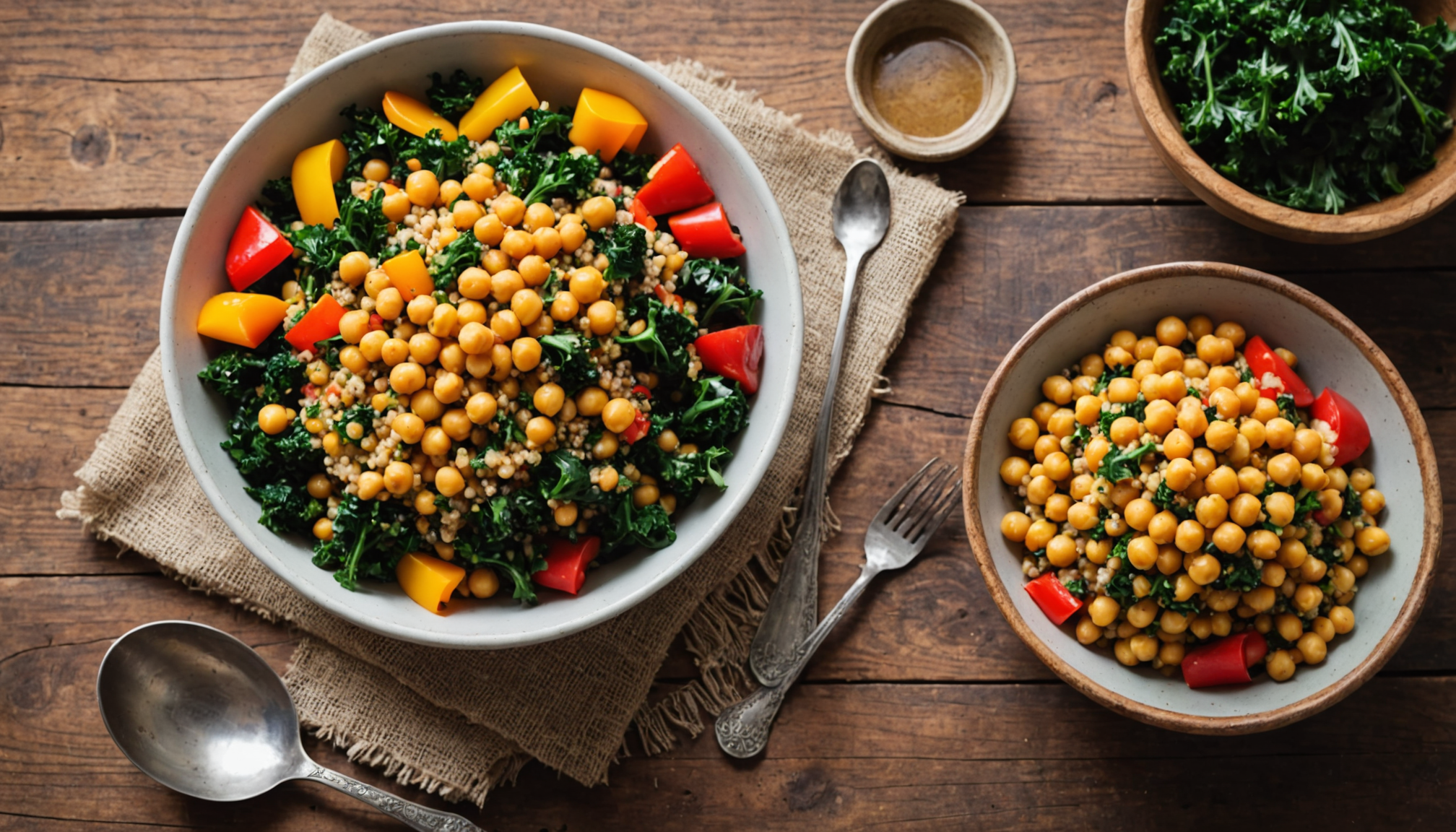
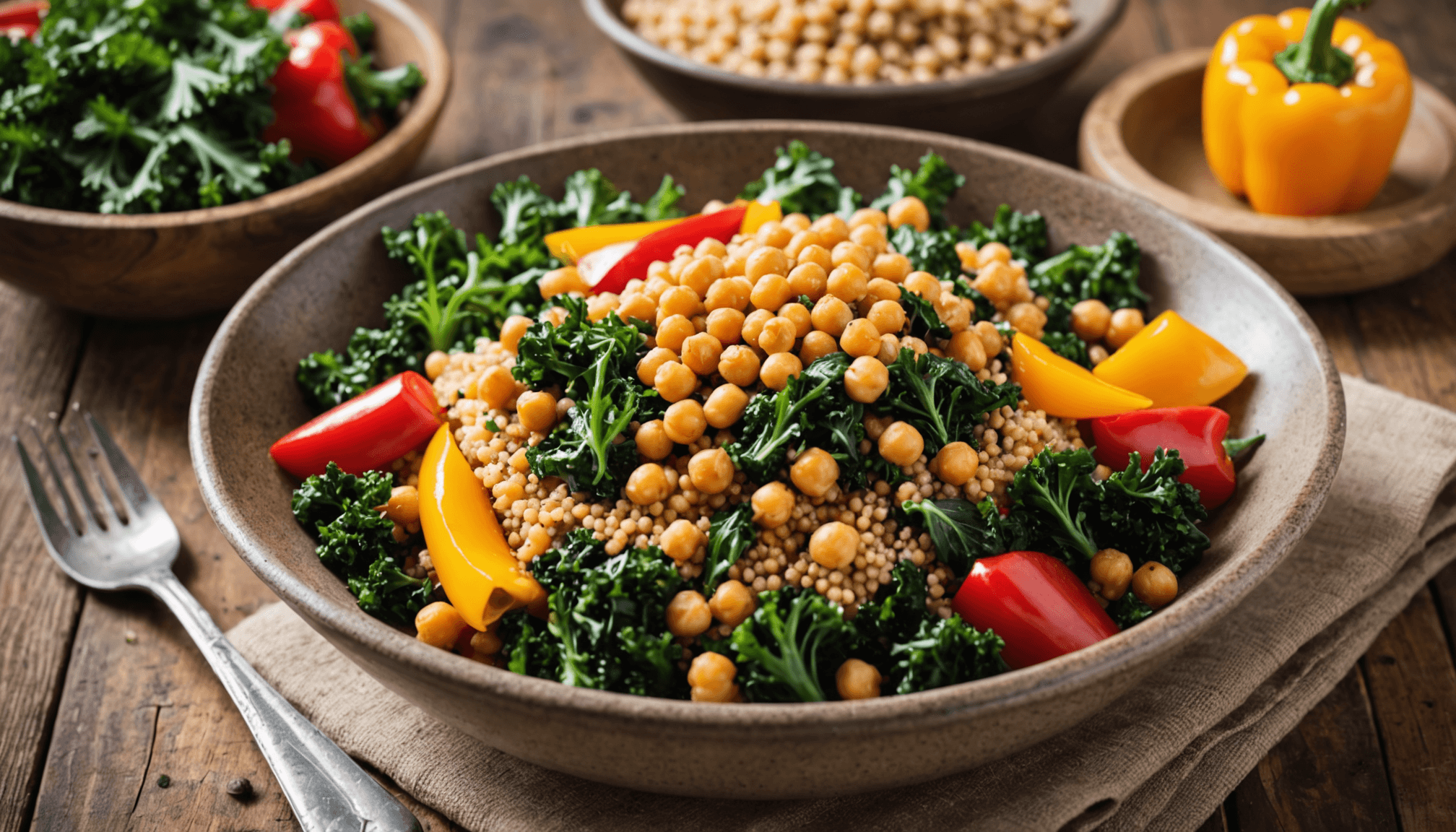
When creating your nutrient-packed grain bowls, grocery shopping becomes an exciting expedition into the world of wholesome ingredients. To make the most of your shopping experience, consider these practical tips that will guide you in selecting the best items for your meals:
- Choose Whole Grains – Opt for whole grains as the foundation of your bowls. Quinoa, brown rice, barley, and farro are nutrient-dense choices that provide complex carbohydrates, fiber, and essential vitamins. You can often find these grains in the bulk section of your grocery store, which is both budget-friendly and environmentally sustainable.
- Incorporate Diverse Veggies – A colorful array of vegetables not only enhances the flavor of your grain bowls but also maximizes nutritional value. Look for seasonal options such as bell peppers, zucchini, kale, or spinach. Farmer’s markets are excellent sources for fresh, local produce that supports sustainable farming practices. Aim to fill half your bowl with veggies, ensuring a hearty and healthy base for your meal.
- Explore Plant-Based Proteins – For protein-packed grains bowls, explore the variety of plant-based options available. Lentils, chickpeas, and edamame make excellent additions. Consider cooking a large batch of these ingredients at the start of the week, so they are ready to be tossed into your bowls for a quick and filling meal.
- Create Flavor with Dressings and Toppings – A great sauce can elevate your grain bowls from good to exceptional. Choose dressings made with wholesome ingredients, such as tahini, avocado oil, or homemade vinaigrettes. Nutritional yeast, chopped nuts, and seeds can also provide essential nutrients and enhance flavors, adding a satisfying crunch or richness to your dish.
- Embrace Frozen and Canned Options – For convenience and budget, don’t shy away from frozen vegetables or canned legumes, which can be just as nutritious as fresh items. Look for options with minimal added sodium or sugar, and always check labels for organic certifications when available, ensuring that they adhere to quality standards.
- Keep Safety in Mind – When shopping, particularly online, be aware of food safety. Ensure you purchase from reputable suppliers and verify that they follow proper storage and handling protocols. For items like grains and legumes, check the packaging for expiration dates and inspect products for signs of damage or contamination.
By navigating your grocery shopping with these tips in mind, you’ll set yourself up for success in creating nutrient-packed grain bowls that cater to your dietary preferences while being both delicious and satisfying. These wholesome meals can easily be customized to fit any palate or occasion, making them an ideal choice for families, fitness enthusiasts, or anyone looking to incorporate healthier recipes into their dining routine.
Delicious Plant-Based Proteins
Plant-based proteins are not only versatile but also rich in essential nutrients, making them a fantastic option for wholesome meals. Incorporating these proteins into your diet not only satisfies hunger but also provides the body with the necessary building blocks for overall health. Whether you’re a longtime vegetarian or simply looking to reduce your meat consumption, there are numerous plant-based options that can elevate your dinner experience.
Lentils are a stellar choice when it comes to plant-based proteins. They are packed with protein and fiber, making them a filling addition to many dishes. You can use lentils in soups, stews, or even in salads. For a quick dinner, cook brown or green lentils and then sauté them with onions, garlic, and your choice of spices. Toss those lentils into a bowl with your favorite vegetables and a drizzle of tahini dressing for a nutritious and satisfying meal.
Chickpeas are another excellent plant-based protein. They can be roasted for a crunchy snack, blended into a creamy hummus, or simply added to salads and grain bowls. For a delightful dinner, try making a spiced chickpea curry. Start by sautéing onions, garlic, and ginger; then add in canned tomatoes, coconut milk, and a mix of spices such as cumin or coriander. Allow the flavors to meld together and serve it over brown rice or quinoa for a hearty meal.
Tofu and tempeh are high-protein alternatives that absorb flavors beautifully, making them perfect for Asian-inspired dishes. Marinate tofu in a mixture of soy sauce and sesame oil before grilling or stir-frying with seasonal vegetables. Tempeh, with its nutty flavor and firm texture, can be crumbled into a stir-fry or sliced and used in sandwiches.
Seitan, also known as wheat meat, offers a chewy texture that’s great for recreating traditional meat dishes. It’s high in protein and can be flavored in myriad ways. Consider making BBQ seitan sandwiches or using it in a stir-fry for a satisfying meatless meal.
Here’s a quote to inspire your culinary creations:
“The food you eat can be either the safest and most powerful form of medicine or the slowest form of poison.” – Ann Wigmore
By embracing these plant-based protein options in your cooking, you not only align with healthier recipes but also contribute to sustainable eating practices. The versatility of these ingredients means you can easily adapt your meals to suit any occasion, ensuring you enjoy delicious, nutritious dinners that can delight the taste buds and nourish the body.
Satisfying Seasonal Vegetables
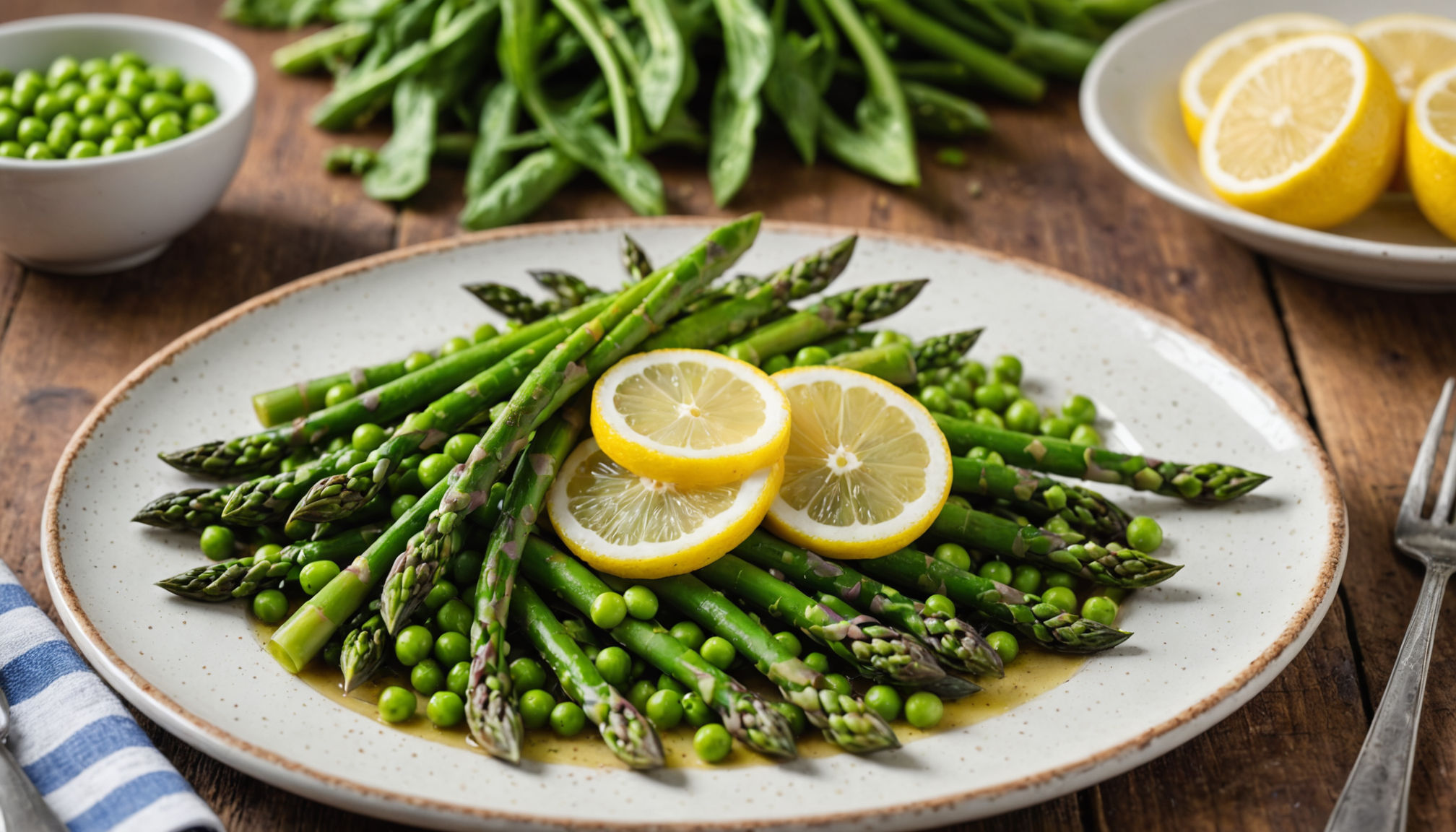 Seasonal vegetables bring a dynamic array of flavors, textures, and nutrients to your culinary creations. Each season offers its own bounty, allowing you to craft meals that are not only delicious but also maximally nutritious. By focusing on the freshest vegetables available, you can create visually appealing and satisfying dishes that excite your palate and promote a healthy lifestyle.
During spring, take advantage of the vibrant greens such as asparagus, peas, and baby spinach. These vegetables are rich in vitamins A and C, which are essential for maintaining a robust immune system. A great way to enjoy spring produce is to prepare a simple sauté of asparagus and peas drizzled with lemon juice, served alongside a grain like farro. This dish not only highlights the fresh flavors of the season but also provides a nourishing and fulfilling meal.
Summer brings with it a colorful variety of vegetables like zucchini, tomatoes, and bell peppers. These vegetables are perfect for grilling or roasting, intensifying their natural sweetness. A summer ratatouille, made with chopped eggplant, zucchini, bell peppers, and tomatoes, can be a perfect centerpiece for an organic dinner. Serve it over quinoa to add a protein boost, transforming seasonal produce into a hearty and healthy recipe.
As the weather begins to cool, fall vegetables take center stage. Root vegetables such as carrots, sweet potatoes, and beets are not only filling but packed with fiber and antioxidants. A roasted root vegetable medley tossed with olive oil and herbs makes for a delicious addition to any meal. These vegetables can easily be incorporated into salads or served warm to create a comforting and nourishing bowl of goodness.
In winter, greens like kale and collard greens shine through despite the colder temperatures. These hardy greens can be used in soups, stews, or sautéed as a side dish. Pair sautéed greens with garlic and a splash of balsamic vinegar for an uplifting entrée that provides essential nutrients while warming you up.
Prioritizing seasonal vegetables in your meals encourages not only a diverse diet but also supports local farmers and sustainable agriculture. With every meal, you have the opportunity to explore different flavors and techniques that elevate your cooking while nourishing your body. Consider visiting your local farmers’ market for inspiration and to discover what’s currently in season—these experiences can ignite your passion for wholesome meals and encourage a deeper connection to food.
- What are seasonal vegetables?
- Seasonal vegetables are those that are at their peak during specific times of the year. They are typically fresher, more flavorful, and often more affordable than out-of-season produce.
- How do I know which vegetables are in season?
- Local farmers’ markets often showcase seasonal produce, making it easy to identify what vegetables to look for. Additionally, many online resources provide seasonal guides specific to your region.
- What are the benefits of eating seasonal vegetables?
- Eating seasonal vegetables often leads to better flavor, higher nutritional value, and supports local agriculture. Seasonal eating can also encourage variety in your diet, which is essential for comprehensive nutrition.
- Can frozen vegetables be considered seasonal?
- Yes, frozen vegetables can be a convenient alternative as they are typically frozen at their peak ripeness. However, they may not have the same freshness as locally sourced seasonal produce.
- How can I incorporate more seasonal vegetables into my meals?
- You can plan your meals around the vegetables available during each season. Try experimenting with new recipes that highlight these ingredients or visit your local farmer’s market to discover fresh produce.
- Are organic vegetables worth the extra cost?
- Organic vegetables are grown without synthetic pesticides or fertilizers, making them a healthier choice for many. While they may be more expensive, the benefits to your health and the environment can justify the cost for many shoppers.
- What are good cooking methods for seasonal vegetables?
- Seasonal vegetables can be roasted, steamed, sautéed, or grilled to enhance their flavors. Using simple seasoning methods such as olive oil, herbs, and spices can bring out the best in these fresh ingredients.
Tips for Elevating Your Meals
Grocery shopping can be a surprisingly rewarding experience when approached with the right strategies, especially for those looking to prepare wholesome meals for their families or busy lifestyles. Here are some tailored tips to elevate your shopping game, ensuring you pick up the ingredients that not only nourish your body but also delight your taste buds.
- Choose Wholesome Ingredients – When you make your shopping list, focus on wholesome, organic ingredients like fresh fruits, vegetables, whole grains, and high-quality proteins. Opt for items rich in nutrients, such as kale, sweet potatoes, or quinoa. These foods can form the base of numerous healthy recipes and keep your dinners refreshing and exciting.
- Find Local and Seasonal Produce – Visit local farmers’ markets to source seasonal produce. These markets often feature vegetables and fruits that are fresher and more flavorful than those found in typical grocery stores. Engage with local farmers to learn about the best items in season. For example, if you find vibrant summer squash or juicy tomatoes, imagine the organic dinner ideas that could spring from them!
- Seek Out Vegan Options – The growing availability of vegan alternatives is fantastic, making it easier to incorporate plant-based proteins into your meals. Look for chickpeas, lentils, and tofu when exploring protein sources. These ingredients not only add nutritional value but also versatility to your meals, allowing you to create beloved recipes your family will enjoy.
- Shop the Bulk Aisle – Save money and reduce packaging waste by buying grains, nuts, and dried legumes in bulk. Not only is this a budget-friendly way to stock up, but it also provides a variety of healthy staples at your fingertips. Items such as oats, almonds, and beans can be included in many healthy recipes, ensuring you have versatile options for your weeknight dinners.
- Be Label Savvy – When picking packaged items, don’t forget to read the labels. Look for organic certifications and ingredients without unnecessary additives, sugars, or preservatives. Understanding what goes into your food allows you to make informed choices and enhances your confidence in the meals you prepare.
- Online Shopping Considerations – If you prefer online grocery shopping, make sure you’re using verified websites. Check for customer reviews and opt for stores that provide clear information about ingredient sourcing. Be vigilant with perishable goods—ensure they have proper shipping and handling practices to guarantee freshness upon arrival.
- Plan for Leftovers – Before you shop, think about meals for the week and how you can repurpose ingredients. Planning can help minimize waste and promote wholesome meals throughout the week. For instance, if you buy a large head of cauliflower, you can use it for a roasted side dish one night and then blend it into soup the next.
- Stay Informed About Food Safety – Always prioritize food safety in your shopping, especially near the produce section. Be aware of recalls or contamination issues by checking health department announcements. In the event of any news regarding food safety, adjust your shopping list to avoid potentially harmful items.
- Utilize Store-specific Promotions – Many grocery stores offer discounts or loyalty rewards. Take advantage of these promotions for your regular purchases, ensuring you stock up on wholesome, organic ingredients without breaking the bank. You might discover savings on whole grains or seasonal fruits that can form the basis of your healthy recipes.
By employing these strategies during your grocery shopping trips, you’re not just filling your cart—you’re setting the stage for delightful meals that nourish your family. The foods you choose have the power to transform your home cooking, turning mealtimes into cherished moments filled with wholesome goodness.
New Customers Offer!
Free Gift for the new customer
$24 Value, When You Subscrib Visit Thrive Market