- Healthy Meal Planning Tips
- Simple Organic Ingredient Swaps
- Quick Dinner Recipes for Busy Weeknights
- One-Pot Organic Dinners
- Seasonal Produce to Enhance Flavor
- Easy Meal Prep Ideas for Weeknight Success
When it comes to grocery shopping, having a well-thought-out plan can make the difference between a stress-free experience and a chaotic one. Before you even step foot in the store—or click on that online shopping cart—take a moment to jot down a meal plan for the week. This not only helps in keeping your diet aligned with your health goals but also minimizes impulse buys.
Start by evaluating your pantry and fridge. This can help you create a list of what you need, reducing food waste. Aim for a mix of whole foods such as organic food, lean proteins, and vibrant vegetables. Incorporating seasonal produce will not only enhance flavor but also save you money, as local crops tend to be less expensive and fresher.
Next, when shopping for healthy cooking ingredients, prioritize items like:
- Fresh fruits and vegetables, ideally from local farmers’ markets or organic grocery stores.
- Whole grains such as quinoa, brown rice, and oats.
- Plant-based proteins, perfect for vegans, such as lentils, chickpeas, and tempeh.
- Healthy fats, like avocados, nuts, and olive oil.
Don’t forget about your budget! Stick to generic or store-brand items for the same quality at a lower price. Bulk buying can be a great strategy for staples like grains, beans, and nuts. Just ensure you properly store them to maintain freshness.
For those who prefer online shopping, safety should always be your priority. Make sure to shop from reputable websites and check their return policies. Read customer reviews to ensure that the organic items meet your quality standards. When ordering perishable items, choose sellers that provide refrigerated delivery options. This ensures that your organic food arrives fresh and safe to eat.
Lastly, never underestimate the power of meal prepping. Having prepped meals ready to go can significantly reduce the temptation to reach for unhealthy options on busy days. Simple recipes can be made in bulk and stored in individual servings, making it easier to stay on track with your health goals.
Simple Organic Ingredient Swaps
Making simple ingredient swaps can transform everyday meals into healthy and flavorful dishes without compromising taste. When focusing on organic food, these adjustments not only enhance nutritional value but also support sustainable farming practices. Below are some straightforward substitutions that can boost the health quotient of your cooking while maintaining simplicity.
| Conventional Ingredient | Organic Swap | Benefits |
|---|---|---|
| White rice | Quinoa or brown rice | Higher fiber content, protein-rich, gluten-free. |
| Pasta | Whole grain or chickpea pasta | Increased fiber and nutrients, lower glycemic load. |
| Conventional chicken breast | Organic chicken or plant-based protein (e.g., tofu) | Less exposure to antibiotics and hormones, lower fat options. |
| Sour cream | Greek yogurt | Lower fat, higher protein, probiotics for digestive health. |
| Table salt | Sea salt or Himalayan salt | Trace minerals and lower sodium options available. |
Incorporating these easy recipes and swaps into your cooking routine can make a significant difference. Instead of reaching for that half-cup of sour cream for your taco night, you can easily replace it with Greek yogurt, which adds creaminess and a tangy flavor while offering additional protein. Similarly, switching from white to brown rice or quinoa not only introduces a nutty flavor but also enhances the meal’s fiber content, which is beneficial for digestive health.
Moreover, these simple swaps are typically straightforward and don’t require any extensive cooking skills. For example, when making pasta dishes, consider swapping out regular pasta for whole grain or chickpea pasta. This not only adds a unique taste and texture but also provides extra nutrients for your daily intake.
Opting for organic ingredients when available ensures that you’re consuming produce that is free from synthetic pesticides and fertilizers, which is better for your health and the environment. When you’re mindful of the ingredients you’re using, even traditional comfort foods can become healthier while remaining delicious. By integrating these organic swaps into your meals, you not only improve your health but also create meals that support sustainable food choices.
Quick Dinner Recipes for Busy Weeknights
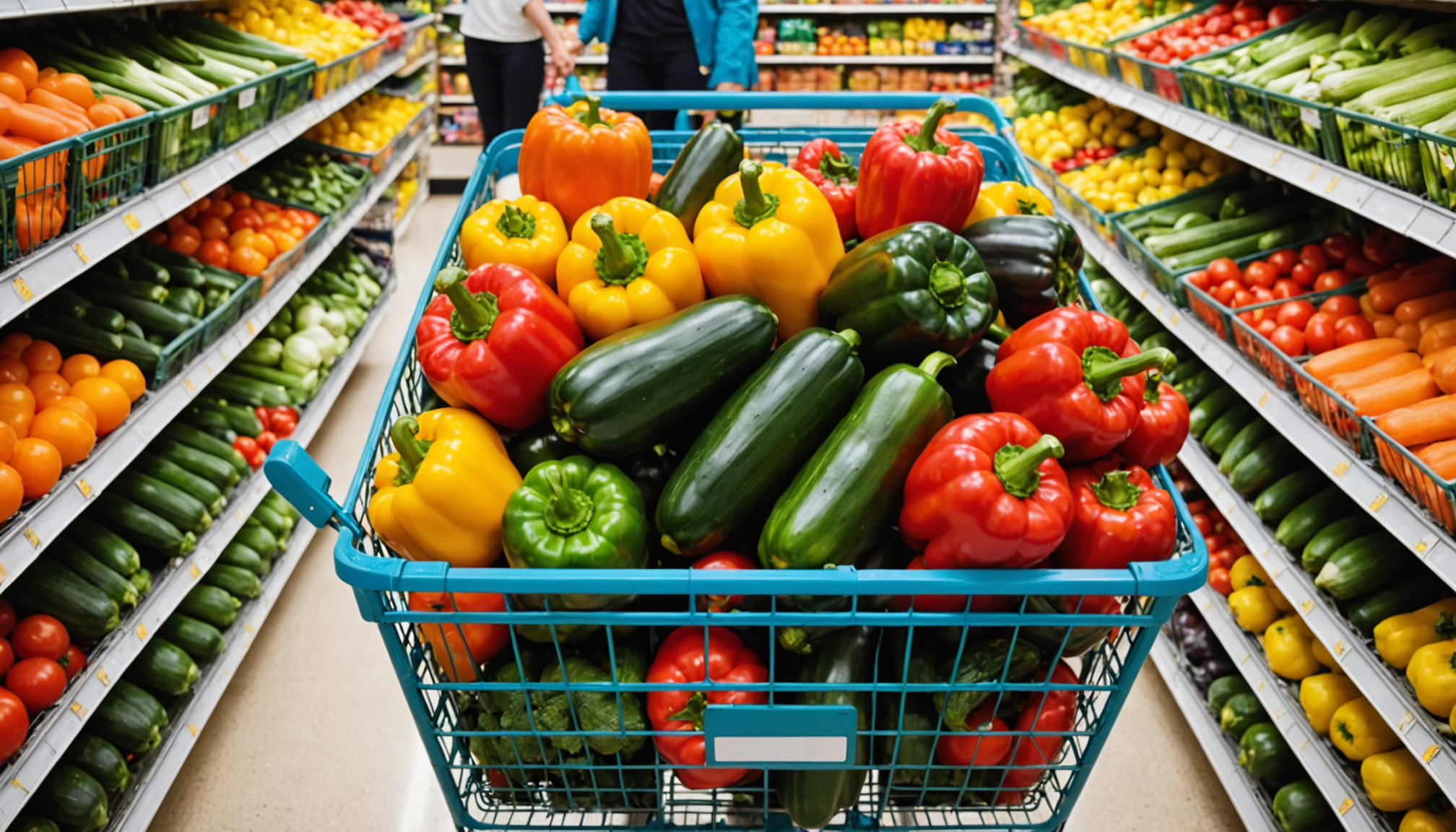
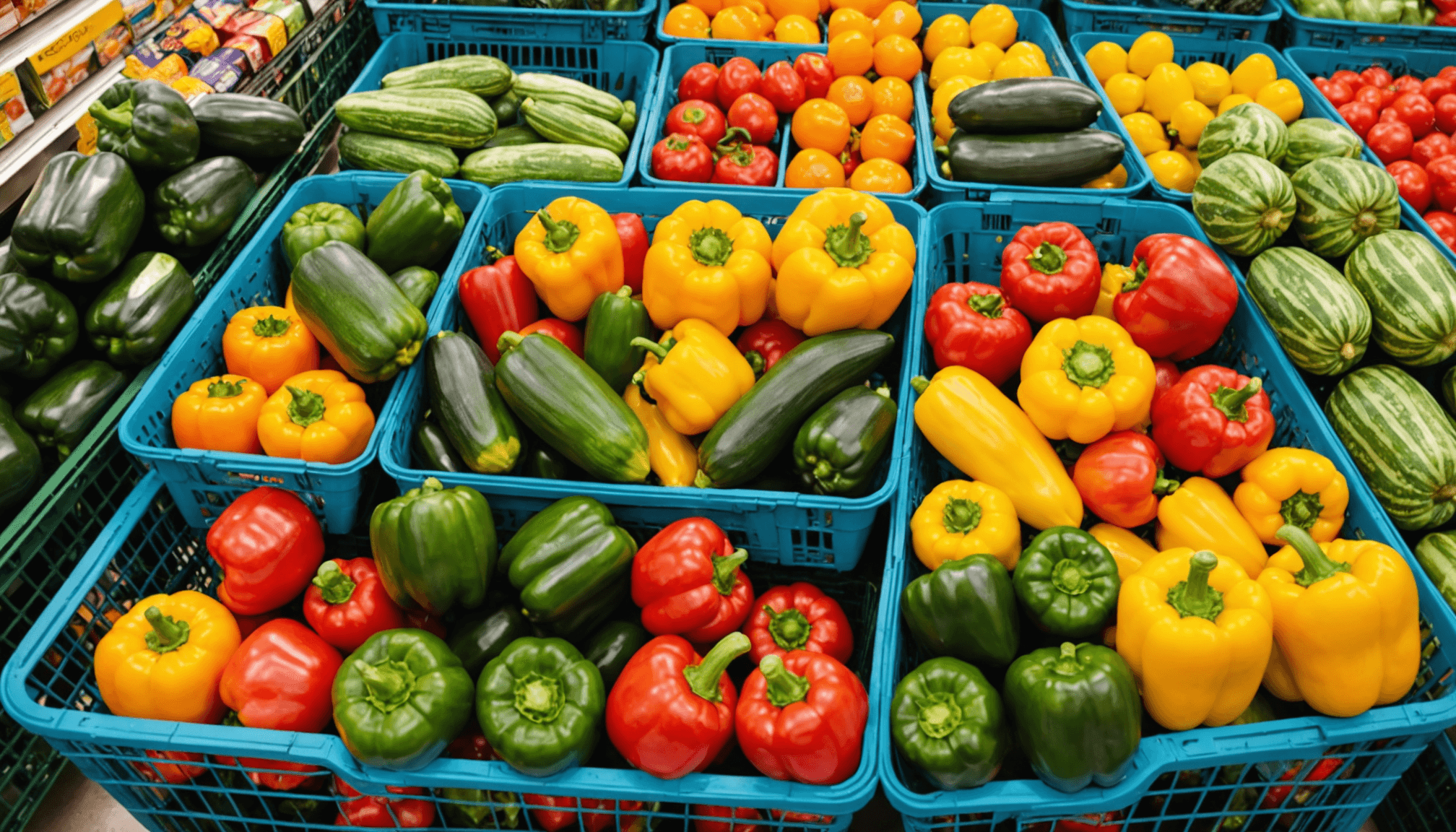
Grocery shopping for quick dinners can be an enjoyable adventure rather than a mundane chore. As you navigate through the aisles, your focus should be on building a cart filled with vibrant ingredients that can come together in a flash for healthy meals. First, create a shortlist of versatile ingredients that serve multiple recipes. For example, bell peppers, zucchini, and tomatoes can be used in stir-fries, salads, or pasta dishes.
When shopping for produce, opt for items that are in-season, as they tend to be fresher and more affordable. For instance, if it’s summer, think about picking up an abundance of tomatoes, as they can easily be roasted, tossed into salads, or blended into a quick sauce. Similarly, hearty greens like kale or Swiss chard can be sautéed quickly and added to any dish for a nutrition boost.
For proteins, consider plant-based options like chickpeas or black beans, which are not only easy to cook but also budget-friendly. Tinned legumes are an excellent shortcut for a busy weeknight; simply rinse and toss them into a salad, stir-fry, or a curry. If you prefer animal protein, look for pre-marinated organic chicken or fish, which can cut your prep time significantly. Just a quick pan-sear or bake, and you’re set!
Don’t forget healthy fats. Keep a stash of nuts like almonds or walnuts in your pantry. These can be added to salads, oatmeal, or simply enjoyed as a snack. Avocados are another great option—slice them up for a creamy addition to sandwiches or salads or mash them into a quick guacamole.
Staying organized while you shop is crucial. Stick to a list to avoid impulse purchases, especially with snacks that you might not need. If you shop online, make use of grocery delivery services that allow you to select organic foods straight from local farms. Not only does this support your community, but it ensures that you’re getting the freshest produce available.
Check reviews and seller ratings if you’re purchasing healthy cooking ingredients online. Remember to look for organic certifications on packaging to ensure the standards of your food. Freshness can vary with online purchases, especially for perishables, so consider timing your deliveries to when you’ll be home to receive them promptly.
Creating healthy meals quickly can be as simple as utilizing one-pot methods. Minimal dishes mean less cleanup while still allowing you to whip up delicious meals. Base your dishes around wholesome grains like quinoa or brown rice, adding in a variety of seasonal vegetables and a protein of choice. Season with herbs and spices from your pantry for a flavor boost that doesn’t take extra time.
Lastly, remember that variety is key in keeping your meals exciting and satisfying throughout the week. Prepare a variety of dressings and sauces that can complement multiple dishes. A simple vinaigrette can elevate your salads, while a robust tomato sauce could turn pasta into a go-to family favorite. By staying mindful of your shopping habits and keeping your pantry stocked, you’ll pave the way for quick, wholesome dinners that bring joy to your table without overwhelming your schedule.
One-Pot Organic Dinners
The beauty of one-pot organic dinners lies in their simplicity and the way they allow flavors to meld together beautifully. Imagine a dish that not only feeds your hunger but also nurtures your body with nutrient-rich ingredients, all while minimizing the mess in your kitchen. This method of cooking is particularly beneficial for busy weeknights when time is of the essence.
One classic example is a hearty quinoa and vegetable pilaf. Start by sautéing diced onions and garlic in a little olive oil until fragrant. Then, add your choice of seasonal vegetables—think bell peppers, zucchini, or whatever is fresh in your local market. These not only add color but also provide essential vitamins and minerals. Stir in rinsed quinoa along with vegetable broth, and let it simmer until the grains are fluffy. Finish with a sprinkle of fresh herbs like parsley or cilantro for a burst of flavor.
Another easy recipe is a creamy one-pot pasta made with whole grain or chickpea pasta. In a large pot, combine vegetable broth, diced tomatoes, and a splash of coconut milk for richness. As the mixture comes to a boil, add the pasta and cook until al dente. Toss in your favorite leafy greens, such as spinach or kale, during the last few minutes of cooking. The heat will wilt the greens while maintaining their nutrients, resulting in a deliciously satisfying dish. Not only does this approach minimize your cleanup but it also packs in those essential nutrients that define healthy cooking.
For a more rustic option, consider a one-pot organic stew. Begin by browning your choice of organic meat or plant-based protein, such as lentils or chickpeas, with aromatic vegetables like carrots and celery. Pour in vegetable or chicken broth, add your spices, and let it simmer until flavors are rich and hearty. Towards the end of cooking, toss in seasonal root vegetables such as sweet potatoes or turnips to add sweetness and depth. This warming dish not only provides nourishment but also satisfies the soul.
Lastly, don’t forget about seasoning—this is where the magic happens. Fresh herbs, spices like cumin or paprika, and even a splash of lemon juice can elevate your meal from ordinary to extraordinary. These flavors will seep into all ingredients, ensuring every forkful is delightful.
One-pot meals are not just about convenience; they embody the essence of healthy, wholesome cooking. With just a bit of planning and creativity, you can craft various dishes that are as nourishing as they are quick to prepare.
“The key to a quick dinner that is both delicious and satisfying is to use high-quality ingredients and allow them to speak for themselves.” – Unknown
This philosophy is easy to adopt with one-pot organic dinners, where the focus is on simplicity and quality, ensuring that you and your family enjoy wholesome meals even on the busiest of nights.
Seasonal Produce to Enhance Flavor
 Seasonal produce not only enhances the nutritional value of your meals but also amplifies flavor profiles, making your dishes more enjoyable and satisfying. By incorporating fruits and vegetables that are in season, you tap into a natural rhythm of the earth, ensuring that you’re serving your family the freshest, most flavorful options available. For instance, during spring, you might find asparagus and peas, both of which can add a vibrant green touch to salads or stir-fries. In fall, the sweetness of butternut squash or brussels sprouts can transform a regular weeknight dinner into something special.
Consider how working with seasonal produce allows you to experiment creatively in the kitchen. Each season offers its unique palette of colors and textures; it invites you to step out of your comfort zone. Techniques such as roasting or grilling may bring out complex flavors that enhance the ingredients’ natural sweetness. Roasting root vegetables in autumn caramelizes their sugars, resulting in a comforting side dish that pairs beautifully with your favorite proteins.
Shopping for fresh, seasonal produce also aligns with sustainable practices. By choosing local, in-season ingredients, you reduce your carbon footprint and support nearby farmers who practice organic methods. Not only are you getting a fresher product, but you also contribute to the local economy, ensuring that you’re part of a system that values quality and sustainability. This commitment to supporting local agriculture means that you are more likely to find produce that is free from harmful pesticides, leading to healthier cooking outcomes for you and your family.
To further encourage exploration of seasonal ingredients, consider joining a local CSA (Community Supported Agriculture). Participating in a CSA is an excellent way to receive a weekly box of fresh, locally grown fruits and vegetables. This not only fosters a deeper connection with your food but also exposes you to new produce that you might not typically choose at the grocery store. It’s a wonderful chance to expand your culinary repertoire and experiment with new recipes, sparking creativity in your kitchen.
Embracing seasonal ingredients encourages you to think critically about the food system and explore the benefits of eating with the seasons. How often do you pay attention to what produce is available at different times of the year? As you learn to appreciate the unique offerings of each season, you’ll likely cultivate a deeper understanding and respect for the food you consume, enhancing your overall wellness.
- Why should I buy seasonal produce?
- Seasonal produce is fresher, more flavorful, and often more affordable. It also promotes local agriculture and supports sustainable farming practices.
- How can I identify what produce is in season?
- Research local farmers’ markets or refer to seasonal produce guides available online. Many grocery stores also label items that are in season to assist shoppers.
- What are some easy recipes using seasonal ingredients?
- Consider simple recipes like roasted vegetable medleys, salads with leafy greens, or stir-fries including whatever seasonal veggies are available. These methods highlight the delicate flavors of fresh produce.
- Does in-season produce have more nutrients?
- Yes, produce harvested at its peak season typically contains more nutrients as it has ripened naturally and has not been stored for long periods, which can degrade its nutritional value.
- How can I store seasonal produce to keep it fresh?
- Store fruits and vegetables in a cool, dry place or in the refrigerator depending on the type. Use breathable bags or containers to extend freshness, and avoid washing before storing to prevent spoilage.
- Are there benefits to joining a CSA?
- Joining a CSA provides access to fresh, seasonal produce directly from local farms. It often leads to trying new foods and supports the local economy and sustainable farming.
- Can I grow my own seasonal produce at home?
- Absolutely! Growing your own herbs, vegetables, and fruits can be rewarding. Start with easy-to-grow plants like tomatoes, peppers, or herbs for a flavorful addition to your meals.
Easy Meal Prep Ideas for Weeknight Success
When it comes to grocery shopping, especially for meal prep, efficiency can truly be your best friend. A smart shopping strategy not only helps you save time but also impacts your overall health by ensuring you have nutritious options at your fingertips. Start by creating a comprehensive shopping list based on your meal plan, making sure to include plenty of fresh, organic produce and whole ingredients that make healthy cooking a breeze.
As you navigate the aisles, focus on grabbing ingredients that can multitask for various recipes. Ingredients like chicken breasts, lentils, canned beans, and an assortment of fresh vegetables are foundational elements that can transform into numerous easy recipes throughout the week. For example, a rotisserie chicken can be shredded for tacos, tossed into salads, or mixed into soups—all in one week!
In terms of seasonal local foods, seek out vibrant produce that brightens not only your plate but also your health. Shopping at your local farmer’s market is a fantastic way to score fresh, organic fruits and vegetables while supporting local agriculture. You’ll often find items that are not only fresher but also more flavorful. Remember that colorful fruits and veggies often carry more nutrients; think vibrant reds of tomatoes and bright greens of spinach. Look for these as staples for your meal prep.
- Healthy fats: Be sure to pick up items like avocados and nuts. These can serve as nutritious toppings for salads, snacks, or smoothie add-ins.
- Whole grains: Stock your pantry with quinoa, brown rice, and whole grain pasta—great for quick dinners that fuel your body.
- Plant-based proteins: Whether you choose chickpeas, lentils, or edamame, these ingredients can be whipped into simple recipes that are both filling and healthy.
When considering online shopping, focus on safety and quality. Make a habit of checking the organic certifications and ratings of the vendors before making a purchase. Opt for sellers that offer clear return policies as well as detailed shipping information, especially regarding how they handle perishables during transit. Packages arriving on the warmer side can compromise your fresh ingredients, so always choose sellers who promise expedited shipping for dairy or meat products.
For those on a budget, consider bullet-pointing freezer-friendly items that can be bought in bulk. For instance, freeze extra portions of cooked meals or raw ingredients like fruits for smoothies or blended soups. This not only is budget-friendly but also ensures you have meals ready for the weeks ahead. Extending the shelf life of your healthy cooking essentials means you’ll always be prepared to whip up delicious dinners at a moment’s notice!
Meal prep is transformative for busy families and professionals alike; it reminds us that healthy habits can be woven seamlessly into our lifestyles. Spend an hour on the weekends chopping vegetables, marinating proteins, or cooking grains in advance. Store them in clear, labeled containers in the fridge, making it easy to assemble meals during the week. Prepping your ingredients also helps minimize waste since you’ll know exactly what you have on hand and can keep track of what needs to be used first.
With these practical grocery shopping tips, you’re not only set up for success at the store but you’ll also be well on your way to crafting easy recipes that support your health goals. The combination of thoughtful purchasing and meal prep can enrich your dining experience while keeping it stress-free!
New Customers Offer!
Free Gift for the new customer
$24 Value, When You Subscrib Visit Thrive Market