- Healthy Organic Ingredients for Quick Meals
- Simple Dinner Recipes to Try
- Time-Saving Cooking Techniques
- Meal Prep Tips for Busy Weeknights
- Nutritional Benefits of Organic Foods
- Delicious Healthy Side Dishes
When it comes to shopping for organic food, whether online or in-store, a well-thought-out approach can save time and ensure that you bring home only the healthiest ingredients for your meals. Here are some tips that will enhance your grocery shopping experience:
- Plan Ahead: Before heading out, draft a shopping list based on your meal plans for the week. Include versatile staples such as whole grains, lean proteins, and a variety of fruits and vegetables. This not only keeps your purchases focused but also helps you avoid impulsive buys that can derail healthy eating.
- Shop Seasonal and Local: Visiting local farmers’ markets can provide fresh and organic produce that didn’t travel far to reach your plate. Seasonal fruits and vegetables are often less expensive and bursting with flavor. Plus, you support your local economy!
- Go for Bulk Bins: Stores that offer organic items in bulk can save you money while providing flexibility in portion sizes. Grains, nuts, seeds, and dried fruits are perfect for easy recipes and can last longer when stored properly.
- Look for Sales and Coupons: Keep an eye on store flyers and websites for promotions on organic items. Signing up for newsletters from healthy food retailers can also lead to exclusive discounts, helping you stick to a budget.
- Examine Labels: When shopping, read labels carefully. Look for products with fewer ingredients and avoid those with additives or preservatives. For packaged organic foods, certifications like USDA Organic can assure that you’re purchasing genuine organic items.
- Online Shopping Safety: If you prefer shopping online for convenience, be cautious when selecting vendors. Look for reputable websites with customer reviews and clear return policies. Ensure that your payments are secure, and consider using payment services that offer extra protection.
- Frozen and Canned Options: Don’t overlook frozen or canned organic options, which can be just as nutritious as fresh produce and often more convenient. These items have a longer shelf life and make it easy to whip up easy recipes when you’re short on time.
- Check for Allergens: If you or your family members have food allergies, it’s important to review ingredient lists thoroughly. Cross-contamination can occur, especially in bulk bins or packaged foods.
By integrating these shopping strategies, you can fill your pantry with healthy cooking essentials that support your family’s nutritional needs and make meal preparation a breeze!
Simple Dinner Recipes to Try
A quick and easy way to prepare healthy dinners can be accomplished with a few simple recipes that leverage the wholesome flavors of organic ingredients. Here are three delightful recipes to try that are not only quick to make but are also packed with nutrition and taste.
Vegetable Stir-Fry
This vibrant stir-fry is a great way to use up any seasonal vegetables you have on hand.
Ingredients:
– 2 cups of mixed organic vegetables (bell peppers, broccoli, carrots, snap peas)
– 1 cup of cooked quinoa
– 2 tablespoons of organic soy sauce or tamari
– 1 tablespoon of sesame oil
– 1 teaspoon of minced garlic
– 1 teaspoon of fresh ginger, grated
– Optional: sesame seeds and chopped green onions for garnish
Instructions:
1. In a large skillet or wok, heat the sesame oil over medium-high heat.
2. Add the garlic and ginger, and sauté for about 30 seconds until fragrant.
3. Add the mixed vegetables and stir-fry for about 5-7 minutes until crisp-tender.
4. Stir in the cooked quinoa and soy sauce, cooking for an additional 2 minutes.
5. Serve immediately, garnished with sesame seeds and green onions.
Lemon Herb Grilled Chicken
For those craving a protein-rich meal, this lemon herb grilled chicken is both satisfying and easy to prepare.
Ingredients:
– 2 organic chicken breasts
– Juice of 1 lemon
– 2 tablespoons of olive oil
– 1 teaspoon of dried oregano
– 1 teaspoon of dried thyme
– Salt and pepper to taste
Instructions:
1. In a bowl, combine lemon juice, olive oil, oregano, thyme, salt, and pepper.
2. Marinate the chicken breasts in this mixture for at least 30 minutes (or overnight for deeper flavor).
3. Preheat the grill or grill pan over medium heat. Cook the chicken for approximately 6-7 minutes on each side or until it reaches an internal temperature of 165°F.
4. Let the chicken rest for a few minutes, then slice and serve with a side salad or steamed veggies.
Chickpea Salad
Refreshing and full of texture, this chickpea salad is perfect for a quick dinner or as a side dish.
Ingredients:
– 1 can of organic chickpeas, drained and rinsed
– 1 cucumber, diced
– 1 cup of cherry tomatoes, halved
– 1/4 red onion, finely chopped
– 1/4 cup of parsley, chopped
– Juice of 1 lemon
– 2 tablespoons of extra virgin olive oil
– Salt and pepper to taste
Instructions:
1. In a mixing bowl, combine chickpeas, cucumber, cherry tomatoes, red onion, and parsley.
2. Drizzle with lemon juice and olive oil, then season with salt and pepper.
3. Toss until well mixed and serve chilled or at room temperature.
These recipes demonstrate that cooking with organic food can result in not only healthy meals but also simple ones that do not require extensive preparation or complicated techniques. Each provides an opportunity to include a variety of nutrients while accommodating any busy schedule.
For further comparison of these easy recipes, consider the following table that breaks down preparation time, cooking time, and main nutritional focus:
| Recipe | Preparation Time | Cooking Time | Main Nutritional Focus |
|---|---|---|---|
| Vegetable Stir-Fry | 10 minutes | 10 minutes | Vitamins, fibers, plant protein |
| Lemon Herb Grilled Chicken | 5 minutes (plus marinating) | 15 minutes | Lean protein, healthy fats |
| Chickpea Salad | 10 minutes | 0 minutes | Plant protein, fiber, vitamins |
With these straightforward dishes, wholesome eating becomes a joyful and stress-free activity.
Time-Saving Cooking Techniques

Efficient grocery shopping is all about strategy, especially for those leading busy lives but wanting to maintain a healthy lifestyle. Here are a few entertaining yet practical tips that can revolutionize your shopping routine:
- Embrace Online Grocery Shopping: In the digital age, leverage online grocery services that deliver organic food right to your doorstep. Not only does this save time, but it also allows you to avoid impulse buys often triggered by in-store shopping. Use grocery apps that let you save your favorite items for quick reordering.
- Time Your Shopping Trips: Choose to shop during off-peak hours! Early mornings or late evenings can mean fewer crowds, making it easier to focus on finding healthy cooking ingredients without the stress of long lines or busy aisles.
- Utilize a Shopping App: Download a grocery list app to keep track of your needs effortlessly. Many of these apps allow you to categorize items, so you can stick to the produce section, meats, or whole grains without wandering. This feature cuts down on shopping time significantly.
- Stick to Perimeter Shopping: In many grocery stores, fresh produce, meats, and dairy are typically located along the perimeter. This strategy can help you fill your cart mainly with whole, nutrient-dense foods, steering clear of processed options found in the interior aisles.
- Batch Buying with Friends: Form a co-op with friends or family members to buy in bulk. Not only can this save money, but it also allows you to share large quantities of organic ingredients. For instance, splitting a large bag of quinoa or bulk nuts can reduce costs and provide variety in your cooking.
- Invest in a Good Cooler: If you opt for an outing to your local farmers’ market or a store a bit farther away that specializes in organic products, bring along a cooler. This ensures your fresh produce, meats, or alternative dairy products remain at safe temperatures, preserving their quality for longer. Always check the temperature recommendations for perishable items.
- Use Adverse Weather to Your Advantage: Bad weather can deter many shoppers; consider it an opportunity. Head out on overcast or rainy days when the aisles will be less crowded. Bring an umbrella for outdoor markets, and you might find vendors offering discounts to avoid wastage!
- Be Aware of Janitorial Products: Grocery stores often use cleaning products that can leave residues on produce. Washing your fruits and vegetables thoroughly before consumption can mitigate any risks. Even organic produce should be rinsed under running water.
- Scan for Seals: When shopping for packaged organic goods, check for seals that indicate third-party testing. These seals can help provide assurance that you’re buying safe and quality products, while also ensuring you’re getting your money’s worth.
In conclusion, grocery shopping doesn’t have to be a burdensome task. With these tips and tricks, you can cut down on time spent in the store while stocking up on essential healthy ingredients, ensuring that nutritious meals are at your fingertips, whether you’re whipping up easy recipes or preparing meals for the week. Happy shopping!
Meal Prep Tips for Busy Weeknights
By dedicating a small portion of your weekend or a quieter evening during the week to meal prep, you can create a treasure trove of ready-to-eat meals that simplify your weekday dinners. Start by choosing a couple of recipes that involve similar ingredients; this not only enhances flavor profiles but also streamlines your shopping. For instance, if you decide to make a vegetable stir-fry and a chickpea salad, you can buy fresh veggies that can be used in both dishes.
One effective approach to meal prep is batch cooking. Prepare large quantities of grains like quinoa or brown rice, which can be used as bases for multiple meals throughout the week. After cooking, let them cool completely before transferring them to airtight containers. This will prevent spoilage and keep your food fresh.
When it comes to proteins, consider cooking or marinating several servings of chicken, tofu, or beans in advance. Store them in the fridge so that they can be quickly added to salads, wraps, or grain bowls. You can even freeze extra portions for future meals, ensuring you always have a healthy option available.
Another important technique is to chop vegetables in advance. Spend some time washing, peeling, and cutting them into usable sizes, then store them in airtight containers. Having these ready to go will make it easy to whip up simple dishes like stir-fries or salads without the hassle of prep work during busy evenings.
Investing in versatile containers can be a game-changer for meal prep. Look for stackable options that are fridge and microwave-safe, making it easy to store and reheat. You might also consider using clear containers so that you can see what you have at a glance, which helps in avoiding food waste.
Utilizing a slow cooker or an Instant Pot can greatly expedite your meal prep sessions. These appliances allow you to set it and forget it; just toss in your ingredients and return to a delicious and healthy dinner. Prepare soups, stews, or chili in bulk and freeze individual servings for later enjoyment.
Don’t forget about your snacks! Prepare healthy options like cut fruits, nuts, or veggie sticks to keep in the fridge. This will not only save time but also help resist the temptation to reach for less healthy alternatives during those long days.
“Good food is a good mood.” – Unknown
Lastly, label everything with dates for easier tracking. This will help you prioritize which meals to eat first and ensure you’re enjoying the freshest ingredients. By following these meal prep strategies, you’ll find that eating healthy organic food can fit seamlessly into your busy life, giving you the nourishment you need without the stress of daily cooking.
Nutritional Benefits of Organic Foods
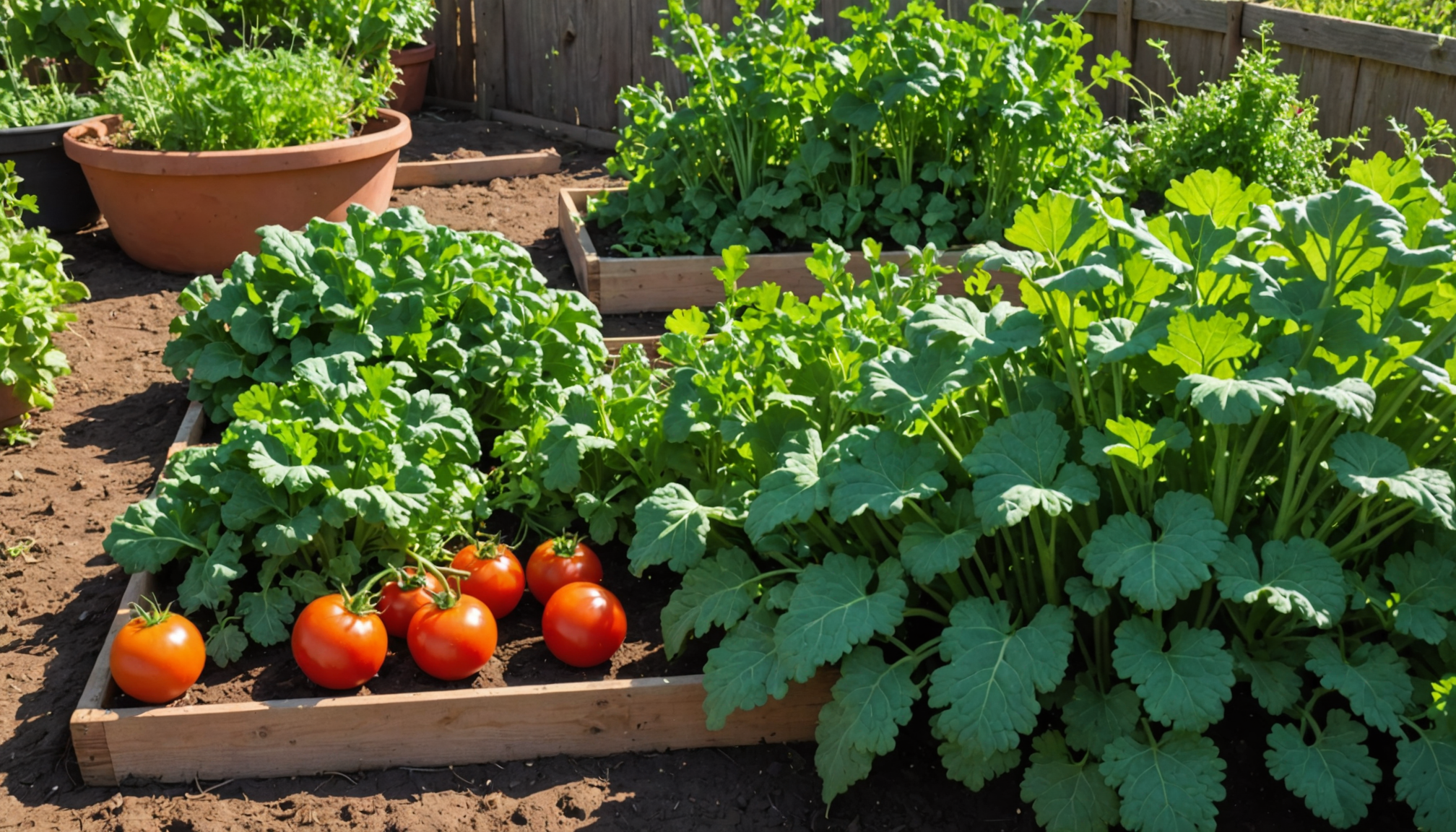 The advantages of organic foods extend far beyond personal health; they play a vital role in environmental sustainability and the overall food system. Organic foods are grown without the use of harmful pesticides, synthetic fertilizers, or genetically modified organisms (GMOs), making them a safer choice for consumers and ecosystems alike. When you choose organic, you support farming practices that promote biodiversity and soil health, which can lead to more nutritious crops and healthier food options.
One vital aspect of organic food is the higher nutrient density compared to conventionally grown counterparts. Studies have shown that organic produce often contains higher levels of antioxidants, vitamins, and essential minerals. These nutrients are crucial for maintaining bodily functions and combating diseases. By integrating organic ingredients into your meals, you enhance the nutritional profile of your diet without resorting to processed foods laden with fillers and additives. Furthermore, many organic foods are grown in healthier soil, which can lead to produce that is not only more flavorful but also richer in nutrients.
Another compelling reason to choose organic foods lies in the well-being of animal welfare. Organic standards require that livestock are raised in humane conditions, with access to the outdoors, organic feed, and a natural environment. As consumers grow increasingly conscious about how their food choices impact animal lives, supporting organic farming practices contributes to a more ethical food supply chain.
The process of organic farming typically excludes the use of synthetic pesticides and antibiotics, which can pose risks to human health. By opting for organic, you reduce your exposure to harmful chemicals that may linger on your food or permeate the soil. This conscious decision can be especially important for vulnerable populations, such as children, pregnant women, and those with weakened immune systems.
In addition to health advantages, organic foods often demonstrate higher levels of flavor and freshness due to shorter transportation distances and seasonal growth patterns. This not only impacts the taste of your meals but also reduces the carbon footprint associated with long-distance shipping, making organic purchasing a more sustainable choice overall.
As you delve into the world of organic foods, consider the implications of your dietary choices—not only for your health but also for the planet and future generations. The journey of discovering and embracing organic ingredients can be an enriching experience, empowering you to make informed decisions that resonate with your values and lifestyle. This thirst for knowledge and awareness will encourage a shift toward a healthier, eco-friendly approach to food.
- What are the benefits of organic foods?
- Organic foods tend to be more nutritious, as they are often grown without synthetic pesticides and fertilizers. They also support sustainable agricultural practices and promote animal welfare.
- How can I identify organic products when shopping?
- Look for packaging labeled with the USDA Organic seal, which guarantees that the product is compliant with organic farming standards. Additionally, check ingredient lists for additives and preservatives.
- Are organic foods more expensive than conventional options?
- While organic foods can be pricier, many find the health benefits and quality worth the investment. Shopping local, buying in bulk, and purchasing seasonal items can help lessen the cost.
- Can organic foods be part of a balanced diet?
- Absolutely! Incorporating organic ingredients, such as fruits, vegetables, whole grains, and lean proteins, can enhance the nutritional value of your meals and contribute to overall health.
- Are there any environmental benefits of organic farming?
- Organic farming practices support biodiversity, soil health, and water conservation, which can reduce pollution and encourage a more sustainable agricultural ecosystem.
- Is it safe to eat organic produce without washing it?
- Even though organic produce is grown without synthetic pesticides, it’s still advisable to wash fruits and vegetables thoroughly to remove any dirt, bacteria, or potential residues.
- How does organic food impact taste?
- Many consumers report that organic foods, especially fruits and vegetables, taste fresher and more flavorful because they are grown in healthier soil and often harvested at peak ripeness.
Delicious Healthy Side Dishes
When it comes to creating delicious healthy side dishes, diverse options can elevate any meal while providing essential nutrients. The beauty of side dishes lies in their versatility; they can complement your main courses beautifully while being simple to prepare. Here are some mouthwatering side dishes sure to please your family and friends, along with tips for shopping and preparing healthy ingredients:
- Roasted Vegetables: This vibrant side is not only visually appealing but is also packed with flavor. Select a mix of seasonal vegetables such as carrots, Brussels sprouts, zucchini, and bell peppers. Toss them in a bit of olive oil, salt, pepper, and your favorite herbs before roasting at 425°F for about 20-25 minutes. Serve with a sprinkle of fresh herbs for added brightness.
- Quinoa Salad: Quinoa is a fantastic option for a nutrient-dense side. Cook the quinoa in vegetable broth for an extra kick of flavor. Combine it with diced cucumbers, cherry tomatoes, parsley, and a drizzle of lemon vinaigrette. This refreshing salad not only adds color to your plate but also provides a healthy dose of plant protein.
- Garlic Mashed Cauliflower: For a healthier twist on traditional mashed potatoes, try mashed cauliflower. Steam the cauliflower florets until soft, then blend with a splash of almond milk, roasted garlic, salt, and pepper until creamy. This low-carb alternative is a great way to sneak in more veggies.
- Stuffed Bell Peppers: Hollow out bell peppers and fill them with a wonderful mixture of brown rice, black beans, corn, diced tomatoes, and spices. Bake for 30 minutes at 375°F. Top with avocado for creaminess and extra nutrients. They’re colorful, energizing, and make for an impressive presentation!
- Spinach & Feta Stuffed Mushrooms: These little bites are perfect for gatherings or family dinners. Remove the stems from large mushrooms, and fill them with a mixture of sautéed spinach, feta cheese, breadcrumbs, and garlic. Bake until the mushrooms are tender and the tops are golden brown.
To achieve the best results in creating these side dishes, consider the following grocery shopping tips:
- Prioritize Fresh Ingredients: Always opt for fresh organic produce when selecting vegetables. Look for vibrant colors and firm textures, ensuring maximum nutritional benefits and flavor. Farmers’ markets or local co-ops are great spots to find seasonal options.
- Explore Frozen Varieties: Don’t shy away from frozen organic vegetables—they can be a time-saver while retaining their nutritional value. Alyways check labels for added ingredients or sauces to avoid unwanted extras.
- Buy in Bulk: If you have the storage, purchasing staples like quinoa or rice in bulk can save money. Pair these with legumes for affordable sources of protein, making your side dishes not only healthy but also budget-friendly.
- Choose Whole Grains: Incorporating whole grains into your side dishes vastly enhances their nutritional content. Look for options such as farro, barley, or bulgur to add variety to your meals while supporting heart health.
- Utilize Leftovers: Repurpose leftover grains or proteins from your main meal into your side dishes. It’s an easy way to cut down on prep time while ensuring nothing goes to waste!
- Healthy Seasoning: Elevate your side dishes with herbs and spices instead of relying on salt or heavy dressings. Fresh herbs like basil, cilantro, and chives can transform flavors significantly while adding valuable nutrients.
These delightful sides not only enhance your meals but also offer an easy way to incorporate more organic food into your diet. Experiment, have fun with flavors, and enjoy the process of creating beautiful, healthful dishes that make any dinner feel special.
New Customers Offer!
Free Gift for the new customer
$24 Value, When You Subscrib Visit Thrive Market