- Healthy Meal Planning Tips
- Nutrient-Packed Ingredients
- Simple Organic Dinner Recipes
- Time-Saving Cooking Techniques
- Incorporating Seasonal Produce
- Storing and Reheating Leftovers
When it comes to grocery shopping, a strategic approach can make all the difference in achieving your healthy goals while staying within budget. First and foremost, create a detailed shopping list based on your meal plan for the week. This helps you stick to your needs and avoid the temptation of impulse buys. Always start with the perimeter of the store where fresh fruits, vegetables, and organic products are typically located. These whole foods should form the foundation of your pantry and refrigerator.
Next, consider exploring local farmers’ markets for fresh produce. Purchasing directly from local vendors not only supports your community but also often ensures that your fruits and vegetables are fresher and more nutrient-dense. Look for vibrant options, such as seasonal greens and root vegetables, which can be incorporated into numerous easy recipes.
When shopping for proteins, aim for organic and antibiotic-free options whenever possible. If you’re vegan, stock up on lentils, chickpeas, and quinoa, which are excellent sources of plant-based protein. For those watching their budgets, buying dried beans and grains in bulk can save money while allowing you to create filling meals.
Like with proteins, consider the importance of versatility in your pantry staples. Ingredients like canned tomatoes, coconut milk, and a variety of spices can help you create a range of dishes with minimal effort. Be sure to check expiration dates, especially on canned goods, and choose organic options when available to avoid unwanted pesticides.
Online shopping can be incredibly convenient but requires some safety precautions, especially when ordering organic food. Stick to reputable websites and read product reviews before purchasing. Look for clear labels indicating organic certification. Pay attention to shipping options; select ones that ensure your items, particularly perishables, arrive fresh and safe.
Don’t hesitate to share your meal planning ideas or grocery tips with family or friends. Engaging others helps spark new ideas and keep you motivated. Pair the benefits of healthy cooking with the camaraderie of sharing meals, transforming not only your diet but also your social interactions.
Nutrient-Packed Ingredients
Nutrient-dense ingredients are the cornerstone of any healthy organic dinner, providing essential vitamins and minerals while enhancing the flavor and variety of meals. Choosing nutrient-packed items can simplify meal preparation, reduce reliance on processed foods, and contribute significantly to overall well-being. Here are some key categories of nutrient-rich ingredients to incorporate into your dinners.
- Leafy Greens: Kale, spinach, collard greens, and Swiss chard are packed with vitamins A, C, E, K, and an array of antioxidants. They can be easily sautéed, added to salads, or blended into smoothies for quick, nutritious meals.
- Whole Grains: Quinoa, brown rice, farro, and barley offer complex carbohydrates and are rich in fiber, aiding in digestion and keeping you full longer. Try using them as a base for stir-fries or grain bowls.
- Legumes: Beans, lentils, and peas not only provide a great source of protein but are also high in fiber and essential nutrients. Incorporating legumes into soups, stews, or salads is an excellent way to prepare easy recipes that nourish.
- Colorful Vegetables: Bell peppers, carrots, and sweet potatoes are rich in various vitamins and phytonutrients. Their vibrant colors often indicate high antioxidant properties, making them ideal for roasting or stir-frying.
- Healthy Fats: Avocado, nuts, and seeds play a vital role in nutrient absorption and can enhance flavor in organic food. Use them as toppings on salads or blended into dressings to introduce healthy cooking habits.
- Fish and Lean Meats: Salmon, mackerel, and chicken are excellent sources of protein and omega-3 fatty acids, crucial for brain and heart health. Baking or grilling these proteins with herbs and spices can create a satisfying dinner without added fats.
To illustrate the nutrition profiles of various ingredients, here’s a comparison table showcasing some commonly used nutrient-dense foods:
| Ingredient | Calories (per 100g) | Protein (g) | Fiber (g) | Vitamins (Key Vitamins) | Minerals (Key Minerals) |
|---|---|---|---|---|---|
| Kale | 49 | 4.3 | 4.1 | A, C, K | Calcium, Iron |
| Quinoa | 120 | 4.1 | 2.8 | B1, B2, E | Magnesium, Phosphorus |
| Chickpeas | 164 | 8.9 | 7.6 | B9 (Folate) | Iron, Manganese |
| Bell Peppers | 31 | 1.0 | 1.5 | A, C, B6 | Potassium |
| Avocado | 160 | 2.0 | 6.7 | K, E, C | Potassium, Magnesium |
| Salmon | 206 | 22.1 | 0 | B12, D | Selenium, Phosphorus |
By focusing on these nutrient-packed ingredients when preparing meals, you not only enhance your dinner options but also ensure you are fueling your body with the necessary nutrients for optimal health.
Simple Organic Dinner Recipes
Grocery shopping efficiently can significantly enhance your ability to whip up simple organic dinner recipes that align with a healthy lifestyle. To begin, consider organizing your shopping trips around your cooking needs rather than a vague idea of what you might want. This allows you to focus on quality ingredients that will guarantee satisfying meals.
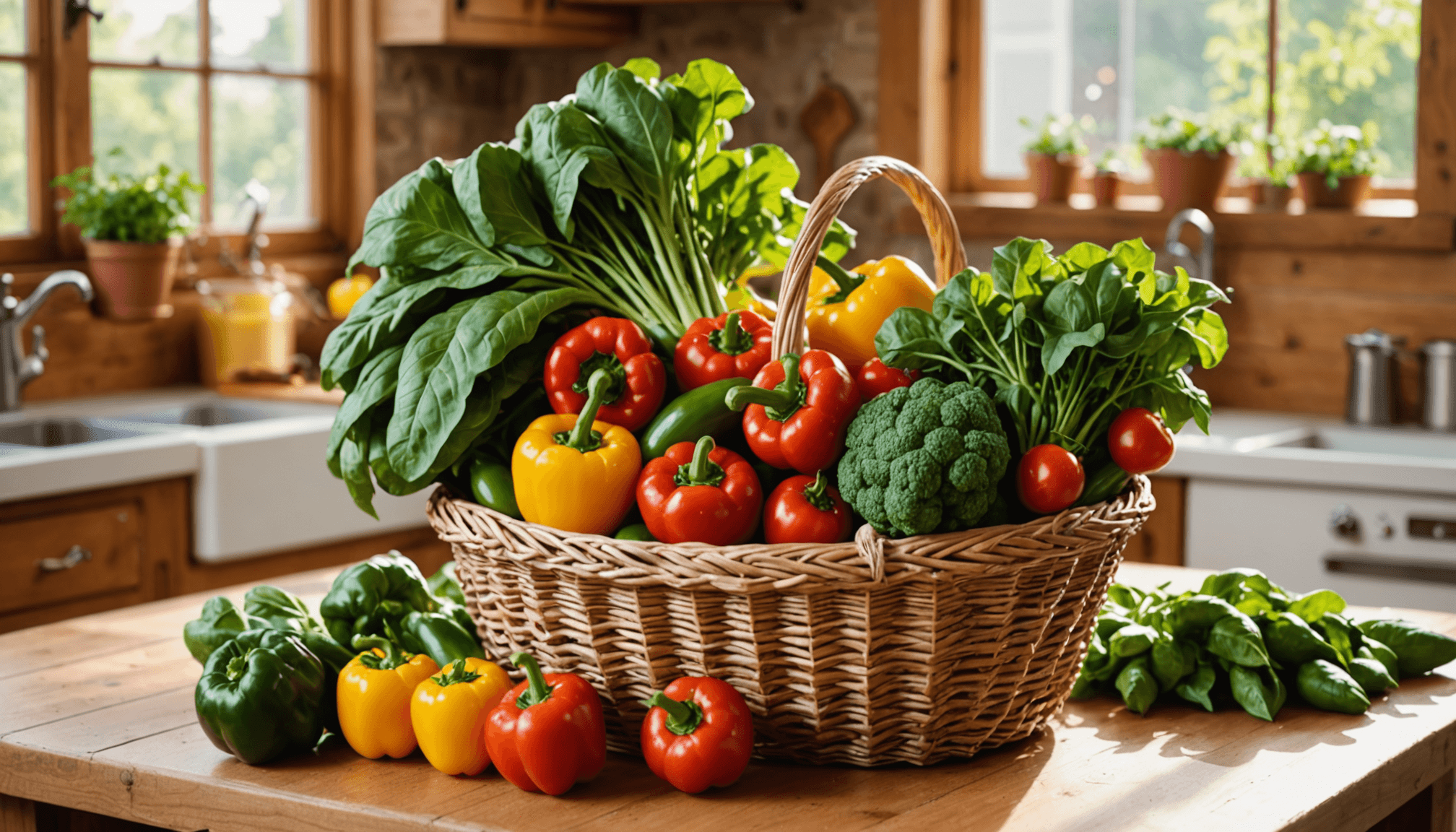
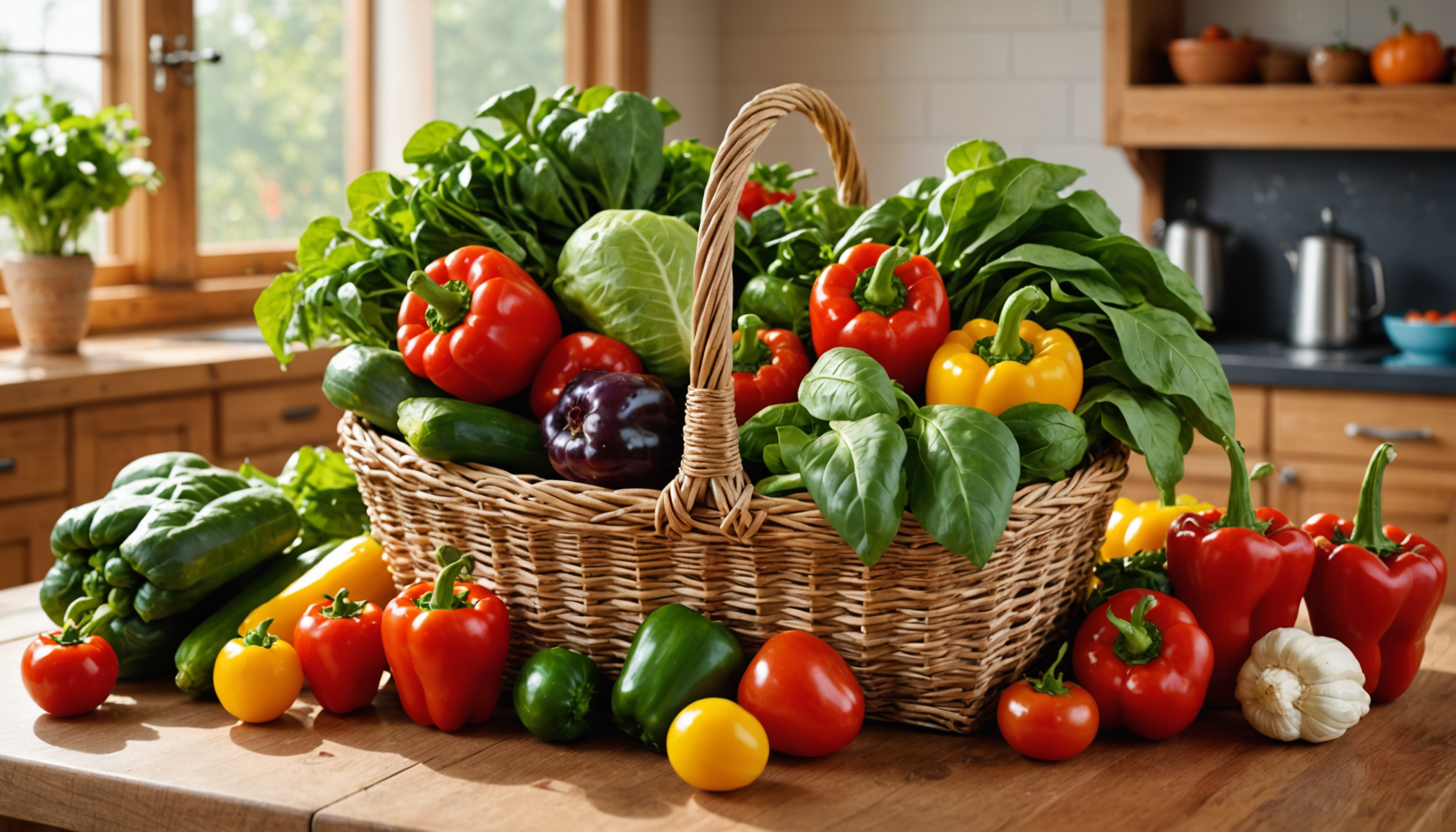
When you arrive at the store or navigate an online grocery platform, start by selecting fresh vegetables. Think of vibrant options like organic spinach, cherry tomatoes, or bell peppers that can serve as the foundation of many dishes. Look for produce that is in season, as it tends to be fresher, cheaper, and offers the best flavor. If you’re unsure about what’s currently in season, many grocery stores provide this information, and local farmers’ markets can be a valuable resource.
Next, don’t shy away from exploring the organic aisle. Organic foods not only reduce your exposure to harmful pesticides but also support sustainable farming practices. Choose items such as organic grains, legumes, and nuts, which can easily transition into healthy meals. For instance, organic quinoa or lentils can be used in various easy recipes, from hearty salads to delicious stir-fries.
Pro tip: Keep an eye out for bulk sections in your grocery store. Buying staples like dried beans, grains, and nuts in bulk can significantly reduce costs compared to their packaged counterparts. Always compare prices unit-wise—sometimes, the bigger packages are a better deal, and you won’t have to shop as frequently!
If you follow a vegan diet, make sure your pantry is stocked with a variety of seeds, nuts, and plant-based proteins. Items like tempeh and tofu can be excellent substitutes for meat, while also providing a wholesome dose of protein. Shopping for frozen fruits and vegetables can also be budget-friendly; they retain their nutrient value and can be quickly incorporated into meals without the risk of spoilage.
While shopping online for organic food, safety should be a top priority. Always make purchases from reputable sites that provide clear product descriptions, including certifications and sourcing information. Check that they have a transparent return policy and prioritize sites with visible customer feedback to help guide your choices. Pay special attention to shipping times—perishables should arrive quickly to ensure they remain fresh.
Lastly, engaging in discussions with friends and family about meal prep and grocery shopping can provide new insights and ideas. Sharing tips can not only preserve your motivation but also enrich your meal planning journey, making it a collaborative and enjoyable experience.
Time-Saving Cooking Techniques
When you’re short on time but still want to create delicious, healthy meals, employing a few time-saving cooking techniques can make a significant difference. One effective method is to utilize advanced meal prep strategies. Dedicate a few hours on the weekend or a less busy evening to batch cook staples like grains, proteins, and roasted vegetables. By preparing these ingredients in advance, you’ll have a solid base for various quick meals throughout the week. For instance, cooking a large pot of quinoa or brown rice, and roasting a variety of seasonal vegetables can easily transform into salads, stir-fries, or grain bowls in a matter of minutes.
Another great technique is to use one-pot or sheet pan meals. These approaches are not only easy to clean up but also allow for the flavors to meld beautifully. Simply toss together a mix of proteins, vegetables, and seasonings, and let them roast in the oven or simmer on the stovetop. Dishes like a sheet pan chicken with root vegetables or a vegetable-packed one-pot pasta can offer satisfying, nutrient-rich meals without requiring extensive time in the kitchen.
Using kitchen gadgets can also play a pivotal role in saving time. A pressure cooker or slow cooker can significantly reduce cooking times, making it possible to prepare tender meats and flavorful stews in a fraction of the time. Additionally, an immersion blender can help you prepare creamy soups, sauces, or smoothies quickly and with minimal cleanup.
Another valuable technique is to embrace the art of freezing. When preparing meals, consider doubling your recipes and freezing half for later. This not only minimizes food waste but also ensures that you have healthy dinners ready and waiting for those particularly hectic evenings. Soups, casseroles, and sauces freeze exceptionally well and can be easily reheated, maintaining their taste and texture.
“The key to enjoying healthy cooking is organizing your kitchen and using simple methods to enhance the flavors of whole ingredients.”— Unknown
To streamline your cooking further, don’t overlook the power of the microwave. While often associated with reheating leftovers, it can be used for a variety of cooking tasks. Steaming vegetables in the microwave allows them to retain their nutrients and vibrant colors, making them a perfect complement to your organic meals. Furthermore, cooking methods like blanching can easily be done in the microwave, cutting down prep and cook time.
Lastly, organizing your workspace can’t be underestimated. Keep your frequently used tools and ingredients within easy reach to minimize movement and time spent searching for items. Have a designated space for meal prep with a cutting board, knives, and measuring cups readily available. This small organizational change can lead to a smoother and more enjoyable cooking experience.
By employing these time-saving techniques, you can make healthy cooking more manageable, ensuring that organic food is not only accessible but also enjoyable even on your busiest days.
Incorporating Seasonal Produce
 Incorporating seasonal produce into your meals can elevate the flavor profile, enhance nutrition, and reduce your carbon footprint. Seasonal fruits and vegetables are typically more flavorful and have a higher nutrient content compared to those that are out-of-season. When you choose to cook with ingredients that are at their peak, not only do you enjoy better taste and texture, but you also support local farmers and the sustainability of your community.
To truly embrace seasonal eating, start by familiarizing yourself with the produce available in your region throughout the year. For example, spring is often abundant with greens like asparagus and peas, while summer brings a bounty of tomatoes, zucchini, and berries. Autumn is the perfect time for root vegetables like sweet potatoes and squash, and winter often supplies hearty options such as kale and citrus fruits. By planning your meals around these seasonal offerings, you not only provide variety in your diet but also take advantage of lower prices as producers have an abundance.
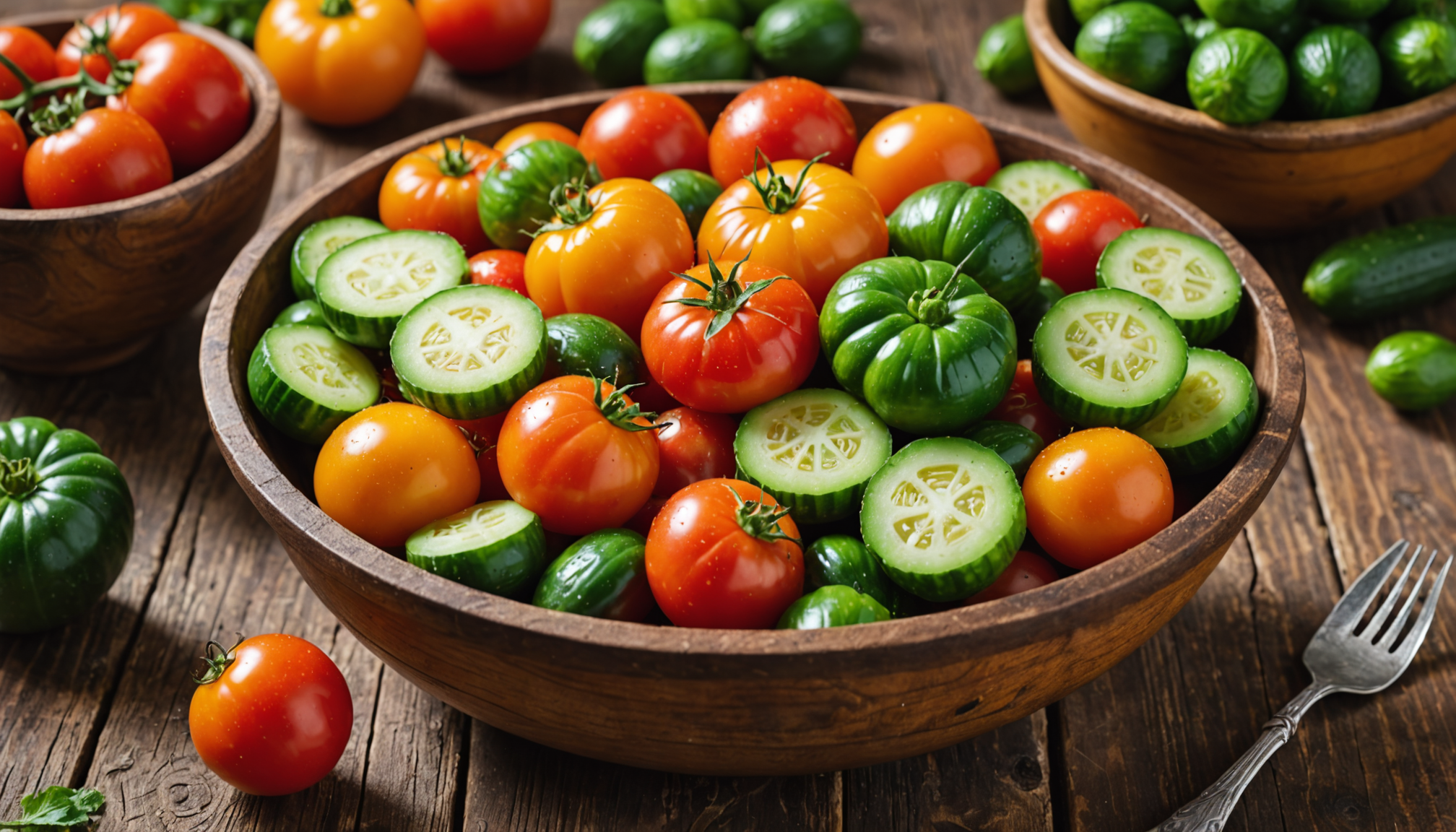
Trying your hand at seasonal recipes can also spark creativity in the kitchen. Consider making a refreshing summer salad complete with heirloom tomatoes and cucumbers, or a comforting autumn stew filled with pumpkin, carrots, and garlic. Each season invites its own culinary inspiration and invites an exploration of new flavors and techniques. By experimenting with seasonal ingredients, you’ll naturally cultivate a repertoire of easy recipes that highlight the rich flavors of each harvest.
Creating a dedicated space in your kitchen to showcase seasonal produce can also encourage frequent use and experimentation. Designate a shelf or a bowl for the freshest of the season, ensuring these ingredients catch your eye and find their way into your meals. You will find that having this visual reminder can stimulate your desire to create new dishes or tweak favorites to accommodate what’s currently available.
As you embrace seasonal produce, think about how your choices affect not just your health, but the world around you. Consider the environmental impact of transporting out-of-season fruits and vegetables across long distances, which can leverage a significant carbon footprint. By choosing local and in-season options, you can contribute to a reduced environmental impact while enjoying the freshest flavors available. This mindful approach can transform your eating habits and inspire a deeper understanding of the connection between food systems and your health.
- Why is seasonal produce better for my health?
- Seasonal produce tends to be fresher and more nutrient-dense, which can lead to better health benefits. It also often retains more flavor, which can make healthy cooking more enjoyable.
- How can I find out what’s in season in my area?
- Check local farmers’ market schedules or consult online resources specific to your region. Many agricultural extension websites provide seasonal charts to help you plan your meals.
- What are some easy recipes using seasonal vegetables?
- Some easy recipes include seasonal vegetable stir-fry, roasted root vegetable medleys, and fresh salads that highlight the best harvest of the moment. Integrating seasonal produce into your favorite dishes can really enhance the flavor.
- Can I use frozen seasonal produce instead?
- Absolutely! Frozen fruits and vegetables often retain their nutritional value and can be a convenient option year-round. Just make sure to choose organic varieties when possible.
- How do I store seasonal produce to maintain freshness?
- To maintain freshness, store fruits and vegetables in a cool, dry place and prioritize the use of breathable bags or containers. Some items, like tomatoes, should be kept at room temperature, while others, such as leafy greens, do best in the refrigerator.
- Are there benefits to eating locally sourced seasonal produce?
- Yes, eating locally sourced seasonal produce supports local farmers, reduces food miles, and encourages diversity in your diet. Local produce is often picked at peak ripeness, offering optimal flavor and nutrition.
- Can incorporating seasonal produce affect meal planning?
- Incorporating seasonal produce can enhance meal planning efficiency as it allows you to take advantage of what’s available and often cheaper during that time. It can also inspire creativity and variety in your weekly meals.
Storing and Reheating Leftovers
When it comes to storing leftovers, proper techniques can significantly extend the life of your meals while ensuring they retain their flavor and nutritional value. After preparing a delicious organic dinner, allow the food to cool down to room temperature before placing it in the refrigerator. This step is crucial, as hot foods can raise the overall temperature of your refrigerator, potentially leading to bacterial growth.
Opt for airtight containers to store your leftovers. Glass containers are an excellent choice, as they are non-reactive and can also be used for reheating in the oven or microwave. Be sure to label each container with the date it was prepared to track freshness. Ideally, leftovers should be consumed within three to four days to ensure safe eating.
For longer-term storage, consider freezing portions of your leftovers. This is particularly useful if you find yourself overwhelmed by extra servings. Soups, stews, and casseroles freeze exceptionally well. When freezing, use freezer-safe bags or containers, and remove as much air as possible to prevent freezer burn. It’s helpful to portion your meals into serving sizes ahead of time, making it easier to thaw only what you need later.
When it comes time to reheat your leftovers, maintaining their quality is key. For most dishes, the microwave is a quick and convenient option. Ensure even heating by stirring your food halfway through the reheating process, and cover it with a microwave-safe lid or plate to trap moisture. For those longing for crispy textures, reheating in the oven or on the stovetop often yields better results. Simply add a splash of water or broth, cover, and heat slowly to prevent drying out.
Pro tip: When reheating, always check the internal temperature with a food thermometer. Leftovers should reach an internal temperature of 165°F (74°C) to be considered safe for consumption. Following these guidelines not only ensures food safety but also elevates the experience of enjoying your healthy cooking again.
Also, consider the importance of reducing food waste. If you notice a significant amount of leftovers, think about meal prep ideas that incorporate them into the next week’s meals. Leftover roasted vegetables can easily be tossed into a salad or added to a grain bowl, while meats can be shredded and turned into tacos or sandwiches. This not only saves you time but also maximizes the use of your ingredients and promotes sustainability.
Lastly, if you often find yourself with uneaten food, reevaluate your cooking portions or meal planning strategies. Keeping track of what your family enjoys can help prevent excessive leftovers. By being mindful of your cooking and storage habits, you can enjoy delicious organic food while minimizing waste and maximizing satisfaction throughout the week.
New Customers Offer!
Free Gift for the new customer
$24 Value, When You Subscrib Visit Thrive Market