- Benefits of Organic Ingredients
- Selecting Quality Meats
- Choosing Fresh Vegetables
- Creative Bowl Combinations
- Nutritional Considerations
- Tips for Meal Prep and Storage
When it comes to grocery shopping, embracing organic ingredients is a significant step toward healthier meals. As you navigate your local market or online grocery store, keep an eye out for certified organic labels, which indicate that produce and products have been grown and processed without the use of synthetic fertilizers and pesticides.
Why choose organic? Firstly, organic ingredients often have more flavor and nutritional benefits, making your meat bowls not only more delicious but also packed with vitamins and minerals. For example, organic tomatoes have been shown to contain higher levels of antioxidants compared to their non-organic counterparts.
When shopping for organic produce, look for seasonal options at local farmers’ markets. This not only supports your community but also ensures you’re getting the freshest ingredients. Additionally, many farmers provide information about their growing practices, giving you peace of mind about the quality of your food.
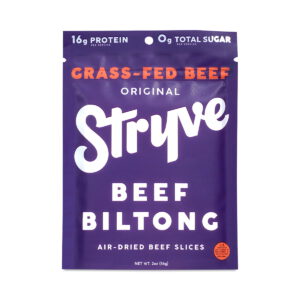
If you’re opting for meat, ensure it’s from reputable sources that offer organic options. Grass-fed beef, free-range chicken, and wild-caught fish are excellent choices that can elevate your healthy dinners. Always check for authenticity—look for labels that confirm organic farming practices and conditions, which will guarantee that the animals were raised without hormones and antibiotics.
Buying in bulk can be a budget-friendly strategy when purchasing organic products. Many online grocery stores and warehouse clubs offer discounts on bulk purchases, which can significantly lower the cost per unit. This is particularly useful for staples like grains, legumes, and canned organic tomatoes.
For vegan-friendly options, consider stocking up on organic beans, lentils, and tofu. These ingredients are versatile and can be the foundation for a variety of organic recipes, ensuring your meals remain balanced and nutritious.
Online shopping can be convenient but comes with its own set of challenges. Always verify the reputation of online retailers. Look for customer reviews and check if they offer secure payment systems. Prioritize stores that have clear return policies in case you receive damaged goods or if the quality does not meet your expectations.
Finally, don’t forget about safety when selecting your ingredients. For fresh produce, remember to wash everything thoroughly, even if it’s organic, to remove soil or contaminants. And when it comes to meat, ensure it is stored at the correct temperature, as bacteria can grow quickly if food is left out for too long.
By being mindful and informed during your grocery shopping, you can build a strong foundation for creating healthy, delicious meat bowls and other organic meals for your family.
Selecting Quality Meats
Selecting quality meats is crucial in ensuring that your organic meat bowls are not only flavorful but also healthy. When it comes to sourcing meat, the right choices make all the difference in the nutritional content and the overall quality of your meals.
Start by looking for meats that are certified organic. This designation indicates that the animals were raised without the use of antibiotics, growth hormones, or artificial feed, and were provided access to the outdoors. Choosing organic also supports more humane and environmentally friendly farming practices, which are essential considerations for health-conscious consumers.
Here’s a brief comparison of different types of quality meats that can elevate your healthy dinners:
| Type of Meat | Benefits | Flavor Profile | Cooking Tips |
|---|---|---|---|
| Grass-Fed Beef | Higher Omega-3 fatty acids, vitamins A and E | Rich, beefy flavor with a slightly nutty taste | Best grilled or pan-seared to medium-rare for tenderness |
| Free-Range Chicken | Lower fat content, richer in nutrients | Juicy and robust flavor | Roast or grill to retain moisture; perfect for meat bowls |
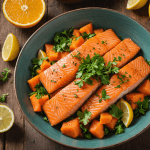
| Wild-Caught Fish | High in Omega-3s, richly flavored | Varies by species, generally has a clean taste | Best when baked, grilled, or steamed; enhances salads and bowls |
| Pork from Pasture-Raised Hogs | Higher in antioxidants and good fats | Sweet and savory, depending on the cut | Slow-roast or brine for added flavor; great in a variety of dishes |
When purchasing meat, also pay attention to the cut. Lean cuts such as chicken breast, tenderloin, and fish fillets generally have less fat, which can be beneficial when preparing healthy dinners. On the other hand, cuts like ribeye or pork belly can be used sparingly for flavor enhancement if balanced with leaner ingredients in your bowls.
It’s also advantageous to develop a relationship with local butchers or farmers’ markets. Not only can they provide insight into how the animals were raised, but they often offer fresher products than larger grocery chains. Some may even allow you to customize orders or select specific cuts according to your needs for meal prep.
Lastly, consider your cooking methods. Meats that are grilled or roasted tend to retain more flavor and nutrients compared to those that are heavily processed or fried. This aligns well with the principles of creating wholesome organic recipes. By focusing on quality meats, you lay the groundwork for nutritious and satisfying meals that everyone can enjoy.
Choosing Fresh Vegetables
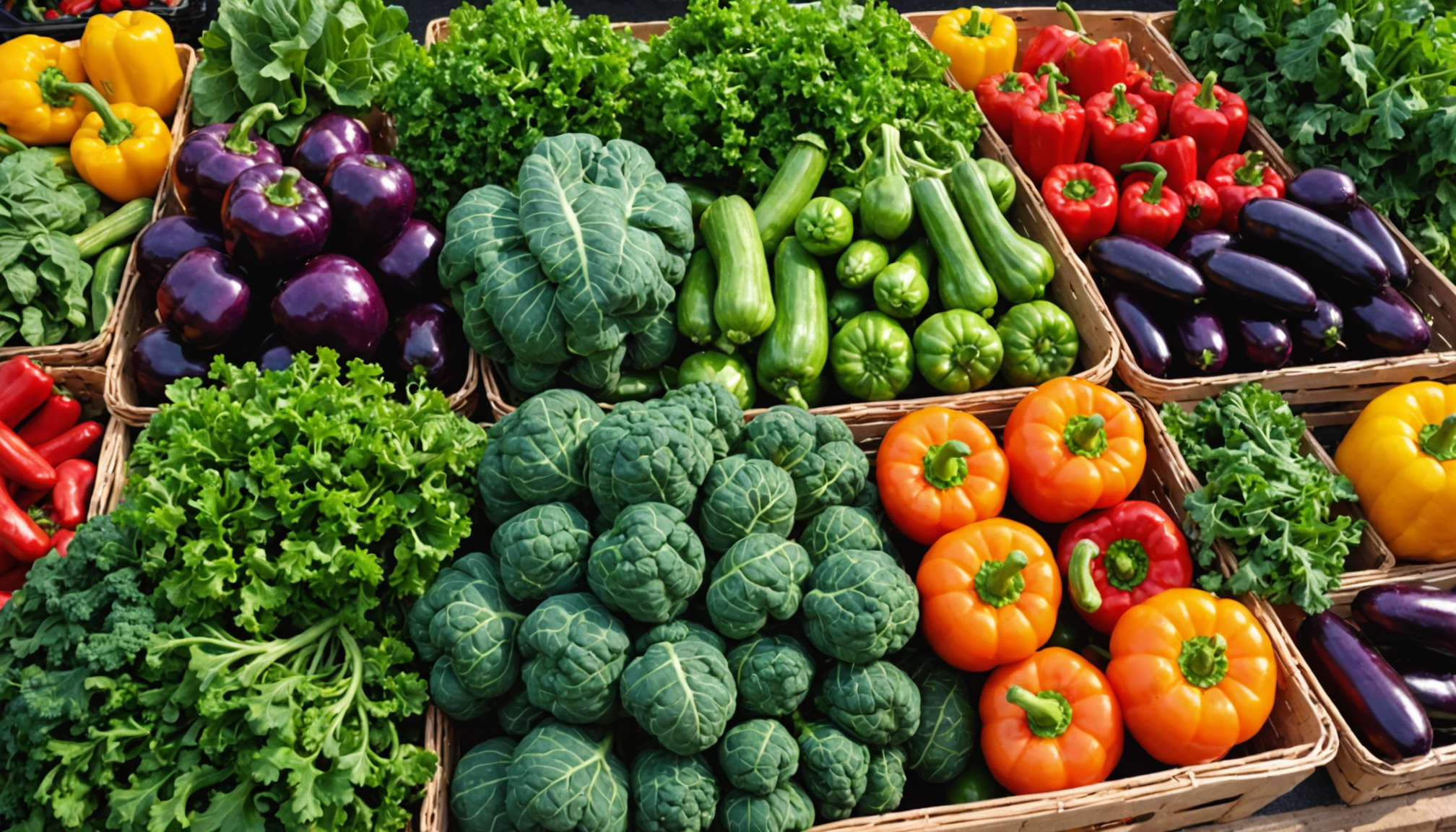
When it comes to selecting fresh vegetables for your organic meat and veggie bowls, the choices you make during grocery shopping can radically enhance the nutrition, flavor, and overall vibe of your meals. Whether you’re shopping online or visiting local markets, understanding how to choose the right vegetables is critical.
First things first: freshness is key. When picking out vegetables, always opt for those that are in season. Seasonal produce is typically fresher, more flavorful, and more affordable. Plus, it often contains more nutrients since it hasn’t been transported long distances. Look for farmer’s markets in your area—many local vendors offer organic options at competitive prices.
As you shop, pay attention to the color and firmness of the produce. Bright, vibrant colors usually indicate ripeness and nutrient density. For example:
- Bright green leafy vegetables such as spinach, kale, and arugula are loaded with vitamins A, C, and K.
- Red bell peppers deliver a punch of Vitamin C and add a sweet crunch to any bowl.
- Eggplant is not only visually appealing but also stocked with antioxidants.
High-quality vegetables should feel firm to the touch and be free from blemishes or soft spots. If you’re buying packaged produce, check for expiration dates and avoid bags that show signs of moisture or damage, as these can indicate spoilage.
For those following a vegan or plant-based diet, consider including a variety of vegetables in different colors to ensure a broad spectrum of nutrients. Try integrating:
- Chickpeas or black beans for added protein and fiber.
- Quinoa as a nutrient-dense grain that complements a variety of vegetables.
- Avocados for healthy fats and creamy texture.
When seeking organic options, make sure to look for USDA Organic certification on labels. This ensures that vegetables were grown without synthetic pesticides and fertilizers, thereby maintaining superior quality and environmental responsibility. If you’re on a budget, familiarize yourself with the “Dirty Dozen” list, which highlights fruits and vegetables most likely to contain pesticide residues. Prioritize buying these items organic:
- Strawberries
- Spinach
- Kale
- Apples
Online shopping for vegetables offers convenience but does require vigilance. Always shop from reputable online retailers that specialize in organic produce. Review customer feedback to assess quality, and choose retailers offering guarantees for freshness. If your greens arrive wilted or spoiled, having a clear return policy is essential.
Both when preparing and storing vegetables, always wash them thoroughly under running water and remove any dirt or bacteria. For leafy greens, consider using a salad spinner to remove excess water, which can help prolong their freshness when stored. It’s advisable to keep cut or prepped vegetables in airtight containers in the refrigerator to maintain crispness and prevent spoilage.
By making mindful choices while selecting fresh vegetables, you’ll create wholesome, vibrant ingredients for your organic meat bowls, enhancing both their visual appeal and nutritional value. This attention to detail transforms not just meals but your overall dining experience.
Creative Bowl Combinations
Create your own unique meat bowl combinations by exploring various flavor profiles and textures that not only excite your palate but also pack a nutritional punch. Start with a base of grains or greens, then layer on your choice of protein, and finish with an array of colorful vegetables and toppings. This customizability is one of the biggest benefits of organic meat and veggie bowls, allowing for creativity while sticking to healthy eating habits.
Consider using quinoa or brown rice as a hearty base that provides fiber and essential nutrients. Both grains are excellent carriers for flavors and pair well with a variety of proteins. Try a warm bowl topped with grilled chicken, roasted sweet potatoes, and sautéed spinach. The sweet potatoes add a natural sweetness that complements the savory chicken, while the spinach contributes vital vitamins and minerals.
For a Mediterranean flair, construct a bowl starting with farro or couscous, then add slices of seared lamb or beef. Top it off with roasted eggplant, cherry tomatoes, and a sprinkle of feta cheese. A drizzle of olive oil or tahini dressing can bring all these elements together, enhancing the dish’s overall appeal.
Vegetarian options can be just as delightful. A base of mixed greens topped with black beans, corn, diced bell peppers, and avocado creates a refreshing and nutrient-dense meal. This combination not only satisfies hunger but ensures a colorful presentation that makes meals visually appealing.
Feel free to experiment with herbs and spices to elevate the flavor of your bowls. Fresh cilantro, mint, or parsley can make a significant difference when added as a finishing touch, while spices like cumin and paprika add depth and warmth. Incorporating seasonal produce will keep your meals fresh and allow for variations throughout the year.
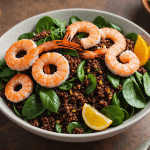
Another fun combination involves using a base of zoodles (zucchini noodles) paired with grilled shrimp and steamed broccoli, finished with a squeeze of lemon and a sprinkle of chili flakes for a delightful zest.
The beauty of meat bowls lies in their versatility. By mixing and matching ingredients, you can curate meals that cater to various tastes and nutritional needs, ensuring that each dinner is not only healthy but also exciting and satisfying.
“Cooking is like love—it should be entered into with abandon or not at all.” —Harriet Van Horne
Nutritional Considerations
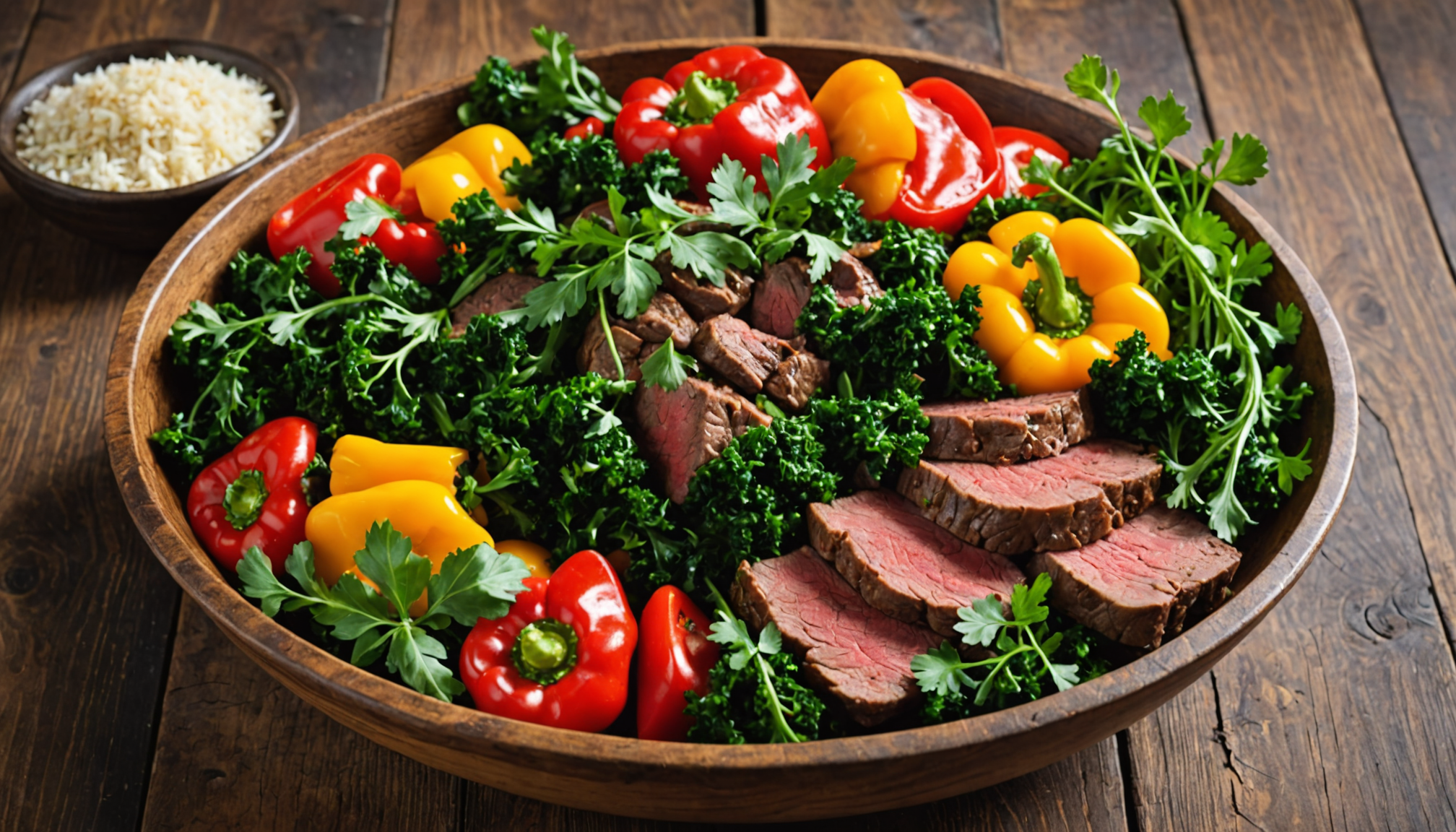 When assembling your organic meat bowls, understanding nutritional considerations can significantly enhance your health and wellbeing. Opting for organic ingredients ensures that you are consuming foods free from harmful pesticides and additives, fostering better overall health. The nutritional advantages of combining high-quality meats and fresh vegetables cannot be overstated; each ingredient contributes unique benefits and weight to your meals.
Protein is essential for muscle repair and growth, and choosing lean cuts from organic sources elevates the nutritional value of your bowls. Grass-fed beef, for instance, is richer in omega-3 fatty acids compared to grain-fed beef. Similarly, free-range chicken offers lower fat content while delivering robust flavor. Pairing these quality proteins with a variety of vegetables can create a balanced meal that not only satisfies hunger but also provides a spectrum of vitamins and minerals.
Incorporating colorful vegetables into your organic meat bowls plays a pivotal role in achieving nutritional diversity. Different colors often signify various phytonutrients, which can help in reducing inflammation and boosting immune function. Leafy greens like kale and spinach are powerhouses of nutrients, while vibrant bell peppers offer significant vitamin C. This variety not only enhances the aesthetic appeal of your meals but ensures that you get a comprehensive range of nutrients essential for good health.
Consider also the role of healthy fats. Avocados, nuts, and seeds can enhance the nutritional value of your bowls while providing energy and aiding in the absorption of fat-soluble vitamins A, D, E, and K. These additions transform simple meat bowls into nutrient-dense masterpieces.
Don’t overlook the impact of herbs and spices, which can take the nutritional profile up a notch. Not only do they heighten flavor, but many herbs like basil, rosemary, and turmeric also deliver antioxidant properties. The inclusion of fermented foods such as kimchi or yogurt can assist digestion, offering probiotics that support gut health, creating a holistic dining experience.
As you prepare your meals, mindful portion sizes become crucial in balancing caloric intake with nutritional output. Utilizing tools like a food scale or measuring cups can help ensure that each component of your bowl maintains a healthy ratio, making it easier to enjoy all the flavors without overindulging.
In essence, being conscious of the nutritional aspects of your ingredients and their combinations can lead to more satisfying, healthful meals that support your wellness journey. As you develop an understanding of nutrition in relation to your cooking, consider how these principles can guide your choices in grocery shopping.
- Why should I choose organic meats?
- Organic meats are raised without antibiotics, hormones, and artificial feed, which can improve animal welfare and reduce exposure to these substances in your meals. They often contain higher nutritional value and are more flavorful.
- What are the benefits of using seasonal vegetables?
- Seasonal vegetables are fresher, more affordable, and generally more nutritious since they haven’t traveled long distances. They also support local farmers and contribute to more sustainable eating practices.
- How do I determine if vegetables are fresh?
- Look for vegetables that are firm, have vibrant colors, and are free from blemishes or soft spots. Fresh produce typically feels heavy for its size and should not show signs of decay.
- Can I prep my meat bowls in advance?
- Absolutely! Meal prepping can save time and make healthy eating easier. Consider pre-cooking grains, washing and chopping vegetables, and marinating proteins ahead of time for quick assembly during busy days.
- What types of grains should I use for my bows?
- Whole grains like quinoa, brown rice, or farro are excellent options as they provide fiber and essential nutrients. They also serve as substantial bases that enhance the texture and flavor of meat bowls.
- How do herbs and spices enhance the nutrition of meals?
- Herbs and spices not only add flavor but also come with a myriad of health benefits, including antioxidant properties and anti-inflammatory effects. They can elevate the overall nutritional profile of your meals without adding calories.
- Are there any affordable ways to buy organic produce?
- Buying in bulk, shopping at local farmers’ markets, and using the “Dirty Dozen” list can help prioritize organic purchases where it matters most. Additionally, purchasing seasonal produce directly from farms often offers significant savings.
Tips for Meal Prep and Storage
Meal prep and storage techniques are essential for making your weekly organic meat and veggie bowls not only healthy but also convenient. By taking a little time to prepare in advance, you can ensure that your family enjoys nutritious meals even on the busiest of days.
First, invest in high-quality storage containers. Look for airtight options made of glass or BPA-free materials, which help keep your ingredients fresh and prevent contamination. You can easily batch your ingredients for the week in these containers, making it a breeze to assemble meals when you need them. Consider labeling each container with the contents and date to track freshness.
When prepping your meals, start with the grains. Cook a larger batch of quinoa, brown rice, or farro to serve as a base for numerous meat bowls throughout the week. Allow them to cool completely before transferring them to your storage containers. Not only does this save time, but it also ensures that you have a hearty foundation ready for assemble-your-own dinners.
Next up, focus on your protein. If you’re using meat, marinate your chicken or beef ahead of time and grill or bake large portions. Divide these into servings and store them separately. This technique allows for versatile meal combinations without compromising flavor. For vegetarians or vegans, consider preparing marinated tofu, tempeh, or a mix of beans for a protein-packed punch.
Don’t forget your veggies! Pre-washing and chopping vegetables like bell peppers, cucumbers, kale, and broccoli not only cuts down on meal prep time but also encourages you to consume them more regularly. Store these colorful foes in breathable bags or containers to maximize their life span— leafy greens thrive in bags with some air circulation, while sturdier veggies can be kept in airtight containers.
Use seasonal options where possible! Fruits and vegetables that are currently in season will taste fresher and last longer. Plus, they tend to be more affordable at local markets. Incorporating a variety of colors from seasonal produce not only enhances the aesthetic of your bowls but also boosts nutritional value.
In terms of bulk cooking, try creating a “bowl bar” in your refrigerator. Dedicate a space for your grains, proteins, and veggies, along with toppings like nuts, seeds, and dressings. This allows family members to build their own healthy dinners quickly, catering to individual tastes while simplifying the dinner-making process.
Storage tips: Keep your meat separate from your veggies until you’re ready to assemble. This helps maintain the freshness and prevents cross-contamination. For cooked proteins, always allow them to cool before refrigerating to avoid condensation, which can lead to spoilage.
If you’re looking for versatility, consider cooking up a big batch of soups or stews that can complement your serves of meat and veggie bowls. These can serve as a warm addition to your meals and are perfect for freezing in portions for future use—a true lifesaver on hectic nights!
Finally, be mindful of food safety. Always store meat at or below 40°F to mitigate any risk of bacteria growth. When reheating meals, ensure that they reach an internal temperature of 165°F to ensure safety. For more assurance when shopping online, select reputable retailers that encourage food safety practices such as quick shipping and temperature regulation.
By implementing these simple yet effective meal prep and storage strategies, you will enhance your cooking experience and ensure that your organic recipes not only nourish your family but also save time during the week.
New Customers Offer!
Free Gift for the new customer
$24 Value, When You Subscrib Visit Thrive Market