- Healthy Dinner Ideas
- Essential Ingredients for Quick Meals
- Meal Prep Tips for Busy Weeknights
- Simple Recipes for Organic Dinners
- Nutrition Benefits of Eating Organic
- Satisfying Desserts to Complete Your Meal
When it comes to grocery shopping for healthy dinners, having a game plan can transform your experience and elevate your meals. Start with a detailed shopping list that highlights your essential items, focusing on whole, unprocessed foods. This not only helps you stick to a budget but also streamlines your time in the store or online.
Organic food should be at the forefront of your choices. Look for the USDA Organic seal to ensure you’re opting for produce and products that are free from synthetic pesticides and genetically modified organisms. Prioritize buying seasonal fruits and vegetables from local farmers’ markets; they often carry fresher options at competitive prices and support your community.
For those wanting to eat healthy while keeping toxins at bay, investigating the cleanest options is vital. When selecting packaged foods, read labels carefully. Look for brands that emphasize natural ingredients without additives or preservatives. Avoid items with long ingredient lists that include unrecognizable names.
If you’re leaning towards a vegan lifestyle, make sure to utilize easy recipes that emphasize plant-based proteins. Items such as chickpeas, lentils, quinoa, and tofu should be staples in your pantry. These not only provide essential nutrients but also offer versatility in meals.
When shopping online, stay aware of product sourcing and safety. Always purchase from reputable retailers. Look for reviews and ensure the website uses secure payment methods to protect your transaction. Try to opt for stores that provide detailed information about where their products come from, particularly perishable items. Take advantage of delivery services that support local farmers or organic distributors, ensuring you receive the freshest goods without leaving your home.
Budget-conscious consumers can still eat healthily by opting for frozen fruits and vegetables. These options are often just as nutritious as fresh produce and can be purchased in bulk, reducing waste and cost. Additionally, consider exploring bulk bins at your local grocery store for grains, nuts, and seeds—this is often more economical and allows you to buy exactly what you need.
As you walk through the aisles, don’t forget to stock up on pantry essentials that simplify quick meal preparation. Staples like olive oil, apple cider vinegar, herbs, and spices are crucial for enhancing flavors without excessive calories. With a well-stocked pantry and a few fresh ingredients, whipping up a healthy dinner can be both quick and satisfying.
Essential Ingredients for Quick Meals
A well-rounded selection of essential ingredients can significantly enhance the efficacy and healthfulness of quick meals. Start by stocking your kitchen with various organic staples that facilitate healthy cooking and empower you to create meals with ease.
For pantry items, focus on whole grains and legumes as the foundation. Options like brown rice, quinoa, and whole grain pasta are excellent choices; these complex carbohydrates provide essential nutrients and energy to sustain your busy lifestyle. Beans, such as black beans and kidney beans, are packed with protein and fiber, making them ideal for quick additions to salads, stews, or burrito bowls.
Fruits and vegetables should be at the center of your organic food selection. Fresh produce, including leafy greens like spinach or kale, bell peppers, and seasonal fruits such as berries or apples, not only add natural sweetness and flavor but also deliver crucial vitamins and minerals. When fresh options may not be viable, frozen organic fruits and veggies maintain most of their nutritional value and are perfect for stir-fries, smoothies, or soups.
In terms of proteins, choose versatile options such as chicken breast, eggs, or fish. These can be prepared quickly and pair well with a variety of seasonings and cooking methods. For plant-based diets, keep tofu, tempeh, and edamame on hand. These protein sources can be marinated and stir-fried or grilled for satisfying meals.
Below is a comparison table highlighting essential ingredients for quick meals:
| Category | Examples | Nutritional Benefits |
|---|---|---|
| Whole Grains | Brown rice, quinoa, whole grain pasta | Provide complex carbohydrates, fiber, and B vitamins. |
| Legumes | Lentils, chickpeas, black beans | Rich in protein and fiber, good for heart health. |
| Fruits & Vegetables | Spinach, bell peppers, seasonal fruits | High in vitamins, minerals, antioxidants, and fiber. |
| Proteins | Chicken breast, eggs, tofu | Essential for muscle repair, energy, and overall health. |
| Healthy Fats | Olive oil, nuts, seeds | Support brain health and provide essential fatty acids. |
In conclusion, incorporating these essential ingredients will not only streamline your meal prep but also ensure you are utilizing organic foods that bolster health benefits. By having a variety of wholesome components at your disposal, you can easily whip up quick, nutritious meals that cater to your dietary preferences—whether you are looking for easy recipes for weeknight dinners or preparing satisfying lunches in advance. Always remember to experiment with spices, herbs, and seasonings to effortlessly elevate the taste of your healthy cooking ventures.
Meal Prep Tips for Busy Weeknights

Meal prepping can be a game-changer for busy families and individuals, allowing you to streamline your cooking process and maintain a healthy diet with minimal fuss. Start by setting aside a few hours on the weekend to prepare various ingredients for the week ahead. This can include washing, chopping, and storing vegetables, cooking grains, or even marinating proteins. The key is to create a structure that works for your schedule while incorporating a variety of organic foods that enhance nutrition.
As you embark on your grocery shopping trip, consider purchasing seasonal produce to make the most of your meal prep. Seasonal fruits and vegetables are not only more affordable but also fresher and more flavorful. Items like zucchinis, cucumbers, and tomatoes in the summer, or sweet potatoes and squash in the fall can add diversity to your meals. While shopping, be sure to include leafy greens, which can be the basis for salads or added to smoothies for an extra nutritional boost.
When strategizing your meals for the week, think of easy recipes that can use similar ingredients in different ways. For instance, grilled chicken can be used in a salad one night, then transformed into tacos the next. This not only saves time during busy weekdays but also reduces the risk of food waste. Stocking up on pantry staples like quinoa, lentils, and chickpeas means you’re never short on protein options, even on your busiest nights.
For your shopping list, don’t overlook the benefits of frozen foods. Frozen organic fruits and vegetables are processed at peak freshness, preserving their nutrients, which makes them a fantastic shortcut for quick meals. Keep a variety of frozen options on hand for quick stir-fries or smoothies when you need a nutritious boost but don’t have the time to chop and prepare fresh items. Simple smoothies made from frozen berries and bananas can serve as an easy breakfast or snack.
To maintain safety while grocery shopping, both online and offline, always look for fresh produce that seems free from blemishes and soft spots. For meat and dairy products, ensure they’re stored at proper temperatures. When shopping online, choose reputable suppliers that specialize in organic foods. Check for reviews or recommendations from other customers, and make sure your online payment is secure.
Another practical tip is to keep a detailed shopping list based on your meal prep plan, which will help you avoid impulse purchases. Consider allocating a specific budget for your grocery run, focusing on organic and budget-friendly options that don’t compromise quality. Buying in bulk can save money in the long run—just ensure to properly store these items to maintain freshness.
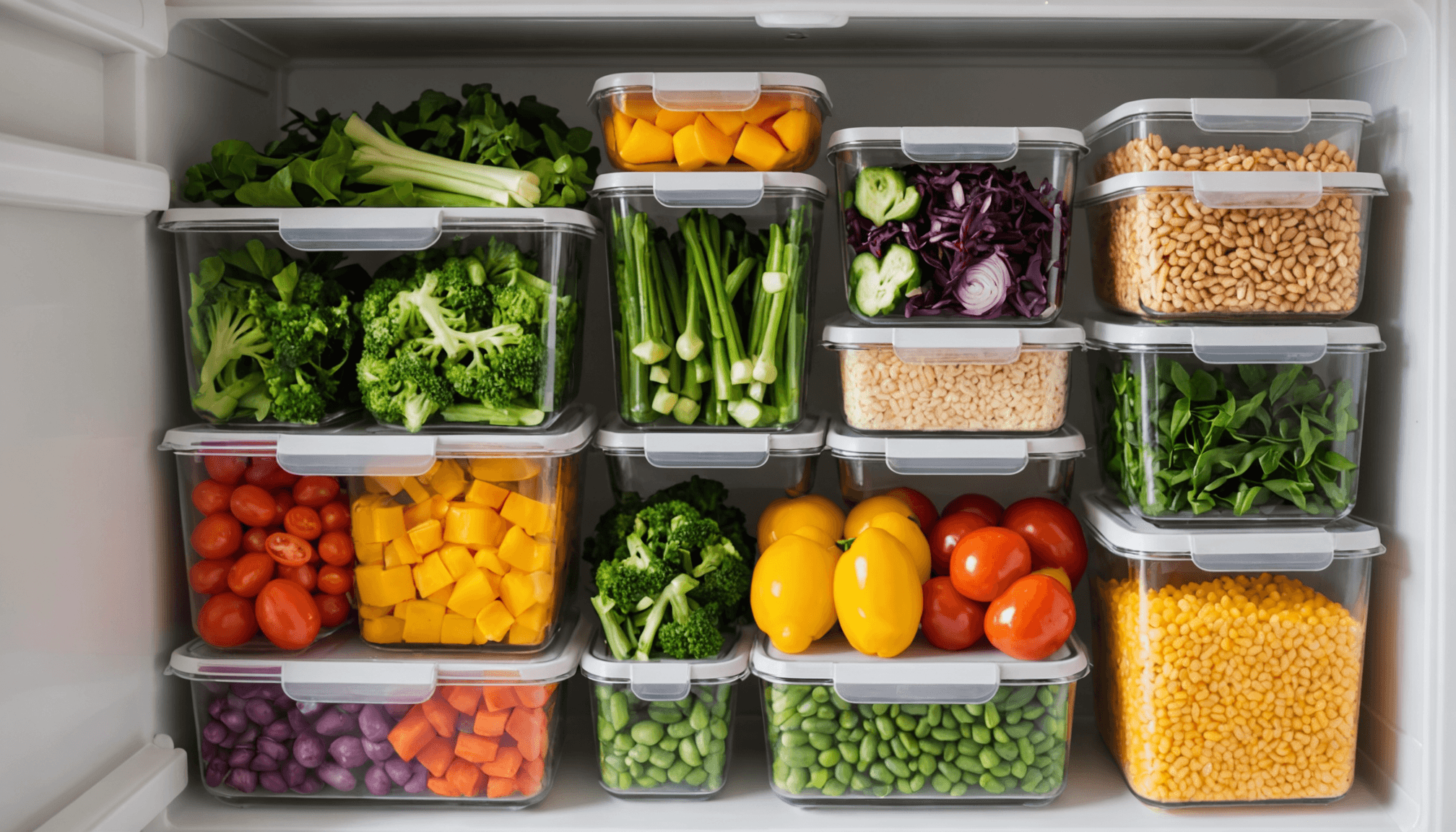
After your shopping trip, dedicate time to organize your kitchen. Use clear containers to store prepped foods, and label them with the dates you prepared them. This makes it easier to grab and go during hectic evenings. A well-organized fridge is not only visually appealing but also a practical solution to ensure your healthy cooking endeavors are consistent and efficient throughout the week.
Simple Recipes for Organic Dinners
Start with a few versatile and satisfying recipes that highlight the best of organic ingredients while ensuring quick preparation. One excellent option is a Mediterranean Chickpea Salad. Combine canned organic chickpeas, diced cucumbers, cherry tomatoes, red onions, and parsley in a large bowl. Drizzle with olive oil, lemon juice, salt, and pepper for a refreshing dish that can be served alone or alongside grilled chicken or fish. This salad can be made in advance and stored in the refrigerator, making it ideal for lunch or dinner.
Another simple yet delightful recipe is One-Pan Lemon Garlic Chicken and Asparagus. Season organic chicken breasts with garlic, lemon zest, and herbs such as thyme or rosemary. Place them on a baking sheet with trimmed asparagus and a sprinkle of olive oil. Roast everything in the oven for about 25 minutes at 400°F, resulting in a deliciously tender meal that requires minimal cleanup. The combination of protein and vegetables makes this dish not only quick but also nutritionally balanced.
For a warming dish, try Quinoa and Black Bean Stuffed Peppers. Cut the tops off organic bell peppers and remove the seeds. In a bowl, mix cooked quinoa, canned black beans, corn, and spices such as cumin and chili powder. Stuff the mixture into the peppers and bake at 375°F for about 30 minutes. This recipe is great for batch cooking; you can store leftovers in the fridge or freeze them for future meals.
If you’re looking for something even quicker, consider a Veggie Stir-Fry. Sauté a mix of your favorite organic vegetables, like broccoli, bell peppers, and carrots, in a hot skillet with sesame oil. Add tofu or tempeh for protein and finish with soy sauce or tamari for a flavor boost. Serve it over brown rice or quinoa for a complete meal that can also be prepared in less than 20 minutes.
For those who enjoy breakfast for dinner, a Savory Oatmeal Bowl can be a nutritious choice. Cook organic rolled oats and mix them with vegetable broth instead of water for added flavor. Top with sautéed greens, a poached egg, and a sprinkle of nutritional yeast for an umami kick. This dish is not only filling but also packed with nutrients, making it perfect for any meal of the day.
“The secret to good cooking is, first, having a love of it.” – James Beard
These recipes reflect the essence of healthy cooking: they are simple, use organic ingredients, and can often be prepared in less than 30 minutes. Incorporating a variety of colors, textures, and flavors makes it easy to enjoy nutritious meals without spending hours in the kitchen. With a little planning and creativity, you can quickly craft organic dinners that are satisfying and good for you.
Nutrition Benefits of Eating Organic
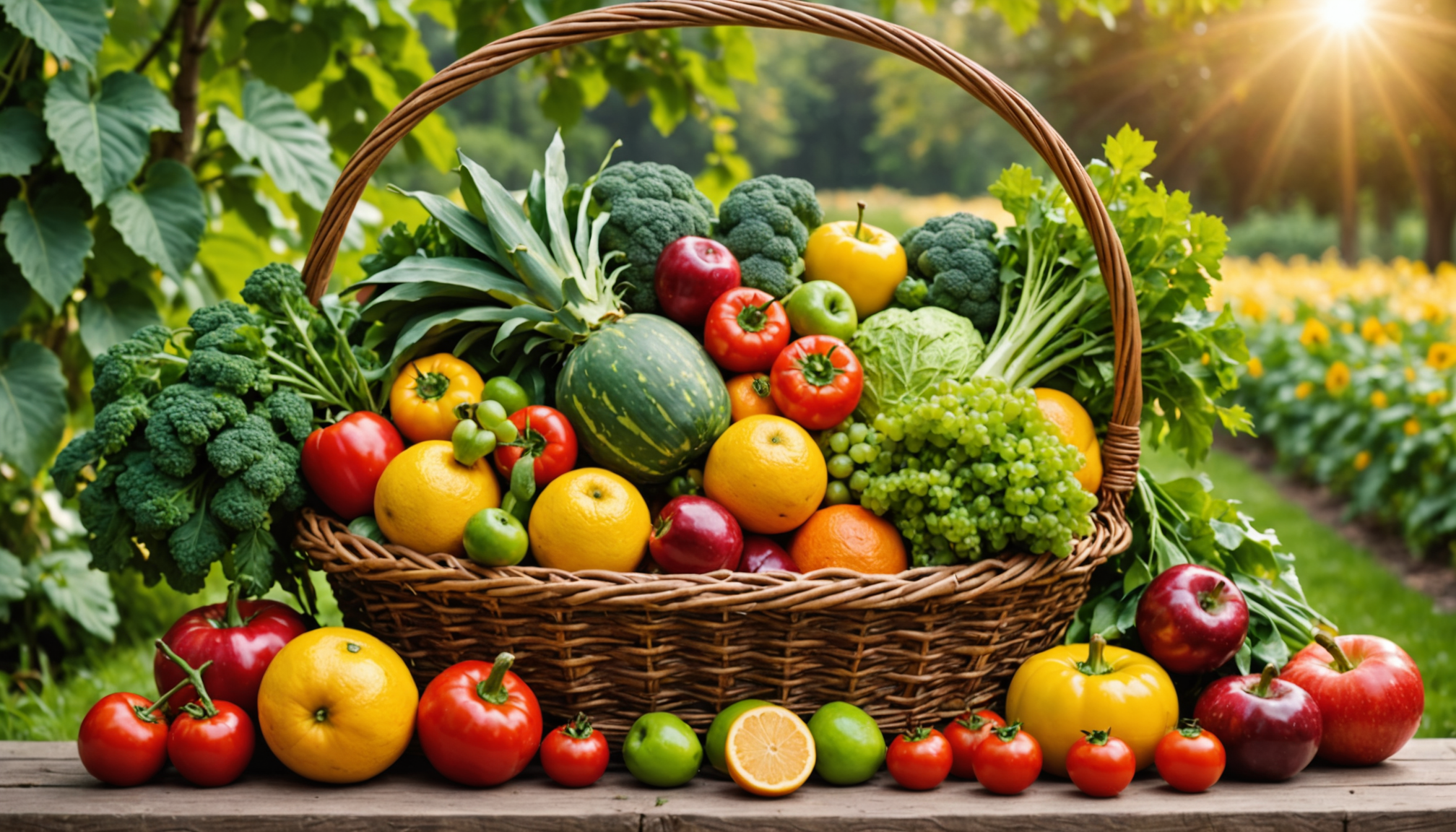 Eating organic has profound implications on your health, providing you with significant nutrition benefits that transcend merely opting for non-GMO or pesticide-free options. One of the most compelling reasons to choose organic food is the way it positively influences your body. Organic produce is often more nutrient-dense than conventionally grown alternatives. Studies have shown that organic fruits and vegetables tend to have higher levels of vitamins, antioxidants, and minerals, which can enhance your overall well-being and combat oxidative stress.
Moreover, organic foods are cultivated without synthetic pesticides or fertilizers. This means you consume fewer chemicals and additives that could affect your long-term health. By choosing organic, you’re reducing your exposure to harmful substances that may disrupt hormonal balance and contribute to chronic diseases over time. Additionally, organic farming practices promote soil health, which is crucial for facilitating nutrient absorption in plants and, consequently, improving the quality of the food you eat.
The ethical dimension of organic farming is also noteworthy; it fosters biodiversity and is generally kinder to the environment. Organic farms utilize crop rotations and eco-friendly pest management, helping to maintain healthy ecosystems. Opting for organic contributes to sustainable agriculture, which has far-reaching benefits not just for your body, but for the planet.
By thinking critically about what you place on your plate, you can make informed choices that not only satisfy your hunger but also nourish your body and support a healthier planet. It’s a small shift towards better eating that can lead to lasting health improvements and a deeper appreciation for your food sources.
- What does it mean for food to be “organic”?
- Organic food is produced without the use of synthetic pesticides, fertilizers, genetically modified organisms (GMOs), or artificial additives. It must meet specific guidelines set by the USDA to be labeled as organic.
- Are organic foods healthier than conventional foods?
- While organic foods often contain higher levels of certain nutrients and antioxidants, the health benefits can vary. Eating a diet rich in fruits and vegetables, regardless if organic or conventional, is essential for maintaining health.
- How do I know if something is truly organic?
- Look for the USDA Organic Seal on the packaging. This certification ensures that the product meets the strict standards set for organic farming practices.
- Is organic food more expensive?
- Generally, organic food tends to be more expensive due to higher production costs and strict farming regulations. However, prices can vary widely based on location, season, and availability.
- Can I wash off pesticides from conventional produce?
- Washing fruits and vegetables can reduce pesticide residues but may not eliminate them entirely. Using a vinegar solution or commercial produce wash can be more effective, though organic options are recommended to avoid these chemicals.
- Are there specific foods I should always buy organic?
- Produce with thinner skin, like strawberries, spinach, and apples, often contains higher pesticide residues, so it’s advisable to buy organic versions of those. Refer to the EWG’s Dirty Dozen list for guidance on which foods to prioritize.
- How do organic foods impact the environment?
- Organic farming practices are designed to promote sustainability and biodiversity. They avoid harmful chemicals and support soil health, ultimately contributing to a healthier ecosystem compared to conventional farming methods.
Satisfying Desserts to Complete Your Meal
When it comes to satisfying your sweet tooth while maintaining a commitment to healthy eating, desserts made from organic ingredients can be both indulgent and nutritious. Look for dessert options that utilize natural sweeteners like maple syrup, honey, or ripe bananas to replace refined sugars, making them healthier choices without jeopardizing flavor. In place of heavy creams and butters, consider using alternatives such as coconut milk, Greek yogurt, or nut-based butters, which add richness while delivering additional nutrients.
For example, a delightful option is a Chocolate Avocado Mousse. Simply blend ripe avocados with cocoa powder, a sweetener of your choice, and a splash of vanilla extract. This dessert is not only rich and creamy but also packed with healthy fats, making it a guilt-free treat. When shopping for avocados, choose organic options if possible, as they typically contain fewer pesticides and taste much fresher.
If you prefer something baked, consider making Oatmeal Raisin Cookies with whole grain oats and a mix of flour alternatives, such as almond or coconut flour. Incorporate unsweetened applesauce as an egg substitute, and pack in organic raisins for natural sweetness. This recipe is perfect for children or a post-workout snack, offering sustained energy thanks to the whole grains and fiber. Look for organic oats that offer more beneficial nutrients compared to their conventional counterparts.
Fruits, especially those that are in season, can make fantastic desserts too. Making a Fruit Salad with Citrus Dressing allows you to celebrate nature’s sweetness. Use an assortment of organic fruits like strawberries, melons, and citrus, tossed with a dressing of orange juice and a hint of honey for a refreshing finish. This colorful dish is rich in vitamins and antioxidants, providing a sweet side to any meal without added sugars.
When purchasing ingredients for desserts, try to focus on local produce which is at its peak flavor. Many markets offer seasonal organic fruits which can enhance both the taste and nutrition of your desserts. Also, when selecting ingredients like dark chocolate for baking, choose those that are labeled organic and have a higher cocoa percentage; they are generally lower in sugar and contain more beneficial antioxidants.
For those who prefer convenience, there are numerous options available for organic dessert mixes, often made with wholesome ingredients. However, it’s essential to read labels carefully, ensuring they do not include preservatives or artificial additives. Shopping online can provide access to a broader variety of organic products, but always opt for reliable vendors who highlight clear ingredient sourcing and safe payment practices, ensuring your health-conscious shopping remains secure.
To cultivate a healthier dessert repertoire, experiment with meal prep by making larger batches of healthy desserts that can be stored in the refrigerator or freezer. Not only does this save time during the week, but it also allows you to have homemade treats on hand, eliminating the temptation of buying processed sweets. Store treats in portioned containers for easy access, ensuring balanced snacking options are readily available.
New Customers Offer!
Free Gift for the new customer
$24 Value, When You Subscrib Visit Thrive Market