- Healthy organic ingredients to include
- Quick meal prep tips
- Easy one-pan dinner recipes
- Nutritious vegetarian options
- Protein-packed meat dishes
- Delicious sides and accompaniments
When it comes to grocery shopping, making informed choices can transform your meals from routine to extraordinary, especially when aiming for healthy organic ingredients. First and foremost, visit your local farmers’ market to find the freshest organic food. Here, you’ll discover seasonal fruits and vegetables bursting with flavor and nutrients, often at competitive prices compared to regular grocery stores.
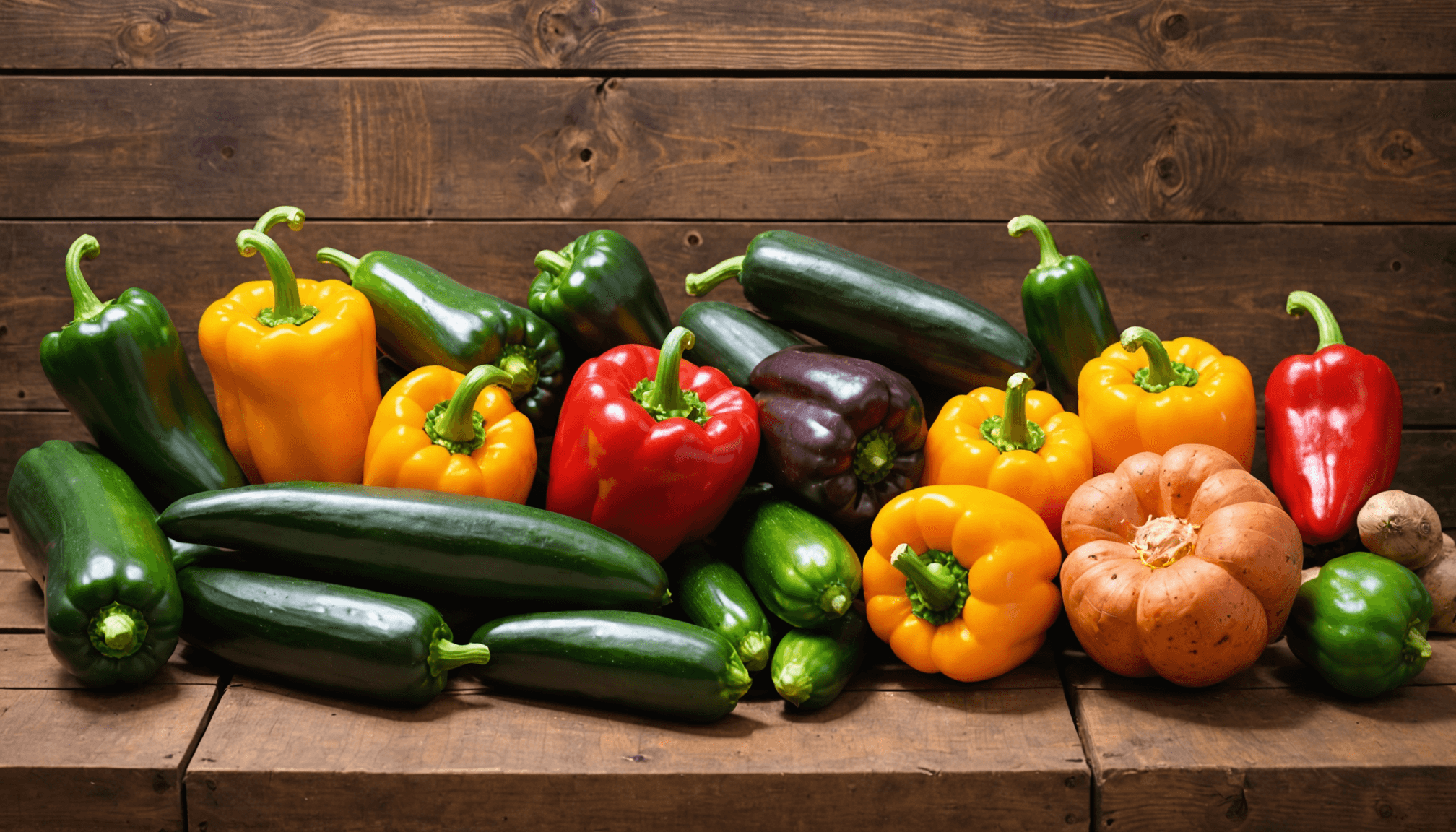
When selecting produce, aim for a rainbow on your plate—different colors often indicate a variety of nutrients. For instance, vibrant red tomatoes are packed with lycopene, while leafy greens like kale and spinach offer a wealth of vitamins A, C, and K. If you’re looking for staples, consider incorporating budget-friendly organic options like beans, lentils, and whole grains, which not only provide the basis for many easy recipes but are also packed with protein and fiber.
For protein sources, look for organic, grass-fed meats or free-range poultry at your grocery store, but don’t forget about plant-based proteins. Items such as tofu, tempeh, and chickpeas can be quickly prepared and are excellent for vegetarian meals. Moreover, try to buy bulk items like quinoa, nuts, and seeds, which are nutritious and can enhance your dishes—without breaking the bank.
Another important aspect of shopping is ingredient safety. Always check expiration dates and avoid purchasing items with damaged packaging. When buying pre-packaged organic foods, look for reputable brands known for their transparency about sourcing and ingredient quality. Online shopping can also provide convenience, but make sure to choose trusted sites that offer detailed product descriptions and customer reviews to gauge freshness and quality. A few reliable platforms include Thrive Market and Whole Foods’ online store, where organic and vegan options abound.
Don’t overlook oils and spices; opting for organic olive oil, coconut oil, and an array of herbs can elevate your dishes. Adding spices like turmeric or cinnamon can not only enhance flavor but also introduce powerful health benefits. Always consider checking for certifications like USDA Organic labels to ensure you are truly getting what you pay for.
Arming yourself with shopping knowledge can not only simplify your meal prep but also amplify the health quotient of your dinners. Emphasizing organic choices doesn’t have to be daunting—just focus on what’s freshest, seasonal, and best for your family’s needs. Happy shopping!
Quick meal prep tips
Preparing meals efficiently can significantly enhance your cooking experience, making it less time-consuming and more enjoyable. One of the most effective strategies is to plan your meals ahead of time. By dedicating a few minutes each week to outline your dinner plan, you can ensure that you have all the required ingredients on hand, thus minimizing last-minute trips to the grocery store. This plan can include a mix of easy recipes that utilize the healthy organic ingredients you’ve chosen.
Batch cooking is another time-saving technique that can prove invaluable. By preparing larger quantities of food in one go, you can store leftovers for future meals. For instance, consider making a double batch of quinoa or roasting a tray of seasonal vegetables on a Sunday. These ready-to-eat options can be mixed and matched throughout the week to create quick dinners, ensuring you remain on track with your healthy cooking goals.
Having a kitchen stocked with essential tools can streamline meal preparation. Invest in high-quality knives, cutting boards, and food storage containers. These basic kitchen essentials will help you chop vegetables efficiently, store leftovers properly, and maintain a clean workspace. A good quality knife makes for quicker and safer cutting, while an organized pantry can help you easily access your healthy organic food items, allowing for faster meal assembly.
Utilizing a few key techniques can also elevate your meal prep game. Here are some practical tips to keep in mind:
| Tip | Description |
|---|---|
| Mise en place | Gather and prepare all ingredients before cooking. |
| Make use of one-pot meals | Opt for recipes that require minimal cleanup, such as soups, stews, or casseroles. |
| Use versatile ingredients | Choose ingredients that can be used in multiple dishes, like chicken or quinoa. |
| Freezing leftovers | Portion and freeze leftover meals for future quick dinners. |
| Prep ingredients ahead of time | Chop vegetables or marinate proteins a day prior to cooking. |
Taking advantage of technology can also streamline your meal prep processes. Consider using apps that help manage grocery lists, meal planning, and recipe management. Many of these apps allow you to input the healthy organic ingredients you have at home and suggest easy recipes based on what you already own. This can help reduce waste and save both time and money.
Incorporating these meal prep tips into your routine can significantly decrease kitchen stress and allow you to focus on what matters most: enjoying time with family over healthy and delicious dinners. Emphasizing organization and efficiency will lead to a more pleasurable cooking experience, making it easier to maintain a healthy and organic lifestyle.
Easy one-pan dinner recipes
When diving into the world of one-pan dinners, make sure your shopping list is stocked with ingredients that come together seamlessly. Easy recipes shine when you have a variety of fresh, wholesome organic foods at hand. Focus on versatile foundational elements like quinoa, brown rice, or couscous—these grains not only serve as excellent bases but also absorb flavors beautifully.
Protein is a crucial component of one-pan meals, so consider including skinless, boneless chicken breasts or thighs, which can cook quickly and pair well with various vegetables. For a plant-based option, canned chickpeas or lentils are affordable, nutrient-packed additions that can add heartiness to your dishes. Don’t forget to check the labels when purchasing—opt for organic brands that avoid harmful additives, ensuring your meals maintain their nutritional integrity.
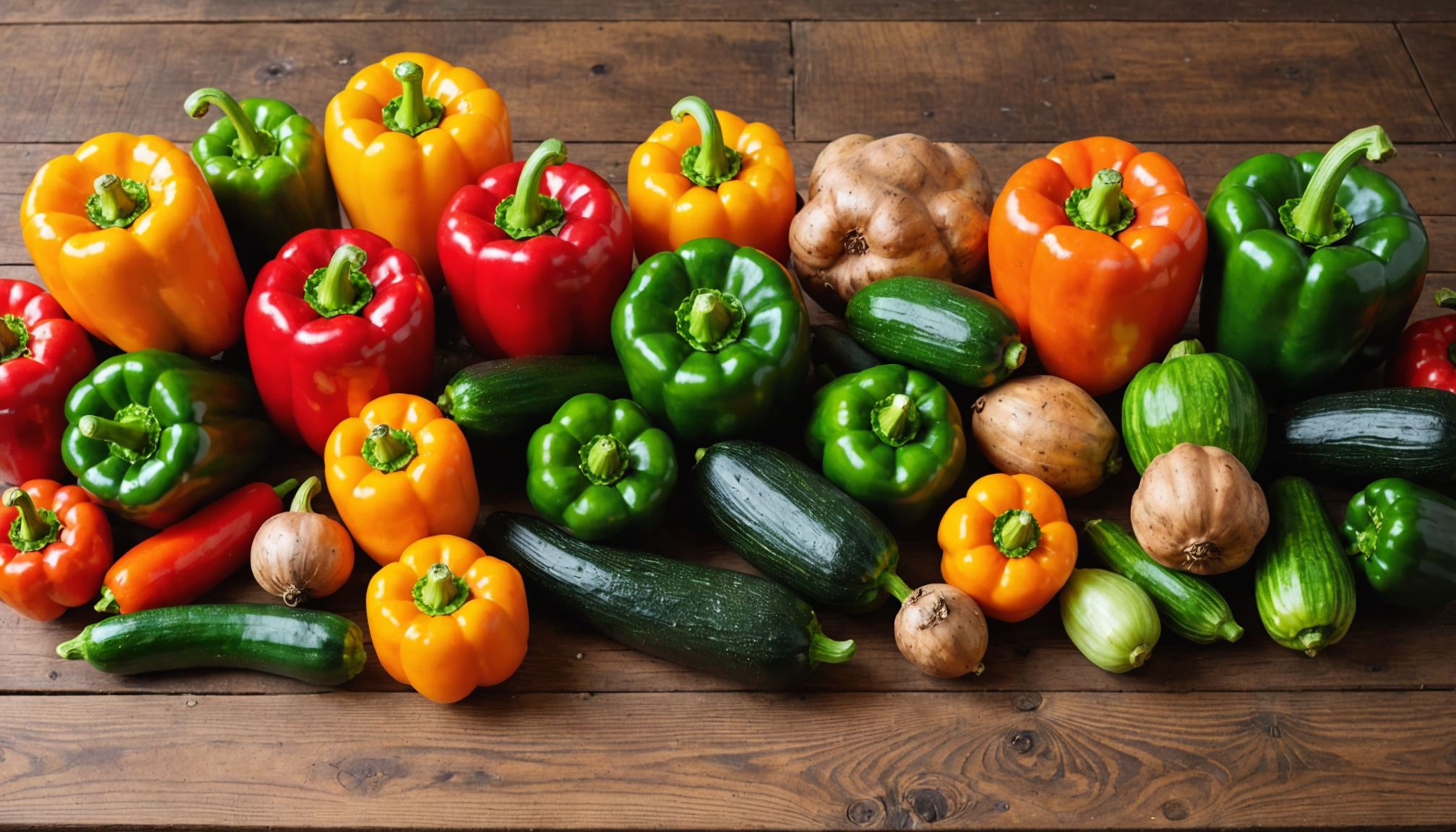
Seasonal vegetables are often the stars of one-pan dinners. Look for locally sourced organic varieties like bell peppers, zucchini, or sweet potatoes, as they typically offer a fresher taste and better nutritional profile. Including cruciferous veggies such as broccoli or cauliflower not only adds crunch but also boosts the overall health quotient of your meal, thanks to their rich antioxidants and vitamins.
Herbs and spices can transform your one-pan dinners from ordinary to extraordinary. Stock up on essentials like garlic, thyme, and rosemary, which can elevate the flavor without unnecessary calories or fats. To save money, consider buying dried herbs in bulk or growing your own—this way, you can enjoy fresh herbs straight from your garden or windowsill.
Shopping for these ingredients can also be streamlined. When visiting your grocery store, aim to shop the perimeter where fresh produce and proteins are typically located, as these areas provide more whole foods compared to the processed items found in the middle aisles. If online shopping is more convenient, always check for warehouse sales or subscription discounts at reputable organic grocery websites, ensuring that you are getting quality products delivered right to your doorstep.
Keep food safety in mind as you shop, whether in-store or online. Always inspect produce for freshness—look for vibrant colors and avoid any produce showing signs of spoilage. If buying frozen veggies, choose those labeled ‘flash frozen,’ as they retain nutrients better than those that have been stored for long periods. When ordering online, check for delivery guarantees that promise timely arrival and intact packaging to maintain freshness upon receipt.
With a well-thought-out shopping strategy, your one-pan dinners will not only be easy to prepare but also filled with healthy organic ingredients, encouraging a nourishing and delightful dining experience for yourself and your family. So next time you’re hitting the grocery store or clicking through an online marketplace, keep these tips in mind to stock up on ingredients that support a healthy cooking lifestyle.
Nutritious vegetarian options
Nutritious vegetarian options can be both delightful and satisfying, providing a world of flavors and textures while ensuring that your meals are packed with essential nutrients. One of the best ways to explore vegetarianism is by incorporating a variety of proteins such as beans, lentils, and chickpeas, which serve as fantastic bases for many dishes. These legumes are not only cost-effective but also brimming with fiber, making them an excellent choice for achieving fullness without compromising dietary goals.
Consider creating hearty salads that are rich in greens like kale, spinach, or arugula, and load them with toppings such as roasted sweet potatoes, quinoa, and seeds for added texture and nutrition. Not only do these additions make for vibrant dishes, but they also introduce a host of vitamins and minerals critical for overall well-being. Drizzling these salads with a homemade vinaigrette made from organic olive oil and apple cider vinegar can enhance the flavors while contributing healthy fats that promote satiety.
Another compelling option includes vegetable stir-fries. By using fresh, organic vegetables such as bell peppers, broccoli, and snap peas teamed with tofu or tempeh, you can create a quick and nutritious meal. The beauty of stir-frying lies in its versatility; simply toss in whatever vegetables are in season, and don’t forget to spike the dish with ginger or garlic to elevate the taste profile. Pair it with brown rice or quinoa for a well-rounded, filling dinner that can be easily prepared in under 30 minutes.
When it comes to hearty vegetarian curries, lentils and chickpeas shine. These legumes absorb the spices beautifully, making them perfect for dishes simmered with coconut milk, tomatoes, and an array of aromatic spices such as cumin and coriander. Serve with a side of brown rice or whole grain naan, creating a comforting meal that is flavorful and nourishing.
For those who enjoy a bit of creativity, stuffed vegetables can also make spectacular main dishes. Large bell peppers, zucchini, or even eggplants can be hollowed out and filled with a mixture of grains, vegetables, and spices. This not only makes for a picturesque presentation but also allows for endless customizations according to personal preferences or seasonal ingredients.
Lastly, consider incorporating a diverse range of herbs and spices to enrich your vegetarian dishes further. Not only do they enhance the flavor, but many herbs like parsley, basil, or cilantro provide additional health benefits. Fresh herbs can bring brightness to a dish, while spices such as turmeric and paprika add depth and richness, making every meal feel like an indulgent feast.
“Let food be thy medicine and medicine be thy food.” – Hippocrates
By embracing these nutritious vegetarian options, you can still enjoy fulfilling and balanced meals that align with a healthy cooking philosophy. Each dish can reflect not only your tastes but also your commitment to organic food choices, making every meal an opportunity to nourish both body and soul.
Protein-packed meat dishes
 When it comes to enriching your dinner table with wholesome, protein-packed meat dishes, the world of organic offerings is abundant and diversified. Organic meats, such as chicken, beef, lamb, and pork, provide essential amino acids necessary for muscle growth and repair while also ensuring that your meals are free from harmful chemicals, antibiotics, and hormones. By prioritizing organic sourcing, you’re not only choosing healthier options for yourself but also supporting sustainable farming practices.
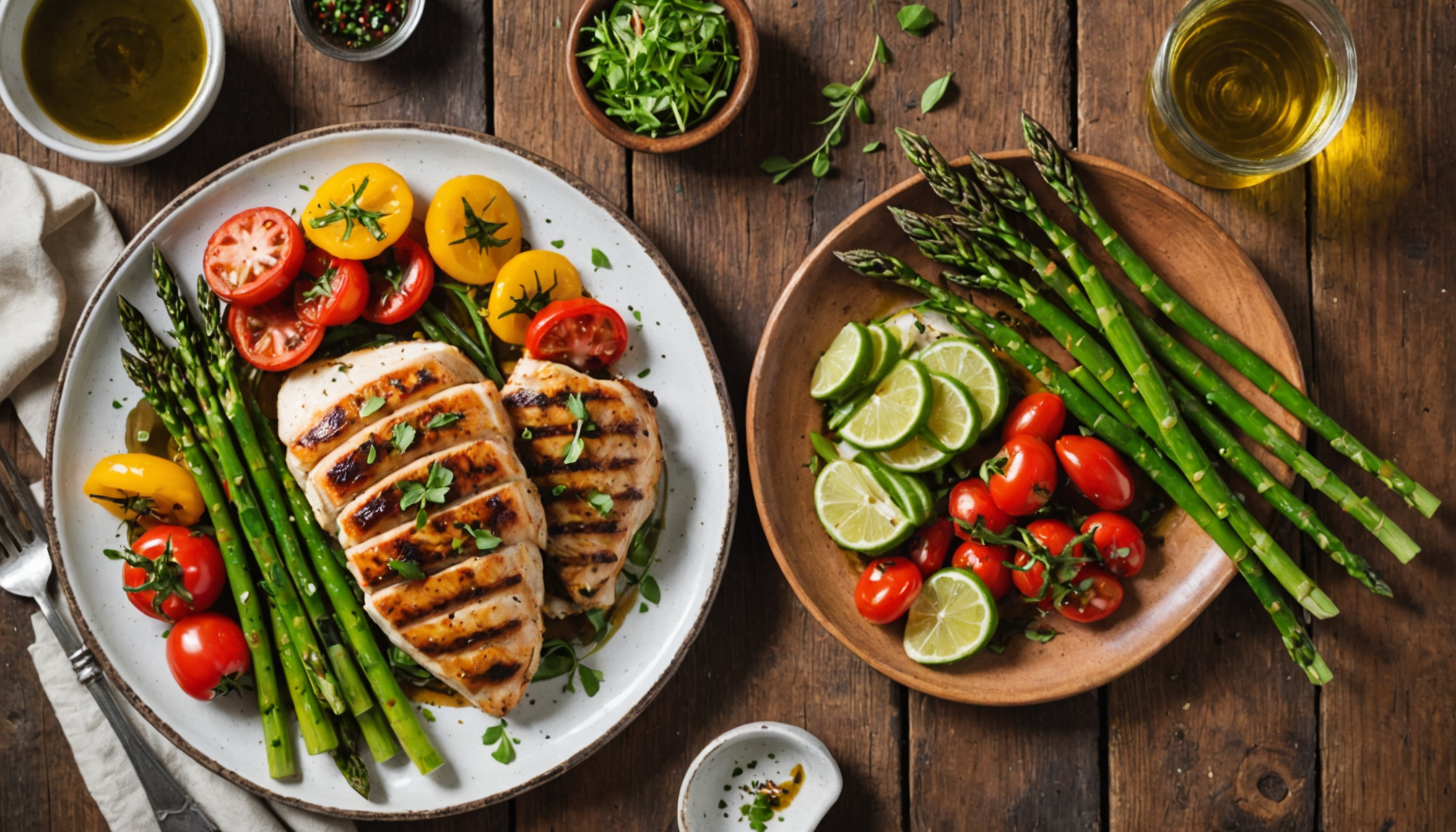
One of the simplest ways to incorporate protein into your dinners is through marinated grilled chicken. A straightforward mix of organic olive oil, garlic, lemon juice, and your favorite herbs can transform plain chicken breasts into a flavorful centerpiece. Grilling or roasting helps to lock in moisture while achieving that satisfying char. Serve this dish alongside seasonal vegetables like asparagus or bell peppers, drizzled with a bit more olive oil or a squeeze of fresh lemon for an enriching flavor.
For those interested in red meat, consider grass-fed beef, which tends to have a more robust flavor and additional health benefits compared to conventionally raised beef. A quick and easy recipe is to prepare a stir-fry using sliced grass-fed beef with an array of colorful organic vegetables such as bok choy, snap peas, and carrots. Sauté these ingredients in a non-stick skillet with minimal oil, a splash of low-sodium soy sauce, and ginger for an easy, nutrient-dense meal that can be served over whole grains like brown rice or quinoa for added fiber.
If you’re looking for something more substantial, slow-cooked dishes can yield incredible results with less hands-on time. Opt for organic chicken thighs or a beef chuck roast, seasoned with onions, garlic, and your choice of spices. Slow-cooking these meats allows collagen to break down, resulting in tender, melt-in-your-mouth flavors that pair wonderfully with root vegetables or whole grain sides. A hearty beef stew or chicken curry not only warms the soul but also brings an inviting aroma to your home, enticing family members to embrace the dining experience.
Seafood lovers can rejoice as well! Wild-caught fish options like salmon or cod are excellent protein sources and are rich in omega-3 fatty acids, which have numerous health benefits. Roast a piece of salmon with a simple glaze of mustard, honey, and dill, and serve it with a side of sautéed kale and quinoa. Quick cooking methods preserve their delicate flavors and textures while ensuring magnificent nutrition.
Don’t overlook the possibility of branch benefits through versatile cooking methods. Grilling, baking, and slow-cooking provide unique opportunities to explore a full range of taste while aligning with your organic food philosophy. Incorporate various spices like paprika, cumin, or coriander to elevate your meat dishes without additional calories or unhealthy additives, making them both delicious and nutritious.
By embracing creativity in your kitchen and experimenting with different protein sources, you can create delightful meals that cater to diverse tastes and nutritional needs. This commitment to healthy cooking not only encourages a nutritious balance in your diet but also cultivates an environment that values organic, sustainable ingredients, making every dinner an enjoyable occasion to share with those you love.
- What are the benefits of choosing organic meats?
- Organic meats are raised without antibiotics or synthetic hormones, making them a healthier choice. Additionally, they often come from animals fed organic feed and raised in better living conditions, promoting sustainable farming practices.
- How can I ensure the meat I buy is truly organic?
- Look for labels that state “USDA Organic,” which guarantees the meat meets strict organic standards. Checking for certifications from reputable sources can also help confirm the authenticity of organic claims.
- What are some quick protein sources for dinner?
- Consider using chicken, turkey, or fish, which cook quickly and can be prepared in various ways. Canned legumes like chickpeas or lentils are also excellent for vegetarian protein options that require minimal prep time.
- How can I make meat dishes more flavorful?
- Marinating meats in a mixture of acidic ingredients like vinegar or citrus juice, along with herbs and spices, can greatly enhance flavors. Experimenting with different seasoning blends can transform simple dishes into culinary delights.
- What are good sides to serve with meat dishes?
- Pair meats with a variety of colorful vegetables, whole grains like brown rice or quinoa, and nutrient-rich options like legumes or leafy greens. This combination will provide a more balanced and fulfilling meal.
- Can I incorporate vegetarian proteins into my meat dishes?
- Absolutely! Adding beans, lentils, or quinoa as side dishes or mixed into meats can enhance nutrition and flavor. This approach can also help stretch your ingredients and reduce overall meat consumption.
- How can I safely store leftover meat?
- Ensure cooked meats are cooled to room temperature, then store them in airtight containers in the refrigerator for up to 3-4 days. For longer storage, consider freezing portions, making sure to label them with the date for easy access.
Delicious sides and accompaniments
As you venture into creating delicious sides and accompaniments for your dinners, grocery shopping can become an exciting quest for nutritious, flavorful additions that elevate your meals. Whether you prefer shopping locally or online, there are essential tips to make sure you’re choosing the best ingredients for your family’s plates.
When shopping for sides, always aim for variety. Fresh seasonal vegetables should be your mainstay, so don’t shy away from brightly colored produce. While at the grocery store or farmers’ market, check for staples like organic carrots, heirloom tomatoes, or sweet potatoes. Not only do these sides pack a nutrient punch, but they also offer an array of flavors and textures that can enhance any dish. For instance, consider roasting root vegetables drizzled with organic olive oil and sprinkled with herbs for a delicious, caramelized flavor.
If you’re leaning towards grains, items like quinoa, brown rice, or farro can be fantastic complements to your protein-packed main dishes. These whole grains are not just nutritious but also easy to cook in larger batches and store for quick meals throughout the week. While shopping, look for bulk bins where you can find these grains at more affordable prices, allowing you to stock up without overspending. Furthermore, choosing whole grains over refined options will significantly boost the fiber content of your meals.
Don’t forget about legumes! Organic canned beans or lentils are a perfect, inexpensive source of protein and are incredibly versatile. They can easily be tossed into salads, soups, or grain bowls, creating hearty side dishes that keep everyone satisfied. Moreover, opting for brands that avoid BPA lining is crucial for safety—look for alternatives marked as “BPA-free.”
Spices and herbs are your best friends when it comes to jazzing up your sides. Stocking your pantry with essentials like cumin, paprika, and dried oregano can significantly enhance the flavor profile of even the simplest dishes. You could combine cooked quinoa with sautéed spinach, garlic, and a dash of lemon to create a vibrant side that’s bursting with flavor and nutrition. If you’re uncertain where to start, many store-bought spice blends also offer time-saving solutions, but always check to ensure they don’t contain added sugars or preservatives.
Online shopping can also prove advantageous when sourcing organic ingredients. Websites like Thrive Market and Instacart allow you to filter for organic products, ensuring a quick and efficient shopping experience. Look for subscription options that some services provide, as they can offer significant discounts on healthy cooking essentials. Just remember to read product reviews regarding freshness when purchasing online, as well as checking for delivery options that guarantee your groceries will arrive safely and on time.
When it comes to preparing your sides, cooking methods matter. Steaming, roasting, or sautéing with a splash of healthy fat like avocado oil can help preserve both flavor and nutrients, making your accompaniments both tasty and good for you. Consider prepping your sides on the same day you prepare your main dish; this allows you to keep your cooking streamlined and efficient, saving you time and effort.
Check for local purveyors and community-supported agriculture (CSA) programs that can deliver fresh, organic produce to your door. This not only ensures you receive the freshest ingredients but also supports local farming efforts. Being aware of special deals and seasonal offerings can help you make cost-effective choices while maximizing freshness.
By focusing on various flavors and colors, you’ll not only nourish your family with wholesome sides but also inspire them to appreciate the bounty of organic foods available. Embrace the adventure of grocery shopping, experiment with new ingredients, and transform your meals into exciting culinary experiences that everyone will love!
New Customers Offer!
Free Gift for the new customer
$24 Value, When You Subscrib Visit Thrive Market