- The Benefits of Organic Seafood
- Choosing the Right Ingredients
- Delicious Seafood Bowl Recipes
- Nutritional Value of Seafood Bowls
- Tips for Preparing and Serving
- Sustainable Fishing Practices
When it comes to grocery shopping, the first step in crafting delicious and healthy dinners with seafood bowls is prioritizing the quality of the ingredients you choose. Organic seafood not only tastes superior but also offers numerous health benefits. For families and fitness enthusiasts, opting for organic products helps limit exposure to harmful chemicals and promotes a more sustainable food system.
Start by familiarizing yourself with local options. Farmers’ markets and local fish markets often provide a selection of fresh organic seafood. Engage with the sellers; they can offer insights into the best seasonal catches and sustainable practices. When shopping online, look for retailers that specialize in organic and sustainable seafood, ensuring they provide transparency about sourcing and handling.
When you venture offline, prioritize high-quality fish such as wild-caught salmon, sardines, and mackerel. These options not only support your health but also tend to be more flavorful and nutrient-rich. Always check for certifications such as the Marine Stewardship Council (MSC) label, which guarantees the seafood is sustainably sourced. If you’re interested in vegan options, explore alternatives like tofu, tempeh, or chickpeas, which can be featured in plant-based versions of seafood bowls.
For those on a budget, don’t shy away from frozen organic seafood. It can be just as nutritious and is often more affordable than fresh options. Look for sales and consider buying in bulk; this not only saves money but can also reduce food waste. Pair your seafood with local organic vegetables like kale, asparagus, or bell peppers to make your bowls vibrant and nutritious.
If you’re shopping online, ensure the retailer has a good reputation for quality and safety. Read reviews and verify their return policy, especially for perishable items. Use insulated bags or ice packs during delivery to keep your seafood fresh until it arrives at your doorstep. Lastly, always check the packaging for any signs of freezer burn or damage; this can be an indication of improper handling during shipping.
By following these practical shopping tips, you’ll be well on your way to creating healthy, satisfying seafood bowls that your family will love. Whether you’re sourcing ingredients at a bustling market or browsing online, your choices will pave the way for delicious organic recipes that resonate with health-conscious dining.
Choosing the Right Ingredients
When crafting seafood bowls that are not only delicious but also nourishing, selecting the right ingredients is paramount. Optimal choices begin with understanding the sources of your seafood and the additional components that complement the flavors and nutritional profile of your dishes.
Start with organic seafood, which is often free from harmful additives, antibiotics, and pesticides. The characteristics of high-quality seafood include freshness, a firm texture, and a mild scent of the sea. Ensure that the seafood you choose is labeled organic or carries reputable certifications that guarantee sustainable fishing practices. This not only supports the environment but also promotes healthy ecosystems, which are vital for long-term ocean health.
Fresh fish options like wild-caught salmon, cod, and halibut provide rich flavors and are packed with omega-3 fatty acids, which are essential for heart health and overall wellness. While shopping for seafood, consider this comparison of common types based on their sustainability, taste, and nutritional content:
| Seafood Type | Sustainability Rating | Flavor Profile | Key Nutritional Benefits |
|---|---|---|---|
| Wild-Caught Salmon | High (MSC Certified) | Rich, buttery | Omega-3 fatty acids, protein, vitamin D |
| Cod | Moderate | Mild, flakey | Protein, low in fat, B vitamins |
| Sardines | High (MSC Certified) | Strong, savory | Omega-3s, calcium, selenium |
| Farmed Tilapia | Low | Mild, versatile | Low fat, protein, vitamin B12 |
Incorporating seasonal organic produce elevates the nutritional quality of seafood bowls while enhancing their visual appeal. Opt for a variety of colors by selecting vibrant vegetables such as:
– Kale: Rich in antioxidants, vitamins A, C, and K.
– Bell Peppers: Excellent source of vitamins A and C, providing a sweet crunch.
– Asparagus: Offers fiber, vitamins A, C, E, and K, and adds a delicate texture.
Consider also including grains or legumes such as quinoa, brown rice, or lentils as base components for your bowls. These ingredients not only add depth and texture but also contribute additional protein and fiber, making your meal wholesome and satisfying.
For those interested in plant-based options, explore alternatives like marinated tofu or tempeh, which can effectively absorb the flavors of dressings and marinades. This flexibility allows for creativity in your organic recipes and enables everyone, including vegans, to enjoy healthy dinners.
When preparing to cook, ensure your ingredients are prepped and ready to go. Wash your vegetables thoroughly, and if using grains, consider soaking them beforehand to improve cooking efficiency. By carefully selecting and preparing these ingredients, you will lay a strong foundation for seafood bowls that are not only tasty but also vibrant and nourishing.
Delicious Seafood Bowl Recipes
- The Benefits of Organic Seafood
- Choosing the Right Ingredients
- Delicious Seafood Bowl Recipes
- Nutritional Value of Seafood Bowls
- Tips for Preparing and Serving
- Sustainable Fishing Practices
When shopping for ingredients to make delicious seafood bowls, consider these grocery shopping strategies that not only enhance your meals but also align with healthy eating habits.
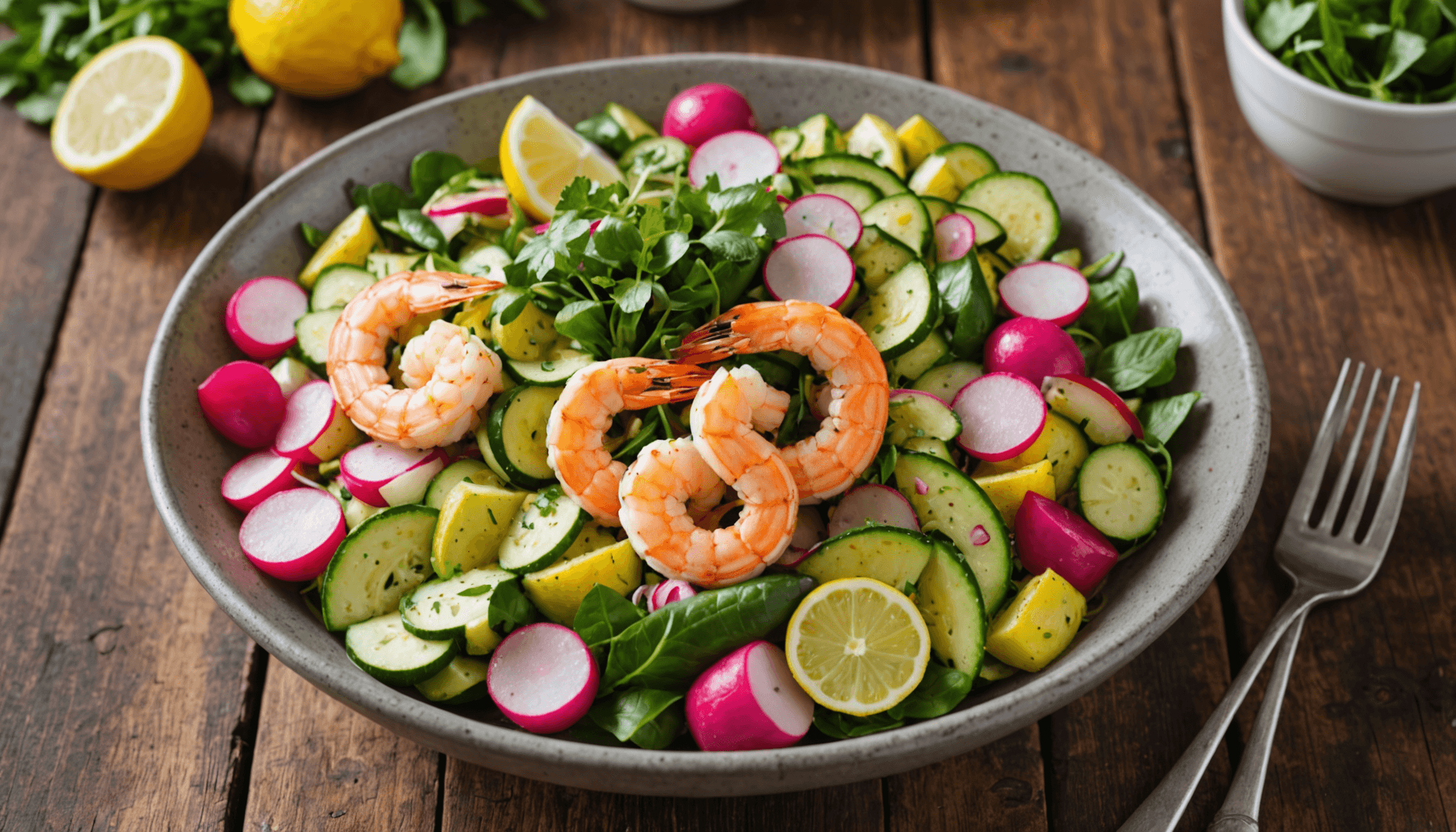
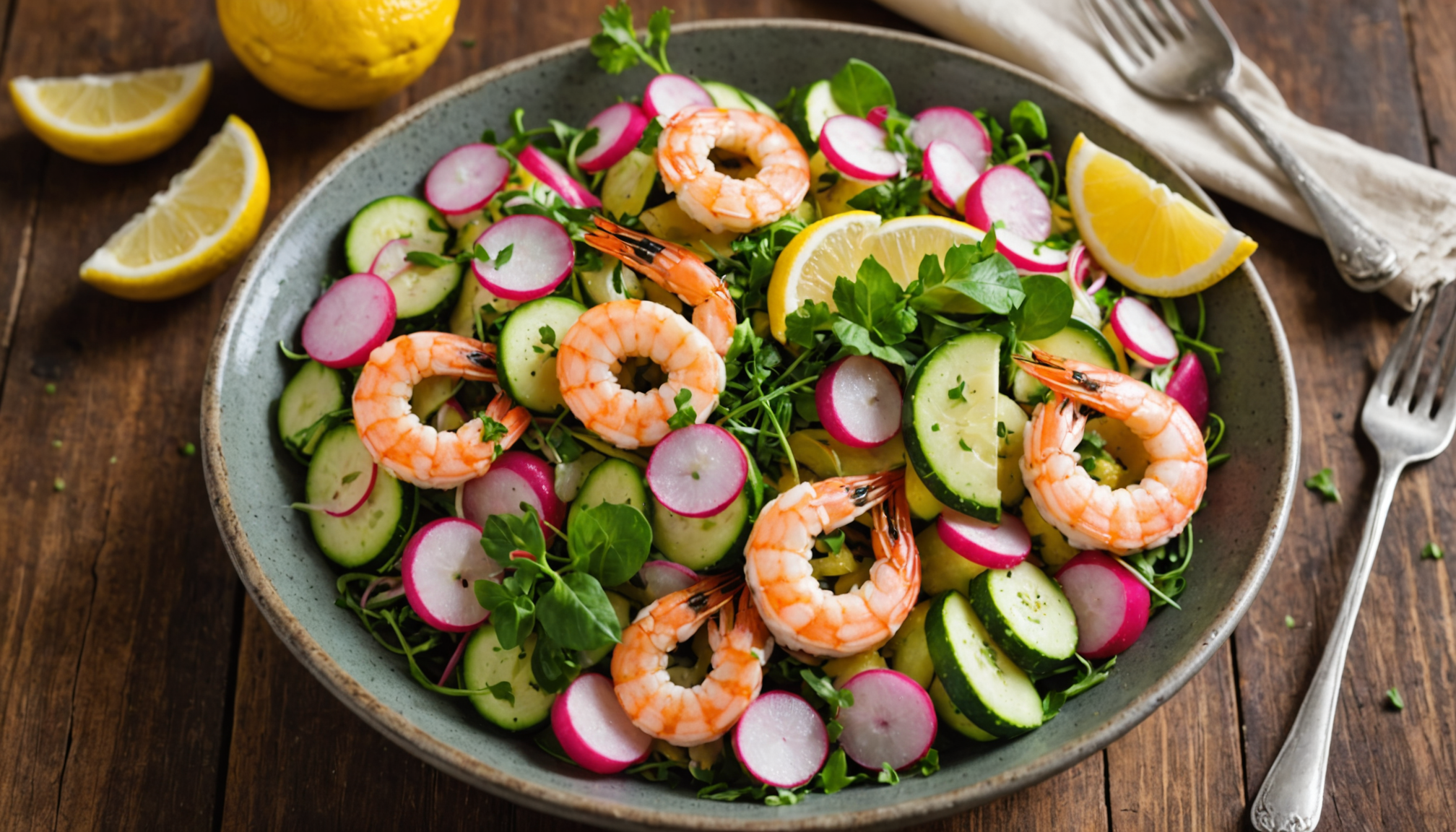
Start by making a list before heading out, and include key items that provide flavor and nutrients. A trip to your local grocery store or farmer’s market should be guided by a focus on fresh, seasonal ingredients. Look for a variety of vibrant vegetables such as zucchini, spinach, or radishes—these not only enhance the appearance of your seafood bowls but also add essential vitamins and minerals.
When sourcing your seafood, it’s crucial to choose organic options whenever possible. This ensures the absence of harmful chemicals and promotes sustainable practices. For families looking to incorporate seafood into busy weeknight dinners, frozen organic seafood is an excellent choice. Just ensure it’s from a reputable source that guarantees its freshness and quality through proper freezing techniques.
For those following a vegan lifestyle, consider alternatives to seafood that provide similar textures and flavors. Items like seaweed, which can lend a briny taste reminiscent of the ocean, or jackfruit, which can mimic the flakiness of fish when cooked, can be creative substitutes in your seafood bowls.
Budget-conscious shoppers can find great deals on local produce, so keep an eye out for seasonal sales or discounts. Creating a meal plan around what’s on sale not only saves money but also encourages creativity in the kitchen. For instance, if cucumbers are in season, try adding them to your seafood bowls for extra crunch and hydration.
When shopping online for perishable items, choose reputable retailers known for their fresh selections, and read product reviews before purchasing. Opt for sellers who offer clear shipping guidelines regarding the use of ice packs or insulated packaging to ensure your seafood arrives fresh. Pay attention to the packaging upon arrival; if it appears compromised—such as tears or excessive frost—it’s wise to contact the supplier for a refund or exchange.
For a well-rounded meal, remember to include healthy carbohydrates in your bowls, like quinoa or whole grain rice. These not only add bulk but also offer fiber that assists in digestion. Pro tip: consider cooking a batch of grains at the beginning of the week to make meal prep easier and quicker throughout your busy days.
Before packing your bowls, take the time to create delicious dressings or sauces that elevate the overall flavor. Simple mixtures of olive oil, lemon juice, and herbs can create a zingy topping that complements your chosen seafood and veggies perfectly.
By following these grocery shopping tips, you’ll ensure that each seafood bowl you prepare is not only healthful but also packed with flavors that your entire family will enjoy. With a little planning and sourcing of ingredients, your mealtime can easily transform into a delightful experience that supports a healthy lifestyle.
Nutritional Value of Seafood Bowls
Seafood bowls provide a wealth of nutritional value, making them an excellent choice for health-conscious individuals and families alike. With their rich combination of high-quality seafood, fresh vegetables, and wholesome grains, these dishes not only satisfy hunger but also nourish the body.
Seafood, especially when sourced from organic suppliers, is an incredible source of protein, essential fatty acids, vitamins, and minerals. For instance, fish like salmon, mackerel, and sardines are high in omega-3 fatty acids, which are known for their anti-inflammatory properties and positive effects on heart health. A single serving of these fish can provide a significant portion of the daily recommended intake of omega-3s, supporting brain function and overall well-being.
In addition to the healthy fats prevalent in many seafood options, these proteins are generally low in saturated fat, making them ideal for those looking to maintain a balanced diet. Seafood is also packed with vital nutrients like vitamin D, which plays a crucial role in bone health and immune function, and B vitamins, including B12, which is essential for energy production and neurological health.
When you layer in various organic vegetables, the nutritional profile of your seafood bowls becomes even more formidable. Leafy greens such as spinach and kale are loaded with vitamins A, C, and K, as well as iron and calcium. Colorful additions like bell peppers and carrots bring antioxidants into the mix, which help protect the body from oxidative stress.
Whole grains and legumes, often included as base components, contribute additional fiber and essential nutrients. Ingredients like quinoa are not only high in protein but also gluten-free, making them an excellent choice for various dietary preferences. Understanding the nutritional composition of these grains can help you craft bowls that truly provide a balanced meal.
The blend of these versatile components allows for creativity in crafting organic recipes that can be tailored to meet specific dietary needs. For instance, incorporating legumes like lentils can enhance protein content while ensuring your seafood bowls remain hearty and satisfying. Moreover, individuals seeking plant-based alternatives can recreate the delicious flavors of seafood with innovative ingredients, such as seaweed or jackfruit, broadening the appeal of these dishes.
“Eating a diet rich in fish, especially fatty fish, has been linked with numerous health benefits, including reduced risk of heart disease and improved brain function.”
The versatility of seafood bowls means they can be adjusted to accommodate seasonal ingredients, which not only keeps meals exciting but also maintains freshness and flavor. Utilizing local produce ensures that you’re getting the most nutrient-dense options available, often picked at peak ripeness.
In summary, the nutritional value of seafood bowls is significant, making them an ideal choice for healthy dinners. With their rich blend of organic seafood, fresh vegetables, and hearty grains, these bowls deliver a plethora of health benefits while tantalizing the taste buds. Embracing the possibilities offered by diverse ingredients opens the door to crafting balanced, satisfying meals that are both nourishing and flavorful.
Tips for Preparing and Serving
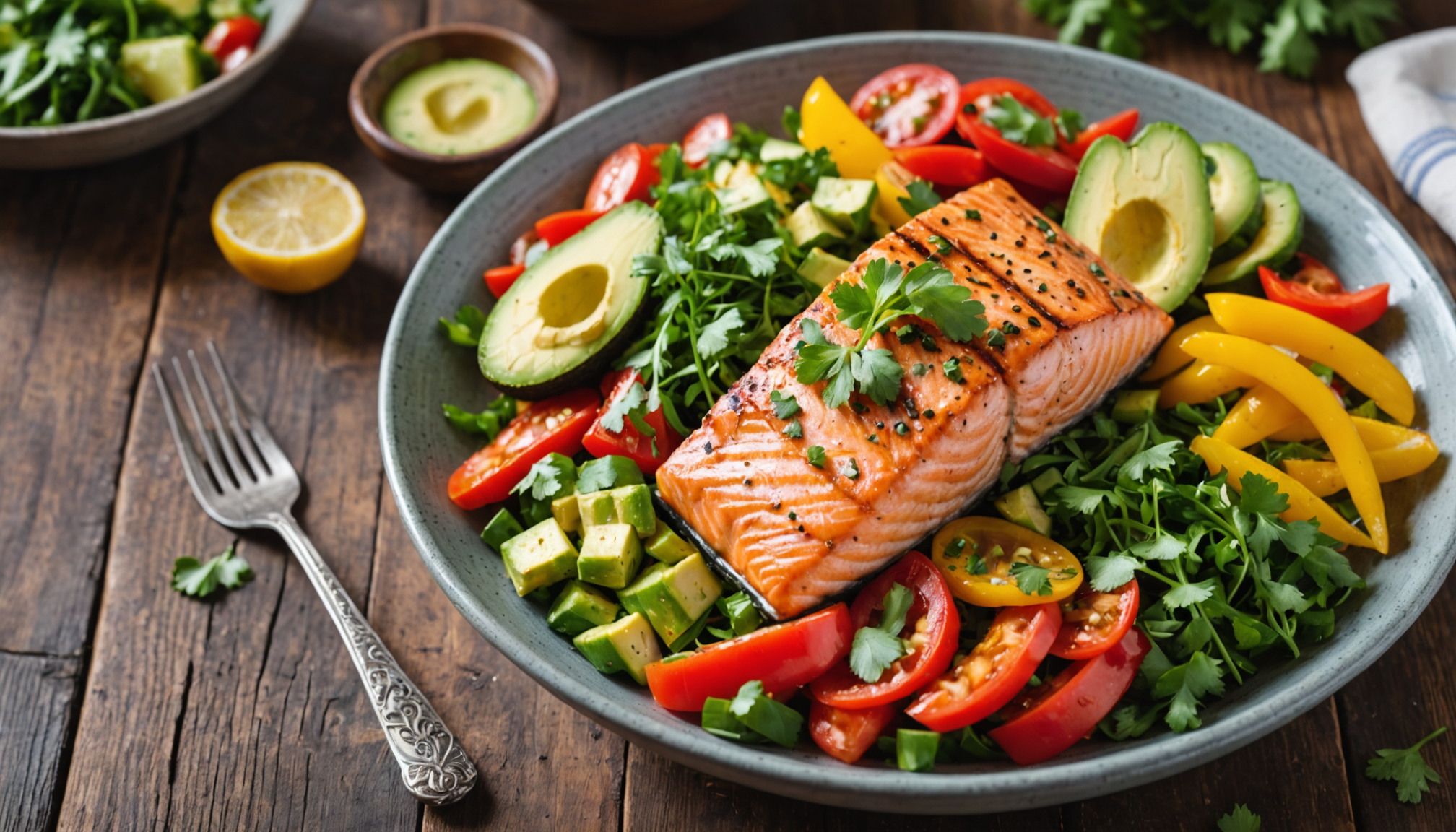 When preparing seafood bowls that are visually appealing and bursting with flavor, the key lies in not just the quality of ingredients but also in the methods used to bring them together. Begin by ensuring that your seafood is properly handled and cooked to avoid any loss of nutrients and flavor. If using fresh fish, rinse it gently under cold water and pat dry with a paper towel before cooking. This simple step helps maintain the integrity of the fish and enhances the overall dish.
For cooking, consider a variety of methods such as grilling, steaming, or baking. Grilling fish can impart a delightful smoky flavor, while steaming retains nutrients and ensures a delicate texture. When baking, a light coating of olive oil, fresh herbs, and citrus can elevate the flavors, transforming a simple piece of fish into a gourmet experience. Cook seafood until it is just opaque, as overcooking can lead to a dry texture and diminish its health benefits.
Vegetable preparation is equally important. Aim for a mix of textures by slicing, dicing, and even spiralizing your vegetables to add visual interest. Lightly sautéing or steaming vegetables can enhance their flavors while preserving essential nutrients. Try adding garlic, ginger, or shallots to infuse your vegetables with extra zest, providing an aromatic base that complements the seafood beautifully.
When assembling your seafood bowl, consider layering the ingredients to create a visually stunning and delicious meal. Start with a base of grains such as quinoa or brown rice, which not only provide carbohydrates but also additional protein and fiber. Follow with a generous serving of your cooked seafood, topped with a colorful array of vegetables. Don’t forget to sprinkle herbs or seeds like sesame or pumpkin seeds, which can add crunch and a nutritional boost.
For an added touch of flavor, opt for homemade sauces or dressings that resonate with your tastes. A blend of tahini, lemon juice, and fresh herbs can create a creamy yet light drizzle over your bowls, while a simple vinaigrette of balsamic vinegar and olive oil can enliven the dish with a tangy twist. Experiment with different combinations to find the perfect balance that excites your palate.
Presentation plays a significant role in the enjoyment of any meal. Use vibrant bowls that contrast nicely with the colors of the seafood and vegetables to draw the eye. Garnishing with fresh herbs like cilantro or parsley not only enhances visual appeal but also adds an aromatic element that heightens the overall dining experience.
By following these tips for preparing and serving your seafood bowls, you’ll unlock a world of vibrant flavors and nutritious ingredients that can transform everyday dinners into extraordinary healthy meals. Each bowl you create becomes a canvas for your culinary creativity, blending organic recipes that nourish the body while tantalizing the taste buds.
- What are the health benefits of eating seafood bowls?
- Seafood bowls are packed with essential nutrients, including omega-3 fatty acids, protein, vitamins, and minerals. Incorporating various vegetables and whole grains enhances their nutritional value, making them an ideal choice for health-conscious individuals.
- How do I choose the best seafood for my bowls?
- Opt for organic, wild-caught seafood whenever possible, as it is free from harmful additives and supports sustainable practices. Look for certifications like the Marine Stewardship Council (MSC) label, ensuring your seafood is sustainably sourced.
- Can I use frozen seafood for seafood bowls?
- Yes, frozen seafood can be a convenient and nutritious option. Just ensure it comes from a reputable source, and when cooked properly, it can offer the same delicious flavor and health benefits as fresh seafood.
- What are some good vegetarian alternatives for seafood bowls?
- For vegetarian options, consider using ingredients like marinated tempeh, jackfruit, or seaweed, which can mimic the textures and flavors of seafood. These alternatives allow for creativity while still providing satisfying meals.
- How can I make my seafood bowls more flavorful?
- Enhance the flavors of your seafood bowls by using various cooking methods, such as grilling or baking with olive oil and spices. Additionally, homemade sauces or dressings made from herbs, citrus, or tahini can elevate the overall taste.
- What grains are best to use as a base for seafood bowls?
- Good choices for the base include quinoa, brown rice, or farro, as they provide healthy carbohydrates and increase the fiber content of your meal. These grains also add varying textures that complement the seafood and vegetables.
- How can I ensure my seafood is cooked properly?
- Cook seafood until it is just opaque and flakes easily with a fork, which generally indicates that it is done. Overcooking should be avoided to prevent a dry and unappetizing texture.
Sustainable Fishing Practices
Choosing sustainable seafood is essential for maintaining healthy oceans and supporting our environment. When shopping, always look for seafood sourced from fisheries that practice responsible management and use methods that minimize environmental impact. Many stores now provide information about the origins of their seafood, making it easier for consumers to make informed decisions.
For families interested in sustainability, consider getting to know your local fishermen or joining a community-supported fishery (CSF). This not only helps you access fresh catch but supports your local economy. Plus, you can often find out about the fishing practices directly from the source, ensuring they align with sustainable methods.
When it comes to types of seafood, opt for species that are recognized for their sustainability. Species like wild-caught Alaska salmon, Pacific sardines, and Oysters are often cited as good choices. Conversely, avoid species that are overfished or farmed under poor conditions, like certain types of tuna or farmed shrimp, as they can contribute to ecosystem damage.
Online shopping has also become a popular avenue for purchasing seafood sustainably. When ordering online, select retailers that specialize in sustainable seafood and highlight their sourcing practices. Look for certifications from reputable organizations that verify the sustainability of their fish. It’s also wise to read customer reviews about the quality and freshness of the seafood before placing an order.
When buying frozen seafood, check the packaging for details about its origin and processing. Reputable brands will often showcase their commitment to sustainability right on the label. Ensure it has been flash-frozen right after catching, preserving its nutritional integrity and flavor.
In terms of safety, always choose seafood that is properly refrigerated or frozen during shipping. Upon delivery, inspect the seafood to ensure it has been kept at safe temperatures. If you notice any unusual odor or signs of freezer burn, do not consume it. Instead, reach out to the seller for a resolve. Staying vigilant about these factors can help you maintain food safety for your seafood bowls.
For budget-conscious shoppers, consider sharing bulk purchases with friends or family. This can often lead to cost savings while ensuring you have a variety of options on hand for your healthy dinners. Pairing your seafood with local organic vegetables, like carrots, zucchini, or tomatoes, can enhance flavor and nutrition without breaking the bank.
Whether shopping in-store or online, adopting these sustainable practices will enhance not only your meals but also contribute positively to the health of our planet. By prioritizing ocean-friendly choices, you create a ripple effect that promotes sustainability and encourages a thriving ecosystem for generations to come.
New Customers Offer!
Free Gift for the new customer
$24 Value, When You Subscrib Visit Thrive Market