- Nutritional Benefits of Seafood
- Choosing Organic Ingredients
- Flavorful Bowl Combinations
- Cooking Techniques for Perfect Seafood
- Creative Toppings and Dressings
- Serving Suggestions and Pairings
When shopping for seafood bowls, it’s essential to focus on freshness and source quality. Start by visiting your local fish market or grocery store known for its fresh seafood selection. Look for fish that has a mild smell of the sea; anything that smells overly fishy could indicate it’s not fresh. Choose seafood that is firm to the touch and has bright, clear eyes if buying whole fish.
Opt for organic sources whenever possible. Not only does organic seafood tend to be raised without harmful antibiotics and hormones, but it also supports sustainable fishing practices. Check for labels such as “USDA Organic” or certifications from the Marine Stewardship Council (MSC). If you’re unsure about where to find organic seafood, consider local farmers’ markets, which often carry sustainable and fresh selections.
If you’re aiming to incorporate healthy dinners into your routine, adding seafood can be a game-changer. Salmon, for example, is rich in omega-3 fatty acids, which are excellent for heart health. Other nutrient-dense options include sardines and mackerel, both of which provide significant health benefits and are often more budget-friendly.
For a plant-based touch, keep an eye out for vegan alternatives that replicate seafood flavors, such as algae-based products or plant proteins designed to mimic fish. These options allow vegans to enjoy delicious seafood bowls without compromising their dietary choices.
When shopping online, prioritize certified retailers with strong reputations for quality and safety. Read customer reviews and check if they provide transparent information about their sourcing and shipping methods. Look for services that offer express shipping options to ensure your seafood arrives fresh. Always verify their return policy as well; a good retailer should allow returns for poorly quality items.
Budget-conscious shoppers should consider frozen seafood options, which can be just as nutritious as fresh, especially if you plan to make organic recipes at home. Frozen fish is often flash-frozen at sea, preserving its nutritional content and fresh taste. Compare prices online too, as many grocery chains offer discounts for bulk purchases or for subscribing to delivery services.
Lastly, learning how to decode food labels can enhance your grocery shopping experience significantly. Look for certifications like “wild-caught,” which indicates a product that has been sustainably harvested and has lower mercury levels compared to farmed fish. The more knowledgeable you are as a consumer, the more empowered you’ll be to make choices that align with your values and dietary needs.
Choosing Organic Ingredients
When selecting ingredients for your seafood bowls, prioritizing organic options is paramount. Organic seafood holds significant advantages over conventional products, particularly in terms of health, taste, and environmental impact. The organic farming methods often involve less pollution and fewer chemicals, which can contribute to better overall marine ecosystems. Here are some key factors to consider when choosing organic ingredients for your seafood dishes:
Firstly, look for seafood that is certified organic. In the United States, this certification ensures that the seafood has been produced sustainably, without the use of synthetic chemicals or antibiotics. For farmed fish, regulations require that they are fed organic feed, which helps to maintain their natural growth patterns and reduces the likelihood of chemical residues. The following table outlines some differences between organic and conventional seafood:
| Criteria | Organic Seafood | Conventional Seafood |
|---|---|---|
| Use of Antibiotics | No | Yes, often used to prevent disease |
| Feed Quality | Organic feed only | May contain synthetic additives |
| Environmental Impact | Low, sustainable practices | Higher, potential for overfishing and pollution |
| Nutritional Value | High in omega-3s and nutrients | Varies widely; may contain contaminants |
In addition to seafood, choosing organic produce to accompany your dishes enhances both flavor and nutritional profile, complementing the seafood beautifully. When shopping for vegetables and grains to build your seafood bowls, aim for organic forms of rice, quinoa, and fresh vegetables. Organic produce is typically richer in vitamins and minerals, providing a robust base that harmonizes with the seafood.
Be mindful of seasonality when selecting your ingredients. Seasonal organic produce is often fresher and more flavorful. Consider local farmers’ markets as a reliable source for fresh, organic fruits and vegetables. This not only guarantees that you’re sourcing quality ingredients but also supports local economies and reduces your carbon footprint by minimizing transportation emissions.
For the preparation of your seafood bowls, opt for ingredients free from pesticides and other chemicals. Ingredients like seaweed, which may be used for garnishing or as part of the base, can be both nutritious and enhance the bowl’s aesthetic. When combined with organic, sustainable seafood, these ingredients yield healthier dinners that are not only delicious but also environmentally responsible.
Choosing organic doesn’t have to strain your budget. Many stores offer competitive pricing on organic goods, and frozen organic seafood options can be more affordable without compromising nutritional value. Just like fresh seafood, frozen options are often flash-frozen at peak freshness and can serve as convenient components for your homemade organic recipes.
Finally, educating yourself about the sourcing of your seafood and produce can make a remarkable difference in the quality of your meals. Brands that prioritize transparency often share their farming practices and location of sourcing, allowing you to make informed decisions that align with your culinary aspirations and ethos towards health and the environment.
Flavorful Bowl Combinations
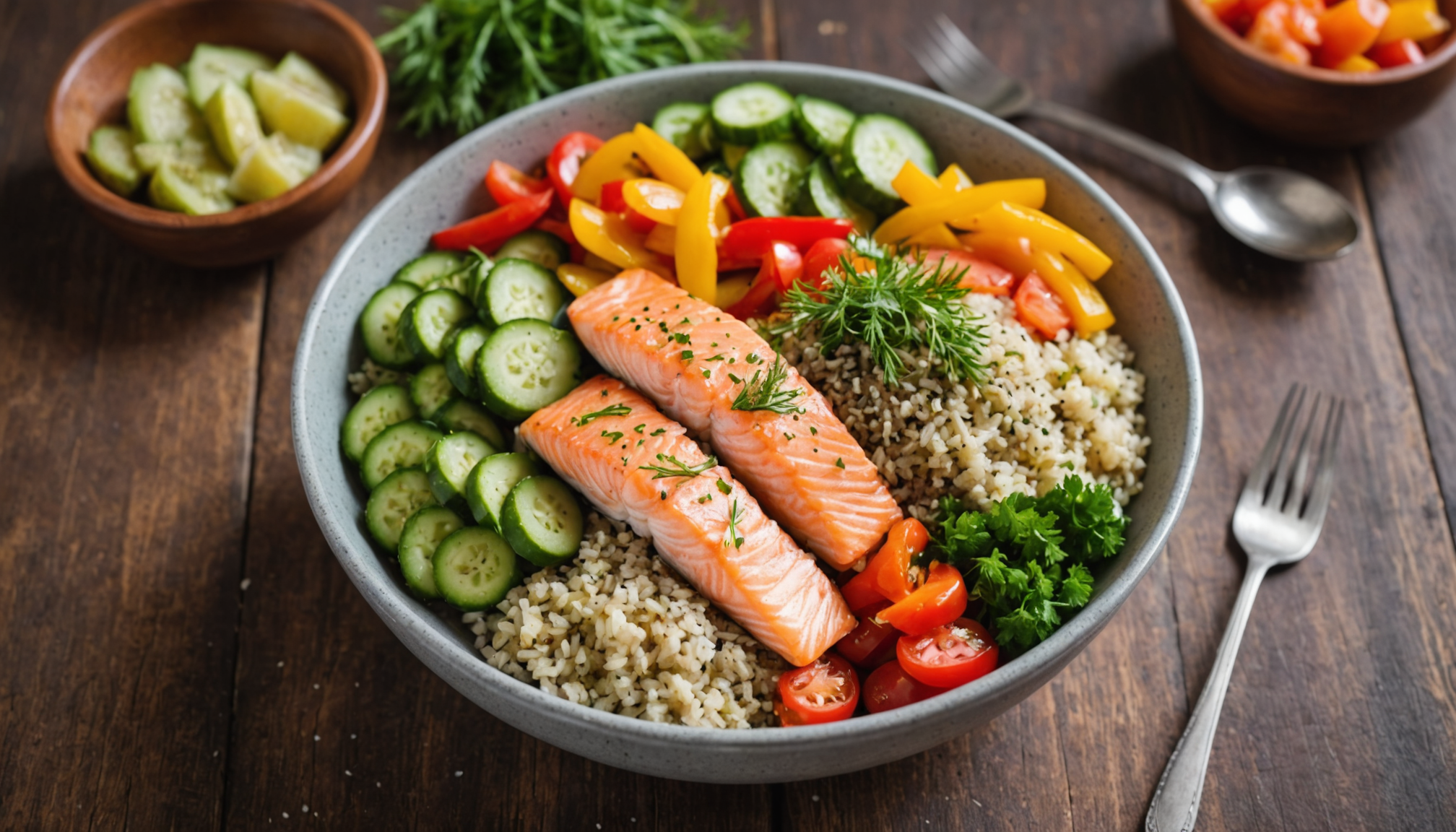
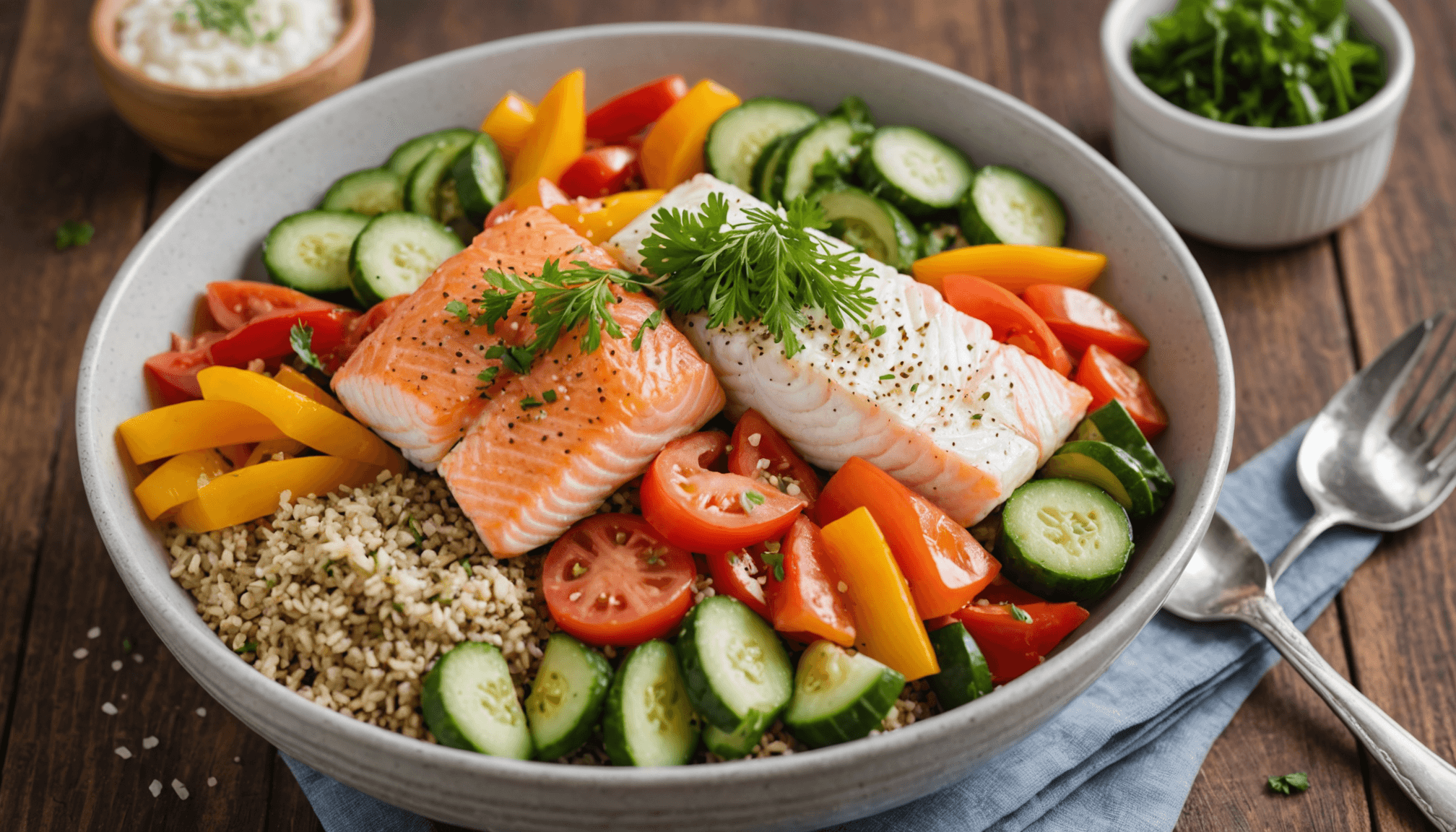
When crafting your delectable seafood bowls, the combination of flavors and textures is what truly elevates the dish from straightforward to extraordinary. Start with a base that is both nutritious and satisfying. Consider using organic quinoa or brown rice to lay the groundwork; these grains offer fiber, protein, and essential nutrients that complement the seafood beautifully. They also have the added benefit of being budget-friendly, especially when purchased in bulk, and they can be easily prepared in advance.
Next, think about the variety of seafood you want to include. Mixing different types can create a delightful balance of tastes and nutritional profiles. For a satisfying bowl, combine flaky white fish like cod or halibut with richer options like salmon or shrimp. Not only do these proteins provide omega-3 fatty acids, but they also vary in texture, creating a more enjoyable eating experience. Remember to keep an eye out for seasonal seafood choices, which can enhance both flavor and sustainability.
For those looking to add a pop of color and crunch, organic vegetables are your best friend. Choose a mix of seasonal produce such as vibrant bell peppers, refreshing cucumbers, and nutrient-packed kale. Roasted root vegetables like sweet potatoes or beets can add warmth and earthiness to the dish when served warm. Aim for a colorful palette, as this not only makes your bowl visually appealing but also ensures you’re getting a range of vitamins and minerals.
To elevate the flavor profile, consider incorporating unique elements like pickled vegetables or fermented items such as kimchi. These ingredients not only contribute a zesty kick but also promote gut health, making your seafood bowls healthier overall. When shopping, check local stores or farmers’ markets for homemade pickles that are made using organic methods, allowing you to support local businesses along the way.
Don’t forget about the herbs and spices—they are essential for enhancing the overall taste of your dish! Fresh herbs like cilantro, dill, or basil can provide aromatic freshness, while spices like paprika, cumin, or a bit of chili powder can add depth and warmth. Purchasing dried herbs and spices in bulk can also save you money and reduce waste.
Now let’s talk sauces and dressings. Crafting your own vinaigrette is not only simple but also lets you control the quality of the ingredients you’re using. Start with a base of organic olive oil, then add lemon juice or apple cider vinegar, and for extra flavor, incorporate Dijon mustard or honey. A drizzle of this homemade dressing over your seafood bowls brings all the components together beautifully. Alternatively, try a tahini sauce for a creamy, nutty twist that pairs particularly well with roasted vegetables.
Finally, let’s consider portion control, especially for those leading active lifestyles. Aim to fill half of your seafood bowl with vegetables, a quarter with healthy grains, and a quarter with your protein choice. This not only creates a balanced and colorful meal but also encourages mindful eating habits.
Incorporating these flavorful combinations not only enhances the taste of your seafood bowls but also promotes a healthy dietary lifestyle. By being mindful of your ingredient choices and experimenting with textures and flavors, you can enjoy delightful, healthy dinners that your entire family or group of fitness enthusiasts will love.
Cooking Techniques for Perfect Seafood
Cooking seafood to perfection requires a combination of techniques that bring out its natural flavors while ensuring the health benefits remain intact. One essential method is to choose the right cooking technique based on the type of seafood you are preparing. For delicate fish like sole or flounder, gentle cooking methods such as poaching or steaming work best. These techniques preserve moisture while preventing the fish from becoming tough or dry.
For firmer cuts like salmon or tuna, grilling or pan-searing can produce a desirable caramelization. When grilling, preheat your grill to medium-high heat and utilize oil to prevent sticking. A simple seasoning of salt, pepper, and a drizzle of organic olive oil can enhance its natural richness. Aim for an internal temperature of about 145°F to ensure your seafood is cooked perfectly while retaining its omega-3 fatty acids.
Baking is another fantastic option that offers convenience, particularly when preparing multiple servings for seafood bowls. Wrap your fillets in parchment paper or foil with a mix of vegetables and herbs before placing them in the oven. This “en papillote” method steams the seafood, locking in moisture and flavor. A splash of citrus juice added before sealing the package can brighten up the dish while ensuring it’s infused with vibrant, organic flavors.
Sautéing is also an excellent choice, especially for shrimp or scallops. Quickly cooking these proteins over high heat yields a scrumptious, slightly crisp exterior while keeping the insides tender. Use a mix of garlic, shallots, and seasonal organic vegetables to build a rich, aromatic base, creating depth in flavor without overpowering the seafood.
For those who enjoy a more raw approach, consider incorporating ceviche into your seafood bowls. This method involves marinating fresh, organic fish in citrus juice, which “cooks” the seafood through acidity. Сeviche provides a refreshing option, particularly during warmer months, and highlights the quality of the seafood and the addition of seasonal fruits and vegetables.
Experimenting with smoking can provide an entirely new flavor profile for your seafood bowls. Cold smoking fish adds a distinct richness, while hot smoking creates a flaky, tender texture. Both methods may seem advanced, but dedicating some time to learn them can yield delightful results that enhance your healthy dinners.
Timing is crucial when cooking seafood. Overcooking can result in a less pleasant texture that detracts from the dish. Use a timer and check for doneness early to avoid this common pitfall; your seafood should flake easily with a fork yet remain slightly translucent in the center.
👤
“Cooking seafood requires an understanding of its delicate nature; it’s all about preserving its flavor and health benefits while achieving an inviting texture.” – Culinary Expert
Incorporating these cooking techniques into your meal preparation will help you create delicious seafood bowls that are not only satisfying but also celebrate the wholesome qualities of organic ingredients. Pair your perfectly cooked seafood with colorful veggies and whole grains for a complete, nutritious meal that embodies the light and healthy spirit of organic recipes.
Creative Toppings and Dressings
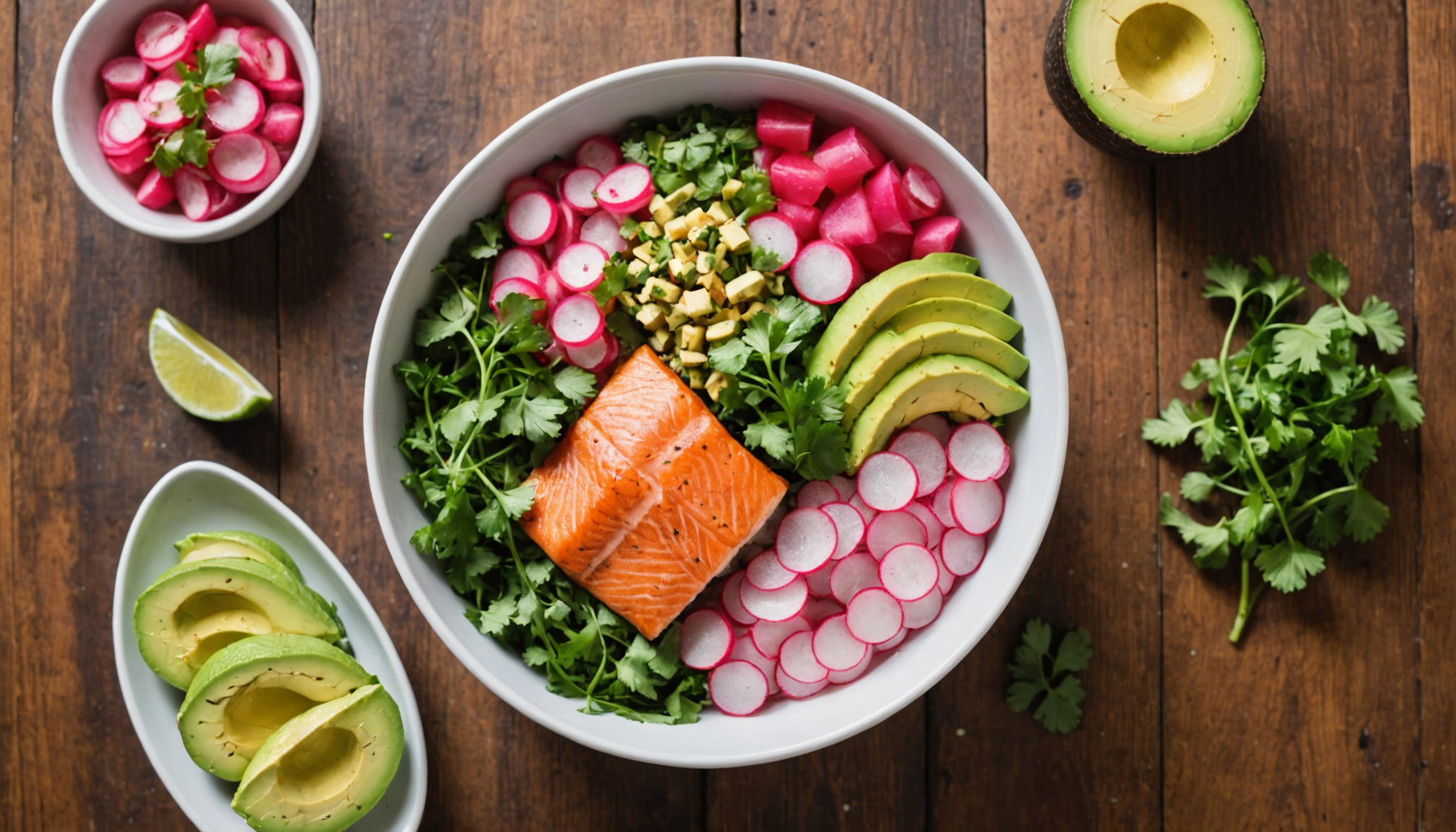 Creative toppings and dressings can truly elevate your organic seafood bowls, enhancing flavors and encouraging experimentation. One effective way to bring your seafood bowls to life is through the use of vibrant and diverse toppings. Consider incorporating a variety of textures and colors; crunchy radishes paired with silky avocado, fresh herbs like cilantro or parsley, and zesty citrus segments can transform each bite into a burst of flavor.
Dressings play a crucial role in determining the overall taste profile of your bowl. Making your own dressings can be a rewarding way to control both the ingredients and levels of seasoning. A simple yogurt-based dressing can add a creamy element, which works well with spiced seafood. Mixing Greek yogurt with garlic, lemon juice, and a touch of dill not only complements fish but also adds a refreshing contrast to the richness of the proteins. Alternatively, a sesame vinaigrette made from organic sesame oil, rice vinegar, and a hint of ginger can impart an Asian flair that pairs wonderfully with grilled or seared seafood.
Don’t forget about the impact of garnishes. Toasted seeds or nuts can provide that much-needed crunch, making your seafood bowls not only delightful to the palate but also visually appealing. Sunflower seeds, pumpkin seeds, or slivered almonds offer a nutritious punch too. For a spicy kick, try drizzling a homemade sriracha sauce or sprinkling some red pepper flakes over the top.
When considering toppings, remember that incorporating fermented elements like kimchi, sauerkraut, or pickled ginger can introduce additional health benefits along with layers of flavor. These toppings typically add probiotics to your dish, promoting gut health while also providing a delightful tanginess.
Lastly, sauces can transform a basic bowl into something extraordinary. Besides vinaigrettes, consider a light coconut curry sauce or a miso glaze to drizzle over the top for an unexpected twist. The right balance of sweetness, acidity, and umami can elevate the dish and showcase the organic flavors of your seafood.
Being mindful of how you top and dress your seafood bowls can make each meal feel like a new culinary adventure. This process encourages creativity, as a single base can become a dazzling array of flavors and nutrients depending on the toppings you choose. Challenge yourself to try new combinations and educate yourself on the diverse ingredients available at your local market. The world of seafood bowls, rich with possibilities, awaits you!
- What types of seafood work best in bowls?
- For seafood bowls, versatile options include salmon, shrimp, scallops, and white fish like cod or halibut. These varieties offer different textures and flavors that can be enhanced with various toppings and dressings.
- How do I know if seafood is fresh?
- Fresh seafood typically has a mild ocean scent, firm flesh, and clear eyes if whole. Avoid fish that has an overly fishy smell or dull eyes, as these indicators often suggest poor quality.
- Can I use frozen seafood in my bowls?
- Yes, frozen seafood can be an excellent option, as it is often flash-frozen at sea to retain freshness and nutrients. Just ensure it is labeled as sustainable and safe for consumption.
- What are some healthy toppings for seafood bowls?
- Healthy toppings include fresh vegetables, avocado, toasted seeds, herbs, and probiotic-rich elements like kimchi or pickled veggies. These add nutrition, flavor, and texture while promoting overall health.
- Is it important to use organic ingredients?
- Using organic ingredients can help reduce exposure to harmful pesticides and chemicals while supporting sustainable farming practices. Organic seafood, in particular, is often fresher and more flavorful.
- How can I make my own dressing for seafood bowls?
- A simple homemade dressing can be made by combining organic olive oil, vinegar or lemon juice, and seasonings like mustard or herbs. This approach allows you to tailor flavors to your personal taste.
- What alternatives are there for those who don’t consume seafood?
- Consider plant-based alternatives like marinated tofu, tempeh, or algae-based seafood substitutes. These options can provide similar textures and flavors, making them suitable for vegans.
Serving Suggestions and Pairings
Serving your seafood bowls with a thoughtful approach can truly enhance the dining experience for your family, fitness enthusiasts, or even during a busy weeknight. Start by considering the overall presentation and balance of flavors on the plate. A visually appealing seafood bowl is not only more inviting but also indicates the variety of nutrients it offers. To create a great meal, think about the arrangement of your ingredients; contrasting colors and staggering heights can turn a simple bowl into a work of art.
For families, getting the children involved in the preparation can turn meal times into fun bonding activities. Encourage them to pick their favorite toppings and help build their own bowls. This also promotes healthier eating habits as they get to choose what goes into their meal. Stock your kitchen with a range of toppings, such as sliced cucumbers, shredded carrots, or avocado, so they have plenty of options to choose from.
When it comes to flavor pairings, consider complementary elements that enhance the natural taste of your seafood. Adding fruits like mango or citrus segments can provide a refreshing contrast to the savory portions of your bowl. For example, a tangy mango salsa can bring brightness to grilled fish while adding a delightful texture. In addition, incorporating diverse herbs such as cilantro or mint not only elevates flavor but also adds an aromatic component, making each bite more enjoyable.
From a nutritional standpoint, balance is key. Each bowl should ideally include a source of protein, healthy fats, and plenty of colorful vegetables. Aim for a proportion where half of your bowl is made up of vegetables, a quarter represents grains like quinoa or brown rice, and the final quarter presents your choice of protein. This method not only makes for an aesthetically pleasing dish but also ensures you’re delivering a balanced set of nutrients to your family.
Another great idea is to pair your seafood bowls with side dishes that elevate the meal to the next level. A light, zesty coleslaw can serve as a crunchy counterpart while enhancing the overall texture. For a healthful twist, consider serving a colorful salad made from organic greens dressed lightly with vinaigrette. This adds freshness and further emphasizes the organic recipes you’re aiming for.
When preparing your meal, feel free to make adjustments based on your dining situation. If you’re hosting friends, consider setting up a seafood bowl bar where guests can assemble their own creations. Keep a variety of proteins, grains, and toppings available to ensure there’s something for everyone, including vegan or gluten-free options to cater to all dietary preferences.
Lastly, sourcing your seafood and fresh produce from local farmers’ markets or reliable online grocery stores can make all the difference. Not only will you get fresher ingredients, but you’ll also support local economies and reduce your carbon footprint. Check for local delivery options that maintain quality standards for organic produce to ensure your meals are not only delicious but also environmentally friendly.
By incorporating these serving suggestions and pairings, your seafood bowls will undoubtedly shine on the dinner table, making weekday meals exciting and appealing for everyone involved. Embrace creativity and foster a healthy eating environment, and you’ll find that mealtime can be one of the highlights of your day!
New Customers Offer!
Free Gift for the new customer
$24 Value, When You Subscrib Visit Thrive Market