
- Healthy Meal Planning Tips
- Essential Organic Ingredients
- Quick Cooking Techniques
- Easy Dinner Recipes
- Nutritional Benefits of Organic Foods
- Storing and Leftover Solutions
Your grocery shopping adventure doesn’t have to be overwhelming; rather, it can be an enjoyable part of your healthy cooking journey. Start by making a list of must-have ingredients and stick to it. This not only minimizes impulse buys but also helps keep your shopping focused and your budget intact.
When shopping for organic food, consider visiting local farmers’ markets or community-supported agriculture (CSA) programs. These options often offer the freshest fruits and vegetables, which can enhance your meals and support local farms. Not only do you get to enjoy seasonal produce, but you can also reduce your carbon footprint by choosing items that don’t have to be transported long distances.
For budget-friendly options, stock up on whole grains like quinoa, brown rice, or oats, which are healthy staples. They offer excellent nutritional value and can be used as bases for various easy recipes. Canned legumes, such as chickpeas and black beans, are also economical and versatile; rinse them well to reduce sodium and increase their health benefits.
- Choose frozen fruits and vegetables if fresh options are too pricey or out of season—they’re just as nutritious and often harvested at peak ripeness.
- Opt for bulk purchases where possible for items like nuts and seeds, allowing you to save money while stocking up on healthy, protein-rich snacks.
- When it comes to proteins, look for plant-based options like tofu or tempeh, which are great for maintaining a vegan or vegetarian lifestyle and are usually more affordable compared to meat.
While shopping online, safety is key. Make sure to purchase from reputable sources that provide clear ingredient lists and transparency about sourcing and production methods. Always check for certifications that guarantee the food is organic and free from harmful pesticides, ensuring your health isn’t compromised. Additionally, when considering delivery options, select services that fulfill orders promptly to ensure product freshness.
Keep in mind that meal prep is an essential aspect of healthy cooking. Carve out some time on weekends to wash, cut, and store your fresh produce, making it easier to whip up easy recipes during the week. Remember, having healthy snacks readily available can prevent last-minute choices that veer off the healthy path.
Ultimately, whether you are navigating the aisles or clicking through an online store, intentionality in your shopping can lead to satisfying, nutritious meals that fit seamlessly into your active lifestyle. Keep your eyes peeled for seasonal sales and special promotions on organic products so you can maximize your grocery budget while building a strong foundation for your family’s healthy eating habits.
Essential Organic Ingredients
To create delicious and nutritious meals, having a well-stocked arsenal of essential organic ingredients is vital. When incorporating organic food into your diet, it is important to focus on freshness, quality, and versatility. Here are some key ingredients that should be staples in your pantry and fridge, allowing you to create easy recipes without compromising on health benefits.
Fruits and Vegetables: Always prioritize seasonal organic produce. Berries, leafy greens, sweet potatoes, and avocados not only bring vibrant flavors to your dishes but also pack a nutritional punch. Here’s a detailed comparison of common organic fruits and vegetables:
| Fruit/Vegetable | Nutritional Benefits | Uses in Cooking |
|---|---|---|
| Spinach | High in iron, vitamins A and C | Salads, smoothies, sautéed as a side |
| Carrots | Rich in beta-carotene, fiber | Raw snacks, soups, roast dishes |
| Blueberries | High in antioxidants, vitamins C and K | Breakfast bowls, desserts, salads |
| Sweet Potatoes | Rich in complex carbohydrates, vitamins A and C | Mashed, roasted, in casseroles |
Whole Grains: Incorporate organic whole grains like quinoa, brown rice, and oats. These provide fiber and essential nutrients, making them an ideal base for various meals. Not only do they satiate hunger, but they also help maintain steady energy levels throughout the day. Look for quick-cooking grains if time is a concern, as they can easily be prepared in under 30 minutes.
Legumes: Beans, lentils, and chickpeas are fantastic sources of plant-based protein and fiber. They are versatile ingredients that can be added to salads, soups, or stews, providing a hearty and nutritious element to your meals. For added convenience, consider purchasing canned versions but always opt for low-sodium options when possible.
Healthy Fats: Healthy cooking calls for fats that benefit your body, such as olive oil, avocado oil, and nut butters. These fats are important for nutrient absorption and contribute to heart health. Use them in salad dressings or as cooking oils to enhance the flavor of your dishes.
Herbs and Spices: Fresh herbs like basil, cilantro, and parsley can elevate the taste of any meal without extra calories. Spices such as turmeric, cumin, and paprika not only add depth and warmth to your recipes but bring numerous health benefits as well.
Dairy Alternatives: If you are looking to cut down on dairy, consider stocking up on organic almond milk, coconut yogurt, or soy-based cheeses. These alternatives can be used in place of traditional dairy products in many recipes, offering lactose-free options for those with sensitivities.
Incorporating these essential organic ingredients into your meals will make preparing easy recipes a breeze while ensuring that your family enjoys nutritious dinners. Be sure to experiment with different combinations, flavor profiles, and cooking techniques to keep your meals exciting and healthy.
Quick Cooking Techniques
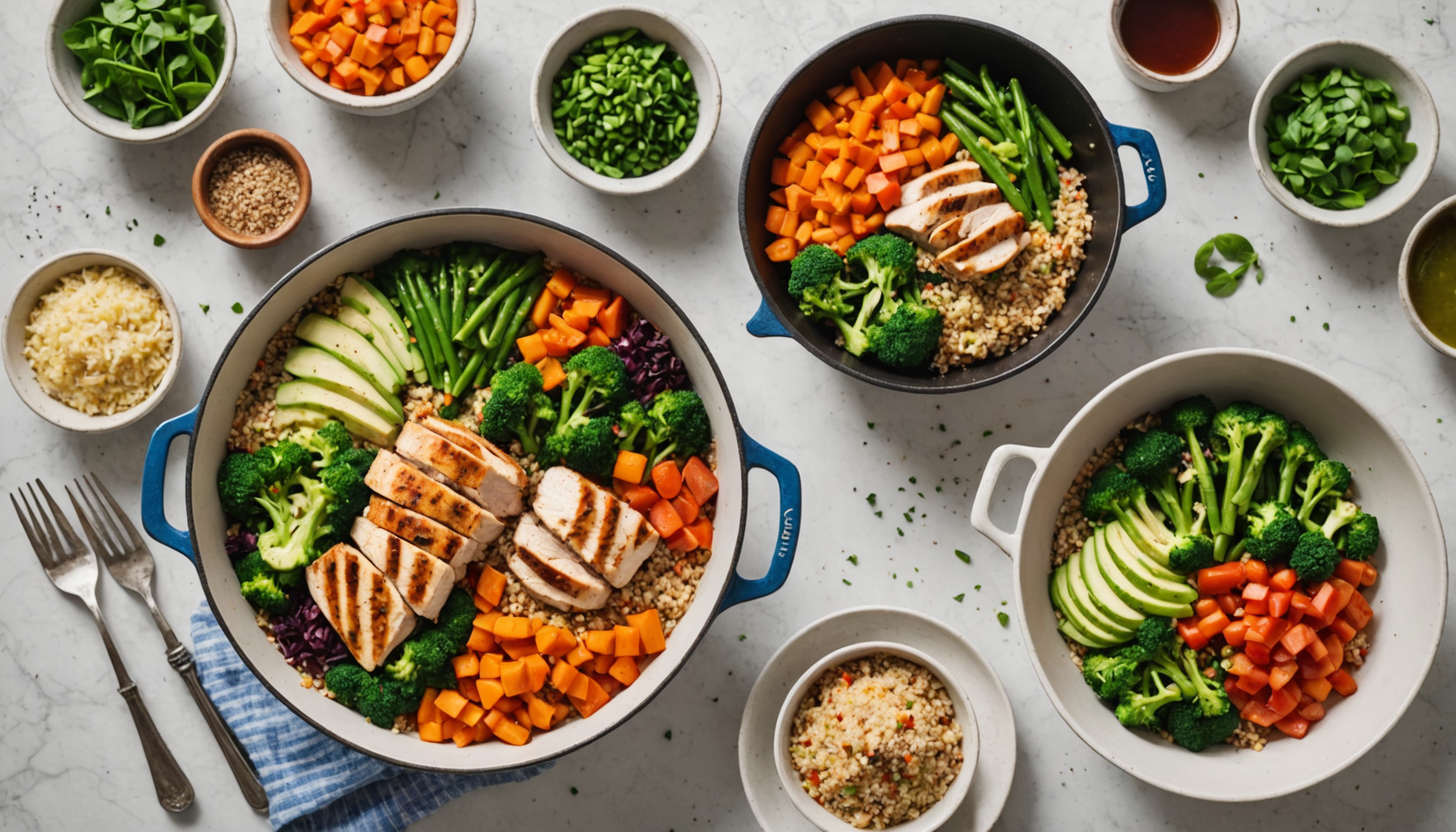
Smart cooking techniques can turn your busy weeknights into delicious, healthy culinary experiences without breaking the bank or consuming too much time. One of the easiest approaches is to embrace the art of one-pot meals, where you can combine proteins, grains, and vegetables in a single dish. Not only do these recipes save on dishwashing, but they also allow flavors to meld together beautifully, making the most of your organic ingredients.
For families looking to maximize their grocery shopping, pre-chopped or frozen organic vegetables are excellent buys. They save time in meal preparation and often retain their nutritional value. Consider keeping a variety of these in your freezer so that when a last-minute dinner is necessary, you can swiftly toss them into a skillet with other pantry staples like quinoa or rice for a quick meal that’s both satisfying and healthy.
Utilize meal-prepping techniques to create a more organized cooking schedule. Spend a couple of hours on weekends cooking grains and proteins. For instance, prepare a large batch of brown rice or quinoa, roast seasonal vegetables, and bake some organic chicken or tofu. Store these components separately in containers for easy access throughout the week. You can then customize your meals each night by combining these prepped ingredients with different sauces or spices to keep things fresh and exciting.
Another useful technique is to harness the power of the slow cooker or pressure cooker. These devices can produce robust flavors in meals with minimal effort. Simply add your organic ingredients to the pot in the morning, set the timer, and return to a perfectly cooked dinner waiting for you when you get home. Soups, stews, and legumes cooked this way can be packed with nutrients while maintaining easy preparation.
When it comes to cooking methods, steaming is a fantastic way to preserve the nutrients in your vegetables. If you have a busy schedule, a steaming basket allows you to cook multiple items at once — think broccoli, carrots, and even fish all in one pot. This method keeps your meals light yet still full of flavor, enhancing what you get from your organic food.
While keeping your meals quick, don’t forget to experiment with herbs and spices. They are key players in enhancing the taste without added calories or extra cooking time. Fresh herbs, in particular, can brighten up any dish and make leftovers seem freshly made.
If you’re shopping online for groceries, always check product reviews and ratings to avoid any unpleasant surprises. Some sellers may cut costs by skimping on quality, so be vigilant about sourcing from reputable sites that prioritize organic offerings. Look for stores that specialize in organic foods and ensure their products are certified by relevant authorities, providing you peace of mind regarding what you bring into your home.
Easy Dinner Recipes
For busy weekdays when time is of the essence, consider trying out a variety of easy recipes that highlight simple ingredients and quick preparation methods. One of the most popular go-to meals is a stir-fry. By choosing a mix of seasonal organic vegetables such as bell peppers, snap peas, and carrots, you can achieve a colorful, nutrient-dense dish ready in under 20 minutes. A splash of low-sodium soy sauce, a sprinkle of sesame seeds, and your choice of protein—be it tofu, chicken, or shrimp—creates a satisfying meal that pleases the palate and nourishes the body.
Another delightful option is sheet pan dinners, where you can roast an array of vegetables alongside your choice of protein. Toss sweet potatoes, zucchini, cherry tomatoes, and asparagus in olive oil and your favorite herbs. Place them on a sheet pan with sliced chicken breasts or salmon fillets, season with salt, and let the oven do the work. Within 30 minutes, you’ll have a complete dinner that can feed a family with minimal clean-up.
For a lighter fare, consider a salad as a centerpiece for your meal. Build a vibrant bowl with leafy greens, chopped cucumbers, grated carrots, and sliced radishes, topped with protein sources like chickpeas or grilled tofu. Drizzle a homemade dressing made from olive oil and lemon juice, and sprinkle in mixed herbs to elevate the flavors. A hearty salad can serve as a satisfying dinner option, especially if you add whole grain components like quinoa or farro for added fiber and energy.
Soups are also an excellent choice for easy cooking. A simple vegetable or lentil soup can be whipped together in a matter of minutes. Sauté onions and garlic in a pot, then add diced tomatoes, vegetable broth, and your choice of beans or lentils. Enhance the flavor with spices such as cumin and paprika, and let it simmer while you prepare a side of whole grain bread for dipping. Soups are perfect for batch cooking, allowing you to enjoy nourishing leftovers throughout the week.
Another quick dinner idea is pasta tossed in a fresh sauce. Use whole grain or legume-based noodles for added nutrition, and simply blend organic tomatoes, garlic, and basil in a food processor for a homemade marinara. Toss the cooked pasta with this sauce along with any sautéed vegetables and a sprinkle of nutritional yeast for a cheesy flavor without the dairy.
“Cooking at home is a matter of creativity; it is about not being afraid to mix ingredients to create a unique flavor.”
Incorporating these easy recipes into your weeknight dinners can simplify healthy cooking while ensuring you and your family enjoy diverse and nutritious meals. Adjust the basic recipes based on what you already have on hand or what’s in season, allowing you to maximize both taste and food efficiency. This approach minimizes waste and embraces the variety of organic food available to you, making it a win-win for your health and the environment.
Nutritional Benefits of Organic Foods
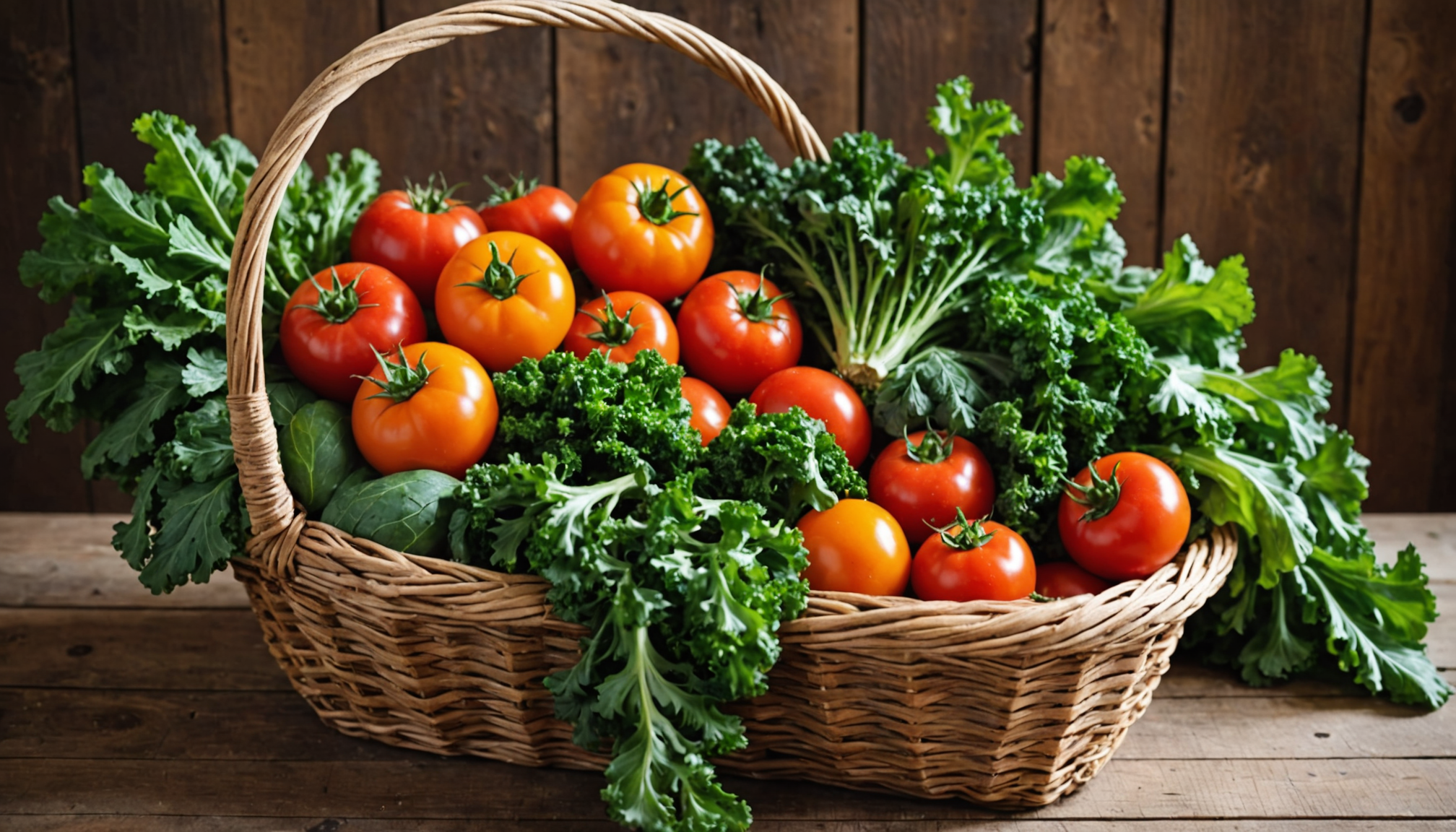 Organic foods provide a host of nutritional benefits that can significantly enhance health and wellness. Choosing to incorporate organic fruits and vegetables into your diet often means consuming produce that is richer in vitamins and minerals. Studies have shown that organic produce can contain higher antioxidant levels compared to conventionally grown counterparts, which are crucial for combating oxidative stress and promoting overall health. This is partly due to the fact that organic farming practices encourage healthier soil ecosystems, leading to nutrient-dense crops.
Another significant advantage of organic foods is the reduced exposure to harmful pesticides and chemicals. Traditional farming methods often utilize synthetic pesticides which can leave harmful residues on food. Organic farming prohibits the use of these harmful substances, making it a safer choice for you and your family. This is particularly pertinent for children, whose developing bodies may be more susceptible to the adverse impacts of pesticides.
Additionally, many organic foods, particularly meats and dairy products, come from animals that are raised without antibiotics or growth hormones. This not only leads to healthier animals but can also translate to better nutritional profiles for the consumer. The importance of omega-3 fatty acids found in meat from pasture-raised animals is another noteworthy aspect. These fats are essential for brain health and development, adding yet another layer to the health benefits associated with organic options.
The grains and legumes found in the organic aisles are also worth noting. Organic whole grains, such as brown rice and quinoa, are rich in fibers and essential vitamins that can aid digestion and promote feelings of fullness. These nutrient-dense options help maintain steady energy levels, making them an excellent choice for busy individuals seeking quick and easy recipes.
Lastly, the ethical considerations of supporting organic farming cannot be overlooked. By choosing organic, you are investing in sustainable agricultural practices that strive to maintain biodiversity and reduce environmental impact. This conscious choice fosters a more sustainable future, benefiting not only your health but also the health of the planet.
- What are the main benefits of eating organic foods?
- Organic foods typically contain more nutrients and antioxidants, which can enhance health. Additionally, they are grown without harmful pesticides or synthetic fertilizers, making them a safer option for consumption.
- How can I ensure I’m buying genuine organic products?
- Look for certification labels on packaging, which indicate that the product meets specific organic farming standards. Additionally, purchasing from reputable local farmers’ markets or trusted retailers can help ensure authenticity.
- Are organic foods more expensive than conventional foods?
- Yes, organic foods often come with a higher price tag due to more labor-intensive farming practices. However, buying seasonal produce and shopping at local markets can help mitigate costs.
- Can I still find organic options at my local grocery store?
- Many grocery stores now have dedicated organic sections, including fresh produce, grains, and dairy. Check to see if your local stores offer these options or consider online organic grocery services.
- Are there significant differences in taste between organic and non-organic foods?
- Many people report that organic foods taste fresher and more flavorful due to the natural growing methods used. Taste can be subjective, so it’s a good idea to experiment with different organic products to find your preferences.
- How can I incorporate more organic foods into my diet?
- Start by making small changes, such as replacing a few staple items with their organic versions. Prioritizing organic fruits and vegetables in your meals can make a big difference without feeling overwhelming.
- Do organic foods have a longer shelf life?
- Generally, organic foods may have a shorter shelf life due to the lack of preservatives. It’s advisable to consume them sooner or store them properly to maintain freshness and nutritional quality.
Storing and Leftover Solutions
Storing your groceries properly and managing leftovers can significantly reduce waste and ensure that your family enjoys nutritious meals throughout the week. One effective strategy is to utilize airtight containers for storing leftovers. These containers can keep food fresh longer and prevent contamination. For instance, a set of glass containers is not only eco-friendly but also helps you easily see what you have on hand, making meal planning simpler.
When it comes to fruits and vegetables, understanding how to store them properly can enhance their longevity and flavor. Refrigerate leafy greens, berries, and cut fruits to maintain freshness. However, be aware that items like tomatoes and avocados taste better when kept at room temperature until they are perfectly ripe. To prolong the shelf life of herbs, consider putting them in a glass of water in your fridge, much like a bouquet.
Also, be mindful about cooked leftovers. Label your containers with dates to ensure you consume them within a safe timeframe, usually up to four days in the refrigerator. Freeze any meals or ingredients you won’t use within this period, as freezing is an excellent way to prevent food waste while preserving the nutritional value of the food.
Incorporating items like whole grains and legumes into your meals can also lead to easier meal storage. Cook a large batch of quinoa or brown rice and portion it into containers, making it easy to grab and mix with vegetables or proteins for quick meals. This bulk cooking will not only save you time during the week but also help in managing portions effectively, especially for families or busy professionals.
When dealing with leftover dishes, ensure proper reheating to maintain food safety. Heat leftovers to a temperature of 165°F (74°C) to kill any bacteria. If you’re reheating in the microwave, cover the dish to ensure even heating, stirring occasionally.
For those who prefer online grocery shopping, choose stores that provide detailed instructions on product storage and usage. Look for delivery services that prioritize the freshness and integrity of organic foods. Ensure that perishables are delivered quickly and in insulated packaging to maintain the fridge temperature, thus preserving the quality of vegetables and meats.
As you traverse through the aisles or scroll through online options, a little attention can make a big difference in how your food tastes and lasts. Emphasize good storage practices and proper meal management to save time and money while promoting a healthier lifestyle for your family. Transforming your leftovers into creative dishes can be just as exciting as preparing new meals. Consider blending leftover grilled vegetables in a wrap, using them in soups, or incorporating them into a hearty frittata, extending your meal’s lifespan in delicious ways.
New Customers Offer!
Free Gift for the new customer
$24 Value, When You Subscrib Visit Thrive Market