- Healthy Benefits of Seafood
- Choosing Organic Ingredients
- Bowl Inspirations and Combinations
- Preparing Your Seafood
- Serving and Presentation Tips
- Nutritional Considerations
When shopping for seafood, it’s essential to prioritize not only the type of fish or shellfish but also its origin, sustainability, and nutritional content. Seafood is an excellent source of omega-3 fatty acids, which are crucial for heart health and brain function. Aim for wild-caught options when possible, as they often contain lower levels of contaminants compared to farmed varieties. For example, Pacific salmon, sardines, and mackerel are rich in nutrients and make for fantastic additions to your seafood bowls (source).
While you’re at it, consider opting for local seafood to support your community and cut down on carbon emissions usually associated with transporting food long distances. Visit your local fish market or look for community-supported fisheries (CSFs). These resources not only provide fresh seafood but also often guarantee sustainable fishing practices.
In addition to seafood, don’t forget to fill your cart with organic vegetables and grains when planning your healthy dinners. Root vegetables like sweet potatoes and seasonal greens add fiber and vitamins that balance the protein from your seafood. Choosing certified organic produce ensures that you’re avoiding pesticides and chemicals that could be harmful. Look for an organic recipes section on your grocery app or website to explore new meal ideas, and consider picking up items such as quinoa, brown rice, or farro for a nutritious base.
Shopping on a budget? Be mindful of sales and in-season products. Many grocery stores offer discounts on items that are close to their sell-by date, which can be a great opportunity to snag some fresh fish or organic produce at a fraction of the price. You can also plan your meals around these sales to reduce food waste and save money.
Safety is paramount, especially with seafood and raw ingredients. Always check for freshness by looking at the scent and texture; fresh fish should smell like the ocean, not like fishy odor. If purchasing online, ensure you buy from reputable sources with good reviews. Check for certifications such as the Marine Stewardship Council (MSC) seal to ensure that you’re choosing seafood that is sustainably sourced.
Lastly, don’t shy away from frozen seafood, which can be just as nutritious as fresh options. It’s often frozen right after being caught, locking in nutrients and flavor. This can make it easier to incorporate seafood into your meals regularly, facilitating the quick preparation of healthy dinners without sacrificing quality.
Choosing Organic Ingredients
When selecting organic ingredients for your seafood bowls, it is important to focus on the quality and source of both the seafood and the accompanying produce. Certified organic products are cultivated without the use of synthetic fertilizers, pesticides, or genetically modified organisms (GMOs), making them a healthier choice for you and the environment. Utilizing organic ingredients not only enhances the nutritional value of your meals but also contributes to sustainable agriculture practices that support biodiversity and soil health.
Incorporating organic vegetables into your seafood bowls can provide a vibrant and nutrient-dense foundation. Leafy greens such as kale, spinach, and arugula are excellent choices, rich in vitamins A, C, and K, as well as minerals like iron and calcium. Pair these greens with colorful vegetables like bell peppers, tomatoes, and carrots, which are high in antioxidants and can add flavor and texture to your dishes.
In addition to vegetables, consider choosing organic grains as a base for your seafood bowls. Whole grains like quinoa, barley, or brown rice are not only filling but also increase the fiber content of your meal, promoting digestive health. Quinoa, for instance, is a complete protein option, making it a fantastic complement to any seafood offering. You can prepare these grains according to the preferences of your household, ensuring that your healthy dinners align with various dietary needs.
The comparison table below highlights the benefits of organic versus conventional ingredients for your seafood bowls:
| Ingredient Type | Organic | Conventional |
|---|---|---|
| Vegetables | Grown without synthetic pesticides; higher nutrient levels; supports local farmers | May have pesticide residues; lower nutrient retention |
| Grains | Enhances flavor and nutrition; promotes sustainable farming | Often lower in nutritional value; could be treated with chemicals |
| Seafood | Wild-caught and sustainably sourced; lower contaminant levels | Can be farmed; potential for higher environmental impact |
When preparing your seafood bowls, experiment with different organic herb options as well. Fresh herbs like cilantro, basil, and dill can elevate the flavor profile of your meals and provide additional vitamins and minerals. If you’re looking for inspiration, explore organic recipes that leverage seasonal produce and aim to highlight the freshness of the seafood.
Lastly, consider the importance of proper storage and handling of your organic ingredients. Always wash fruits and vegetables thoroughly under running water to remove any dirt and potential contaminants. Store your seafood in the coldest part of your refrigerator and consume it sooner rather than later to preserve its freshness and taste.
By prioritizing organic ingredients in your seafood bowls, you not only create nourishing meals but also support sustainable agricultural practices, making your healthy dinners not just a pleasure for the palate but also a conscious choice for the planet.
Bowl Inspirations and Combinations
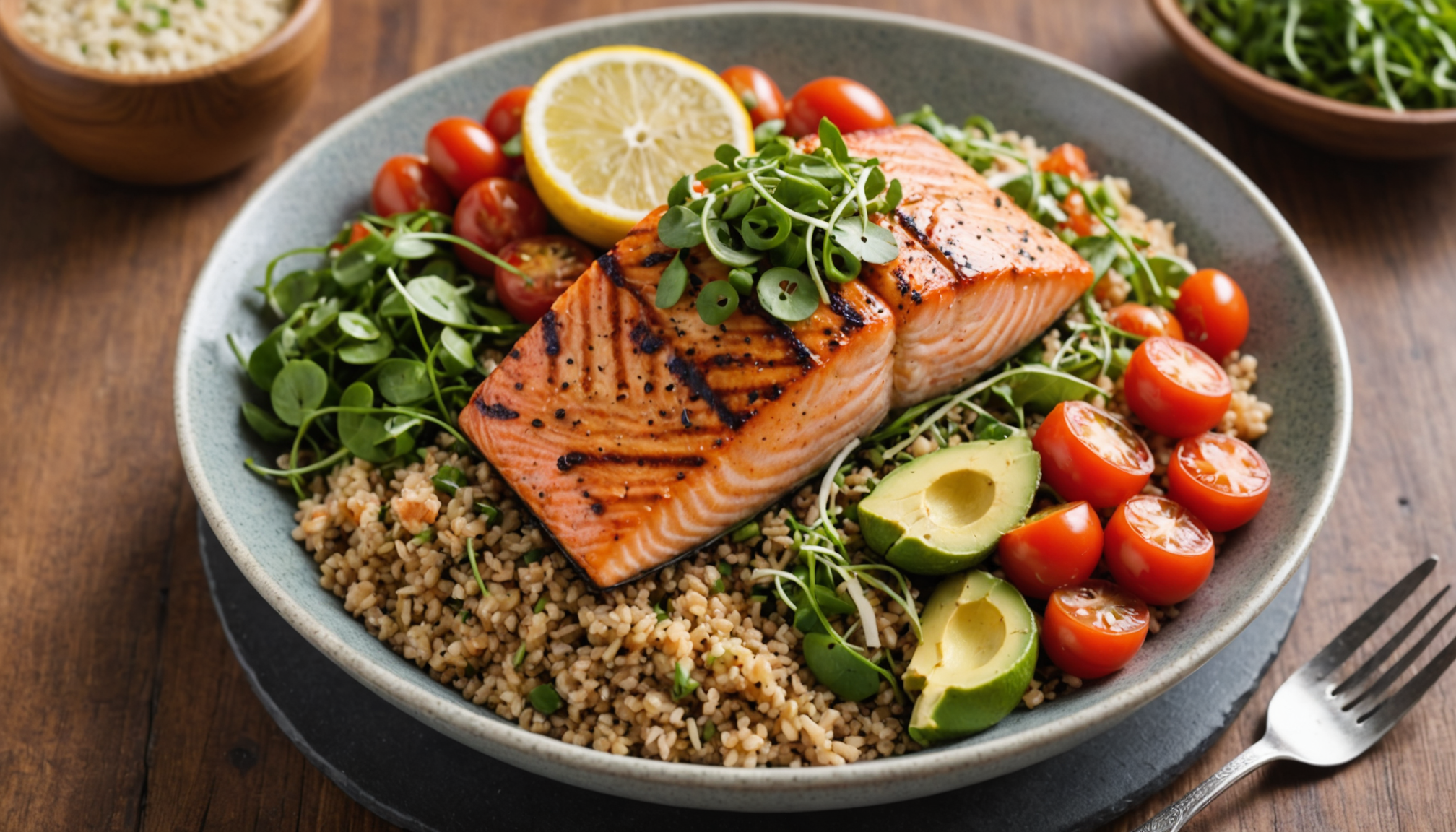
Creating delicious seafood bowls can be just as delightful as it is healthy, and getting inspired with the right combinations is key to making your meals both exciting and nutritious. Start by envisioning your bowl as a canvas; each ingredient contributes not only color and texture but also flavor and health benefits.
Choose a base that aligns with your dietary preferences. For those focused on high protein and fiber, consider quinoa or farro. Both are excellent at absorbing flavors and provide a hearty foundation for your seafood. If you’re looking for a low-carb option, a bed of spiralized zucchini or cauliflower rice can wonderfully lighten your meal. Not only do these bases offer different textures, but they are also nutrient dense, making them perfect for healthy dinners.
Next, add a protein element with your seafood. Popular choices for seafood bowls include:
- Grilled salmon: Rich in omega-3 fatty acids and perfect for a satisfying flavor.
- Shrimp: Quick-cooking and versatile, they can be marinated or seasoned to fit various flavor profiles.
- Tuna: Fresh, sashimi-grade tuna adds a luxurious touch to your bowl and packs a punch of protein.
- Tofu or tempeh: Ideal for vegan options, these soy products have great texture and can absorb flavors really well.
Now, let’s explore the vibrant world of toppings. Fresh ingredients add crunch and brightness while also enhancing nutritional benefits. Here are some fantastic options:
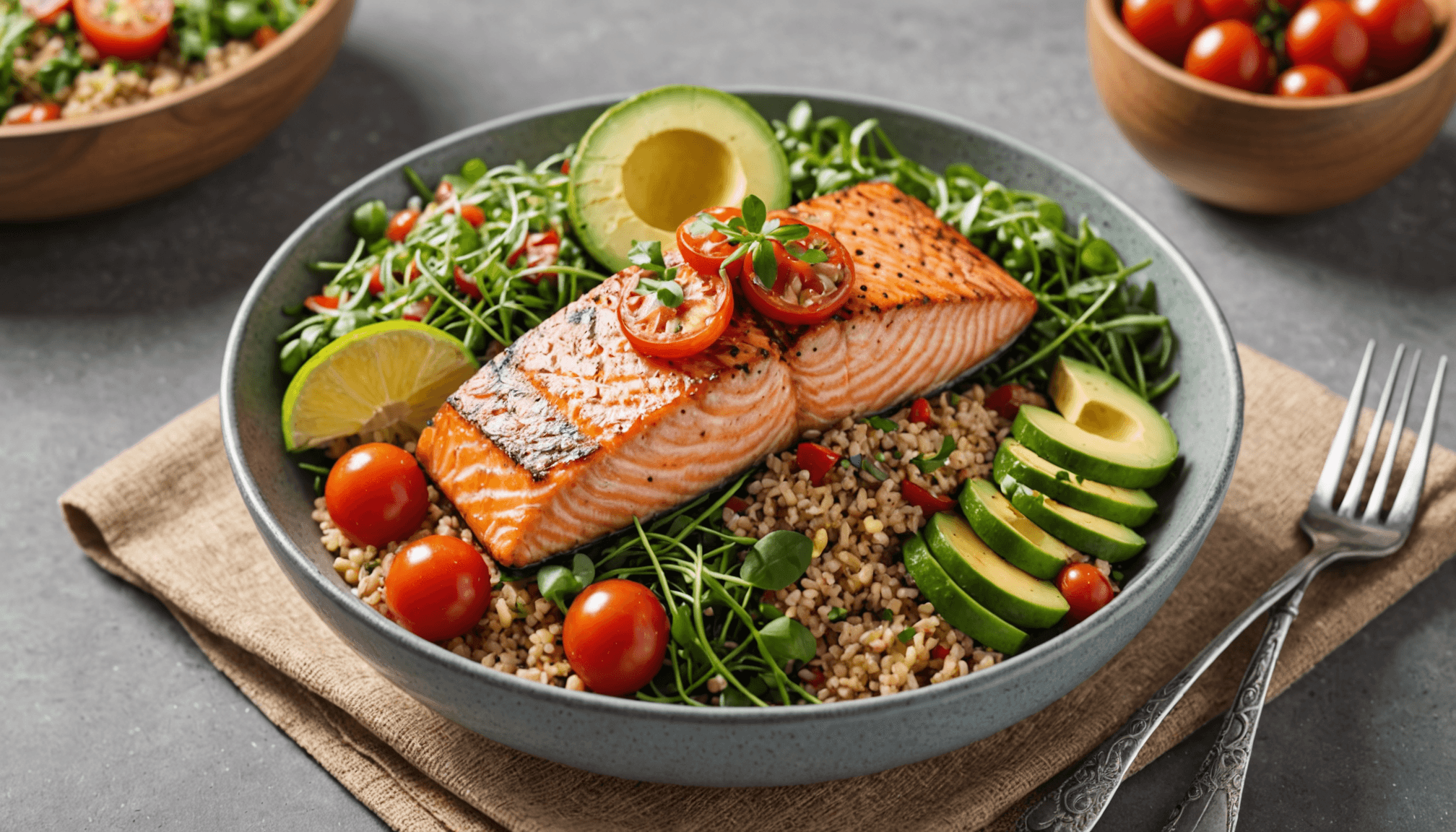
- Cherry tomatoes: These provide sweetness and are high in antioxidants.
- Sliced avocado: A creamy element that adds healthy fats and fiber, making your bowl more filling.
- Pickled radishes: A tangy crunch that can elevate flavors and aid digestion.
- Microgreens: These tiny greens are packed with nutrients and can add a beautiful pop of color.
Dressings can transform your seafood bowls into a culinary masterpiece. Look for options that are low in added sugars, or make your own using ingredients like:
- Lemon juice: For a zesty and refreshing touch.
- Olive oil: A healthy fat that can enhance your dish and keep everything moist.
- Seaweed or miso paste: To provide a savory depth that’s often associated with ocean flavors.
If you’re aiming for seasonal and local ingredients, visit local farmers’ markets whenever possible. This not only supports your community but also offers the freshest picks for your seafood bowls. Look out for seasonal veggies such as asparagus in spring or squash in fall to keep your bowls varied and vibrant throughout the year.
Given the rise of online grocery shopping, it’s essential to choose reputable sites with strong customer ratings when seeking out specialty seafood or organic ingredients. Look for fish markets that provide delivery options, which may offer sustainably sourced seafood straight from the dock. Make sure to check for freshness ratings and read customer reviews to gauge the quality.
For families and busy professionals, pre-prepped vegetables or salad mixes offer a convenient shortcut while still allowing you to create quick, healthy dinners. Just be sure to select organic options when available, as these can prevent excess pesticide exposure.
Incorporating a variety of textures and flavors, while prioritizing freshness and nutritional quality, allows your seafood bowls to truly shine. Each bowl can become a new culinary adventure, reflecting your personal tastes while engaging your palate with healthy ingredients. So grab your ingredients, get creative, and prepare to enjoy a delightful seafood bowl experience that meets your health and lifestyle needs!
Preparing Your Seafood
When it comes to preparing your seafood, ensuring that it’s done correctly can make all the difference in taste, texture, and overall enjoyment of your bowls. Start with the defrosting process if you’ve opted for frozen seafood—placing it in the refrigerator overnight is the safest method, lending itself to a more even cook and preserving texture. If you’re short on time, you can also run the seafood under cold water in a sealed bag to quickly thaw it.
Once thawed, pat the seafood dry with paper towels. This step is crucial, especially for fish fillets, as moisture can prevent you from achieving a beautiful sear. For shellfish like shrimp or scallops, drying will also help them cook more evenly and develop a lovely golden-brown crust.
Marinating can elevate the flavor of your seafood bowls immensely. A simple blend of organic olive oil, lemon juice, and herbs creates a fantastic marinade that complements various types of seafood. Aim to marinate for at least 15-30 minutes before cooking to allow the flavors to penetrate. However, be cautious not to marinate for too long, especially with acidic ingredients that can begin to cook the seafood.
When it comes to cooking methods, variety is key. Grilling imparts a delightful smoky flavor, while sautéing allows for quick preparation over high heat; both methods are excellent choices for seafood bowls. If you’re considering baking, wrapping your seafood in parchment or using a light drizzle of olive oil can keep it moist and tender. For those who adore seafood with a touch of crunch, frying is another option to explore, though it’s wise to use healthier oils like avocado or another high smoke-point oil to keep your dish lighter.
Timing is everything, particularly with delicate seafood types. Fish, for instance, generally cooks quickly—around 3-5 minutes per side will usually suffice, depending on thickness. Shellfish like shrimp will turn from translucent to opaque once perfectly cooked, signaling it’s ready to be devoured.
As you prepare your seafood, it’s also important to embrace the artistry of plating. A well-presented seafood bowl entices diners before they even take a bite. Use the colors of your ingredients to contrast—a bright red from cherry tomatoes against a bed of green leafy vegetables, or the golden hue of seared fish atop a grain base. Adding garnishes such as fresh herbs can provide a pop of color while enhancing flavors.
Lastly, embrace the idea of experimenting with spices and seasoning. Beyond salt and pepper, consider adding spice blends that include cumin, smoked paprika, or even a dash of chili flakes to create a unique twist on traditional flavors. This variety will not only keep your meals exciting but also allow for customization based on who is dining.
“The only thing that beats good seafood is good seafood prepared right.”
Always remember that attention to detail in preparation and cooking can truly transform your seafood bowls into a wonderful dining experience, making them not only healthy dinners but also a highlight of your culinary adventures.
Serving and Presentation Tips
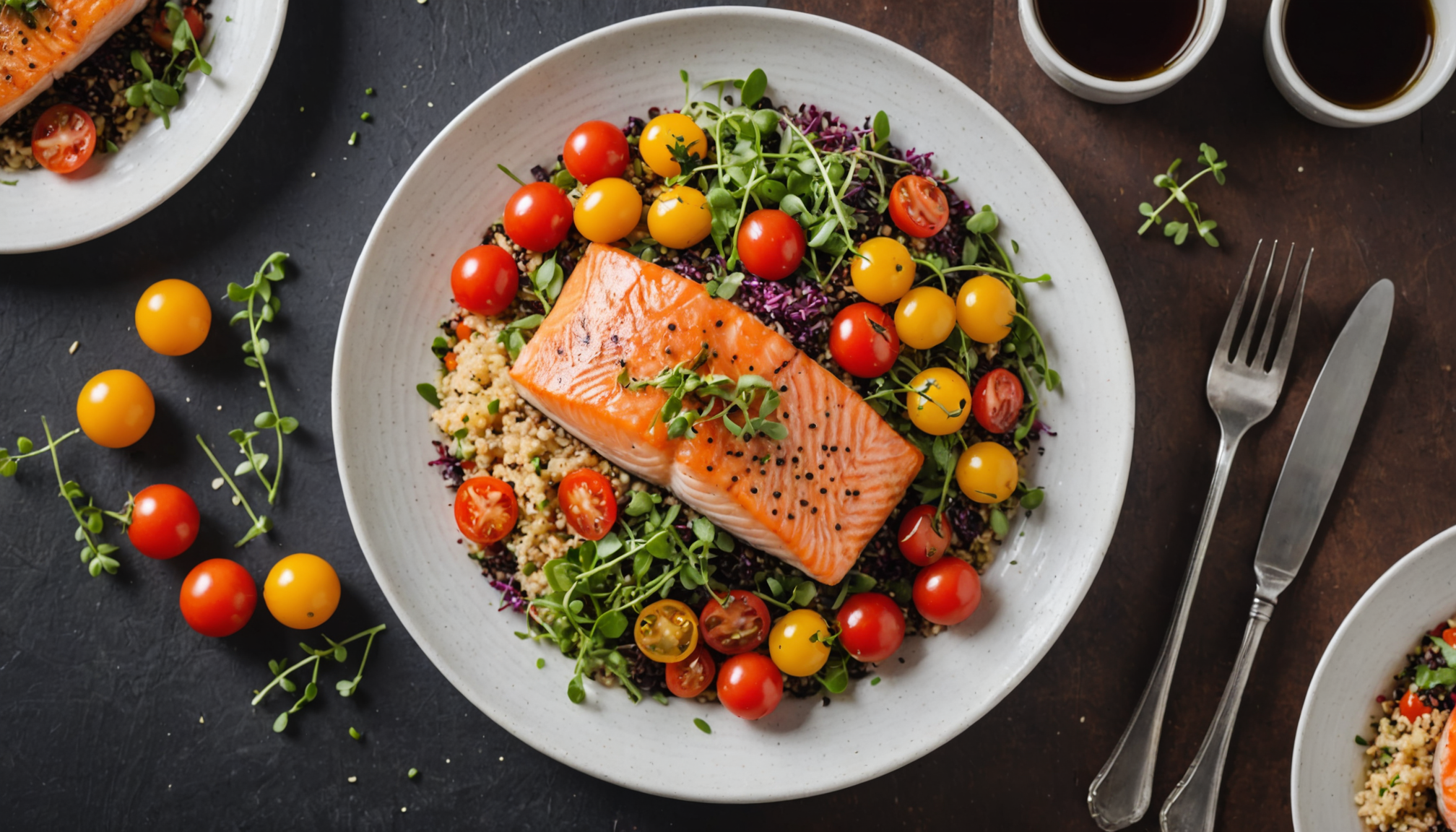
Creating an appealing presentation can turn a simple meal into a visual feast. Start by selecting a wide, shallow bowl to allow the colors and textures of your seafood and vegetables to shine. Layering is key; begin with the base—organic grains like quinoa or brown rice—for a hearty foundation. Follow this with your choice of seafood, arranging it artfully to showcase its freshness and quality. Use taller vegetables or garnishes like microgreens to create height, giving the dish an elegant touch.
Adding drizzles of sauce or dressings can elevate the look of your seafood bowls while infusing additional flavors. Aim for artful splatters or zigzag patterns to bring a sense of motion to the dish. The color contrast is equally important; vibrant greens, deep reds from tomatoes, and the golden hues of seared fish can transform your meal into a work of art. Serving on a contrasting plate can amplify the colors even more, making the dish pop visually.
Don’t overlook texture when thinking about presentation. Incorporating toppings that offer crunch, such as toasted nuts or seeds, not only enhances flavors but adds visual interest as well. Fresh herbs as garnishes can introduce both a burst of color and an aromatic layer that draws people in even before they take a bite. Remember, we eat with our eyes first, and making an effort to present your ingredients beautifully can enhance the overall dining experience.
Consider incorporating seasonal ingredients into your seafood bowls to not only honor the freshness of your meal but also to keep your presentation dynamic and diverse. Seasonal variations can keep the routine exciting, helping to encourage thoughtfulness in what you’re putting on your plate. Elements like edible flowers can also add a stunning visual appeal—just ensure they are sourced from safe, organic suppliers.
Finally, when plating your seafood bowls, take a moment to consider your audience. A colorful dish can appeal to children by making healthy dinners more exciting. At dinner parties or with guests, an aesthetically pleasing meal encourages conversation and compliments. Sharing your creations through social media can also inspire others to explore the world of healthy meals, fostering a community centered around delicious and nutritious dining.
- What types of seafood are best for healthy bowls?
- Opt for wild-caught seafood like salmon, mackerel, and sardines, which are rich in omega-3 fatty acids and have lower contaminants than farmed options.
- Are frozen seafood options nutritious?
- Yes, frozen seafood can be just as nutritious as fresh, often being flash-frozen immediately after catch, which preserves its nutrients and flavor.
- How can I properly store seafood for freshness?
- Store seafood in the coldest part of your refrigerator, ideally on ice or in a sealed container, and consume it soon after purchase for the best quality.
- What are good bases for my seafood bowls?
- Healthy options for bases include whole grains like quinoa or brown rice, as well as low-carb alternatives like spiralized veggies or cauliflower rice.
- How can I enhance the flavor of seafood in my bowls?
- Marinating seafood for at least 15-30 minutes in mixtures like olive oil, lemon juice, and herbs can significantly enhance flavor before cooking.
- What ingredients make great toppings for seafood bowls?
- Fresh toppings like sliced avocado, cherry tomatoes, pickled vegetables, and microgreens add color, crunch, and additional nutritional benefits to your bowls.
- Can I mix and match different types of seafood?
- Absolutely! Combining various seafood types can create complex flavors and textures, making your seafood bowls exciting and delicious.
Nutritional Considerations
When it comes to grocery shopping for your seafood bowls, a few strategies can take your experience from ordinary to extraordinary. First and foremost, prioritize scanning the ingredient labels as you navigate the aisles. Look for foods that contain simple, recognizable ingredients without artificial additives. This practice ensures you are choosing wholesome items that contribute to your meal’s overall health value.
For families, it’s vital to include a variety of nutrient-dense foods to cater to everyone’s tastes. Incorporating locally-sourced vegetables not only supports your community but also often guarantees freshness. Consider visiting farmers’ markets where you can find seasonal produce that is vibrant and brimming with flavor. Items like zucchini, bell peppers, and leafy greens can be perfect companions to your seafood, adding both nutrition and color to your healthy dinners.
Fitness enthusiasts should keep an eye out for protein-rich foods. Don’t overlook plant-based proteins like lentils, chickpeas, and beans, which offer a robust foundation in your bowls, particularly beneficial for those preferring vegan options. Combine these with grains like quinoa or farro for a well-rounded meal. Not to mention, these grains can add a delightful chewy texture to your seafood bowls.
When you’re shopping on a budget, consider less popular seafood types that offer excellent nutritional profiles at a lower cost. For example, mackerel and sardines are not only affordable but packed with omega-3 fatty acids. If these aren’t available fresh, opt for canned versions in olive oil, which can also add unique flavors to your meals. Keep an eye out for sales on fish that may be close to their sell-by date; freezing them at home can extend their life and help you save money.
For vegan adaptations, explore ingredients like tofu, tempeh, or jackfruit as excellent bases for your seafood bowls. These proteins can take on various flavors with proper seasoning and marination. When shopping, look for organic versions to avoid any potential pesticide residues, which is especially important for tofu that doesn’t undergo a thorough cooking process before consumption.
As for online shopping, prioritize reputable sources with positive reviews that specifically highlight freshness and quality, particularly for seafood. Look for vendors that provide sustainable sourcing certifications to ensure you are not only looking after your health but also supporting the environment. When your seafood arrives, check for the “freshness guarantee” and inspect the packaging for any signs of damage or improper handling.
One key grocery shopping tip is to buy in bulk for ingredients that you use frequently. Items such as dry grains, spices, and canned seafood can often be found cheaper when purchased in larger quantities. Just be mindful of expiration dates for foods that could have limited shelf lives, like fresh produce or seafood.
Lastly, never skip the organic section. Foods that are grown without chemicals or pesticides tend to have more beneficial nutrients and flavors. This holds particularly true for the vegetables you will pair with your seafood. When possible, consider opting for certified organic options to elevate the quality of your healthy dinners.
New Customers Offer!
Free Gift for the new customer
$24 Value, When You Subscrib Visit Thrive Market