- Healthy Organic Ingredients
- Budget-Friendly Meal Planning
- Quick Vegan Dinner Recipes
- Meal Prep Tips for Busy Nights
- Nutritional Benefits of Vegan Eating
- Sustainable Practices for Affordable Living
When stocking up your kitchen for healthy organic ingredients, it’s essential to prioritize items that not only fit your dietary preferences but also your budget and cooking style. Organic produce tends to be fresher and free from harmful pesticides, making it a wise choice for your family’s dinners.
Start by creating a list of staples that you can use throughout the week. Consider these essential ingredients:
- Fruits and Vegetables: Opt for seasonal organic fruits and vegetables. For instance, local farmers’ markets often offer a variety of fresh produce at more affordable prices compared to grocery stores. Items like carrots, potatoes, kale, and seasonal berries are great choices.
- Grains: Quinoa, brown rice, and whole grain pasta are nutritious alternatives to refined grains. These not only provide fiber but also essential vitamins and minerals.
- Legumes: Beans, lentils, and chickpeas are affordable protein sources that are also rich in fiber. They can be used in numerous organic recipes or simply added to salads and stews.
- Nuts and Seeds: Almonds, chia seeds, and sunflower seeds add healthy fats and protein to your meals. Buy in bulk to save money, and keep an eye out for discounts.
- Plant-Based Proteins: Tofu and tempeh are excellent additions, providing needed nutrients and serving as versatile bases for various dishes. Look for organic brands to ensure quality.
- Condiments and Spices: Organic olive oil, balsamic vinegar, and a range of spices will enhance the flavor of your dishes. A well-stocked spice cabinet can transform simple meals into gourmet experiences.
Shopping online can also offer convenience, but it’s essential to ensure the safety of your purchases. Only buy from reputable sites that offer organic certification. Look for customer reviews and pay attention to shipping options that keep your products safe and fresh. In-store, be mindful of expiration dates and packaging integrity to avoid any potential food safety issues.
For families or individuals with busy schedules, consider purchasing pre-cut organic veggies or meal kits that focus on healthy cooking. While these can be slightly more expensive, they save valuable time and take out the guesswork from meal planning, making them worthwhile investments in your health journey.
Maintaining balance is crucial when it comes to your grocery shopping. Don’t hesitate to mix and match organic products with non-organic staples, especially when on a tight budget. This way, you can enjoy wholesome meals without stretching your finances too thin. Your goal is to create affordable meals that keep you and your family happy and healthy!
Budget-Friendly Meal Planning
When planning meals on a budget, organization and foresight are key components to ensure a smooth cooking experience while embracing healthy vegan eating. One can start by dedicating a specific day each week to plan meals and create a detailed shopping list that focuses on seasonal ingredients. This practice not only reduces impulse buys but also eliminates food waste by ensuring that meals are crafted around what you already have in your pantry.
A practical approach to budget-friendly meal planning involves utilizing bulk purchasing options for staples such as grains and legumes. Buying in bulk can significantly reduce the cost per serving compared to purchasing smaller packages. This method is especially beneficial for households that consume high volumes of these ingredients, providing an economical way to incorporate them into various organic recipes.
Utilizing a meal planning template helps in visualizing the week’s dinners and integrating a variety of nutrients. Here is a suggested comparison table of different meal components that can be incorporated into meals while keeping a focus on affordability:
| Ingredient Category | Examples | Cost per Serving | Nutritional Benefits |
|---|---|---|---|
| Grains | Brown rice, quinoa, whole wheat pasta | $0.50 – $1.00 | High in fiber and provides essential carbs |
| Legumes | Lentils, chickpeas, black beans | $0.30 – $0.70 | Rich in protein and fiber, aids in digestion |
| Vegetables | Seasonal greens, root vegetables, bell peppers | $0.50 – $1.50 | Rich in vitamins, minerals, and antioxidants |
| Flavor Enhancers | Herbs, spices, nutritional yeast | $0.10 – $0.50 | Adds flavor without extra calories |
Another effective strategy is to batch cook staples such as grains and legumes on the weekend to ease weekday cooking. Preparing versatile components that can be quickly reheated or assembled allows for flexible meal options, accommodating changing schedules without sacrificing health. For example, you could pre-cook a large pot of quinoa and use it across multiple meals throughout the week—paired with sautéed vegetables, as a base for a Buddha bowl, or incorporated into salads.
Don’t forget to consider theme nights as part of your meal planning. For instance, designate one night for stir-frys, another for soups, and a third for grain bowls. This not only makes planning simpler but also encourages creativity in vegan cooking as you explore different flavor profiles and combinations. The predictability of themes can also streamline your shopping list, keeping costs down as you repeat ingredient purchases.
Lastly, taking advantage of discounts on items nearing their sell-by date can help stretch your budget further. Stores often discount organic produce and plant-based products that are still perfectly safe to consume; ensure these are incorporated into your meals promptly. A proactive approach to meal planning, combined with the right purchasing strategies, allows you to create delicious, healthy, and affordable meals that align with your vegan lifestyle.
Quick Vegan Dinner Recipes

When it comes to creating quick vegan dinner recipes, efficiency and ease are key, especially for busy families and professionals on the go. Prioritizing meals that come together in 30 minutes or less can keep you on track without compromising on nutrition or taste. By relying on a few versatile ingredients, you can whip up a variety of delicious meals that highlight the essence of vegan cooking.
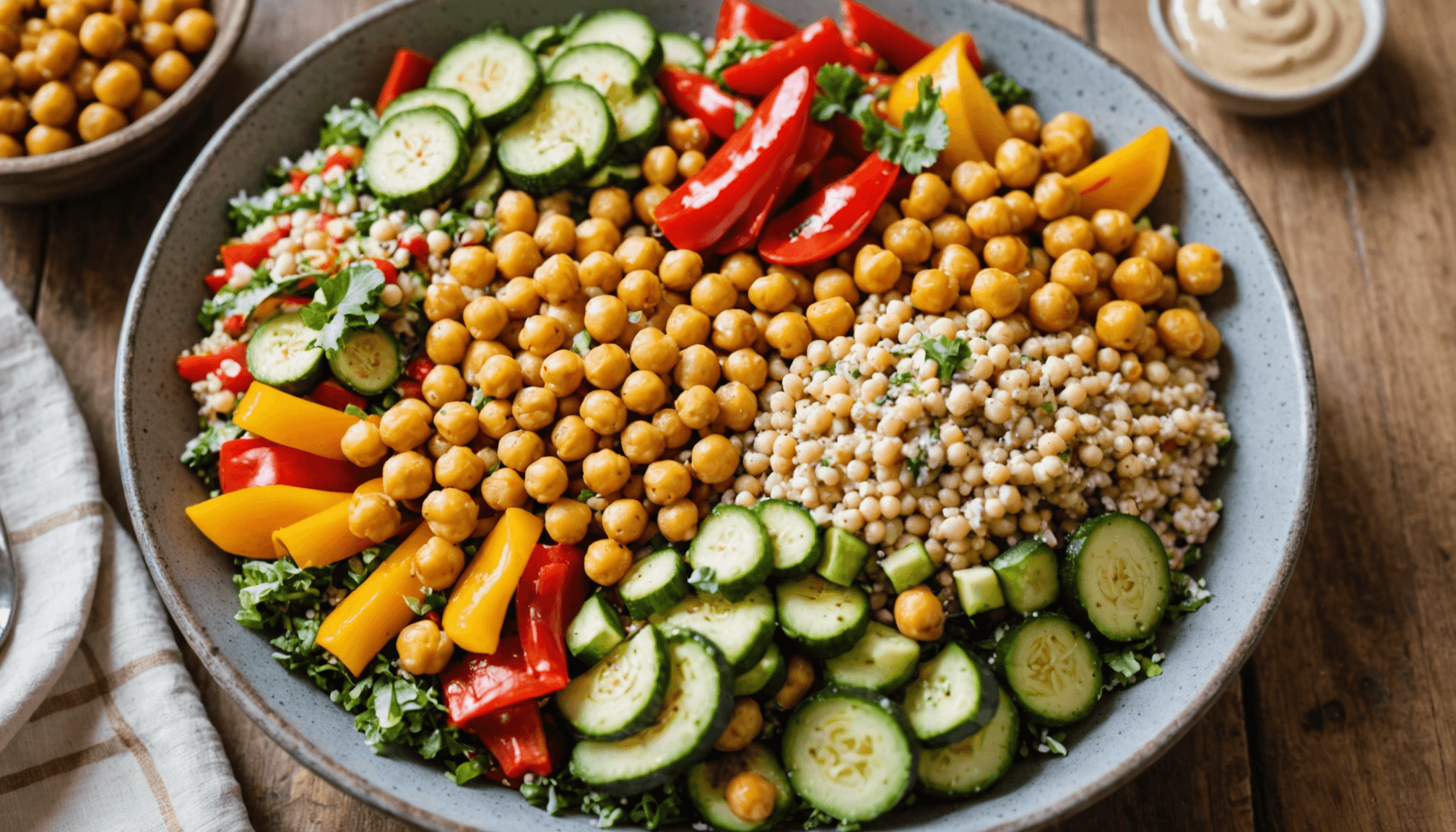
Start with a batch of grains, such as quinoa or brown rice, which can easily be prepared in advance. These grains serve as an excellent base for a multitude of dishes, allowing you to create an array of affordable meals. Combine cooked grains with roasted vegetables, legumes, and a simple sauce for a nutritious dinner. For example, toss quinoa with roasted bell peppers, zucchini, and chickpeas, then drizzle with a tahini lemon dressing for a burst of flavor!
Another quick recipe idea is a one-pan stir-fry featuring seasonal vegetables and tofu. Sauté a mix of broccoli, snap peas, carrots, and bell peppers in a splash of soy sauce and sesame oil, then add cubed tofu for protein. This not only comes together quickly but also minimizes cleanup—perfect for those hectic nights. Serve it over rice or quinoa for a comprehensive meal.
For those who enjoy pasta, consider using whole grain or legume-based varieties. A quick vegan pasta dish can be made by boiling the pasta and tossing it with sautéed spinach, cherry tomatoes, and cannellini beans. Add some garlic and a sprinkle of nutritional yeast for a cheesy flavor without the dairy. This colorful dish is not only packed with nutrients but also incredibly satisfying.
Don’t forget about the power of soups. A hearty soup can be a meal in itself and can be made quickly. Start with a base of vegetable broth and add your choice of beans, seasonal vegetables, and spices. For instance, a comforting lentil soup with carrots, celery, and bay leaves can simmer on the stove while you prepare a salad on the side. This ensures a warm, filling meal without the fuss.
To elevate your quick-meal game, use herbs and spices liberally. Fresh basil, cilantro, or parsley can add a burst of flavor without extra calories, while spices like cumin and chili powder can make even the simplest dishes sing. The use of high-quality organic sauces like teriyaki or hoisin can also make cooking feel more gourmet while saving you time.
When shopping for these quick meals, consider purchasing frozen vegetables, which are often just as nutritious as fresh yet have a longer shelf life. They can be quickly integrated into any recipe and reduce prep time significantly. Additionally, canned beans and legumes provide a convenient source of protein while being budget-friendly.
In your grocery shopping endeavors, ensure you’re buying quality ingredients. Focus on organic products when it comes to produce that carries the highest pesticide residues (like strawberries and spinach). This ensures your meals remain healthy and safe for your family. If shopping online, ensure the site has good ratings and prioritize ordering from organic certified vendors to maintain product integrity.
Embracing quick vegan dinner recipes will make it easier to stick to your healthy eating goals, allowing you to nourish yourself and your family with wholesome meals that fit seamlessly into your lifestyle. Whether it’s a simple grain bowl, a vibrant stir-fry, or a comforting soup, your options are abundant and accessible.
Meal Prep Tips for Busy Nights
Preparing meals ahead of time can transform your culinary routine, especially on those busy weeknights when you’re pressed for time. The key to effective meal prep lies in simplicity and efficiency, creating a seamless process that allows you to enjoy nutritious and delicious dinners without the hassle of daily cooking.
Start by dedicating a part of your weekend to meal prep. Wash, chop, and store your vegetables in airtight containers ready for quick access during the week. Items like bell peppers, broccoli, and carrots can easily be prepped and stored, adding color and nutrients to your dishes with minimal effort. Utilize different storage containers for salads, stir-fry ingredients, and snack portions to keep things organized and reduce waste.
Batch cooking is another excellent strategy. Prepare large quantities of grains, beans, or lentils at once, portioning them into servings that can be used throughout the week. For example, cook a big pot of quinoa or brown rice, allowing you to assemble meals in mere minutes during the busier days. Combine these grains with whatever seasonal vegetables you have on hand for a quick and wholesome meal. You might choose to marinate them lightly in olive oil and lemon juice beforehand for extra flavor.
When planning out your week, try to prepare three to five core meals that offer versatility. For example, if you cook a large batch of chili, you can enjoy it as a soup one night, serve it over baked potatoes another evening, or even use it as a filling for tacos by simply wrapping it in tortillas with fresh toppings like avocado and salsa.
To streamline your evenings, consider creating a “ready-to-cook” kit for each night’s dinner. This kit could include all the raw ingredients needed for a specific recipe, neatly packed together in one place. For instance, if you know you want a stir-fry on Wednesday night, assemble your prepped vegetables, tofu (or another protein), and a simple sauce together in a bowl. When dinner time arrives, you can simply pull it out and cook in minutes.
Utilizing your freezer can also save time and money. Cook extras of your favorite meals and freeze them in individual portions. This way, when you’re too busy to cook, you can just heat a wholesome meal instead of resorting to takeout. Soups, stews, and grain-based dishes freeze particularly well, making them ideal candidates for batch cooking.
Consider investing in good-quality containers that stack easily and keep your meals fresh. Not only will they prolong the life of your food, but they will also make it easier to store and access your meals throughout the week. Labeling each container can help you keep track of what meals you have available, ensuring nothing goes to waste.
Incorporating herbs, spices, and a variety of sauces can also make meal prep exciting. Batch-cook a basic sauce, like a flavorful pesto or tahini dressing, and use it liberally across different meals. This tiny investment in flavor can elevate your meals and keep them from feeling repetitive.
By following these meal prep tips, you can create efficient systems that make vegan cooking less daunting and more enjoyable. These strategies not only help in preparing affordable meals but also foster a lifestyle that prioritizes nourishment without sacrificing time or flavor.
“Good food is a celebration of life.”
This philosophy makes the effort of meal prepping worthwhile, transforming your dining experience during the week into a series of delicious organic recipes that you’ll relish.
Nutritional Benefits of Vegan Eating
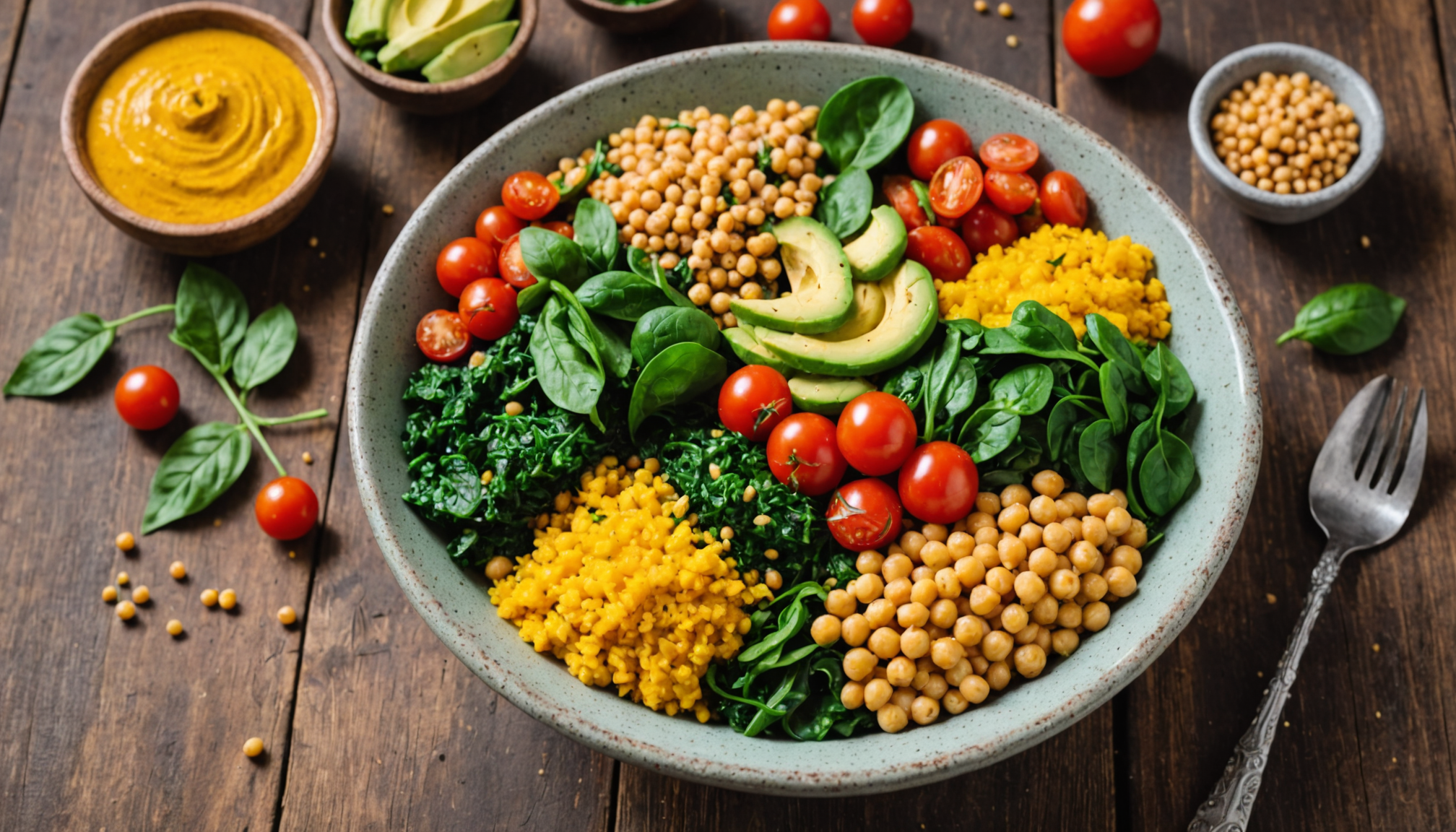 Vegan eating presents a myriad of nutritional benefits that are not only appealing to the body but also to the environment. By transitioning to a plant-based diet, you harness the power of whole foods that are rich in vitamins, minerals, and antioxidants, which can help reduce the risk of chronic diseases. Studies have shown that individuals consuming a diet high in fruits, vegetables, whole grains, and legumes may experience lower rates of heart disease, hypertension, type 2 diabetes, and certain types of cancer.
One of the most significant aspects of vegan diets is their high fiber content, which is vital for digestive health. Fiber aids in maintaining a healthy gut microbiome, helps regulate blood sugar levels, and contributes to satiety, making it easier to manage weight. Beans, lentils, whole grains, and fresh produce, all staples in vegan cooking, offer abundant fiber while also providing essential nutrients such as iron, calcium, and omega-3 fatty acids—nutrients often thought to be exclusively found in animal products.
Moreover, the anti-inflammatory properties of many plant-based foods can support overall health. Ingredients like turmeric, ginger, and dark leafy greens are packed with phytonutrients that not only enhance the body’s defenses against oxidative stress but also promote healthy skin, better mood, and improved energy levels.
A plant-based diet emphasizes whole, unprocessed foods, which naturally limits the intake of refined sugars and unhealthy fats that are prevalent in many Western diets. This simple shift in food choices can have a profound impact on your overall well-being. Exploring organic recipes can enhance this benefit, as organic produce typically contains higher nutrient levels and fewer harmful pesticides, supporting greater health outcomes.
As you delve deeper into the world of veganism, consider how dietary choices can reflect your personal values regarding health, environmental sustainability, and animal welfare. The increased awareness of food sources and their impact encourages a more thoughtful approach to eating—one that not only nurtures your body but also the planet. This connection between diet and awareness opens the door to a dialogue about sustainable living practices and the profound changes that can stem from personal choices in matters of nutrition.
- What are the health benefits of a vegan diet?
- A vegan diet is often rich in essential nutrients, fiber, and antioxidants, which can reduce the risk of chronic diseases such as heart disease, diabetes, and certain cancers. It also promotes digestive health and can contribute to weight management due to its high fiber content.
- How can I ensure I get enough protein on a vegan diet?
- There are numerous plant-based sources of protein, including legumes (beans, lentils, chickpeas), soy products (tofu, tempeh, edamame), nuts, seeds, and whole grains. Combining these foods throughout the day can help ensure adequate protein intake.
- Are organic fruits and vegetables really better for my health?
- Organic produce is grown without synthetic pesticides and fertilizers, which can result in fewer residues on the food you consume. It may also have higher levels of certain nutrients, making it a healthier choice overall.
- Can I save money while eating vegan and organic?
- Yes, buying in bulk, purchasing seasonal produce, and planning meals can reduce costs. You can also save by focusing on staple ingredients like grains and legumes, which are generally affordable and highly nutritious.
- What are some easy vegan recipes I can try at home?
- Simple vegan recipes include grain bowls with roasted vegetables, stir-fries, soups, and salads. Using versatile ingredients like quinoa, legumes, and seasonal vegetables can help create delicious meals in no time.
- How can I make my meals more sustainable?
- Incorporate seasonal and local produce, reduce food waste by meal planning and using leftovers creatively, and choose organic ingredients whenever possible to support sustainable farming practices.
- Is it necessary to take supplements on a vegan diet?
- While many nutrients can be obtained through a balanced vegan diet, certain vitamins like B12 and possibly vitamin D or omega-3 fatty acids may require supplementation. It’s advisable to consult with a healthcare professional regarding your individual needs.
Sustainable Practices for Affordable Living
When it comes to navigating the grocery aisles, embracing sustainable practices can greatly enhance your ability to enjoy healthy eating on a budget. One of the first tips for wise grocery shopping is to prioritize local and organic produce. Seasonal fruits and vegetables can be significantly more affordable when sourced from your local farmers’ markets, reducing environmental impact while supporting community agriculture. Look for items like tomatoes, peppers, and squash when they are in season and available, as they tend to be fresher and less expensive.
As you venture into online shopping, consider joining community-supported agriculture (CSA) programs. These involve paying a subscription fee at the beginning of the farming season in exchange for weekly boxes of fresh produce directly from farms. Not only does this support sustainable farming practices, but it can also help you save money while guaranteeing the freshness of your ingredients.
When stocking your pantry, it’s also essential to think about bulk buying. Items like grains, nuts, seeds, and legumes can often be found at lower prices per serving when purchased in larger quantities. This is especially beneficial for families or individuals who regularly use these staples in their vegan cooking. Additionally, many stores have sections dedicated to bulk foods, which minimize packaging waste and can lead to significant savings. Just be sure to check the expiration dates to ensure that your investments are sound.
While shopping, keep an eye out for organic labels, but don’t feel compelled to go fully organic with every purchase. Prioritize organic options for produce that is known to carry higher pesticide residues, such as apples, strawberries, and spinach, while opting for conventional varieties for items like avocados and bananas, where peeling removes much of the pesticide residue.
Safety is another crucial aspect of grocery shopping. Be vigilant with online purchases; only buy from verified sources that clearly display their organic certifications. Look for reviews and ratings and consider waiting for seasonal sales or discounts to make the most of your budget. When grocery shopping in-store, inspect packaging for any signs of damage, and ensure you check expiration dates to avoid any unpleasant surprises later.
Maximize your savings by utilizing convenience-focused items judiciously. Consider frozen organic fruits and vegetables, which are often flash-frozen at peak ripeness, retaining their nutrients and making them a quick and easy addition to meals. They tend to be more budget-friendly than fresh produce that may spoil quickly, and they require minimal preparation time.
It’s also worthwhile to keep the concept of ‘planned leftovers’ in mind. Cooking larger servings allows for the creation of multiple meals throughout the week and can be a great way to use up ingredients without waste. For example, a larger batch of chili or curry can be served on successive nights—perhaps with a different grain or side each time to add variety to your meals. This method not only saves time but ultimately leads to affordable meals that are both nutritious and satisfying.
Don’t overlook the power of coupons and store loyalty programs. Many supermarkets provide special discounts on organic items or can reward you for frequent purchases, which can lead to long-term savings. Combine these savings strategies with a meal planning approach that emphasizes recipes utilizing ingredients on sale or nearing their expiration date, and you will truly harness the potential for sustainable and affordable grocery shopping.
New Customers Offer!
Free Gift for the new customer
$24 Value, When You Subscrib Visit Thrive Market