- Clean eating principles for vegans
- Essential ingredients for organic dinners
- Quick and easy vegan dinner recipes
- Meal prep tips for busy vegans
- Balancing nutrition in vegan meals
- Sustainable practices for clean eating
When embarking on your grocery shopping journey for clean eating, particularly for vegan meals, there are several practical strategies to ensure you make the healthiest and most sustainable choices. Start by making a detailed shopping list based on your meal plans for the week. This not only saves time but also reduces impulse purchases that might not align with your clean eating goals.
Prioritize Seasonal and Local Foods: Shopping for local produce can often provide fresher options at a lower cost than imported items. Visit farmers’ markets or local co-ops, where you can find organic fruits and vegetables that are in season. Seasonal food is not only tastier but also supports local agriculture and reduces your carbon footprint.
Build a Clean Staples List: Stock your pantry with essential ingredients that are versatile and budget-friendly. Here’s a list to consider:
- Quinoa and brown rice for whole grains
- Canned beans (like black beans, chickpeas, and lentils) for protein
- Nuts and seeds (such as chia seeds, walnuts, and almonds) for healthy fats
- Nut butters with no added sugar or oils
- Organic spices and herbs to add flavor without extra calories
- Dried herbs like oregano and basil for adding to sauces and dishes
When online shopping, it’s vital to choose reputable websites with clear information about the origins and quality of their products. Make sure that the online store you’re purchasing from is transparent about its sourcing and offers organic certifications for their goods. Always check for customer reviews and ratings, as these can provide insight into the product quality and shipping reliability.
Mindful Ingredient Choices: Always read labels for hidden ingredients that could detract from your clean eating experience. Look out for added sugars, artificial preservatives, and oils that may not fit within a clean eating framework. The shorter the ingredient list, the better! Opt for brands that commit to organic recipes and transparency in their labeling.
To save on costs, consider shopping during sales, buying in bulk, or subscribing to services that offer discounts on organic or vegan products. Some online grocery services provide subscription models that can save you money if you plan to buy regularly.
Lastly, develop a habit of checking the safety recalls and safety data of ingredients you choose, especially when introducing new products into your diet. Websites like the U.S. Food and Drug Administration (FDA) provide useful information about food recalls and safety alerts.
By integrating these strategies into your grocery shopping routine, you will not only make healthier food choices but also enhance the quality of your vegan meals while supporting sustainable practices in your community.
Essential ingredients for organic dinners
- Whole Grains: Opt for organic whole grains such as quinoa, farro, barley, and brown rice. These are not only rich in fiber but also provide essential amino acids, making them a perfect base for many vegan meals. They can easily complement a myriad of dishes, from salads to stuffed vegetables.
- Legumes: Beans, lentils, and chickpeas are excellent sources of protein and fiber, which are crucial in plant-based diets. Look for varieties that are packaged in BPA-free cans or opt for dried versions that you can cook at home. Incorporating legumes into your meals enhances the overall nutritional value and heartiness.
- Fresh Produce: Prioritize organic fruits and vegetables that are rich in color and diverse in selection. Leafy greens like kale, spinach, and Swiss chard, along with vibrant vegetables like bell peppers, tomatoes, and carrots, contain a plethora of nutrients and antioxidants. Seasonal produce gives the best flavor and freshness, essential for clean eating.
- Nuts and Seeds: Incorporate a variety of organic nuts and seeds such as almonds, walnuts, chia seeds, and flaxseeds. These are excellent sources of healthy fats, protein, and important micronutrients like magnesium and vitamin E. They can be added to smoothies, oatmeal, or enjoyed as snacks.
- Plant-Based Oils: When cooking, choose organic oils such as olive oil, avocado oil, or coconut oil. These fats are heart-healthy and can enhance the flavor of your dishes. Just be mindful of the amount used to maintain clean eating principles.
- Herbs and Spices: Fresh or dried herbs like basil, cilantro, and parsley, along with spices such as turmeric, cumin, and paprika, are vital for adding depth to your meals without relying on unhealthy sauces or additives. They bring out the natural flavors of your ingredients while contributing additional health benefits.
| Ingredient Type | Examples | Benefits |
|---|---|---|
| Whole Grains | Quinoa, brown rice, barley | High in fiber, essential amino acids, heart-healthy |
| Legumes | Chickpeas, lentils, black beans | Rich in protein and fiber, filling, versatile |
| Fresh Produce | Kale, carrots, bell peppers | High in vitamins, low in calories, antioxidants |
| Nuts and Seeds | Almonds, chia seeds, walnuts | Source of healthy fats, protein, micronutrients |
| Plant-Based Oils | Olive oil, avocado oil | Heart-healthy, enhances flavor |
| Herbs and Spices | Turmeric, cilantro, cumin | Flavor boosters, provide health benefits |
Incorporating these essential ingredients not only fosters a nutritious approach to vegan meals but also aligns with the clean eating philosophy by promoting whole and minimally processed foods. By organizing your meals around these items, you can easily create balanced and flavorful organic recipes that nourish both body and mind. Dedicating time to source these quality ingredients ensures that you are investing in your health while enjoying the diverse flavors of plant-based cooking.
Quick and easy vegan dinner recipes
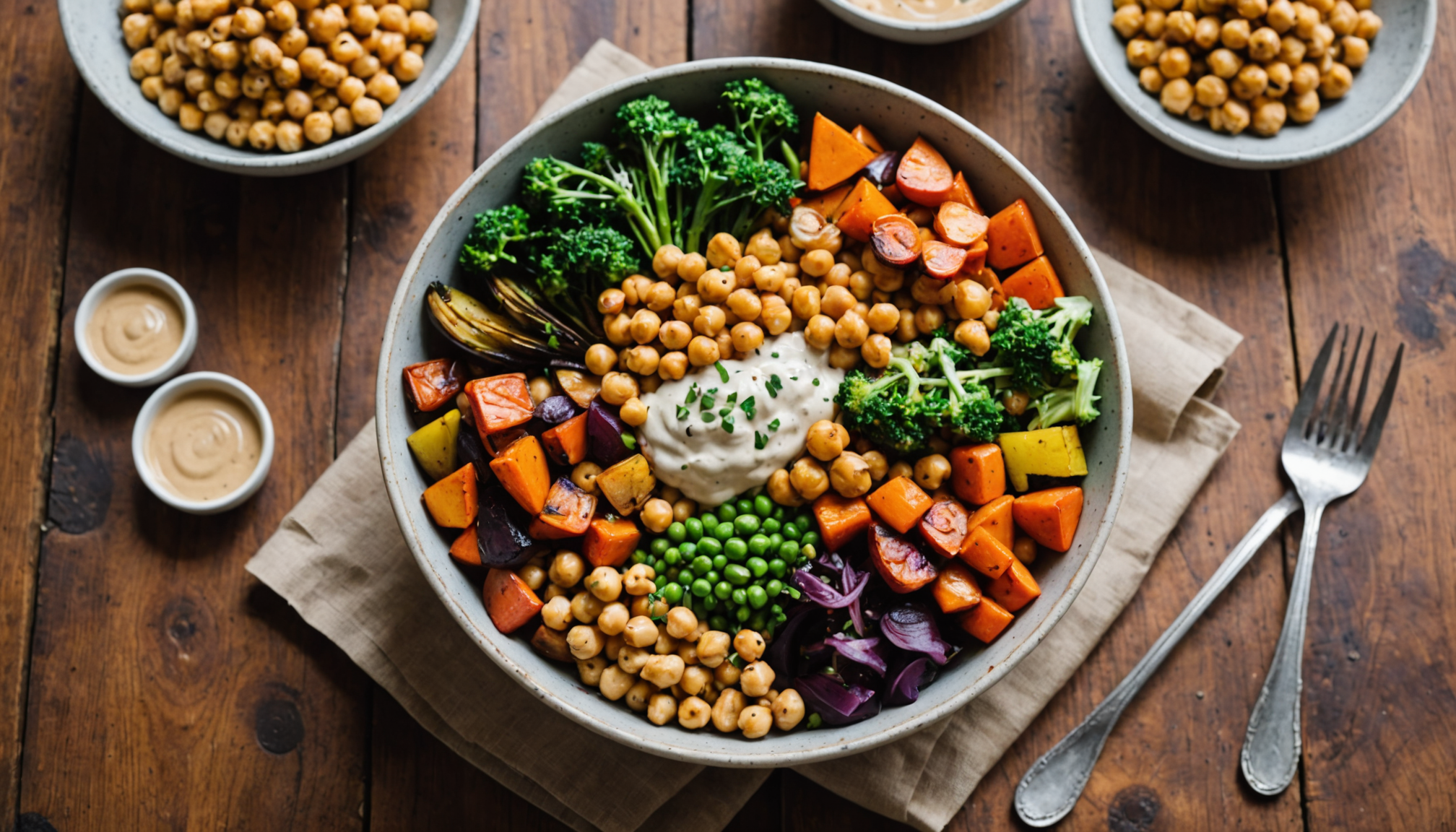
When it comes to quick and easy vegan dinner recipes, efficiency is key, especially for busy families and professionals who want to maintain a clean eating lifestyle. One effective strategy is to embrace the idea of batch cooking, where you prepare larger quantities of staple dishes at once. This not only saves time during the week but also ensures that you always have healthy meals on hand to avoid unhealthy takeout options.
Meal Base Ideas: Start with a solid foundation for your meals. Consider these quick-to-make bases that can be transformed into various dishes:
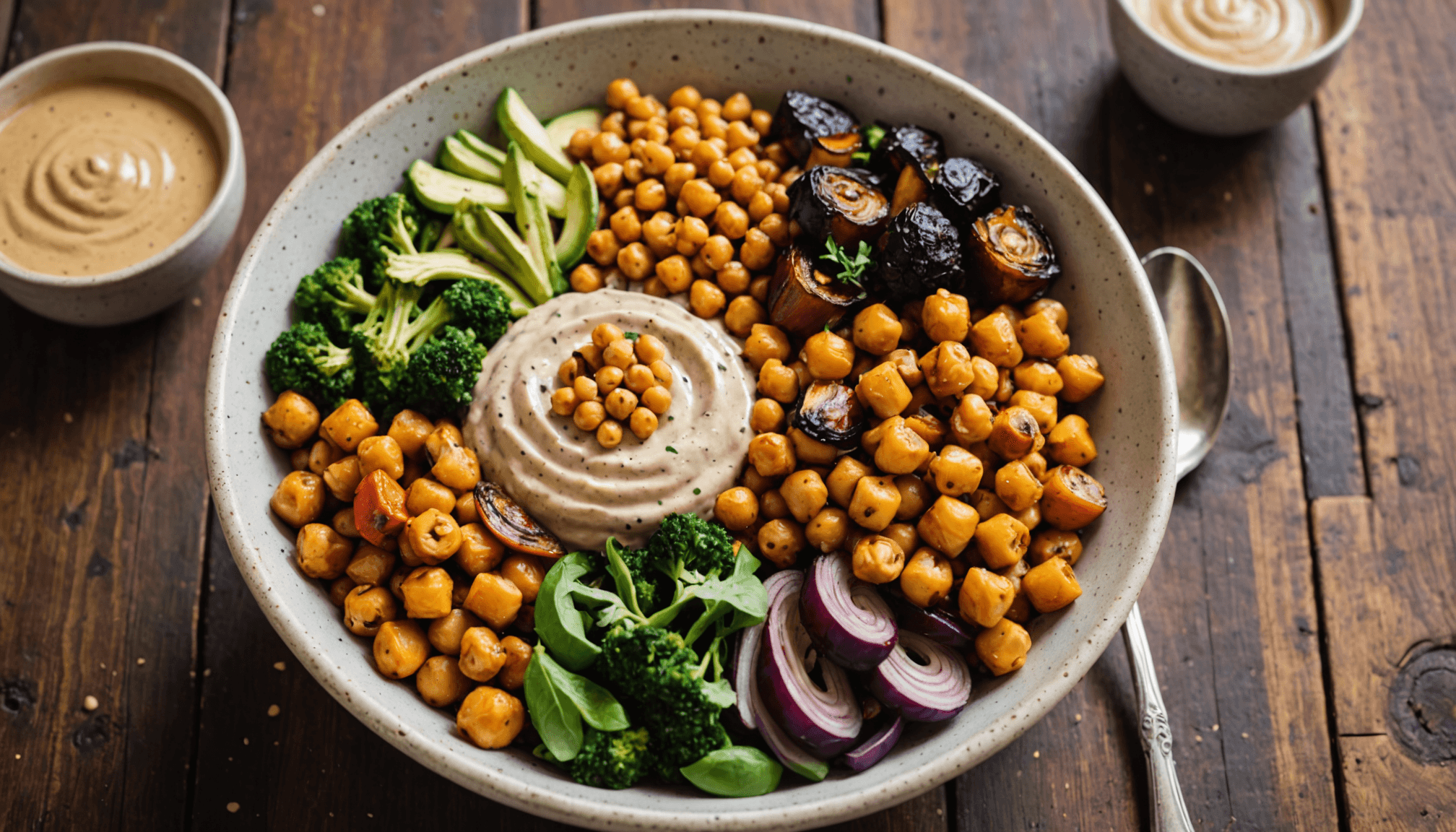
- Grain Bowls: Prepare a big batch of quinoa or brown rice. Top with roasted or sautéed veggies, canned beans, and a drizzle of tahini or your favorite dressing for a satisfying bowl.
- Pasta Dishes: Opt for whole grain or legume-based pasta. Simply toss with a homemade marinara or a simple olive oil dressing, add spinach or kale, and finish with nutritional yeast for added flavor.
- Stir-Fries: Stir-fries are another fantastic option. Cook up a mix of your favorite veggies, add in tofu or tempeh for protein, and serve with cooked whole grains or noodles.
Speedy Vegan Recipes: Here are some quick recipes that fit perfectly into your weeknight routine:
- Chickpea Salad Sandwich: Combine drained canned chickpeas, diced celery, red onion, vegan mayo, and your favorite seasonings. Serve on whole grain bread with greens.
- Spinach and Tomato Pasta: Cook pasta, then sauté spinach and cherry tomatoes in a pan with garlic and olive oil. Mix together and serve hot.
- Quinoa Veggie Burgers: Blend cooked quinoa, black beans, and spices. Form patties and either bake or pan-fry for quick protein-rich burgers.
Seasoning and Flavoring: To keep your meals exciting, don’t shy away from herbs and spices. Consider using garlic, ginger, cumin, and smoked paprika to add depth to your dishes effortlessly. Invest in a good spice rack, and consider selecting organic options when possible to enhance your clean eating ethos.
Embracing Leftovers: Another time-saving tip is to utilize leftovers creatively. For example, if you have roasted veggies from one dinner, toss them into a breakfast scramble with tofu the next morning or blend them into a soup. This not only minimizes waste but also provides the convenience of ready-made meals.
Quick Dessert Options: Don’t forget about dessert! Quick options like chia seed pudding or frozen banana ice cream can be made in advance. Simply blend frozen bananas until creamy or mix chia seeds with almond milk and let them sit overnight for a low-sugar treat.
Shopping smart also contributes to a faster recipe preparation process. Keep a stock of frozen vegetables and fruits, which can be cooked directly from the freezer for quick recipes. Making sure to purchase organic varieties can help you stick to your clean eating principles while participating in sustainable practices.
Implement these quick and easy vegan dinner ideas, and you’ll find that eating clean and maintaining a healthy lifestyle can fit seamlessly into your busy schedule. By focusing on meal preparation and smart shopping, you can ensure that healthy, organic recipes are always just a few minutes away!
Meal prep tips for busy vegans
Make the most of your busy schedule with effective meal prep strategies that simplify the process of enjoying clean eating and delicious vegan meals. One of the best approaches is to set aside a couple of hours each week dedicated to planning and cooking. This not only alleviates daily stress regarding what to eat but also creates a framework for maintaining a healthy lifestyle.
Begin by selecting a few versatile recipes that can be easily scaled. For instance, a hearty vegetable soup or chili can serve as a base for multiple meals throughout the week. Another tip is to batch cook grains, such as brown rice or quinoa, which can be used across various dishes. Store these staples in airtight containers in the refrigerator, so you can quickly assemble meals without starting from scratch every time.
Using labeled containers for portioning leftovers helps significantly. Consider creating individual servings to grab-and-go, making it easier to ensure you stick to your meal plan during busy evenings. You might even categorize these meals based on days of the week or types of dishes, such as “bowl meals” incorporating grains, veggies, and proteins, or “wraps” where you can use leftover grains and veggies in a whole grain tortilla.
Another useful tip is to theme different days of the week around specific ingredients. For example, dedicate “Meatless Monday” to experimenting with varieties of legumes, “Taco Tuesday” can feature jackfruit or lentils, and “Stir-Fry Wednesday” can showcase a medley of your favorite vegetables. This not only adds creativity to your meals but also ensures you’re consuming a balanced intake of nutrients.
For those moments when you feel less inclined to spend time in the kitchen, having a well-stocked pantry plays an essential role in meal preparation. Stock ingredients like canned beans, frozen veggies, and whole grain pasta, which can be combined quickly for last-minute meals. Moreover, prepping items like homemade dressings or dips in advance can elevate your meals without requiring significant additional time.
Don’t underestimate the power of utilizing kitchen tools like slow cookers or pressure cookers, which can significantly reduce cooking time while enhancing flavors. A slow-cooked vegetable curry or a quick-cooked lentil soup can be ready by the time you return home from your daily commitments, ensuring that healthy eating remains effortless.
While meal prep is crucial, it’s also important to consider your nutrition to ensure a balanced diet. Be mindful of including a variety of colors and nutrients in your meals, which not only leads to visually appealing plates but also provides your body with the necessary vitamins and minerals.
>
“You don’t have to be extreme, just consistent. It’s about making a lifestyle change, not a temporary fix.”
By integrating these meal prep tips into your routine, you foster a greater understanding of clean eating while ensuring that you can easily enjoy delicious vegan meals, even on your busiest days. The key is consistency and creativity; with just a little planning, your organic recipes can shine, making healthy eating not just a goal but a practical, enjoyable way of life.
Balancing nutrition in vegan meals
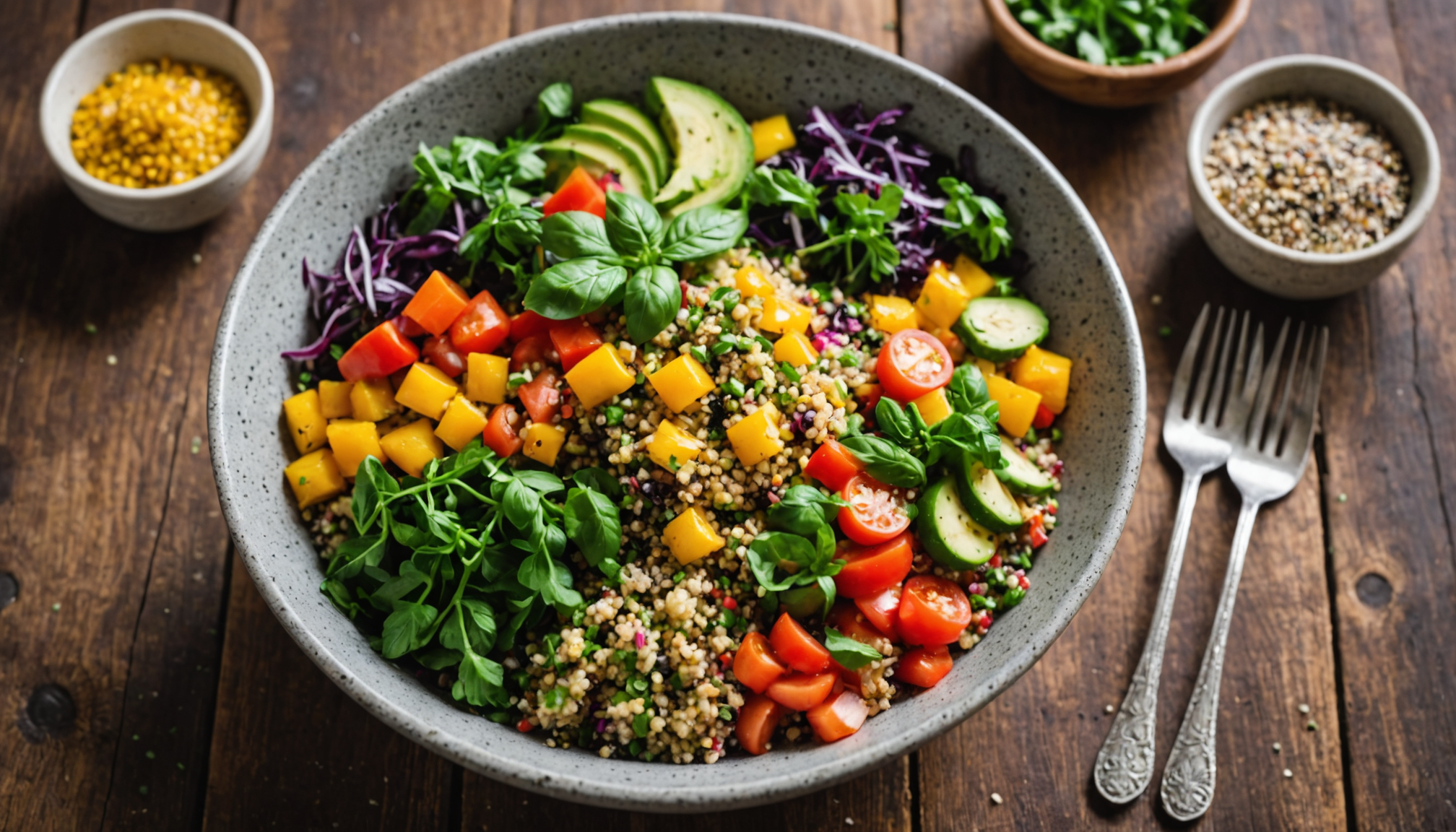 Balancing nutrition within a vegan diet requires intentionality and awareness of the nutrients essential for overall health. Although plant-based foods provide a wide array of vitamins and minerals, ensuring that your meals are nutritionally complete can sometimes be a challenge. Key nutrients to focus on include protein, iron, calcium, omega-3 fatty acids, vitamin B12, and vitamin D.
Understanding the protein sources available in a vegan diet is critical, as protein plays a vital role in muscle repair, hormone production, and overall energy levels. Incorporate diverse plant-based proteins, such as legumes, lentils, beans, tofu, tempeh, and quinoa. Combining different protein sources can help create a complete amino acid profile, ensuring you’re getting all the essential building blocks your body needs.
Iron is another crucial nutrient that vegans often need to monitor. Plant-based sources include lentils, chickpeas, tofu, and fortified cereals. However, the form of iron found in plant foods (non-heme iron) is less absorbable than that in animal sources. To enhance iron absorption, pair your meals with vitamin C-rich foods, such as bell peppers, citrus fruits, or tomatoes. This simple strategy can make a significant difference in maintaining your iron levels.
Calcium, commonly associated with dairy products, can easily be obtained from various plant-based sources. Consider fortified plant milks, leafy greens like kale and collard greens, almonds, and tahini. Including these foods regularly can help meet your calcium needs while supporting bone health.
Omega-3 fatty acids, crucial for brain function and heart health, might require special attention in a vegan diet. Incorporate sources such as chia seeds, flaxseeds, hemp seeds, and walnuts to increase your intake of these beneficial fats. If you’re looking for a more direct source of EPA and DHA (the active forms of omega-3s typically found in fish), consider an algae-based supplement, which can be a game-changer for your nutritional balance.
Vitamin B12 is often a concern for vegans, as it is primarily found in animal products. To combat potential deficiencies, regularly consume fortified foods like plant-based milks, nutritional yeast, and breakfast cereals. Additionally, taking a B12 supplement may be necessary to ensure you’re getting adequate amounts for optimal health, as this vitamin plays an essential role in red blood cell formation and neurological function.
Lastly, don’t overlook the importance of vitamin D, especially if you have limited sun exposure. Fortified foods and supplements can help maintain levels, which are crucial for bone health and immune function. During winter months or periods of limited sunlight, consider consulting with a healthcare professional for personalized advice on vitamin D supplementation.
By being mindful and proactive about these nutrients, you can create vibrant and satisfying vegan meals that provide balanced nutrition. This approach not only nourishes your body but also aligns with the philosophy of clean eating—prioritizing whole, organic ingredients that promote health and vitality. Engage with your food choices, experiment with various recipes, and learn to appreciate the diverse palette that vegan cooking offers, ultimately cultivating a profound understanding of how to sustain a healthy, organic lifestyle.
- What are the best protein sources for vegans?
- Some excellent sources of protein for vegans include lentils, chickpeas, nuts, seeds, tofu, tempeh, and quinoa. Combining different sources can help ensure a complete amino acid profile.
- How can I ensure I’m getting enough iron on a vegan diet?
- To increase iron intake, include foods like lentils, chickpeas, fortified cereals, and dark leafy greens. Pair these with vitamin C-rich foods to enhance iron absorption.
- Is calcium a concern for vegans?
- Calcium can be sourced from fortified plant milks, leafy greens, sesame seeds, and almonds. Regular consumption of these foods helps meet calcium needs without dairy.
- How can I get enough omega-3 fatty acids on a vegan diet?
- Incorporate chia seeds, flaxseeds, walnuts, and hemp seeds into your meals to boost omega-3 fatty acid intake. Algae-based supplements can provide direct sources of EPA and DHA.
- What foods should I eat for vitamin B12?
- Vegans can obtain vitamin B12 from fortified foods such as plant-based milks, nutritional yeast, and cereals. A supplement may be necessary for optimal health.
- Why is vitamin D important for vegans?
- Vitamin D is vital for bone health and immune function. Fortified foods and supplements can help vegans maintain adequate levels, particularly in winter months.
- How can I balance my vegan meals for optimal nutrition?
- Focus on including various food groups such as legumes, grains, fruits, vegetables, nuts, and seeds. Pay attention to key nutrients like protein, iron, calcium, omega-3s, B12, and D to create balanced meals.
Sustainable practices for clean eating
When it comes to sustainable practices for clean eating, making conscientious grocery shopping decisions plays a vital role not just in your health but also in the well-being of our planet. Whether you’re shopping online or visiting local markets, there are many ways to ensure that your choices are both nutritious and environmentally friendly.
Opt for Bulk Buying: Consider purchasing items in bulk whenever possible. Not only does this often save you money, but it also reduces packaging waste. Grains, nuts, seeds, and dried fruits are great items to buy in bulk, as they can be stored for long periods and used in numerous dishes. Look for bulk bins at your local co-op or natural foods store, where you can bring your own containers to minimize single-use plastic consumption.
Choose Organic Options: Whenever feasible, select organic produce and products. Organic farming practices promote biodiversity and reduce pollution from pesticides and fertilizers. Look for the USDA Organic seal when shopping to ensure that the products meet organic standards. Additionally, some studies suggest that organic foods can have higher nutrient levels compared to conventional counterparts (Smith-Spangler et al., 2012).
Support Local Farmers: Engaging with local farmers and supporting community-supported agriculture (CSA) can provide you with fresh, seasonal produce while reducing your carbon footprint. Local food systems help to ensure that you know where your food comes from, and they contribute to the local economy. Check out farmer’s markets or consider subscribing to a CSA for a variety of fresh vegetables and fruits straight from the source.
Prioritize Seasonal Purchases: Eating seasonally is another beneficial practice. Seasonal produce is generally more flavorful and nutrient-dense, not to mention usually more affordable. Familiarize yourself with what fruits and vegetables are in season in your area, and plan your meals around those items. Not only will you enhance your clean eating habits, but you will also likely be less reliant on imported produce that contributes to environmental strain.
Be Mindful of Food Labels: When selecting packaged goods, carefully read labels to avoid hidden ingredients that may not be aligned with clean eating practices. Steer clear of unnecessary additives, excessive sugars, and trans fats. Look for items with clear, simple ingredient lists, as fewer ingredients usually indicate a more wholesome product.
Practice Smart Online Shopping: If you prefer to shop for groceries online, choose reputable websites that clearly display their sourcing and product quality information. Pay attention to community offerings—some local farms and co-ops allow online ordering, giving you access to fresh, organic options without the need to compromise on sustainability. Carefully read customer reviews and check if they offer a return policy in case the produce does not meet your expectations.
Compost and Reduce Waste: Lastly, adopt composting as part of your maintenance routine after grocery shopping. Composting food scraps, such as peels, cores, and wilted produce, reduces landfill waste. If you don’t have outdoor space, consider starting a small indoor compost bin or using a local composting service. This not only helps reduce waste but also enriches the soil for future gardening endeavors.
By integrating these sustainable practices into your grocery shopping routine, you can positively impact both your personal health and the health of the environment. Each small decision adds up and contributes to a cleaner, greener world.
New Customers Offer!
Free Gift for the new customer
$24 Value, When You Subscrib Visit Thrive Market