- Easy Organic Seafood Choices
- Essential Ingredients for Pasta
- Step-by-Step Cooking Instructions
- Tips for Perfectly Cooked Pasta
- Best Sauces to Complement Seafood
- Serving Suggestions and Pairings
When cruising the grocery aisles for seafood, aiming for organic options can significantly elevate your family meals. Start by familiarizing yourself with sustainable seafood sources. Look for labels that indicate wild-caught or farm-raised seafood; certifications like the Marine Stewardship Council (MSC) can guide you to responsibly sourced fish. If you’re committed to health and the environment, prioritize purchasing seafood that’s been raised without antibiotics or synthetic chemicals.
In your local market, consider asking seafood counter staff about their daily catch and recommendations for seasonal offerings. These fresh options not only support local fisheries but also ensure you’re enjoying the richest flavors. Remember that fresh seafood should smell like the ocean—if it has a strong fishy odor, it’s best to skip it!
For a vegan or plant-based approach to seafood dinners, you might be tempted by items like seaweed or algae-based products that offer a taste of the ocean without the fish. Look for brands that mimic seafood textures—many vegan “shrimp” or “crab” options can be a fun addition to your pasta recipes.
When it comes to budget-friendly shopping, buying frozen seafood can save you a significant amount. It’s often just as nutritious as fresh seafood; the freezing process locks in vitamins and minerals. Additionally, frozen seafood tends to be more affordable and has a longer shelf life, making it a smart choice for families on the go.
Online grocery shopping has become increasingly popular, but it comes with its own set of safety tips. Always check the ratings and reviews of seafood sellers to ensure product freshness and quality. Be wary of ambiguous sourcing claims; if it’s not clear where the seafood is coming from or how it was processed, it’s better to look elsewhere. Make sure you’re selecting items that are packed with ice or in insulated packaging to guarantee they stay fresh during transit.
Always double-check the sale-by dates and seal integrity when picking up your seafood, whether shopping in-store or online. Ensuring you get the best quality of organic products will lead to tastier, healthier meals for your family.
Adopt a habit of comparing prices between stores and online platforms. Many grocery chains offer weekly discounts, loyalty programs, or apps that can help you track savings on seafood and other organic ingredients—allowing you to indulge in quality without busting your budget.
Essential Ingredients for Pasta
To create delicious seafood pasta recipes, it is essential to focus on high-quality ingredients that will enhance the flavors and textures of your dish. The pasta itself is the heart of any pasta dinner, and selecting the right type can make a significant difference in your final outcome. Start with a base of organic pasta, whether you choose fresh or dried varieties. Organic pasta is made from wheat that has been grown without harmful pesticides or synthetic fertilizers, ensuring a more wholesome meal.
When selecting pasta, consider the different types available, each bringing its unique characteristic to the dish. Here’s a comparison of some popular pasta shapes that work exceptionally well with seafood:
| Pasta Type | Description | Best Seafood Pairing |
|---|---|---|
| Spaghetti | A long, thin pasta ideal for light sauces and seafood dishes. | Shrimp, clams, or mussels in garlic and olive oil. |
| Fettuccine | Flat, thick noodles that hold sauces well. | Lobster or crab in a creamy sauce. |
| Penne | Short, tube-shaped pasta that is perfect for chunky sauces. | Salmon or scallops with a tomato-based sauce. |
| Fusilli | Spiral-shaped pasta that captures sauce and ingredients beautifully. | Mixed seafood with pesto or olive oil. |
In addition to pasta, choosing the right cooking oils and herbs can significantly elevate your seafood pasta dishes. Extra virgin olive oil is a must-have for its rich flavor and health benefits, perfect for sautéing vegetables or finishing a dish. Fresh herbs such as basil, parsley, and dill can add brightness and depth to seafood dinners.
Don’t overlook the importance of seasoning. Sea salt and cracked black pepper can enhance the natural flavors of the seafood and pasta, while red pepper flakes can add a kick if you enjoy some heat. Consider incorporating aromatic ingredients like minced garlic, shallots, and even a splash of white wine to create a balanced and flavorful base for your dish.
Finally, for a nutrient boost, add seasonal vegetables like spinach, zucchini, or cherry tomatoes to your pasta recipe. These ingredients will not only add color but also contribute vitamins and minerals, making your meal more wholesome.
By selecting the right organic ingredients, you’ll be well on your way to creating mouthwatering seafood pasta recipes that are both delicious and nourishing. The focus on high-quality pasta and complementary ingredients ensures that every bite bursts with flavor, making your seafood dinners memorable.
Step-by-Step Cooking Instructions

Creating delightful seafood pasta dishes is not just about choosing good ingredients; it’s about mastering the cooking process. Start by boiling a large pot of water. To ensure your pasta is seasoned from the start, add a generous amount of salt to the water before bringing it to a rolling boil. This step is essential as it helps to flavor the pasta as it cooks and enhances the overall taste of your dish.
Once the water is boiling, carefully add your chosen organic pasta. Stir it gently to prevent it from sticking together. Follow the package instructions for cooking times, but start checking for doneness a minute or two before the suggested time to achieve that perfect al dente texture. Al dente pasta offers a firmer bite, which adds a delightful contrast to the tender seafood.
While the pasta is cooking, it’s time to prepare your seafood. In a separate pan, heat a good drizzle of extra virgin olive oil over medium heat. Add minced garlic and shallots, allowing them to become fragrant but not browned. This aromatic base will add depth to your seafood dinners. Next, introduce your seafood to the pan. If using shrimp or scallops, they usually require about 3-5 minutes to cook through. Look out for color changes; for example, shrimp should turn from grey to a vibrant pink when fully cooked.
If you’re incorporating vegetables, such as zucchini or cherry tomatoes, toss them into the seafood pan halfway through the cooking time. This ensures they remain tender yet crisp while infusing their flavors into the dish. Don’t forget, a splash of white wine can elevate your seafood pasta recipes beautifully. Let it simmer for a minute to cook off the alcohol and create a rich, savory sauce.
Once your pasta is perfectly cooked, reserve a cup of the pasta cooking water and then drain the rest. Add the pasta directly into the seafood pan, stirring gently to combine. This is where the magic happens. Use the reserved pasta water to loosen the sauce if needed, allowing it to cling nicely to the pasta. Finish with a sprinkle of fresh herbs and a squeeze of lemon juice for brightness.
For added flavor and nutrition, consider incorporating some leafy greens, like spinach, just before serving. They wilt beautifully and add a pop of color, making your pasta not only delicious but visually stunning as well.
The final touch? A dash of freshly cracked black pepper and, if you love heat, a sprinkle of red pepper flakes brings a delightful punch. Serve your pasta hot, garnished with extra herbs and perhaps a light dusting of nutritional yeast for a vegan-friendly cheesy flavor, or some grated Parmesan for a traditional twist.
By following these straightforward cooking instructions, you guarantee a seafood pasta experience that’s not only satisfying but also healthy and full of fresh, organic flavors. Your family and friends will surely appreciate your culinary efforts, making for memorable seafood dinners that everyone will look forward to enjoying.
Tips for Perfectly Cooked Pasta
Cooking pasta to perfection is a crucial step in creating delightful seafood dinners that highlight the quality of the ingredients you’ve chosen. To start, make sure to use a large pot filled with water that allows your pasta enough space to move freely as it cooks. This helps prevent sticking and ensures even cooking.
As you heat the water, add a generous amount of salt—about one to two tablespoons per gallon. This simple yet effective step is essential, as it flavors the pasta from the inside out, making a noticeable difference in the final dish. Wait for the water to reach a rolling boil before gently adding the organic pasta of your choice. Stir it immediately to separate the strands and prevent any clumping.
Timing is key when cooking pasta. Refer to the cooking instructions on the package for suggested cooking times but begin checking for doneness one or two minutes earlier to achieve the ideal al dente texture. The goal is to have pasta that is tender yet maintains a slight firmness when bitten, offering a pleasant contrast to the tender seafood.
While the pasta cooks, turn your attention to preparing the seafood. Use a large skillet to heat a drizzle of extra virgin olive oil over medium heat. Start with finely chopped garlic and shallots—these aromatic ingredients will become fragrant, creating a savory base. As they sauté, begin adding your seafood. For instance, shrimp and scallops typically require only 3-5 minutes of cooking time. They’ll turn from translucent to a bright, appetizing hue when they’re done.
If you’re mixing in vegetables, time their addition carefully. Toss them into the pan midway through the seafood cooking time to ensure they remain crisp and vibrant. A splash of white wine can enhance the overall flavor profile; just allow it to simmer briefly, promoting rich, integrated tastes.
Once your seafood is cooked and your pasta is ready, it’s time to bring everything together. Reserve a cup of the starchy pasta cooking water before draining the rest. This water can work magic when combined with your seafood mixture. Combine the drained pasta with the seafood and add a bit of the reserved water, ensuring the sauce covers every strand. This method not only contributes to the sauce’s richness but also enables it to adhere beautifully to the pasta.
To elevate your final dish, finish it off with a sprinkle of fresh herbs like basil or parsley, alongside a squeeze of lemon juice for added brightness. If desired, crack some fresh black pepper on top and, for those who enjoy a little heat, a pinch of red pepper flakes will do wonders.
In the world of organic cooking, mastering these techniques for perfectly cooked pasta will guarantee that your seafood pasta recipes remain vibrant, flavorful, and wholesome. The harmony between the pasta and seafood, combined with fresh ingredients, will ensure your meals are not just satisfying but memorable culinary experiences.
Best Sauces to Complement Seafood
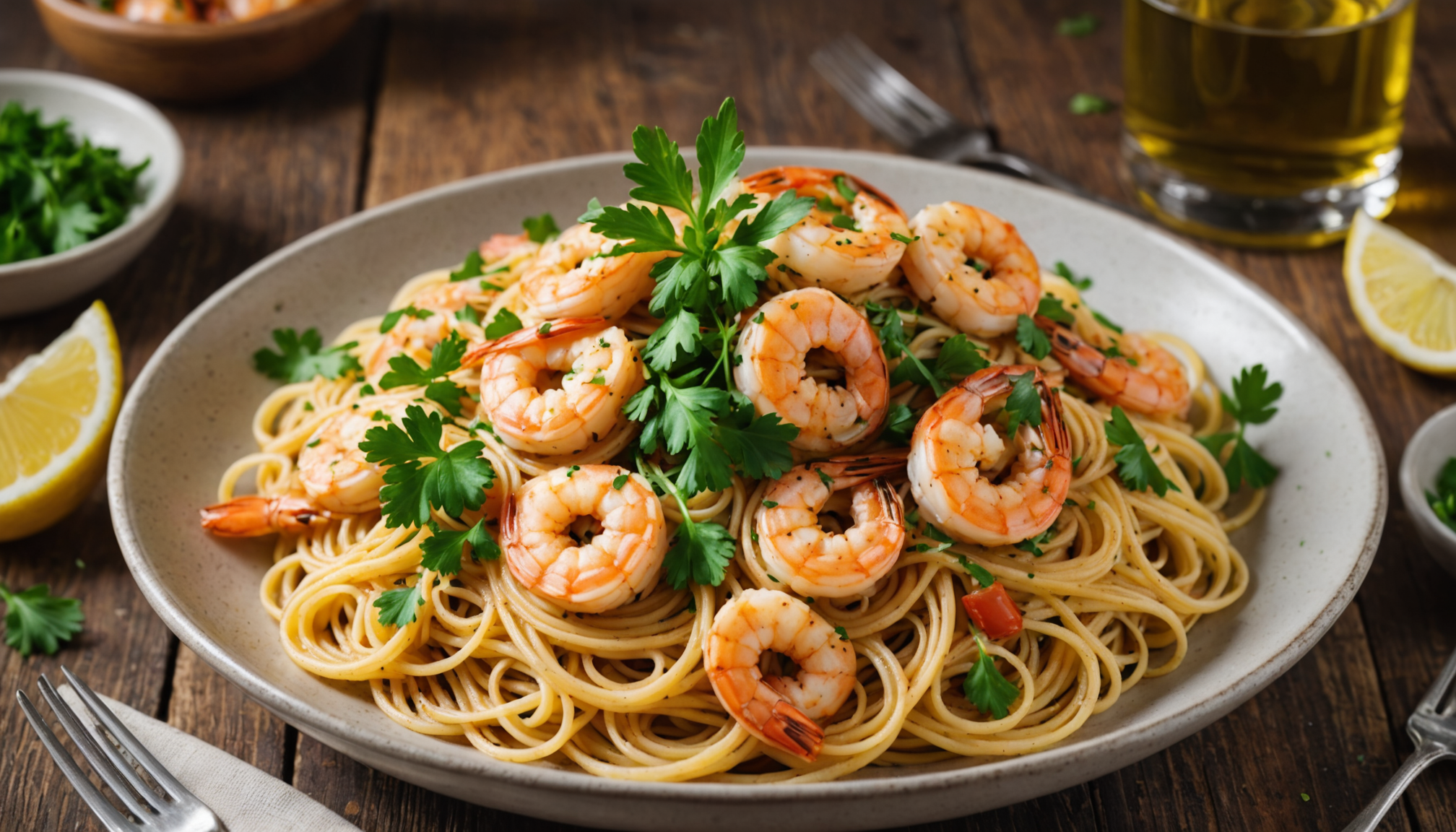 Fresh sauces can elevate seafood pasta dishes to new heights, showcasing the natural flavors of the ocean while complementing the pasta perfectly. Consider starting with a classic garlic and olive oil sauce. This lively combination is simple yet showcases the essence of high-quality ingredients. Sauté minced garlic in extra virgin olive oil until it’s fragrant but not browned. Toss in your cooked seafood along with a squeeze of lemon to brighten the flavors. Fresh parsley finishes this easy sauce beautifully.
For a more robust flavor profile, a creamy white wine sauce can be a delightful partner to shellfish like shrimp or scallops. Begin by cooking shallots in butter, then add your favorite dry white wine, scraping any bits off the bottom of the pan. Let it reduce slightly, then stir in heavy cream and simmer until thickened. Finally, finish with your cooked pasta and adjust the seasoning with salt and pepper.
If you’re looking for something herbaceous, a basil pesto is an excellent choice. Whip up a fresh pesto by blending together fresh basil, garlic, pine nuts, Parmesan cheese, and olive oil. This vibrant sauce pairs harmoniously with lighter seafood like white fish and can be folded into whole grain pasta for extra nutrition.
Another intriguing option is a tomato-based sauce that can be enriched with olives, capers, and a hint of red pepper flakes. Sauté onions and garlic, add crushed tomatoes, and let the sauce simmer for depth. Toss in your seafood and finish with fresh herbs like basil or mint—this not only introduces a layer of freshness but also invites an unusual twist to your seafood dinners.
Don’t hesitate to explore Asian-inspired flavors either. A soy-sauce-based stir-fry with ginger and sesame can create an entirely different experience. Sauté your seafood with snap peas and bell peppers, then toss everything with cooked noodles and a drizzle of sesame oil for an umami-rich dish that brings together the luxurious aspects of seafood and the lighter profile of fresh vegetables.
Crafting these sauces may seem daunting initially, but experimenting with various combinations can ignite your creativity and enhance your culinary skills. Each sauce not only complements the seafood but also brings the ingredients together, turning pasta recipes into a delightful culinary celebration.
- What are the best organic seafood options for pasta?
- Look for wild-caught options like shrimp, scallops, and mussels that are labeled organic or sustainably sourced. These seafood choices are often fresher and free of harmful additives, ensuring superior flavor and quality in your dishes.
- How can I enhance the flavor of my seafood pasta?
- Incorporate fresh herbs, citrus zest, and high-quality olive oil to brighten and elevate the flavors. Adding a splash of white wine or incorporating seasonal vegetables can also add depth and complexity to your dish.
- Is it easy to make sauces for seafood pasta?
- Yes, making sauces for seafood pasta is quite simple! Basic garlic, olive oil, or creamy white wine sauces can be prepared quickly and elevate the dish without requiring extensive culinary skills.
- Can I use frozen seafood for pasta dishes?
- Absolutely! Frozen seafood is often just as nutritious as fresh and can be a more affordable option. Just make sure to properly thaw and drain it before cooking to maintain the best texture and flavor.
- What types of pasta work best with seafood?
- Longer pasta like spaghetti or linguine pairs well with lighter sauces, while shapes like penne or fusilli can hold creamier or chunkier sauces efficiently. Choose based on your sauce choice and seafood type!
- How do I know if my seafood is fresh?
- Fresh seafood should smell like the ocean, with a mild scent. Look for clear eyes, firm flesh, and moist skin. Avoid any seafood with a strong fishy odor or discolored appearance.
- Can I make seafood pasta healthier?
- You can make healthier seafood pasta by using whole grain pasta, incorporating a variety of vegetables, and reducing the amount of creamy sauces. Opt for olive oil-based sauces and focus on organic ingredients to enhance nutrition.
Serving Suggestions and Pairings
When it comes to serving and pairing your seafood pasta dishes, presentation and complementary flavors are key to creating a memorable meal. First, choose a large, shallow bowl or plate to serve your seafood pasta; this allows the vibrant colors and textures to shine, creating an inviting visual appeal. Consider garnishing with fresh herbs like parsley or basil scattered over the top, adding both color and aroma that will leave your family eager to dig in.
A squeeze of fresh lemon juice right before serving can elevate your dish to new heights, adding a refreshing acidity that perfectly complements the richness of the seafood. If your pasta is seafood-forward, try pairing it with a light side salad consisting of mixed greens tossed with a citrus vinaigrette. This will provide a delightful contrast and enhance the overall dining experience.
For a hearty seafood dinner, consider adding crusty whole-grain bread or garlic bread on the side, allowing everyone to soak up any leftover sauce. A simple herb-infused oil drizzled over the bread can also truly enhance its flavor, making it an excellent accompaniment to your pasta dish.
When considering wine pairings, white wines typically work best with seafood. A crisp Sauvignon Blanc or a chilled Pinot Grigio can elevate the flavors of your pasta recipes by harmonizing with the delicate tastes of the seafood. For those who prefer non-alcoholic options, consider sparkling water infused with lemon or lime as a refreshing alternative.
For a twist on tradition, think about serving your seafood pasta with a protein-packed twist by incorporating plant-based options. Dishes infused with lentils, chickpeas, or even edamame can create a well-rounded meal that appeals to vegans or fitness enthusiasts, ensuring that everyone at the table can enjoy dinner together.
As you navigate online grocery purchases, consider stocking up on essentials that complement your seafood pasta. Items like high-quality olive oils, various pasta shapes, and organic vegetables can be ordered in bulk, reducing the need for frequent trips to the store. Always check expiration dates and opt for sellers that guarantee freshness, especially for items that are sensitive to moisture or have a short shelf life.
To truly amplify your culinary creations, explore seasonal and local produce that can easily enhance your seafood dinners. Vegetables like asparagus, zucchini, or heirloom tomatoes not only add nutrition but also offer freshness and vibrant flavors that can brighten your dish. Moreover, investing in organic cooking staples ensures that your family enjoys meals free from harmful pesticides and additives, paving the way for truly wholesome dining.
Remember, elevating your seafood pasta meals is all about thoughtful layers of flavor and the freshness of your ingredients. By using these tips to refine your serving suggestions and pairings, you’ll create an unforgettable experience that feeds the body and delights the palate.
New Customers Offer!
Free Gift for the new customer
$24 Value, When You Subscrib Visit Thrive Market