- Easy organic dinner recipes
- Quick preparation tips
- Healthy ingredient options
- Simple recipes for busy nights
- One-pot organic meals
- Meal prep for the week
When it comes to grocery shopping for weeknight meals, making informed choices can greatly enhance your culinary experience while ensuring you stick to your health goals. Whether you’re navigating a local farmer’s market or browsing online grocery stores, here are some practical tips and tricks for filling your cart with the best organic food and healthy ingredients.
Start by crafting a shopping list that prioritizes fresh, seasonal produce. Local foods not only support your community but also tend to have superior flavor and nutritional value. Visiting farmer’s markets can yield a bounty of organic vegetables, fruits, and herbs that are perfect for quick weeknight meals.
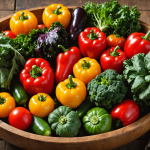
When selecting fresh produce, look for items that are organic, as they tend to be free from harmful pesticides and fertilizers. Focus on a variety of colors—this is a sign of a range of nutrients. Some great choices include:
- Leafy greens like kale and spinach
- Colorful bell peppers
- Cruciferous vegetables like broccoli and cauliflower
- Seasonal fruits such as berries and apples
Don’t overlook the importance of healthy cooking staples, such as grains and legumes. Quinoa, brown rice, lentils, and chickpeas are budget-friendly options that lend themselves to hearty, nutritious meals. These not only provide protein but are also incredibly versatile in different recipes.
For the budget-conscious, consider buying frozen organic vegetables. They are often picked at their peak ripeness and snap-frozen, retaining nutrients while offering convenience. Plus, their longer shelf life minimizes food waste, making them a smart choice for busy families.
When shopping online, always check the safety of the food sources. Make sure the website you’re purchasing from has proper certifications and customer reviews. Look for options that offer transparency in labeling, so you can trace the origin of the products and ensure they align with your dietary needs. Avoid websites that don’t provide comprehensive information about their products’ sourcing and handling practices.
Additionally, be cautious about online perishables. When ordering fresh produce, select sellers that guarantee items will arrive in top condition. It may be beneficial to order during the week for weekend consumption, taking advantage of delivery options that allow you to specify your delivery window.
In choosing your proteins, prioritize organic and pasture-raised options if you’re not vegan. This often results in better flavor and higher omega-3 fatty acid content. For plant-based proteins, tofu, tempeh, or beans are excellent choices that can be easily incorporated into your meals.
Finally, don’t forget to check for essential spices and condiments that can elevate your cooking. Organic olive oil, balsamic vinegar, and a variety of spices can turn simple ingredients into a flavorful dish.
With these tips, grocery shopping can become a fun and rewarding experience, ensuring you’re equipped to prepare healthy cooking that your whole family will enjoy. Happy shopping!
Quick preparation tips
One of the best ways to expedite your weeknight cooking process is to embrace efficient meal preparation techniques that reduce time spent in the kitchen, allowing for more time to enjoy your meals with family or friends. Here are some effective tips to streamline your cooking efforts.
First, consider dedicating a specific time each week to meal prep. Setting aside a couple of hours on the weekend can save significant time during busy weeknights. You can wash, chop, and store your vegetables in clear containers, making them easily accessible when you’re ready to cook. Additionally, batch-cooking staple ingredients such as grains, legumes, or proteins can provide a solid base for various meals throughout the week. For example, cooking a large batch of quinoa or brown rice can serve as the foundation for multiple dinners, whether paired with different vegetables, proteins, or sauces.
Another useful tip is to organize your kitchen space. Ensure that your pots, pans, utensils, and other cooking essentials are easily accessible. This diminishes the time spent rummaging through cabinets and enables a smoother cooking workflow. Investing in good-quality kitchen tools such as sharp knives, a reliable cutting board, and efficient storage containers can also enhance your cooking experience.
Utilizing one-pot recipes can be a game-changer for weeknight meals. These recipes allow you to combine various ingredients and cook them in a single pot or pan, minimizing cleanup while maintaining flavor and nutrition. Not only does this style of cooking save time, but it also comes with less fuss. Consider experimenting with dishes like vegetable stir-fries, soups, or grain-based salads where everything can be cooked together.
To optimize your cooking methods, consider using time-saving appliances like slow cookers, Instant Pots, or air fryers. These tools can significantly reduce cooking time and allow for hands-off preparation. For example, you can throw together a healthy chili in an Instant Pot in under an hour, or let a slow cooker work its magic on a hearty soup while you are at work or occupied with other tasks.
Plan for leftovers strategically, as they can serve as an easy option for lunch or dinner on another night. Cooking extra portions on days when you have more time makes it easier to have home-cooked meals throughout the week without additional effort.
Using the following table, you can compare various time-saving techniques for meal preparation:
| Technique | Description | Time Saved |
|---|---|---|
| Meal Prepping | Prepping ingredients in advance for the entire week. | 5-10 minutes per meal |
| One-Pot Meals | Cooking all ingredients in a single pot or pan. | 15-20 minutes |
| Batch Cooking | Cooking large portions of staple foods to use throughout the week. | 30-40 minutes |
| Using Kitchen Appliances | Employing slow cookers or Instant Pots for efficiency. | 20-30 minutes |
| Leftover Planning | Cooking extra meals to use later in the week. | 10-20 minutes |
By implementing these tips, you’ll find that preparing healthy cooking and delicious organic food becomes less of a chore and more of a joy. Streamlining your process allows for more time to savor the meals you’ve created, making weeknight dinners a delightful occasion rather than a last-minute scramble.
Healthy ingredient options
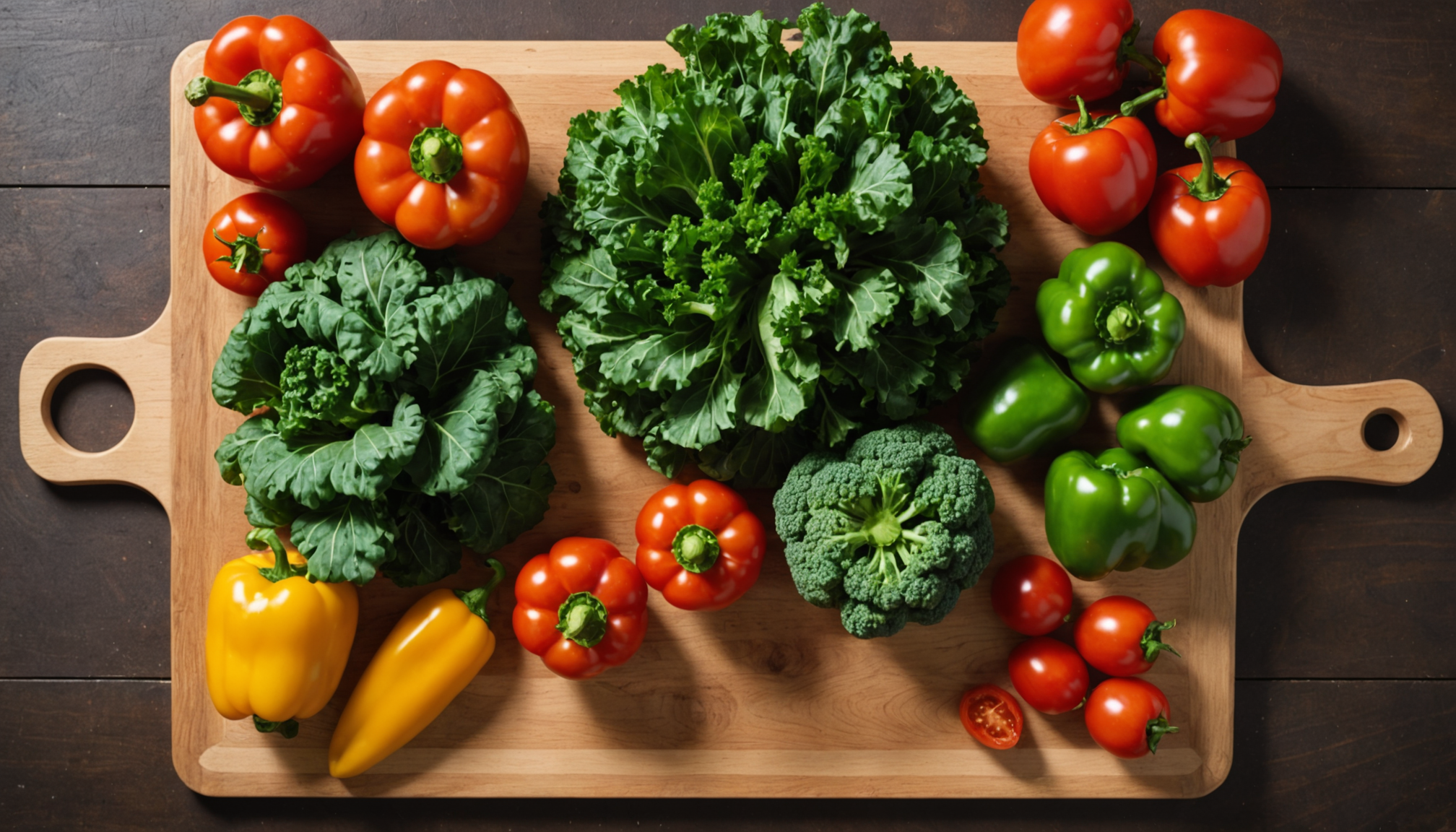
When venturing into the grocery aisles—be it online or offline—prioritizing healthy ingredients is essential for wholesome weeknight meals that appeal to the entire family. Start by familiarizing yourself with the various categories of healthy foods. Fresh produce, whole grains, legumes, and organic proteins should dominate your shopping list.
If you’re seeking out organic options, look for certification labels, such as the USDA Organic seal, which indicates that the product meets strict agricultural standards. Opt for seasonal fruits and vegetables to ensure peak freshness and generate less environmental impact. Local organic farms often provide high-quality produce at reasonable prices while supporting your community. Taking the time to explore nearby farmers’ markets can also be a fun way to engage with local growers and discover unique ingredients.
In the realm of healthy cooking essentials, stock up on nutrient-dense grains like quinoa, farro, or barley, which not only serve as a hearty base for meals but also bring beneficial fibers and proteins to your diet. Incorporating a variety of legumes, such as lentils, black beans, or chickpeas, can significantly boost your meals’ nutritional content while remaining economical. They can be easily added to soups, salads, or as sides, making them incredibly versatile.
Consider these healthy ingredient options when navigating the grocery store:
- Choose vibrant fruits and vegetables like dark leafy greens, cruciferous veggies (broccoli and cauliflower), and colorful bell peppers.
- Look for whole grains over refined options—something like brown rice or whole wheat pasta can be a more nutritious choice.
- Incorporate healthy fats through avocados, nuts, and seeds, which not only enhance flavor but provide essential nutrients.
- Keep an eye out for plant-based proteins like tempeh, seitan, and nutritional yeast for vegan meals.
Additionally, consider the benefits of frozen organic produce, especially if you’re short on time. These items are often harvested at their peak and flash-frozen, locking in nutrients. When buying frozen fruits or vegetables, check labels to ensure they don’t contain added sugars or sauces that may compromise their health benefits.
When shopping online, exercise caution by purchasing from reputable retailers with positive user reviews and secure payment methods. Be aware of shipping conditions, particularly for perishable items. Read product descriptions carefully to ensure that you’re getting high-quality items that adhere to your dietary needs, especially when it comes to organic certifications.
For safety, ensure your online grocery platform offers tracking options and clear return policies for items that arrive in unsatisfactory condition. Staying vigilant while shopping online aligns more with a healthy lifestyle by minimizing waste and ensuring that you receive high-quality organic food.
Lastly, don’t underestimate the power of spices and herbs in your cooking. They can elevate hearty dishes with minimal calories while providing a host of health benefits. Stock up on organic spices like turmeric, cumin, and paprika, and fresh herbs like basil, cilantro, and parsley to amplify the flavors in both simple recipes and more elaborate weekend meals.
By staying informed and practicing mindful grocery shopping, you can create vibrant and nourishing meals that energize your weeknights and promote a healthy lifestyle.
Simple recipes for busy nights
For busy nights when time is of the essence, having a collection of simple recipes at your disposal can make weeknight meals a breeze. These recipes are designed to be quick, easy, and satisfying while using wholesome organic ingredients that fit into a healthy cooking routine. Here are a few tasty options that you can whip up in no time.
One go-to recipe is a 15-Minute Veggie Stir-Fry. Start by gathering your favorite vegetables—such as bell peppers, broccoli, and snap peas—along with some cubed tofu for protein. In a large skillet, heat a tablespoon of organic olive oil over medium-high heat. Sauté the vegetables until they’re vibrant and slightly tender, about 5-7 minutes. Add the tofu, a splash of soy sauce or tamari, and a sprinkle of sesame seeds for a burst of flavor. Serve this delightful concoction over pre-cooked brown rice or quinoa for a complete meal that’s both nutritious and quick to prepare.
Another simple recipe is the One-Pot Lentil and Spinach Curry. Using a large pot, heat a little coconut oil and add chopped onions, minced garlic, and grated ginger. Sauté until fragrant, then stir in a cup of rinsed lentils, diced tomatoes, and vegetable broth. Season generously with curry powder and let it simmer until the lentils are tender, roughly 25 minutes. Just before serving, fold in a few handfuls of fresh spinach until wilted. This dish is not only rich in plant-based protein but also packed with fiber and rich flavors—all created in one pot for easy cleanup.
For a refreshing yet hearty option, try Chickpea Salad Wraps. In a bowl, combine canned chickpeas that have been rinsed and drained, diced cucumbers, cherry tomatoes, red onion, and a handful of chopped parsley. Drizzle with lemon juice and a bit of organic olive oil, then season with salt and pepper to taste. Serve this salad in whole-grain wraps or lettuce leaves for a quick meal that’s as nutritious as it is satisfying. It makes for a perfect lunch or dinner solution when you’re on the go.
If you’re looking for something comforting, opt for a Vegetable and Quinoa Soup. In a large pot, heat vegetable broth and add diced carrots, celery, and onions. Once they’ve softened, toss in rinsed quinoa, chopped kale, and your choice of herbs. Let it simmer for about 20 minutes until the quinoa is fluffy and the vegetables are tender. This soup is filling and packed with nutrition, making it an ideal choice for those cooler weeknight dinners.
“The best meals are those that are quick, simple, and nourishing, allowing you to enjoy your time at the table.”
These recipes are just a starting point for your busy weeknights, helping you to incorporate more organic food into your routine without the stress of complicated cooking methods. As you experiment with various ingredients and flavors, you’ll find that preparing healthy cooking doesn’t have to take hours—it can be simple, delicious, and ready when you need it. Enjoy your culinary adventures with less hassle and more satisfaction as you gather around the dinner table with family and friends.
One-pot organic meals

Combining flavors and cooking techniques in one-pot meals offers an efficient solution for those busy weeknight dinners. Not only do these recipes simplify your cooking process, but they also allow for easy cleanup and are perfect for maximizing the nutritional benefits of organic food. One-pot meals can vary widely, from hearty soups and stews to vibrant grain bowls, and they often mirror the diverse ingredients available in your pantry and fridge, minimizing waste.
Consider a classic One-Pot Vegetable Risotto that transforms arborio rice into a creamy dish with the goodness of seasonal veggies. Start by sautéing chopped shallots and garlic in a splash of organic olive oil. As they soften, add your arborio rice and toast it lightly for a minute before gradually adding organic vegetable broth, stirring frequently. Layer in your chosen vegetables—like asparagus and peas—as the risotto cooks, allowing them to become tender but still bright. Finish with a sprinkle of fresh herbs and a squeeze of lemon for a dish that combines elegant comfort with healthfulness in every bite.
Another excellent option is a One-Pot Chickpea Pasta. In a large pot, combine whole-grain pasta with canned diced tomatoes, broth, and a plethora of vegetables such as spinach, zucchini, and bell peppers. Season with garlic, Italian spices, and a pinch of red pepper flakes for added heat. The beauty of this dish lies in the fact that the pasta cooks right in the pot alongside the veggies, absorbing flavors and nutrients as they meld together. In less than 30 minutes, you have a succulent meal that’s both nourishing and satisfying.
For a comforting winter meal, try a Hearty Bean and Sweet Potato Chili. Sauté diced onions, garlic, and bell peppers before adding cubed sweet potatoes and rinsed canned beans. Stir in canned tomatoes, vegetable broth, and a mix of chili spices, then let the pot simmer until the sweet potatoes are tender. This dish is not only filling but also loaded with plant-based protein, vitamins, and minerals, ensuring that your weeknight meal is a wholesome and hearty affair.
As you explore the world of one-pot meals, keep in mind the importance of balancing your ingredients. Incorporating a range of colors and textures will not only make your dish visually appealing but will also provide a wealth of nutrients. Using organic produce will enhance the flavors and health benefits, reinforcing your commitment to healthy cooking while encouraging creativity in the kitchen. These dishes also provide excellent opportunities to experiment with new spices and herbs, breathing life into everyday ingredients and making your weeknight meals an enjoyable experience.
- What are one-pot meals?
- One-pot meals are dishes that incorporate all ingredients cooked together in a single pot or pan. This method simplifies preparation and cleanup while allowing flavors to meld beautifully.
- Are one-pot meals healthy?
- Absolutely! One-pot meals can be very healthy, especially when made with fresh, organic ingredients, whole grains, and a variety of vegetables. These meals often include balanced nutrients in each serving.
- How can I make one-pot meals more flavorful?
- Enhance the flavor of one-pot meals by using a variety of herbs and spices, switching up the broth or liquid used for cooking, and incorporating seasonal vegetables for freshness and vibrancy.
- Can one-pot meals be made in advance?
- Yes, many one-pot meals can be made in advance and stored in the refrigerator or freezer. Just reheat them when ready to serve for a quick and nutritious meal.
- Are there vegetarian options for one-pot meals?
- Definitely! Many one-pot meals are naturally vegetarian and can include ingredients like legumes, grains, vegetables, and plant-based proteins to create delicious and satisfying options.
- What types of kitchen equipment do I need for one-pot meals?
- A large pot or Dutch oven works best for most one-pot meals. A skillet can also be suitable, depending on the recipe. Keeping your kitchen stocked with these essential tools will make it easy to whip up a meal.
- How can I adjust one-pot meals for dietary restrictions?
- To accommodate dietary restrictions, consider substituting proteins, grains, or vegetables based on individual needs. There are plenty of alternatives available, so you can create a dish that fits various dietary preferences.
Meal prep for the week
Meal prepping can be a transformative strategy for ensuring healthy cooking during your weeknights, particularly when balancing busy family schedules. By dedicating a little time each week to preparing ingredients and meals, you can create a streamlined system that brings ease and accessibility to your organic food experience.
To start, set aside a couple of hours over the weekend for your meal prep. During this time, wash and chop a variety of vegetables that can easily be incorporated into different dishes throughout the week. Store them in clear containers for quick access—this not only saves you time but also makes it easier to add nutrient-rich ingredients to your meals. Consider chopping:
- Bell peppers for stir-fries and salads.
- Carrots and celery for crunchy snacks or soup components.
- Leafy greens like kale or spinach to toss into smoothies or main meals.
Additionally, batch-cook grains and legumes. Cooking a large portion of quinoa, brown rice, or lentils can serve as meal bases for multiple dinners. For example, you can make a quinoa salad on Monday, add it to a stir-fry on Wednesday, and use it in a wrap on Friday. This not only cuts down on cooking time but also reduces the amount of food waste generated from unused ingredients.
Incorporate one-pot meals into your prep routine. These recipes typically require fewer dishes and can be made in larger quantities, allowing for leftovers or lunches for the next day. Try a hearty vegetable and bean chili or a comforting lentil soup that can be easily reheated. Just make sure to store your meals in airtight containers. This keeps your food fresh and maintains flavor, while the convenience of leftovers means less fuss on busy weeknights.
When planning your meals, think ahead about what ingredients pair well with each other. For instance, if you’re making a veggie stir-fry, prepare enough rice or quinoa to serve alongside it later in the week. Leftover proteins, such as chicken or tofu, can also be reused in different contexts—think tacos one night and a rice bowl the next.
Don’t shy away from organizing your kitchen and meal prep space effectively. Group similar ingredients together and keep essential tools—like sharp knives, cutting boards, and containers—within reach to speed up the cooking process. Investing in quality storage solutions will help you maintain freshness and help create a visually appealing kitchen space.
For those interested in online shopping, consider ordering bulk items that are non-perishable, such as legumes, grains, and frozen vegetables, to stock your pantry. This can save money and reduce your grocery trips. Always choose reputable sellers that offer organic certifications and adhere to food safety practices. Read reviews and check the return policy, especially when purchasing perishables, to ensure the quality of your organic food remains intact.
As you navigate your week, don’t forget to leave some flexibility in your meal plan for unexpected events or cravings. Having prepared options helps, but planning to include a quick dinner or a pantry staple without extensive effort can also alleviate the stress of sticking rigidly to your original plan.
By incorporating these meal prep strategies, you’ll enhance your weeknight meals and ensure a healthy cooking routine that saves you time, money, and stress while still enjoying delicious organic food with your loved ones.
New Customers Offer!
Free Gift for the new customer
$24 Value, When You Subscrib Visit Thrive Market