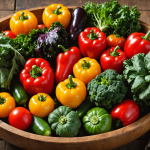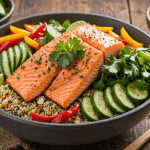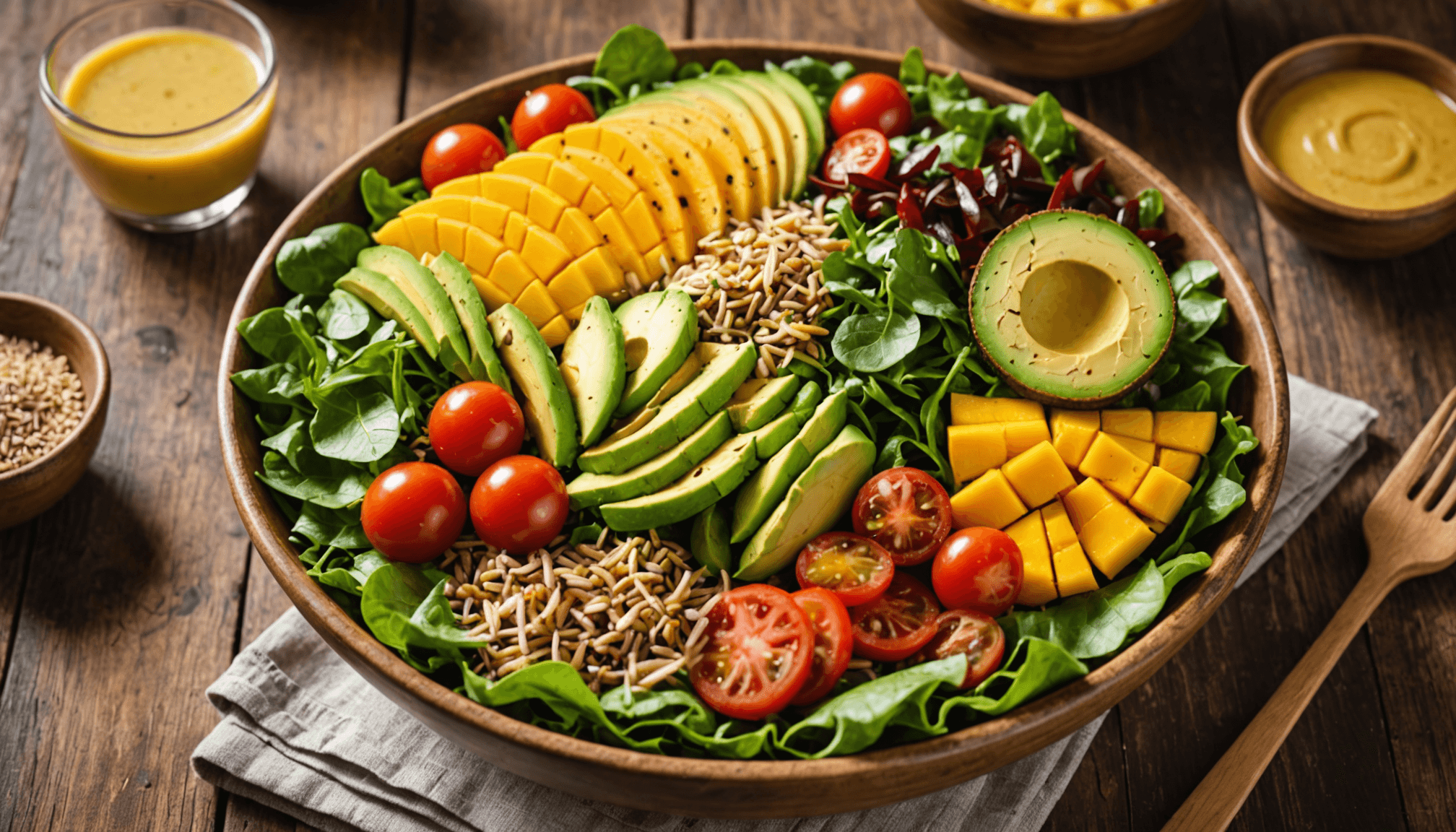
- Benefits of Fresh Organic Ingredients
- Essential Components of a Salad Bowl
- Creative Combinations for Flavorful Salads
- Dressing Up Your Salad: Homemade Recipes
- Tips for Preparing and Serving Salad Bowls
- Nutritional Value of Organic Salad Ingredients
When heading to the grocery store or browsing online, it’s essential to make informed choices, especially if you’re aiming to incorporate more fresh organic ingredients into your meals. For families, fitness enthusiasts, and busy professionals, focusing on clean eating can be both a rewarding experience and a fun adventure in grocery shopping.
One effective strategy is to start by creating a shopping list. This helps you stick to your health goals while avoiding impulse buys. Prioritize organic produce, grains, and proteins that can easily be mixed into your salad bowls. When selecting fruits and vegetables, look for items that are in season; they are often fresher, tastier, and more budget-friendly. Visit local farmers’ markets or join a community-supported agriculture (CSA) program to expand your access to fresh, local produce.
In the aisle for pantry staples, opt for whole grains like quinoa, farro, or brown rice. These not only provide a robust base for your salads but are also high in fiber and nutrients. For protein, consider plant-based options such as chickpeas, lentils, or edamame that complement your organic meals while supporting a vegan lifestyle.
When grocery shopping, remember that buying in bulk can lead to substantial savings. Items like nuts, seeds, and dried fruits can be purchased in larger quantities and stored for longer periods, making them great additions to your salad bowls. Just ensure they’re kept in an airtight container to maintain freshness.
Online grocery shopping has become increasingly popular, but it comes with its own set of considerations. Always check the rating and reviews of the store. Look for grocery services that offer organic options, and read their return policies in case you receive produce that isn’t up to standard. If purchasing perishables, examine delivery times and ensure that your food will arrive fresh. Furthermore, being informed about how your groceries are sourced can enhance your overall shopping experience; consider looking for certifications like USDA Organic or Non-GMO Project Verified.
- Keep an eye out for sales or discounts on organic products.
- Choose vendors that disclose sourcing information about fresh ingredients.
- For pre-packaged products, check ingredient lists for added sugars and preservatives.
- Always wash your fruits and vegetables thoroughly, even if they’re organic, to remove any pesticide residues and bacteria.
Incorporating fresh organic ingredients into your meals not only boosts your health but also supports sustainable farming practices. By making thoughtful grocery shopping decisions, you’re one step closer to crafting delicious, nutritious salad bowls that are ideal for any health-conscious dining experience.
Essential Components of a Salad Bowl
A well-constructed salad bowl is a harmonious blend of various components that together create a nutritious and satisfying meal. To achieve the perfect balance, it is essential to consider not just the individual ingredients but how they work together in terms of flavor, texture, and nutritional value.
The foundation of any salad bowl typically begins with leafy greens, which serve as the bulk of the dish. Popular choices include spinach, kale, arugula, and romaine, each offering its unique texture and taste. Leafy greens are not only low in calories but also packed with vitamins A, C, and K, along with antioxidants that promote overall health.
Next, adding crunchy vegetables brings both texture and flavor. Carrots, bell peppers, cucumbers, and radishes not only enhance the visual appeal but also introduce essential nutrients. For instance, carrots are rich in beta-carotene, while bell peppers provide a hefty dose of vitamin C.
Incorporating protein is crucial for a well-rounded meal, particularly if you’re aiming for clean eating. Options such as grilled chicken, tofu, chickpeas, or quinoa help to elevate the dish by making it more satiating. Consider a variety of preparations for added flavor—roasting or grilling can enhance the natural taste of these ingredients.
Fats play a significant role in any salad bowl as well, providing necessary lipids that aid in the absorption of fat-soluble vitamins. Ingredients like avocados, olives, nuts, and seeds are excellent choices that not only add richness but also contribute beneficial fatty acids. For example, avocados are known for their heart-healthy monounsaturated fats, which can improve cholesterol levels.
To add depth of flavor, incorporating herbs and spices is essential. Fresh herbs like parsley, basil, or cilantro can enliven your salad bowl with a burst of freshness that complements the other ingredients. Dried herbs or spices, such as oregano or cumin, can also provide additional layers of flavor complexity.
Lastly, don’t underestimate the importance of a good dressing. While commercial dressings can often be loaded with sugars and preservatives, making a homemade version allows you to control all the ingredients. A simple vinaigrette made from olive oil, vinegar, mustard, and honey can perfectly tie all components of your salad bowl together.
The following table summarizes the essential components of an ideal salad bowl, showcasing the various options:
| Component | Examples | Nutritional Benefits |
|---|---|---|
| Leafy Greens | Spinach, Kale, Romaine | Rich in vitamins A, C, K; low in calories |
| Crunchy Vegetables | Carrots, Bell Peppers, Cucumbers | High in vitamins and minerals; adds texture |
| Protein | Grilled Chicken, Tofu, Quinoa | Satiates hunger; provides essential amino acids |
| Healthy Fats | Avocado, Nuts, Olive Oil | Support heart health; enhance nutrient absorption |
| Herbs and Spices | Parsley, Basil, Cumin | Add flavor; may have anti-inflammatory properties |
| Dressing | Homemade Vinaigrette, Yogurt Dressing | Enhances flavor; can be tailored to health needs |
By thoughtfully selecting each component, salad bowls can be customized to fit personal preferences, dietary restrictions, and nutritional goals, making them an ideal option for anyone adopting a clean eating lifestyle.
Creative Combinations for Flavorful Salads
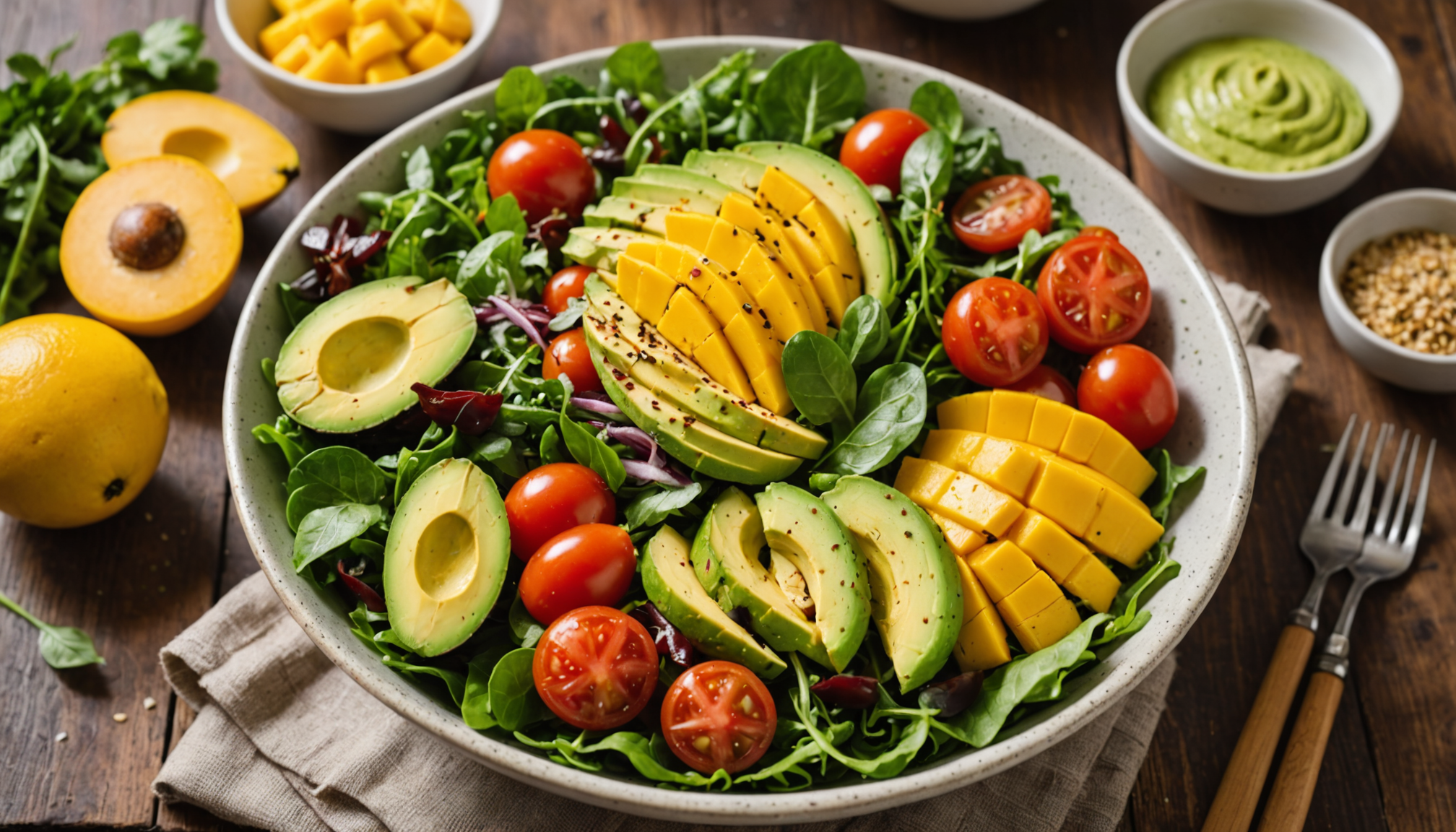
When it comes to creating flavorful salad bowls, the exploration of diverse combinations can turn a simple dish into a culinary delight. Consider this your invitation to get creative with your ingredients while adhering to the principles of clean eating.
First, don’t shy away from experimenting with global flavors. Use ingredients that reflect different cuisines. For an Asian-inspired bowl, combine mixed greens with shredded cabbage, edamame, mandarin slices, and a sesame ginger dressing. Alternatively, for a Mediterranean twist, consider using arugula, cherry tomatoes, cucumber, olives, and a lemon-oregano vinaigrette. These combinations not only elevate the taste but also offer a variety of health benefits by incorporating different nutrient profiles.
Seasonality plays an essential role in enhancing the freshness and flavor of your salad bowls. Summer provides an abundance of heirloom tomatoes, peaches, and sweet corn, while winter produces hearty root vegetables like beets and sweet potatoes. Build your salads around these seasonal offerings for maximum flavor and nutrition.
Incorporating a mix of textures is vital as well. Combine crunchy elements like toasted nuts or seeds with creamy avocado or hummus for a delightful contrast. Think about adding some roasted chickpeas for extra crunch and protein. Not only does this add interest, but it ensures that your salads are satisfying and filling.
To mix up flavors, consider adding unexpected ingredients. Grated beetroot can lend an earthy sweetness, while pickled vegetables or jalapeños offer a zesty kick. Similarly, throwing in fruits like mango or strawberries adds a sweet and tangy profile that will surprise your palate. Don’t hesitate to add herbs like mint or cilantro for a fresh burst of flavor and an aromatic touch.
- Think Color: A visually appealing salad bowl is often the most appetizing. Aim for a spectrum of colors by incorporating a wide variety of vegetables and fruits. This not only makes your salad visually stunning but also ensures a diverse range of nutrients.
- Look for Edge: Play with bold dressings or marinades. Even simple olive oil and vinegar can become exciting with the addition of spices like smoked paprika or a splash of citrus juice. Test different combos until you find your perfect dressing.
- Do Your Research: When shopping online for your salad ingredients, always check for organic labels. Look for stores that provide detailed information about sourcing and sustainability practices. Your support for local farmers and sustainable practices can help ensure the best flavors and nutrients in your meals.
Lastly, enhancing the nutritional value of your salad bowls can be completed with proper storage techniques. If you buy greens in bulk, keep them fresh by placing a paper towel in the bag to absorb moisture—this will help prolong their crispness.
Combining fresh organic ingredients with a variety of textures and flavors will not only make your meals more enjoyable but will also support your health and wellness journey. By being mindful during your grocery shopping—whether online or at local markets—you can create salad bowls that are as delightful to eat as they are nutritious to your body.
Dressing Up Your Salad: Homemade Recipes
A good dressing can transform your salad bowls, bringing together the diverse flavors and textures into one delicious experience. Homemade dressings allow you to control the ingredients, ensuring they align with your clean eating goals, while also catering to your personal taste preferences.
One of the simplest and most versatile dressings to prepare is a basic vinaigrette. Start with three parts oil to one part vinegar as a foundation. You can use extra virgin olive oil for a rich flavor or opt for lighter oils such as avocado oil. When choosing vinegar, balsamic, red wine, or apple cider vinegar all work well. To elevate your vinaigrette, consider adding a teaspoon of Dijon mustard, which provides an excellent flavor boost and works as an emulsifier, helping the oil and vinegar to blend. Finish with a touch of sweetness using honey or maple syrup, and add salt and pepper to taste.
For a creamier dressing, homemade yogurt-based dressings are a fantastic choice. Combine Greek yogurt with fresh herbs, garlic, a squeeze of lemon, and a sprinkle of salt. This not only creates a luscious texture but also packs a protein punch, enhancing the nutritional value of your salad bowls.
Another flavorful option is tahini-based dressing. Blend tahini with lemon juice, garlic, water for desired consistency, and a pinch of salt for a nutty, creamy dressing that pairs beautifully with grain salads.
If you’re in the mood for something with a bit of kick, spicy dressings are worth exploring. Start with a base of olive oil and vinegar, and add sriracha or chili flakes for a fiery twist. This can be particularly delightful over salads that feature grilled vegetables or roasted chickpeas, as the heat complements their earthy flavors nicely.
For a unique flavor profile, consider making a peanut dressing. Whisk together peanut butter, soy sauce, a dash of rice vinegar, and a bit of honey. This dressing is excellent on salads with Asian influences, introducing an unforgettable depth to your meal.
Finally, don’t forget the power of herbs and spices. A sprinkle of fresh thyme, basil, or dill in your dressings can make a world of difference, bringing that fresh, organic quality straight from your garden or local market to your plate.
“Let food be thy medicine and medicine be thy food.” – Hippocrates
By crafting homemade dressings, you enhance your salad bowls not just in taste, but also in nutritional value, providing the perfect complement to your choice of fresh organic ingredients. Exploring different recipes can transform each salad into a new eating experience, keeping your meals exciting and aligned with your clean eating lifestyle.
Tips for Preparing and Serving Salad Bowls
 To elevate your salad bowl experience, consider a few essential preparation and serving tips that will enhance both the taste and presentation while staying true to the principles of clean eating. Begin by washing all fresh ingredients thoroughly. Even organic produce can harbor residual dirt or bacteria, so rinsing under cold water ensures everything is clean and safe to consume. For leafy greens, consider using a salad spinner to eliminate excess water, preventing a soggy base for your salad.
When it comes to assembly, think about layering your ingredients for a more appealing presentation. Start with a base of greens, then artfully add your crunchy vegetables, followed by protein sources, and finally, top with seeds or nuts. This not only creates visual interest but also allows for even distribution of flavors throughout the salad bowl.
Serving temperature plays a crucial role in the enjoyment of your meal. Ensure that ingredients, particularly proteins and dressings, are served at optimal temperatures; proteins may be best enjoyed slightly warm, while salads are typically served chilled.
Consider garnishing your finished salad bowls with fresh herbs or a sprinkle of freshly cracked pepper to tantalize the taste buds further. Such finishing touches can provide layers of flavor that transform a healthy meal into a gourmet experience.
Presentation is key, especially if you’re serving guests. A colorful bowl filled with a variety of textures is not only visually appealing but can also encourage others to enjoy healthy eating. Use wide, shallow bowls to allow all the ingredients to shine and be easily accessible, facilitating a shared dining experience.
Lastly, for meal prep enthusiasts, there are several ways to prepare your salad bowls in advance. Wash and chop your ingredients and store them in airtight containers in the refrigerator. Keep delicate greens in a separate container to prevent wilting, and pack any dressing on the side to maintain freshness until you’re ready to eat. Many prepared ingredients can last 3-5 days, making it easy to grab a quick, healthy meal when time is tight.
Incorporating these tips allows you to make the most out of fresh organic salad bowls—making each meal not just a chance to eat but an opportunity to savor and appreciate the wholesome benefits of clean eating.
- What are the benefits of using organic ingredients in salads?
- Organic ingredients often have higher nutrient levels than conventionally grown produce. They are also grown without harmful pesticides and chemicals, making them a healthier choice for you and the environment.
- Can I prepare salad bowls in advance?
- Yes, you can prepare salad bowls in advance. Wash and chop your ingredients, and store them in airtight containers. Keep the dressing separate to maintain freshness.
- What should I look for when shopping for organic salad ingredients?
- Look for produce that is in season, as it tends to be fresher and tastier. Check for certifications like USDA Organic and inspect for firmness and color to ensure ripeness.
- Are there vegan options for salad toppings?
- Absolutely! Popular vegan salad toppings include chickpeas, quinoa, nuts, seeds, avocado, and various vegetables. Additionally, you can use nutritional yeast for a cheesy flavor without dairy.
- How can I add flavor to my salad without adding extra calories?
- Incorporate fresh herbs, citrus juices, or spices to enhance flavors without adding extra calories. Try using homemade dressings with vinegar and mustard for a zesty kick.
- What are some creative salad bowl combinations?
- Experiment with various ethnic flavors, such as a Mexican-inspired bowl with black beans, corn, avocado, and a lime dressing or a Mediterranean bowl with cucumbers, olives, and tahini dressing.
- How can I keep my salad greens fresh for longer?
- Store your leafy greens in a dry container with a paper towel to absorb moisture. Avoid washing them until you’re ready to use them, as excess moisture can lead to quicker spoilage.
Nutritional Value of Organic Salad Ingredients
Understanding the nutritional value of organic salad ingredients is essential for anyone aiming to improve their health through clean eating. Fresh organic produce is not only brimming with flavor but also packed with vital nutrients that benefit your body in numerous ways. When you focus on incorporating organic ingredients into your salad bowls, you’re choosing foods that often contain higher levels of vitamins, minerals, and antioxidants compared to their conventionally grown counterparts.
Leafy greens are a powerhouse of nutrition, rich in vitamins A, C, and K. Spinach contains iron and folate, while kale is known for its high levels of antioxidants, which combat oxidative stress and may reduce inflammation (Sources: [Harvard T.H. Chan School of Public Health](https://www.hsph.harvard.edu/nutritionsource/what-should-you-eat/vegetables/)). These components are particularly beneficial for fitness enthusiasts, as they support muscle recovery and overall health.
When exploring vegetables to add to your salad bowls, don’t overlook the colorful varieties. Carrots are an excellent source of beta-carotene, which is converted to vitamin A in the body, promoting eye health and immune function. Bell peppers, especially the red and yellow ones, are loaded with vitamin C—an essential nutrient for boosting your immune system and improving skin health. Furthermore, beets are known for their ability to enhance athletic performance due to their nitrates, which can improve blood flow (Source: [American Journal of Physiology](https://www.physiology.org/doi/full/10.1152/japplphysiol.00738.2009)).
Incorporating plant-based proteins into your salads is also vital for achieving a balanced meal. Foods such as chickpeas, lentils, and black beans are not only sources of protein but also packed with fiber, promoting a healthy digestive system. Quinoa, a complete protein containing all nine essential amino acids, is a fantastic base for any salad bowl—just be sure to rinse it before cooking to remove any bitterness.
Don’t forget the role of healthy fats, which are crucial for the absorption of fat-soluble vitamins like A, D, E, and K. Avocados are particularly nutrient-dense, providing monounsaturated fats that can help lower bad cholesterol levels. You can also add nuts and seeds, such as walnuts and chia seeds, which offer omega-3 fatty acids, essential for brain health and reducing inflammation.
When shopping for organic ingredients, look for veggies that are in season to maximize both flavor and nutritional content. Seasonal produce not only tastes better but tends to be more affordable, making it easier to stick to a budget while maintaining a focus on clean eating. Also, pay attention to the color and firmness of the produce—vibrant colors often indicate higher nutrient levels.
Online grocery shopping has its advantages, but ensure you’re purchasing from reputable sources that prioritize organic produce. Review product descriptions and buyer ratings carefully to guarantee you’re getting the freshest ingredients available. Always opt for stores that offer a satisfaction guarantee or clear return policy, particularly when ordering perishable items.
- Choose Organic: When available, select organic produce to avoid pesticides and chemicals, yielding a cleaner, healthier salad bowl.
- Nutri-Check: Peruse the nutrition labels on packaged items to avoid hidden sugars and preservatives that can detract from your healthy eating goals.
- Wash Thoroughly: Even organic ingredients should be washed before consumption to eliminate possible contaminants and dirt.
- Think Bulk: Purchasing items like grains, nuts, and legumes in bulk can save money while allowing you to stock up on nutritious staples for your salads.
Incorporating a rich variety of organic ingredients into your salad bowls not only enhances your meals’ flavor and presentation but also significantly boosts their nutritional profile. This enables you to enjoy meals that are not only healthy but also creative and satisfying—aligning perfectly with the goals of clean eating lifestyle enthusiasts.
New Customers Offer!
Free Gift for the new customer
$24 Value, When You Subscrib Visit Thrive Market