- Understanding Gluten-Free Diets
- Benefits of Organic Ingredients
- Easy Gluten-Free Dinner Recipes
- Nutritional Considerations for Healthy Meals
- Meal Planning Tips for Busy Families
- Creative Ideas for Leftovers
When embarking on a gluten-free journey, understanding where to shop and what to look for can greatly enhance your experience. Grocery shopping can be a delightful adventure if approached with a savvy mindset. Here’s how to navigate both in-store and online shopping effectively while focusing on healthy, organic ingredients.
Start by making a comprehensive shopping list. This isn’t just helpful for avoiding impulse buys; it also ensures you remember to pick up the essential items for your gluten-free organic recipes. Focus on the perimeter of the store, where you’ll find the freshest fruits, vegetables, and proteins. These whole foods are not only healthy but often gluten-free, providing the foundation for balanced meals that support your fitness goals.
When browsing the aisles, familiarize yourself with gluten-free labels. Look for certified gluten-free products, as this ensures they meet stringent safety standards. Many well-known brands now offer a variety of gluten-free options, from pasta to snacks. Always read ingredient lists and check for hidden gluten sources in sauces and processed foods.
Here are some suggestions to make your shopping more effective:
- Local Foods: Support local farmers by purchasing seasonal produce. Visiting farmers’ markets can yield organic and gluten-free options while reducing your grocery bill and environmental impact.
- Vegan and Organic Foods: Explore the vegan section for healthy options like chickpea pasta or quinoa, both of which are naturally gluten-free. Many organic brands prioritize sustainable farming and are often found in health food aisles.
- Budget Friendly Options: Always consider buying in bulk—grains like rice and gluten-free oats are often cheaper this way. Also, if you have the time, making your own snacks at home from basic ingredients can save money.
For families juggling busy schedules, planning meals ahead allows for efficient grocery shopping. Choose recipes that utilize overlapping ingredients, ensuring nothing goes to waste. This practice not only conserves budget but also keeps shopping trips quick and straightforward.
Online shopping has become integral to modern grocery shopping. Whether you’re using grocery delivery services or curbside pickup, ensure you’re shopping from reputable sites. Look for stores that provide transparent labeling of their products and offer a good return policy in case items are not what you expected. Don’t hesitate to contact customer service if you have questions about gluten-free status or organic sourcing.
Be mindful of safety when purchasing items online. Stick to well-reviewed brands and avoid buying health products that claim miraculous results without scientific backing. Understanding your ingredients is crucial, especially when crafting those healthy meals. Knowing that your gluten-free choices are both safe and nutritious will empower you to create delicious and satisfying dishes for your family.
Benefits of Organic Ingredients
Organic ingredients offer a substantial advantage when it comes to preparing healthy meals, especially for those adhering to a gluten-free lifestyle. The importance of sourcing organic foods extends beyond personal health, influencing environmental sustainability and food quality. Organic farming practices avoid synthetic pesticides and fertilizers, instead opting for natural methods, which significantly minimizes chemical exposure. This is particularly beneficial for individuals sensitive to gluten, as their immune systems may already be compromised.
Consuming organic produce means fewer harmful additives that could provoke allergic reactions or intolerances. For instance, certain pesticides have been linked to digestive issues, which can complicate the dietary needs of those on gluten-free diets. Additionally, organic animal products are raised without the use of antibiotics or growth hormones, ensuring higher quality proteins that are essential for a balanced diet. This is crucial for those seeking nutritious gluten-free recipes that incorporate a variety of proteins, such as chicken, beef, or plant-based options from sustainably sourced farms.
The health benefits of organic foods are well documented. They typically contain higher levels of antioxidants and nutrients than their conventional counterparts. As noted in various studies, organic fruits and vegetables have been shown to provide increased amounts of vitamin C, iron, magnesium, and phosphorous. This nutritional edge can significantly enhance the overall quality of meals. Below is a comparative overview of organic versus non-organic foods:
| Criteria | Organic Foods | Non-Organic Foods |
|---|---|---|
| Use of Pesticides | Free from synthetic pesticides and fertilizers | May contain residues from chemical pesticides |
| Nutritional Value | Higher in antioxidants, vitamins, and minerals | Generally lower in beneficial nutrients |
| Environmental Impact | Sustainable practices, enhancing soil health | May contribute to soil degradation and pollution |
| Animal Welfare | Higher welfare standards, no antibiotics or hormones | Often uses antibiotics and hormones for growth |
Choosing organic not only supports your health but also aligns with ethical and environmental values. Furthermore, organic ingredients lend themselves well to flavorful gluten-free recipes. For example, integrating organic vegetables into stir-fries or salads can enhance the taste and nutritional profile, while organic legumes serve as excellent gluten-free protein sources.
In addition to enhancing meal quality, the use of organic ingredients can improve your culinary experiences. Organic spices and herbs tend to have more robust flavors, allowing for better seasoning of gluten-free dishes. This aspect is especially significant for families striving to serve appealing dinners without gluten, as taste is often a primary concern when transitioning to new dietary practices.
Overall, the inclusion of organic ingredients in your gluten-free cooking not only elevates the nutritional value but also aligns with a wholesome approach to food that nurtures both personal health and planetary well-being. By making conscious choices, families can create meals that are not only gluten-free but also packed with flavor and nutrition.
Easy Gluten-Free Dinner Recipes
When it comes to whipping up delicious gluten-free dinners, the right ingredients can make all the difference. The beauty of gluten-free cooking lies in its versatility and the myriad of ingredients available that can turn simple meals into memorable experiences. Here are some easy, creative ideas to consider while shopping for your gluten-free dinners.
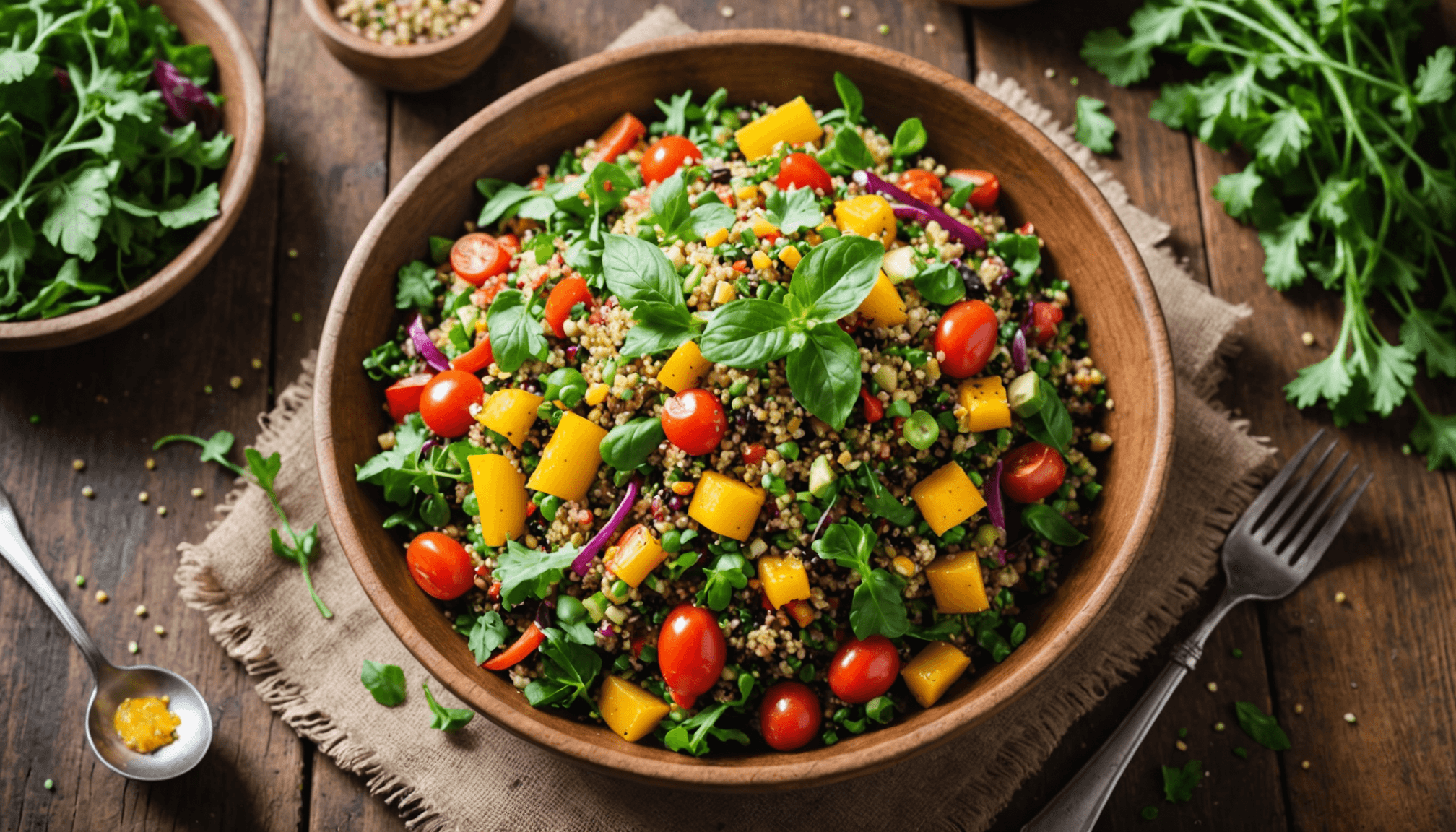
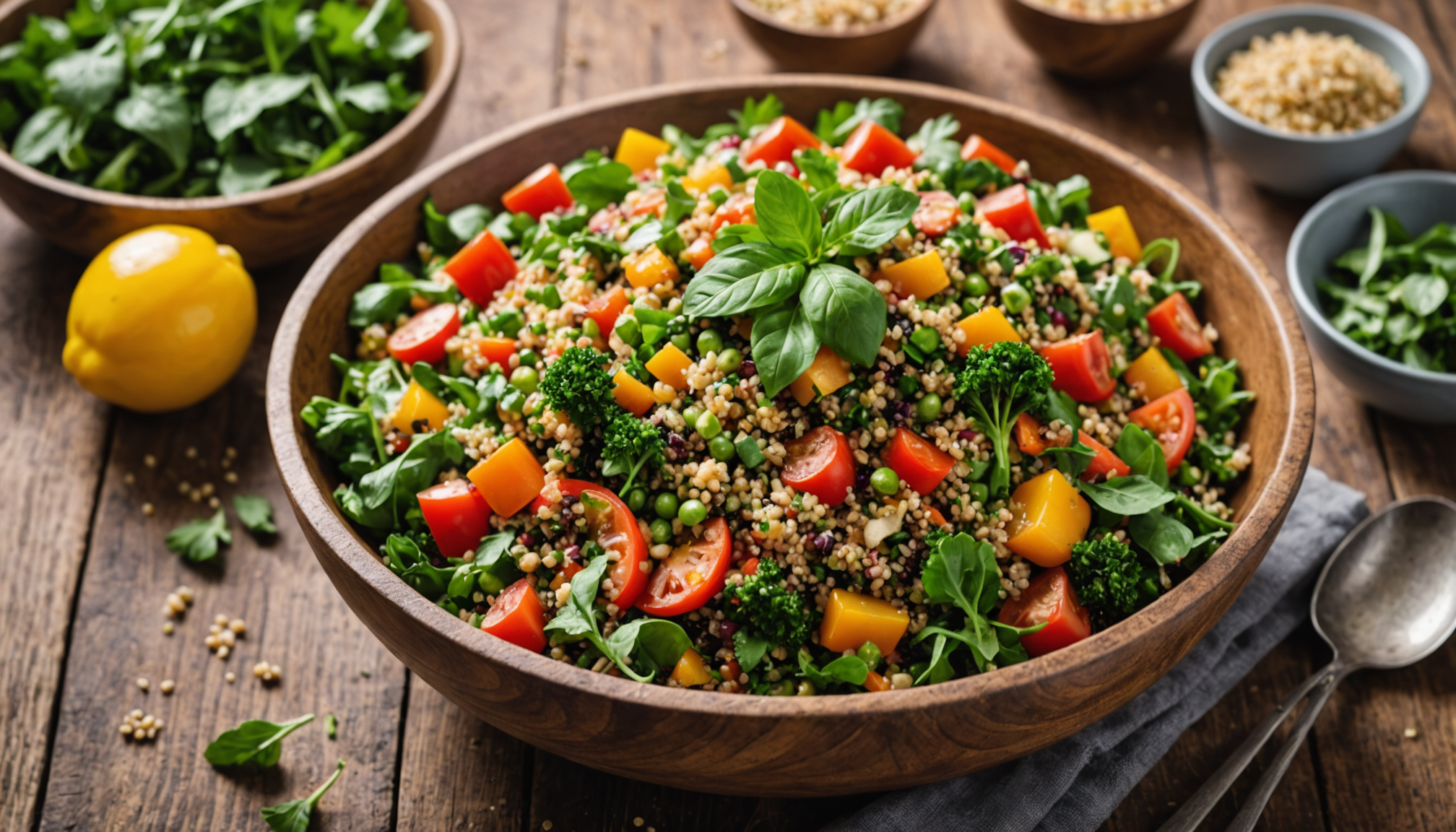
Start with the essentials that form the basis of many gluten-free dishes. Quinoa is not only gluten-free but also packed with protein and fiber, making it an outstanding choice for any healthy meal. Use it as a base for salads or as a side dish. Brown rice and cauliflower rice are excellent alternatives to traditional grains and work beautifully in stir-fries or bowls. Look for these options both in-store and online, as they often come in larger packages, which can be more cost-effective.
When it comes to proteins, explore lean meats, fish, and plant-based sources. Organic chicken and salmon provide omega-3 fatty acids and are omega-rich proteins. For a vegan-friendly option, consider tofu or tempeh, as they absorb flavors well and are incredibly versatile. Keep an eye out for locally sourced meats and tofu at your farmer’s market; they often taste better and can be healthier than mass-produced products.
Don’t shy away from vegetables! Fill your cart with colorful organic produce such as bell peppers, spinach, and zucchini. These veggies are not only gluten-free but also bursting with vitamins and minerals that contribute to healthier meals. Think about creating a mixed vegetable stir-fry or a hearty vegetable soup. Frozen vegetables are a great backup, offering convenience while still retaining nutrients. Look for brands that specify they are free from added sauces or coatings that may contain gluten.
Spices and herbs are crucial for elevating your meals. Opt for organic herbs to maximize flavor and health benefits. Garlic powder, cumin, and oregano can transform a simple dish into a flavorful feast. Always check for gluten-free labels in your spice containers, as some may contain fillers that aren’t gluten-free.
When shopping for snacks or quick meals, explore the wide variety of gluten-free options available. Check out popcorn, rice cakes, and nut butters. Not only are they wholesome, but they make for convenient, on-the-go snacking. Many brands now offer gluten-free granola bars that are both delicious and budget-friendly, making them perfect for busy families. Just remember to read labels carefully to ensure they align with your dietary needs.
For easy online grocery shopping, first, research which local stores offer online delivery or pickup services. Look for those that list gluten-free products clearly, making your shopping experience smoother. Popular grocery chains often have dedicated sections for gluten-free items, which simplifies the search. Also, consider using trusted online platforms that specialize in organic or health foods to expand your options.
Safety is paramount when shopping online. Verify that the brands you choose are reputable and have good reviews. Checking for certifications, such as the National Celiac Association’s gluten-free certification, can provide peace of mind. Always remember to check the expiration dates and return policies in case something doesn’t meet your expectations.
Utilizing these tips for grocery shopping not only simplifies meal preparation but also elevates your cooking experience, allowing you to create tasty and nutritious gluten-free recipes. Whether it’s a weeknight family dinner, a meal prep session for the week ahead, or an impromptu feast, the right ingredients will help you craft dishes that cater to your family’s needs while still being exciting and fulfilling.
Nutritional Considerations for Healthy Meals
A balanced diet that prioritizes both taste and nutrition is essential for maintaining good health, especially when following a gluten-free lifestyle. It is crucial to ensure that meals are rich in essential nutrients while also accommodating dietary restrictions. When cooking gluten-free, it’s important to incorporate a variety of foods from different food groups to provide a broad spectrum of vitamins, minerals, and overall health benefits.
Fruits and vegetables should be the cornerstone of every meal. These foods are naturally gluten-free and loaded with fiber, antioxidants, and essential vitamins that contribute to overall wellness. Aim for a colorful plate: the more colorful your vegetables and fruits, the more diverse the nutrients they contain. Brightly colored fruits and vegetables, such as blueberries, carrots, and broccoli, contain a variety of phytonutrients that are beneficial for health.
Whole grains are naturally gluten-free options that can provide significant health benefits. Quinoa, brown rice, and gluten-free oats are excellent choices. They offer complex carbohydrates that fuel the body with sustained energy while also being great sources of fiber, which is necessary for digestive health. Incorporating these whole grains into meals can improve satiety, helping to prevent overeating and keeping energy levels steady throughout the day.
In addition to fruits, vegetables, and whole grains, incorporating lean proteins is vital in a gluten-free diet. Organic meats, poultry, and fish can provide high-quality proteins necessary for muscle repair and growth. For plant-based diets, sources like lentils, chickpeas, and beans contribute to the protein intake while also providing fiber and essential nutrients. Including a variety of protein sources also helps to ensure that the meals are not only filling but also flavorful.
Healthy fats are another critical component of gluten-free meals. Sources like avocados, olive oil, nuts, and seeds not only enhance the flavor of dishes but also contribute to heart health. These fats are essential for nutrient absorption and can help keep you feeling satisfied. When preparing gluten-free meals, consider drizzling salads with olive oil or adding a handful of nuts to yogurt or oatmeal for added texture and flavor.
Hydration plays a vital role in overall health as well. While planning gluten-free meals, it is wise to remember the importance of drinking water and adjusting fluid intake, especially if consuming higher protein or fiber-based foods. Herbal teas can also be a great way to stay hydrated while complementing the flavors of your meals.
“Let food be thy medicine and medicine be thy food.” – Hippocrates
Creating gluten-free meals that are nutritious and well-balanced is an attainable goal. By focusing on incorporating a variety of food groups, you can easily meet dietary needs while enjoying satisfying and delicious meals. Awareness of your nutrient sources will empower you to declare what’s on your plate, ultimately leading to healthier lifestyle choices for you and your family.
Meal Planning Tips for Busy Families
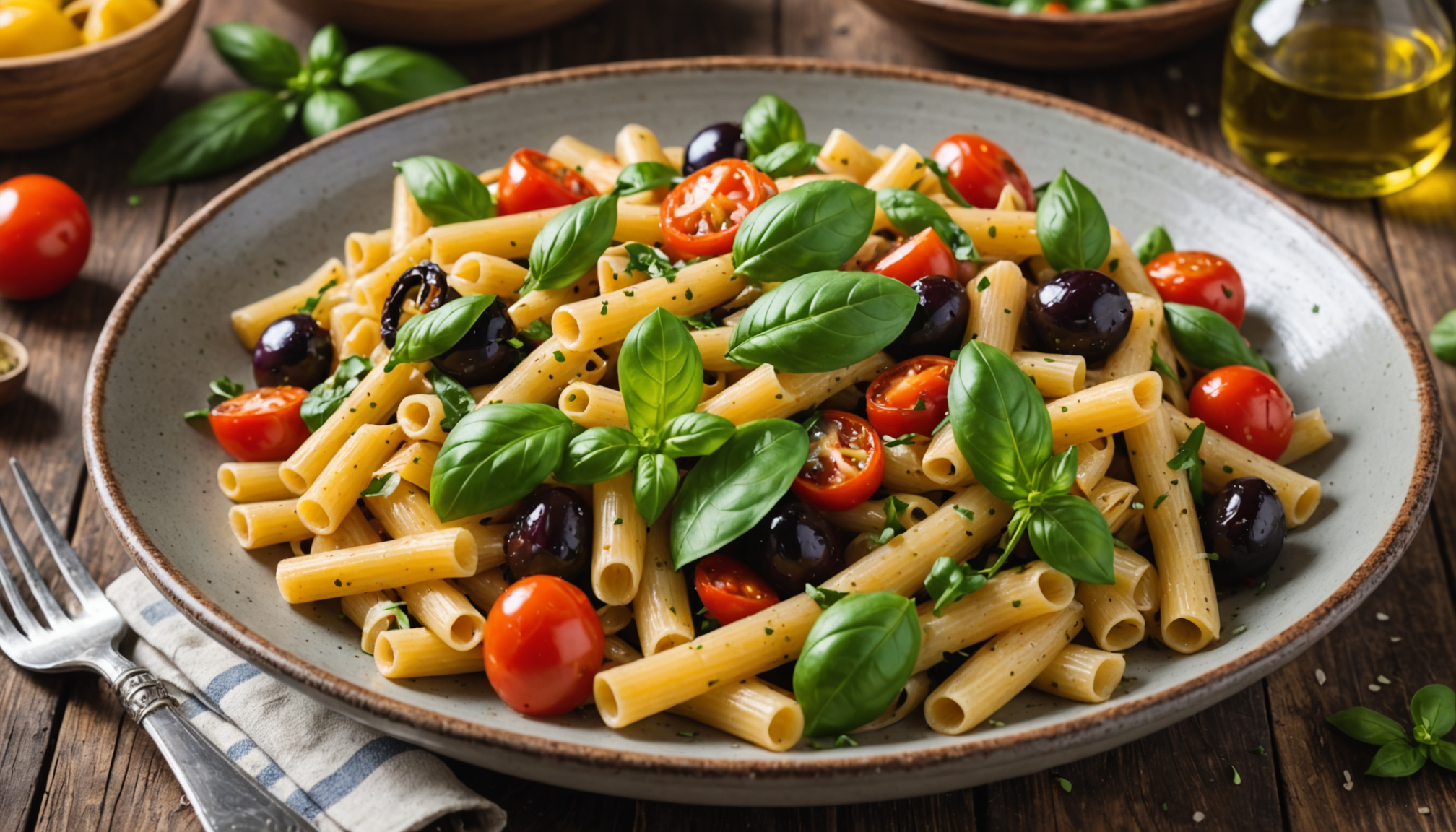
Planning meals in advance becomes a game changer for busy families striving to maintain a healthy, gluten-free lifestyle. By earmarking specific days for grocery shopping, meal preparation, and cooking, you can significantly reduce stress and ensure you have everything you need on hand. Start by dedicating a portion of your weekend to map out your week’s meals, selecting a handful of gluten-free recipes that not only require overlapping ingredients but also align with your taste preferences. This strategic approach minimizes waste and creates synergy in your shopping, making the process more economical and enjoyable.
Consider utilizing a weekly meal planner, whether digital or physical. This tool allows you to visualize and organize your meals, ensuring that you have balanced options throughout the week. When jotting down your meal plan, aim for a variety of proteins, vegetables, and grains that can easily switch roles within different dishes. For instance, roasted chicken can star in tacos one night and feature in a hearty salad the next. Find joy in the challenge of repurposing leftovers thoughtfully—it’s a fantastic way to reduce waste while keeping meals exciting.
Incorporating flexible meal prep techniques is essential to accommodate last-minute changes or unexpected schedule shifts. Invest in clear, labeled containers for prepped ingredients or complete ready-to-eat meals. When you chop vegetables or marinate proteins in advance, you’re setting yourself up for quick, hassle-free cooking during the week. Additionally, consider batch cooking gluten-free grains like quinoa or brown rice that can be stored in the refrigerator and served throughout the week in various dishes, making it easier to whip up fulfilling meals on busy nights.
Don’t forget about the importance of simplicity in your meal planning. Strive for recipes with fewer than ten ingredients that require minimal cooking time while still delivering maximum flavor and satisfaction. Be adventurous with seasonal produce that’s both gluten-free and organic, which adds color and nutrition to your meals without complicating the process. By easing the culinary load, you can focus on spending quality time with family around the dinner table rather than getting bogged down in an elaborate cooking routine.
Lastly, consider creating a “theme night” to add excitement to your family dinners. This could be as simple as Taco Tuesday featuring gluten-free tortillas and fresh, organic toppings, or a comforting Pasta Night using gluten-free pasta paired with homemade sauce. Engaging kids in these themes can spark interest in meal preparation while fostering a healthy relationship with food. As you plan your dinners, keep the conversation flowing; involve your family in discussions about favorite dishes or new cuisines to explore. This not only makes meals something to look forward to but also nurtures a family culture that values healthful eating practices.
- What is a gluten-free diet?
- A gluten-free diet is a nutritional approach that eliminates gluten, a protein found in wheat, barley, and rye. Many individuals follow this diet due to celiac disease, gluten sensitivity, or personal preference to avoid gluten.
- Are organic foods gluten-free?
- Organic foods can be gluten-free, but not all organic products are automatically gluten-free. It is essential to check labels to ensure they do not contain gluten-containing grains or additives.
- How do I know if a product is gluten-free?
- Look for products labeled “gluten-free,” which indicates they meet FDA standards. Always check the ingredient list for allergens and potential gluten sources to be sure.
- What are the main sources of gluten?
- The primary sources of gluten are wheat, barley, and rye, found in many bread, pasta, baked goods, and some processed foods. Foods like oats can also be contaminated with gluten unless labeled gluten-free.
- Can I still eat pasta on a gluten-free diet?
- Yes! There are many gluten-free pasta alternatives made from corn, rice, quinoa, and legumes available in stores. These options provide the same texture and versatility as traditional pasta.
- How do I ensure my gluten-free meals are nutritious?
- Focus on incorporating a variety of fruits, vegetables, whole grains, lean proteins, and healthy fats into your meals. This balance will help ensure you receive all essential nutrients while adhering to a gluten-free diet.
- What are good gluten-free snacks for kids?
- Great gluten-free snacks for kids include fresh fruit, yogurt, rice cakes, popcorn, and gluten-free granola bars. Always check labels, as some packaged foods may still contain gluten.
Creative Ideas for Leftovers
Leftovers are an often-overlooked treasure when it comes to meal planning, especially in a gluten-free kitchen. Embracing creativity with what you have on hand can transform yesterday’s dinner into a delightful new meal. Start by thinking outside the box; a little imagination can go a long way in turning your old recipes into exciting new ones.
For instance, if you had a grilled chicken dish with roasted vegetables, consider repurposing those leftovers into a savory gluten-free salad the next day. Chop up the chicken and mix it with fresh greens, cherry tomatoes, and a splash of vinaigrette. Add some sliced avocado and a handful of nuts for added healthy fats. This approach not only saves time but also ensures that your meals remain varied and nutritious. Enhance flavor by incorporating leftover sauces or dressings that complement the meal—think balsamic glaze or pesto.
If you find yourself with extra cooked quinoa or rice, these can serve as a fantastic base for gluten-free grain bowls. Layer your choice of leftover proteins, fresh vegetables, and a zingy sauce to bring the dish back to life. Experimenting with spices or herbs can help rejuvenate the flavors, making your creation feel new and thrilling. For example, drizzle some tahini and sprinkle za’atar for a Middle Eastern twist or incorporate some taco seasoning for a Mexican-inspired bowl featuring black beans and corn.
Making soups is another stellar way to use up leftovers. Simply toss in whatever vegetables and proteins you have leftover into a pot with vegetable or chicken broth, and you’ll have a warm, comforting meal that is easy to prepare. If you have leftover roasted vegetables, they can easily be blended into a creamy soup. Just add some gluten-free cream or coconut milk and season to taste for a deliciously warming option.
Don’t forget breakfast! Repurposing your dinner leftovers into a hearty morning meal can kickstart your day. Leftover quinoa can transform into a breakfast bowl topped with almond milk, nuts, and fresh fruit for a filling, nutritious start. Alternatively, integrate leftover stir-fried veggies into an egg scramble for a protein-packed breakfast that is both quick and satisfying.
When it comes to snacks, leftovers can be a boon. Cold slices of grilled chicken can easily become a satisfying protein snack, especially when paired with gluten-free crackers or veggie sticks. If you have extra vegetables from a previous meal, consider mixing them into a gluten-free dip like hummus or tzatziki for a refreshing snack option.
For those who love to batch cook, consider setting aside specific portions of your meals for future days. Freeze leftovers in individual servings for quick lunches or dinners later in the week. This strategy not only minimizes waste but also saves you time on busy nights. Just remember to label your containers with the contents and date, to keep track of what you have on hand.
Be conscientious about food safety. Always refrigerate leftovers within two hours of cooking and consume them within three to four days. When storing, make sure meals are sealed tightly to prevent spoilage. For long-term storage, freezing is your best friend, ensuring you have delicious gluten-free healthy meals at your fingertips whenever you need them.
New Customers Offer!
Free Gift for the new customer
$24 Value, When You Subscrib Visit Thrive Market