- Healthy Organic Ingredients for Comfort Food
- Nourishing Dinner Recipes
- Satisfying Vegan Options
- Wholesome Meat-Based Meals
- Easy One-Pot Dinners
- Tips for Meal Preparation and Storage
When it comes to creating healthy comfort food, the ingredients you choose play a pivotal role in both flavor and nutrition. Whether you’re shopping online or navigating the aisles of your local grocery store, having a strategy can make all the difference in curating your meals. Here are some tips to ensure that your shopping experience is as fruitful as your dinner table!
Prioritize Organic Choices: Start by looking for organic ingredients, especially when it comes to produce. Organic fruits and vegetables are free from synthetic pesticides and fertilizers, making them a healthier option for your family. For example, opting for organic tomatoes and avocados can add a rich, natural flavor to your dishes.
Buy Seasonal and Local: Purchasing seasonal produce not only supports local farmers but often comes at a lower price due to higher availability. Visit local farmers’ markets to find vibrant greens, root vegetables, and seasonal fruits. Not only do they taste better, but they are also packed with nutrients! Consider adding fresh, local squash or pumpkins to your comfort food recipes for an earthy sweetness.
Explore Vegan Options: If you’re incorporating vegan ingredients, look for plant-based protein sources such as lentils, chickpeas, and quinoa. These foods offer heartiness and flavor, ideal for traditional comfort food transformations like vegan shepherd’s pie or curry dishes. Brands like Tofurky or Beyond Meat provide great alternatives for sausage and burger recipes without compromising taste. Make sure to check for labels that indicate these products are made from whole foods and are minimally processed.
Budget-Friendly Choices: Eating healthy doesn’t have to break the bank! Consider buying in bulk for items like grains and legumes, which can save money while keeping you stocked for multiple meals. Rice, oats, and dried beans are affordable staples that can work wonders in your meal prep. Don’t forget about frozen fruits and vegetables, which are often just as nutritious as fresh and can be budget-friendly alternatives, especially out of season.
Ingredient Safety: When shopping for quality, always check the labels. Look for products that have minimal ingredients and steer clear of those with long lists filled with additives and preservatives. For online shoppers, make sure to purchase from reputable sources. Check for reviews and verify that the site uses secure payment methods to protect your financial information. Additionally, be cautious when ordering perishables; don’t hesitate to ask about shipping methods to ensure that your items stay fresh during transit.
Incorporating these shopping tips can help you fill your cart with nutritious ingredients perfect for crafting wholesome, healthy organic comfort food. The right selections can lead to vibrant, satisfying meals that your whole family will love, all while supporting your health and budget.
Nourishing Dinner Recipes
The heart of any nourishing dinner lies in the recipes that bring ingredients to life through comforting and satisfying meals. To provide a variety of options that emphasize wholesome, organic ingredients while also catering to different tastes and dietary needs, here are several delicious recipes designed to elevate your dinner experience. These recipes are not only easy to prepare but also center around healthy eating, making them perfect for busy weeknights.
Creamy Organic Mushroom Risotto
This classic comfort food dish is reinvented with organic ingredients. Arborio rice is cooked slowly in a rich vegetable broth, allowing it to absorb all the flavors. Fresh organic mushrooms, such as cremini or shiitake, are sautéed with garlic and shallots, adding depth to the creamy risotto. Finish with a touch of nutritional yeast for a cheesy taste without dairy.
Ingredients:
– 1 cup Arborio rice
– 4 cups organic vegetable broth
– 1 cup diced organic mushrooms
– 1 small organic shallot, finely chopped
– 2 cloves organic garlic, minced
– 2 tablespoons olive oil
– Salt and pepper to taste
Instructions:
1. In a pot, heat the vegetable broth and keep it warm.
2. In a separate pan, heat olive oil and sauté shallots and garlic until fragrant.
3. Add the mushrooms and cook until soft.
4. Stir in the Arborio rice, toasting lightly for a minute.
5. Gradually add warm broth, one ladle at a time, stirring continuously until absorbed.
6. Season with salt, pepper, and nutritional yeast before serving.
Chickpea and Spinach Stew
Packed with plant-based protein and vibrant greens, this dish is a hearty and nutrient-rich option. Organic chickpeas mingle with fresh spinach, tomatoes, and spices, creating a comforting meal that is full of flavor.
Ingredients:
– 1 can organic chickpeas, drained and rinsed
– 2 cups organic spinach, washed and chopped
– 1 can organic diced tomatoes
– 1 onion, chopped
– 1 teaspoon cumin
– 1 teaspoon paprika
– 2 tablespoons olive oil
– Salt and pepper to taste
Instructions:
1. Heat olive oil in a pot and sauté onion until translucent.
2. Add cumin and paprika, stirring until fragrant.
3. Add tomatoes and chickpeas, simmer for 10 minutes.
4. Stir in spinach and cook until wilted. Season to taste.
Roasted Root Vegetable Medley
This colorful dish celebrates the seasonal bounty of organic root vegetables. Carrots, parsnips, and sweet potatoes are roasted to perfection with olive oil and fresh herbs, enhancing their natural sweetness while providing a comforting side.
Ingredients:
– 2 cups organic carrots, peeled and chopped
– 2 cups organic parsnips, peeled and chopped
– 2 cups organic sweet potatoes, peeled and cubed
– 3 tablespoons olive oil
– Fresh rosemary and thyme
– Salt and pepper to taste
Instructions:
1. Preheat oven to 425°F (220°C).
2. In a bowl, combine chopped vegetables with olive oil, herbs, salt, and pepper.
3. Spread on a baking sheet and roast for 25-30 minutes, or until tender and golden.
To highlight the benefits and nutritional value of these recipes, consider the following comparison table:
| Recipe | Main Ingredients | Health Benefits |
|---|---|---|
| Creamy Organic Mushroom Risotto | Arborio rice, mushrooms, garlic, vegetable broth | Rich in antioxidants and B vitamins |
| Chickpea and Spinach Stew | Chickpeas, spinach, tomatoes, spices | High in protein, fiber, and iron |
| Roasted Root Vegetable Medley | Carrots, parsnips, sweet potatoes, herbs | Good source of vitamins A and C, and dietary fiber |
Each recipe not only brings comfort and nourishment but also encourages healthy eating habits by incorporating organic ingredients that are both flavor-packed and nutrient-dense. As you explore these dinner options, you’ll find that comfort food can seamlessly fit into your health-conscious lifestyle.
Satisfying Vegan Options

When it comes to satisfying your cravings with vegan comfort food, a strategic approach to grocery shopping can work wonders! Whether you’re exploring your local store or scrolling through your favorite online grocery websites, making informed choices not only enhances your meals but also contributes to a healthier lifestyle for you and your family.
Seek Out Plant-Based Protein: Start by focusing on ingredients rich in plant-based protein. Look for organic tofu, tempeh, and a variety of legumes like black beans, lentils, and chickpeas. These ingredients can serve as the protein backbone of many dishes, ensuring that your meals are not only filling but also nutritious. For those looking to elevate their recipes, consider incorporating quinoa, which is a complete protein filled with essential amino acids.
Experiment with Whole Grains: Whole grains are a fantastic addition to vegan comfort food. Foods like brown rice, farro, and bulgur offer substantial health benefits, including higher fiber content that keeps you full longer and promotes digestive health. These grains can be the perfect base for salads, stews, or even stuffed vegetables! Shopping in bulk for these grains can make them both budget-friendly and accessible.
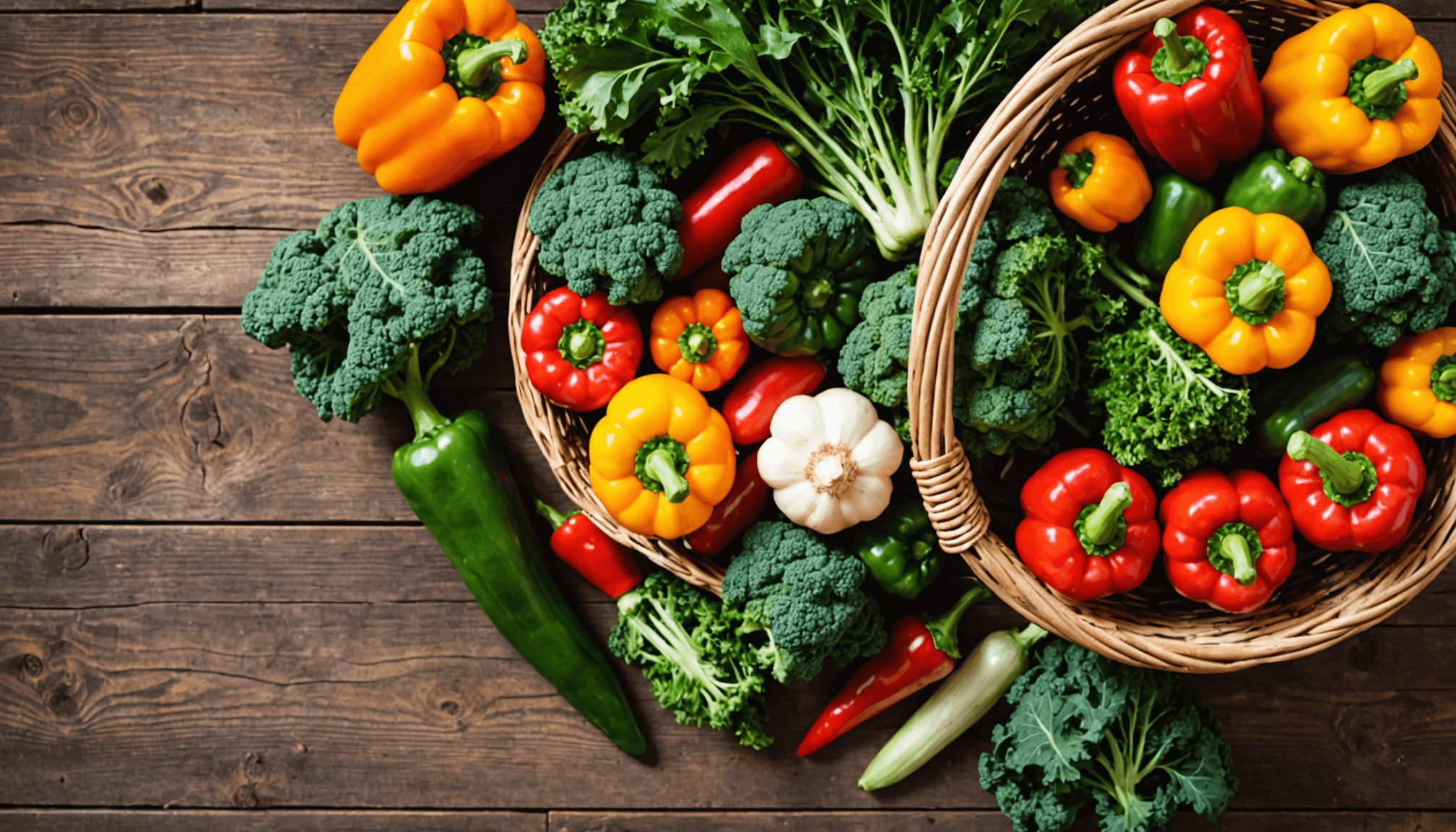
Don’t Forget the Fresh Produce: Fresh, organic vegetables should take center stage in your grocery cart. Look for a rainbow of options—including vibrant bell peppers, dark leafy greens like kale or collards, and hearty root vegetables like carrots and beets. Seasonal produce not only what’s fresh but often what’s available locally, making it an excellent choice for both your health and your community. If you’re short on time, frozen organic vegetables can be an equally nutritious alternative.
Get Creative with Vegan Condiments: Flavor is essential in comfort food, so don’t shy away from condiments! Vegan-friendly options like nutritional yeast, coconut aminos, and a variety of spices and herbs can transform a simple dish into a flavor-packed masterpiece. When shopping for condiments, ensure they are free from artificial additives and opt for those that use natural ingredients.
Make Use of Online Tools: Shopping online can save you time and stress—especially for busy professionals or families. Use apps that allow for lists and meal planning to streamline your process. Websites dedicated to organic products often offer discounts on bulk purchases, helping you save money while maintaining a healthy pantry. When purchasing online, always check the seller’s ratings and product reviews, and ensure their return policies cater to your needs.
Ingredient Awareness: Awareness of what you’re buying goes beyond brand names—focus on ingredient lists for hidden sugars, preservatives, and allergens. For example, many packaged vegan foods, though labeled as healthy, may still contain unwanted additives. Familiarize yourself with common names for these additives, so you can make the best choices for your family’s diet.
Explore Local Markets: Local farmers’ markets can offer a treasure trove of organic, fresh produce and unique products that you might not find in big chains. Take the time to connect with farmers and local producers, often providing the freshest seasonal foods at competitive prices. This not only supports your health but bolsters your community’s economy.
By integrating these shopping tips into your routine, you can create a more enjoyable and effortless experience that enhances your vegan meal preparation. As you fill your cart with these satisfying ingredients, remember that the journey to healthy eating can be just as rewarding as the flavorful comfort food you create at home.
Wholesome Meat-Based Meals
When it comes to wholesome meat-based meals, choosing high-quality, organic ingredients elevates your comfort food experience while keeping the dishes satisfying and nutritious. By selecting organic meats, you’re not only enhancing flavor but also prioritizing your health.
Opt for organic chicken, beef, or pork that is free from antibiotics and hormones, ensuring that you’re serving your family a clean protein source. Ground meats can be particularly versatile; they can be used in various dishes ranging from hearty meatballs to flavorful tacos. When possible, choose cuts that allow for slow cooking, as this method can bring out the rich layers of flavor while keeping the meat tender and juicy.
Incorporating healthy fats into your meals, such as grass-fed butter or organic olive oil, not only adds richness but also provides essential fatty acids. Consider using these healthy fats in combination with organic herbs and spices, which can enhance both the taste and nutritional profile of your dishes. For example, marinating chicken thighs in a blend of olive oil, garlic, rosemary, and lemon juice creates a delicious, herbal-infused main dish that bursts with comfort.
For a comforting and satisfying dinner, try a classic shepherd’s pie made with organic ground lamb or beef. The recipe features a flavorful mixture of sautéed onions, carrots, and peas, topped with creamy mashed potatoes made from organic Yukon gold potatoes. This combination provides a warm and hearty meal that’s perfect for any weeknight.
Another fantastic option is a cozy chicken stew. Start by browning organic chicken pieces in a pot, then sauté garlic and onions before adding carrots, celery, and potatoes. Pour in organic chicken broth, along with thyme and bay leaves for added flavor. Let it simmer until the chicken is tender and the vegetables are cooked through. This stew not only warms the soul but also provides a balanced meal packed with protein and vegetables.
For a satisfying option that combines grains with meat, consider a hearty grain bowl featuring barley or quinoa. Topped with shredded organic chicken, roasted vegetables, and a drizzle of tahini dressing, this dish becomes a vibrant and nourishing meal that’s perfect for family dinners. The grains provide fiber, the chicken offers protein, and the colorful vegetables deliver essential vitamins.
When it comes to meal preparation, planning can be a game changer. Preparing meats in advance can save you time throughout the week; for instance, marinate chicken breasts on the weekend, then grill or bake them for easy use in salads or wraps later on. Store leftovers in airtight containers for a quick reheat option that remains flavorful and safe for eating.
“The secret to happiness is the warmth of a home-cooked meal.” – Unknown
Choosing organic meats and complementary ingredients allows you to create wholesome, comforting meals that everyone will love. Not only do these dishes provide nourishment, but they also foster a sense of togetherness at the dinner table, making every meal an opportunity for connection and comfort.
Easy One-Pot Dinners
 Creating one-pot dinners is a game-changer for busy families looking to enjoy healthy organic comfort food without spending hours in the kitchen. By consolidating all ingredients in a single pot or pan, you not only simplify the cooking process but also reduce cleanup, making weeknight meals less daunting. The beauty of one-pot dishes lies in their versatility—you can tailor them to your taste preferences, dietary needs, and the organic ingredients you have on hand.
Start with a base of whole grains or legumes. For instance, brown rice, quinoa, or farro not only provide substantial nutrition but also absorb the rich flavors of the accompanying ingredients. Pair these grains with a variety of seasonal vegetables. Think about adding organic carrots, bell peppers, and zucchini, which can be sautéed until tender and then combined with your base for a nourishing meal. Using vegetables that are in season ensures the best taste and nutritional value, while also being cost-effective.
Proteins can easily be incorporated into these one-pot meals. Whether you choose organic chicken, beef, tofu, or legumes, these proteins add substance and enhance the overall dish. A classic example is a hearty vegetable and chicken stew. Simply brown the chicken pieces in a large pot, add chopped onion and garlic, then throw in a mélange of diced vegetables and broth. Allow the mixture to simmer until the chicken is cooked through and the flavors meld beautifully. The result is a wholesome, flavorful meal that nourishes the body and warms the soul.
For a plant-based option, consider a chickpea and vegetable curry. Start by sautéing onions, garlic, and ginger before adding organic chickpeas, diced tomatoes, and a mix of your favorite spices. Let it simmer with additional vegetables, such as spinach or kale, providing depth and color. Serve this delicious curry over a bed of fluffy brown rice or quinoa for a complete and satisfying meal.
The key to maximizing flavor in one-pot dinners lies in layering. Begin with aromatics like onions and garlic, which form the bedrock of your dish’s flavor profile. As you build upon this base by adding vegetables and proteins, think about incorporating herbs and spices that complement the ingredients. Fresh herbs like basil, parsley, or cilantro add a finishing touch that can elevate a simple meal to something extraordinary.
Meal prepping one-pot dishes can be incredibly helpful for keeping weekday dinners on track. Prepare larger portions on the weekend and store them in the refrigerator or freezer to enjoy later. Most of these meals taste even better the next day as the flavors continue to develop.
In engaging with one-pot dinners, you’re not only saving yourself precious time but are also exploring a world of culinary creativity, and comfort. The possibilities are endless, and each meal becomes a chance to experiment with new ingredients, flavors, and culinary techniques.
- What are some examples of easy one-pot dinners?
- Easy one-pot dinners include vegetable stews, curries, and grain bowls. Dishes like chicken and rice, or quinoa with roasted vegetables are also great options that combine protein, grains, and veggies in one pot.
- How can I make a one-pot meal healthier?
- To make one-pot meals healthier, incorporate whole grains, fresh organic vegetables, and lean proteins. Use minimal oil and season with herbs and spices instead of heavy sauces to keep the dish light and nutritious.
- Are one-pot meals budget-friendly?
- Yes, one-pot meals can be budget-friendly. Utilizing bulk grains and seasonal vegetables can help lower costs while providing satisfying and wholesome meals.
- Can I prepare one-pot meals ahead of time?
- Absolutely! One-pot meals can be prepared ahead of time and stored in the refrigerator or freezer. Reheating is quick, making them perfect for busy weeknights.
- What are some good proteins to include in one-pot meals?
- Great protein options for one-pot meals include organic chicken, beef, tofu, beans, and lentils. Each of these adds heartiness and nutritional value to your dish.
- How do I ensure my one-pot meal has enough flavor?
- Layering flavors is key. Start with aromatics like garlic and onions, and include a variety of herbs and spices. Experiment with different seasonings to elevate your dish.
- Can one-pot meals fit into a vegan or vegetarian diet?
- Yes! One-pot meals are very adaptable and can easily be made vegan or vegetarian by focusing on plant-based proteins, grains, and a variety of vegetables.
Tips for Meal Preparation and Storage
When it comes to meal preparation and storage, an organized approach can transform your cooking experience and ensure that you and your family enjoy wholesome, healthy meals throughout the week. Here are some practical tips to streamline your process, preserve the quality of your ingredients, and make your comfort food endeavors even more enjoyable.
Plan Ahead: Begin by dedicating time once a week to plan your meals. Create a menu focusing on healthy eating, using organic recipes that incorporate seasonal ingredients. This not only minimizes last-minute decisions but also helps you avoid impulse purchases. Consider jotting down a grocery list to guide your shopping, ensuring you have all the essentials needed for your planned dishes.
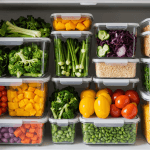
Batch Cooking: To save time and make healthy eating manageable, batch cooking is highly effective. Prepare large quantities of grains, legumes, or even proteins like chicken and turkey at once. Store them in portioned containers in the refrigerator or freezer, making it easy to access ready-to-use ingredients for quick meals. For instance, a batch of quinoa can serve as a base for salads or grain bowls throughout the week.
Proper Storage Techniques: How you store your ingredients is crucial for maintaining their freshness. Invest in high-quality airtight containers to keep grains, nuts, and legumes preserved and organized. Use clear containers to easily identify contents, reducing the time spent searching. For fresh produce, store them in the crisper drawer of your fridge, and consider wrapping herbs in damp paper towels and placing them in a sealed bag to prolong freshness.
Labeling for Ease: A simple yet effective method to keep your kitchen organized is labeling. Mark dates on your stored meals or ingredients, indicating when they were prepared or purchased. This practice helps you prioritize using older items first, reducing waste and ensuring safety. When storing leftovers, be sure to consume them within a few days to guarantee quality and avoid food spoilage.
Utilize Your Freezer Wisely: Freezing is an excellent way to extend the life of meals and ingredients. Consider freezing portions of soups, stews, and sauces for easy reheating on busy nights. When preparing freezable meals, let them cool before placing them in freezer-safe containers or bags, and always label them with the date. This quick method allows you to enjoy comforting meals at a moment’s notice, all while maintaining a focus on health.
Prep Ingredients in Advance: Before diving into a busy week, take a little time to wash, chop, and prepare your vegetables. Having these ready to go can make cooking a breeze and eliminates the temptation to reach for less healthy options. Store prepped ingredients in clear containers in the refrigerator to encourage their use in meals.
Safe Food Handling: Never underestimate the importance of food safety when preparing meals. Always clean surfaces, wash your hands, and utilize separate cutting boards for meats and vegetables to avoid cross-contamination. If you order groceries online, ensure that the delivery service adheres to safe handling practices, especially for perishables. Look for reviews on the quality of their service regarding fresh products.
Incorporate Smart Cooking Equipment: Finally, consider investing in tools that make meal preparation more efficient. Slow cookers, pressure cookers, and food processors can significantly cut down on cooking time and simplify the process of creating healthy, comforting meals. Utilizing such gadgets can open up a range of possibilities for easy, hearty dishes with minimal effort.
By incorporating these tips into your meal preparation and storage routine, you can ensure that you have access to organic recipes and ingredients that promote healthy eating while also satisfying your family’s love for comfort food. Not only will this enhance your culinary experience, but it will also contribute to a healthier lifestyle overall.
New Customers Offer!
Free Gift for the new customer
$24 Value, When You Subscrib Visit Thrive Market