- Healthy Ingredients That Kids Love
- Tips for Making Dinners Fun
- Easy Organic Recipes to Try
- Sneaking in Vegetables
- Creative Presentation Ideas
- Involving Kids in Meal Prep
When embarking on the journey of grocery shopping, especially for family dinners, selecting the right ingredients can make all the difference in creating meals that are both nutritious and appealing to kids. Begin your shopping by exploring the produce section, which is often filled with an array of colorful fruits and vegetables. Choose items like sweet potatoes, carrots, and bell peppers, as their natural sweetness tends to be a hit with children. Fresh fruits such as strawberries, blueberries, and bananas not only provide essential vitamins but can also be transformed into fun snacks or desserts.
Small changes can elevate ordinary meals into kid-friendly experiences. For instance, consider incorporating whole grains into your shopping list. Quinoa, brown rice, and whole wheat pastas are excellent options that are not only healthy but also pair well with a variety of kid-approved sauces and toppings. Don’t overlooks legumes like lentils and chickpeas; they are great sources of protein and fiber, making them perfect additions to salads, soups, or even homemade veggie patties.
Opt for organic ingredients when possible, especially for items like apples, strawberries, and spinach, which are known to have higher pesticide residues. Invest in organic dairy products as well, such as yogurt and cheese, which can serve as delicious toppings or snacks that kids will love. When you shop, don’t forget to check out local farmers’ markets—they often feature seasonal produce that is fresher and more flavorful, plus it supports local agriculture.
For those who are budget-conscious, think about purchasing frozen fruits and vegetables. They are picked at peak ripeness and flash-frozen, retaining their nutrients and flavor while often being more economical than fresh. When selecting frozen items, look for those without added sugars or sauces to keep them healthy.
When shopping online, especially for organic meals, always ensure you are purchasing from reputable retailers. Check reviews and confirm the authenticity of organic certifications. Be cautious of “organic” claims that seem too good to be true. Keep a ferocious eye out for product images and ingredient lists to verify their content. Adding to your cart with a smart approach helps you avoid impulse buys that could break your healthy eating goals.
Lastly, remember that kids often eat with their eyes. Investing in vibrant, wholesome ingredients will not only nourish their bodies but also entice them to enjoy their meals. Embrace the adventure of grocery shopping by staying informed, aware, and engaged in your selections, ensuring that every ingredient you bring home is a stepping stone towards healthier family dinners.
Tips for Making Dinners Fun
Creating an enjoyable mealtime atmosphere is vital for encouraging kids to embrace healthy eating habits. One way to spark excitement around family dinners is by incorporating themes into your meals. For instance, establishing a theme night, like “Taco Tuesday” or “Pizza Night,” gives kids something to look forward to each week. You can rotate through different cultural cuisines, allowing kids to learn about various foods and traditions, while also enjoying their meals. This approach transforms dinner into an engaging event that goes beyond simply eating.
Incorporating interactive elements into dinner can also make it more appealing. Set up a “build-your-own” station such as a salad bar or a taco station where children can customize their dishes with various healthy toppings. You can provide an assortment of organic ingredients like shredded lettuce, diced tomatoes, grilled chicken, and a variety of cheeses, allowing kids the freedom to assemble their own plates. This hands-on involvement not only piques their interest but also helps develop their decision-making skills regarding food choices.
It can also be beneficial to establish a routine around dinner preparation. For example, you can set a specific night for family cooking. During this time, kids can help with age-appropriate tasks such as washing vegetables, mixing ingredients, or setting the table. This involvement fosters a sense of pride and ownership over their meals, making them more likely to enjoy what they’ve had a part in creating. Plus, cooking together as a family also provides valuable bonding time and promotes communication.
Exploring creative ways to serve meals can revitalize mundane dinner routines. Consider using fun shapes or skewering foods on sticks to make them more playful. For example, fruit kabobs made from organic strawberries, bananas, and grapes can serve as a healthy dessert. You can also involve the kids in deciding how to plate the meals, using colorful garnishes, or arranging the food in fun patterns that resemble faces or animals, making it visually pleasing and appealing.
Additionally, utilizing music during dinner can enhance the atmosphere. Create a playlist of your children’s favorite songs or tunes from their favorite movies to play softly in the background. This can contribute to a relaxed ambiance and prompt casual conversations, making dining a fun and enjoyable event.
To highlight how different meal settings can influence enjoyment, here’s a comparison of traditional and interactive dinner formats:
| Aspect | Traditional Dinner | Interactive Dinner |
|---|---|---|
| Engagement Level | Limited, with emphasis on set dishes | High, with options for customization |
| Social Interaction | Minimal discussion around fixed menu | Encourages conversation and teamwork |
| Variety | Repetitive meal options | Wide array of choices leading to diverse tastes |
| Kid-Friendly Factor | Often less appealing to children | Increased enthusiasm about meal time |
Integrating these strategies can play a crucial role in making family dinners not only nutritious and healthy but also a delightful experience that kids genuinely enjoy. By transforming mealtime into a cohesive and interactive affair, you set the stage for fostering lifelong healthy eating habits.
Easy Organic Recipes to Try
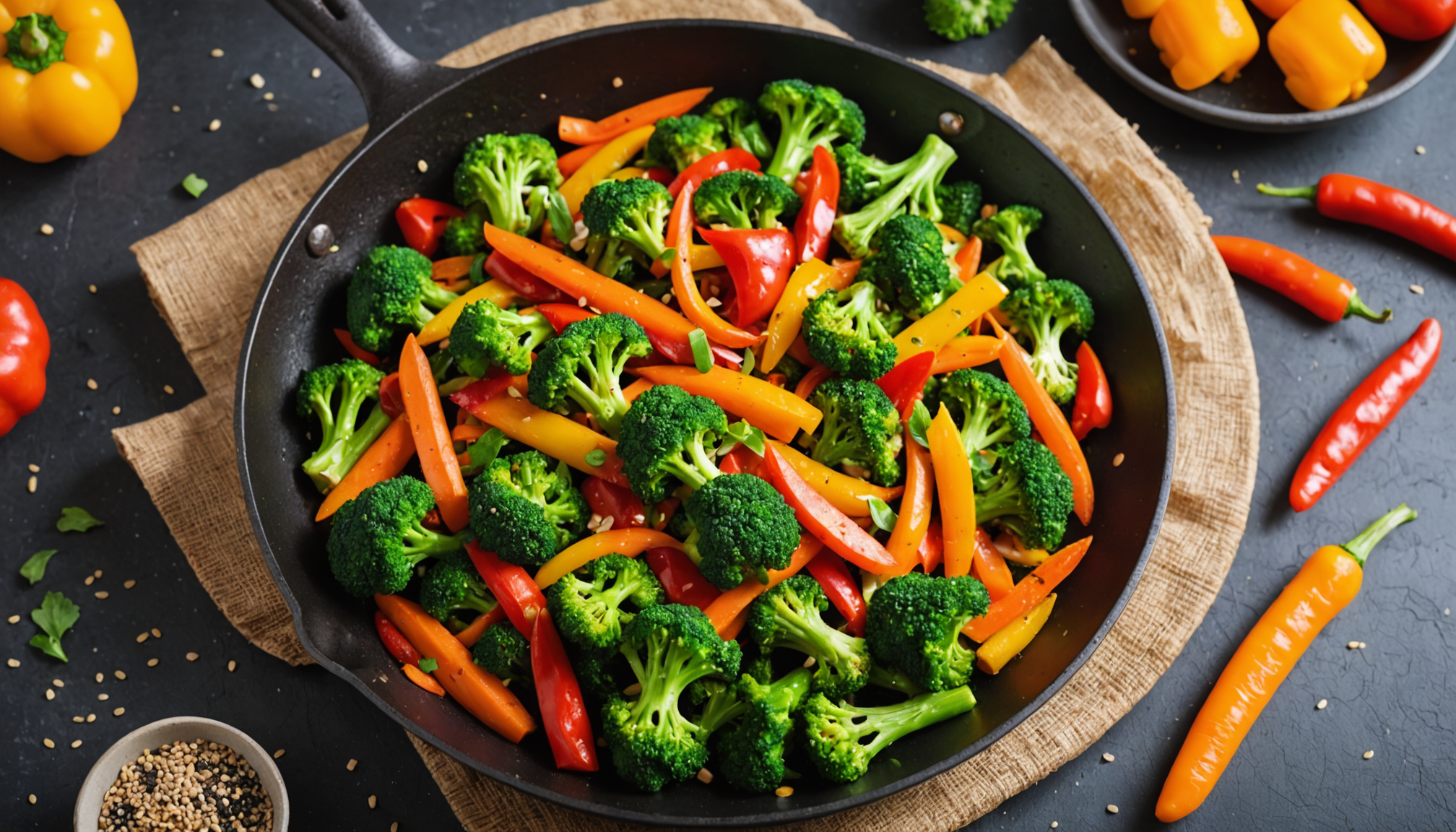
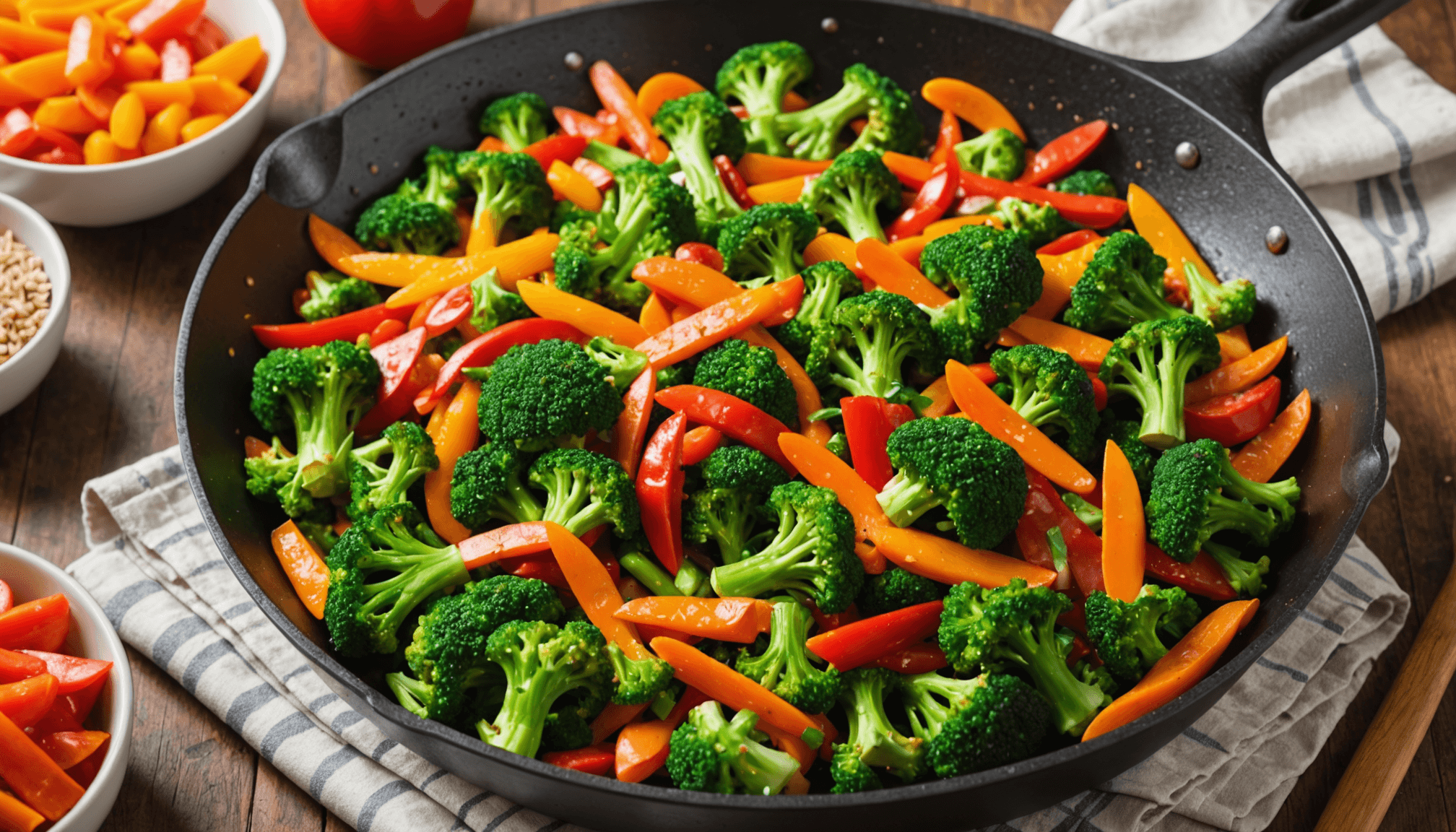
Getting creative with recipes can turn healthy dinner preparations into exciting adventures for both you and your kids. One wonderful way to incorporate healthy, organic meals is to embrace the concept of one-pot dishes. These meals not only streamline cooking but also simplify cleanup, making them ideal for busy families. Think of a nutrient-packed vegetable stir-fry with organic brown rice or quinoa, where you can toss in an array of veggies like broccoli, carrots, and bell peppers. Season it with some low-sodium soy sauce or a splash of coconut aminos for a kid-friendly flavor boost!
Another fantastic recipe to try is vegan tacos. You can create a delicious filling made from black beans, corn, diced tomatoes, and avocado. Serve it in organic corn tortillas and let your children add their favorite toppings, such as shredded lettuce, salsa, or dairy-free cheese. This interactive approach allows kids to take charge of their meals, making them more inclined to enjoy what they’ve created!
Don’t underestimate the power of homemade pizza. Use whole grain pizza dough or a cauliflower crust as a base. Start with a layer of organic tomato sauce, then let your kids pile on various toppings. Opt for organic vegetables like spinach, mushrooms, and diced bell peppers alongside lean proteins such as grilled chicken or turkey sausage. The best part? You can sneak in some nutritional yeast for a cheesy flavor packed with B vitamins, resulting in a healthy pizza that children will adore.
Additionally, soups can be both comforting and nutritious. A hearty lentil soup made with organic vegetables is a great choice. You can blend in some hidden greens like kale or spinach, making it a perfect way to sneak in nutrients. To make it fun, serve it with whole grain bread or a side of whole wheat crackers for dipping.
As you plan these meals, aim to incorporate organic ingredients whenever possible, especially for the “Dirty Dozen”—those fruits and vegetables that are known to retain higher pesticide residues. Opt for organic apples, strawberries, and spinach to ensure healthier options for your kids.
For a truly effortless shopping experience, utilize online grocery shopping platforms that include organic options. Check if they have curated boxes, which often feature seasonal fruits and vegetables. Just be certain to choose a reliable service with clear organic labeling. Reading reviews and understanding return policies can keep your shopping experience safe and satisfactory.
Lastly, consider implementing a weekly meal prep routine. Devote a couple of hours on a Sunday afternoon to prepare make-ahead meals. Chop veggies, marinate proteins, or pre-cook grains; this will help set the stage for quick assembly during your busy weeknights. Plus, involving kids in the preparation can build excitement around the meals they’ll soon enjoy—turning grocery shopping and dinner preparation into a wholesome family affair.
Sneaking in Vegetables
Incorporating vegetables into your kids’ meals can sometimes be a challenge, but there are numerous clever ways to do so without sacrificing flavor or appeal. The goal is to make these nutritious additions invisible or appealing enough that children don’t mind eating them. One effective strategy is to blend vegetables into sauces and smoothies. For example, a tomato sauce can seamlessly incorporate finely grated carrots or zucchini, adding a natural sweetness that even picky eaters will enjoy. Adding pureed spinach to a fruit smoothie not only boosts nutrients but also changes the vibrant color without altering the taste significantly.
Another approach is roasting vegetables, which enhances their natural flavors. Tossing vegetables like broccoli, carrots, or Brussels sprouts with a bit of olive oil and seasoning before roasting can make them crispy and caramelized, creating a taste that many kids love. Pairing them with a kid-friendly dip, such as hummus or a yogurty ranch dressing, can also entice younger ones to give them a try.
“Kids will eat vegetables if they’re given the opportunity to experiment with them.”
Involving your children in the cooking process can be key to getting them excited about eating veggies. Encourage them to pick out vegetables at the store, and allow them to choose how those vegetables will be prepared. Simple tasks, like washing or tearing lettuce for a salad, can foster a sense of ownership over their meals. The more involved they feel, the more likely they are to taste their creations.
Consider creating hidden vegetable recipes—like muffins made with finely grated zucchini or spinach brownies. These treats can be a fun surprise, showcasing the versatility of veggies while still being a delightful treat for kids. If you’re making a hearty stew or casserole, tossing in finely chopped bell peppers, celery, or mushrooms is another way to incorporate these nutritious ingredients quietly.
Additionally, experimenting with vegetable-based pastas can also be a game-changer. Whether you opt for store-bought veggie spirals or make your own from scratch with a spiralizer, using zucchini or sweet potato noodles can add a fun twist to traditional meals while sneaking in extra nutrients.
Sometimes, simply presenting vegetables in a fun way can make all the difference. Creating veggie skewers or arranging them into animal shapes can convert a regular plate into a colorful and adventurous meal. Making salads that allow children to choose their toppings not only provides a sense of independence but also encourages them to try new things.
Getting creative with spices and cooking methods can transform vegetables into stars of the plate. A sprinkle of cinnamon on roasted sweet potatoes or a dash of garlic powder on green beans can elevate them into irresistible bites. With a little imagination, sneaking vegetables into family dinners can be an enjoyable experience for your kids, allowing them to thrive on delicious and wholesome organic meals without even realizing it.
Creative Presentation Ideas
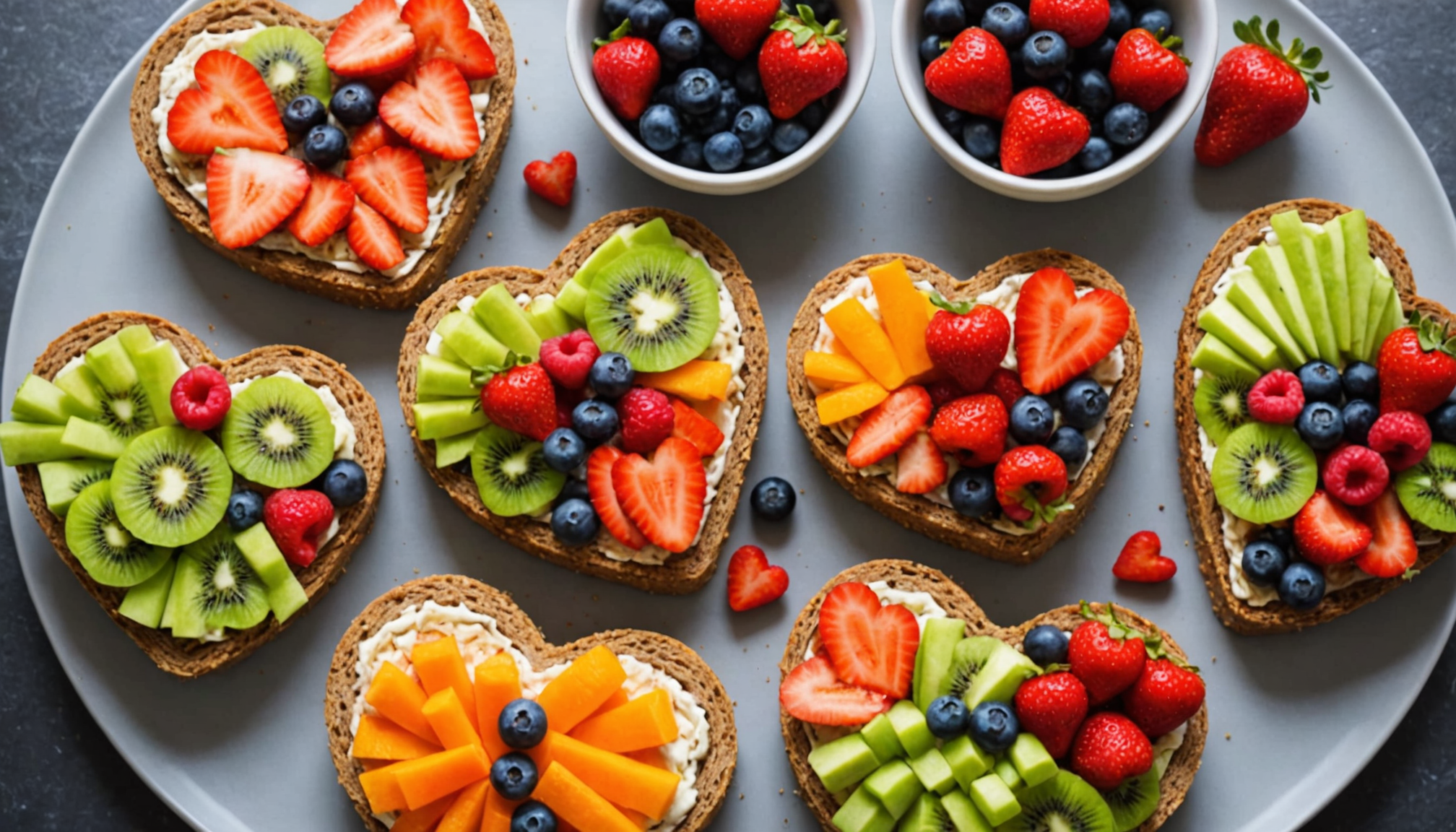 Creating visually appealing meals can significantly enhance the dining experience for children and encourage them to eat healthier. Presentation is key; kids are naturally attracted to colorful and fun arrangements. Consider common items like whole grain pancakes or rice and use toppings to create delightful faces or scenes on the plate. By using fresh berries for eyes or banana slices for mouths, you make their plates a canvas that sparks joy and creativity.
Another way to creatively present meals is by changing the format entirely. Use cookie cutters to transform fruits and vegetables into exciting shapes—think star-shaped watermelon slices or heart-shaped sandwiches made with whole grain bread. Engaging shapes increase the likelihood that kids will try these foods, as they pique curiosity and make the dining experience more playful.
Incorporating themed dinners can further elevate the meal presentation. For instance, a “Mediterranean Night” could involve colorful bowls of hummus surrounded by carrot sticks, cucumber slices, and whole grain pita for dipping. Each component looks vibrant and inviting, making it an enjoyable way to introduce new flavors while keeping the focus on nutritious organic meals.
You might also consider serving meals in creative vessels. Instead of traditional plates, use mason jars for salads or snack-size containers for dips and veggies. Personalizing possibilities with different “stuffed food” ideas, like stuffed bell peppers or zucchini boats filled with quinoa and veggies, can also turn a simple dinner into an exciting adventure for your little ones. This approach promotes not only creativity in consuming food but cultivates a sense of ownership over their meals.
Additionally, eye-catching color combinations can draw kids in! Aim for rainbow-colored meals that incorporate a variety of fruits and vegetables. Create stunning salads layered with colorful ingredients or design pasta dishes using different shapes and colors of vegetables, ensuring nutritional balance while also captivating young diners.
Even the dinnerware one chooses can impact how kids perceive their meals. Fun, themed plates or utensils featuring their favorite characters can make mealtimes more enjoyable, encouraging them to embrace healthy organic dinners. Lastly, don’t underestimate the power of a well-set table with creative decorations that tie into the meal theme. This encourages a positive attitude toward family dinners, making it a cherished part of their daily routine.
- What are some kid-friendly organic ingredients to include in meals?
- Focus on colorful fruits and vegetables like berries, sweet potatoes, and bell peppers, which are naturally sweet and appealing to kids. Additionally, whole grains and legumes like quinoa and chickpeas can be tasty and nutritious inclusions.
- How can I make vegetables more appealing to my kids?
- Try roasting vegetables for enhanced flavor or blending them into sauces and smoothies for a sneakier approach. Presenting them in fun shapes or alongside tasty dips can also encourage kids to give them a try.
- What are some creative meal presentation ideas for kids?
- Use cookie cutters to make fun shapes out of fruits and sandwiches, create colorful rainbow salads, or serve meals in interesting bowls like mason jars. A visually appealing plate will entice kids to dig in!
- How can I involve my kids in meal preparation?
- Encouraging kids to help with age-appropriate tasks, such as washing veggies or assembling their plates, fosters a sense of ownership. Letting them pick out recipes or ingredients can also spark excitement around cooking.
- Are frozen fruits and vegetables as nutritious as fresh?
- Yes, frozen fruits and vegetables are typically frozen at peak ripeness, preserving their nutrients. Just be sure to choose options without added sugars or sauces to maintain their health benefits.
- What meals can I make that are both quick and nutritious?
- One-pot dishes like veggie stir-fries or soups are quick to prepare and can pack in a variety of nutrients. Tacos and homemade pizzas are also simple, allowing for customization with healthy ingredients.
- How do I encourage good eating habits in my children?
- Establishing a positive mealtime environment, involving kids in the cooking process, and offering a variety of healthy foods can help cultivate good habits. Make mealtimes fun and engaging to spark their interest in nutritious options.
Involving Kids in Meal Prep
Engaging children in meal preparation can be a transformative experience, creating cherished family memories while fostering healthy eating habits. A great way to start is by letting your kids explore the grocery store with you. Give them a small budget to pick out their favorite organic ingredients, whether it’s colorful fruits or crunchy vegetables. This not only piques their interest but also teaches them about making smart food choices. Encourage them to select local produce that’s in season, as these items are often fresher, tastier, and more budget-friendly.
Once you’re home, set aside time for a family cooking session each week. This creates a delightful routine that your children can look forward to. Assign age-appropriate tasks to each family member. Younger kids can wash veggies or set the table, while older children can help with chopping fruits and vegetables or mixing ingredients. This involvement gives them a sense of ownership and pride over their meals, making them more likely to eat what they’ve helped to prepare.
When it comes to preparing kid-friendly organic meals, think outside the box. Try experimenting with meal kits or online recipes that are designed for family cooking. Websites and apps often provide step-by-step instructions along with nutritional highlights, ensuring that you’re making wholesome choices. The interactive nature of following a recipe together can keep kids engaged and excited about the cooking process.
Consider involving them in creating their favorite meals. For example, a homemade pizza night could involve letting them roll out the dough, choose toppings, and even refine recipes by adding nutritional ingredients like whole grains, legumes, or organic herbs. When they see their healthful decisions reflected in a tasty dish, it reinforces positive habits.
The presentation of the meals can also make an impact. Use colorful plates, and arrange the food in fun shapes or designs. For instance, turning a salad into a “rainbow” with a variety of vegetables or creating face designs with food can entice children to dig in. A little creativity in how you plate their meals can go a long way in making healthy eating more appealing.
For safety while shopping online for organic meals, always select reputable grocery services that prioritize quality. Look for stores with verified organic certifications and read customer reviews to avoid misleading “organic” claims. On your end, practice caution with personal details when purchasing—ensure the website uses secure payment options to protect your information.
Lastly, take advantage of the technology available to you. Use grocery shopping apps to create lists that involve your kids in selecting healthy items. These platforms can offer suggestions for meals based on what’s in season and available at your local store, making shopping both educational and efficient. By combining shopping, cooking, and fun presentations, you elevate the simple task of preparing family dinners into an enjoyable experience, ensuring that your children develop a lifelong appreciation for wholesome, organic meals.
New Customers Offer!
Free Gift for the new customer
$24 Value, When You Subscrib Visit Thrive Market