- Healthy organic alternatives to meat
- Nutritional benefits of meatless meals
- Delicious recipes for meatless dinners
- Sourcing high-quality organic ingredients
- Meal prep tips for busy lifestyles
- Incorporating variety into your diet
When embarking on your journey to embrace healthy organic alternatives to meat, let’s zero in on your grocery shopping experience, both in-store and online. Shopping for meatless meals can be a delightful exploration of vibrant flavors and fresh ingredients. Whether you’re new to this lifestyle or simply looking to enhance your current routine, effective grocery shopping strategies will set you up for success.
Start by visiting local farmers’ markets if available in your area. These venues often feature seasonal vegetables, organic fruits, and artisanal goods, making it an excellent spot to find fresh produce that can serve as the foundation of your meat alternatives. In addition, buying directly from farmers can promote sustainability and support your local economy.
When grocery shopping, keep an eye out for the following healthy alternatives:
- Legumes: Beans, lentils, and chickpeas are packed with protein and fiber. They can replace meat in various recipes and are often budget-friendly.
- Tofu and Tempeh: These soy-based products are versatile sources of protein. Be sure to check for organic varieties to avoid GMOs.
- Quinoa and Other Whole Grains: Quinoa is not only a great protein source but also a complete protein, making it a fantastic meat substitute in dishes like salads and bowls.
- Nuts and Seeds: Almonds, walnuts, chia seeds, and flaxseeds provide healthy fats and are perfect for snacking or adding crunch to your meals.
- Vegetables: Explore hearty options like eggplant, mushrooms, and jackfruit, which can create satisfying textures in vegetarian dinners.
Online shopping has brought convenience, but it’s crucial to stay vigilant. When purchasing organic products online, look for certified organic labels to ensure quality. Websites like Thrive Market or local CSA (Community Supported Agriculture) programs often deliver fresh produce directly to your door. Always check the expiration dates and storage requirements to ensure fresh ingredients for your organic cooking endeavors.
Moreover, if you’re budget-conscious, consider bulk buying staples such as grains, legumes, and seeds. They not only have a long shelf life but also allow for versatility across various meals. For produce, consider buying frozen fruits and vegetables as they are equally nutritious and often more affordable than fresh varieties that may perish quickly.
Lastly, always remember to plan your meals ahead. By having a shopping list based on your weekly meal prep, you can significantly reduce impulse buying on unnecessary items. This not only saves money but also ensures that you have all the ingredients needed for delicious and healthful meatless dishes throughout the week.
Nutritional benefits of meatless meals
Meatless meals provide a wide array of nutritional advantages that enhance overall health and well-being. By reducing or eliminating meat consumption, individuals can significantly increase their intake of essential nutrients typically lacking in a standard meat-heavy diet. The shift toward a more plant-based lifestyle not only supports personal health but also promotes environmental sustainability.
One of the most significant nutritional benefits of meatless diets is the increased intake of dietary fiber, which is crucial for digestive health. Fiber helps maintain a healthy gut, regulate blood sugar levels, and potentially lower cholesterol levels. Foods rich in fiber include legumes, whole grains, fruits, and vegetables. For instance, a serving of black beans contains about 15 grams of fiber, which exceeds the average daily intake recommendation for most adults.
Additionally, meatless meals are often lower in saturated fat and cholesterol. High saturated fat consumption is linked to increased risk of heart disease and other chronic conditions. Plant-based foods, on the other hand, generally contain healthy fats, such as those found in avocados, nuts, and seeds, which can positively impact heart health.
The following table illustrates a comparison of key nutritional components found in typical meat-based versus meatless meals:
| Nutritional Component | Meat-Based Meal (e.g., Beef Steak, 3 oz) | Meatless Meal (e.g., Lentil Salad, 1 cup) |
|---|---|---|
| Calories | 300 | 230 |
| Protein (g) | 22 | 18 |
| Fiber (g) | 0 | 15 |
| Saturated Fat (g) | 9 | 1 |
| Cholesterol (mg) | 70 | 0 |
| Vitamins and Minerals | Iron, Zinc | Folate, Magnesium, Potassium |
Incorporating a variety of vegetables is another cornerstone of meatless meals, providing vitamins and antioxidants that combat inflammation and support immune function. For example, vibrant leafy greens like spinach and kale offer high levels of vitamins A, C, and K, contributing to overall health.
Moreover, meatless meals often feature nutrient-dense whole grains like quinoa and barley, which contain complex carbohydrates, providing sustained energy without the blood sugar spikes associated with refined grains. These grains can be combined with proteins from legumes and healthy fats from nuts and seeds to create balanced, satisfying vegetarian dinners.
Another highlight of adopting meatless meals is the opportunity to explore different culinary flavors and textures. By eliminating meat, cooks can experiment with diverse spices, herbs, and cooking techniques, which adds excitement to everyday cooking and reinforces a commitment to healthy, organic cooking.
Ultimately, recognizing the immense nutritional benefits of meatless meals can inspire individuals to embrace this lifestyle choice, potentially leading to improved health outcomes, increased vitality, and a greater appreciation for the vast array of plant-based foods available.
Delicious recipes for meatless dinners

Exploring the realm of meatless dinners opens up a treasure trove of flavorful, innovative recipes that can delight your taste buds while nourishing your body. Below are some delightful recipes that showcase the versatility and richness of vegetarian meals, ensuring that you won’t miss meat at all.
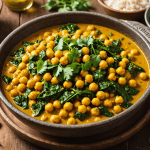
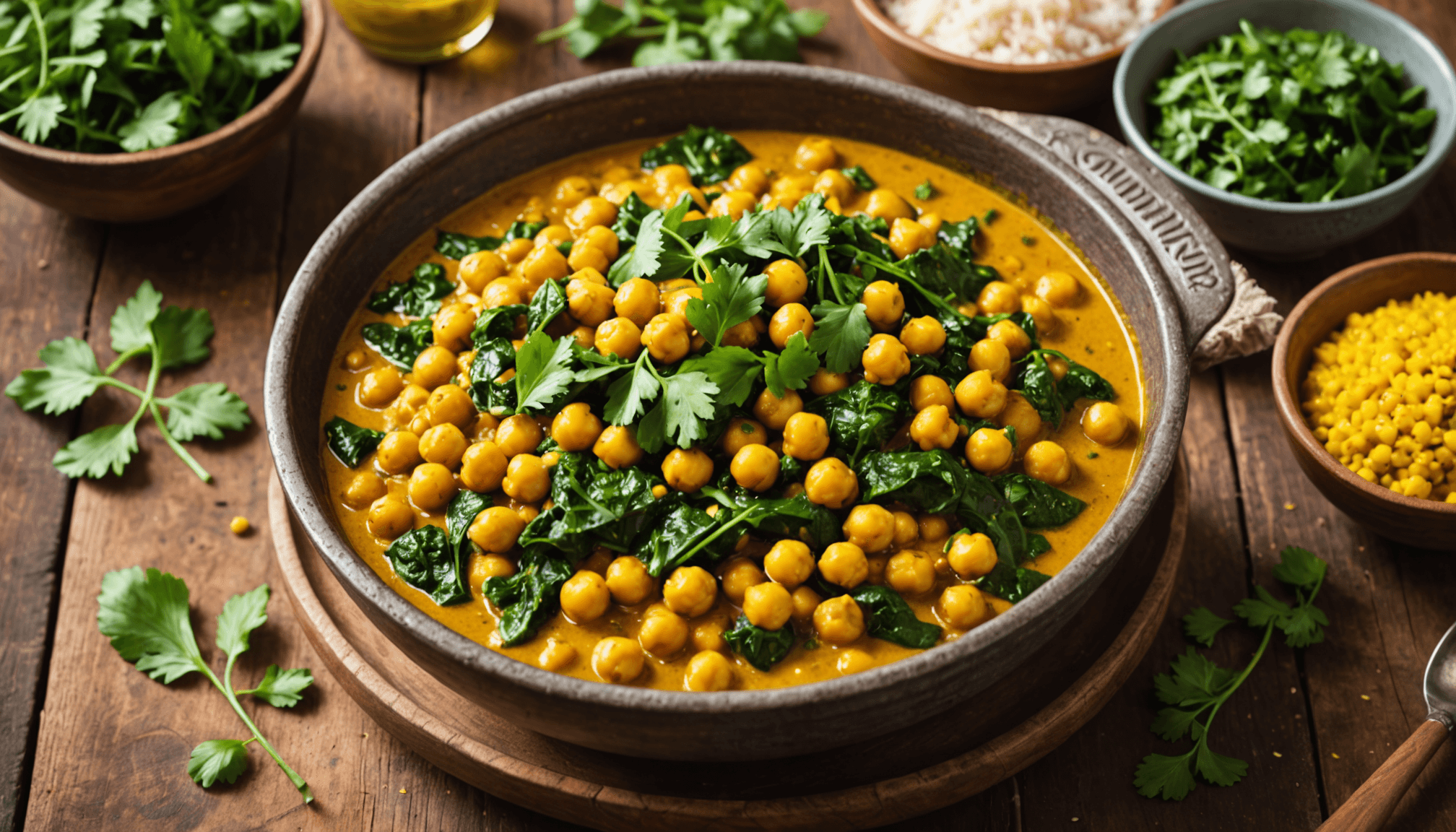
One popular dish to try is Chickpea and Spinach Curry. This hearty meal is not only packed with flavor but also brimming with protein and iron. To make it, sauté onions, garlic, and ginger in a pot, then add a can of diced tomatoes, coconut milk, and a generous amount of chickpeas. Toss in fresh spinach until wilted, and season with curry powder, turmeric, and a pinch of salt. Serve this vibrant dish over a bed of quinoa for an extra nutrient boost.
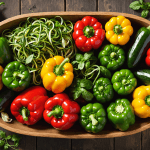
Another fantastic option is Stuffed Bell Peppers. This colorful dish is not only visually appealing but also customizable. Begin by cooking quinoa or brown rice as your base. In a separate pan, sauté diced vegetables like zucchini, mushrooms, and onions, mixing them with the cooked grains, black beans, and spices such as cumin and paprika. Stuff the filling into halved, hollowed bell peppers, sprinkle with nutritional yeast or cheese, and bake until the peppers soften. These stuffed beauties are perfect for meal prep and freeze well for a quick lunch or dinner later.
For a light yet satisfying meal, consider creating a Vegan Buddha Bowl. Start with a base of mixed greens or whole grains, then layer on an assortment of roasted or raw vegetables like sweet potatoes, carrots, and avocado. Add a scoop of your favorite plant-based protein, such as tempeh or edamame, and drizzle with a tahini or peanut sauce for a deliciously creamy finish. This vibrant bowl provides a well-rounded mix of nutrients, making it an ideal choice for fitness enthusiasts.
Don’t shy away from integrating legumes into your weeknight dinners. Lentil Tacos are a quick and simple dish that can satisfy any taco craving. Cook lentils until tender, season with taco spices (cumin, chili powder, and garlic), and serve in taco shells with avocado, salsa, and shredded cabbage. This not only provides a plant-based protein punch but is also a budget-friendly option, as lentils are typically very affordable.
Incorporate variety by trying a Vegetable Stir-Fry. Use whatever vegetables are in season or on sale: bell peppers, broccoli, and snap peas all work great. Sauté them quickly with soy sauce, ginger, and garlic, and serve over brown rice or cauliflower rice. Stir-fries are incredibly versatile, allowing you to experiment with different sauces and spices based on your preferences.
To enhance your organic cooking experience, make it a point to include fresh herbs and spices. They not only elevate the flavor of your meals but also introduce more health benefits. Consider growing your own herbs like basil, parsley, or cilantro in a small kitchen garden; they are easy to care for and can refresh any dish.
As you create these delicious meatless meals, ensure that you’re mindful of using high-quality ingredients. Opt for organic vegetables and grains whenever possible to avoid pesticides and support sustainable farming practices. When shopping online for produce, choose retailers that provide clear information about their sourcing practices and organic certifications.
With these enticing recipes at your fingertips, preparing vegetarian dinners will become a joyful part of your routine, showing just how diverse and satisfying a meatless lifestyle can be!
Sourcing high-quality organic ingredients
To ensure the quality and flavor of your meatless meals, focusing on the sourcing of high-quality organic ingredients is crucial. When you prioritize organic products, you support sustainable farming practices that reduce the impact on the environment and your health.
Start by identifying local organic farms or co-ops in your area. Many communities have a network of local growers who produce seasonal fruits and vegetables, free from harmful pesticides and synthetic fertilizers. By purchasing directly from these farms, you not only guarantee freshness but also foster a connection with the people who grow your food. Many of these farms offer subscription services or CSA boxes, where you receive a selection of the season’s bounty delivered right to your doorstep.
For those who may not have access to local organic farms, grocery stores with a robust organic section are an excellent alternative. Look for the USDA Organic label on products, which signifies that they meet strict government standards. Familiarize yourself with brands that are known for their commitment to organic farming, as this can simplify your shopping experience. As a note, it’s often best to avoid produce with heavy wax coatings or that appears overly shiny, as these may indicate a non-organic treatment method.
When it comes to selecting grains, legumes, and nuts, prioritize organic varieties. Organic grains, such as brown rice or quinoa, undergo less processing, which helps retain more nutrients beneficial for your vegetarian dinners. Similarly, organic beans and lentils not only provide protein and fiber but also align with your choice of healthy organic cooking.
Additionally, consider the seasonality of produce. Eating in season means you’re likely to consume items that are fresher, tastier, and often less expensive. For instance, root vegetables in the fall and winter provide hearty options for stews, while bright summer vegetables like tomatoes and zucchini are perfect for light salads and stir-fries.
Another key point is to pay attention to how your ingredients are packaged. Opt for products with minimal packaging or that utilize eco-friendly materials. This way, you support both your health and the well-being of the planet. When shopping for canned goods, look out for BPA-free labels, which signifies that the can linings are free from harmful chemicals that could leach into food.
As part of your sourcing strategy, embrace bulk buying. This approach can help significantly reduce your grocery bill while allowing you to stock up on staples such as lentils, rice, and spices. Not only do these items have long shelf lives, but they also can be used in a variety of recipes, making meal planning and prep much easier.
For the freshest taste, prioritize purchasing goods that are close to their harvest date. Buying frozen vegetables can also be a smart choice as they are often flash-frozen at peak ripeness, preserving their nutritional value. This can save you on food waste, as frozen produce can be stored for extended periods without the fear of spoilage.
Incorporate high-quality organic ingredients into your shopping habits, and you’ll find that your meatless meals will shine with flavor, nutrition, and satisfaction. Quality sourcing sets the groundwork for delightful dishes, further enhancing your commitment to a healthier, plant-based lifestyle.
“The soil is the foundation of agriculture, and if we take care of it, it will take care of us.” – Unknown
Meal prep tips for busy lifestyles
 Maximizing your meal prep efficiency is essential for those with busy lifestyles, especially when you want to enjoy healthy organic meatless meals. Start by dedicating a few hours each week to prepare ingredients that can be easily assembled into quick dinners. Batch cooking is an effective strategy; prepare large portions of grains such as brown rice or quinoa, and store them in the refrigerator for easy access throughout the week. This way, you can mix and match these staples with various vegetables, proteins, and sauces to create diverse and satisfying dishes.
Investing in quality food storage containers is also a wise move. Choose BPA-free containers that are microwave and dishwasher safe, which will make reheating the meals convenient after a long day. When stocking your kitchen, consider clear containers for visibility, allowing you to quickly identify ingredients available for your meals at a glance. Labeling your containers will further enhance your efficiency, so you’ll know precisely when to use your prepped items.
Thinking ahead is crucial. Create a weekly meal plan that encompasses all the meals from breakfast to dinner, including snacks. Use this plan to guide your grocery list, ensuring you have all necessary ingredients on hand when it’s time to cook. You may want to establish a theme for each night’s dinner—such as Taco Night with lentil tacos or Stir-Fry Night—so you can streamline your ingredient preparation.
On busier days, when you’re short on time, don’t hesitate to embrace convenience items that still align with your commitment to healthy eating. Pre-chopped vegetables or quick-cook grains are available in many grocery stores and save you precious minutes. Make sure to read the labels to ensure they fit into your philosophy of organic cooking without added preservatives.
Utilizing your freezer can also prolong the life of various ingredients and help prevent waste. Many vegetables freeze well, and having a supply of frozen organic produce allows you to whip up a nutritious meal at any moment. Soups, stews, and casseroles freeze exceptionally well, making them ideal candidates for make-ahead meals.
Incorporating themes into your meal prep can also add excitement to your cooking routine. For instance, designating Meatless Mondays can inspire you to experiment with new recipes and ingredients. This not only encourages culinary exploration but also makes healthy eating feel less like a chore and more like an enjoyable activity.
As you navigate the world of meal prep, keep in mind the possibility of involving family members or friends. Cooking can be a social experience, and sharing meal preparation can turn it into an opportunity for connection, laughter, and learning new cooking techniques together.
By employing these meal prep tips, busy individuals can still enjoy delightful and nutritious meatless dinners, making healthy organic cooking a seamless part of their lifestyle rather than a tiring endeavor.
- What are some quick meal prep ideas for meatless dinners?
- Quick meal prep ideas include batch-cooking grains like quinoa or brown rice, roasting a variety of vegetables, and preparing sauces that can be quickly used throughout the week. You can also assemble salads or assemble wraps in advance for easy meals.
- How can I ensure my meatless meals are nutritionally balanced?
- To ensure your meals are balanced, include a variety of food groups: vegetables for vitamins, whole grains for energy, legumes for protein, and healthy fats from nuts or seeds. Aim to fill your plate with colorful produce to cover diverse nutrient needs.
- Are frozen vegetables a good option for meal prep?
- Yes! Frozen vegetables can be just as nutritious as fresh ones. They are often picked and frozen at peak ripeness, ensuring you maintain the vitamins and minerals essential for your meals.
- How long can I store prepped ingredients in the fridge?
- Most prepped ingredients can be stored in the fridge for approximately 3-5 days. Cooked grains usually last about a week, while chopped veggies are best consumed within a few days for optimal freshness.
- What’s the benefit of batch cooking?
- Batch cooking saves time throughout the week by allowing you to prepare large quantities of staples or complete meals at once. This means less cooking time on busy days and helps prevent last-minute unhealthy meal choices.
- Should I consider using organic ingredients for meal prep?
- Choosing organic ingredients can reduce your exposure to pesticides and adds value to your meals as they often contain more nutrients and flavor. Prioritizing organic items supports sustainable agriculture, making it a beneficial practice.
- What tools are essential for effective meal prep?
- A few essential tools include high-quality food storage containers, a sharp knife for cutting, a cutting board, and multi-functional kitchen appliances like a rice cooker or slow cooker that can simplify meal preparation.
Incorporating variety into your diet
Incorporating variety into your diet is key to making your meatless meals both exciting and nutritious. A diverse range of ingredients not only keeps your taste buds engaged but also provides a broad spectrum of nutrients essential for optimal health. Embrace the opportunity to explore different fruits, vegetables, grains, and legumes to craft delightful vegetarian dinners that never feel repetitive.
One strategy to add variety is to follow seasonal eating. Shopping at local farmers’ markets can help you discover fresh, seasonal produce. This approach allows you to enjoy vegetables and fruits at their peak flavor, while also reducing your carbon footprint. For instance, summer is a great time for tomatoes, zucchini, and peppers, while root vegetables like carrots and sweet potatoes shine in the fall and winter. Create a weekly meal plan that incorporates seasonal items to let nature inspire your meals.
When it comes to grains, don’t just stick to the usual suspects. Experiment with less common options like farro, barley, or millet. These whole grains not only offer unique flavors and textures but also provide essential nutrients and dietary fiber. A farro salad with roasted vegetables and a drizzle of lemon-tahini dressing can be a hearty yet refreshing dish for any dinner table.
In your quest for variety, explore the wide world of legumes beyond the quintessential beans and lentils. Edamame, split peas, and even black-eyed peas can add interesting twists to your meals. Consider making a split pea soup loaded with carrots and celery or tossing edamame into a stir-fry for added protein and vibrant color. Incorporating legumes authentically into your meals can yield delightful surprises and help you discover new favorites.
Another aspect to consider is the spices and herbs that can transform your dishes. Instead of using the same seasoning all the time, experiment with international cuisines to add flair. For example, Indian cuisine utilizes spices such as cumin and coriander that can give a new life to your chickpeas when making a curry. Alternatively, try incorporating Mediterranean flavors by using oregano and rosemary in your vegetable roasts. Don’t shy away from fresh herbs either; they can elevate any dish from good to gourmet with minimal effort.
Online grocery shopping can also be a great way to discover unique ingredients you may not find in your local store. Look for specialty shops that offer a variety of organic items, from rare grains to exotic spices. Websites like Thrive Market or even Amazon Fresh have expanded grocery options, making it easy for you to infuse variety in your organic cooking. Always read reviews and check for organic certification to ensure product quality.
Finally, make a point of visiting specialty grocery stores that cater to international cuisine. Here, you can often find an array of exotic fruits and vegetables, vegan cheeses, and other ingredients that can spice up your meals. For example, try adding jackfruit to your dishes for a meat-like texture or exploring new varieties of plant-based dairy alternatives, such as cashew or almond yogurt, to enhance your breakfast or snacks.
By continuously integrating new ingredients, flavors, and cooking methods into your meal preparation, you’ll find that incorporating variety into your diet becomes second nature. With a little creativity and exploration, each week can present you with delightful new meatless meals that are both satisfying and nourishing.
New Customers Offer!
Free Gift for the new customer
$24 Value, When You Subscrib Visit Thrive Market