- Healthy Organic Salad Wraps for Dinner
- Choosing the Right Ingredients
- Preparing the Salad Filling
- Making the Wraps
- Flavorful Dressings and Spreads
- Serving Suggestions
- Storage and Meal Prep Tips
When it comes to grocery shopping for healthy dinners, especially when making organic salad wraps, it pays to have a strategy that not only saves time but also helps you make informed choices. Start by making a list based on the ingredients you want for your wraps. This can help you avoid impulse buys and stick to your budget while ensuring you’re getting items packed with nutrition.
Consider prioritizing organic foods. Organic produce often contains fewer pesticides and can be fresher. Shopping at local farmers’ markets can be a delightful way to ensure you’re getting seasonal and locally grown ingredients, plus it supports your community. Look for vegetables like spinach, kale, or arugula that can serve as excellent base greens for your wraps, along with a variety of colorful veggies like bell peppers, cucumbers, and carrots for added crunch and nutrients.
It’s also essential to incorporate healthy sources of protein. If you’re vegan, options like chickpeas, black beans, or tofu can add heartiness to your wraps. For omnivores, consider grilled chicken or turkey breast. Remember to check for certification labels to ensure that your proteins are humanely raised and free from added hormones.
When shopping for dressings and spreads, aim for those that are low in sugar and processed ingredients. Many health food stores and online marketplaces offer organic options that are both flavorful and nutritious. You can also make your own simple dressings at home using basic ingredients like olive oil, vinegar, lemon juice, and herbs – a perfect way to control ingredients and avoid unwanted additives.
For budget-conscious shoppers, try buying in bulk when it comes to non-perishable items like lentils, quinoa, and whole-wheat wraps. This not only saves money but also ensures you have versatile ingredients on hand for various meals. Additionally, utilizing coupons and store loyalty programs can further reduce your grocery bills.
When shopping online, it’s vital to be aware of food safety standards. Ensure that you are purchasing from reputable sites that guarantee the freshness and quality of their products. Check customer reviews and look for sellers who offer transparent ingredient sourcing. Also, don’t hesitate to ask questions via customer support if you need clarification on specific products.
In-store, always inspect the expiration dates on perishables and avoid items with damaged packaging. Freshness matters, especially when you’re trying to create organic meals that are nutritious and wholesome. Keep an eye out for sales on seasonal items, as these often provide the best flavors and value.
By applying these grocery shopping tips, you can streamline your process and fill your kitchen with quality ingredients, making it easier to whip up those delightful and nutritious salad wraps whenever the craving strikes.
Choosing the Right Ingredients
When selecting ingredients for your salad wraps, the emphasis should be on freshness, quality, and nutritional density. Begin with the foundation—your choice of greens—and consider varieties that not only impart flavor but also provide a wealth of vitamins and minerals. Leafy greens such as spinach, kale, and romaine offer a crisp texture and are rich in antioxidants. Incorporating microgreens can enhance the nutrient profile further, as they are packed with even more vitamins compared to their mature counterparts.
Following your greens selection, adding colorful vegetables is key to creating visually appealing and nutrient-rich wraps. Vegetables like bell peppers, which come in various vibrant colors, provide vitamin C, while cucumbers add a hydrating crunch. Carrots, grated or julienned, contribute beta-carotene and a natural sweetness. Other excellent options include shredded red cabbage for its micronutrient density and avocados, which supply healthy fats essential for nutrient absorption.
Protein is another critical component, providing structure and satiety. For plant-based wraps, chickpeas and black beans are excellent sources of protein and fiber. Their versatility allows them to absorb flavors from dressings and spices beautifully. For those who include animal protein, organic chicken, turkey, or even fish like salmon can elevate the nutrient content. Opting for grass-fed options ensures a better quality of meat.
Below is a comparative table illustrating the nutritional benefits of various staple ingredients for your wraps:
| Ingredient | Calories per 100g | Protein (g) | Fiber (g) | Vitamins & Minerals |
|---|---|---|---|---|
| Spinach | 23 | 2.9 | 2.2 | Vitamin K, A, C, Iron |
| Quinoa | 120 | 4.1 | 2.8 | Magnesium, Phosphorus |
| Avocado | 160 | 2 | 6.7 | Potassium, Folate |
| Chickpeas | 164 | 8.9 | 7.6 | Folate, Iron, Magnesium |
Selecting organic options whenever possible can further enhance the quality of your meal. Organic fruits and vegetables tend to be fresher and have higher natural flavors. Furthermore, they often boast better nutrient retention, as they are usually harvested at peak ripeness. It is also advisable to stay informed about the Environmental Working Group’s (EWG) list of the “Dirty Dozen,” which highlights produce items that are typically high in pesticide residues; opting for organic versions of these can minimize chemical exposure.
Pay special attention to any condiments or toppings you add to your salad wraps. Many commercial dressings may contain hidden sugars or unhealthy fats. Aim for simple, organic ingredients for dressings, such as balsamic vinegar, Greek yogurt, or tahini, which not only enhance flavor but add nutritional benefits as well.
By focusing on wholesome, organic ingredients, your salad wraps can turn into a delicious and healthful centerpiece for dinner, providing satisfying options that cater to a variety of dietary preferences and nutritional needs.
Preparing the Salad Filling
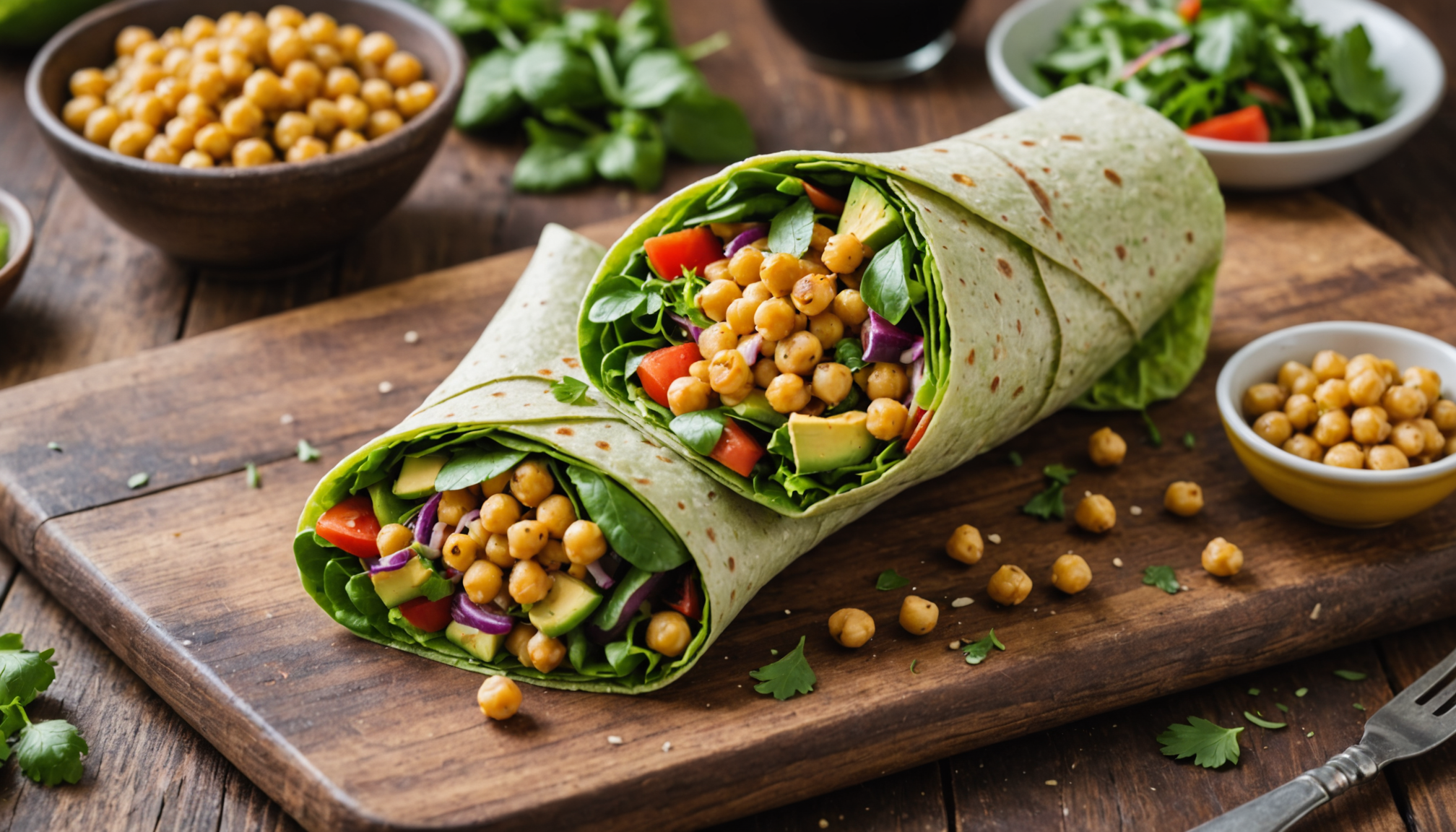
To prepare an enticing salad filling that transforms your wraps into a delightful and nutrient-dense meal, it’s essential to focus on texture, flavor, and nutritional content. Begin by washing and drying your chosen greens thoroughly; moisture can make your wraps soggy. Using a salad spinner can be a time-saver and will ensure your greens are crisp, providing the perfect foundation for your healthy filling.
Once your greens are ready, think about how you want to incorporate various vegetables. Aim for a rainbow of colors to maximize the vitamin and mineral content. Slice bell peppers into thin strips or dice them for a versatile addition to your wraps. Shredding carrots adds a sweet crunch, while diced cucumbers contribute hydration. For a unique flavor, consider adding roasted vegetables like zucchini or sweet potatoes, which bring warmth and richness to the mix.
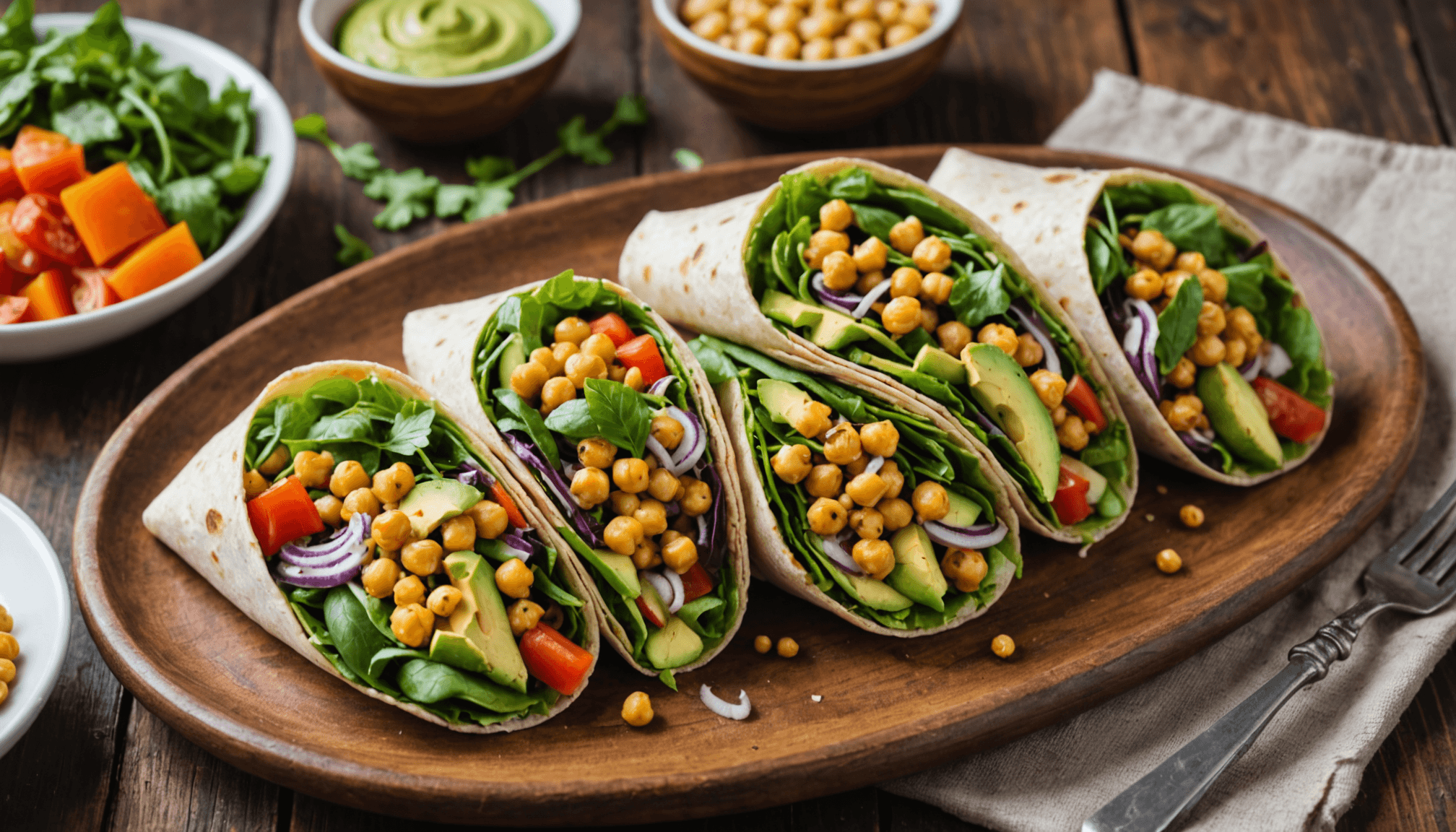
Next, include a source of protein to enhance the satiety factor. If you’re opting for plant-based ingredients, cook and toss in chickpeas, lentils, or black beans. These legumes not only add protein but are also rich in fiber, improving digestive health. Whipping up a quick chickpea salad with lemon, cumin, and a touch of olive oil can yield a zesty filling that pairs beautifully with any wrap.
If meat is on the menu, consider preparing shredded or diced grilled chicken, turkey, or even a flavorful tofu option marinated in your favorite seasonings. Preparing your protein this way can add depth. Remember to season each component well with salt, pepper, or your choice of herbs – fresh basil or cilantro can elevate the entire flavor profile.
Don’t forget about healthy fats that complement your dish without overpowering it. Avocados are a fantastic choice, offering creaminess that complements the other ingredients. You can mash them with a little lime juice for added flavor or slice them for a beautiful presentation. Nuts and seeds such as sliced almonds, pumpkin seeds, or sunflower seeds can provide extra crunch and nutrition, rich in omega-3s and vitamin E.
Creating an enjoyable and nutritious filling for your salad wraps doesn’t stop at ingredients; it extends to how you present them. Arrange your salad filling in the center of each wrap, sprinkling them with fresh herbs, microgreens, or a drizzle of homemade dressing just before rolling them up. These little touches can elevate your meals and make them more inviting for friends and family.
As you prepare your fillings, consider batch cooking some proteins or grains during the weekend. You can keep them in portioned containers, which makes assembling dinner a breeze on busy weeknights. Not only does this support your meal-prepping goals, but it also ensures that you have a greater variety of healthy ingredients on hand, quickly transforming into wraps filled with nutrition and flavor.
Remember the importance of food safety when preparing your salad fillings. Always wash your fresh produce thoroughly to remove any pesticide residues and bacteria, and remember to adhere to best practices for meal prep hygiene. If using pre-packaged items, check expiration dates and seals before consumption.
Making the Wraps
Once you have gathered all your ingredients and prepared a delicious salad filling, it’s time to move on to the wrapping process, which is essential for bringing your healthy dinners to life. Start by selecting the right type of wrap; whole wheat, spinach, or even brown rice wraps can add a nutritious base. Each of these options offers different flavors and textures, so choose one that fits your taste and dietary needs.
Before you fill your wraps, consider lightly warming them, especially if using whole grain options. This can be done by placing the wraps in a dry skillet for a few seconds on each side or by microwaving them for about 10-15 seconds. Warming the wraps makes them more pliable and less likely to crack when rolled. Once warmed, lay the wrap flat on a clean surface or plate.
Next, place a generous portion of your prepared salad filling in the center of the wrap. It’s crucial to avoid overstuffing, as this can make the wrapping process difficult. Aim for a balance, ensuring there’s enough filling for taste and nutrition without tearing the wrap. For added flavor, sprinkle a pinch of salt and pepper or drizzle with a bit of your chosen dressing right on the filling before rolling.
Now it’s time to roll! Start by folding the sides of the wrap inward, creating a pocket for the filling. Then, using your fingers to secure the filling, begin rolling the bottom of the wrap tightly over the top. Continue rolling until you reach the other end, ensuring everything is tucked securely. If you’re making multiple wraps, keep them covered with a slightly damp cloth to prevent them from drying out.
For presentation, consider cutting the wraps in half diagonally. This not only looks appealing but also makes them easier to handle. You can arrange them on a platter, showcasing the colorful ingredients within. For an enticing touch, serve them alongside small bowls of your favorite dips, such as hummus or guacamole, which can enhance the overall dining experience and add extra nutrition.
“Food is symbolic of love when words are inadequate.” — Alan D. Wolfelt
Participating in the wrapping process can also turn into a fun, interactive meal for family or friends. Setting up a ‘build-your-own wrap’ night allows everyone to customize their own creations based on personal preferences, encouraging creativity and ensuring that each person enjoys their meal. This engaging approach not only makes for a memorable dining experience but also promotes the enjoyment of healthy, organic meals together.
Flavorful Dressings and Spreads
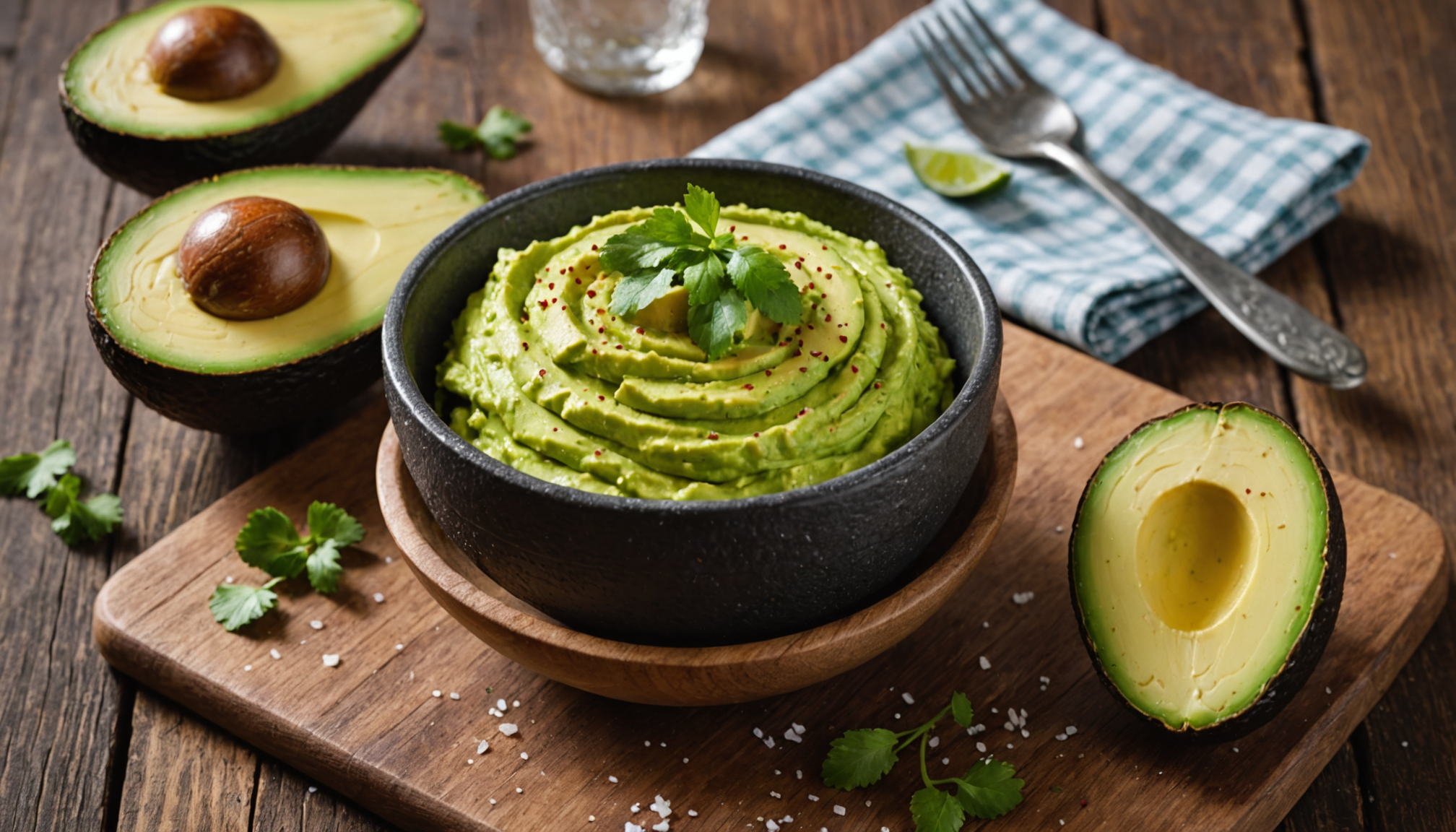 Flavorful dressings and spreads are the unsung heroes of salad wraps, transforming a simple combination of greens and veggies into a culinary delight. The right dressing can elevate the entire meal, adding layers of flavor and nutrition that blend beautifully with the fresh ingredients in your wraps. While store-bought options can be convenient, many contain added sugars, preservatives, and unhealthy fats. By making your own dressings, you gain control over the ingredients, allowing you to create a healthy balance that complements your meal perfectly.
Start with a base of high-quality oils, such as extra virgin olive oil or avocado oil, which provide healthy fats essential for nutrient absorption. These oils can be enhanced with acids like vinegar (balsamic, red wine, or apple cider) or citrus juices (lemon, lime, or orange), providing a bright, zesty kick. A classic vinaigrette is always a winner but consider experimenting with alternative bases such as tahini or Greek yogurt for creaminess and extra protein.
Herbs and spices are pivotal in dressing creation; fresh ingredients like basil, parsley, or cilantro can bring a burst of flavor that is both refreshing and aromatic. Spices such as cumin or smoked paprika can add depth and warmth, perfect for those who enjoy a hint of spice in their meals. Don’t shy away from sweeteners, but choose wisely—natural options like honey, maple syrup, or agave can seamlessly integrate a touch of sweetness without overpowering the dressing’s overall profile.
Consider making a few versatile spreads to use in your wraps, enhancing flavor while offering additional nutritional benefits. For a delightful, protein-packed option, homemade hummus can be a fantastic addition. Blend chickpeas with tahini, garlic, lemon juice, and olive oil until smooth; this spread not only adds taste but can also serve as a nutritious companion alongside your wraps. A creamy avocado spread, enriched with lime juice and a pinch of sea salt, can provide a luscious texture that harmonizes excellently with the crunchy vegetables within the wraps.
Another option to explore is a nut-based spread, such as almond or cashew butter mixed with herbs and spices. This can yield a savory richness that enhances your meal and satisfies your hunger. As you become more familiar with making your own dressings and spreads, you’ll find it easier to tailor your flavors to suit your palate and dietary preferences.
Don’t hesitate to turn your culinary creativity loose! Experiment with different ingredient combinations and textural contrasts that create balance and excitement in your organic meals. As you explore the world of dressings and spreads, you’ll not only discover flavors that resonate with your taste buds but also learn more about the health benefits each ingredient provides. This journey not only can transform your meal preparation experience but can also heighten your appreciation for the ingredients you choose to include in your healthy dinners.
- What are some healthy dressing options for salad wraps?
- Healthy dressing options include homemade vinaigrettes made with olive oil and vinegar, tahini-based dressings, or yogurt-based sauces. These alternatives usually contain healthier fats and fewer additives compared to store-bought varieties.
- Can I prepare dressings in advance?
- Absolutely! Most dressings can be made in advance and stored in the refrigerator for up to a week. Just give them a good shake or stir before using to ensure they’re well mixed.
- What can I use as a spread instead of traditional dressings?
- You can use avocado spread, hummus, or nut-based dips as flavorful alternatives to traditional dressings. These options add creaminess and can enhance the nutritional value of your wraps.
- Are there any store-bought dressings that are healthy?
- Yes, look for dressings that are organic, have minimal ingredients, and are low in added sugars and unhealthy fats. Reading labels is key to finding healthier options in stores.
- How do I make my store-bought dressings healthier?
- You can enhance store-bought dressings by adding fresh herbs, citrus juice, or spices to boost flavor and nutrition without compromising on health.
- Are there allergy-friendly dressing options?
- Many dressing recipes can be made allergy-friendly by substituting certain ingredients. For example, you can create a nut-free dressing using seeds or opt for dairy-free yogurt alternatives if needed.
- Can dressing be used for meal prep?
- Yes, when meal prepping, keep dressings in separate containers to prevent your wraps from getting soggy. This way, you can enjoy fresher flavors when it’s time to eat.
Serving Suggestions
- Healthy Organic Salad Wraps for Dinner
- Choosing the Right Ingredients
- Preparing the Salad Filling
- Making the Wraps
- Flavorful Dressings and Spreads
- Serving Suggestions
- Storage and Meal Prep Tips
When it comes to serving your delightful salad wraps, presentation plays a significant role in enhancing the overall dining experience. After crafting your healthy wraps filled with vibrant greens, crunchy vegetables, and proteins, consider arranging them on a large platter for an attractive display. For an inviting touch, you can garnish the platter with fresh herbs such as parsley or cilantro, which not only add visual appeal but also boost aroma.
Pair your salad wraps with complementary sides that enhance the meal’s nutritional profile. Consider serving them alongside a refreshing quinoa salad mixed with diced cucumbers, cherry tomatoes, and a squeeze of lemon for a zesty contrast. Another great side option is a simple fruit salad, utilizing seasonal organic fruits that provide a sweet finish to the meal. Think of berries, melons, or even citrus fruits that lend both flavor and color to your plate.
If you have young ones or picky eaters at home, consider making the meal interactive. Set up a ‘wrap station’ where each person can customize their salad wraps. Provide a variety of toppings, such as shredded cheese, avocado slices, or pickled vegetables, to encourage creativity and cater to different tastes. This approach not only makes mealtime more enjoyable but also instills a sense of involvement and excitement around healthy eating.
Another delightful way to serve your wraps is by cutting them into smaller, bite-sized pieces, perfect for sharing during gatherings or family dinners. This ‘wrap platter’ looks appealing and promotes a communal dining experience. Accompany these mini-wraps with small bowls of dipping sauces, like tzatziki or a spicy chipotle mayo, which can enhance the flavor and add fun to the meal.
For a more casual dining experience, consider adding a side of baked sweet potato fries or roasted chickpeas for an extra crunch. These alternatives are not only delicious but also offer a healthy twist, making your dinner savory and satisfying. Having a balance of colors and textures in your spread will make the meal visually enticing and nutritious.
Don’t forget to consider the beverages! Pair your salad wraps with refreshing options like sparkling water infused with fresh fruits or herbal teas that complement the flavors of your dishes. For a more festive touch, you can also serve a light organic wine or homemade lemonades sweetened with natural sweeteners.
Ensure that you have appropriate utensils available, whether it’s bamboo skewers for mini wraps or colorful napkins to catch potential drips. Offering a variety of options adds to the fun and ease of dining, turning your healthy wraps into a celebration of freshness, flavor, and family time.
Storage and Meal Prep Tips
To ensure your healthy salad wraps stay fresh and delicious, proper storage and meal prep are key. After you’ve whipped up a batch of these delightful organic meals, consider how best to keep them for future enjoyment. First, let’s talk about meal prepping. A great strategy is to prepare individual components in advance, which allows for quick assembly during busy weeknights. Dedicate a few hours over the weekend to wash and chop your vegetables, cook your proteins, and portion out your dressings in small containers.
Next, how to store your ingredients matters. Keep your greens crisp by storing them in airtight containers lined with paper towels to absorb excess moisture. For the salad filling, consider using glass containers to prevent staining and maintain freshness. Separate the wet components from the dry ones until you’re ready to eat. Additionally, if you are making wraps ahead of time, wrap them tightly in foil or parchment paper to keep them from drying out, and store them in the fridge. It’s also wise to keep any dressings in a separate container to prevent the wraps from becoming soggy before serving.
For longer-term storage, many ingredients can be frozen. Cooked proteins, grains, and even certain veggies like bell peppers or zucchini can be frozen and thawed when ready to use. When meal prepping, aim for a variety of flavors and textures in your wraps to keep mealtime exciting. A mix of roasted veggies, fresh greens, and interesting spreads will ensure that you never tire of your healthy dinners.
Online shopping for your groceries can also benefit your meal prep routine. Look for bulk purchasing options for non-perishable items such as grains and legumes, which tend to be more budget-friendly and can be stored for extended periods. Ensure to buy from reputable sites, and double-check for any delivery limitations regarding the freshness of produce if you opt for home delivery. Many online markets provide subscription services for fresh ingredients, so you can ensure a steady supply of high-quality organic options without having to shop as often.
Lastly, an underappreciated tip for meal prep is to keep a well-organized kitchen. Invest in clear containers for easy access to your meal components and label them with the contents and date prepared. This not only helps maintain freshness but also reduces food waste, allowing you to enjoy your healthful ingredients to their fullest potential.
By implementing these storage and meal prep strategies, you can enjoy your salad wraps at their best, making healthy eating an effortless part of your daily routine.
New Customers Offer!
Free Gift for the new customer
$24 Value, When You Subscrib Visit Thrive Market