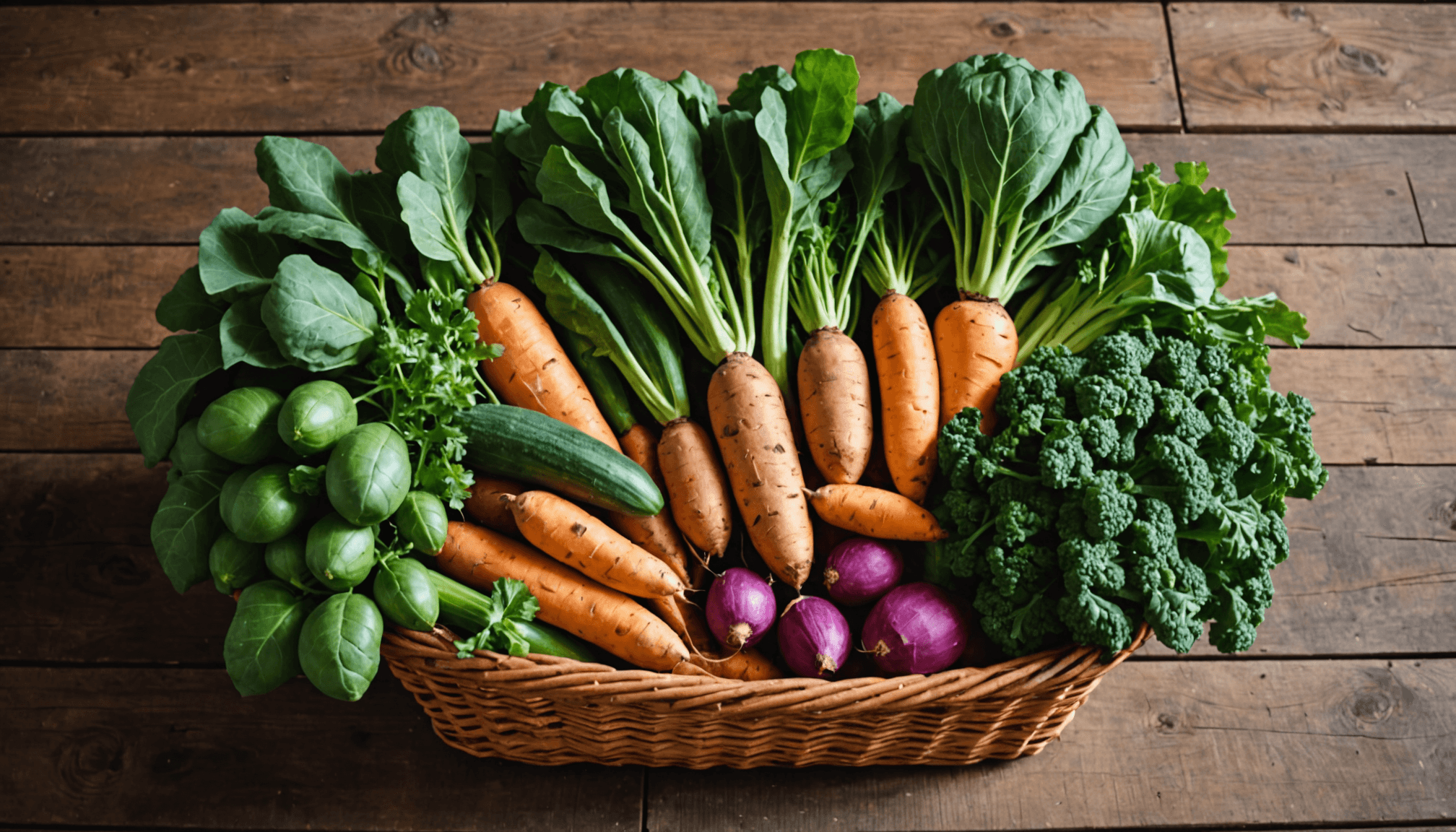
- Healthy Organic Slow Cooker Meals
- Nutritional Benefits of Organic Ingredients
- Choosing the Right Slow Cooker
- Essential Ingredients for Healthy Meals
- Delicious Slow Cooker Recipes
- Meal Prep Tips for Time Efficiency
- Storing and Reheating Leftovers Safely
When it comes to grocery shopping for your favorite slow cooker meals, having a clear plan can be the difference between a delightful culinary experience and a kitchen disaster. Here’s how to navigate your grocery trips—whether online or in-store—with confidence and purpose.
Start by making a list of the organic food staples you’ll need. This means focusing on whole foods—fresh vegetables, grains, legumes, and proteins that will lend themselves well to the slow cooking process. Opt for seasonal produce from local farmers’ markets to ensure you’re getting the freshest ingredients. Not only do they taste better, but they’ll also contain more nutrients compared to out-of-season options that have traveled long distances.
Here’s a quick checklist for your grocery shopping:
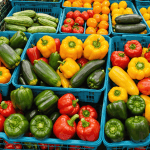
- Fresh Produce: Look for organic vegetables like carrots, potatoes, onions, and bell peppers. These are perfect for hearty dinners and will hold up well during the slow cooking process.
- Whole Grains: Buy quinoa, brown rice, or barley in bulk. They are budget-friendly and nutritious additions that complement your meals.
- Legumes: Stock up on canned or dried beans and lentils. These protein-packed options are excellent for vegan recipes and add depth to your dishes.
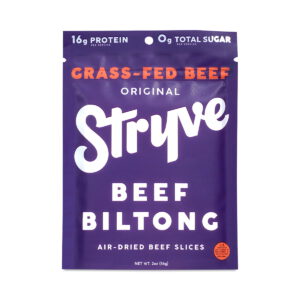
- Healthy Proteins: For non-vegans, consider organic chicken or grass-fed beef. However, if you’re exploring vegan options, utilize tofu or tempeh as your protein sources.
- Flavor Boosters: Don’t forget to browse for herbs and spices. Organic garlic, ginger, and various spices can elevate the taste profiles of your slow cooker meals without added calories.
When shopping online, use trusted websites that specialize in delivering organic products. Always check the reviews for quality assurance and be cautious about ingredient labels. Look for certifications such as USDA Organic to ensure you’re purchasing high-quality items. Additionally, when ordering perishables, select delivery methods that guarantee freshness.
To enhance your budget management, compare prices across different stores and look for sales or discounts on organic ingredients. Many health food stores offer loyalty programs or coupons that can lead to significant savings over time. Don’t hesitate to visit local co-ops, which often have competitive prices on local and organic products.
While in-store shopping, pay attention to expiration dates and product appearance. For produce, choose items that are firm and free of blemishes. When buying canned goods, ensure the cans are not dented or rusted to prevent spoilage.
If you have a busy schedule, consider bulk shopping for non-perishable items and frozen produce. You can easily create a variety of meals without frequent trips to the grocery store. Having a well-stocked pantry means you’re always ready to whip up delicious healthy meals in a snap.
Nutritional Benefits of Organic Ingredients
The inclusion of organic ingredients in your meals offers numerous nutritional benefits that can significantly enhance your overall health. Organic foods are cultivated without the use of synthetic pesticides, herbicides, and fertilizers, which contributes to their nutritional superiority. Studies have shown that organic produce often contains higher levels of certain antioxidants, vitamins, and minerals compared to conventionally grown counterparts. These nutrients are essential for maintaining healthy bodily functions and preventing chronic diseases.
One of the most notable advantages of organic foods is their higher antioxidant content. Antioxidants, such as flavonoids and polyphenols, play a crucial role in combating oxidative stress in the body. This stress can lead to cellular damage and is linked to a variety of health issues, including heart disease and cancer. A diet rich in antioxidants, derived from organic fruits and vegetables, can help to boost immunity and reduce inflammation.
In terms of taste and freshness, organic foods often win out. When it comes to ingredients for hearty dinners in a slow cooker, the flavor profile of organic vegetables and meats tends to be more robust. This is largely due to the fact that organic farming practices focus on soil health, which results in more nutrient-dense produce that is fuller in taste. As a result, your meals cooked in a slow cooker can benefit from these richer flavors, enhancing your dining experience.
Here is a comparison table that highlights some key nutritional aspects of organic versus conventional ingredients:
| Nutrient | Organic Ingredients | Conventional Ingredients |
|---|---|---|
| Antioxidants | Higher levels | Lower levels |
| Pesticide Residue | Minimal | Higher |
| Vitamins (e.g., Vitamin C) | Up to 30% more | Standard levels |
| Flavor Quality | Richer and more complex | Often milder |
Moreover, organic animal products, such as meat, milk, and eggs, are known to be produced from livestock that are raised in more humane conditions, without antibiotics or growth hormones. This not only concerns ethical considerations but can also lead to healthier end products that are better for human consumption. For those who include animal proteins in their slow cooker meals, such selections can contribute to a diet that is free from harmful residues and is more aligned with holistic health practices.
Emphasizing organic ingredients in your meal prep, particularly in a slow cooker environment, can lead to the creation of wholesome, nutritious dishes that the entire family can enjoy. Pairing these organic options with a variety of herbs and spices can further boost the health benefits, providing additional vitamins and antioxidants while enhancing the flavor without relying on unhealthy additives. This conscious approach to meal planning ensures that you nourish your body effectively while savoring every bite of your delicious, slow-cooked creations.
Choosing the Right Slow Cooker

When venturing into grocery shopping for your healthy organic slow cooker meals, it’s pivotal to arm yourself with some savvy strategies that save time, money, and promote overall wellness. Whether you prefer the hustle and bustle of in-store shopping or the convenience of online orders, understanding how to select quality ingredients is paramount.
Start by focusing on the essentials for hearty dinners that can be prepared in your slow cooker. Aim for unique organic food choices that will enhance both flavor and nutrition. A well-rounded shopping list includes:
- Seasonal Vegetables: Farm-fresh selections like sweet potatoes, zucchini, and kale not only taste better but are often available at lower prices during their peak seasons.
- Whole Grains: Explore options like farro or bulgur, which are nutritious and can add heartiness to meals without breaking the bank.
- Legumes: Incorporate a variety of beans, such as black beans and chickpeas, which are protein-rich and versatile for various recipes.
- Vegan Proteins: If you’re leaning towards plant-based meals, consider organic lentils or chickpea pasta, which can be a delicious addition to your slow cooker recipes.
- Herbs and Spices: Stocking your pantry with dried herbs such as oregano, rosemary, and thyme can enhance the flavor of your slow cooker meals dramatically. Opt for organic versions whenever possible to keep things pure.
When shopping online, prioritize brands that promote organic sustainability. Look for sites that offer organic certifications and check customer reviews for previous shopping experiences. It’s essential to remain cautious about ingredient sourcing, especially with perishables that can spoil in transit. A good practice is to select two-day shipping options to ensure freshness upon arrival.
Next, for those wanting to manage their grocery bills, scout for local co-ops and farmer’s markets. These places often provide organic options at prices lower than major grocery chains, especially when buying in bulk. Additionally, consider purchasing from community-supported agriculture (CSA) programs, where you can receive a weekly box of seasonal crops right from the farm.
While navigating supermarket aisles, keep an eye out for sales, particularly on organic items. Stock up on non-perishable staples like canned tomatoes, oils, and whole grains when they are on sale. Don’t shy away from store brands, as many of them now offer organic lines at competitive prices.
Always check the quality of your produce. Choose organic vegetables that are vivid in color, firm to the touch, and free from spots or blemishes. When buying canned goods, make sure the cans are intact and not rusted or swollen, signaling spoilage.
Lastly, if you find yourself busy throughout the week, consider bulk purchasing and meal prepping. Buying large quantities of grains, beans, or frozen veggies allows you to create quick slow cooker meals without constant trips to the grocery store. Stocking your pantry efficiently not only keeps your meal preparation streamlined but also makes it easy to whip up a delicious, nutritious meal any night of the week.
Essential Ingredients for Healthy Meals
Incorporating a variety of essential ingredients into your meals is the foundation for creating healthy and flavorful dishes in your slow cooker. Fresh, organic foods not only enhance the taste but also contribute vital nutrients necessary for overall well-being. When planning your meals, consider including a diverse range of produce, grains, legumes, and proteins to ensure your dishes are both satisfying and nourishing.
When it comes to fresh produce, prioritize organic vegetables such as sweet potatoes, kale, and bell peppers. These vegetables are not only rich in vitamins and minerals but also provide a satisfying texture in soups, stews, and casseroles. Including a colorful assortment in your meals can enhance visual appeal and ensure you’re receiving a spectrum of nutrients. Additionally, vegetables like carrots, onions, and garlic are perfect for building flavors in your slow-cooked recipes, as they become sweeter and more aromatic when subjected to the long cooking process.
Grains are an excellent addition that can elevate your hearty dinners while adding a hearty base to your meals. Quinoa is a great choice, packed with complete protein, making it ideal for both omnivores and plant-based eaters. Brown rice or farro can complement your meals as well, providing texture and fiber. Incorporating these grains not only aids in digestion but also keeps you feeling full longer.
Legumes, such as lentils, chickpeas, and black beans, are powerhouse ingredients that offer loads of protein and fiber. They are particularly beneficial for heart health and can be easily incorporated into various slow cooker recipes. When adding legumes to your dishes, ensure they are either soaked or cooked properly to achieve the best texture and flavor. They absorb the fantastic flavors of the spices and vegetables during cooking, creating hearty and satisfying meals.
For those who consume animal products, including organic chicken, beef, or pork can provide a significant protein boost while enhancing the overall flavor profile of the dish. Opting for grass-fed or free-range meats not only supports ethical farming practices but also ensures you’re enjoying healthier, nutrient-dense proteins. When cooking meats in a slow cooker, they tend to become tender and flavorful, making each bite more enjoyable.
Flavor boosters like herbs and spices are equally essential. Stock your pantry with organic herbs such as thyme, basil, and oregano to elevate your dishes. Fresh herbs added at the end of cooking can brighten the flavors, while dried herbs can be added at the beginning to infuse the dish throughout the cooking process. Spices such as cumin, paprika, and turmeric can add depth and warmth, enhancing both taste and nutrition.
“Quality ingredients make for quality meals.” – Unknown
A well-rounded approach that includes these essential ingredients will not only improve the nutritional value of your meals but also allow you to experiment with flavors and textures. Preparing meals with these ingredients in your slow cooker ensures that you’ll always end up with a delicious and wholesome dish, ready to delight the whole family.
Delicious Slow Cooker Recipes
 Slow Cooker Beef and Vegetable Stew
This hearty dish begins with tender cuts of organic beef, which are seared to lock in moisture and flavor. After sautéing with onions and garlic to create a fragrant base, you’ll layer in seasonal vegetables such as carrots, potatoes, and parsnips. The magic happens when you pour in organic beef broth and a splash of red wine for depth, then allow the slow cooker to work its wonders over several hours. By the end of the cooking time, the beef will be melt-in-your-mouth tender, infused with the rich flavors of herbs like thyme and bay leaf. Creating a meal this nourishing and flavorful will elevate any weeknight dinner.
Chickpea and Sweet Potato Curry
Another crowd-pleaser uses canned organic chickpeas and diced sweet potatoes as its stars. Start by sautéing onions, ginger, and garlic, making the whole kitchen smell amazing. Add in spices like cumin, coriander, and turmeric before mixing in diced tomatoes and coconut milk. The chickpeas will cook down to create a creamy texture that pairs beautifully with tender sweet potatoes. Serve this vibrant curry over a bed of fluffy quinoa or brown rice for a complete meal that is not just filling but also rich in nutrients.
Vegetable and Quinoa Medley
For a vegan option, a medley of organic vegetables mixed with quinoa offers a colorful and nutritious dish. Utilize whatever vegetables you may have on hand—broccoli, bell peppers, or zucchini all work well. Combine these with rinsed quinoa and vegetable broth in the slow cooker, allowing everything to simmer until the quinoa is fluffy and veggies are just tender. Toss in fresh herbs like parsley or cilantro just before serving to brighten the dish. This recipe is not only versatile but also a fantastic way to cleanse out your fridge while enjoying a wholesome, filling meal.
These recipes showcase how delicious healthy meals can be when you utilize quality ingredients. Slow cooking allows the flavors to meld and develop over time, making even simple dishes extraordinary. The convenience of a slow cooker means you can easily prepare these meals ahead of time, letting you enjoy a hearty dinner with minimal effort.
- What types of ingredients are best for slow cooker meals?
- When choosing ingredients, focus on hearty vegetables like potatoes and carrots, whole grains, legumes, and proteins such as organic meats or plant-based options. These staples not only hold up well during slow cooking but also provide essential nutrients.
- Can I make vegan meals in a slow cooker?
- Absolutely! Slow cookers are perfect for creating delicious vegan meals using legumes, grains, and a variety of vegetables. Recipes like lentil stews and vegetable curries shine in a slow cooker.
- How can I enhance the flavor of my slow cooker recipes?
- Utilize fresh or dried herbs and spices to elevate the taste of your dishes. Ingredients like garlic, ginger, and flavorful herbs can transform a simple meal into a gourmet experience.
- Is it safe to leave the slow cooker on while I’m away from home?
- Yes, slow cookers are designed for unattended cooking. Just ensure that you follow the manufacturer’s guidelines for cooking times and temperatures to maintain safety.
- How long should I cook meals in a slow cooker?
- Most recipes require 6-8 hours on low or 3-4 hours on high. Cooking times may vary based on the specific ingredients and the size of your slow cooker.
- Can I freeze slow cooker meals for later use?
- Yes, many slow cooker meals freeze well. Make sure they’re fully cooled before transferring to airtight containers to prevent freezer burn.
- What are some healthy slow cooker meal ideas?
- Consider making hearty vegetable soups, lean protein stews, or whole grain-based dishes. Incorporating organic ingredients enhances the nutritional profile and flavor of your meals.
Meal Prep Tips for Time Efficiency
When it comes to meal prep for your slow cooker, efficiency is key, especially for busy families and health-conscious individuals. Here are some straightforward tips to make your grocery shopping and meal preparation seamless, whether you’re hitting the aisles or shopping online.
Start by creating a detailed meal plan for the week. Use your favorite recipes as a guide to understand exactly what ingredients you’ll need. This helps to prevent impulse purchases and ensures you have everything on hand to whip up delightful, hearty dinners. As you compile your shopping list, categorize ingredients into sections—produce, grains, proteins, and pantry staples—making your shopping trips quicker and more focused.
Consider developing a basic inventory of essentials that work for various recipes:
- Vegetables: Always keep staples like onions, garlic, carrots, and bell peppers stocked. They serve as the base for countless meals.
- Grains: Store whole grains like quinoa, brown rice, and barley for added protein and fiber in your meals.
- Legumes: Beans and lentils are incredibly versatile and can be used as a protein source in vegan meals.
- Herbs and Spices: Stock organic herbs such as basil, oregano, or thyme. They can transform the simplest slow cooker recipe into a gourmet experience.
When shopping online for these essentials, use platforms that prioritize organic food delivery. Research sellers to ensure they uphold high standards of quality and safety. Always check for reviews and certifications, like USDA Organic, so you know you’re getting the best ingredients. Familiarize yourself with their shipping practices to select options that guarantee fresh deliveries—especially for perishables.
For a more budget-friendly approach, explore local farmers’ markets or community co-ops. These sources often provide fresh produce at a lower cost, and purchasing in bulk can lead to significant savings. Some markets also offer bulk selections of grains and legumes at competitive prices. Consider splitting larger quantities with friends or family if you’re worried about wasting food.
Throughout your in-store adventures, keep an eye out for seasonal produce, which tends to be fresher and cheaper. Look for items that are displayed prominently, as they often reflect what’s currently in season. Choose firm and vibrant vegetables, avoiding any produce with bruises or blemishes to ensure quality.
You can also enhance your meal prep efficiency by dedicating one day a week to batch cooking or chopping. Preparing ingredients in advance allows you to easily throw meals together on busy weeknights. For example, dice vegetables and store them in airtight containers, so they’re ready for quick assembly in your slow cooker. Similarly, soaking beans the night before can save time when you’re ready to cook.
For safety during your shopping experience, particularly online, ensure that the websites you use have secure payment options and clear return policies. Watch for scams by verifying the legitimacy of the seller, especially if it seems like a deal that’s too good to be true. Read any provided product descriptions thoroughly to ensure you know what you’re purchasing.
By employing these practical shopping strategies, you’ll not only streamline your meal prep routine but also foster a deeper connection with the food you prepare, bringing the joy of healthy, organic cooking to your family’s table with ease.
Storing and Reheating Leftovers Safely
When it comes to storing and reheating leftovers, it’s essential to prioritize safety and flavor to ensure that your healthy organic slow cooker meals remain enjoyable for days. Begin by allowing cooked food to cool to room temperature before transferring it to airtight containers. This prevents condensation from forming, which can lead to soggy leftovers.
Always label your containers with the date they were prepared so you can keep track of freshness. It’s generally safe to store leftover slow cooker meals in the refrigerator for up to three to four days. If you anticipate not consuming them within that timeframe, consider freezing portions to maintain quality and flavor. Use freezer-safe containers to avoid freezer burn, and be sure to remove as much air as possible from the packaging.
When reheating, use a microwave or stovetop, ensuring your meals reach an internal temperature of 165°F (74°C) to kill any lurking bacteria. If using a microwave, cover the dish with a microwave-safe lid or wrap to promote even heating. Stirring halfway through the reheating process can help eliminate cold spots and ensure the entire meal is thoroughly heated.
If you’re reheating stews or soups, consider transferring them back to a slow cooker for a more even heating experience. This also allows you to add a splash of broth or water to keep them moist. Slow cookers are designed to maintain a consistent temperature, which can help preserve the flavors of your hearty dinners.
For best practices in food safety, always use clean utensils to portion out leftovers to avoid cross-contamination. Also, make sure to refrigerate leftovers promptly—ideally within two hours after cooking—especially in warm environments that can encourage bacterial growth.
In the case of online grocery shopping for storage containers, look for BPA-free options that are safe for both freezing and microwaving. Many brands offer multi-pack sets that come with lids, ensuring your meals stay fresh without the risk of unwanted contamination.
Lastly, investing in clear containers makes it easy to identify leftovers at a glance, saving you time during busy weeknights while ensuring you enjoy the full benefits of your slow-cooked creations without any compromises.
New Customers Offer!
Free Gift for the new customer
$24 Value, When You Subscrib Visit Thrive Market