- High-protein dinner benefits
- Choosing organic ingredients
- Delicious high-protein recipes
- Creative meal combinations
- Tips for meal prep
- Nutritional considerations
When it comes to grocery shopping, making informed choices is key, especially if you’re aiming for nutritious high-protein dinner options. Start by checking out your local farmers’ market where you can often find fresh, organic food at competitive prices. Not only will you support local farmers, but you will also have access to seasonal produce that’s often picked at the peak of freshness, enhancing the flavor of your meals.
When shopping for organic ingredients, look for items that are certified organic. This label ensures that the food has been grown without synthetic pesticides or fertilizers, making it a safer choice for you and the environment. Common organic staples to consider include quinoa, lentils, and chia seeds, which are all high in protein. These ingredients can easily be incorporated into a variety of healthy recipes.
If you are following a vegan diet or simply want to incorporate more plant-based protein, don’t overlook the importance of legumes. Chickpeas, black beans, and kidney beans are packed with protein and can serve as the base for countless dishes. Stock up on frozen options for convenience, as they are often just as nutritious as fresh beans and save you prep time.
- Frozen fruits and vegetables: These are not only budget-friendly but retain most of their nutritional value. You can blend frozen spinach into smoothies or add frozen berries to oatmeal for a protein-packed breakfast.
- Tofu and tempeh: Great sources of plant-based protein, these ingredients can absorb flavors beautifully and can be grilled, stir-fried, or baked into a myriad of high-protein meals.
- Nuts and seeds: Almonds, walnuts, pumpkin seeds, and hemp seeds are great for sprinkling on salads or mixing into yogurt. They’re high in protein and healthy fats, making them an excellent snack choice.
For online shopping, always ensure you are purchasing from reputable sources. Look for websites that offer clear information about their sourcing practices and product safety. Choose retailers that provide customer reviews and have a good track record for timely delivery and product quality. If you’re signing up for a new service, look for discounts on your first order or bundled deals to save money.
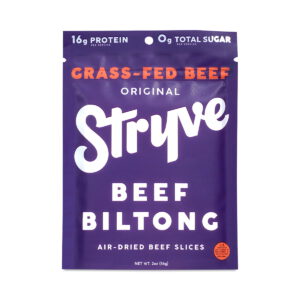
Lastly, when making your selections, prioritize freshness and avoid items that have long shelf lives unless they are pantry staples designed for longevity. Fresh produce, dairy, and meats should be carefully inspected for quality. For instance, choose organic chicken or grass-fed beef if incorporating animal products into your meals, as they tend to be free from added hormones and antibiotics, ensuring safer protein meals for you and your family.
Choosing organic ingredients
When choosing organic ingredients for your high-protein dinners, it’s essential to understand the benefits associated with selecting organic over conventional options. Organic foods generally have a reduced risk of exposure to harmful pesticides and chemicals, making them a healthier choice overall. This is particularly important when it comes to ingredients like fruits, vegetables, and grains that form the foundation of many protein meals.
Moreover, organic farming practices tend to be better for the environment. They promote soil health, biodiversity, and water conservation. By opting for organic, you’re not just taking care of your health but also supporting sustainable agricultural practices. Here’s a comparison of organic versus conventional produce:
| Aspect | Organic | Conventional |
|---|---|---|
| Pesticide Use | Minimal and natural | Frequent chemical applications |
| Nutritional Value | Often higher antioxidants and nutrients | Generally lower in these compounds |
| Environmental Impact | More sustainable | More resource-intensive |
| Flavor | Often richer and more robust | May lack depth |
In addition to these benefits, choosing organic legumes, such as lentils and beans, can enhance the nutritional profile of your protein meals. These foods are not only high in protein but also boast a wealth of fiber, vitamins, and minerals that contribute to overall health. When incorporating organic ingredients, consider preparing healthy recipes that highlight the flavors and qualities of the organic produce. For example, a quinoa salad dressed with organic olive oil, fresh herbs, and seasonal vegetables can serve as a nutritious foundation for any protein-rich meal.
Shopping tips for selecting organic ingredients include reading labels carefully and being aware of misleading marketing terms. Look for USDA Organic certification, which ensures the food is genuinely organic. Keep an eye out for local options, as these can often be fresher and more flavorful than items that have traveled long distances.
Moreover, try to expand your palette by exploring alternate protein sources such as organic tempeh or seitan, which can provide a variety of flavors and textures in your meals. By consciously selecting organic ingredients, you not only elevate the quality of your dishes, but you also champion a healthier world for the next generations.
Delicious high-protein recipes
When it comes to crafting delicious high-protein recipes, the key is to focus on simple yet nutritious ingredients that can be easily sourced both locally and online. Incorporating a variety of high-protein foods can lead to meals that are not only satisfying but also rich in flavors. One approach is to create balanced dishes that combine different protein sources, enhancing both taste and health benefits.
For a standout dinner idea, consider a chickpea and quinoa salad. Combine cooked quinoa with roasted chickpeas, diced cucumber, cherry tomatoes, and a drizzle of fresh lemon juice. This dish is not only filling but also packed with protein, fiber, and a wealth of vitamins. To amp up the flavor profile, add fresh herbs such as parsley or basil. This salad is suitable for vegans and can be made quickly, making it perfect for busy families.
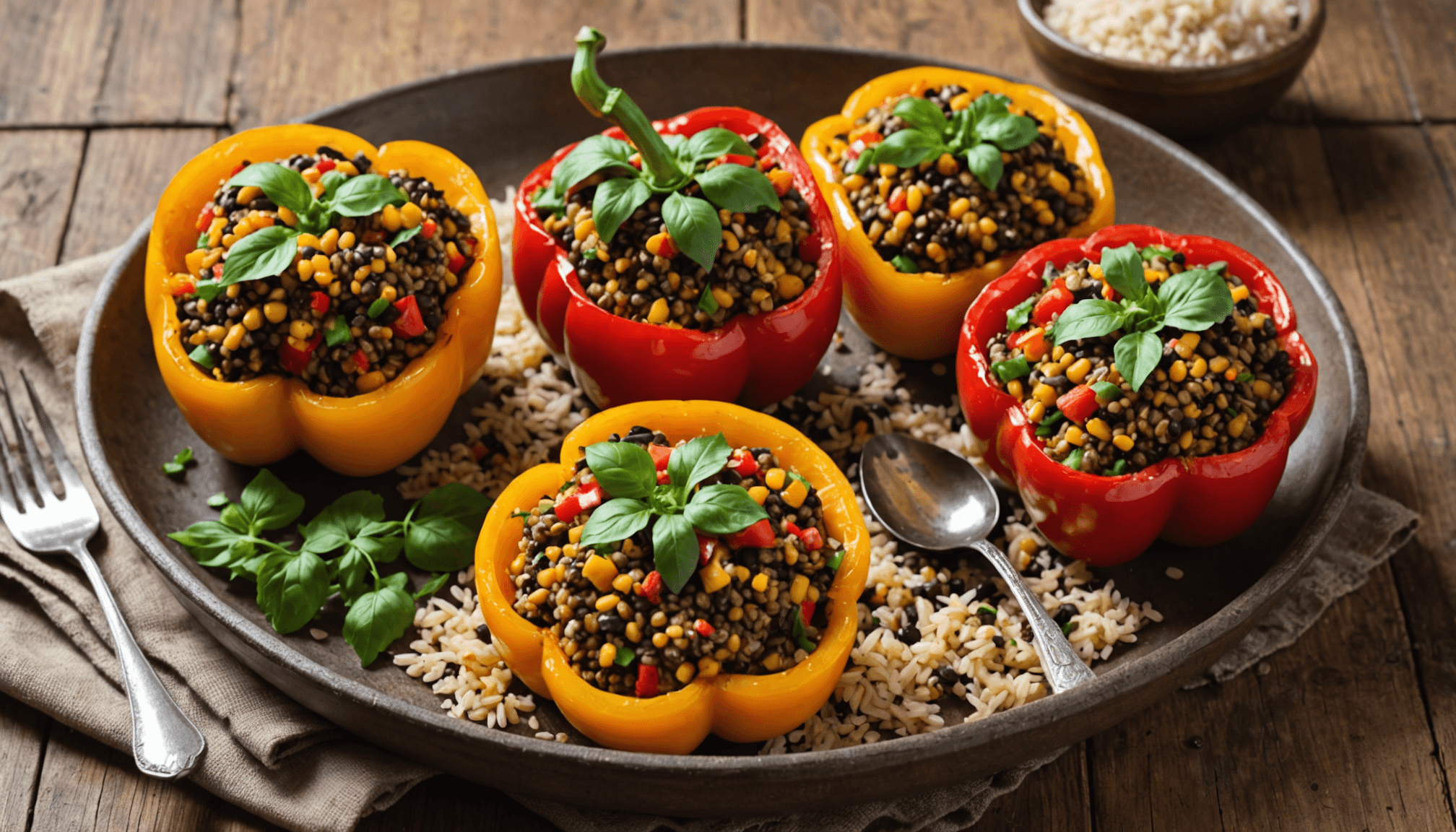
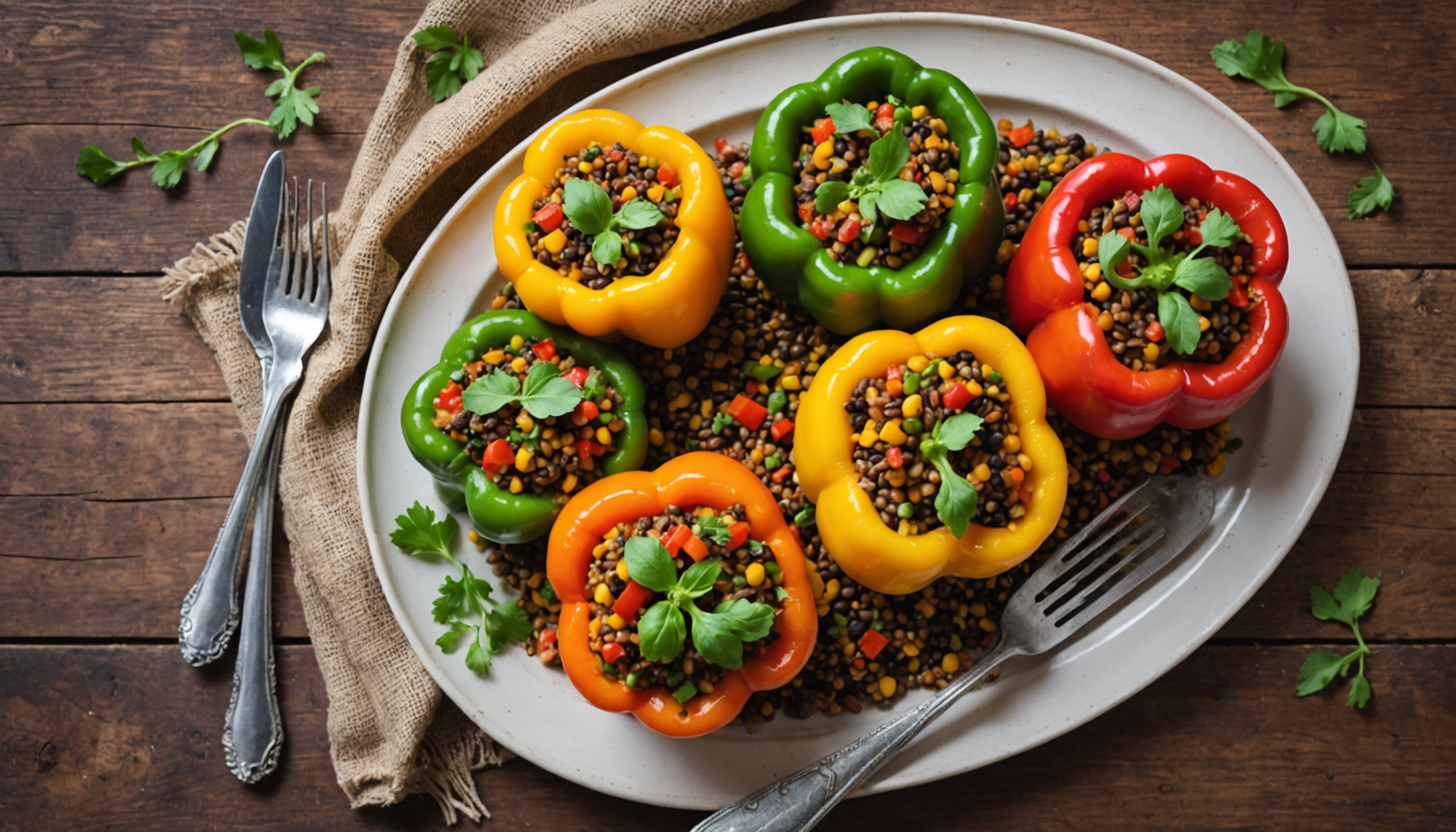
Another fantastic option is stuffed bell peppers. Fill halved bell peppers with a mixture of cooked lentils, brown rice, diced vegetables, and spices. Bake them until tender, and you have a colorful, nutritious plate that boasts a variety of plant-based proteins. The delicious combination of textures and flavors ensures that even the pickiest eaters will enjoy this meal.
If you’re looking for a quick protein-packed dish, try tofu stir-fry. Simply sauté diced tofu with a medley of frozen vegetables for convenience—think broccoli, snap peas, and bell peppers. Season with soy sauce or a homemade teriyaki glaze for an extra kick. Serve it over brown rice or quinoa for a well-rounded dinner that’s both quick and nutritious.
When shopping for ingredients, especially online, make sure to look for high-quality organic options. Organic tofu and tempeh are excellent choices as they are typically made without harmful additives. Additionally, when selecting frozen vegetables, aim for those that are marked as organic to maximize nutrient retention without added preservatives.
Don’t overlook the power of legumes and pulses—they’re not just for salads and soups! Create a hearty black bean chili by simmering black beans with tomatoes, onions, and spices. This dish is perfect for meal prep since it can be made in large batches and freezes well. Pair it with a side of whole grain tortillas for a complete protein meal that’s both indulgent and healthy.
- Protein-packed snacks: Keep your energy up with snacks like roasted edamame or a handful of mixed nuts. They provide quick protein boosts that can sustain you through your busy day.
- Explore seafood options: If you’re not strictly vegan, consider adding fish such as salmon or tuna to your repertoire. They are rich in omega-3 fatty acids and are incredibly versatile for dinners, like in a quick salmon salad.
- Experiment with what you have: Make use of leftover protein by incorporating it into new dishes. Last night’s grilled chicken can easily be transformed into a protein-rich chicken salad or used in a wrap with fresh veggies.
Lastly, prioritize organic food sources that have good reputations for sustainability and health. Whether you’re shopping at a local store or browsing online, check for reviews, quality assurances, and safety certifications. Look for sales on bulk organic products to save money while maintaining your food quality. By making informed decisions, you’ll not only enjoy high-protein meals but also feel good about your food choices for you and your family.
Creative meal combinations
Combining different high-protein ingredients not only enhances the nutritional value of your meals but also adds depth and variety to your dining experience. One effective strategy is to create layered flavors by mixing proteins from various sources, such as legumes, grains, and animal proteins if desired. For instance, you could prepare a protein bowl that features brown rice topped with black beans, grilled chicken, and a dollop of avocado or salsa. This dish is not only visually appealing but also provides a satisfying balance of textures and flavors.
Another creative combination is a Greek yogurt parfait that typically showcases layers of protein-rich Greek yogurt, fresh organic fruits, and a sprinkle of granola or seeds. This versatile dish can serve as a filling dessert or a nutritious breakfast option. Try varying the fruits according to the season—berries in the summer, or apple slices in the fall—enhancing the taste as well as the nutritional profile of the dish.
Consider pasta dishes as well. Whole grain or legume-based pasta contributes additional protein content. Toss it with a mixture of sautéed vegetables, spinach, and a generous serving of diced grilled shrimp or chicken. This not only creates a fulfilling meal but significantly elevates the protein levels while infusing various nutrients from the vegetables.
For a fresh take, think about creating a protein-rich wrap. Use whole grain tortillas filled with hummus, grilled vegetables, and falafel for a plant-based option. You can also incorporate lean meats like turkey or chicken with fresh greens for a delightful crunch and added protein. The key is to wrap these ingredients tightly in the tortilla, resulting in a compact meal that’s easy to grab and enjoy.
Another delicious combination is using organic tofu in a savory curry dish. The tofu can absorb the spices and flavors beautifully. Pair it with chickpeas and serve it over quinoa for an extra protein boost. Don’t shy away from spices; experimenting with different herbs and spices can transform simple ingredients into global-flavored dishes that the whole family will love.
As you explore these creative meal combinations, note the saying,
“Variety is the spice of life.”
By incorporating diverse ingredients, you’ll ensure that your high-protein meals remain exciting and satisfying, encouraging everyone to eat healthier. When planning your meals, seek inspiration from various cuisines, utilizing organic foods and seasonal ingredients to create memorable dishes that nourish the body and delight the palate.
Tips for meal prep
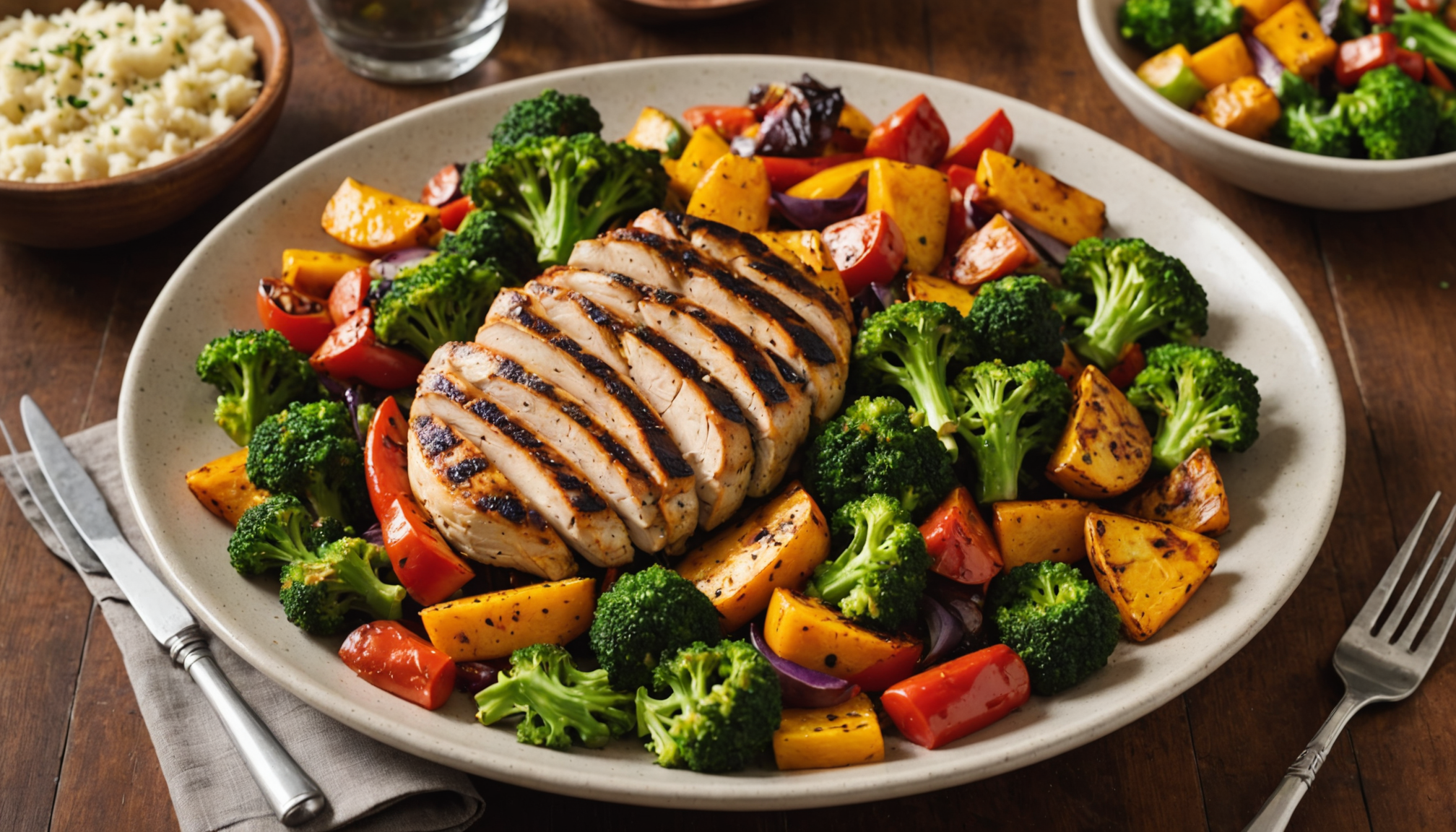 Preparing meals in advance allows you to enjoy nutritious high-protein dinners while saving time during your busy week. Start by dedicating a specific day for meal prep; this will help establish a routine that simplifies your cooking process. Focus on versatility: cook larger portions of staples like quinoa, brown rice, or lentils, which can be quickly transformed into multiple dishes throughout the week. These base ingredients are not only rich in protein but also serve as an excellent foundation for various high-protein meals.
One effective strategy is to roast a variety of seasonal vegetables and pair them with your protein sources. Roasting increases the flavor and texture of veggies like broccoli, sweet potatoes, and bell peppers, making them more appealing in your dishes. You can toss these roasted vegetables with a few herbs and spices to elevate the taste, beautifully complementing your protein meals.
Additionally, consider batch-cooking protein sources like chicken breast, turkey, or legumes. Cooking them in bulk means you’ll always have ready-to-use ingredients for salads, wraps, or stir-fries. Store these proteins in separate containers to mix and match throughout the week. For instance, grilled chicken can become part of a salad one night and a wrap the next—helping to prevent meal fatigue.
Investing in quality storage containers is essential for meal prep; choose ones that are freezer-friendly and airtight to maintain freshness. Labeling them with the contents and dates can simplify access and ensure you consume them in a timely manner. Don’t forget to include healthy snacks in your meal prep, such as energy balls made from oats and nut butter or pre-portioned servings of nuts and seeds. These protein-rich snacks can help keep your energy levels stable between meals.
Experimenting with different marinades or seasoning blends during your meal prep can significantly change the flavor profile of your proteins and vegetables, making them more enjoyable to eat throughout the week. Utilize fresh herbs or zesty sauces to keep your meals interesting and engaging. The key is to be creative and adaptable; don’t hesitate to swap ingredients based on what you have on hand or what’s in season.
By practicing thoughtful meal prep, you’ll cultivate a healthier relationship with food, making it easier to stick to your nutritional goals while enjoying the delicious, high-protein meals you’ve worked hard to prepare.
- What are the benefits of meal prepping?
- Meal prepping saves time and effort during the week, allowing you to have ready-made, healthy meals on hand. It can also help you adhere to dietary goals by ensuring you have nutritious options available without the temptation of unhealthy choices.
- How can I ensure my meal prep is high in protein?
- Incorporate a variety of protein sources, such as legumes, tofu, lean meats, and dairy products, into your meal prep. Focus on including these protein-rich ingredients in every meal or snack to meet your daily protein needs.
- What should I avoid when meal prepping?
- Avoid using too many processed foods or ingredients with long shelf lives that might lack nutritional value. Stick to whole, organic foods with minimal preservatives for optimal health benefits.
- How long can I store meal prep in the refrigerator?
- Most meal-prepped dishes can be stored safely in the refrigerator for about 3-4 days. For longer storage, consider freezing portions to maintain freshness.
- Can I meal prep for special diets?
- Absolutely! Meal prepping can be tailored to suit various diets, whether vegan, keto, or gluten-free. Just ensure you select ingredients that align with your dietary preferences and restrictions.
- What are some easy protein sources for meal prep?
- Easy sources include canned beans, quinoa, chicken breasts, Greek yogurt, or tempeh. These ingredients can be prepared in bulk and incorporated into various meals.
- How do I keep my meal prep interesting?
- To prevent meal boredom, rotate different recipes, seasonings, and cooking methods weekly. Try adding unique spices or sauces, and use seasonal ingredients to keep flavors fresh and exciting.
Nutritional considerations
When it comes to nutritional considerations in your grocery shopping, understanding not just what to choose but also how to shop smartly is essential for building healthy meals. Start by focusing on high-protein options that can be both nutrient-dense and budget-friendly. Incorporating ingredients like organic beans, lentils, and chickpeas brings plant-based protein into your diet while also delivering a plethora of vitamins and minerals essential for overall health.
Shopping at local markets can yield amazing results as well. Farmers’ markets often showcase organic foods that might not only be fresher but also less expensive than those at large grocery retailers. When sourcing your ingredients, look for vibrant colors in fruits and vegetables, which generally indicates higher nutrient levels. For instance, purchasing seasonal organic produce can save you money and ensure you are getting the best flavor and nutritional value.
For those reluctant to compromise health for convenience, frozen organic fruits and vegetables are a wise option. They often retain most of their nutrients and are quick to incorporate into meals. If you’re pressed for time, consider selecting pre-chopped vegetables or frozen stir-fry mixes as they save prep time without sacrificing quality.
Don’t underestimate the importance of reading labels. When selecting packaged items, choose those with limited ingredients, avoiding added sugars and unhealthy preservatives. If you’re looking for high-protein meals, consider ingredients like Greek yogurt, which is rich in protein and great for healthy recipes like smoothies or parfaits. Look for unsweetened versions to keep added sugars in check.
Safety is also a primary concern, especially when buying online. Make sure you’re purchasing from reputable companies that provide detailed sourcing information. Always check customer reviews and opt for sites that abide by food safety regulations. If you buy meat or dairy products, ensure they’re from certified organic farms to reduce exposure to antibiotics and hormones.
Furthermore, when considering protein sources, explore options like organic tempeh or seitan, which are not only great for vegan diets but add variety and depth to your meals. These ingredients can be marinated and cooked in numerous ways, making them a versatile addition to your fridge. When shopping for nuts and seeds, opt for raw or lightly roasted varieties with no added salts or sugars to maintain healthfulness while enhancing protein intake.
Finally, don’t overlook bulk bins. They can offer significant savings on organic staples, allowing you to buy only what you need. Purchasing grains, legumes, and even nuts in bulk can help cut down costs while providing a foundation for nutritious, high-protein meals. Always use airtight containers to keep these items fresh and prevent waste.
By prioritizing fresh, organic food, exploring local options, and understanding what to look for in labeling, you can create nutritious and satisfying meals that fit both your dietary needs and your budget. With these tips, grocery shopping becomes an effortless yet highly engaging journey toward healthier eating!
New Customers Offer!
Free Gift for the new customer
$24 Value, When You Subscrib Visit Thrive Market