- Nutritional Benefits of Seafood
- Choosing Fresh and Organic Ingredients
- Flavor Combinations for Seafood Bowls
- Simple Seafood Bowl Recipes
- Tips for Meal Prep and Storage
- Customizing Your Seafood Bowl Experience
When shopping for ingredients to create your delightful seafood bowls, it’s essential to ensure that you’re choosing the best options available. Focus on fresh and organic items that not only taste great but also contribute to a healthier lifestyle. Here are some grocery shopping tips tailored to meet the needs of busy families, fitness enthusiasts, and those following a healthy diet.
Start with a Master List: Before heading out to the store or starting your online order, prepare a master shopping list based on the recipes you plan to make. This helps you prioritize essential ingredients and avoid impulse purchases that can derail your healthy eating goals.
Local and Seasonal Produce: Whenever possible, shop for local and seasonal vegetables and fruits. They are often fresher, more flavorful, and more nutrient-dense compared to imported options. Visit local farmers’ markets or use apps like LocalHarvest to find fresh produce near you.
Choose Sustainable Seafood: When buying seafood, look for certifications such as the Marine Stewardship Council (MSC) seal, indicating that the fish is sourced sustainably. Wild-caught fish is typically healthier than farmed varieties, but if you choose farmed options, look for those raised on organic feed and without antibiotics.
Shop the Frozen Aisle: Don’t shy away from the frozen seafood section. Frozen fish and shellfish are often flash-frozen at sea, locking in their nutrients and flavor. They can be a more budget-friendly option and offer convenience without sacrificing quality. Just ensure to read the labels for added preservatives or sodium.
Choose Whole Foods: Opt for whole grains like quinoa, brown rice, or farro in your seafood bowls. They provide fiber and essential nutrients. Likewise, include plenty of colorful vegetables such as bell peppers, spinach, and avocado to boost the health quotient of your meals.
Plant-Based Options: For vegan or plant-based seafood alternatives, consider products like seaweed, tempeh, or tofu marinated in seafood-inspired seasonings. These can add an exciting twist to your organic recipes while keeping meals aligned with your dietary preferences.
Read Labels: Whether shopping online or at the store, always read ingredient labels carefully. Look for products that have minimal additives and ensure any packaged seafood does not contain unhealthy preservatives. This is particularly important when checking for allergens or unwanted fillers.
Safety First: When ordering seafood and other perishable items online, choose reputable retailers. Ensure they provide proper cold chain shipping, and check reviews to verify customer satisfaction. If shopping in-store, inspect seafood for clear eyes, bright skin, and a fresh ocean smell to ensure its freshness.
Budget-Friendly Choices: Incorporate canned and pouch tuna or salmon into your shopping routine. They are often less expensive and still packed with protein and omega-3 fatty acids, making them perfect for quick and healthy dinners.
By adhering to these practical shopping tips, you can easily build a repertoire of healthy, flavorful seafood bowls that cater to your family’s dietary needs while staying budget-conscious and time-efficient. The right ingredients not only enhance the flavor but also make your meals nutritious and enjoyable.
Choosing Fresh and Organic Ingredients
When it comes to crafting delicious seafood bowls, selecting fresh and organic ingredients is a key component to achieving both flavor and nutritional balance. Freshness plays a crucial role in enhancing the taste and health benefits of your meals, while organic ingredients can minimize exposure to harmful pesticides and additives, aligning with a healthier lifestyle. Here are essential points to consider when choosing ingredients for your seafood creations.
Inspecting Fresh Seafood: The first step in ensuring the quality of your seafood is to closely inspect it before purchase. Look for fish with bright, clear eyes, shiny skin, and a mild oceanic smell. Shellfish should be tightly closed or should close when gently tapped—if they remain open, they are likely dead and should not be consumed. Consider the type of seafood you prefer and inquire about its source, as knowing whether it is wild-caught or farmed can affect quality and taste.
Organic Fruits and Vegetables: Incorporate a variety of organic fruits and vegetables in your seafood bowls. Organic produce is cultivated without synthetic fertilizers or pesticides, resulting in safer and more nutritious options. For instance, avocados, spinach, and sweet potatoes are all great additions that provide healthy fats, vitamins, and minerals. Choosing produce in season can also enhance flavor concentration and seasonal enjoyment.
Sourcing Quality Grains: Grains can serve as the foundation of your seafood bowls. Opt for organic whole grains such as quinoa, brown rice, or barley. Not only do these grains provide essential nutrients, but they also offer a satisfying texture and flavor that complements the seafood. It’s wise to check for the USDA Organic certification on grain products to ensure you’re purchasing genuinely organic items.
Comparing Seafood Sources: Below is a table to help you understand the differences between various seafood sourcing methods:
| Seafood Type | Source | Benefits | Considerations |
|---|---|---|---|
| Wild-Caught | Harvested from natural waters | Generally richer in omega-3s and nutrients | May be overfished; check sustainability ratings |
| Farmed | Raised in controlled environments | More readily available and can be sustainably managed | Potential for antibiotics and lower omega-3 levels |
| Organic | Farmed with organic feed and practices | Healthier for the environment; less chemical exposure | Usually more expensive; verify certifications |
Flavor-Enhancing Herbs and Spices: Don’t overlook the power of herbs and spices in your seafood bowl preparations. Fresh herbs like cilantro, basil, and dill can brighten the dish, while spices such as cumin, paprika, or a hint of chili can add depth and warmth. Opting for organic herbs and spices ensures purity and enhances the overall quality of your meals.
Supporting Local Farmers: Whenever possible, build relationships with local farmers or visit farmers’ markets. Local sourcing not only supports your community but often provides fresher and more flavorful ingredients. Establish connections that allow you to purchase fish, produce, and organic items directly from their source, resulting in a farm-to-table experience that enhances your seafood bowls.
By prioritizing freshness and organic choices when selecting ingredients for your seafood bowls, you set the foundation for creating satisfying and healthy dinners. The quality of what goes into your bowl directly influences the overall taste and nutritional value, ensuring a delightful dining experience every time.
Flavor Combinations for Seafood Bowls

When it comes to crafting your seafood bowls, the right flavor combinations can transform your meal from ordinary to extraordinary. To create a delightful and nutritious experience, start by imagining the harmonious blend of flavors that not only elevate the taste but also complement the health benefits of the ingredients used.
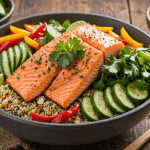
Base Layer: The foundation of your seafood bowl is crucial. Begin with a base of whole grains such as quinoa, brown rice, or farro. These grains add a hearty texture and are rich in fiber. Quinoa, for instance, is not only a complete protein but also gluten-free, making it a fantastic choice for various dietary needs. For a more budget-friendly option, consider using brown rice, which offers a pleasant nuttiness and is widely available.
Seafood Selection: Next, choose your protein source. Fresh, sustainable seafood should be the star of your bowl. Options like salmon, shrimp, and scallops each bring unique flavors. Salmon is rich in omega-3 fatty acids, while shrimp cooks quickly, making it perfect for busy schedules. If you’re looking for a unique twist, try adding smoked salmon or canned sardines, which are budget-friendly and packed with nutrients.
Veggie Variety: Incorporate a rainbow of vegetables. Sweet bell peppers, vibrant carrots, and crisp cucumbers not only provide crunch but also pack vitamins and antioxidants. Dark leafy greens, such as kale or spinach, enhance the nutrition of your seafood bowls significantly. Consider massaging kale with a little olive oil and lemon juice to tenderize it, making it more enjoyable.
Flavor Boosters: To enhance the flavors, add bold ingredients. Fresh herbs like cilantro, parsley, and dill can add brightness and freshness to your bowl. A squeeze of citrus—like lemon or lime—can elevate all the flavors, while spices like smoked paprika or cumin can introduce warmth and depth. For a touch of decadence, consider a drizzle of tahini, a touch of sriracha, or a dollop of creamy avocado to enhance creaminess without unhealthy additives.
Dressing Matters: A well-balanced dressing can make or break your seafood bowl. Opt for an oil-based dressing to keep things light, such as a lemon vinaigrette made from olive oil, fresh lemon juice, and a hint of mustard. This not only adds flavor but also the healthy fats necessary for nutrient absorption. Alternatively, yogurt-based dressings can offer creaminess without all the calories and fats of traditional creamy dressings.
Texture Play: Don’t forget about texture! Adding crunchy elements can create contrast and keep each bite exciting. Consider incorporating roasted nuts or seeds, like sesame or pumpkin seeds, as toppings. These not only add crunch but also bring in healthy fats and proteins.
Herbal Infusion: Finally, think about integrating herbal infusions. A simple rosemary or thyme infusion in the cooking water for your grains could impart a subtle layer of flavor that complements seafood beautifully. Experimenting with herbal oils, such as basil or coriander-infused olive oil, can also provide a depth of flavor that is both unique and delightful.
By embracing these flavor combinations, you can create seafood bowls that are not only visually appealing but also bursting with flavors that reflect healthy eating. Enjoy playing around with different ingredients and combinations, and let your creativity shine as you build nourishing and delicious meals for your family!
Simple Seafood Bowl Recipes
Creating delicious seafood bowls at home can be both simple and satisfying. Here are some easy recipes to get you started, each designed to showcase the fresh, vibrant flavors of sustainable seafood while also being nutritious and filling.
1. Grilled Lemon Herb Salmon Bowl
Start by marinating salmon fillets in a mixture of olive oil, fresh lemon juice, minced garlic, and a pinch of dried oregano for about 30 minutes. Grill the salmon for 6-8 minutes on each side until fully cooked. Serve over a base of quinoa or brown rice, and top with steamed broccoli, cherry tomatoes, and avocado slices. Drizzle with a lemon-tahini dressing made from tahini, lemon juice, garlic, and water for a creamy yet healthy finish.
2. Shrimp and Avocado Rice Bowl
Sauté shrimp in a pan with olive oil, lime juice, and a dash of chili powder until pink and fully cooked. Meanwhile, cook brown rice and mix it with chopped cilantro and lime zest for an aromatic twist. Assemble your bowl by layering the cilantro-lime rice, sautéed shrimp, diced avocado, and shredded cabbage. Garnish with a sprinkle of sesame seeds and your choice of a spicy yogurt sauce or vinaigrette for an extra kick.
3. Spicy Tuna Poke Bowl
For a refreshing poke bowl, start with sushi-grade tuna, cubed and marinated in a mix of soy sauce, sesame oil, and sriracha. Serve over a bed of sushi rice topped with pickled ginger, sliced cucumber, and edamame. Add a spoonful of creamy avocado and sprinkle chopped green onions for added freshness. This dish provides a perfect balance of protein and healthy fats while delivering bold flavors in every bite.
4. Mediterranean Shrimp Bowl
Marinate shrimp in olive oil, lemon juice, garlic, and chopped parsley, then grill or sauté until cooked. Serve atop a bed of farro mixed with diced cucumbers, halved cherry tomatoes, and kalamata olives for a Mediterranean flair. Drizzle with a homemade lemon vinaigrette, and finish the bowl with crumbled feta cheese and a sprinkle of fresh dill for a deliciously healthy dinner option.
5. Coconut Curry Fish Bowl
For a flavorful twist, cook your choice of white fish, like cod or tilapia, in a coconut curry sauce made from canned coconut milk, curry paste, and fresh vegetables such as bell peppers and spinach. Serve over jasmine rice and finish with fresh cilantro and lime wedges. This recipe highlights the uniqueness of curry while ensuring a satisfying, creamy texture.
“The secret to great seafood bowls lies in the balance of fresh ingredients and bold flavors.”
These simple seafood bowl recipes not only cater to your taste buds but also provide a wealth of nutrients that contribute to healthy dinners. Experiment with different combinations of seafood, grains, and vegetables to find your favorite variations, and enjoy the journey of creating healthy, delightful meals for yourself and your family!
Tips for Meal Prep and Storage

Meal prep and storage are vital to maintaining the freshness and nutritional value of your seafood bowls. Proper techniques can save you time during the week and help ensure you have delicious, healthy dinners ready whenever you need them. Here are some insightful tips to streamline your meal preparation and storage processes.
Plan Ahead: Start by designing a meal plan for the week that incorporates various seafood bowl recipes. Take into account the cooking methods and any overlapping ingredients. This not only reduces waste but also allows you to buy in bulk where appropriate, making your shopping more efficient. Additionally, consider preparing larger batches of grains or proteins to have on hand for quick assembly during busy weekdays.
Batch Cooking: Dedicate a specific day for batch cooking. This can involve grilling several portions of fish, sautéing a mix of vegetables, or cooking enough grains for multiple meals. By batch cooking, you eliminate daily cooking stress and ensure all components of your seafood bowls are ready for assembly. Store cooked items in separate airtight containers in the refrigerator for easy access.
Proper Storage Techniques: When storing seafood, ensure it is kept at the right temperature. Fresh fish should be consumed within two days of purchase, so plan accordingly. To maintain freshness, store seafood in the coldest part of the fridge, ideally wrapped in absorbent paper and placed in a zip-top bag. For longer storage, consider freezing portions, which can be done on a baking sheet before transferring them to freezer bags for easy access later.
Keep Ingredients Separate: When prepping your seafood bowls, store components separately to maintain their freshness and prevent sogginess. For example, keep dressings and garnishes in small containers, and add them only when you are ready to serve. This ensures that your grains, proteins, and vegetables retain their individual flavors and textures until you’re ready to eat.
Utilize Freezer-Friendly Ingredients: Stock up on freezer-friendly vegetables and proteins. Items like frozen peas, corn, or spinach are convenient for quick meals and retain their nutritional value. Frozen seafood is also an excellent option; it’s often frozen just after being caught, ensuring freshness. Remember to thaw them overnight in the refrigerator before cooking to preserve texture and taste.
Creative Reuse of Leftovers: Don’t let any food go to waste! If you have leftover components from your seafood bowl, get creative in repurposing them into new meals. For example, leftover grains can be used in salads or soups, while grilled vegetables can be added to omelets or wraps. This not only brightens your menu but also minimizes waste and maximizes your health-focused culinary efforts.
By implementing these meal prep and storage strategies, you can enjoy hassle-free healthy dinners throughout the week while ensuring your seafood bowls are as fresh and flavorful as possible. The time invested in preparation will reward you with satisfying meals, making you look forward to your next colorful bowl of organic goodness!
- How can I safely store seafood to maintain freshness?
- Fresh seafood should be kept in the coldest part of your refrigerator, ideally wrapped in absorbent paper and placed in a zip-top bag. For longer storage, freeze it, ensuring it’s well-wrapped to prevent freezer burn.
- What’s the ideal way to reheat seafood bowls without compromising quality?
- To reheat seafood bowls, use the stovetop over low heat, adding a splash of broth or water to keep ingredients moist. Alternatively, the microwave can be used on a low setting, covered to prevent drying out.
- How long can I store cooked seafood in the fridge?
- Cooked seafood is best consumed within two days if stored in the refrigerator. Always ensure it is kept at safe temperatures to avoid foodborne illness.
- Can I meal prep seafood bowls in advance?
- Yes! You can prepare components like grains and vegetables ahead of time and store them separately in the fridge. Add seafood and dressings just before serving for the best freshness.
- What types of grains are suitable for seafood bowls?
- Whole grains such as quinoa, farro, brown rice, or barley are excellent choices for seafood bowls. They provide fiber, essential nutrients, and create a hearty base.
- Are there any tips for freezing seafood for later use?
- When freezing seafood, ensure it’s fresh and wrapped tightly in freezer-safe packaging to prevent freezer burn. Label packages with the date to keep track of freshness, aiming to use within three months.
- What should I consider when prepping for meal prep?
- When prepping for meal prep, consider incorporating a variety of proteins, grains, and vegetables to keep meals exciting. Efficient batch cooking and proper storage will help ensure flavors and freshness are maximized throughout the week.
Customizing Your Seafood Bowl Experience
Customizing your seafood bowl experience is all about making it uniquely yours while enhancing both flavor and nutritional value. Tailoring your bowl not only satisfies individual preferences but also opens opportunities for creativity and exploration with ingredients. Here’s a guide to help you think outside the traditional seafood bowl and make choices that align with your lifestyle and goals.
Explore Flavor Profiles: Begin by experimenting with diverse flavor profiles that reflect your personal taste. If you enjoy bold flavors, consider incorporating ingredients like kimchi, spicy salsa, or harissa into your bowl. Conversely, if you prefer milder flavors, opt for fresh herbs like basil or cilantro, and light dressings made from citrus juices or vinegar. This customization empowers you to curate meals that excite your palate and keep your dinners fun.
Make Substitutions: Don’t hesitate to substitute, especially if there are ingredients you or your family may not enjoy. For instance, if your kids are not fans of shellfish, swap shrimp with grilled chicken or even crispy chickpeas for a plant-based option. Similarly, if you prefer gluten-free options, replace traditional grains with cauliflower rice or lettuce wraps as a base, making your seafood bowl fit your dietary needs.
Integrate Colors and Textures: A visually appealing bowl is also much more enjoyable. Incorporate a variety of colorful vegetables such as cherry tomatoes, shredded carrots, or rainbow radishes to make your bowl pop. For texture, consider adding crunchy toppings, such as toasted nuts or seeds, alongside creamy elements like avocado or tahini sauce. This combination not only enhances the nutritious aspect but creates a delightful array of textures with each bite.
Utilize condiments and dressings: The right dressing can elevate your seafood bowl dramatically. Craft your own vinaigrettes using organic ingredients to ensure purity. Try combining balsamic vinegar with a touch of honey and garlic for a sweet yet tangy finish, or whip up a homemade tahini lemon dressing to drizzle over your bowl. Experimenting with dressings allows you to customize and amplify flavors to match your preferences without added preservatives or sugars.
Portion Control: Pay attention to portion sizes to ensure balance in your seafood bowl. Aim for a ratio of 1 part protein (like fish or tofu), 2 parts vegetables, and 1 part grains. This not only ensures you’re getting an abundance of nutrients but also helps in managing your caloric intake while still feeling satisfied. It’s essential, especially for busy individuals and families, to remain mindful of ensuring a balanced meal.
Incorporate Seasonal Ingredients: Adjusting your ingredients based on the seasons will enhance both flavor and freshness. Seasonal fruits and vegetables often provide higher nutrient content, so look for what’s local and in season to make your custom seafood bowls even more delightful. Whether it’s asparagus in spring or butternut squash in fall, seasonal ingredients can provide an exciting twist to your creations and promote local agriculture.
Experiment with Cooking Methods: Finally, don’t restrict yourself to just grilling or sautéing seafood. Explore other methods, such as baking, poaching, or even smoking seafood for different taste experiences. Each method affects texture and flavor, offering versatility in how you enjoy your seafood bowls. From zesty baked salmon to tender poached shrimp, variety is key to keeping meals exciting and delicious.
Customizing your seafood bowl experience is a fun way to connect with the ingredients you love while accommodating dietary preferences and daily needs. By incorporating your unique tastes, seasonal finds, and health-conscious choices, you can transform your seafood bowls into a genuinely personalized culinary experience that nourishes both body and soul.
New Customers Offer!
Free Gift for the new customer
$24 Value, When You Subscrib Visit Thrive Market