- Choosing The Right Seafood
- Nutritional Benefits Of Organic Ingredients
- Creative Bowl Combinations
- Cooking Techniques For Perfect Bowls
- Flavor Enhancements And Dressings
- Sustainable Sourcing For Seafood
When it comes to creating delicious and nutritious seafood bowls, selecting the right seafood is paramount. You want to ensure you are choosing high-quality, sustainable options that not only satisfy your palate but also contribute to your health and the health of the planet. Here are some practical tips to enhance your shopping experience, whether you’re visiting a local market or browsing online.
Fresh vs. Frozen: Many believe that fresh seafood is superior, but frozen options can be just as nutritious, and often more budget-friendly. Look for (wild-caught) frozen seafood, as it tends to retain more nutrients than farmed varieties. When shopping in-store, check the labels for the catch date to ensure freshness.
Know Your Sources: Whether shopping locally or online, it’s crucial to know where your seafood comes from. Visit local fish markets where staff can provide insight into the sourcing of their products. For online purchases, opt for reputable suppliers known for sustainable practices. Certifications from organizations like the Marine Stewardship Council (MSC) can be a good indicator of sustainable sourcing.
- Seafood Types: Consider a mix of seafood for your bowls. Salmon and sardines are great for omega-3 fatty acids, while shrimp offers a low-calorie, high-protein option. For a plant-based twist, explore vegan seafood alternatives made from ingredients like algae or pea protein.
- Diverse Selection: Incorporate a variety of seafood to keep your meals exciting. Think beyond just fish; octopus, scallops, and calamari can add unique flavors and textures to your dishes.
Seasonal Selections: Always ask about seasonal availability when shopping. Fish that are in season are not only fresher but also more affordable. For instance, halibut is typically plentiful in spring, while tuna peaks during the summer months. Aligning your picks with local seasons helps support sustainability.
Storage Practices: Proper storage is essential to keeping your seafood fresh. If you purchase fresh seafood, be sure to cook or freeze it within a day or two. When freezing, wrap it tightly in plastic wrap or vacuum-seal it to avoid freezer burn. If you’re buying canned or jarred seafood, check the expiry dates and ensure that the seals are intact.
Online Shopping Safety: For those opting to buy their seafood online, consider the following safety tips:
- Check for customer reviews and ratings for the seller.
- Make sure the website has secure payment options.
- Look for a clear return policy in case the product doesn’t meet your expectations.
By being a discerning shopper and educating yourself on the options available, you can create impressive and healthy dinners that feature an assortment of flavors and textures. Remember, the right seafood not only enhances your bowl but also contributes to a sustainable future!
Nutritional Benefits Of Organic Ingredients
The choice of organic ingredients in your seafood bowls brings a myriad of nutritional benefits that significantly enhance your overall health. Organic produce is cultivated without synthetic pesticides or fertilizers, which means you benefit from cleaner, more nutrient-dense foods. This results in fewer harmful chemicals entering your body, allowing you to enjoy your meals with peace of mind.
Eating organic ingredients has been associated with a higher concentration of antioxidants, vitamins, and minerals. For instance, organic vegetables typically contain higher levels of vitamin C and phenolic compounds, which play a crucial role in reducing inflammation and boosting your immune system. Additionally, organic grains and legumes in your seafood bowls can provide a good source of fiber, promoting digestive health and helping to maintain balanced blood sugar levels.
Furthermore, organic seafood offers distinct advantages. Wild-caught fish often have a richer, more complex flavor compared to their farmed counterparts, mainly due to their varied diet in natural habitats. This not only enhances the taste profile of your meals but also means you are consuming fish that are less likely to have been exposed to harmful chemicals or antibiotics, which are prevalent in some fish farming practices.
To illustrate the benefits of organic ingredients further, here’s a comparative table showcasing the nutrient levels of organic versus conventional options:
| Nutrient | Organic Ingredients | Conventional Ingredients |
|---|---|---|
| Vitamin C | Higher (up to 30% more) | Lower |
| Antioxidants | Higher levels of phenolic compounds | Lower levels |
| Pesticide Residues | Minimal (if any) | Higher due to farming practices |
| Flavor Quality | More robust and diverse | Can be bland |
Incorporating these organic elements into your seafood bowls not only supports your health but also has broader environmental benefits. Organic farming practices focus on sustainable methods that promote biodiversity and soil health, ultimately contributing to a healthier planet. By choosing organic, you make a conscious decision that supports both personal well-being and environmental stewardship.
Delving into organic recipes that complement your seafood can open up an array of creative possibilities. Consider adding organic quinoa or brown rice as a base for your bowls, topped with seasonal organic vegetables. This combination not only enhances the nutritional profile but also brings out the natural flavors of each ingredient, allowing for healthy dinners that are satisfying and wholesome.
Creative Bowl Combinations

Creating unique and tasty seafood bowls is all about being adventurous with your ingredients. When shopping, think of these creative combinations that can elevate your meals. Start with a solid base—consider using brown rice, quinoa, or even a leafy greens mix such as spinach or kale for an iron boost. This not only adds nutrition but also provides a great foundation for the flavors to build on.
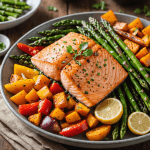
For your seafood selection, mix textures and flavors. Imagine a bowl featuring wild-caught salmon paired with grilled asparagus and roasted sweet potatoes for a delightful contrast. Alternatively, for a vegan twist, consider using marinated tofu or tempeh, complemented by some crispy seaweed and a sprinkle of sesame seeds. Incorporating legumes, like chickpeas or black beans, can also add protein while being budget-friendly.
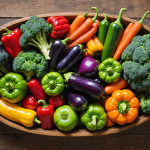
- Colorful Additions: Don’t shy away from adding color to your bowls! Use vibrant veggies such as bell peppers, avocado, and purple cabbage. These not only make your meal visually appealing but are also packed with essential vitamins and minerals.
- Delicious Dressings: Create your own dressings using organic ingredients. A simple mix of olive oil, lemon juice, and fresh herbs can elevate even the simplest seafood. Experiment with spicy tahini or ginger-soy dressing for an Asian-inspired bowl.
- Textural Variety: Consider adding nuts and seeds for crunch. Almonds, walnuts, or pumpkin seeds can bring a satisfying contrast to soft ingredients. And don’t forget the fresh herbs—cilantro, parsley, or dill can brighten up any dish!
Shopping smart involves seeking out organic produce and sustainably-sourced seafood. For those with a passion for cooking, explore local farmers’ markets for seasonal picks—they usually have the freshest ingredients and an opportunity to support your local economy. If you prefer online shopping, sign up for newsletters from health food stores to receive exclusive discounts on organic items.
Another tip for balancing nutrition and budget is to purchase in bulk. Grains, legumes, and spices can often be bought cheaply in larger quantities, allowing for significant savings over time. Pair these with your occasional seafood buys, and you’ll have a diverse pantry ready for healthy dinners.
Lastly, always keep an eye on ingredient labels, especially when shopping online. Look for terms like “certified organic” or “non-GMO” to ensure you’re making healthy choices. And be wary of subscriptions with auto-delivery; while they can offer convenience, ensure that you’re getting quality products by regularly reviewing your selections.
By blending eclectic ingredients and practicing mindful shopping, you can create seafood bowls that are not just delightful to the palate but beneficial for your health, all while having fun in the process!
Cooking Techniques For Perfect Bowls
Cooking seafood to perfection requires a good understanding of various techniques that highlight its natural flavors while maintaining its nutritional integrity. Whether you’re opting for baking, grilling, steaming, or sautéing, the right method will help you create delicious seafood bowls that offer a delightful balance of taste and health.
For grilling, marinate your seafood briefly to enhance its flavor. A mixture of citrus juice, olive oil, and fresh herbs can elevate the taste. When grilling fish, ensure that your grill is preheated and oiled to prevent sticking. Place the fish skin-side down, cooking it on medium heat until it’s no longer translucent, usually around 3-4 minutes per side depending on thickness. This method not only infuses the fish with smoky flavors but also allows for a crispy exterior while keeping the inside moist.
Baking seafood is another excellent technique for achieving moist and tender results without added fats. Preheat your oven to around 400°F (205°C) and line a baking sheet with parchment paper. Season your seafood with your favorite spices and herbs, and place it in the oven for 12-15 minutes, depending on the size. For an added layer of flavor, consider placing lemon slices or aromatic vegetables like garlic and shallots atop the fish before baking.
Steaming is one of the healthiest options for cooking seafood, as it helps retain nutrients and doesn’t require added oil. You can use a traditional steamer or even a microwave-safe dish covered with a damp paper towel. Season the seafood with herbs, a splash of soy sauce or lemon, and within minutes, you’ll have perfectly cooked fish or shellfish that can be flaked and added to your bowls.
Sautéing is perfect for quick, flavorful dishes. Use a non-stick skillet over medium-high heat, adding a little olive oil just before placing in your seafood. Cook for a few minutes on each side until golden and fully cooked. Pair this technique with plenty of sautéed vegetables, like zucchini or bell peppers, which can create a colorful and nutritious base for your seafood bowls.
Whenever you cook seafood, it’s essential to avoid overcooking, as it can result in a rubbery texture that lacks flavor. Always keep a close eye on your cooking time, and when in doubt, remove it from heat a minute earlier, allowing the residual heat to finish the cooking process.
“Cooking seafood is as much about technique as it is about flavor; mastering the methods will allow you to create meals that are both healthy and delicious.”
Combining these cooking techniques with fresh, organic ingredients will ensure you’re making health-conscious choices for your meals. Experiment with various herbs and spices to find the perfect pairing with your seafood. Additionally, consider the benefits of preparing healthy dinners that feature sides like quinoa or brown rice that absorb the flavors of your seafood and add wholesome nutrition to your bowl.
Lastly, don’t be afraid to explore inventive cooking methods such as poaching or sous vide, which can add a gourmet touch to your seafood bowls. These processes often result in exquisite texture and flavor profiles, perfect for impressing family and friends while maintaining a commitment to health and sustainability.
Flavor Enhancements And Dressings
 Flavor enhancements are vital to elevating the taste experience of your seafood bowls. The right combination of ingredients can transform a simple dish into a culinary delight. One of the easiest ways to enhance flavors is through seasonings and dressings. Fresh herbs such as basil, cilantro, and dill are not just garnishes; they can provide a depth of flavor that makes your meal memorable. A squeeze of fresh lemon or lime juice can brighten up the dish, adding acidity that complements the richness of the seafood.
When it comes to dressings, consider crafting your own using organic ingredients. A zesty vinaigrette with olive oil, apple cider vinegar, and a dash of honey can bring a refreshing taste to your bowls, harmonizing with the oceanic tastes of your seafood. For an Asian twist, a ginger-soy dressing made from low-sodium soy sauce, sesame oil, and freshly grated ginger can add complexity and umami. The use of tahini in dressings not only adds creaminess but also a nutty flavor that pairs beautifully with seafood, especially when combined with garlic and lemon.
Another way to enhance flavor is through the use of marinades. Allowing your seafood to soak in a mixture of spices, oils, and acidic components before cooking can infuse it with flavors. Try a marinade of garlic, rosemary, and olive oil for fish, or a spicy chili-lime mixture for shrimp to create that depth of flavor everyone craves. Marinate for at least 30 minutes, but be cautious not to exceed two hours; acids can start to cook the seafood, affecting texture.
Don’t overlook the importance of texture in your seafood bowls. As a complement to the tender seafood, adding crunchy elements like toasted nuts, seeds, or crispy onions can provide a wholesome contrast. Freshly grated cheese or creamy avocado can add richness, while roasted or pickled vegetables can introduce exciting flavor combinations.
Don’t hesitate to experiment with spices as well. Cumin, paprika, and coriander can add warmth and earthiness to your bowls, while chili flakes can give it a kick. A sprinkle of smoked sea salt can add a unique depth, reminiscent of the sea itself. Consider using a cooking technique that best brings out the flavors of your chosen seasonings, whether it’s grilling, broiling, or baking.
By being adventurous with your spices, herbs, and dressing, you’ll discover combinations that not only tantalize your taste buds but also inspire creativity in your cooking. As you explore these flavor enhancements, think about how each ingredient contributes to the overall experience and nutritional balance of your seafood bowls.
- What are some popular flavors to use in seafood bowls?
- Popular flavors include citrus (like lemon or lime), fresh herbs (such as cilantro and dill), and dressings made from olive oil, soy sauce, or tahini. Experimenting with spices like paprika and cumin can also add depth to your seafood dishes.
- Can I use frozen seafood for my bowls?
- Yes, frozen seafood can be a great alternative to fresh, often preserving the taste and nutritional value. Ensure you choose wild-caught options and properly thaw them before cooking for the best result.
- How can I enhance the flavor of my seafood without adding extra calories?
- Focus on using fresh herbs, spices, and citrus to boost flavor without calories. Techniques such as marinating or grilling can also enhance taste with minimal added fats.
- What type of dressings work best with seafood bowls?
- Dressings made with olive oil, vinegar, citrus juice, and tahini work wonderfully with seafood. Ginger-soy or spicy sesame dressings can add Asian flair and complementary flavors.
- Are there any tips for balancing flavors in my seafood bowls?
- When balancing flavors, consider incorporating a mix of fresh, spicy, and savory elements. Additionally, varying textures by including crunchy toppings can enhance the overall mouthfeel of the dish.
- Is it safe to eat seafood bowls raw?
- Raw seafood can be safe if it is fresh and properly sourced, such as in dishes like sushi. Always ensure that you’re using high-quality ingredients from reputable suppliers to avoid health risks.
- Can I meal prep seafood bowls in advance?
- Yes, meal prepping seafood bowls can save time during the week. Cook and store the components separately, then assemble your bowls just before eating to maintain freshness and flavor.
Sustainable Sourcing For Seafood
When it comes to making informed choices about seafood, embracing sustainability is crucial not just for your health but also for the well-being of our oceans. Shopping for sustainable seafood requires a bit of knowledge and commitment, but the rewards are well worth the effort. Here’s how you can shop consciously for seafood that is both delicious and ethically sourced.
Seek Out Certifications: Always look for labeling that indicates sustainable practices. Certifications from organizations like the Marine Stewardship Council (MSC) or the Aquaculture Stewardship Council (ASC) can guide you towards seafood that was sourced responsibly and sustainably. These labels signify that the seafood has been caught or farmed in ways that respect the environment and marine life.
Local and Seasonal Options: Shopping locally not only supports your community but also reduces the carbon footprint associated with transporting seafood. Visit farmers’ markets or local fishmongers who can provide information about the origin of their seafood. Seasonal seafood tends to be fresher and may have a lower environmental impact, so inquire about what’s caught during the current season. For instance, opting for fresh cod in the winter or flaky sole in late summer can yield superior flavors and help ensure sustainable practices.
Know Your Fish: Not all seafood is created equal when it comes to sustainability. Some fish populations are overfished and can’t sustain continued harvesting. Make use of resources like the Seafood Watch app or website, which offers up-to-date recommendations on sustainable seafood choices based on your location. Popular sustainable options include farmed rainbow trout, wild-caught Alaska salmon, and shellfish such as mussels and oysters that actually help the marine ecosystem by filtering water.
Vegan Alternatives: If you’re exploring plant-based options, there are wonderful vegan seafood alternatives available. Products made from algae, tofu, and jackfruit can whittle down the environmental impact usually associated with seafood. Many grocery stores now carry vegan fish sticks or crab cakes, making it easier to incorporate seafood flavors into your bowls without the environmental concerns.
Proper Storage to Reduce Waste: If you’re purchasing seafood, proper storage is key to preventing spoilage. Make sure to store fresh seafood on ice in the refrigerator and consume it within a day or two for the best taste and safety. For long-term storage, take advantage of your freezer—wrap seafood tightly to prevent freezer burn and preserve flavor. You can create a routine to plan your meals efficiently, ensuring that nothing goes to waste while maximizing the freshness of your healthy dinners.
Online Shopping Safety: While buying seafood online can be convenient, ensure you’re purchasing from reputable retailers. Check for customer reviews, the company’s sourcing practices, and whether they provide delivery in insulated packaging to keep your seafood fresh. Look out for clear return policies; this is especially important for perishable goods. Sign up for newsletters from trusted sources to stay updated on sales, especially for sustainable seafood, which can sometimes be more expensive.
Being proactive about sustainable sourcing allows you to enjoy flavorful seafood bowls that you can feel good about serving to your family. By cultivating informed shopping habits, you’ll not only enhance your culinary creations but also contribute positively to the health of our oceans and future generations.
New Customers Offer!
Free Gift for the new customer
$24 Value, When You Subscrib Visit Thrive Market