- Nutritional Benefits of Low-Calorie Organic Meals
- Seasonal Ingredients for Flavorful Dinners
- Creative Cooking Techniques for Low-Calorie Dishes
- Satisfying Main Courses Under 500 Calories
- Delicious Side Dishes That Complement Organic Dinners
- Quick and Easy Recipes for Busy Weeknights
When embarking on your grocery shopping journey, it’s essential to consider not just what you buy but also where you buy it. Opt for local farmers’ markets if you’re looking for organic food; these markets often sell fresh produce that is in-season, ensuring peak flavor and nutrition while supporting your community. Plus, seasonal ingredients can boost the nutritional value of your meals, leading to satisfying low-calorie recipes that are bursting with freshness.
For those with specific dietary needs, such as vegans or fitness enthusiasts, it’s wise to create a list before hitting the aisles or placing an online order. Focus on whole foods such as:
- Leafy greens (spinach, kale, Swiss chard)
- Colorful vegetables (bell peppers, zucchini, carrots)
- Legumes (beans, lentils, chickpeas)
- Whole grains (quinoa, brown rice, oats)
- Fruits (berries, apples, bananas—great for snacks!)
When shopping for organic ingredients, look for labels certified by the USDA. This certification guarantees that the product meets strict safety standards and has been grown without the use of synthetic pesticides or fertilizers, making it a healthier choice.
Online shopping can be a time-saver and a great way to find good deals, especially for those on a budget. However, take these precautions to ensure your safety and satisfaction:
- Always buy from reputable websites or directly from local farms that offer delivery.
- Check review ratings and customer feedback regarding the freshness and quality of organic products.
- Compare prices across platforms to find the best deals on the healthiest options.
- Be aware of delivery policies—ensure that your groceries are stored at appropriate temperatures during transit.
Consider buying in bulk for budget-friendly options, especially for grains and legumes. This not only saves money but also reduces packaging waste. Store these items in airtight containers to maintain freshness. Picking the right ingredients and being strategic about your shopping can enhance your healthy eating habits, making it easier to prepare delicious, satisfying meals at home.
Seasonal Ingredients for Flavorful Dinners
Using seasonal ingredients not only elevates the flavor of your meals but also ensures that you are enjoying the freshest produce available. When ingredients are in-season, they are often harvested at their peak, leading to enhanced taste and increased nutritional content. The variety of fruits and vegetables available throughout the year also allows for creative experimentation in the kitchen, making healthy eating more enjoyable and exciting.
Incorporating seasonal ingredients into your cooking simplifies meal planning, as you can base your menu around what is currently available. For example, during the summer months, you can take advantage of tomatoes, zucchini, eggplant, and fresh herbs. In the fall, ingredients like squash, sweet potatoes, and brussels sprouts shine. By learning which ingredients are in-season, you can create a well-rounded meal that is both nourishing and delicious.
Here’s a comparison of seasonal ingredients by month, highlighting a selection of fruits and vegetables that can star in your low-calorie recipes:
| Month | Fruits | Vegetables |
|---|---|---|
| January | Oranges, Grapefruits | Kale, Brussels Sprouts |
| February | Pears, Apples | Carrots, Cabbage |
| March | Strawberries | Asparagus, Spinach |
| April | Rhubarb, Cherries | Radishes, Peas |
| May | Blueberries, Raspberries | Broccoli, Beets |
| June | Peaches, Plums | Tomatoes, Zucchini |
| July | Blackberries, Watermelon | Corn, Bell Peppers |
| August | Grapes, Figs | Eggplant, Cucumbers |
| September | Apples, Pears | Squash, Sweet Potatoes |
| October | Pumpkin, Persimmons | Carrots, Turnips |
| November | Cranberries, Pomegranates | Collard Greens, Leeks |
| December | Citrus Fruits | Brussels Sprouts, Potatoes |
By planning meals around these seasonal offerings, you can create dishes that not only taste great but also align with healthy eating principles. For example, a summer ratatouille using fresh squash, tomatoes, and herbs can be a simple yet flavorful low-calorie recipe for dinner. Or, a hearty autumn vegetable stew featuring sweet potatoes and kale can warm up chilly evenings while providing vital nutrients.
Additionally, purchasing local and seasonal produce can often be more economical, as these items typically don’t incur high shipping costs and have shorter times post-harvest. This approach not only benefits your health but also supports local farmers and the community.
Using suggested seasonal ingredients in your everyday cooking can transform your meals into vibrant, nutrient-dense experiences, ensuring that your low-calorie organic dinners are rich in flavor and appeal.
Creative Cooking Techniques for Low-Calorie Dishes
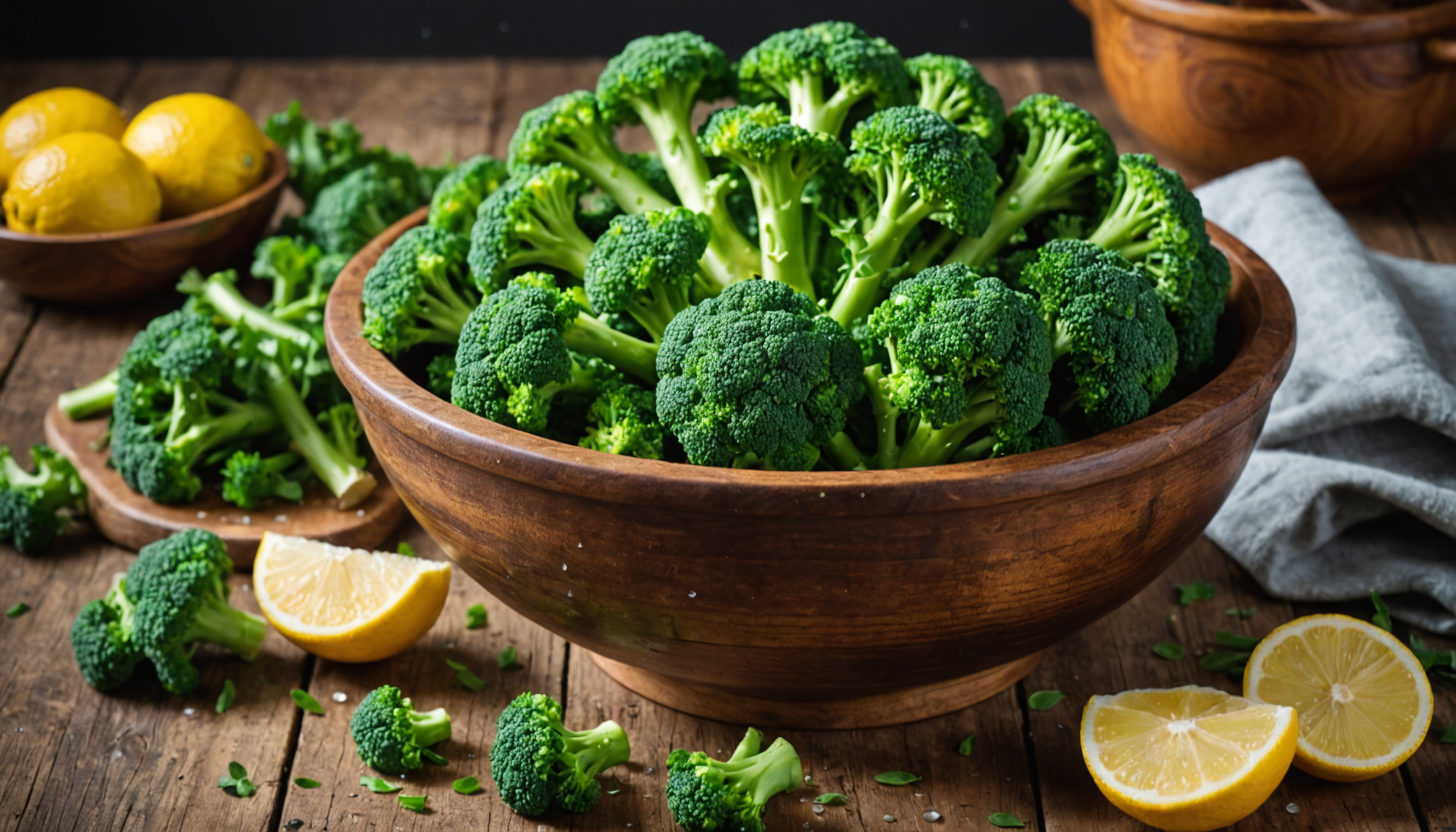
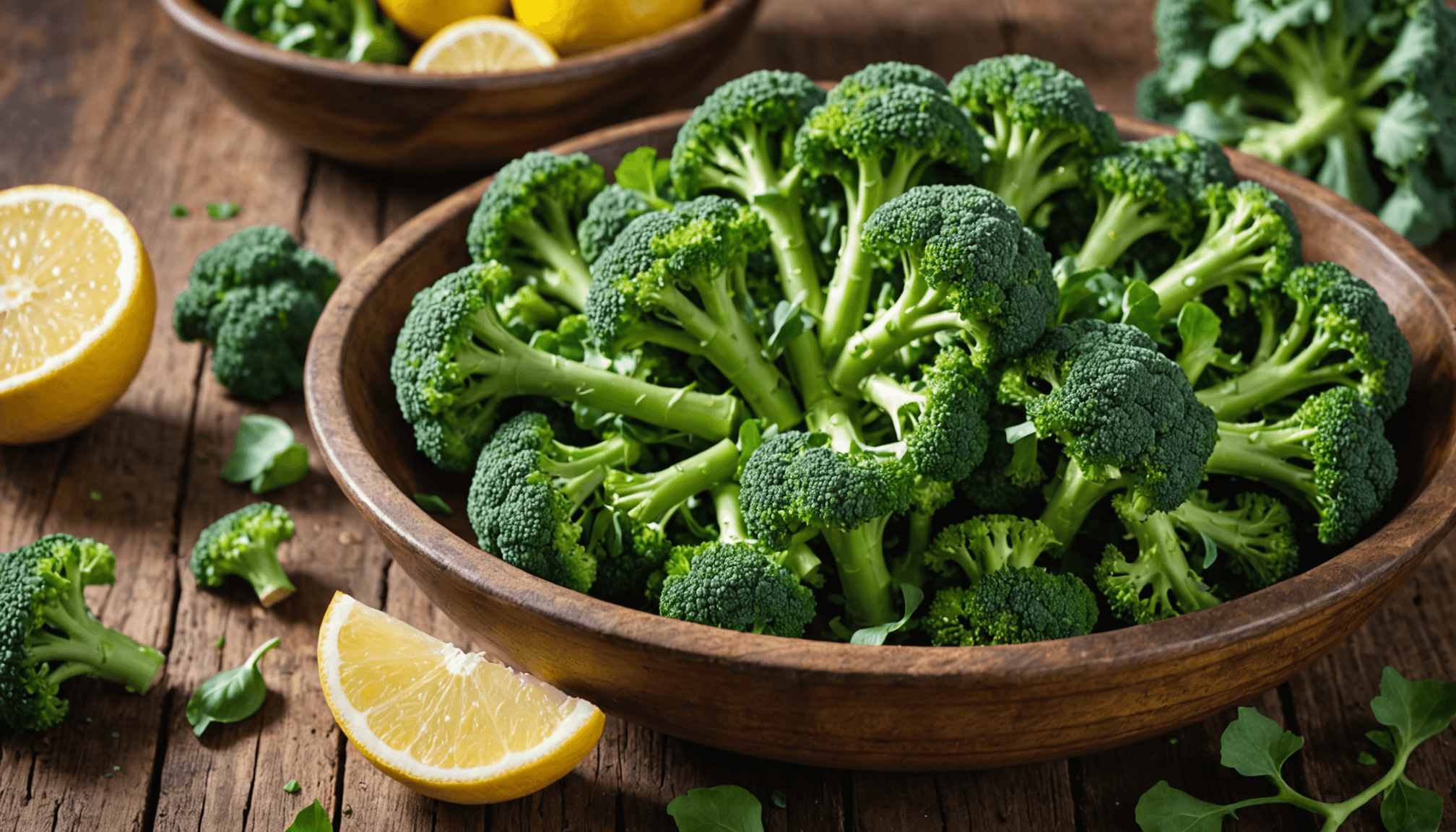
Exploring creative cooking techniques can elevate your low-calorie dishes from mundane to magnificent while keeping healthy eating a top priority. Firstly, consider steaming, which retains the nutrients and vibrant colors of vegetables without the need for excess oils. Steamed broccoli, for instance, can serve as a delicious side or even a base for a hearty grain bowl.
Sautéing is another fantastic method that allows you to infuse flavors without piling on the calories. Use a non-stick pan and a splash of vegetable broth or water instead of oil to sauté your favorite vegetables. Adding garlic, ginger, or fresh herbs enhances flavor significantly while maintaining a low-calorie profile.
If you’re adventurous in the kitchen, try roasting. Roasting vegetables caramelizes their natural sugars, resulting in a deeper flavor. Toss seasonal veggies like carrots and Brussels sprouts with a pinch of salt and some balsamic vinegar before roasting them at a high temperature. This technique brings out natural sweetness, making them a delightful addition to any meal.
Grilling is another great option, especially during warmer months. Grilling not only adds a smoky flavor but also allows excess fat to drip away from the food. Veggie skewers with bell peppers, zucchini, and mushrooms drizzled with herbs are perfect for this technique. And don’t forget about fruit! Grilled peaches or pineapples can elevate summer salads and desserts.
For those with a sweet tooth, consider blending for crafting smoothies or soups. Using a variety of fruits, vegetables, and a plant-based milk base can create a satisfying low-calorie meal or snack that is as nutritious as it is delicious. For added protein, toss in some nut butter or plant-based protein powder.
An often-overlooked technique is marinating. By allowing your proteins to soak in herb-infused liquids or acidic mixtures like lemon juice, you enhance their flavor dramatically without added calories. A simple marinade of garlic, lemon, and herbs can transform chicken or tofu into a robust centerpiece for your dinner.
Using these techniques not only helps in reducing calorie count but also enhances the overall taste and appeal of your meals, making healthy eating enjoyable. Pair these methods with fresh, local, and organic food to ensure you’re fueling your body right. Additionally, don’t shy away from experimenting with spices and citrus juices to amplify flavors without the extra calories!
Remember, planning is key! Make a weekly menu incorporating these creative cooking methods to simplify your shopping list and ensure you have the necessary ingredients on hand. This approach will help sustain your motivation to stick to low-calorie recipes that reinforce your commitment to healthy eating.
Satisfying Main Courses Under 500 Calories
Using ingredients that are both satisfying and nutritious is key when crafting main courses that clock in under 500 calories. One excellent choice is a quinoa bowl topped with seasonal vegetables and a protein source such as grilled chicken or chickpeas. The fluffy texture of quinoa combined with the slight crunch of roasted veggies makes for a hearty meal that keeps you full without excess calories.
Another option is a zesty lemon-herb baked salmon accompanied by steamed asparagus and a side of wild rice. Salmon, rich in omega-3 fatty acids, is not only beneficial for heart health but also provides a good amount of protein to help maintain muscle mass. The asparagus adds fiber and vitamins, making this dish a powerhouse of nutrition while remaining under the calorie limit.
Stuffed bell peppers also offer an appealing and colorful choice. Fill them with a mixture of brown rice, black beans, diced tomatoes, and spices for a fulfilling plant-based meal that is packed with nutrients. Topping them with a sprinkle of cheese before baking can add a delightful layer of flavor without significantly increasing the calorie count.
For a twist on traditional comfort food, consider making a cauliflower-based pizza. Using a simple blend of riced cauliflower, egg, and cheese as the crust can create a low-carb alternative to pizza that still satisfies cravings. Load it up with your favorite organic toppings, such as fresh tomatoes, spinach, and mushrooms, to complement the base while keeping the meal balanced.
Another satisfying dish is a chickpea and spinach curry. Using spices like cumin and coriander not only enhances the flavor profile but also packs a nutritional punch. Serve it with a side of steamed basmati rice for a meal that is rich in fiber, protein, and low in calories.
“Eating healthy is a way of life, so it’s important to establish routines that are simple, realistically, and ultimately enjoyable.” – Horace, nutritional expert
When preparing these dishes, focus on using organic ingredients whenever possible. Not only do they provide better flavor and freshness, but they can also be more nutrient-dense compared to their conventional counterparts. Experimenting with herbs and spices instead of heavy sauces can elevate your meals while keeping the calorie count down.
With creativity and a selection of wholesome ingredients, it’s entirely feasible to whip up low-calorie recipes that are both delicious and satisfying. Whether you opt for grilled, baked, or stir-fried options, the possibilities are endless! Each meal can be a delightful exploration of flavors that supports healthy eating without feeling deprived.
Delicious Side Dishes That Complement Organic Dinners
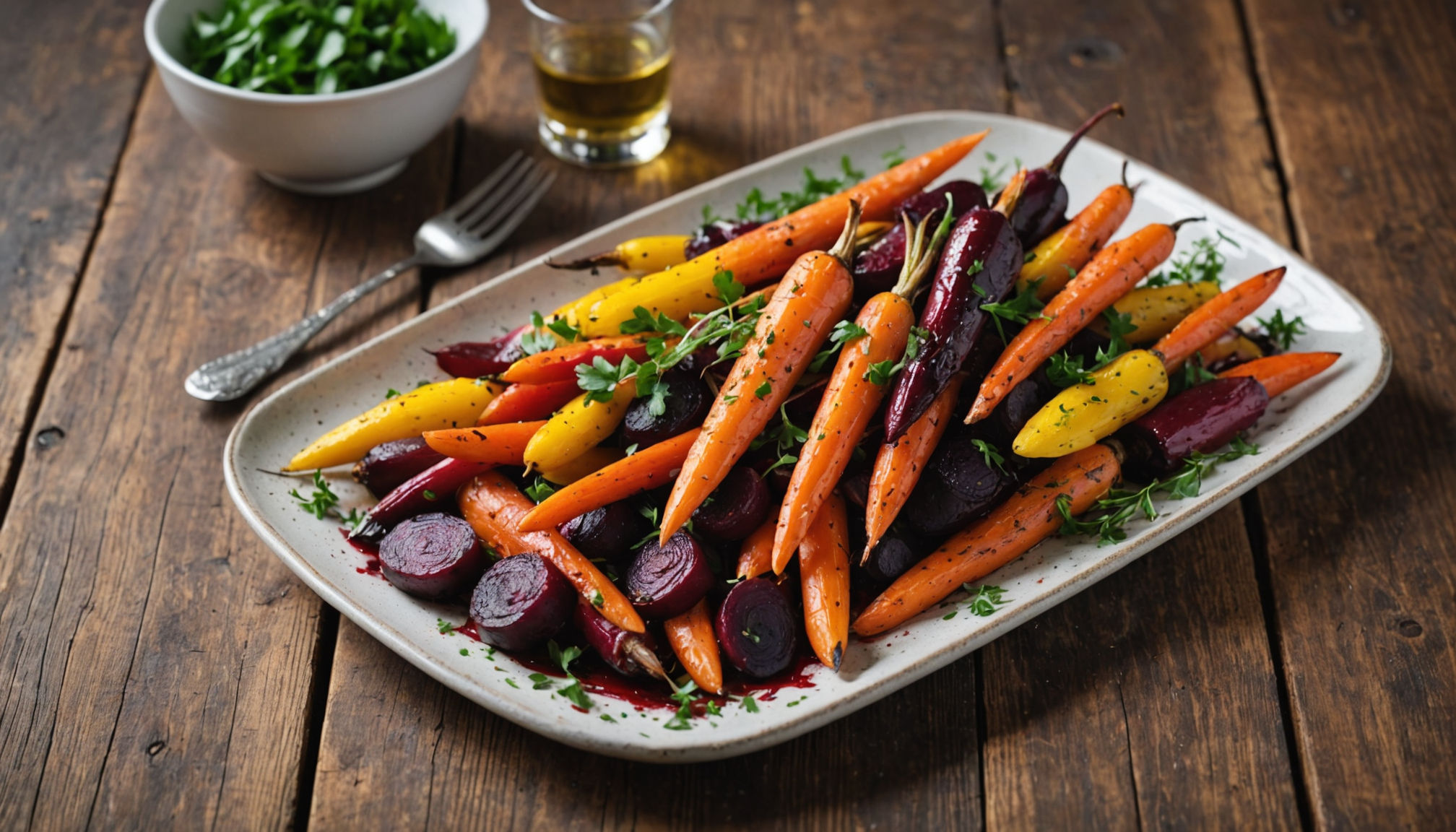 Delicious side dishes play a crucial role in enhancing organic dinners while ensuring your meals remain low-calorie and satisfying. When you think of sides, it’s important to focus on ingredients that elevate your main course without overwhelming it with calories. Consider using vibrant vegetables, whole grains, and legumes to create accompaniments that are not only nutritious but also packed with flavor.
Roasted vegetables are a fantastic starting point. By tossing seasonal vegetables like carrots, beetroot, and bell peppers in a bit of olive oil and your favorite herbs before roasting them, you draw out their natural sweetness and create a rich, caramelized flavor without adding excessive calories. These colorful additions will not only brighten your plate but also provide your body with essential vitamins, fiber, and antioxidants.
Another excellent side option is a refreshing salad made from leafy greens mixed with a variety of toppings like cherry tomatoes, avocados, and nuts. A squeeze of lemon juice or a light homemade vinaigrette can enhance flavors without weighing down the dish. This type of salad not only complements the main course beautifully but also contributes healthy fats, vitamins, and minerals that support overall wellness.
Whole grains like quinoa or farro are also great choices for side dishes. Cooked simply in vegetable broth and tossed with herbs, these grains can serve as a hearty base for roasted vegetables or a light protein like chicken or beans. Their nutty flavors and satisfying textures provide a filling component to your meal while keeping it within your calorie goals.
For a unique twist, consider incorporating legumes such as lentils or chickpeas. A side of spiced lentils cooked with diced tomatoes and onions can offer a delightful taste experience while enriching your meal with protein and fiber. These elements are fundamental for digestion and can help keep you feeling fuller for longer.
If you’re looking for lighter options, steamed or blanched vegetables can be another excellent addition. Simply steam broccoli or green beans until tender and finish them with a drizzle of balsamic glaze for a quick, elegant side. This method preserves nutrients while keeping calories in check. Remember that the simpler the preparation, the more you retain the natural flavors and nutrients of the vegetables, aligning with the principles of healthy eating.
Experimenting with these side dishes can inspire creativity in your kitchen and invite you to broaden your culinary horizons. By weaving in a variety of textures and flavors, you’re making your low-calorie organic dinners delightfully dynamic without compromising your health goals. The right sides will not only round out your meals but can also encourage you to enjoy the journey of healthy cooking and eating.
- What are the best low-calorie side dishes for organic dinners?
- Some great options include roasted vegetables, fresh salads, whole grains like quinoa or farro, and legumes such as lentils or chickpeas. These sides offer a mix of flavors and nutrients while keeping your calorie count low.
- How can I enhance the flavor of my side dishes without adding calories?
- Using herbs, spices, citrus juices, and vinegar can boost the flavor of your dishes without additional calories. Techniques like roasting or grilling also help to deepen flavors naturally.
- Are all vegetables suitable for low-calorie meals?
- Most vegetables are low in calories, making them ideal for healthy meals. However, some starchy options like potatoes or corn should be consumed in moderation if you’re specifically counting calories.
- How can I incorporate more whole grains into my meals?
- Substituting white rice with whole grains like quinoa, farro, or bulgur can increase the fiber content and keep you fuller longer. Try serving these grains as a base for salads or alongside roasted vegetables.
- Can I use frozen vegetables in my side dishes?
- Absolutely! Frozen vegetables are a convenient option that often retain their nutrients, making them great for quick meals. Just be mindful of any sauces or additives to keep them low-calorie.
- What’s a good low-calorie dressing for salads?
- A simple vinaigrette made from balsamic vinegar, olive oil, and herbs is a delicious option. You can also explore using yogurt-based dressings for added creaminess without excessive calories.
- How can I ensure my side dishes complement my main course?
- Consider the flavors and textures of your main course when choosing side dishes. Aim for contrasts—if your main is rich and hearty, select lighter, fresher sides to balance the meal.
Quick and Easy Recipes for Busy Weeknights
When it comes to busy weeknights, grocery shopping doesn’t have to feel like a chore, and creating quick and easy meals is possible with the right approach. To streamline your grocery shopping experience, whether you’re shopping online or in-store, consider adopting a few practical tips that will enhance your ability to whip up healthy, low-calorie recipes in no time.
First, planning is your best friend. Create a weekly meal plan that focuses on simple dishes utilizing a short list of ingredients. This not only saves you money but dramatically reduces food waste as you purchase only what you need. For example, if you’re committed to an organic food lifestyle, consider versatile staples such as:
- Organic brown rice or quinoa, which can serve as the base for many meals.
- Canned beans or lentils, providing plant-based protein that’s easy to incorporate into salads or bowls.
- Fresh or frozen vegetables, offering great lower-calorie options that can be steamed, roasted, or used in stir-fries.
When you’re shopping, look for labels that indicate the product is organic and locally sourced. By choosing local products whenever possible, you not only guarantee freshness but also support your community. Don’t forget to check out grocery store sales, as this can be an excellent way to stock up on healthy foods without breaking the bank.
Online shopping can offer the convenience of bulk purchasing but requires some extra vigilance. Ensure that you’re buying from trusted sites. Here are a few safety tips:
- Always read customer reviews to gauge the quality of the products, especially for items like fresh produce that can vary greatly in quality.
- Be mindful of the shipping costs versus the savings from online deals; sometimes the best price is what you find at your local market.
- Choose stores that have reasonable return policies, especially for perishable items.
To save time during your busy week, pre-wash and chop vegetables, as well as batch-cook grains or legumes during the weekends. This way, you can quickly assemble meals during the week. For instance, having a container of cooked quinoa ready means you can throw together a hearty grain bowl topped with roasted vegetables and a lemon-tahini dressing in under 10 minutes. The convenience this brings is a huge advantage for maintaining a commitment to healthy eating.
When it comes to maximizing health benefits, look for foods rich in nutrients that fit into a low-calorie framework. This can include:
- Leafy greens like spinach or kale that can serve as the base for salads or smoothies.
- Fruits, particularly berries which are low in calories and high in antioxidants, ideal for snacks or desserts.
- Protein-rich options such as tofu or tempeh for those following a vegan diet, ensuring you have balanced meals that keep you satiated.
Remember to have fun with your shopping! Exploring the produce section can spark creativity, making it easier to come up with new, exciting meals. Whether you’re making a quick stir-fry, a vibrant salad, or a satisfying soup, the right ingredients can elevate your weeknight dinners while keeping them thoroughly nutritious and enjoyable. Embrace the adventure of grocery shopping as a key ingredient in the recipe for healthy eating!
New Customers Offer!
Free Gift for the new customer
$24 Value, When You Subscrib Visit Thrive Market