- Organic meal planning tips
- Affordable organic ingredients
- Quick and easy recipes
- Seasonal organic produce
- Healthy sides and snacks
- Budget-friendly dessert options
When it comes to grocery shopping, making mindful choices can significantly enhance your organic meal planning. Start by setting a weekly meal plan that includes a variety of organic foods. This approach not only streamlines your shopping but also helps in avoiding impulse buys. Consider creating a list based on your plan, ensuring you only purchase what you absolutely need.
Here’s a practical tip: dedicate one day each week to assemble your meal ideas, then compile a shopping list categorized by sections of the store. This can help you stay organized and ensure that you don’t skip over healthy options. For instance, group your list with sections like produce, grains, legumes, and pantry staples. When you stick to your list, you’ll focus more on whole foods like beans, quinoa, and seasonal vegetables.
When shopping for organic options, don’t forget to check for local produce. Visiting farmers’ markets not only supports local farmers but often provides the freshest options at competitive prices. You can find seasonal fruits and vegetables that may be cheaper than those at larger grocery chains. Plus, engaging with local producers can enhance your understanding of sustainable practices.
If online shopping fits better into your routine, there are a few safety measures to keep in mind. Always opt for reputable websites known for organic offerings. Examine product reviews and check for any certifications indicating the authenticity of the organic label. Reusing bags or containers can also save money and reduce waste when ordering bulk items online, providing a cost-effective solution for your family’s dinners.
- Peruse websites that specialize in organic products—they frequently have sales.
- Subscribe to a CSA (Community Supported Agriculture) program, which offers seasonal organic produce at a lower cost.
- Take advantage of online coupons and loyalty programs—these can lead to savings over time.
Moreover, consider investing in meal prep containers. Having ready-to-go portions of healthy snacks, grains, and vegetables saves time and keeps you compliant with your meal plan. This is particularly beneficial for busy families aiming for budget dinners that are both nutritious and appealing to kids. Prepare snacks like cut veggies and hummus or homemade granola bars in advance, ensuring that you have easy access to healthy side options.
Don’t underestimate the importance of testing different recipes to see what your family enjoys. A great way to do this is by creating themed nights each week, like Meatless Mondays or Taco Tuesdays, enabling you to experiment with numerous family recipes that can be made with organic ingredients.
By employing these tips, you’ll find that grocery shopping for organic ingredients can not only be budget-friendly but also an enjoyable endeavor that the whole family can participate in. Happy shopping!
Affordable organic ingredients
When searching for affordable organic ingredients, it’s essential to leverage several strategies that can help you maintain a balanced budget while enjoying the benefits of organic food. A comprehensive approach includes knowing where to shop, understanding seasonal availability, and focusing on versatile ingredients that can be used across multiple meals.
First, it’s beneficial to familiarize yourself with affordable organic staples. Ingredients like oats, beans, rice, and certain vegetables and fruits are often available at reasonable prices, especially when bought in bulk. Below is a table comparing the average costs of common organic ingredients available at various retailers:
| Ingredient | Store A Price | Store B Price | Store C Price |
|---|---|---|---|
| Organic Brown Rice (1 lb) | $2.49 | $2.39 | $2.59 |
| Organic Black Beans (15 oz) | $1.29 | $1.49 | $1.39 |
| Organic Spinach (5 oz) | $2.99 | $3.29 | $2.89 |
| Organic Apples (per lb) | $1.99 | $1.89 | $2.09 |
By comparing prices across different stores, you can find the best deals that fit within your budget. Grocery chains, co-ops, and farmers’ markets may have varying prices, so it can be worth your time to shop around or establish routine shopping visits at specific locations.
Additionally, consider seasonal organic produce, which typically has lower prices than off-season items. For instance, purchasing organic squash in the fall is more economical than in the spring, as local farms often have an abundant harvest during that time. Also, make use of sales and manager’s specials when available, as these discounts can offer ideal opportunities to stock up on organic goods.
Incorporating planning into your shopping routine can also yield significant savings. Plan your meals around the ingredients that are on sale or that you have on hand. This way, you can effectively utilize the organic foods without allowing anything to perish. Furthermore, buying on sale doesn’t mean compromising on quality; organic foods are often just as nutritious and flavorful, making them worthwhile investments for your family recipes.
Finally, consider expanding your ingredient options by exploring local or alternative stores. Many discount grocery stores or warehouse clubs now offer organic sections, often featuring basic ingredients at a lower price point. Visiting these stores may expose you to new organic products that can add variety and excitement to dinner.
Finding affordable organic ingredients not only aligns with your budget dinners goal, but it can also foster a deeper appreciation for wholesome food choices among family members. Embrace the variety and creativity that organic cooking can inspire, turning every meal into a healthy opportunity to bond as a family.
Quick and easy recipes
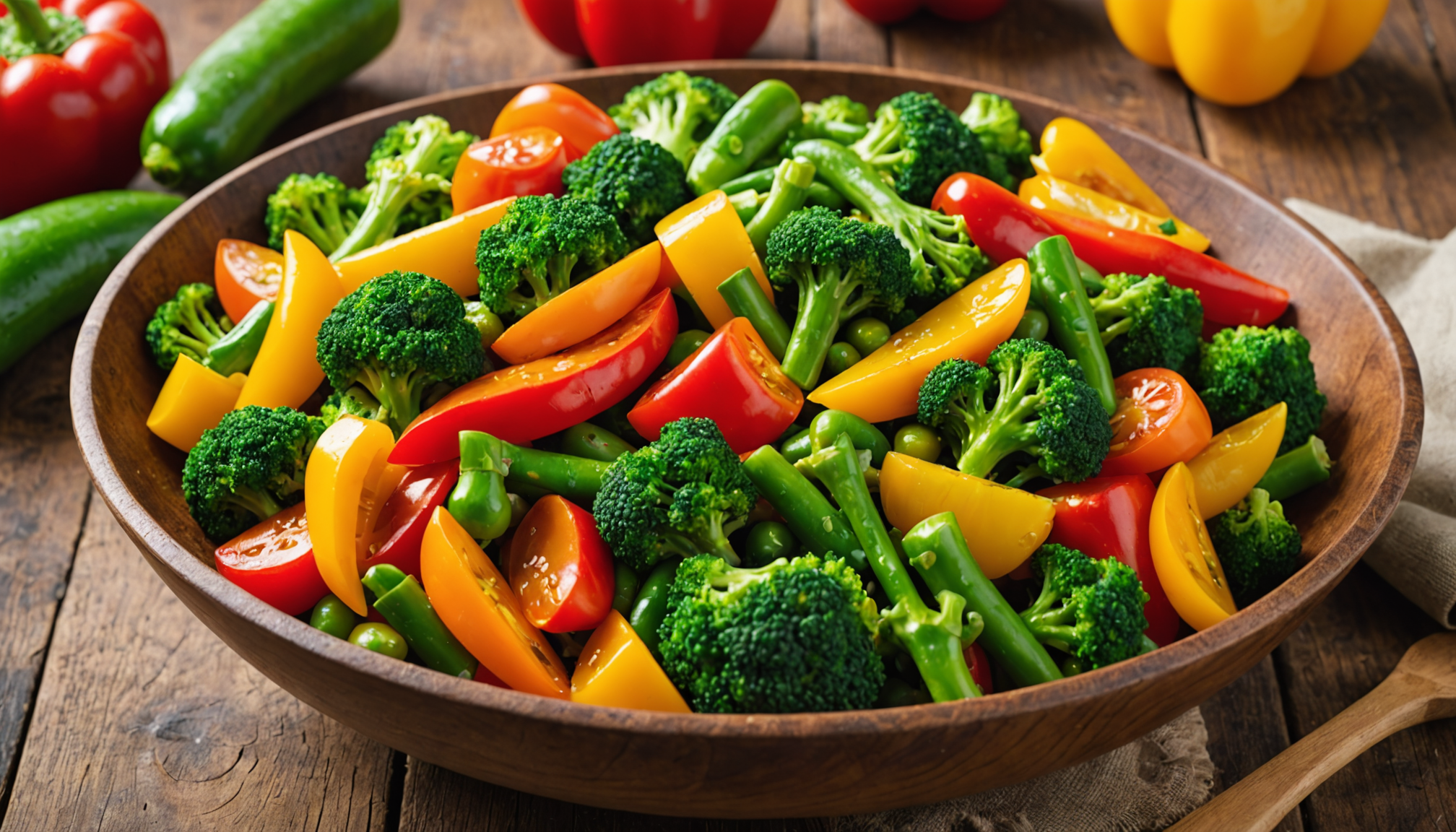
When it comes to whipping up quick and easy recipes, simplicity is key. Focus on meals that can be prepared in 30 minutes or less without sacrificing flavor or nutrition. One fantastic option is a vibrant organic vegetable stir-fry. Using staples like organic bell peppers, broccoli, and snap peas, you can whip up a nutrient-dense dish that’s full of color and taste. Pair it with a base of organic brown rice or quinoa for a satisfying meal that is both healthy and economical.
Another easy and nourishing recipe is a hearty lentil soup. With lentils being a cost-effective source of protein and fiber, they should be a staple in your pantry. Simply sauté onions and garlic, add in diced carrots, celery, and organic vegetable broth, and let it simmer while your family relaxes. In about 20 minutes, you’ll have a warm bowl of goodness that can be customized with herbs and spices to match your family’s preferences.
Consider creating a taco night as a fun family dinner! Use organic corn tortillas and fill them with a mixture of black beans, corn, diced tomatoes, and avocado. This meal can be assembled quickly and allows each family member to customize their tacos with their favorite toppings. You can transform leftovers into a salad or burrito bowl the next day, making it a versatile and budget-friendly option.
For those with a sweet tooth, a simple banana oat pancake can delight both the kids and adults. Mash ripe organic bananas and mix them with rolled oats and a splash of almond milk. Cook them on a non-stick skillet for a nutritious, sugar-free breakfast option that doubles perfectly as a quick dessert topped with maple syrup or fresh fruit later in the day.
Don’t forget about the power of meal prepping. Spend a couple of hours on the weekend to make batches of pre-chopped veggies, grains, and proteins. This way, when it comes time for dinner, you can just mix and match your ingredients for a quick stir-fry, salad, or wrap, significantly reducing your cooking time during the busy weekdays.
Be mindful of your palates as well; not every recipe will be a hit on the first try, but that’s part of the experience. Encourage your kids to help with meal preparations, as involving them can spark their curiosity about the ingredients used. They may discover that they love using fresh organic herbs such as cilantro or basil, which can elevate simple dishes and add a burst of flavor.
Online grocery shopping can also be a great way to find organic ingredients for your quick recipes. Look out for discounted bundles or sales on items like frozen organic vegetables, which are just as nutritious and make meal prep exceedingly easy. Using tools to compare prices can ensure that you’re getting the best deals on your favorites.
Preparing quick and easy organic meals can transform your dining experience, making it both fun and budget-conscious without compromising health. With a little creativity, these meals can be delightful experiences that bring families closer together at the dinner table.
Seasonal organic produce
Seasonal organic produce offers the freshest and most flavorful ingredients, transforming your budget dinners into vibrant culinary experiences. By choosing fruits and vegetables that are in season, you not only enjoy superior taste but also support local farmers and minimize your grocery bill. Each season brings a unique array of organic options that can be featured in your family recipes, ensuring you take advantage of nature’s bounty.
During spring, look for asparagus, peas, and strawberries. These delightful ingredients can be used in various dishes, from fresh salads to pasta primavera. As summer rolls in, indulge in an abundance of organic tomatoes, zucchini, and bell peppers. These vibrant veggies shine in stir-fries or as excellent additions to sandwiches and wraps.
Fall introduces a different palette, gracing the market with squash, sweet potatoes, and apples. Roasted butternut squash with a drizzle of olive oil and herbs makes for a heartwarming side dish, while apples can be turned into a comforting crumble or enjoyed fresh. Winter brings hearty greens like kale, collards, and root vegetables, perfect for soups and stews that warm you up during colder months.
When planning your meals, consider following the “eat the rainbow” approach, selecting a variety of colors from the seasonal produce available. Not only does this enhance the visual appeal of your dinner plate, but it also maximizes the variety of nutrients your family receives. Engaging kids in the selection process can help them take an interest in healthy eating, and you may find they become more adventurous in trying new dishes featuring seasonal organic goods.
To make the most of seasonal ingredients, aim to create bulk meals that can be enjoyed throughout the week. For instance, a vegetable casserole made with seasonal produce can be prepared on a Sunday and reheated for quick weeknight dinners. Using a variety of seasonal vegetables can keep the dish exciting and flavorful, while also contributing to a more sustainable eating habit.
“Eating seasonally not only enhances health but also evokes a sense of connection to the land and farming traditions.” – Unknown
Additionally, consider visiting local farmers’ markets or joining a Community Supported Agriculture (CSA) program to discover the best seasonal produce in your area. These options often provide cost-effective choices while allowing you to receive a surprise selection of what’s in season, inspiring you to create meals centered around these fresh ingredients.
By embracing seasonal organic produce, you can create delicious, nutritious, and budget-friendly dinners that unite your family around the table. Each season offers new discoveries and flavors that will enhance your culinary skills and foster a healthy lifestyle.
Healthy sides and snacks
 When aiming to accompany your budget dinners with delicious sides and snacks, the key is to utilize organic ingredients that not only satisfy but also nourish your family. Think beyond traditional sides and explore an array of wholesome options that enhance your main courses and provide nutritional benefits. Incorporating variety into your side dishes can elevate your meals while being budget-conscious, making it easier to create the comforting family recipes you cherish.
One simple yet nutritious option is roasted seasonal vegetables. By tossing carrots, Brussels sprouts, or sweet potatoes in olive oil and your favorite herbs, you can create a vibrant side that complements a multitude of main dishes. Roasting at a high temperature caramelizes the natural sugars, resulting in a delightful sweetness and deep flavor. These veggies not only add color to your plate but also pack a sheer amount of vitamins and minerals essential for your family’s health.
If you’re looking for quick snacks, consider preparing homemade veggie chips. Simply thinly slice organic zucchini or kale, toss them with a bit of olive oil, and bake until crisp. This fun and crunchy alternative to store-bought chips is not only healthier but also allows you to control the flavors by adding spices that your family loves. Pair these chips with a yogurt dip made from organic Greek yogurt mixed with herbs for a refreshing snack that’s both light and satisfying.
Grains are another excellent avenue for creating budget-friendly sides. Cook up a batch of quinoa or brown rice with organic vegetable broth to add extra flavor. You can then stir in nutritional powerhouses like chopped spinach and cherry tomatoes for a colorful side dish rich in antioxidants. Grains are versatile and can easily be stored, allowing for multiple uses throughout the week, such as filling for wraps or foundations for grain bowls.
Don’t overlook the nourishing possibilities of legumes, which are often economical and highly nutritious. Making a simple bean salad using canned organic black beans, diced peppers, corn, and a zesty lime dressing can provide a protein-packed side that pairs perfectly with any meal. Additionally, incorporating legumes into your snacks—like creating homemade hummus from organic chickpeas—offers a filling option that’s perfect for afternoon cravings.
For something sweeter, consider fruit-based sides. A mixed fruit bowl with seasonal organic fruits like berries, apples, and bananas is a refreshing addition to your meals. Drizzling a bit of honey or a sprinkle of chia seeds can enhance the flavor and provide added nutrients. You might even disguise fruit desserts as snacks—like freezing organic grapes or blending bananas to make a creamy soft serve.
By being innovative with your sides and snacks, you can transform simple meals into exciting experiences. This approach encourages family members, especially kids, to experiment with different flavors and textures, creating a sense of curiosity around food. You may find that trying new recipes together not only enhances your dinner table but also nurtures a growing appreciation for organic food in your household.
- What are some easy organic snacks for kids?
- Consider options like sliced fruits with nut butter, homemade granola bars, or yogurt with granola. These snacks combine nutrition and taste, making them appealing to children.
- How can I reduce food waste with my side dishes?
- Plan your meals around what you have on hand and use leftover ingredients creatively, like turning roasted veggies into soups or adding them to grain salads. This minimizes waste and maximizes flavor.
- Are frozen organic vegetables good for side dishes?
- Yes! Frozen organic vegetables are often flash-frozen at their peak freshness, retaining nutrients and flavor. They can be easily added to stir-fries, casseroles, or served as sides.
- How can I make meal prep easier for sides?
- Dedicate time during the weekend to chop vegetables or batch-cook grains so they are ready for use during the week. Store them in labeled containers for easy access.
- What are some budget-friendly organic brands to look for?
- Brands such as 365 by Whole Foods and Simply Organic often provide quality organic products at lower prices. Look for regional or local brands that might offer competitive pricing.
- Can I make organic snacks in bulk for the week?
- Absolutely! Items like homemade granola bars or roasted chickpeas can be made in large batches and stored, making them convenient snacking options for busy days ahead.
- How do I involve my children in snack preparation?
- Encourage participation by letting them choose recipes, help wash fruits and vegetables, or assemble snack plates. This can foster a sense of responsibility and joy towards eating healthy.
Budget-friendly dessert options
When it comes to satisfying your family’s sweet cravings without overspending, there are plenty of budget-friendly dessert options that can be both delightful and nourishing. Start with simple recipes that utilize seasonal organic ingredients, making them not only cost-effective but also healthier. A fantastic choice for families on a budget is organic fruit crumbles. Using apples or berries in season, mix them with a sprinkle of oats, a tablespoon of honey, and a dash of cinnamon. Bake until golden for a dish that is sure to impress while keeping costs low.
Another simple yet flavorful option is a homemade chocolate chia pudding. By combining chia seeds, unsweetened cocoa powder, almond milk, and a natural sweetener like maple syrup, this creamy dessert is not only affordable but also rich in omega-3 fatty acids. After a quick overnight soak, serve it topped with fresh berries or sliced bananas for an indulgence that feels luxurious but is light on the wallet.
Don’t underestimate the power of frozen desserts, especially in warmer months. Whip up a batch of banana ice cream by processing ripe organic bananas until smooth. This dessert is not only budget-friendly but also entirely free from added sugars, making it a health-conscious treat for both adults and kids. Try adding a swirl of almond butter or a sprinkle of dark chocolate chips to elevate the flavor.
If your family enjoys baked goods, consider experimenting with vegan muffins using simple ingredients like whole wheat flour, ripe bananas, and a handful of nuts. Muffins can serve as versatile snacks or breakfast on the go. Plus, batch-baking allows you to freeze extras for those busy weeknights—just pop them in the microwave or oven for a quick dessert option.
When shopping for dessert ingredients, look for deals and discounts at local grocery stores or farmers’ markets. Many chains have a day when they reduce their prices on slightly imperfect fruits or vegetables, which can also be perfect for desserts. Keep an eye out for these sales, and stock up on ingredients that can be mixed and matched for various dessert recipes.
For those who prefer to shop online, ensure you are purchasing from reputable suppliers. When looking for organic ingredients, check for certifications that guarantee the product’s integrity. Online subscriptions to organic delivery services can be another pathway to accessing healthy products while often providing significant savings for families.
Engaging your kids in the kitchen while preparing these desserts can add an element of fun to the process. Encourage them to mix the ingredients, decorate dessert plates, or choose the fruits they want to incorporate. This teamwork not only promotes healthy eating habits but also enhances their culinary skills.
Incorporating these budget-friendly dessert ideas into your meal planning not only helps keep the grocery bill manageable but also ensures that your family enjoys a sweet treat without compromising on health or nutrition. By utilizing the approach of “less is more,” you can create marvelous desserts with a few organic ingredients that excite everyone at the dinner table.
New Customers Offer!
Free Gift for the new customer
$24 Value, When You Subscrib Visit Thrive Market