- Nutritional Benefits of Organic Ingredients
- Choosing the Right Meat for Your Bowl
- Variety of Fresh Vegetables to Include
- Flavor Combinations and Seasoning Tips
- Preparing Your Organic Meat and Veggie Bowls
- Creative Serving Suggestions and Presentation Ideas
When it comes to enhancing your grocery shopping experience, especially for those seeking the nutritional benefits of organic ingredients, planning is key. Whether you prefer to shop online or at your local market, consider these practical tips to ensure you’re making the healthiest choices for your family and lifestyle.
First, familiarize yourself with the organic labels. In the United States, the USDA Organic seal guarantees that at least 95% of the ingredients are organic. This means they have been grown without synthetic fertilizers, pesticides, or genetically modified organisms (GMOs). Incorporate organic fruits, vegetables, and grains into your shopping cart to maximize nutrient intake. Organic produce often contains higher levels of antioxidants and vitamins, making it excellent for healthy dinners or meal prepping.
When shopping for meats, choose those labeled as organic and grass-fed whenever possible. These options not only reduce exposure to harmful additives but also support humane animal treatment. Organic meat typically has a better fatty acid profile, which can contribute to greater overall health. Look for local farmers’ markets where you can source fresh, organic meats directly from local producers, ensuring quality and supporting your community.
Vegan families will benefit from exploring a wide array of organic legumes, nuts, and seeds, which serve as excellent protein sources. Lentils, chickpeas, and tempeh can be leveraged to create delicious meat bowls without animal products, providing essential amino acids and fiber. Don’t forget to sprinkle in organic spices for flavor without the calories!
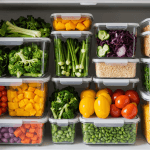
For those on a budget, shopping seasonal produce can greatly reduce costs while supporting local farms. Opt for frozen organic fruits and vegetables as these can often be cheaper than fresh while retaining their nutritional value. Buying in bulk is another money-savvy strategy; consider co-ops or joining buying groups that purchase organic goods directly from suppliers.
When shopping online, ensure you’re purchasing from reputable sources. Look for established organic food retailers or grocery chains that maintain high standards of quality and safety. Read customer reviews and verify ingredient lists. Always check for the expiration date, especially on organic products as they tend to have shorter shelf lives compared to conventional items.
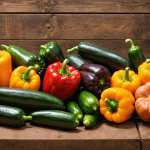
Lastly, remember to incorporate a variety of fresh organic vegetables into your bowls. The more colors you add, the more vitamins and minerals you provide! Aim for leafy greens, vibrant bell peppers, and nutrient-dense sweet potatoes to keep your meals exciting and packed with health benefits.
By following these strategies, grocery shopping can become a simplified and enriching experience. You’ll not only fill your pantry with necessary healthy and organic foods but also pave the way for nourishing meals that serve your family’s needs, whether through unique organic recipes or satisfying dinner options.
Choosing the Right Meat for Your Bowl
When selecting the right meat for your bowl, it is crucial to consider not just the source but also the type of meat that will complement the fresh vegetables and seasonings you intend to use. The choices available today, especially within the realm of organic options, can make a significant difference in both taste and nutritional value.
One of the key advantages of choosing organic meats is the absence of hormones and antibiotics that are often present in conventional meat. Organic livestock are raised on organic feed, which enhances the purity of the meat and reduces the risk of chemical exposure. Grass-fed options are particularly beneficial as they tend to have a higher omega-3 fatty acid content, which is linked to improved heart health and reduced inflammation.
Here is a comparison of common types of organic meats that can serve as protein bases for your meat bowls:
| Type of Meat | Nutritional Benefits | Flavor Profile | Best Uses |
|---|---|---|---|
| Organic Chicken | High in protein, low in fat; rich in B vitamins | Subtle and versatile | Grilled, roasted, or shredded in bowls |
| Organic Beef | High in protein and iron; good source of zinc | Rich and hearty | Ground for tacos, strips for stir-fries |
| Organic Pork | High in protein and thiamine; contains B vitamins | Sweet and slightly fatty | BBQ, roasted, or in stir-fried dishes |
| Organic Turkey | Low in fat; high in selenium and B vitamins | Mild and adaptable | Ground or sliced for salads and bowls |
When choosing meats, it’s also advisable to consider your dietary needs and preferences. For those focusing on lean proteins, organic chicken or turkey are excellent choices. They can be marinated with herbs and spices, then grilled or baked, providing a tender meat option for your bowls. For a heartier flavor, opt for organic beef or pork, which can be beautifully spiced to enhance their natural flavors.
Marinating your meats not only adds depth to the taste but also tenderizes tougher cuts, yielding juicy bites in every mouthful. Simple marinades can be made from olive oil, lemon juice, garlic, and fresh herbs, or you might explore Asian-inspired options with soy sauce, ginger, and sesame oil. The idea is to incorporate a variety of flavor profiles that will mingle well with the fresh produce you select.
Additionally, when assembly time comes for your meat bowls, consider varying the textures. You might combine grilled chicken with crunchy raw vegetables or mix shredded pork with soft avocado and fluffy quinoa. The combination of textures will provide a satisfying eating experience while ensuring that every bite is full of nutrients, making for truly healthy dinners.
In summary, selecting the right meat for your organic bowls not only elevates the overall taste but also enhances the nutritional quality of your meals. By experimenting with different types of meat, flavors, and preparations, you can create numerous delicious and nourishing variations.
Variety of Fresh Vegetables to Include
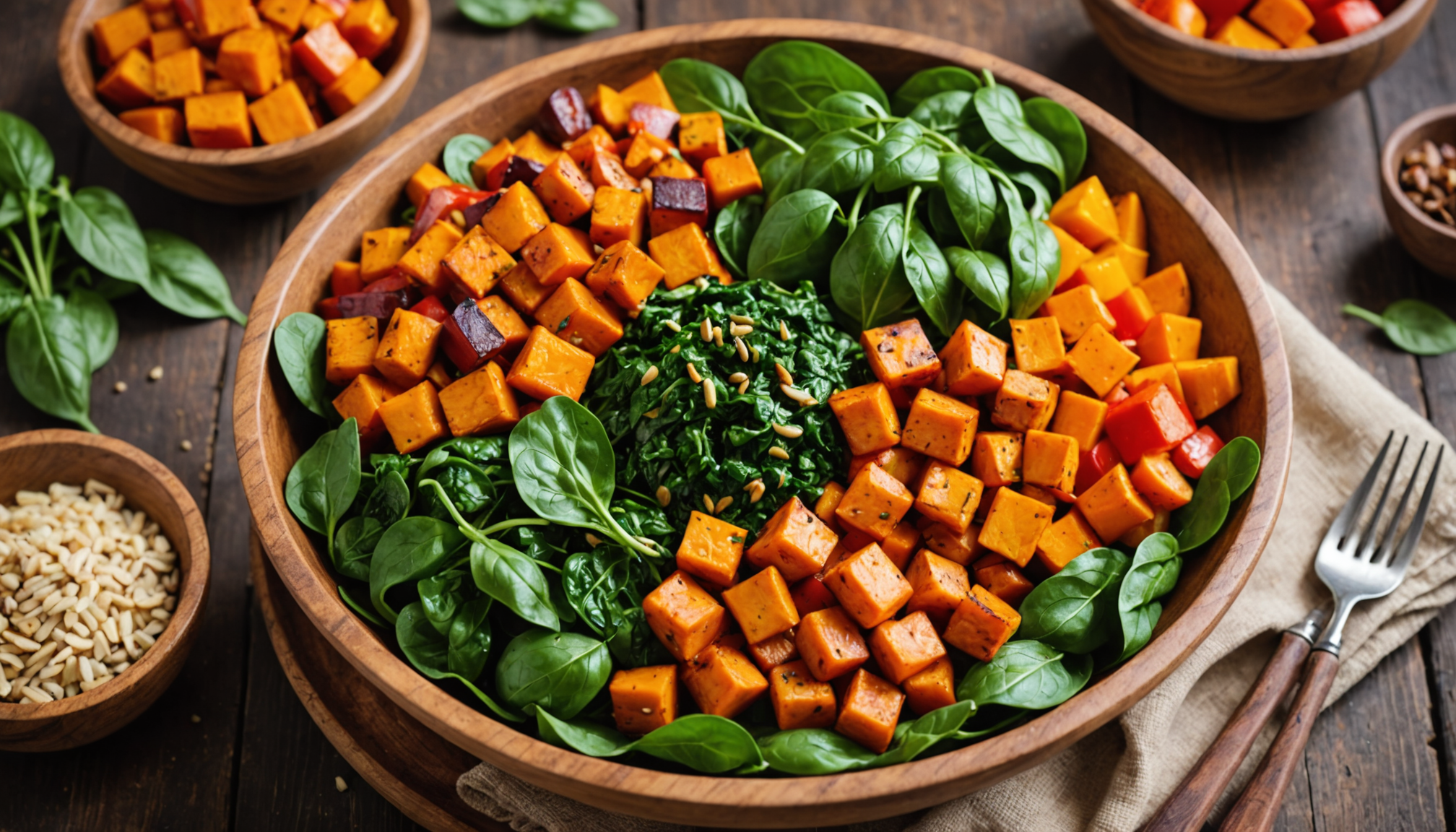
When it comes to incorporating a variety of fresh vegetables into your organic meat and veggie bowls, the world is your oyster—or perhaps more accurately, your garden! The selection of vegetables not only adds vibrant colors to your dish but also enhances its nutritional profile, making every meal both delicious and healthful.
Start by exploring a range of leafy greens that serve as a nutritious base for your bowl. Options like organic spinach, kale, and arugula are packed with vitamins A, C, and K, as well as antioxidants that promote overall health. They can add a mild taste or a peppery goodness, depending on your preference. Lay a generous layer of these greens to create a satisfying foundation for your other ingredients.
Next, consider adding a selection of crunchy vegetables. Bell peppers, cucumbers, and carrots can provide that refreshing crunch, making your meal more texturally interesting. Bell peppers, especially, come in various colors—red, yellow, and green—each contributing different flavors and nutrients. Plus, they’re loaded with vitamin C, which is great for immune support!
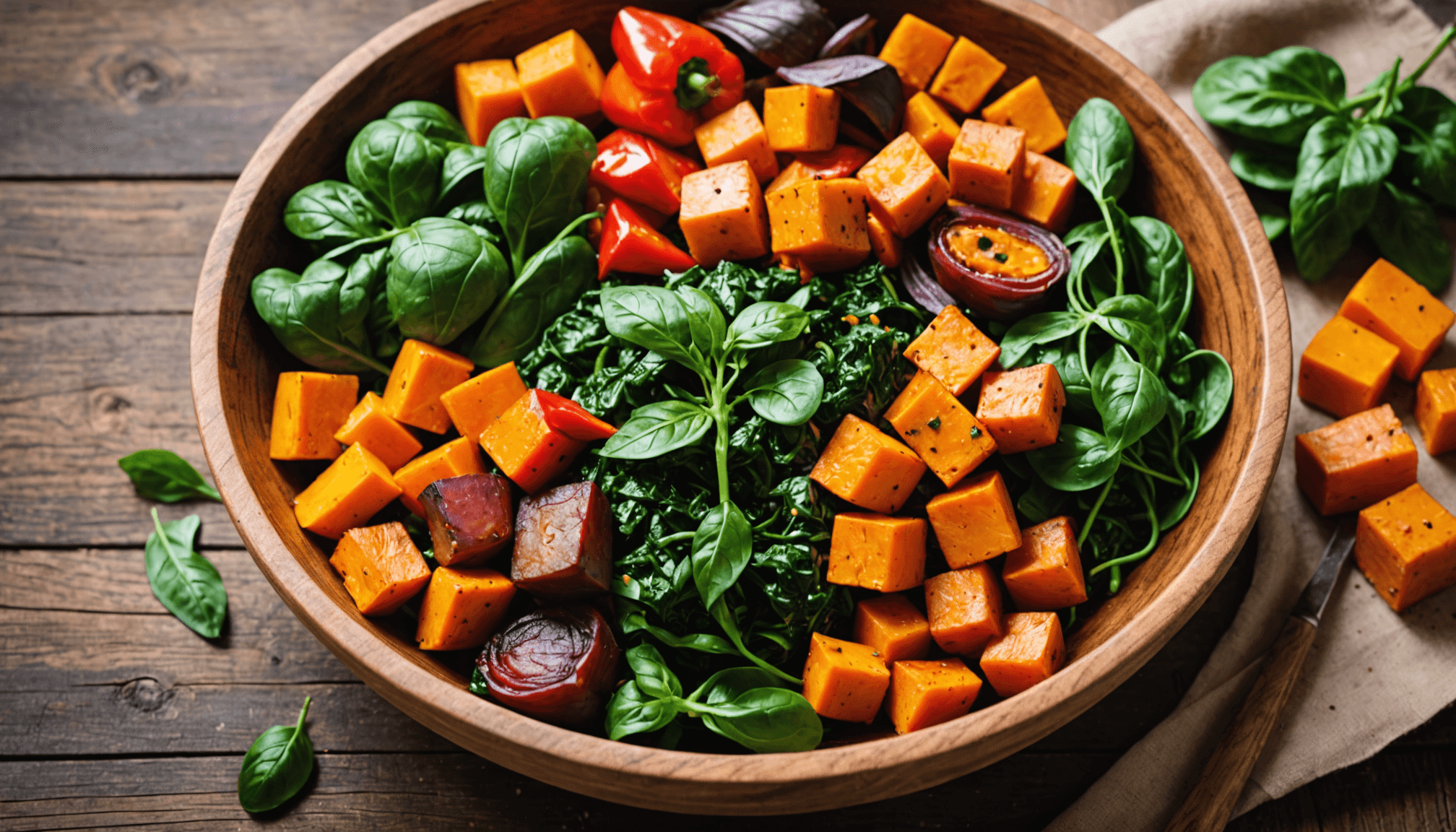
Don’t overlook the root vegetables! Sweet potatoes and beets not only add depth in flavor but also provide healthy carbohydrates and fiber. Roasting them brings out their natural sweetness, making them a delicious addition to your bowls. Simply cube them, toss with a bit of olive oil, and roast until tender for an easy, budget-friendly side.
- For added plant protein, consider including legumes like black beans, chickpeas, or edamame. These not only boost the protein content but also provide essential amino acids needed for muscle repair and overall health.
- Seasonal vegetables are not just fresh and delicious, but they’re often less expensive than out-of-season produce. Visiting local farmers’ markets can be an excellent way to find in-season, organic options at a reasonable price.
- Online grocery shopping can offer a broader array of organic vegetables, but you must pay attention to product reviews and delivery dates to ensure freshness. Always check for the condition in which they arrive; wilted greens are not what you want in your healthy dinners!
Remember to embrace color when filling your bowls. The variety of hues not only makes your meal visually appealing but also infers a richer nutrient profile. Each color represents different phytonutrients that contribute to your overall wellness. Think red cherry tomatoes for vitamin C, orange carrots for beta-carotene, and purple cabbage for anthocyanins.
Moreover, don’t hesitate to experiment with herbs and small additions like chopped onions or scallions to amplify the flavor while keeping the meal light. The use of fresh herbs like cilantro, parsley, or basil can transform your bowl into a fresh and exciting culinary experience. They are nutrient-dense and provide that burst of flavor without the calories!
Lastly, be mindful of sourcing your vegetables. Organic produce often comes with fewer pesticides, reflecting a commitment to health and sustainability. Whether you opt for shopping locally or online, try to prioritize organic options to maximize flavor and minimize harmful substances. Engaging in this mindful shopping practice will lead you to create the most delicious and health-packed organic meat and veggie bowls your family will love!
Flavor Combinations and Seasoning Tips
Creating flavorful and nutritious organic meat and veggie bowls is all about the right combinations and seasonings that harmonize with your ingredients. One of the most impactful ways to bring your dishes to life is through a careful selection of herbs, spices, and seasoning blends that enhance the natural flavors of your organic ingredients.
Start by exploring fresh herbs, as they can elevate dishes well beyond the ordinary. Chopped cilantro, fresh basil, or dill can infuse your bowls with vibrant flavors that complement your chosen meats and vegetables. For a more robust taste, consider parsley, thyme, or rosemary, which pair beautifully with grilled proteins like chicken or steak.
“Fresh herbs can transform any dish into a culinary masterpiece.” – Gourmet Chef
When it comes to spices, there is a wide array to choose from, each bringing its unique character to your meals. Cumin, paprika, and chili powder can create a warm, earthy profile perfect for Southwest-inspired meat bowls. Alternatively, ginger, garlic, and turmeric impart an aromatic warmth, ideal for Asian-style bowls that include soy sauce or sesame oil. Don’t shy away from experimenting—mixing spices can yield delicious new flavors. A combination of smoked paprika and cayenne pepper, for instance, can give your dishes a smoky kick and a bit of heat.
For those who enjoy Mediterranean flavors, try za’atar or sumac, which can brighten the flavors of your vegetables while creating a delightful contrast with the richness of meats. These spices result in complex flavors that make every bite enjoyable. A drizzle of organic olive oil infused with savory herbs can also act as a dressing, enhancing moisture and richness without overpowering the freshness of the ingredients.
Marinades are another excellent avenue to enhance flavor while prepping your meat. Marinades can be as simple or complex as you like, combining elements such as citrus juice, soy sauce, and your choice of spices. Allowing your protein to absorb these flavors for at least 30 minutes, or even overnight, can significantly improve taste and tenderness. For added depth, you might include acidic ingredients like vinegar or yogurt, which not only boost flavor but also help tenderize tougher cuts of meat.
When assembling your bowls, consider the layering of flavors and textures. Start with a base of greens, then proceed to add cooked or raw veggies, followed by your protein and grains. Finish with a sprinkle of nuts or seeds for crunch, and drizzle on a sauce or dressing tailored to your flavor theme. A tahini dressing can work wonders for Middle Eastern bowls, while a tangy lime vinaigrette can brighten a tropical-themed creation featuring mango and shrimp.
Incorporating various flavors into your meat bowls creates unforgettable meals that are satisfying to both the palate and body. Try to balance acidity, sweetness, and umami to create well-rounded dishes that not only serve as healthy dinners but also showcase your creativity and respect for organic ingredients.
Ultimately, flavoring your organic meat and veggie bowls is about discovering what pairs well together and crafting personalized combinations that delight your senses. The right mix of seasonings can turn simple ingredients into extraordinary organic recipes that your family will eagerly anticipate at mealtime.
Preparing Your Organic Meat and Veggie Bowls
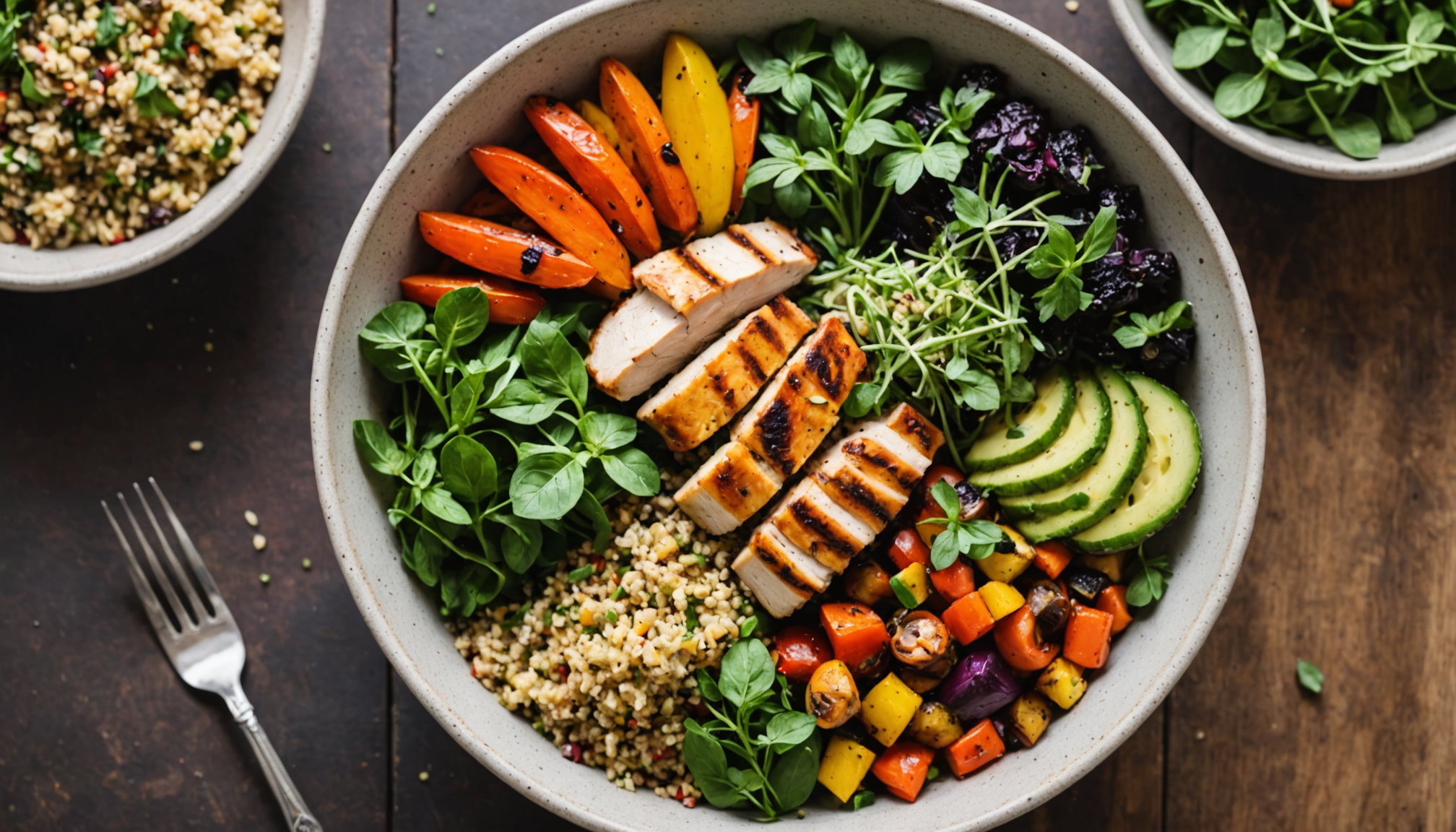 Preparing your organic meat and veggie bowls is an exciting culinary adventure that invites creativity while prioritizing health. The first step is to ensure that all your ingredients are washed and prepped appropriately. This preparation will not only enhance the taste but also play a crucial role in your overall experience, making each bite enjoyable and visually appealing.
To start, select a base for your bowls that provides both nutrition and a satisfying structure. Quinoa, brown rice, or farro can serve as hearty foundations, rich in fiber and protein. If you prefer a lighter option, leafy greens such as spinach or arugula can be bright, fresh bases that maintain the integrity of flavors. The goal is to create a solid platform that complements your chosen proteins and vegetables.
When it comes to the organic meat, cooking methods can greatly affect the final taste. Grilling, roasting, or sautéing are fantastic choices that not only deliver delicious results but also lock in nutrients. Ensure that your meats are cooked to the appropriate temperatures for safety, while retaining moisture—juiciness makes all the difference! Resting the meat after cooking is equally important, as this allows the juices to redistribute, resulting in tender bites that are bursting with flavor.
As you prepare your vegetables, consider the balance of textures and colors to stimulate the senses. Cutting vegetables into uniform sizes ensures even cooking and makes for more inviting presentations. You might choose to lightly steam veggies like broccoli or snap peas to keep them vibrant and crunchy, or roast root vegetables until caramelized and sweet. Both techniques maintain vital nutrients and enhance flavor, promoting a healthy dinner experience.
Another important aspect of your meat and veggie bowls is seasoning. Don’t hesitate to use a variety of spices and herbs to create enticing flavor profiles. A simple sprinkling of garlic powder and seasoning salt can elevate the taste of your proteins. Fresh herbs, such as basil or cilantro, can be added just before serving to keep their flavor bright and aromatic. Consider creating homemade dressings using olive oil, balsamic vinegar, or citrus zest to add a finishing touch that ties the entire dish together seamlessly.
Make your bowls visually appealing by layering your ingredients artistically. Start with your base, then follow with your choice of meat, a medley of colorful vegetables, and a sprinkle of seeds or nuts for added crunch. This layered approach not only boosts the aesthetic but also ensures that each bite is a well-rounded blend of flavors and nutrients.
Finally, consider choosing diverse flavor themes. A Mexican-inspired bowl could feature grilled chicken, black beans, corn, pico de gallo, and avocado, while a Mediterranean variant might include lamb, couscous, cucumbers, and tzatziki sauce. This theme-based assembly invites exploration and can turn your meal prep into a fun, educational experience where you can learn about different cultural influences on food.
Taking the time to prepare your organic meat and veggie bowls allows you to craft personalized meals that nourish your body and excite your palate. Each bowl can be a unique expression of flavor, nutrient density, and creativity, paving the way for delightful mealtime experiences that you’ll want to recreate again and again.
- What are the health benefits of organic meat and veggies?
- Organic meats are free from antibiotics and hormones, offering a purer nutritional profile. Additionally, organic vegetables are generally richer in antioxidants due to their non-GMO, pesticide-free farming methods, promoting overall health.
- How can I ensure my meat is properly cooked?
- Using a food thermometer is the most reliable way to check meat doneness. For poultry, the safe internal temperature is 165°F, while ground meats should reach 160°F. Always allow meat to rest after cooking to retain juices and maximize flavor.
- Can frozen organic vegetables be used in my bowls?
- Yes, frozen organic vegetables are a convenient option that retain their nutrients and can often be less expensive than fresh produce. Just make sure to cook them properly to maintain texture and flavor.
- What are some good grain options for my bowl?
- Quinoa, brown rice, barley, and farro are all healthy, nutritious options that provide fiber and protein. These grains serve as excellent bases and can complement the flavors of your meat and vegetables.
- Are there vegan options for my meat bowls?
- Absolutely! You can replace meats with plant-based proteins like lentils, chickpeas, or tofu. These ingredients still provide the essential nutrients found in meat while creating delicious, satisfying meals.
- How can I make my bowls visually appealing?
- Layering ingredients by color and texture can create a stunning presentation. Use a mix of vibrant vegetables, grains, and proteins to invite the eye and make mealtime more enjoyable.
- What should I consider when selecting seasonings?
- Consider the overall flavor profile you desire for your bowls. Fresh herbs, spices, and homemade dressings are great choices that can significantly enhance taste while keeping meals healthy and exciting.
Creative Serving Suggestions and Presentation Ideas
When it comes to crafting your organic meat and veggie bowls, presentation plays a vital role in enhancing the overall dining experience. A beautifully styled bowl not only makes mealtime more enjoyable but also invites your family to dive in with enthusiasm. Here are some creative ideas to elevate your bowls from simple to spectacular.
Start with the base layer. Choosing a colorful, nutritious base can set the stage for your bowl. Consider a variety like quinoa, farro, or brown rice that can be a hearty foundation. For a lighter option, leafy greens like spinach or arugula provide a vibrant touch. When plating, think about the proportions: larger amounts of greens can create a lush appearance while smaller portions of grains can add texture without overwhelming the base.
Layering your ingredients is key. Begin with your base and then layer on your organic meat, followed by an array of fresh vegetables. Varying the shapes and sizes of your vegetables can create visual intrigue, so slice some veggies while leaving others whole or in large chunks. For example, julienne colorful bell peppers alongside halved cherry tomatoes and roasted sweet potato cubes. This mix not only looks appealing but also ensures a delightful burst of flavors in each bite.
Add a finishing touch with toppings! Sprinkling seeds or nuts—like slivered almonds or pumpkin seeds—on top can create a delightful crunch and an extra layer of nutrition. Fresh herbs, such as basil or cilantro, can add a pop of color and a fresh aroma. A drizzle of a vibrant sauce or dressing not only enhances flavor but also provides a beautiful contrast to the other ingredients. For example, a zesty tahini dressing can add creaminess, while a balsamic glaze can bring a sweet-tart sharpness to the mix.
Consider the color palette of your bowl. Incorporating a variety of colors not only satisfies the eye but also contributes to a broader range of nutrients. Aim for reds, greens, yellows, and purples; each hue represents different vitamins and minerals essential for a balanced diet. A well-composed bowl with a rainbow of vegetables and organic meats can be as nutritious as it is visually pleasing, encouraging healthy dinners that your family will look forward to.
Another creative trick is to use intermittent layers. Instead of mixing everything together, you can create distinct sections within the bowl. This method allows each component to shine, letting your family or guests select their favorites. For example, one section can feature teriyaki chicken, while another side holds roasted broccoli and carrots, all sprinkled with sesame seeds. This thoughtful presentation honors the unique flavors of each ingredient and makes it easy for diners to customize their meals according to personal preference.
Finally, don’t forget the importance of serving utensils. A beautiful serving spoon can make all the difference when serving your organic meat bowls. Choose utensils that complement your dish’s theme—perhaps bamboo spoons for a rustic feel or sleek metal for a modern twist. These small details can elevate your dining experience and make mealtime an event that you and your family cherish.
With these creative serving suggestions and presentation ideas, your organic meat and veggie bowls will not only nourish but also delight. Embracing aesthetic appeal is just as essential as the nutritional benefits provided by the organic ingredients you’ve chosen. Happy cooking and enjoy your vibrant, nutrient-packed meat bowls!
New Customers Offer!
Free Gift for the new customer
$24 Value, When You Subscrib Visit Thrive Market