- Benefits of Organic Ingredients
- Selecting the Right Proteins
- Fresh Vegetables to Include
- Flavorful Dressings and Sauces
- Meal Prep Ideas for Busy Days
- Creative Serving Suggestions
When it comes to grocery shopping, choosing organic ingredients can significantly elevate your culinary experience and promote healthier eating habits. Organic products not only adhere to strict guidelines during their cultivation but also tend to be devoid of harmful pesticides and synthetic fertilizers. This means you are not only supporting your health but also contributing positively to the environment.
For a budget-friendly approach, consider shopping at local farmers’ markets or community-supported agriculture (CSA) programs. These venues often provide organic produce at a cost-effective price compared to conventional grocery stores. Additionally, being a part of a CSA allows you to receive seasonal fruits and vegetables directly from local farms, ensuring freshness and taste while supporting regional agriculture.
When shopping online, it’s critical to prioritize safety. Always ensure that the website is secure (look for HTTPS in the URL) and check for customer reviews before purchasing. For organic meats or other perishable items, select retailers that specialize in handling and shipping these products safely. Look for brands that are transparent about their sourcing and processing methods, ensuring that you’re consuming healthy and responsibly sourced ingredients.
Here are some suggestions for your next grocery list to create those delicious meat bowls or vibrant veggie dishes:
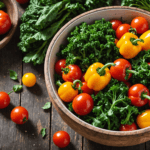
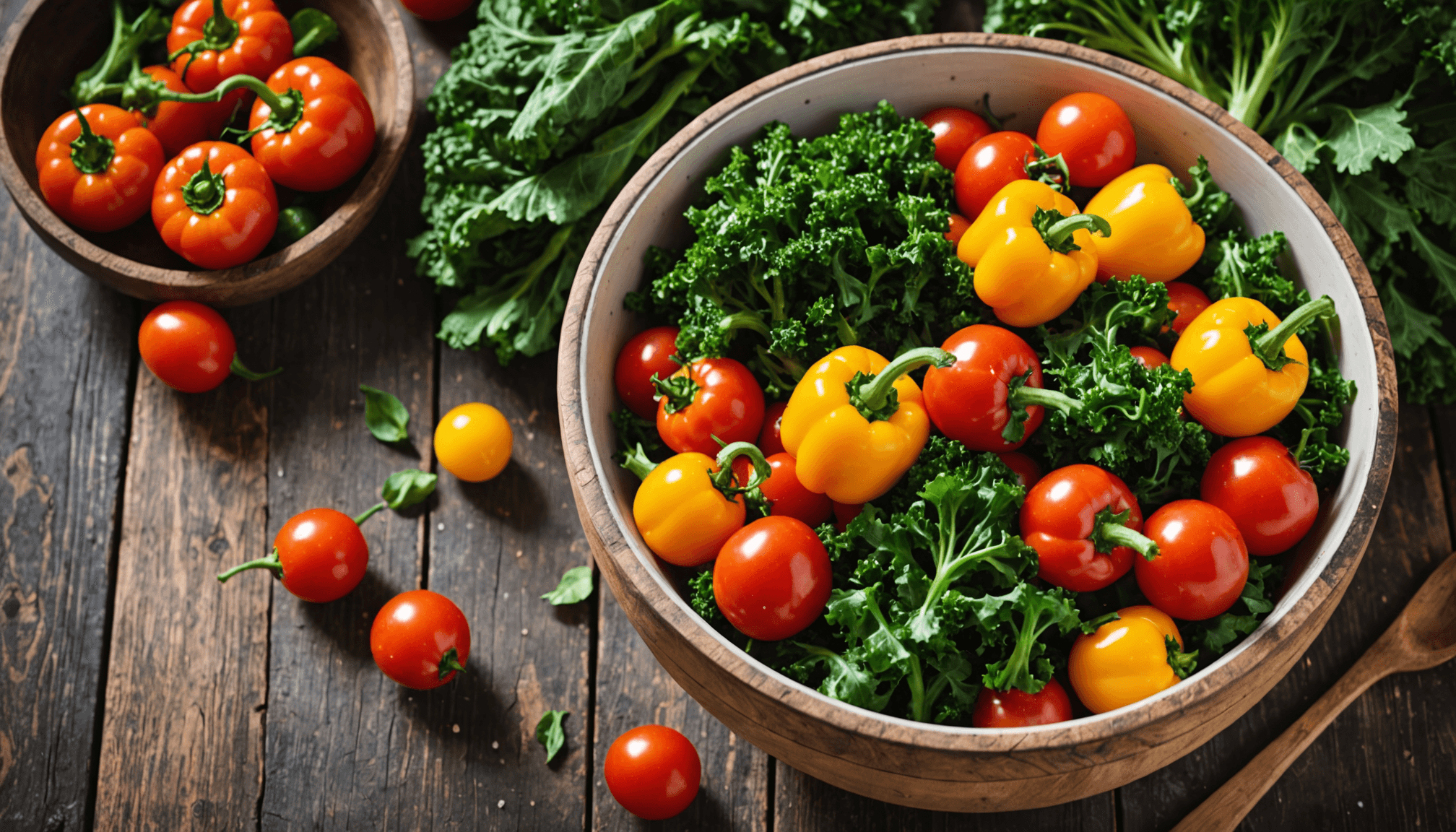
- Fruits and Vegetables: Aim for a rainbow of colors. Select organic bell peppers, zucchini, and leafy greens like kale or spinach, as they are packed with nutrients and antioxidants.
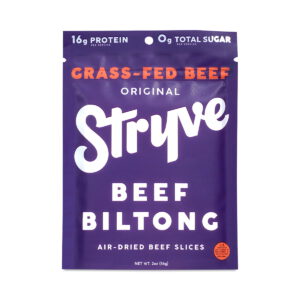
- Proteins: Whether you prefer vegan options or meat, explore organic tofu, tempeh, chicken, and grass-fed beef. These options provide essential amino acids and are typically free of hormones and antibiotics.
- Whole Grains: Incorporate organic quinoa, brown rice, or farro for added fiber and nutrients. These grains make a great base for your bowls and are filling.
- Healthy Fats: Don’t forget avocados, nuts, and seeds. These not only enhance texture but also contribute supportive fatty acids for overall health.
- Spices and Seasonings: Opt for organic herbs and spices. Fresh garlic, ginger, basil, and oregano not only add flavor but also pack a nutritious punch.
Engaging in monthly meal prep can be particularly beneficial for busy families and professionals alike. Set aside a few hours on the weekend to chop vegetables, marinate proteins, and portion out grains. This foresight will ease the dinner rush on weekdays, allowing you to whip up healthy dinners in no time.
By utilizing these practical shopping strategies, you’ll be well-equipped to create delicious, organic recipes that nourish your body and delight your taste buds. From profit-sharing with local farms to choosing the best online retailers, each option brings you one step closer to a health-conscious lifestyle.
Selecting the Right Proteins
Selecting the right protein source is essential in crafting nutrient-dense, flavorful meat bowls. The choice of protein not only affects the overall taste and texture of your dish but also influences its nutritional profile. Protein is a crucial macronutrient, aiding in muscle repair, immune function, and the production of enzymes and hormones. When considering proteins for your organic meat and veggie bowls, there are various options, each with its unique benefits.
For those who prefer animal-based proteins, organic selections are paramount. Grass-fed beef, for example, is higher in omega-3 fatty acids and antioxidants compared to grain-fed counterparts. Similarly, organic chicken is raised without antibiotics, promoting better health outcomes for both the consumer and the animals.
| Protein Source | Benefits | Considerations |
|---|---|---|
| Grass-fed Beef | High in omega-3s, CLA, and vitamins A and E | May be more expensive; consider purchasing in bulk |
| Organic Chicken | Lean source of protein; usually hormone-free | Ensure proper cooking temperature to avoid contamination |
| Organic Tofu | Rich in protein and versatile for various dishes | Check for non-GMO certifications; might require marinating |
| Tempeh | Fermented soy product, good for gut health and high in fiber | May have a strong taste; pairing with flavorful sauces helps |
In addition to the conventional protein sources, plant-based proteins are rapidly gaining popularity for their health benefits and sustainability. Organic tofu and tempeh provide excellent alternatives, especially when paired with various marinades and spices that enhance their flavors.
When preparing meals such as meat bowls, it’s beneficial to consider the cooking methods used for each protein. Grilling, roasting, or sautéing with a minimal amount of healthy fat can yield superior taste and texture. Moreover, using marination techniques not only infuses flavor but can also enhance protein digestibility and nutrient absorption.
As for portion sizes, aim for approximately 3 to 4 ounces of protein per serving. This range ensures that your meal remains balanced while allowing for ample space to incorporate both grains and vegetables, creating a wholesome dining experience.
Ultimately, the selection of the right proteins plays a pivotal role in not only satisfying hunger but also in contributing to your overall health through organic recipes that emphasize nutrient-rich ingredients. Prioritizing high-quality organic proteins in your meal prep will support the creation of delicious, healthy dinners that your entire family will enjoy.
Fresh Vegetables to Include

When it comes to selecting fresh vegetables for your organic meat and veggie bowls, the world is truly your oyster. The beauty of veggies lies not only in their vibrant colors and delicious flavors but also in their diverse nutritional profiles. To make your grocery shopping an enjoyable and successful adventure, here are some tips on how to choose the best fresh vegetables for your meals.
First and foremost, fresh is best. When shopping for vegetables, look for those that are in season. Seasonal vegetables are not only more flavorful and nutritious, but they are also typically more affordable. For instance, local produce such as sweet corn, tomatoes, and cucumbers in the summer months can create a refreshing base for your bowls. Conversely, hearty vegetables like root veggies or squash in the fall and winter can provide a comforting, warm touch.
Prioritize organic options when possible, as they tend to have fewer pesticides and chemical residues. Specifically, some vegetables are better off bought organic due to their high pesticide levels; these include strawberries, spinach, and kale. However, others have thicker skins and are often acceptable to buy conventionally; think of avocados, sweet potatoes, or onions.
- Leafy Greens: Incorporating a variety of leafy greens adds immense nutritional value and flavor. Spinach, kale, arugula, and Swiss chard are excellent choices loaded with vitamins, minerals, and fiber. They pair beautifully as a base or topping for your meat bowls.
- Colorful Bell Peppers: These sweet vegetables come in a rainbow of colors, adding both visual appeal and a burst of flavor to your dishes. Rich in vitamin C, they are versatile and can be grilled, roasted, or eaten raw.
- Cruciferous Vegetables: Vegetables like broccoli, cauliflower, and Brussels sprouts are not only nutrient-dense but also provide unique flavors. Roasting them brings out their natural sweetness, making them a delightful addition to any bowl.
- Fresh Herbs: Don’t overlook the flavor-enhancing abilities of fresh herbs like parsley, cilantro, and basil. They can elevate the taste of your meal while contributing additional nutrients.
For busy families or individuals with limited time, consider buying pre-washed and chopped vegetables. These can save hours during meal prep and help ensure you’re getting those vital servings of veggies in your organic recipes. Choose a store that carries organic and locally sourced options whenever possible; this not only supports local farmers but also ensures the freshest produce available.
Don’t shy away from frozen vegetables! They can also be a healthy and convenient option. Many frozen vegetables are flash-frozen right after harvest, locking in nutrients and flavors. They can be a lifesaver on those hectic weeknights when you need to whip up healthy dinners in no time.
When purchasing vegetables, whether in-store or online, always inspect them thoroughly. Ensure there are no signs of spoilage such as discoloration, bruising, or wilting. And remember, when shopping online, opt for retailers that have a good reputation and customer reviews. Look for fresh produce delivery options that guarantee the arrival of top-quality vegetables at your doorstep.
With a range of vibrant, nutritious vegetables at your disposal, crafting delicious organic meat and veggie bowls becomes a rewarding experience. Focus on variety, seasonality, and quality, and your meals will not only be healthy but also bursting with flavor and color.
Flavorful Dressings and Sauces
Flavorful dressings and sauces are the finishing touches that can transform a simple meal into a culinary delight. When assembling your organic meat and veggie bowls, the right dressing or sauce can elevate the taste profile while adding a burst of flavor that complements your chosen ingredients. Here, we explore a range of choices that cater to various palates, ensuring that you can find the perfect match for your healthy dinners.
Start with a classic vinaigrette, which is both simple and versatile. A basic recipe includes high-quality olive oil, balsamic or apple cider vinegar, and a combination of seasonings such as salt, pepper, Dijon mustard, and honey for sweetness. This dressing pairs excellently with leafy greens and works beautifully drizzled over cooked proteins. You can adjust the tanginess by changing the ratio of oil to vinegar, or even infuse the oil with herbs and spices for added complexity.
For those craving a creamier texture, consider an avocado-based dressing. Simply blend ripe avocados with lime juice, garlic, and a bit of water or yogurt for a smooth, nutrient-packed sauce that adds both flavor and healthy fats. This dressing not only enhances the richness of your meat bowls but also provides a vibrant green color, making the dish visually appealing.
Another fantastic option is a zesty tahini sauce, which adds a nutty flavor that pairs well with roasted vegetables and grains. Combine tahini with lemon juice, garlic, and a touch of water to achieve a pourable consistency. This sauce is particularly delightful when drizzled over a bowl adorned with chickpeas, grilled chicken, and fresh herbs, creating a satisfying blend of tastes and textures.
If you’re looking for a more adventurous approach, try a chimichurri sauce. This Argentinian condiment made from parsley, garlic, olive oil, and vinegar adds a fresh and herby kick to beef or grilled veggies. Its bold flavors not only enhance the dishes but also offer a vibrant twist that keeps your meals exciting and enjoyable.
Spicy lovers can whip up a sriracha-mayo blend as a dip or drizzle. Mixing sriracha with Greek yogurt or mayo creates a creamy, spicy sauce that adds an unexpected punch to any meat bowl. This sauce pairs particularly well with grilled shrimp or crispy tofu, providing a delightful contrast to the earthy flavors of your vegetables.
Lastly, don’t forget about the power of prepared sauces! Many gourmet brands now offer organic options for pesto, salsa, and curry sauces that can save you time while still delivering great taste. Just be sure to check the ingredient label to avoid any additives or preservatives.
// Sample styles for output format
“The sauce is the heart of a dish, elevating its basic ingredients to a culinary experience.”
With these flavorful dressings and sauces at your disposal, you can easily enhance your organic meat and veggie bowls, making every meal not only nutritious but also an enjoyable adventure for your taste buds. Experiment with these combinations to find your favorites, and let the flavors shine through as you create enticing and vibrant dishes that your family will love.
Meal Prep Ideas for Busy Days
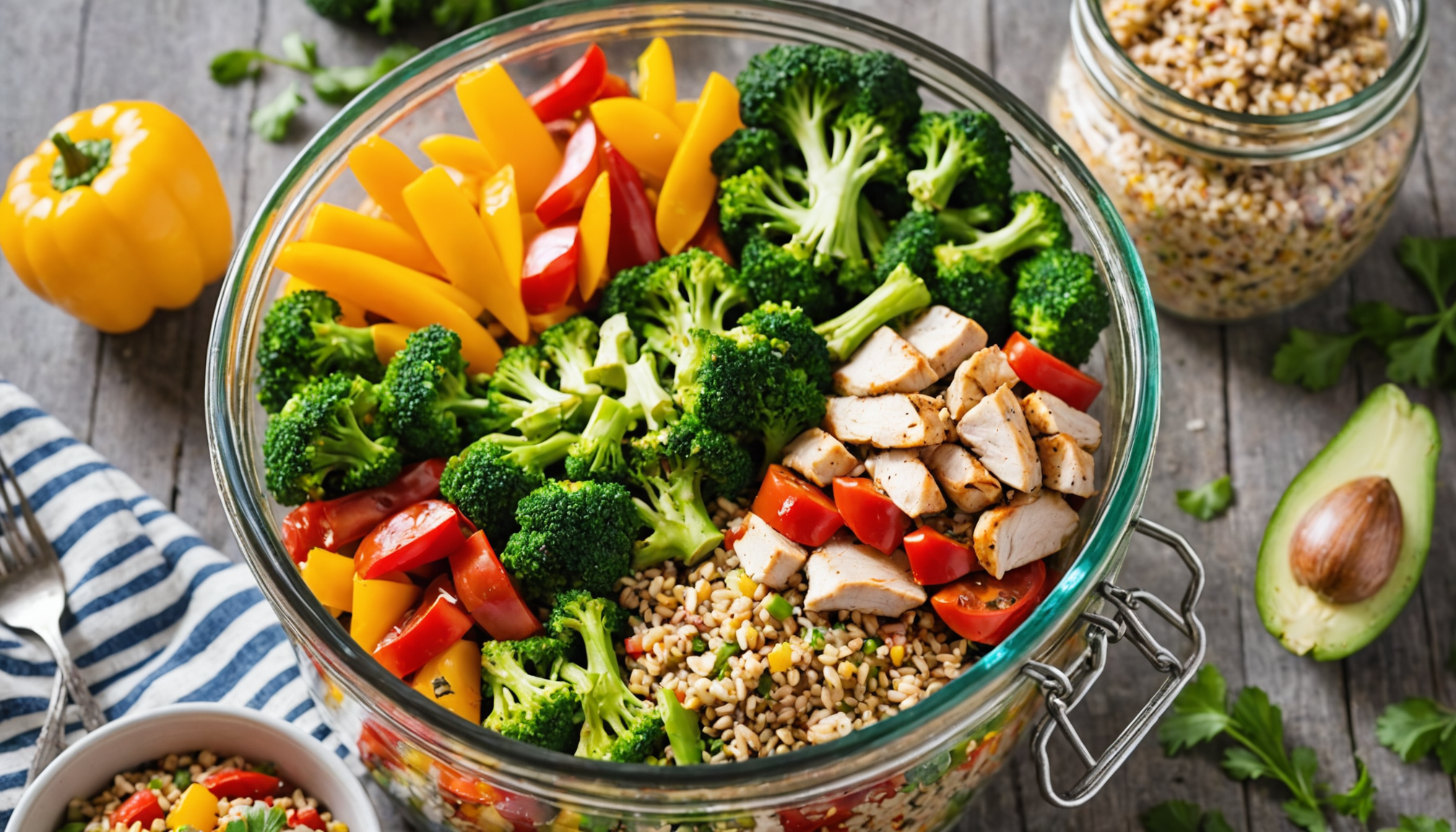 Engaging in meal prep is not just a practical solution for busy days; it’s also a key strategy in maintaining a healthy lifestyle. Start by dedicating some time on the weekend or any free evening to gather and prepare your ingredients. Chop up your favorite vegetables, marinate your proteins, and measure out grains into individual servings. By doing so, you create a streamlined cooking experience throughout the week, ensuring you never fall into the takeout trap when time is tight.
Consider batching your organic recipes. For instance, cook a large quantity of quinoa or brown rice, which can serve as a versatile base for multiple meals. Pair that with different proteins throughout the week—grilled organic chicken one day, sautéed tofu the next, and maybe roasted tempeh later on. This approach adds variety to your meals while saving you precious time.
Store your prepared ingredients in airtight containers to maintain freshness. Labeling each container with the date can help you avoid any food waste and ensure you’re consuming everything at its peak. A quick tip: store sauces separately until you’re ready to eat. This preserves the bold flavors and textures, making your healthy dinners even more tantalizing.
To make meal prep even more efficient, consider investing in quality kitchen tools. A sharp knife will make chopping vegetables a breeze, and a food processor can chop, slice, and blend ingredients in a fraction of the time. Additionally, using mason jars for salads or layered bowls can be both an aesthetic and practical approach; they are easy to transport and maintain the salad’s crispness.
Another great idea is to prepare your dressings and sauces in advance. A simple batch of vinaigrette can go a long way, and homemade creamy dressings can be altered to your liking while avoiding unwanted preservatives. Having these prepped will elevate your meat bowls while saving time during the week.
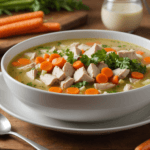
Lastly, don’t forget the power of freezer-friendly meals. Double your recipes and freeze half for a later date. Soups, stews, and grain-based dishes freeze exceptionally well, allowing you to have a homemade meal ready to go in just a few minutes.
With these meal prep ideas, not only can you ease your weekly cooking stress, but you also foster a habit of healthy eating. Get creative with your ingredients and savor the fresh, organic flavors that come from your hard work, transforming your busy weekdays into nourishing culinary experiences.
- What are the benefits of meal prepping?
- Meal prepping saves time during busy weekdays, helps control portion sizes, and supports healthy eating habits by ensuring meals are ready to go. Additionally, it can reduce food waste by utilizing leftover ingredients effectively.
- How long can I store prepped meals in the refrigerator?
- In general, prepped meals can be stored in the refrigerator for 3 to 5 days. Foods like grains and proteins tend to last longer, while fresh vegetables may need to be consumed sooner for optimal freshness.
- Can I freeze my meal preps?
- Yes, many meal prep items freeze well, including cooked grains, proteins, and sauces. Be sure to use airtight containers or freezer bags to prevent freezer burn and retain flavor.
- What types of proteins are best for meal prepping?
- Organic chicken, grass-fed beef, tofu, and tempeh are excellent choices for meal prep due to their versatility and ability to hold up well in the refrigerator or freezer. Consider marinating them beforehand to enhance flavors.
- How can I keep my meals interesting throughout the week?
- To keep your meals exciting, mix different proteins, grains, and vegetables throughout the week. Experiment with various dressings and sauces as well, as they can dramatically change the flavor profiles of similar ingredients.
- Do I need to stick to only organic ingredients for meal prepping?
- While opting for organic ingredients can elevate your meals and reduce exposure to pesticides, it is not essential. Prioritize organic options for produce on the Dirty Dozen list, and choose conventional for those on the Clean Fifteen list if you’re on a budget.
- What tools do I need for effective meal prep?
- A good chef’s knife, cutting board, high-quality storage containers, and possibly a food processor can make meal prepping more efficient. Additionally, investing in a slow cooker or Instant Pot can be beneficial for easy meal preparation.
Creative Serving Suggestions
When it comes to presenting your organic meat and veggie bowls, creativity in serving can make mealtime not just a necessity but a delightful experience. The way you plate and present your dishes can have a significant impact on the overall enjoyment of your healthy dinners. Here are some innovative serving suggestions to help you infuse excitement into your meals.
Layer it Up: Consider layering your meat bowls in bowls or jars to showcase the vibrant colors and textures of each ingredient. Start with a base of grains, then add your chosen proteins, followed by an assortment of vegetables, and finally crown it with your favorite dressing or sauce. This not only makes for a visually appealing dish but also allows each component to shine.
Engage the Kids: For families with children, make mealtime interactive by allowing everyone to build their own bowl. Set up a “bowl bar” with various ingredients laid out, such as organic beans, diced veggies, meats, and toppings. Kids will love customizing their meals while you encourage them to explore new flavors and textures—all while you rest easy knowing they’re eating healthy, colorful options.
Use Creative Bowls: Instead of standard bowls, try serving your dishes in unique containers. Hollowed-out vegetables such as peppers or squash can serve as edible bowls, making for a fun and eco-friendly presentation. This not only enhances the aesthetic appeal but also adds an extra layer of flavor to your meal.
Garnish Wisely: Don’t underestimate the power of a garnish! Fresh herbs, such as cilantro or parsley, can add a pop of color and an aromatic touch to your presentation. Toasted nuts or seeds can also add texture and appeal. Consider drizzling a little extra dressing or sauce on top for an added visual and flavor boost.
Theme Nights: To keep things fresh, why not introduce theme nights? Experimenting with different culinary styles can add variation to your meals while using the same foundational ingredients. For instance, turn your meat and veggie bowls into a Mediterranean affair with olive oil, feta, and olives one night, then switch to a spicy Mexican theme with salsa, avocado, and corn the next. This approach not only introduces diverse flavors but also makes meal prep an adventurous endeavor.
Portable Options: For those on the go, meal prepping your organic meat bowls in portable containers can simplify lunchtime at work or on school days. Opt for containers with multiple compartments to keep ingredients separate until you’re ready to mix them up. This not only maintains freshness but also allows you to enjoy your healthy dinners minus the mess.
Remember that presentation matters, especially when it comes to keeping meals interesting. By incorporating fun and innovative serving methods, you can transform everyday organic recipes into exciting and engaging culinary experiences that every family member will appreciate. Whether it’s through interactive build-your-own bowls or creative plating, your meals will be an event rather than a routine.
New Customers Offer!
Free Gift for the new customer
$24 Value, When You Subscrib Visit Thrive Market