- Healthy Ingredients for Vegan Bowls
- Choosing the Right Grains
- Delicious Vegetable Combinations
- Flavorful Dressings and Sauces
- Incorporating Protein Sources
- Ideas for Meal Prep and Storage
When preparing to fill your kitchen for creating delicious and nourishing vegan bowls, consider a practical approach to grocery shopping that favors local, organic, and budget-friendly options. Start by making a list of essential ingredients that will form the foundation of your plant-based recipes. This ensures you maintain focus while avoiding impulse purchases that can lead to overspending.
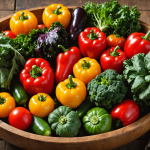
Fresh produce should be at the heart of your shopping trip. Visit local farmers’ markets if possible, as they often offer organic vegetables and fruits at reasonable prices. Look for seasonal items, which are typically more affordable and flavorful. Aim for a vibrant mix of colors and textures; think leafy greens such as kale or spinach, crunchy vegetables like bell peppers and carrots, and a variety of fruits such as berries or avocados to enhance your bowls.
Next on your list should be whole grains. Quinoa, brown rice, and farro not only add substance to your vegan bowls but also provide essential nutrients. When shopping for grains, consider buying in bulk to save money and reduce packaging waste. Health-food stores or online retailers often provide bulk bins filled with these staples, which makes it easy to control portions and cost.
Don’t forget about legumes and legumes-based products. Items like chickpeas, black beans, and lentils are fantastic up-and-coming protein sources that can be used in various recipes. Look for canned options for convenience but check the labels for added sugars and sodium. Dried varieties are a budget-friendly alternative that can be stored longer and cooked in batches for multiple meals.
- Safety Tip: If buying canned beans, choose BPA-free cans whenever available to reduce exposure to harmful chemicals.
- Online Shopping Tip: When purchasing legumes online, opt for reputable brands and check for user reviews to ensure quality.
As you navigate through the aisles, don’t overlook the variety of nut and seed options either. Almonds, walnuts, pumpkin seeds, and chia seeds serve as excellent toppings for your vegan bowls, adding crunch, healthy fats, and additional protein. Consider buying in bulk as well to make these nutritious additions more affordable.
Finally, be vigilant about ingredients in any dressings or sauces you might buy to enhance your vegan bowls. Many store-bought varieties can contain added sugars, preservatives, and unhealthy fats. Explore the organic section to find options with simple, wholesome ingredients. Or, get creative and whip up your own dressings at home using fresh herbs, lemon juice, and tahini for a healthy boost to your meals.
By being strategic about where and how you shop, you can fill your pantry with the healthy ingredients necessary for vibrant vegan bowls, all while keeping your budget intact. Remember, planning ahead is key to making the process enjoyable and efficient, leaving you with more time to savor your delicious organic dinners!
Choosing the Right Grains
Choosing the right grains is fundamental in crafting nutritious vegan bowls that are both satisfying and wholesome. Various grains are available, each with its unique flavor profile, texture, and nutritional benefits. Understanding the characteristics of these grains can help you to select the most suitable options for your plant-based recipes.
One of the standout options is quinoa, often hailed for its completeness as a protein source, containing all nine essential amino acids. Not only is it gluten-free, but quinoa also offers a delightful fluffy texture when cooked, making it an excellent base for any vegan bowl. The grain’s slightly nutty flavor pairs perfectly with a wide range of vegetables and dressings, allowing for versatility in meal preparation.
Brown rice is another popular choice, widely available and loved for its chewy texture and nutty taste. A whole grain version of traditional white rice, brown rice retains the bran and germ, providing more fiber, vitamins, and minerals. It is particularly beneficial for maintaining digestive health and can enhance the satiation factor of your meal.
Farro, an ancient grain gaining popularity in modern cuisine, should not be overlooked. With a slightly chewy texture and earthy nutty flavor, farro is rich in fiber and protein. It not only boosts the nutritional value of vegan bowls but also adds a unique taste dimension, thanks to its rustic characteristics.
For a more adventurous approach, consider using grains like millet, spelt, or freekeh. Millet is gluten-free and packed with magnesium, while spelt offers a rich flavor and plenty of fiber. Freekeh, harvested while young and roasted, brings a smoky taste and is high in protein. Each of these grains can significantly enhance your organic dinners’ appeal by introducing a variety of flavors and textures.
Below is a comparison of some common grains used in vegan bowls:
| Grain | Protein (per 1 cup cooked) | Fiber (per 1 cup cooked) | Gluten-Free | Flavor Profile |
|---|---|---|---|---|
| Quinoa | 8g | 5g | Yes | Nutty, Fluffy |
| Brown Rice | 5g | 4g | Yes | Nutty, Chewy |
| Farro | 6g | 7g | No | Earthy, Nutty |
| Millet | 6g | 2g | Yes | Mild, Slightly Sweet |
| Spelt | 10g | 6g | No | Nutty, Sweet |
| Freekeh | 8g | 4g | No | Smoky, Chewy |
When incorporating grains into your vegan bowls, consider balancing these with various vegetables and legumes to achieve a well-rounded meal. The right combination can enhance flavor, texture, and overall nutritional value, making your dishes not only delightful but also healthful. Choose grains that fit your dietary preferences or explore different grains to keep your organic dinners exciting and diverse.
Delicious Vegetable Combinations

When it comes to grocery shopping for vibrant vegan bowls, selecting the right vegetables is crucial for creating a delightful meal full of flavor and nutrition. To maximize your grocery store visits, keep in mind a few practical tips that can help make shopping enjoyable and cost-effective, whether you’re purchasing in-store or online.
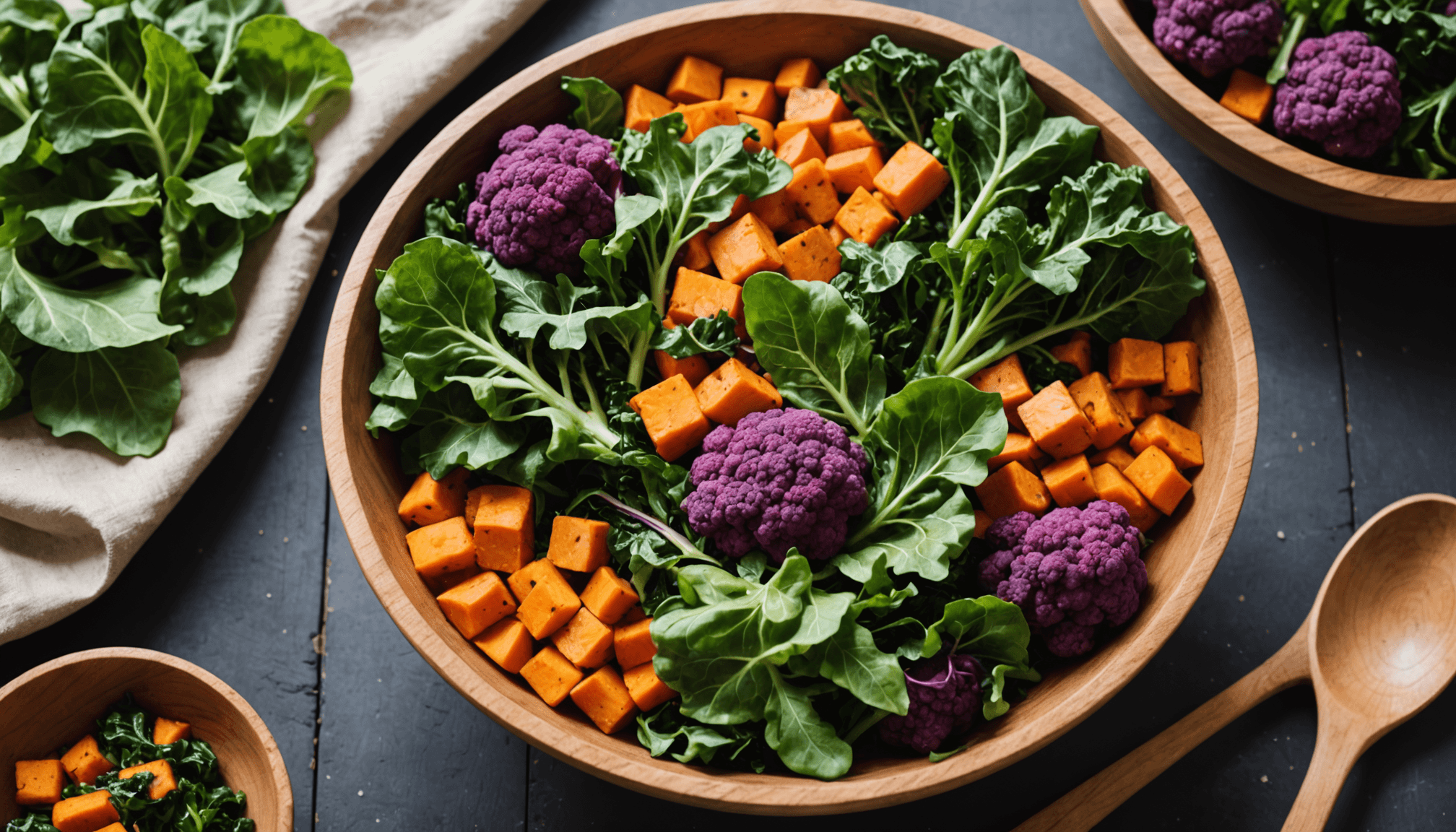
Start by exploring the produce section with an adventurous spirit. Look for a variety of colors and textures to create visually appealing meals. Staple vegetables like sweet potatoes, carrots, and zucchini are not only versatile but are also cost-effective, especially when bought in bulk. Seasonal vegetables, such as bell peppers in the summer and root vegetables in the fall, provide fresh flavors at a lower price point. Consider incorporating less common vegetables like purple cauliflower or rainbow chard to add a unique twist to your bowls.
Don’t hesitate to experiment with leafy greens as they offer something different to your vegan bowls. While spinach and romaine are iconic choices, why not try kale, arugula, or even mustard greens? These greens are powerhouses of nutrients and can change the overall flavor profile of your dish. If you tend to have limited time for meal preparation, pre-washed and chopped greens can make your shopping trip faster and easier.
- Local Tip: Supporting local farms by purchasing their produce not only benefits the community but often guarantees fresher produce with better flavor.
- Organic Option: When choosing vegetables, think about organic options for items on the EWG’s Dirty Dozen list, which highlights produce with higher pesticide residues, such as strawberries and kale.
As for frozen vegetables, don’t disregard them entirely! Frozen options can be just as nutritious as fresh ones since they are often frozen at peak ripeness. This means you can stock up on peas, spinach, and mixed vegetable blends to use any time, giving you flexibility in your meal prep.
When shopping online, check for discounts on seasonal fruits and vegetables, as many retailers offer deals to encourage the purchase of these items. Opt for reputable organic online grocers or your local supermarket’s website. Be sure to read the reviews on the freshness of produce, ensuring you’re getting top-quality items delivered to your door.
While at the grocery store or browsing online, consider using shopping apps that provide information on prices and nutritional content. Many apps allow you to upload your grocery list and compare prices in various stores, which not only saves you money but also helps you stick to a budget while ensuring the quality of your produce.
Bring reusable bags to your shopping trips to minimize waste and support eco-friendly practices. When handling fresh produce, ensure you wash your items thoroughly at home to remove any dirt or residues. By following such practices, you will set the stage for fantastic vegan bowls using fresh, wholesome ingredients that excite the palate!
Flavorful Dressings and Sauces
A well-crafted dressing or sauce can elevate your vegan bowls from simple meals to culinary delights brimming with flavor. Exploring various ingredients allows you to create unique combinations that enhance the overall experience of your organic dinners.
Start with a base that adds depth and creaminess. Tahini, made from ground sesame seeds, is an excellent choice. Its rich, nutty flavor pairs wonderfully with lemon juice for a zesty touch, and it complements grains and vegetables alike. To make a tahini dressing, mix tahini with water, lemon juice, garlic, and a pinch of salt until smooth. This dressing serves as a savory blanket for your greens, grains, or roasted veggies.
Another crowd-pleaser is a simple avocado dressing. Blending ripe avocado with lime juice, garlic, and some plant-based yogurt creates a creamy, decadent sauce that’s full of healthy fats. This dressing offers a rich texture that’s perfect for drizzling over your vegan bowls, adding both flavor and a satisfying mouthfeel.
For those who prefer a tangy flavor, consider a vinaigrette. Whisk together olive oil, balsamic vinegar, mustard, and maple syrup for a pop of sweetness that balances the acidity. This versatile dressing works well with earthy salads or alongside roasted vegetables, enhancing the natural flavors of your plant-based recipes.
Herb-based sauces can also bring brightness and freshness to your meals. A classic chimichurri made from parsley, garlic, olive oil, and red wine vinegar adds a herby explosion to your bowls. Blend the ingredients together to create a vibrant sauce that complements grilled vegetables or legumes, perfect for a protein-packed addition to your organic dinners.
If you’re in search of a kick of heat, try a chili-lime sauce. Combine fresh lime juice, chili powder, agave nectar, and a touch of garlic. This spicy dressing can awaken the flavors of your vegan bowls, making your meal exciting and dynamic.
“The best dressing is made with real ingredients that boost the flavor of your dishes without overwhelming them.”
Experimenting with different spices or ingredients can also yield delightful results. Nutritional yeast, for instance, can be incorporated into dressings for a cheesy flavor without dairy. Combine it with sunflower oil and apple cider vinegar for a creamy, nutty dressing that’s perfect for drizzling over your grain or veggie combinations.
As you explore these flavorful dressings and sauces, remember that the key is finding the balance between acidity, fat, and seasoning that suits your taste. Create a few go-to recipes and mix things up based on seasonal produce or your cravings. By infusing your vegan bowls with these homemade sauces, you’re not only enhancing their taste but also nourishing your body with wholesome ingredients.
Incorporating Protein Sources
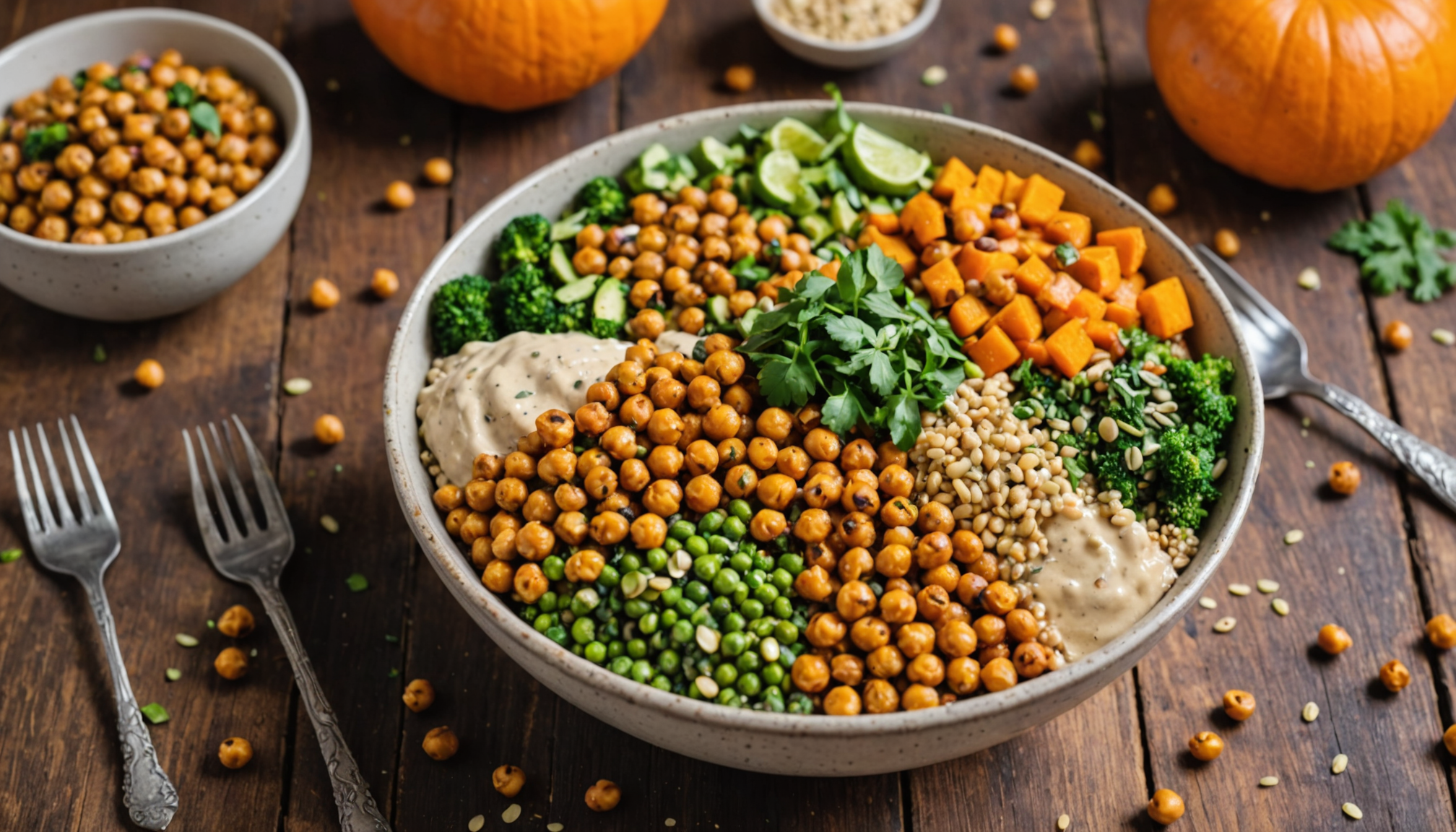 Incorporating protein sources into your vegan bowls is essential for achieving a balanced and nourishing meal. Plant-based proteins not only contribute to muscle maintenance and overall health but also keep you feeling fuller for longer. A rich variety of legumes, grains, nuts, and seeds can transform your colorful bowls into hearty dishes that satisfy both your hunger and nutritional needs.
Start with legumes, which are often hailed as powerhouse protein sources. Chickpeas, black beans, and lentils are not only versatile but also easy to prepare. Roasted chickpeas make a crunchy topping, while lentils can serve as a savory base for your bowls. Incorporating different legumes offers an array of flavors and textures—from hearty stews to light salads. Don’t shy away from experimenting with fava beans or kidney beans to add variety to your meals.
To elevate the protein content further, consider adding cooked grains like quinoa, which is more than just a grain; it is a complete protein, containing all nine essential amino acids. Other hearty grains like farro and buckwheat also pack a protein punch while bringing unique flavors and textures to your dishes. Mixing grains with legumes maximizes the protein profile of your vegan bowls and enhances their complexity.
Nuts and seeds are another fantastic way to incorporate healthy fats and protein into your meals. Almonds, walnuts, and pumpkin seeds not only provide a satisfying crunch but also boost the nutritional content of your bowls. Topping your dishes with raw or roasted nuts can add delightful flavors and necessary nutrients such as omega-3 fatty acids and vitamin E. Alternatively, consider nut butters, like almond or sunflower seed butter, drizzled over your bowls for a creamy enhancement that also packs in protein.
To ensure variety in flavor and texture, try integrating plant-based protein products such as tempeh or tofu. Tempeh, with its nutty flavor and firm texture, can be marinated, grilled, or sautéed to complement the other ingredients in your vegan bowls. Tofu, a staple in many plant-based recipes, can absorb spices and sauces beautifully, adding depth to your meals. Don’t hesitate to try unique preparations, like crispy baked tofu or smoky grilled tempeh, to elevate your organic dinners.
When it comes to meal planning, consider batch cooking proteins to make assembling your bowls quick and easy during busy weeknights. Cook a large pot of lentils or batch-roast chickpeas to have them ready for any meal. Additionally, utilizing leftover proteins in salads, grain bowls, or wraps can help minimize waste and maximize convenience.
As you explore various combinations of these protein sources, think creatively about how to effectively integrate them into your vegan bowls. This journey into the world of plant-based proteins not only nurtures your body but also encourages you to experiment with diverse flavors and textures that make each bowl unique.
- What are some good protein sources for vegan bowls?
- Legumes like chickpeas and lentils, grains such as quinoa and farro, as well as nuts and seeds are excellent plant-based protein sources to incorporate into your vegan bowls.
- How can I make my vegan bowls more filling?
- Including a variety of protein sources, healthy fats from nuts and seeds, and a mix of grains can enhance the satiety of your vegan bowls, making them more filling and nutritious.
- Can I prepare plant-based proteins in advance?
- Yes, batch cooking legumes, grains, and even marinating tempeh or tofu can save time during the week and allow for quick assembly of delicious vegan bowls.
- Are there any unique protein options to try?
- Yes! Products like hemp seeds, edamame, and tempeh offer unique flavors and textures that can enhance the nutritional profile of your vegan bowls while adding interest.
- How do I incorporate more protein into my meal prep?
- Focus on including a protein source in every meal component, such as adding beans to salads, using quinoa as a base, and topping with nuts or seeds.
- Can I count plant-based proteins as complete proteins?
- Yes, combining different plant-based proteins, like grains and legumes, can create a complete amino acid profile, ensuring you get all essential amino acids required by the body.
- What are some quick ways to add protein to my vegan bowls?
- Consider using canned beans, pre-cooked lentils, or roasted nuts, which can be quickly added without much preparation and still boost the protein content of your meals.
Ideas for Meal Prep and Storage
Meal prep and storage can be a game changer when it comes to maintaining a healthy eating routine centered around delicious vegan bowls. Effective planning allows you to save time during the week and ensure that nutritious options are always at your fingertips, making healthy eating not just convenient but also sustainable. Here are some practical tips to streamline your grocery shopping, meal prep, and storage for your plant-based recipes.
Start by dedicating a specific day for meal prepping. Whether it’s Sunday or a weekday evening, choose a time to batch-cook meals that can be easily stored and assembled later. Prepare a variety of components such as grains, roasted vegetables, and protein sources in advance. For instance, cooking a large batch of quinoa or farro can serve as a hearty base for your vegan bowls throughout the week. Use clear glass containers to portion out grain, legumes, and vegetables, keeping them organized and visible in your fridge.
- Portion Control: Invest in reusable containers to help manage portion sizes, making it easier to grab and go when you’re in a hurry.
- Labeling System: Use a dry erase marker to label containers with dates so you can keep track of freshness and avoid food waste.
When storing fresh produce, consider how items will last and how they can be used. Leafy greens like kale and spinach should be stored in a breathable container lined with paper towels to absorb moisture and prolong freshness. On the other hand, root vegetables such as potatoes and carrots thrive in a cool, dark place outside the fridge. If you prep vegetables in advance, wash and chop them, then store them in airtight containers; this saves time during busy meal preparation moments.
For proteins, utilizing the freezer is key. Cooked beans, legumes, and even grains can be frozen for later use. Portion them into freezer-safe bags, remove excess air, and label them with dates to keep track of freshness. When you need a quick meal, simply pull portions out the night before to thaw, or microwave them directly from frozen without the need for a stove.
Consider creating a “meal prep kit” that contains staple ingredients you’ll frequently use. Stock up on essentials like canned beans, jars of sauces, and nuts that can easily be accessed for quick meals. During grocery shopping, pick up organic staples that align with your dietary preferences, making it easier to create balanced vegan bowls. Examples include tahini, olive oil, and various spices, which can all contribute to the flavor and nutrition of your dishes.
Online grocery shopping can also streamline meal prep. Many retailers offer delivery or pickup services that allow you to shop by categories like organic, budget-friendly, and plant-based items. Take advantage of customer reviews to assess the quality of produce or pantry staples ahead of time. This can help you avoid unnecessary trips to the store and ensure you get the right and freshest ingredients delivered right to your doorstep.
Lastly, make it a habit to review what’s left in your pantry or refrigerator before planning your meals for the week. This not only reduces waste but saves money by using ingredients you already have. Incorporate these items into your meal plans to create unique and exciting variations of vegan bowls that keep your organic dinners both exciting and fulfilling.
With these practical tips for meal prep and storage, you can enhance your grocery shopping experience, ensuring that preparing nutritious meals becomes a seamless part of your routine. Whether it’s tossing together a quick bowl after a long workday or creating an elaborate feast on the weekends, having the right ingredients organized and ready to go is the key to success.
New Customers Offer!
Free Gift for the new customer
$24 Value, When You Subscrib Visit Thrive Market